
Reviewed · KYOTO CRAFT & CALLIGRAPHY WORKSHOPS
Kyoto: Japanese Calligraphy Class
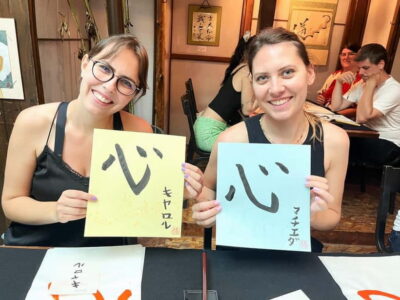
A calm hour with real Japanese calligraphy. This Kyoto class teaches you how to handle a brush and ink step by step, and you’ll leave with a personalized scroll of the Kanji you write. I like that English instruction keeps things clear, and I like that you can take your work home as real keepsakes; the only drawback is it moves quickly if you were hoping to tackle a long list of characters.
You get started right away near Kyoto Station, so it’s easy to fit into a busy sightseeing day. The format is about 1 hour, and you can do it as a private or small group, which helps a lot when you want hands-on guidance instead of watching from the side.
One practical consideration: it’s not suitable for children under 5. If that fits your group, this is a friendly, creative pause in Kyoto that ends with something you made yourself.
In This Review
- Key things to know before you go
- Kyoto calligraphy right by Kyoto Station
- What happens during the 1-hour class
- English coaching and patient hands-on help
- Writing your name in Kanji: the fun (and the meaning)
- Your souvenirs: more than a postcard
- Price and value: why $51 can make sense
- Who this class is best for in Kyoto
- How to prepare so the hour feels effortless
- Should you book this Kyoto Japanese calligraphy class?
Key things to know before you go
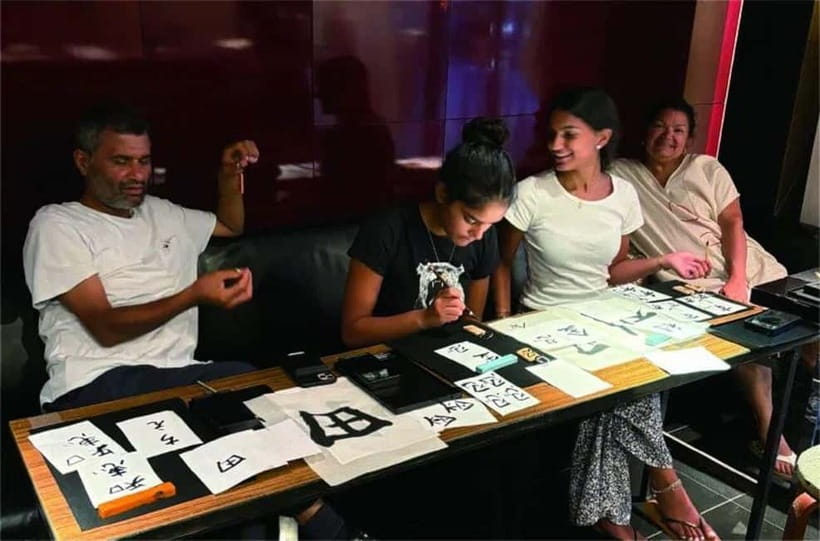
- You’ll write Kanji from scratch and take home a scroll of the characters you make
- English instruction is built in, so you’re not left guessing at the start
- Your name and a favorite word get special attention, including possible Kanji options and meanings
- Supplies and souvenirs are part of the deal, including washi-paper and take-home items
- You meet near Kyoto Station, which saves time versus hopping across town
- Small groups or private sessions are available, so questions don’t get lost
Kyoto calligraphy right by Kyoto Station
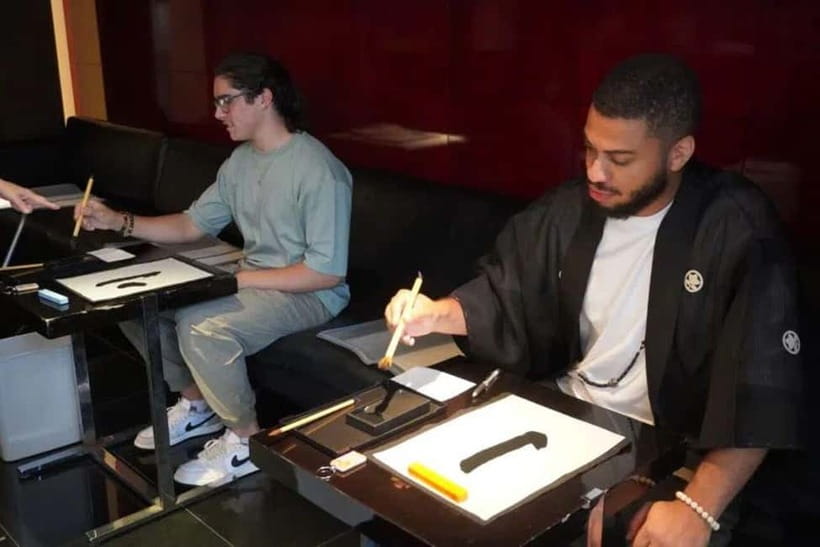
Location matters in Kyoto. The class is set up in front of Kyoto Station, which means you can drop in before or after other plans without a big transit hassle. I especially like this when my day is already packed, because a full workshop often turns into a half-day commitment just getting there.
The meeting point can vary depending on the option you book, but the overall setup is designed to be convenient. That makes it a smart choice for a rainy day too, when you’d rather do something that stays indoors but still feels distinctly Japanese.
If you want a calm break from bus stops, lines, and loud streets, this one-hour session is built for that. You’re working with brush, ink, and paper, not rushing to the next photo spot.
Make something by hand in a Kyoto workshop
What happens during the 1-hour class
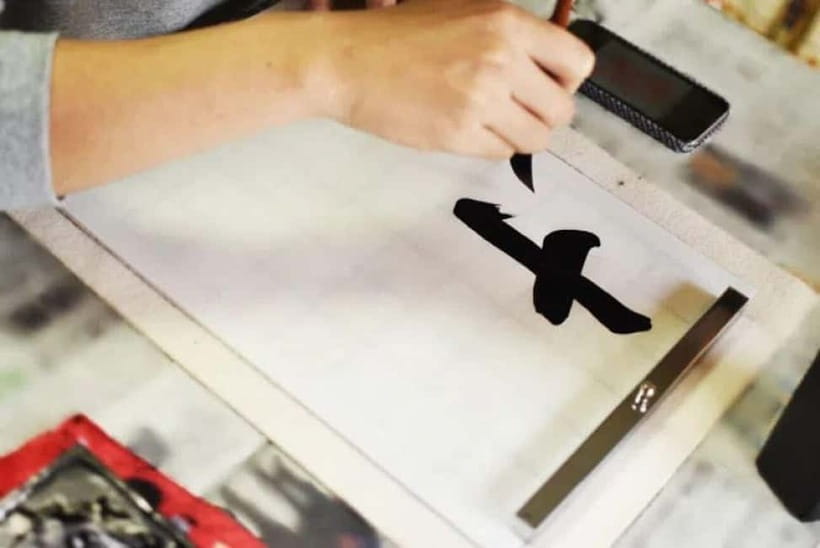
This workshop is structured so you don’t just learn theory. You’ll actually produce something by the end, which is the whole point of a hands-on art class.
Here’s the typical flow:
1) Brush + ink basics (a short lecture)
The staff starts with an explanation of how to use a brush and how to apply ink. It’s practical, not academic. You’re learning how to control the stroke feel so your writing looks intentional instead of accidental.
2) Basic character practice + a take-home scroll
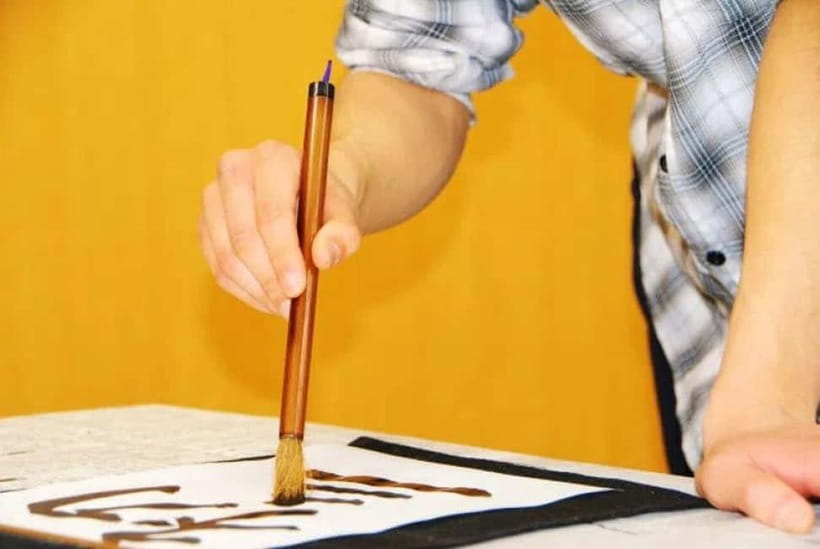
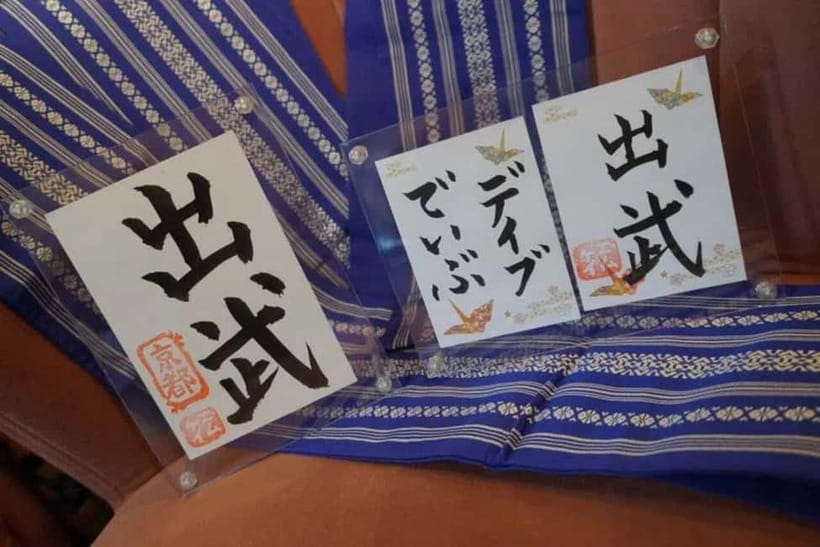
Next, you’ll write basic characters. The class focuses on getting you comfortable enough to form clean strokes, then you’ll create a scroll with the Kanji characters you wrote. That scroll is a real souvenir, not a demo you only get to watch.
3) Your name and a favorite word in Kanji (plus alphabets)
Then comes the personal part. You’ll write your own name and a favorite word in Kanji characters and alphabets. The instructor assists with possible Kanji choices and their meanings, which is where the experience turns from art exercise into cultural puzzle.
4) Make your own extra souvenirs to take home
Finally, you make additional take-home items. Exact items can vary, but the experience includes supplies and projects like a Japanese fan, and other paper goods such as cards or frames, depending on the set you receive.
This sequencing works well because it builds in steps. You start with easy wins, then you move to your name, and you end with fun extras you can use after the class.
English coaching and patient hands-on help
A big reason people rate this so highly is how clearly the instruction lands. English instruction is included, and the teaching style is patient and supportive. That matters in calligraphy, because it’s not just about copying shapes. It’s about learning the stroke rhythm.
Instructors you may encounter include Rena, Lana, and Waka. The common thread in how they’re described is calm pacing: the guidance is broken into steps, and questions are welcome. Some participants also noted very close, supportive coaching while they practiced, which is exactly what you want when you’re trying to correct your stroke early rather than after everything is done.
If you’re worried you’ll feel lost because you don’t read Japanese, don’t. The class is designed to help you start with the basics and then build toward writing something personal.
One more plus: you’re not only learning how to form letters. You also get context for why the strokes matter and how the practice connects to Japanese culture.
Writing your name in Kanji: the fun (and the meaning)
The most memorable part for many people is writing their name in Kanji. It’s personal, and it’s surprising how much thought goes into matching sounds and meanings.
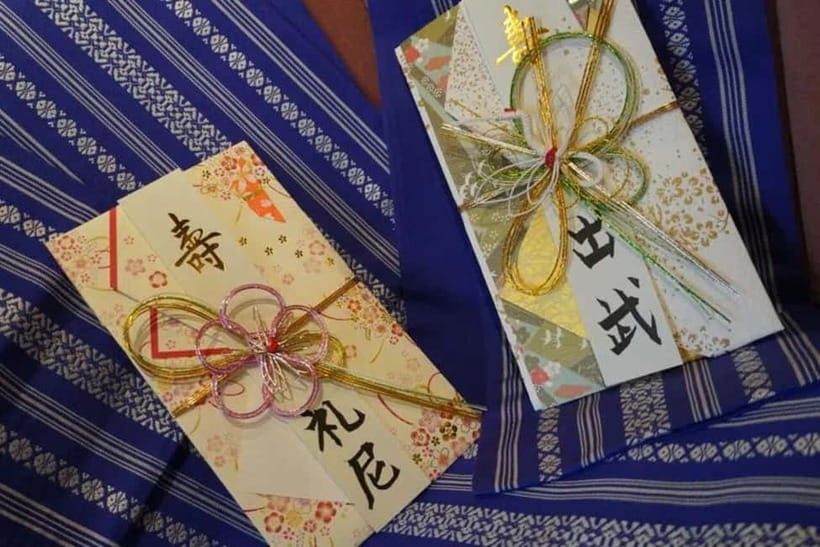
You’ll get help choosing possible Kanji characters for your name and favorite word. The staff will also explain the meanings behind the options. For example, one staff-provided mapping shows Brian as 武礼安:
- 武 (martial, military commander, bravery)
- 礼 (politeness, gratitude)
- 安 (peace)
Another example shows Liz as 梨図:
- 梨 (pear)
- 図 (painting)
You’ll also practice alphabets alongside the Kanji. That combination is useful if you’re still forming your relationship with the look of Japanese writing. You’re building fluency through repetition, but you’re not locked into perfect reading ability.
Practical note: don’t try to game the system by picking a word you can’t picture. Choose a favorite word that actually matters to you (a value, a theme, something you want to carry with you). That way, when you’re looking at Kanji options and meanings, the result feels worth keeping.
Your souvenirs: more than a postcard
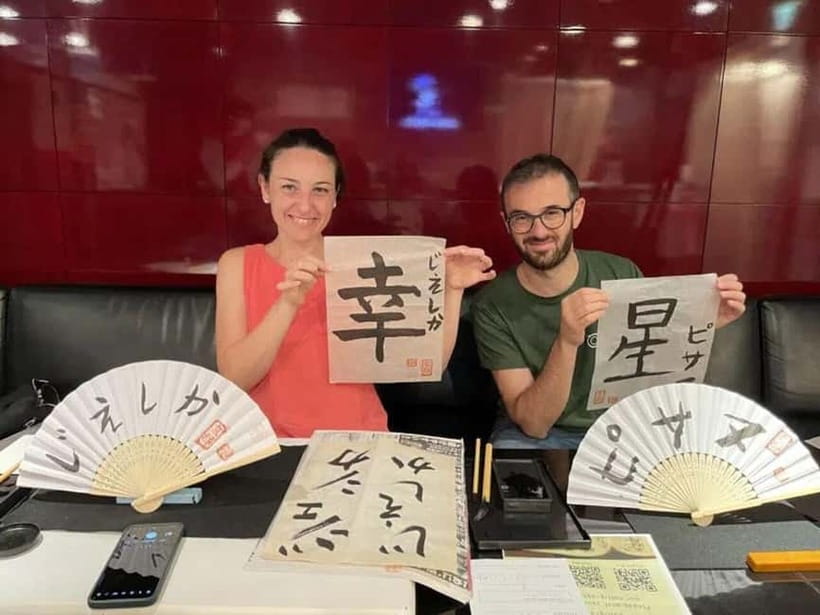
The class includes supplies like brushes, ink, and washi-paper, and it also includes projects you can take home. You’ll leave Kyoto with more than one small memento, which is what makes this good value.
Depending on the set you’re offered, you might make items like:
- a scroll featuring the Kanji characters you wrote
- a Japanese fan
- a picture frame and/or small paper goods such as cards or stationery
Some participants also mentioned making things like a postcard or an assortment of paper items, which means you may walk away with a mini collection. That’s especially nice if you want gifts but don’t want to deal with packing fragile, pre-made souvenirs.
The key is that these aren’t random freebies. They’re linked to your writing practice. You’re putting your brush to paper, and then the materials you used become something you can display or use right away after you get home.
Other Kyoto tours and experiences to compare


Price and value: why $51 can make sense
At $51 per person for about 1 hour, this can be a solid deal if you care about making something yourself. The cost isn’t just paying for a seat in a workshop. It covers:
- English instruction
- brush, ink, and washi-paper
- projects/souvenirs you take home
A lot of paid Kyoto experiences fall into two buckets: either you pay mostly for watching, or you pay for something you buy afterward. This one combines teaching plus output. That’s why the price can feel fair even if you’re used to cheaper free cultural stops in Kyoto.
If you’re comparing options, ask yourself one question: would you pay for supplies and guidance just to leave with a scroll and a few personal keepsakes? For many people, the answer is yes, because you’re not going home with a generic souvenir. You’re going home with something that has your name and your choices built into it.
Who this class is best for in Kyoto
This workshop fits best when you want a creative break that still feels authentic. It’s a good match for:
- couples who want a shared activity that’s not just shopping
- solo travelers who like guided structure and a clear takeaway
- families where kids are old enough to handle instructions and materials (it’s not for children under 5)
- anyone who wants a quieter moment during a hectic Kyoto itinerary
It also works well if you like learning through doing. Calligraphy isn’t something you can fake with a photo. You learn by trying, and you see your improvement fast once you’re holding the brush and making strokes.
A nice side effect: several people described the workshop as calming, especially as a contrast to Kyoto’s day-to-day hustle. If your Kyoto trip is heavy on temples and crowds, this is a good mental reset.
How to prepare so the hour feels effortless
You don’t need special prep skills, but you can make the session smoother by thinking ahead. Since the class includes writing your name and a favorite word, spend a minute before you go deciding what you want those to be.
Here are the practical things to prep:
- have your name spelling ready in a way that you’re comfortable using in Japanese calligraphy
- pick a favorite word you’ll enjoy seeing written as Kanji
- go in expecting step-by-step instruction, not perfection
Also, wear comfortable clothes. You’ll be using ink and a brush, and the class is active, even if it stays gentle.
Finally, if you’re doing it as a private or small group, don’t be shy about questions. The format is set up for interaction, and that’s when the meanings and Kanji options become truly interesting rather than just instructions to follow.
Should you book this Kyoto Japanese calligraphy class?
If you want an hour in Kyoto that’s hands-on, English-friendly, and leaves you with your own scroll plus extra souvenirs, this is an easy yes. The strongest part is the combination of clear instruction, patient coaching, and take-home results that feel personal because they include your name and a word you chose.
Skip it only if you’re looking for a long, advanced lesson in calligraphy theory. This is the kind of workshop that helps you start well and finish with something you can show and keep.
More Workshops in Kyoto
More Tour Reviews in Kyoto

More Kyoto Workshops to Try
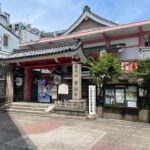
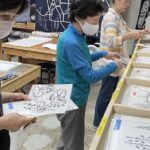

Just added: more Kyoto tours to browse





Kyoto Craft & Calligraphy Workshops, compared.
 ★ 5.0Chopsticks Making Workshop in Gion with Engraving OptionFrom $15958 reviews
 ★ 4.8Authentic knife making experience at a blacksmith in KyotoFrom $154350 reviews
 ★ 5.01-Hour Japanese Archery Experience in KyotoFrom $46176 reviews
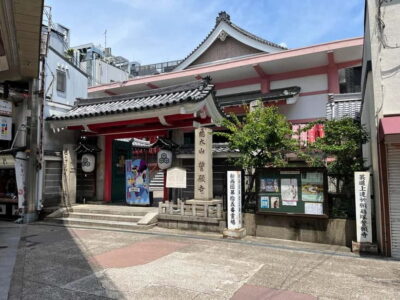 ★ 5.0Calligraphy class at Buddhist temple in city centerFrom $55167 reviews
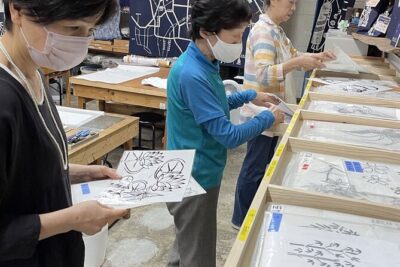 ★ 5.0Roketsu dyeing experience: M course Roketsu Dyeing ExperienceFrom $25163 reviews
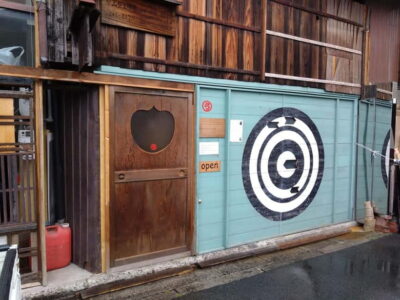 ★ 4.9Japanese Archery Workshop with Experienced InstructorFrom $38132 reviews
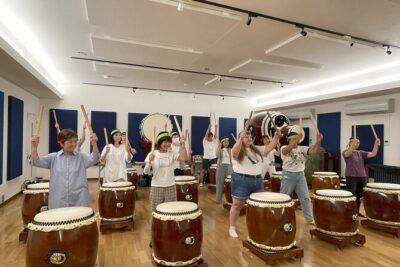 ★ 5.0TAIKO, Japanese Drum Experience from KyotoFrom $11586 reviews
 ★ 4.7Japanese Calligraphy WorkshopFrom $3284 reviews
Browse the lists this tour appears in