
Reviewed · KYOTO COOKING CLASSES
Kyoto: Ramen, Gyoza, and Onigiri Cooking Class
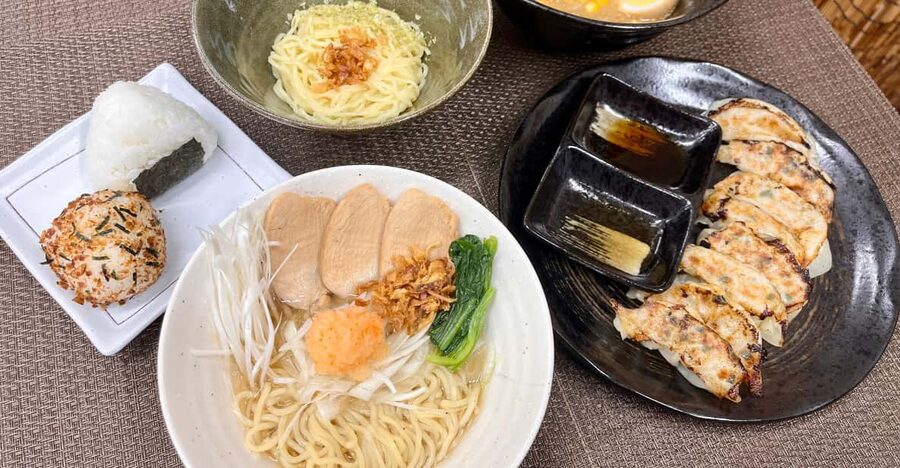
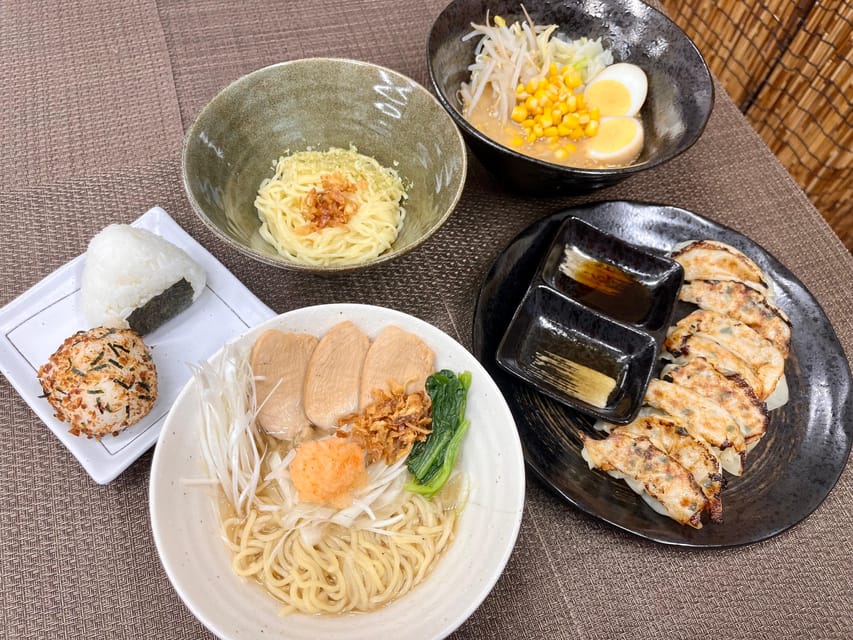
Ramen feels like a whole meal, but it starts with broth. In Kyoto, this 90-minute class teaches you how to make that soup base at home, then you’ll wrap gyoza and shape onigiri with an English-speaking team (names like Nori and Kairi show up often in recent sessions).
I love two things most: first, you learn broth building with simple ingredients you can actually find back home. Second, you don’t just watch gyoza folding—you practice the wrapping technique until the shape and seal make sense.
One consideration before you book: the class can’t accommodate vegan, pescatarian, gluten-free, or other special diets. If your menu needs strict dietary substitutions, you’ll want to confirm with the provider before you arrive.
In This Review
- Key things to know before you go
- Kyoto ramen broth: the skill that matters most
- What makes the broth instruction practical
- The ramen toppings you’ll assemble
- Important note: you make broth, not noodles
- Gyoza wrapping: from messy folds to a sealed dumpling
- The filling: balancing meat, vegetables, and seasoning
- The wrap and seal: the real skill
- Onigiri (rice balls): quick lunch skills you can use instantly
- Why I think onigiri is a smart add-on
- What the 90 minutes feels like on the ground
- Coffee and tea are included
- The on-site meal
- Vegetarian option: how the menu actually changes
- Location and getting there without stress
- Value check: is $90 worth it for what you learn?
- Who should book this ramen, gyoza, and onigiri class?
- A word about kids and independence
- Wheelchair and recent surgery restrictions
- Should you book? My practical call
- FAQ
- FAQ
- What dishes will I learn to make in this class?
- How long is the class?
- Is the class taught in English?
- How big is the group?
- Is there a vegetarian option?
- Can the class accommodate vegan, pescatarian, or gluten-free diets?
- Where is the meeting point?
- What should I bring?
- Is the class suitable for children?
- Will I eat the food I cook?
Key things to know before you go
- Two ramen broths, no noodle-making: you learn the soup, not the noodles.
- Gyoza wrapping by hand: expect to repeat the steps until you get the fold right.
- Onigiri shaping for real home use: you leave knowing how to make neat rice balls.
- Small group format: limited to 8 participants, so it stays hands-on.
- Only two menu choices: Regular and Vegetarian (pork swapped for tofu; everything else stays the same).
Kyoto ramen broth: the skill that matters most
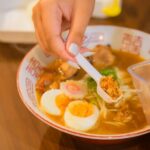
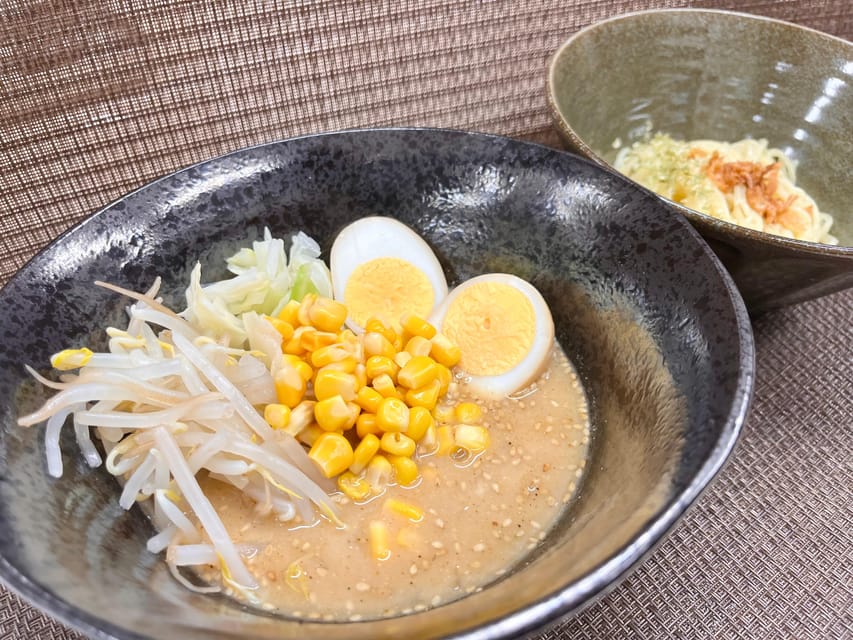
If you take ramen seriously at home, you already know the punch is in the broth. This class focuses there on purpose. You’ll learn how to build miso and shoyu-style soup bases using ingredients that you can reasonably recreate outside Japan.
You’ll see how the broth flavors come together from a mix of basics and Japanese pantry staples. The ingredient list includes things like soy sauce, miso, garlic, ginger, mirin, and cooking sake. There’s also lard, oyster sauce, sesame oil, butter, and fish powder in the broader ingredient set—so this is a meat-and-umami-focused class. For the ramen topping plan, the class uses simple, balanced add-ons rather than loud flavors that compete with the broth.
Roll up your sleeves for another Kyoto cooking class

What makes the broth instruction practical
Most cooking classes teach you to follow a recipe. This one teaches you why it tastes like ramen.
You’ll learn the logic behind seasoning depth and balance. The class also emphasizes that toppings shouldn’t overpower the soup. That’s a useful home cooking habit: even if your broth turns out great, the bowl can feel off if the toppings are too assertive.
The ramen toppings you’ll assemble
You’ll work with two common Kyoto-style ramen topping setups:
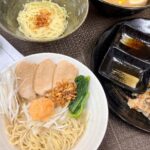
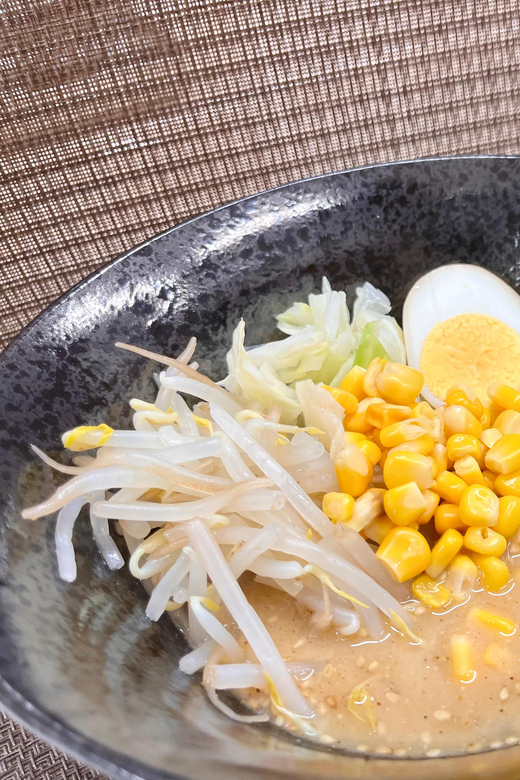
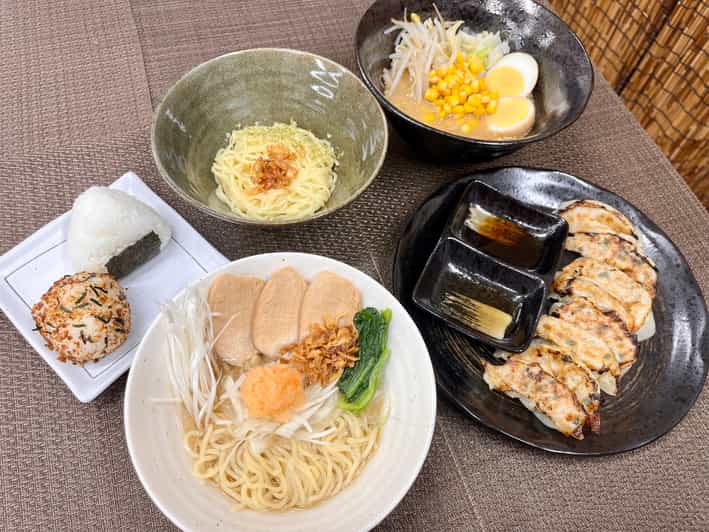
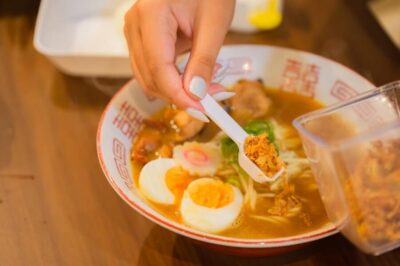
- Miso ramen toppings: boiled egg, bean sprouts, green onions, and sweet corn.
- Shoyu ramen toppings: chicken, bamboo shoots, and green vegetables.
The nice part is that these toppings are familiar even if you’re not a ramen expert. You won’t leave wondering what goes where. You’ll just need to match your bowl-building to what you learned in class.
Important note: you make broth, not noodles
The class explicitly teaches broth preparation. You can find ramen noodles easily at home, but it’s the soup you’ll struggle to replicate without the right guidance. That’s why the focus is on the base.
Gyoza wrapping: from messy folds to a sealed dumpling
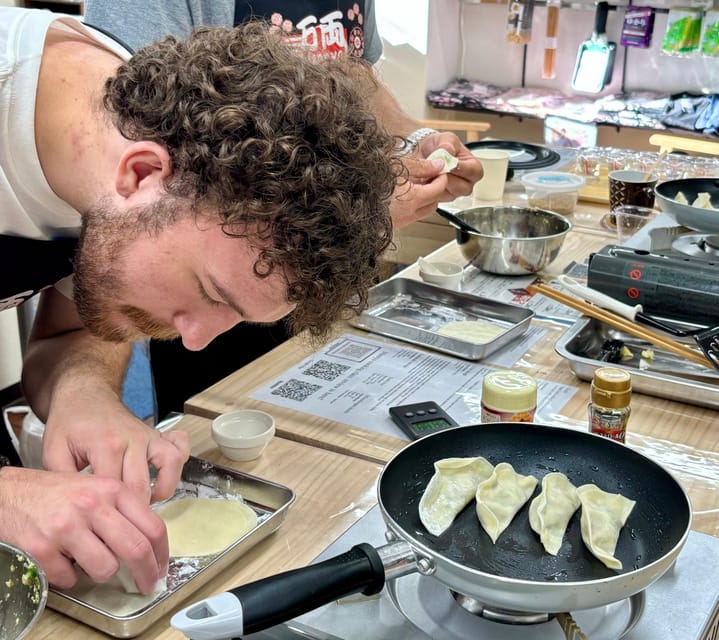
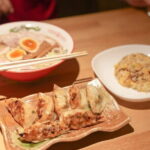
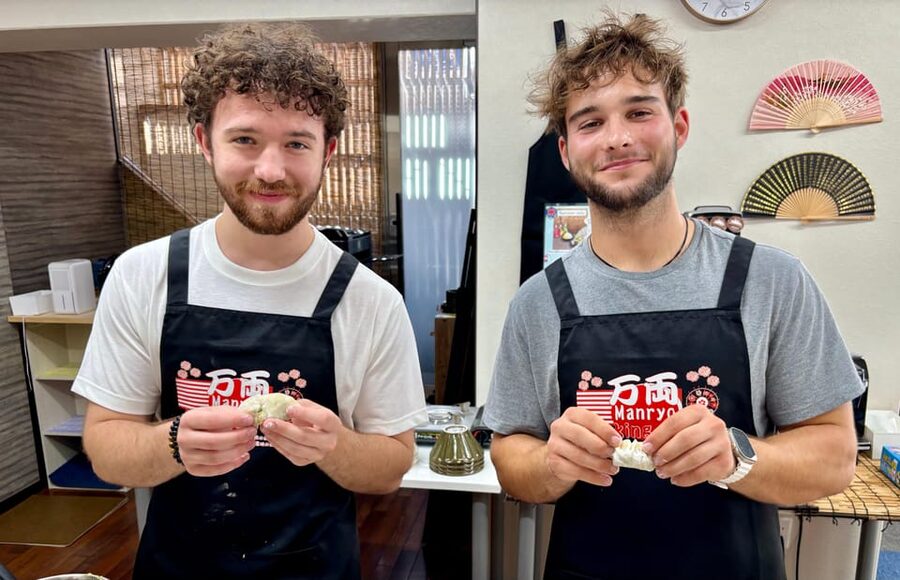
Gyoza is one of those foods that looks simple until you try it. The class doesn’t pretend it’s automatic. You’ll fully master the wrapping technique and learn how to seal.
What I like here is the structure. You don’t just get a one-time demonstration and then hope for the best. You’ll work through steps for the filling and then practice wrapping until you can repeat the process.
Other Kyoto tours and experiences to compare


The filling: balancing meat, vegetables, and seasoning
The class description calls out balancing meat, vegetables, and seasonings. In practice, that means you’re learning how to avoid the two classic gyoza problems:
- Filling that’s too loose (dumplings open or leak)
- Filling that’s too heavy (texture gets pasty or greasy fast)
You’ll use the filling ingredients provided and follow the class method for getting the taste right.
The wrap and seal: the real skill
Gyoza wrappers are thin, and they’re picky. The key is the fold pattern and how you close the edges so you get that restaurant-style bite.
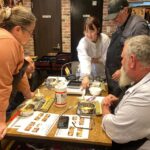
In recent feedback, people consistently praise how organized the stations are and how the instructors keep instructions clear while still making it fun. If you’ve ever felt shy trying to fold dumplings in front of a group, you should know this class is built for hands-on practice, not watching.
Onigiri (rice balls): quick lunch skills you can use instantly
Onigiri is the most “life-proof” skill in this class. Once you know the shaping basics, it turns into an easy lunch plan you can repeat at home—no big grocery haul required.
You’ll learn how to make perfectly shaped rice balls and understand what makes them hold their form. This is more than making rice into a ball. It’s about getting the shape consistent enough that the rice doesn’t crumble while you eat it.
Why I think onigiri is a smart add-on
Ramen and gyoza are great, but they’re also more work and more steps. Onigiri is a fast skill that fits normal schedules.
After class, you’ll have recipes and a clear process. That matters because onigiri is one of those things that can look straightforward on Instagram—until you’re the one trying to shape it.
What the 90 minutes feels like on the ground
This is not a slow, sit-back-and-smell-the-misogi type of class. It’s hands-on, station-based, and built for progress fast.
With a small group (up to 8 participants), you’ll move through the stations without feeling like you’re waiting all day for one step. Many reviews highlight that the team sets up ingredients and equipment in advance so you spend your time cooking, not scrambling.
A few practical expectations:
- Come hungry. People mention you end up eating a lot because the class keeps producing food.
- Wear comfortable shoes and clothes. You’ll be moving around stations.
- Keep it focused. With only 90 minutes, you’ll want to listen to the steps before you start hands-on work.
Coffee and tea are included
Free coffee and tea help make the class feel like a real experience and not just a workshop. It also makes it easier if you’re doing this as a late-morning lunch or early dinner activity.
The on-site meal
At the end, you eat what you cooked. That’s the payoff. You’re not leaving with a stack of paper and unanswered questions—you’re tasting the ramen broth, the gyoza, and the onigiri you made yourself.
Some recent notes also mention beer may be available to purchase after the meal. That’s not something I’d count on, but if you like pairing your dumplings with something cold, it’s worth asking on the day.
Vegetarian option: how the menu actually changes
If you’re considering this class with someone who eats vegetarian, here’s the honest picture.
The class offers only two menu options:
- Regular Menu
- Vegetarian Menu: only pork is replaced with tofu (other ingredients remain the same)
That means vegetarian doesn’t equal fully vegetarian-friendly for every ingredient category, because the rest of the topping and broth setup stays consistent.
And if you need vegan, pescatarian, gluten-free, or any other special diet modifications: the class states they can’t accommodate those requests. If that’s you, you’ll want to plan something else or contact the provider directly before booking so you don’t waste your Kyoto time.
Location and getting there without stress
The meeting point is at B1 of Life Building. The classroom isn’t on the main street; it’s one street down. That’s exactly the kind of thing that causes people to arrive flustered—so fix it early.
If you’re taking a cab, get off in front of Family Mart at Sanjo Keihan. It’s about a 2-minute walk from there. You can also search for Manryo cooking class on Google Maps to find the right alley.
Tip: check the route before you leave your hotel, even if you think you know the neighborhood. Kyoto side streets can feel similar fast.
Value check: is $90 worth it for what you learn?
At $90 per person for a 90-minute session, the question isn’t just whether you get food. You do get a full class meal. The value is that you’re leaving with three home-cooking skills that normally require trial and error.
Here’s what you’re paying for:
- Ingredient and equipment setup (so you cook, not prep)
- English-speaking instructors guiding you at small stations
- Recipes for ramen and gyoza so you can repeat the method later
- Onigiri shaping instruction so you can actually make the snack at home
- Food produced during the class, not just samples
If you compare this to buying ramen, gyoza, and onigiri across Kyoto, you’d still spend money. But cooking classes are different: your goal is capability, not just calories. And the class is built to teach techniques you’ll reuse—especially broth building and dumpling wrapping.
Is it pricey? Yes, in the way that good, hands-on instruction usually costs. But if you enjoy learning practical cooking skills and you’re traveling in a small group or with someone you can cook alongside, it tends to feel fair.
Who should book this ramen, gyoza, and onigiri class?
I’d point this class at you if:
- You want to bring home specific skills, not just restaurant memories.
- You like hands-on food work and don’t mind a fast pace.
- You enjoy ramen and dumplings and want your home version to taste closer to what you eat in Japan.
- You’re comfortable cooking independently, since the class requires participants to be able to cook on their own.
A word about kids and independence
The class says it’s not suitable for children under 12, and it also states participants must be 13 and able to cook by themselves without staff help. That said, some families in recent feedback mention younger kids participated successfully with lots of staff attention.
So if you’re traveling with a younger child (especially under 12), I’d treat it as a check-with-us situation, not a sure thing.
Wheelchair and recent surgery restrictions
The class is also not suitable for wheelchair users and people with recent surgeries. That’s about safe movement and cooking station setup.
Should you book? My practical call
Book it if you want a real Kyoto food skill in 90 minutes: broth building you can repeat, gyoza wrapping that finally clicks, and onigiri shaping you can use on normal days.
Skip it (or plan something else) if:
- You need vegan, pescatarian, gluten-free, or other special diet options.
- You expect a slow tasting-only experience. This is a working class, and you’ll be cooking.
- You have accessibility needs that may conflict with the station layout.
If your diet fits the menu and you’re ready to cook, this is the kind of activity that leaves you with both a full stomach and a plan for dinner back home.
FAQ
FAQ
What dishes will I learn to make in this class?
You’ll learn how to make ramen broth, gyoza, and onigiri. The class focuses on broth preparation, not making ramen noodles.
How long is the class?
The class lasts 90 minutes.
Is the class taught in English?
Yes, the class is taught in English.
How big is the group?
It’s a small group limited to 8 participants.
Is there a vegetarian option?
Yes. There’s a Vegetarian Menu where only pork is replaced with tofu. Other ingredients remain the same.
Can the class accommodate vegan, pescatarian, or gluten-free diets?
No. The class states it cannot accommodate vegan, pescatarian, gluten-free, or other special diets.
Where is the meeting point?
The classroom is located at B1 of Life Building.
What should I bring?
Wear comfortable shoes and comfortable clothes.
Is the class suitable for children?
The class is not suitable for children under 12. The class information also states participants must be 13 and able to cook by themselves without staff help.
Will I eat the food I cook?
Yes. The food you make is included, and you eat what you cook during/at the end of the experience.
More Cooking Classes in Kyoto
More Tour Reviews in Kyoto


More Kyoto Cooking Classes
Just added: more Kyoto tours to browse



Kyoto Cooking Classes, compared.
 ★ 5.0Ramen Cooking Class at Ramen Factory in KyotoFrom $1311,937 reviews
 ★ 5.0Sushi Making in Kyoto! Same-day bookings welcome!From $53713 reviews
 ★ 4.9Ramen Cooking Class at a Ramen Factory with SouvenirFrom $127532 reviews
 ★ 5.0The Original Small-Group Sushi Making Class in KyotoFrom $69436 reviews
 ★ 5.0Japanese Washoku Bento Small Group Cooking ClassFrom $58380 reviews
 ★ 5.0Kyoto Ramen and Gyoza Cooking Class with Professional ChefsFrom $86282 reviews
 ★ 4.9Afternoon Japanese Izakaya Cooking ClassFrom $67241 reviews
 ★ 5.0Izakaya Style Cooking ClassFrom $71219 reviews
Browse the lists this tour appears in