
Reviewed · KYOTO COOKING CLASSES
Private Cooking Class Udon in Kyoto Japan
Making noodles by hand in Kyoto is pure joy. This private udon class puts you in a 130-year-old Kyomachiya where you’ll learn the steps and eat what you make.
I love the local, Kyoto-based teaching and the calm, hands-on pace. You’ll work with floury hands, and the class stays friendly—kids can fully join because you’re not responsible for the boiling.
One thing to consider: the class is about 1 hour, and a lot of the hot, hands-off work (like boiling) is handled by the staff, so it’s not a fully “control the whole kitchen” experience.
In This Review
- Key things that make this udon class worth your time
- A Kyoto udon class in a real old townhouse, not a tourist kitchen
- The setting: antique furniture, music, and a room built for focus
- Your hands-on udon steps: saltwater, stretching, knife cut, then let them boil
- What you don’t do: tempura and broth logistics are handled
- Lunch right after class: udon with sauce, tempura, and a hot bowl moment
- Meeting your teacher: patient Kyoto locals who teach the why, not just the how
- How this fits your day: a 12:00 lunch-hour plan near major sights
- Price and value: $60.43 for a private class plus lunch
- Who should book this private udon experience
- Should you book this udon class?
- FAQ
- What time does the udon class start, and how long is it?
- Is this class private?
- What will I make, and is tempura included?
- Where do I meet the instructor?
- Will I get confirmation after booking?
- Can I cancel for a full refund?
- Do they provide a recipe if I want to cook udon at home?
Key things that make this udon class worth your time
- A 120-year-old-ish classroom you can actually feel: antique furniture and an old-house setting that makes the lesson feel real
- Your noodles, your outcome: you do the saltwater, rinsing, stretching, and knife cut steps
- Boiling is handled for you: safer and easier, especially if you’re traveling with kids
- Tempura and dashi come with your meal: you’ll eat the udon you made, plus a tempura set
- Local instructors with English guidance: teachers described as friendly, patient, and good with all ages
A Kyoto udon class in a real old townhouse, not a tourist kitchen
Kyoto has plenty of cooking classes. This one feels different because it’s set in a renovated traditional house in the heart of the city, not in a modern studio. The address is 364 Momijichō, Shimogyo Ward, and the location is practical: about a 12-minute walk from Kyoto Station and around 2 minutes from Nishi Honganji Temple.
You’re paying for more than “instructions and ingredients.” You’re paying for a specific kind of atmosphere—antique-filled rooms, a teacher who knows Kyoto, and the chance to eat right after class without turning it into a logistics puzzle.
The time slot matters too. It runs at 12:00 pm and lasts about 1 hour. That makes it a great lunch anchor, especially on days when you want something hands-on but don’t want your afternoon to disappear into transit and lines.
Roll up your sleeves for another Kyoto cooking class

The setting: antique furniture, music, and a room built for focus
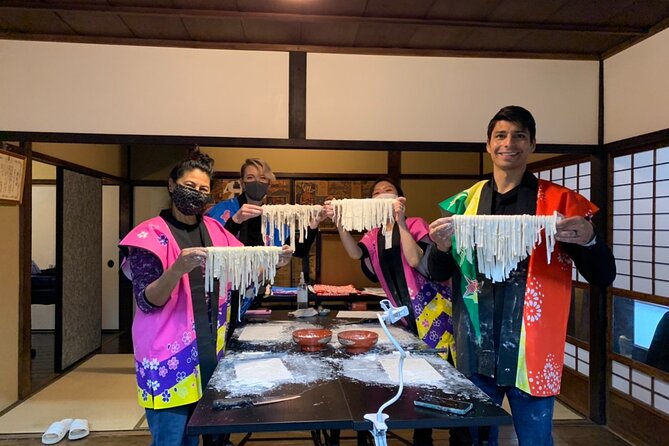
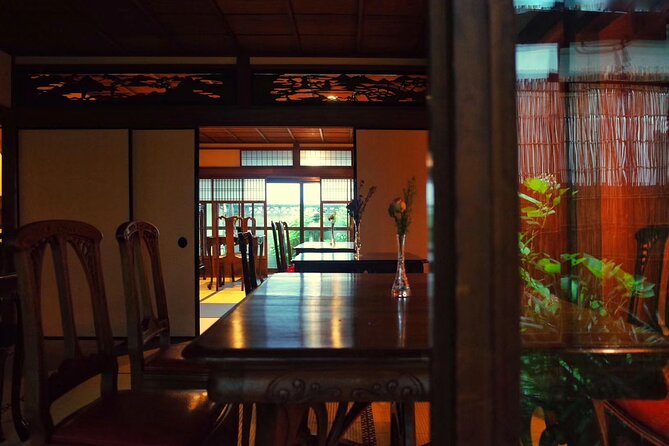
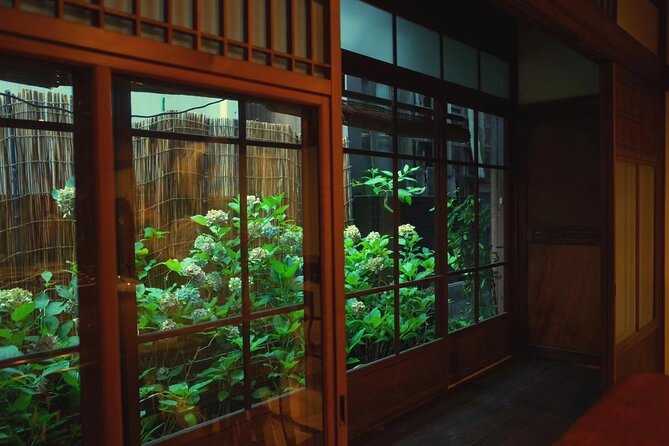
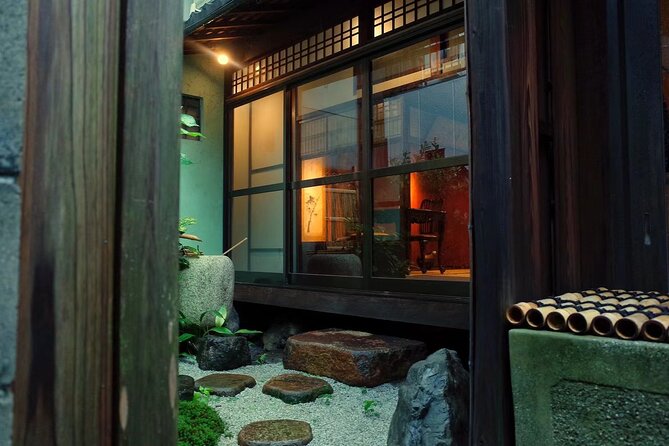
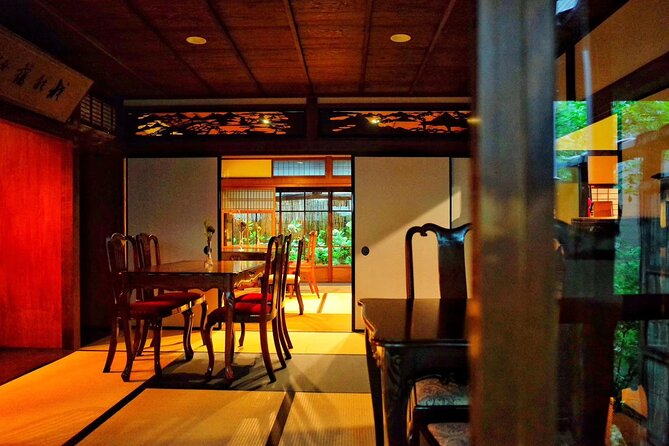
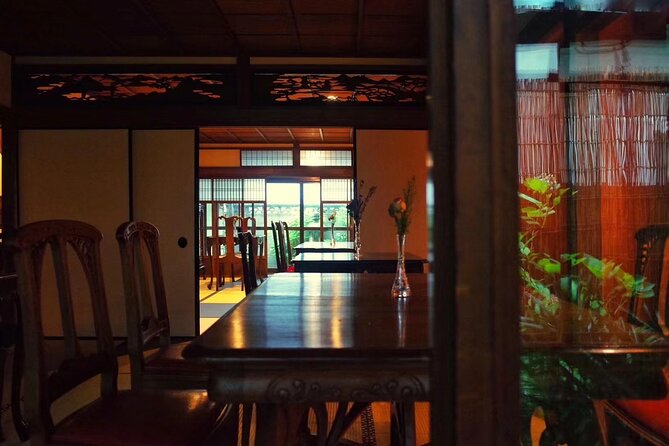
The classroom is described as a beautifully renovated traditional Japanese house dating back roughly 130 years. Inside, there’s antique furniture and artifacts that are said to be over 110 years old, which is rare in cooking classes geared for visitors.
There’s also traditional music during the experience. It sounds like a small detail, but it changes the vibe. Instead of “cookery demo,” it feels more like you’re stepping into a Kyoto scene from long ago—quiet, structured, and calm enough to let you follow along step by step.
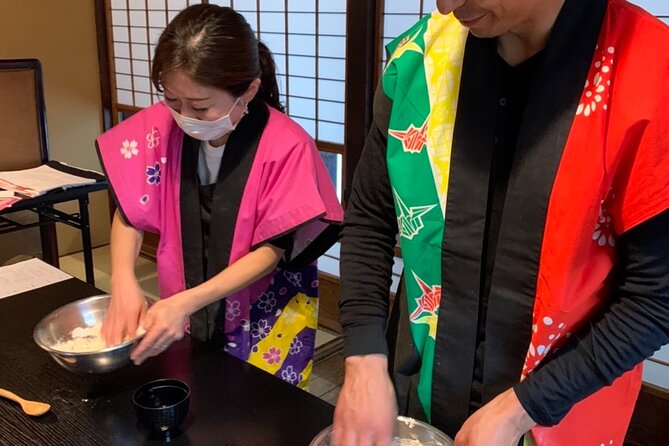
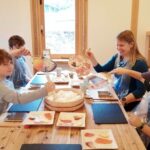
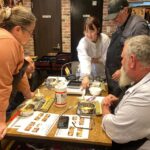
In the room, you’ll see practical work surfaces set up for making udon. Aprons are used, and instructions are given in a way that’s described as clear in English by the teacher. If you’ve ever worried that your hands won’t match your brain, this setup helps. You’re not trying to decode a recipe while standing in a crowd.
Your hands-on udon steps: saltwater, stretching, knife cut, then let them boil
Here’s the part you actually do. The lesson focuses on handmade udon preparation inside the class space—especially the dough and cutting process. The sequence is laid out like this:
- Making saltwater
- Rinse the water
- Steps in between (including footsteps)
- Mature
- Stretch the fabric
- Knife cut
- Then it’s boiling
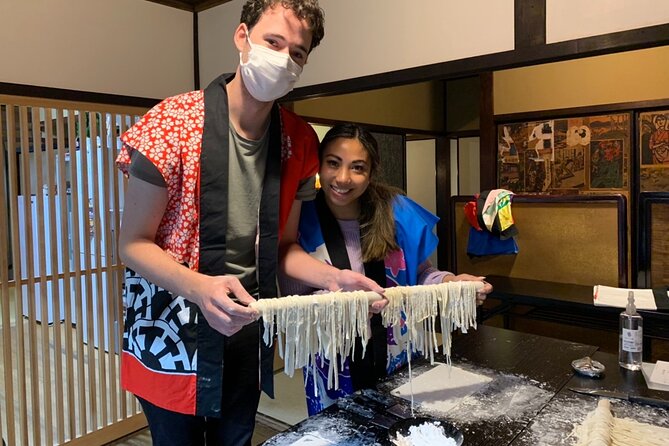
That might sound like a translation from a specific local method, but the practical takeaway is simple: you’ll be involved in the dough work and shaping/cutting. You’re not just watching someone else knead. You’ll get flour on your hands, you’ll handle the dough, and you’ll learn the technique enough that you can repeat it later.
One more key point: you’re making the udon, but the staff takes care of the boiling. This is a major reason the class works so well for families. You get the fun, tactile parts, without the danger and complexity of boiling water and timing each batch like a pro.
If you want a “hands-on but not stressful” cooking experience, this hits that sweet spot. The pace is patient. The class is described as child friendly, with instructors guiding you through steps so you can participate fully.
What you don’t do: tempura and broth logistics are handled
The class is very clear about what you will not be responsible for. You don’t make the tempura. There’s a separate tempura set for meals, so you can focus on the udon noodles.
After your udon is prepared, you’ll eat a proper meal that includes what you made. Dipping components are part of the set: dashi broth, plus toppings like ginger and green onion are mentioned in the meal description you’ll receive.
Some groups also mention that the rest of the meal is served downstairs or in the dining area on-site. Either way, the structure is consistent: you do the noodle work in the class space, then you enjoy it as a meal shortly after.
This approach is good value for your time. You’re not spending your whole session on multiple recipes. You’re spending it learning one craft properly—then eating it while it’s at its best.
Lunch right after class: udon with sauce, tempura, and a hot bowl moment
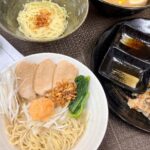
The best “proof” of a cooking class is always the meal. Here, you’ll sit down and eat the udon you made, along with a tempura set. Tempura vegetables are specifically mentioned, plus a dipping sauce and dashi.
I like that the meal is built as a full lunch rather than a tiny tasting. You’re paying for the experience, but you’re also leaving with a satisfying food payoff. For a 12:00 start, this is perfect—no scrambling to find lunch right after a workshop.
The meal setup also helps you remember what you learned. You can connect the steps you performed to the finished texture and taste. You’ll notice how the noodle shape and thickness hold up in broth and dipping sauces.
A nice extra: many classes include a small historical or cultural explanation during the session. One common takeaway mentioned is that udon originated in China, and the instruction includes context alongside technique. Even if your main goal is food, that bit of framing makes the experience feel more grounded.
Other Kyoto tours and experiences to compare



Meeting your teacher: patient Kyoto locals who teach the why, not just the how
This class is taught by people described as local to Kyoto, with a deep understanding of Japanese culture. That matters, because the lesson isn’t only “do step 1, then step 2.” You’re also getting explanations that help the technique make sense.
From the experience descriptions, the instruction team can include teachers like Tanaka-san and Hisayu, and they’re consistently described as friendly, upbeat, and patient. There’s also an assistant in some groups, which helps when multiple people are working dough at once.
One small detail I really appreciate: the class encourages participation without rushing. People mention that teachers stay after eating for extra time. That tells me the group is treated like a real class, not a timed conveyor belt.
You might even pick up fun bits alongside the method—like an udon dance. It’s silly, yes. But it also signals something important: the teachers want you to enjoy the process, not just pass through it.
How this fits your day: a 12:00 lunch-hour plan near major sights
A 12:00 pm start is a gift. You can plan around it like a lunch appointment. If you’re sightseeing in central Kyoto—especially around stations and major temple areas—this becomes an easy anchor.
Being near Kyoto Station also helps. Even if you start your day with an early train or you’re tired from a long route, you’re not committing to a far-off trip through Kyoto’s backstreets.
The experience ends back at the meeting point, so you can head out right away after your meal. In practice, that means you can still get to an afternoon temple or shopping area without feeling like you lost your whole day.
A small planning note: it’s tied to weather. If conditions aren’t great, the experience may be moved or refunded. So if you’re booking for a day with rain in the forecast, have a flexible plan for later.
Price and value: $60.43 for a private class plus lunch
At $60.43 per person, this isn’t a “cheap and cheerful” workshop. But it can still feel fair because you’re getting four things in one package:
- A private group experience (only your group participates)
- Hands-on udon instruction in a historic space
- A full meal after class (udon you made plus tempura and dashi set)
- Ongoing help and guidance from Kyoto locals
Also, the fact that you’re doing udon noodles from scratch matters. Many lower-priced classes turn into demonstrations with limited hands-on time. Here, you’ll actually shape and cut the noodles, then eat the result.
The private format can be especially good for families and small groups. If you’re traveling with kids, the “everyone participates” structure often saves you from paying for a less-engaging experience. Teens and adults also like it because it’s hands-on but not overwhelming—you’re guided step by step, and the staff handles the parts that require specialist timing and hot-water work.
If you’re on a tight itinerary, treat this as your one planned “food craft” moment in Kyoto. It’s the kind of class you’ll talk about because you can repeat part of it at home.
Who should book this private udon experience
This is a strong match if you want:
- A Kyoto-based food craft you can repeat later
- A private class so your group isn’t stuck waiting for other people
- A family-friendly format, because boiling is handled by staff and the steps are designed for participation
- A lunch activity near major areas, with food included
It’s also a good pick if you’re the type who likes culture through action. You’ll learn technique, hear a bit of background, and eat in the same overall setting right after.
If you’re the kind of cook who wants full control over every hot process, you may feel limited by the fact that staff handles boiling. But if you’d rather learn the core method properly without stress, that’s exactly what this class is built to do.
Should you book this udon class?
If you’re choosing between yet another temple stop and one hands-on food lesson, I’d pick this more often than not. The combination of a historic Kyomachiya setting, local teachers, and a proper lunch is a convincing mix of atmosphere and value.
Book it if you want a private, structured way to learn udon and enjoy what you make. I’d especially recommend it for families and small groups, since the format is described as child friendly and participation-focused.
If you hate the idea of any part of the process being done for you, then you might prefer a different style workshop where you handle everything. But for most people, getting your hands into the dough—and then eating a hot bowl right after—just makes sense.
FAQ
What time does the udon class start, and how long is it?
The class starts at 12:00 pm and lasts about 1 hour. Some people also mention staying a bit longer after eating, but the scheduled class time is roughly one hour.
Is this class private?
Yes. This is a private tour/activity, so only your group participates.
What will I make, and is tempura included?
You’ll make handmade udon as part of the lesson. For the meal, you’ll also get a separate tempura set provided for eating, so you don’t need to make tempura during the class.
Where do I meet the instructor?
Meet at 364 Momijichō, Shimogyo Ward, Kyoto, 600-8345, Japan. The venue is described as about a 2-minute walk from Nishi Honganji Temple and about a 12-minute walk from Kyoto Station.
Will I get confirmation after booking?
You should receive confirmation within 48 hours of booking, subject to availability.
Can I cancel for a full refund?
Yes, there is free cancellation. You can cancel up to 24 hours in advance for a full refund.
Do they provide a recipe if I want to cook udon at home?
Yes. The udon recipe is provided so you can recreate the experience at home.
More Private in Kyoto

More Tour Reviews in Kyoto


More Kyoto Cooking Classes
Just added: more Kyoto tours to browse




Kyoto Cooking Classes, compared.
 ★ 5.0Ramen Cooking Class at Ramen Factory in KyotoFrom $1311,937 reviews
 ★ 5.0Sushi Making in Kyoto! Same-day bookings welcome!From $53713 reviews
 ★ 4.9Ramen Cooking Class at a Ramen Factory with SouvenirFrom $127532 reviews
 ★ 5.0Ramen, Gyoza, and Onigiri Cooking ClassFrom $90445 reviews
 ★ 5.0The Original Small-Group Sushi Making Class in KyotoFrom $69436 reviews
 ★ 5.0Japanese Washoku Bento Small Group Cooking ClassFrom $58380 reviews
 ★ 5.0Kyoto Ramen and Gyoza Cooking Class with Professional ChefsFrom $86282 reviews
 ★ 4.9Afternoon Japanese Izakaya Cooking ClassFrom $67241 reviews
Browse the lists this tour appears in