
Reviewed · KYOTO COOKING CLASSES
Kyoto Ramen and Gyoza Cooking Class with Professional Chefs
Ramen and gyoza with real chef guidance sounds perfect. In this Kyoto class, you’ll make ramen noodles from scratch and shape your own gyoza by hand, then sit down to a full meal with two drinks. One big thing to plan around: the ramen uses pork broth, so it is not vegetarian.
You’re in a small max 8-person group, and you get a recipe guide so you can recreate the flavors later. The setup is practical too: the meeting point is near public transport, and you’ll need to be on time since late arrivals can’t join.
In This Review
- Key things I’d bet you’ll notice fast
- A small Kyoto kitchen where you cook the whole meal
- Meeting point and timing: be ready to start on time
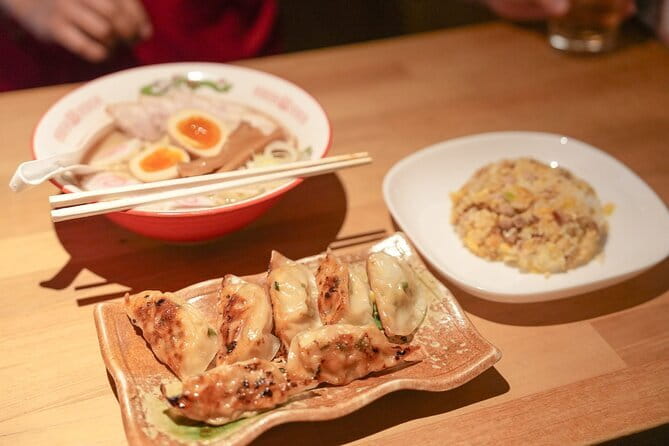
- What you cook: ramen noodles, gyoza, and fried rice
- Ramen: from dough to noodle bowl
- Gyoza: wrap, seal, and cook your own dumplings
- Fried rice: the comfort-food closer
- The meal moment: two drinks and a lot of food
- Why the chef-led coaching actually helps you later
- History talk that doesn’t feel like homework
- Ingredients and dietary limits you should take seriously
- Location feel: a cozy cooking space near transit
- What the price includes, and whether it’s a good deal
- Who should book this cooking class
- Should you book Kyoto ramen and gyoza cooking class?
- FAQ
- Is this class vegetarian-friendly?
- What dishes will I make during the class?
- Are drinks included?
- Can I request gluten-free or vegan options?
- How big is the group?
- Is the tour suitable for someone with mobility issues?
Key things I’d bet you’ll notice fast
- Hands-on ramen prep: kneading and cutting noodles, not just watching
- Gyoza folding, pleating, and pan-cooking: dumplings you personally finish
- A full plated meal: ramen plus gyoza plus fried rice
- Two drinks included: typically beer or sake with your food
- Take-home recipe guide: useful for recreating the dishes after Kyoto
- Clear ingredient limits: pork broth is part of the ramen baseline
A small Kyoto kitchen where you cook the whole meal
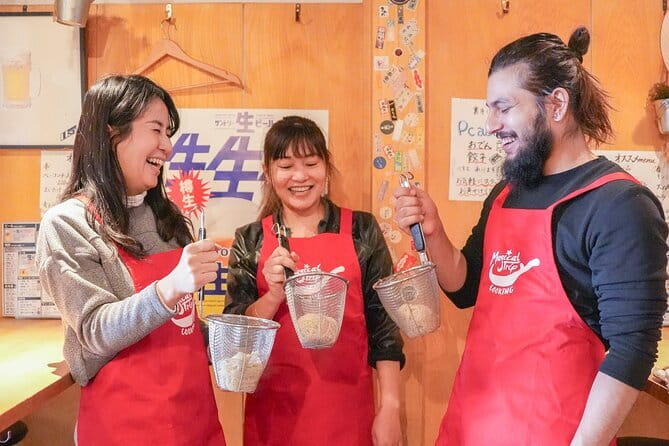
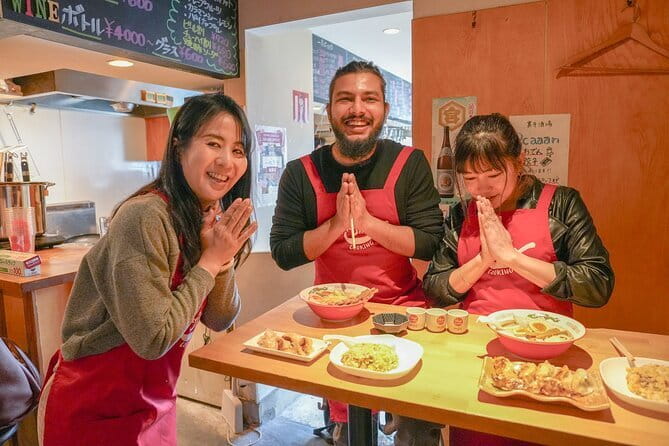
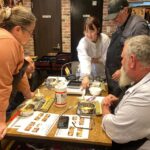
This is the kind of cooking class that works because it does not treat ramen and gyoza like museum pieces. You’ll do the work: knead, cut, wrap, and cook. The payoff is immediate. You’re not just learning how to order or which restaurant to try next—you’re making the meal itself.
The duration is about 2 hours 30 minutes, which is long enough to actually get your hands dirty, but short enough that the evening doesn’t swallow your Kyoto plans. The group size is up to 8, so instructions usually land faster. In a city where lines can eat your time, that matters.
I also like that everything is set up so you’re not hunting ingredients across Kyoto. The class provides what you need, and you get step-by-step guidance from professional chefs. That makes the experience feel “real,” not like a demo disguised as a meal.
Roll up your sleeves for another Kyoto cooking class

Meeting point and timing: be ready to start on time
The class starts at a specific location in Shimogyo Ward: 「北緯35物語」木村光佑Shincho, Shimogyo Ward, Kyoto, 600-8001, Japan. It ends back there too, so you’re not trying to navigate Kyoto’s streets while you’re hungry and carrying cookware in your imagination.
One practical rule: the tour starts on time, and late arrivals may not be able to join (no reschedule, no refund). So I’d treat this like a train connection. Arrive a bit early, use public transit if you can, and keep your phone charged for the mobile ticket.
If you’re traveling with kids, this is doable—participants age 6 and above are welcome—but knives and other potentially dangerous steps mean supervision by an accompanying adult is required.
What you cook: ramen noodles, gyoza, and fried rice
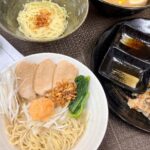
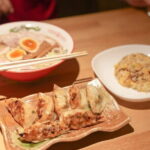
This is not a single-dish class. You’ll make a full meal made of ramen, gyoza, and fried rice. That changes the whole value equation because you’re not paying for a 10-minute taste at the end. You’re paying for a structured process plus the amount of food you would normally order in Japan.
Ramen: from dough to noodle bowl
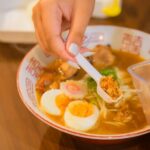
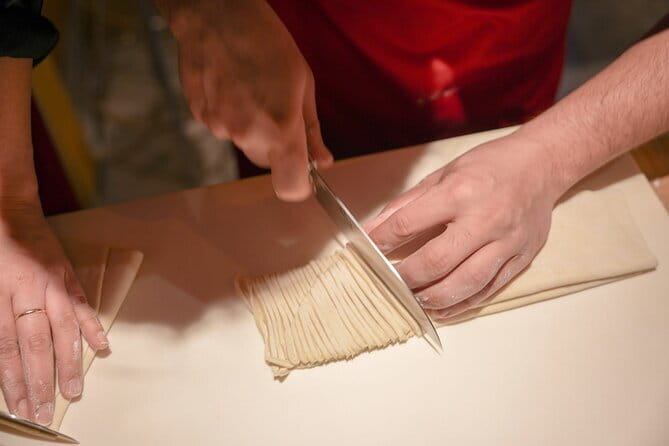
Ramen is where the class gets most satisfying. You’ll learn how to make authentic ramen from scratch—knead, cut, and then top your noodles. The ramen base is prepared with pork broth, which is stated clearly. Even if there are no meat toppings, the broth itself means it’s not vegetarian.
That detail matters. If you avoid pork for personal reasons, you should rethink. If you’re vegetarian, plan a different activity and protect your appetite for another Kyoto night.
Still, if you eat pork, this part is the core skill. Noodles are the heart of ramen, and you’ll actually feel the process instead of memorizing it. The class also includes insights into the history of Japanese dishes, which helps you understand why the food is built the way it is—simple components, strong technique, and a result that tastes greater than the sum.
Gyoza: wrap, seal, and cook your own dumplings
Gyoza is pure hands-on fun. You’ll wrap your own dumplings, and the class walks you through it with a chef coaching step-by-step. Then you get to enjoy them with your drink pairing.
The reviews mention how much people enjoyed the dumpling folding and the meal afterward. That lines up with the design here: the class is built to make you do the key steps yourself—folding and cooking—so the eating feels earned.
Other Kyoto tours and experiences to compare


Fried rice: the comfort-food closer
Alongside ramen and gyoza, you’ll make fried rice. It’s one of those dishes that feels simple in theory, but it’s a perfect way to round out the meal while using what you’ve learned about timing and heat control. You end up with a plate that covers different textures: noodle chew, dumpling bite, and fried rice crunch.
The meal moment: two drinks and a lot of food
The highlight at the end is straightforward: you eat what you made. You’ll have ramen, gyoza, and fried rice, and you’ll also get two drinks included—typically beer or sake.
This pairing is not just a nice-to-have. Ramen can be rich, and gyoza can be salty and savory. Having a drink makes the whole meal feel more like a Kyoto evening out, not a class where food is an afterthought. It also means the class is more self-contained: you don’t have to plan dinner right afterward.
One small consideration: the tour notes that it’s a full meal, so you should consider your food intake beforehand. If you show up with a giant lunch, you might slow down the joy just when the dumplings land.
Why the chef-led coaching actually helps you later
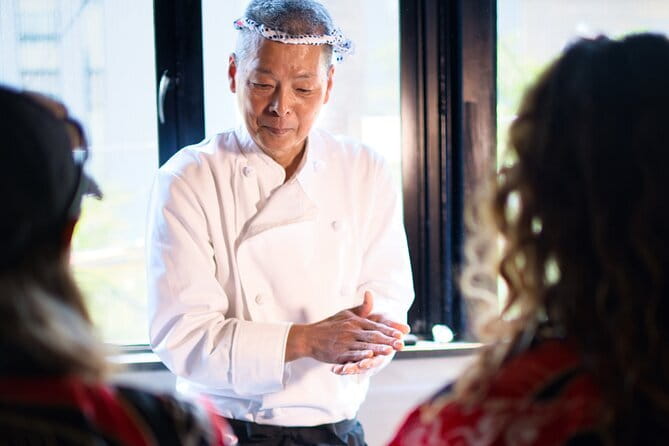
This class is good at one thing a lot of cooking classes skip: structure. You get step-by-step guidance, and the pace is designed so different skill levels can keep up. The class says all cooking levels are welcome.
From the reviews, you also see a pattern: guides act as translators and coaches, and chefs keep an eye on technique and prep. Names that came up include Rina, Ayuri, Emi, Yuki, Rika, and Avinash, plus interpreters like MiU and SHUN. Chefs also get credited directly (for example Ai was mentioned as the ramen chef in one review).
You should not assume you’ll get the same people, but you can assume the teaching style is similar: clear instructions, patient correction, and a focus on getting you to finish the food properly.
History talk that doesn’t feel like homework

The class includes insights about the history of Japanese dishes. That might sound vague, but it’s not. When it’s woven into cooking, it helps you understand why ingredients and steps matter.
Ramen and gyoza are both relatively accessible foods in Japan, but the technique is the story. If you learn noodles and dumpling shaping, you naturally start asking questions like: why this thickness, why this fold, why this texture. The history bits fit those questions, so the food turns into context instead of just a meal.
Ingredients and dietary limits you should take seriously
This is one of the most important sections for deciding if the class matches your needs.
- Vegetarian/vegan not supported: pork broth is used for the ramen. Even without meat toppings, it’s not vegetarian.
- Gluten-free not supported: requests for gluten-free can’t be accommodated.
- Allergy-free meals can’t be guaranteed: food is prepared in kitchens that are not part of MagicalTrip. Substitutions may not always be possible, though efforts may be made when feasible.
If you have a serious allergy, I would treat this as a “ask directly and get clear answers in advance” situation. Don’t rely on assumptions. And if you’re vegetarian, you’ll likely leave hungry or disappointed—because the ramen base is baked into the experience.
Location feel: a cozy cooking space near transit
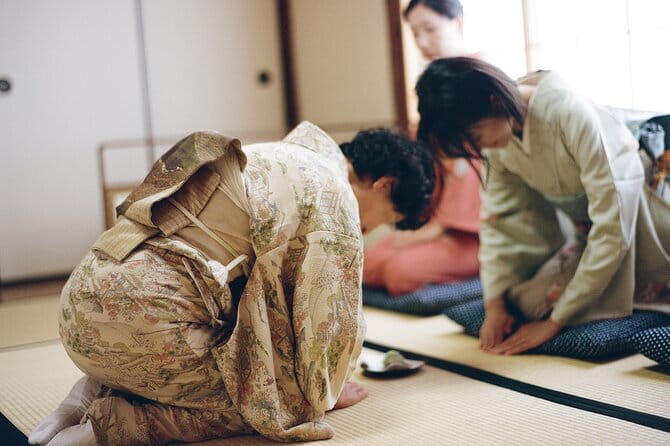
The class operates near public transportation, which is a big deal in Kyoto. You don’t want a cooking class to become a logistics puzzle.
The cooking happens in a kitchen space that appears to be in or near a former restaurant setup based on how people describe it. The vibe you can expect is not sterile. It’s working-room practical, the kind where you stand close to your station, listen to instructions, and get your hands on the ingredients.
One caution that came up in a review: there can be multiple levels and stairs in the cooking space. The tour is not recommended for individuals with mobility issues, and the advice is to consider a private tour if accessibility is a concern.
What the price includes, and whether it’s a good deal
At $86.22 per person, this isn’t a “cheap bite-size activity.” But it also isn’t just a ticket to watch food happen.
Here’s what your money buys:
- Pro chef step-by-step instruction
- Hands-on making of ramen noodles and gyoza
- A full meal: ramen, gyoza, and fried rice
- Two drinks included (beer or sake)
- A take-home recipe guide so the value can continue after you leave
When you compare cooking classes that only provide a small tasting, this one is set up like a real meal plus skill practice. If you’re the kind of traveler who wants to take home something tangible (and not just photos), the recipe guide makes the price feel more justified.
If you’re on a tight budget, you can do Kyoto cheaper by eating out. But you’d likely trade away the most valuable part: learning the technique and recreating it yourself later.
Who should book this cooking class
This works especially well if you:
- Want hands-on food skills, not just restaurant tips
- Like learning through doing (kneading, cutting, folding, cooking)
- Enjoy ramen and gyoza enough to spend time mastering them
- Are traveling in a small group or as a family (there are comments praising it for multiple ages)
It might not be your best fit if you:
- Need vegetarian or vegan options (pork broth is part of the ramen)
- Require gluten-free meals
- Have major allergies where cross-contact risks matter a lot
- Have mobility limitations that make stairs or moving between levels hard
Should you book Kyoto ramen and gyoza cooking class?
If your goal in Kyoto is authentic, practical food learning, I think this is a strong yes. You’re getting a structured hands-on ramen + gyoza experience, plus fried rice, plus drinks, and you’ll leave with a recipe guide you can actually use.
Book it if you eat pork and you’re comfortable joining a small group in a working kitchen. Skip it or consider an alternative if vegetarian, vegan, gluten-free, or allergy-focused needs are central to your trip.
If you’re unsure, the deciding question is simple: do you want to learn how to make the dishes, or do you just want to eat them? This class is built for the first option.
FAQ
Is this class vegetarian-friendly?
No. The ramen uses pork broth, even if there are no meat toppings.
What dishes will I make during the class?
You will make ramen (from scratch), gyoza, and fried rice. You’ll also eat the meal you prepare.
Are drinks included?
Yes. You get two drinks included, typically beer or sake.
Can I request gluten-free or vegan options?
No. The class cannot accommodate vegetarian, vegan, or gluten-free requests.
How big is the group?
It’s a group experience with a maximum of 8 travelers.
Is the tour suitable for someone with mobility issues?
It’s not recommended for individuals with mobility issues due to the cooking space layout. A private tour is suggested if you need accommodations.
More Cooking Classes in Kyoto
More Tour Reviews in Kyoto
More Kyoto Cooking Classes

Just added: more Kyoto tours to browse


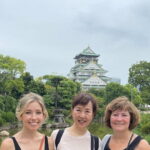
Kyoto Cooking Classes, compared.
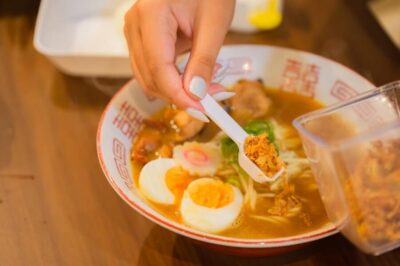
 ★ 5.0Ramen Cooking Class at Ramen Factory in KyotoFrom $1311,937 reviews
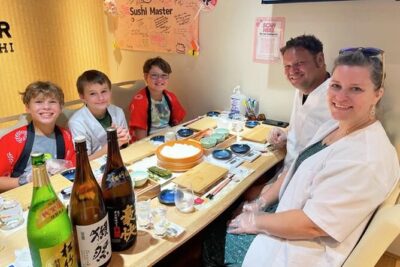 ★ 5.0Sushi Making in Kyoto! Same-day bookings welcome!From $53713 reviews
 ★ 4.9Ramen Cooking Class at a Ramen Factory with SouvenirFrom $127532 reviews
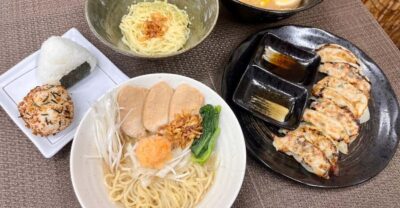 ★ 5.0Ramen, Gyoza, and Onigiri Cooking ClassFrom $90445 reviews
 ★ 5.0The Original Small-Group Sushi Making Class in KyotoFrom $69436 reviews
 ★ 5.0Japanese Washoku Bento Small Group Cooking ClassFrom $58380 reviews
 ★ 4.9Afternoon Japanese Izakaya Cooking ClassFrom $67241 reviews
 ★ 5.0Izakaya Style Cooking ClassFrom $71219 reviews
Browse the lists this tour appears in