
Reviewed · KYOTO COOKING CLASSES
Kyoto: Afternoon Japanese Izakaya Cooking Class
Cooking izakaya-style in Kyoto feels like a shortcut. In a bright Japanese home-cooking kitchen, you’ll cook, taste, and talk with the chef in an Izakaya setup, not a lecture hall. I especially like the hands-on, step-by-step teaching style and the fact that you get a take-home recipe set for real-world cooking later. One thing to consider: the pace can be fairly fast, since you’re making multiple dishes in one afternoon.
This 3-hour class runs at Cooking Sun in Shimogyo Ward (Funayacho, Kyoto). You’ll work in two rounds, eat once mid-session, then go again—so the timing and flavors click instead of feeling like one long slog. If you’re traveling with picky eaters or you want a calm, hands-off experience, you might feel a bit rushed; otherwise, it’s a smart break from sightseeing.
If you’re hoping for a Kyoto cooking class that focuses on what people actually eat at home and in local restaurants, this one fits. The menu can include familiar favorites like okonomiyaki, and you may also run into basics such as dashi and mirin depending on the day. Guides like Yumi and Yumiko are known for clear English and a relaxed, encouraging vibe.
In This Review
- Key highlights worth planning around
- An Afternoon Izakaya Kitchen Session in Shimogyo Ward
- What You Cook: Japanese Home Dishes in Two Rounds
- How the 3-Hour Flow Really Works
- English-Friendly Coaching With Real Techniques
- Izakaya-Style Interaction: Talking and Eating at the Same Time
- The Menu After the Hands-On Work: Delicious, Not Complicated
- Take-Home Recipes That Make Kyoto Stick
- Price and Value: Is $67 Worth a 3-Hour Cooking Class?
- Dietary Needs and Skill Levels: What Can Be Adjusted
- Who This Class Fits Best in Your Kyoto Plan
- Practical Tips Before You Go
- Should You Book This Kyoto Izakaya Cooking Class?
- FAQ
- How long is the Kyoto afternoon izakaya cooking class?
- What will I cook during the class?
- Is the class taught in English?
- Where is the meeting point?
- Is this cooking class wheelchair accessible?
- What if I have dietary requirements?
- Do I get instructions or recipes to take home?
- What is the cancellation policy?
- Can I reserve now and pay later?
- What’s included in the price?
Key highlights worth planning around
- Two cooking rounds with eating in the middle so you learn by tasting what you just made
- English support with instructors who keep instructions clear and practical
- Izakaya-style interaction: you’ll talk with the chef while cooking and eating
- Multiple home dishes in one session, not just a single demonstration
- Take-home recipe set so you can cook again after your Kyoto trip
- Dietary adjustments are possible if you mention needs when booking
An Afternoon Izakaya Kitchen Session in Shimogyo Ward
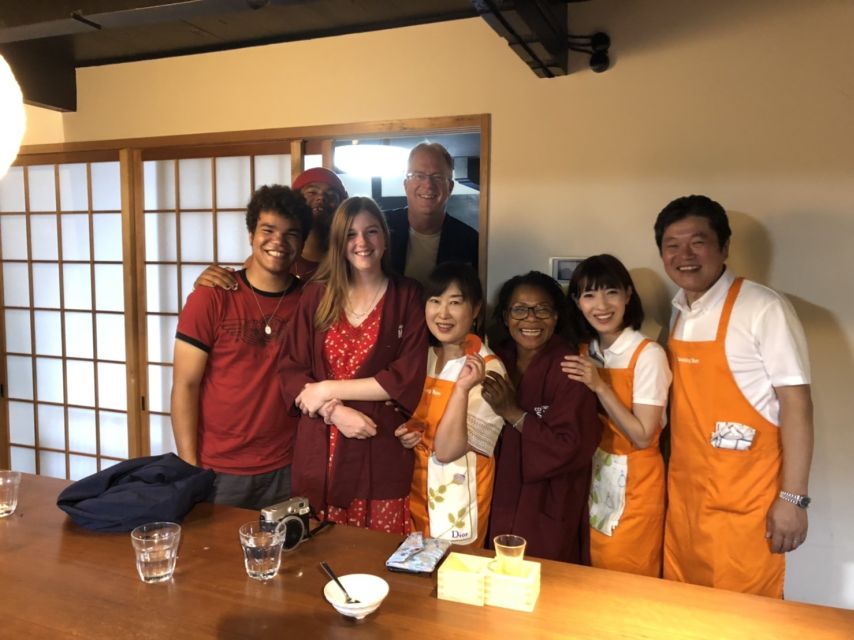
Kyoto is easy to over-pack. One more temple, one more shrine, and your feet start negotiating. This class gives you a clean reset: indoor, hands-on, and scheduled for the afternoon.
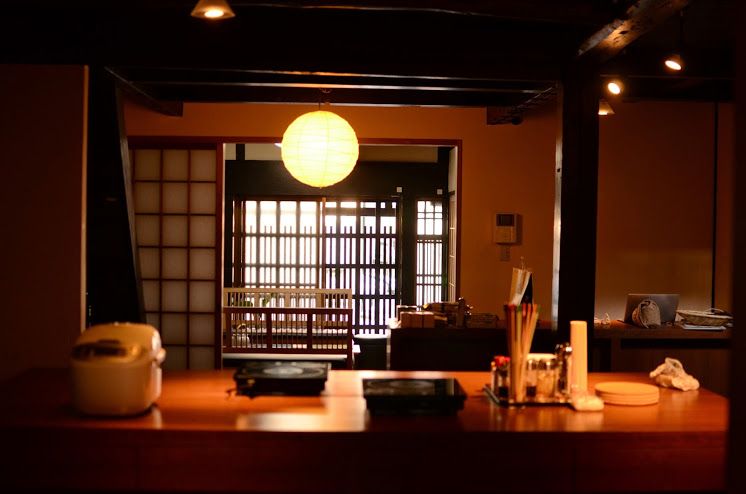
The location matters. Cooking Sun is in Shimogyo Ward (Funayacho, Kyoto 600-8466), which is a good base for a food-focused afternoon without needing a complicated commute. You’ll show up, get your apron and utensils, and get cooking rather than wandering around a market first.
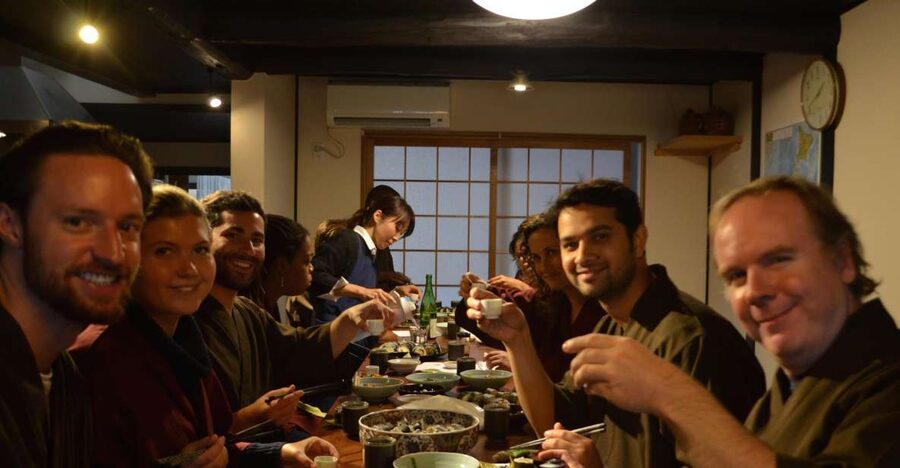
What makes the experience feel distinctly Japanese is the format. The class is built around Izakaya-style eating—over-the-counter energy, conversation, and learning while you cook and then immediately sit down to eat. It’s not just culinary theater. You’re doing the work, tasting the results, and getting feedback as you go.
One more round in Kyoto's izakaya and back lanes



What You Cook: Japanese Home Dishes in Two Rounds
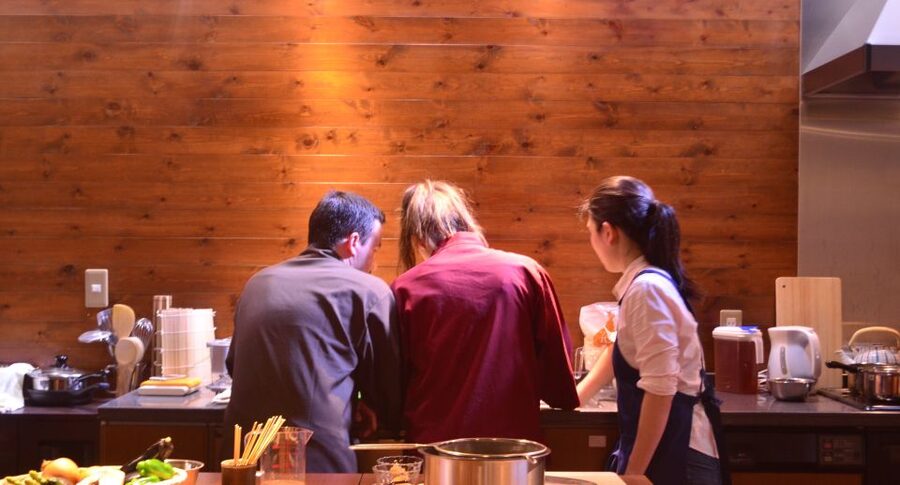
This course is structured like a real meal: you cook, eat, then cook again. In the first part, you’ll work together with your chef to make 2 or 3 dishes. Then you head back to eat what you made. After that, you return to the kitchen for another 2 or 3 dishes.
That means you’re not spending three hours chopping one ingredient for one final bite. You’re building a small Japanese spread, learning how flavors come together, and practicing different techniques (not only one skillet move).
Menus vary, but the most common pattern in the feedback is that people walk away with a lineup that can reach around five savory dishes plus a dessert (some sessions go even higher). You might see comfort-food staples like okonomiyaki, and you may also work with key flavor foundations such as dashi and seasonings like mirin—especially since one attendee mentioned making dashi broth during their session.
The big value here is the focus on home dishes. You’re learning the kind of cooking that shows up at local restaurants and family tables, not just the most tourist-exportable versions of Japanese food.
How the 3-Hour Flow Really Works
Time is tight in a good cooking class. Here, the rhythm is the point.
Expect a start that moves quickly into prep and hands-on cooking. Then you’ll cook together in that first round while the chef explains what matters—texture, seasoning timing, heat control, and how to recognize when something is done. You then eat what you cooked once, so you can connect the steps you just performed to the taste in your bowl or plate.
Then comes the second round, which usually shifts you to other dishes and methods. This is where people often feel the class is “fairly fast-paced.” That’s true—but it also explains why the learning sticks. You’re constantly doing, tasting, adjusting, and doing again.
By the end, you’re not just full. You’re more confident about the basic approach behind Japanese cooking: balance, layering flavor, and treating sauces and broths as part of the meal rather than something separate.
English-Friendly Coaching With Real Techniques
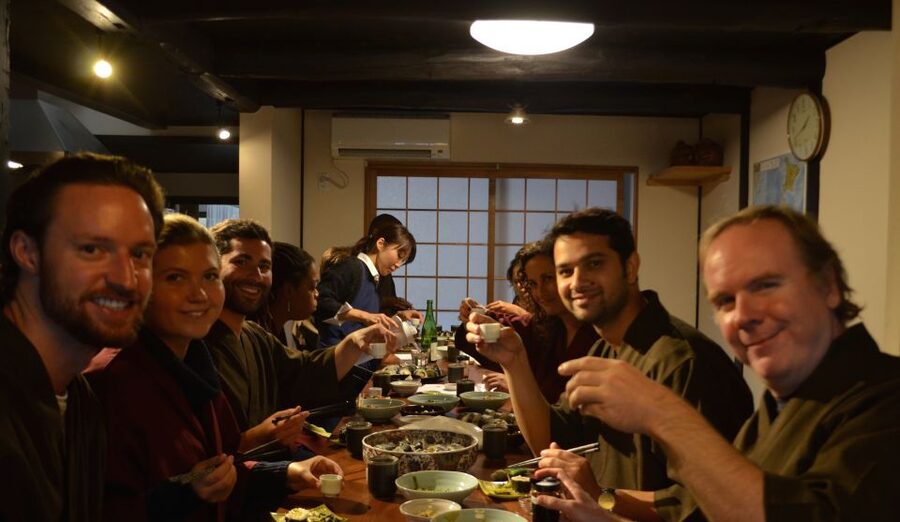
If you’ve ever taken a class where language barriers turn cooking into guesswork, you’ll appreciate this one. The instruction is English, and multiple attendees specifically praised the clarity of the chef and guides.
The teaching style is also practical. People repeatedly mention step-by-step guidance that makes it hard to fail—plus a friendly atmosphere where you can ask questions without feeling like you’re slowing everyone down. Some sessions have several instructors working with the group, and the flow tends to stay organized.
What I like for first-timers: the class doesn’t assume you already know Japanese kitchen tools or flavors. Instead, you get the basics explained in a way that connects to what you’re doing at your station.
And even if you’re not a confident cook, you’re still active. One attendee noted that even a non-cook felt supported enough to keep up, which is exactly what you want from a travel cooking class.
Izakaya-Style Interaction: Talking and Eating at the Same Time
This class leans into the social side of Izakaya dining. The format is over-the-counter, and the class encourages conversation while cooking and eating. That matters more than it sounds.
When you’re allowed to talk while you cook, you pick up the small reasons behind choices. Why that seasoning goes in now and not later. What the chef is watching for in heat and texture. Why certain ingredients behave the way they do.
It also makes the class feel less like a chore and more like an afternoon hangout with a food teacher. If you like learning by chatting—what you taste, what you notice—this format clicks fast.
Roll up your sleeves for another Kyoto cooking class

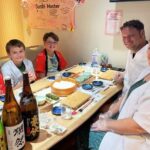
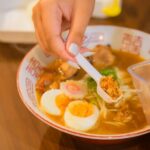
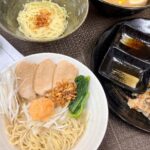

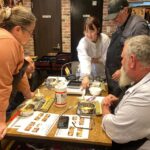
The Menu After the Hands-On Work: Delicious, Not Complicated
The food you eat in the class isn’t just a final reward. It’s part of the lesson.
Because you eat once mid-session, you get a moment to compare expectations with reality. If something tastes sharper or softer than you expected, you’ll understand what you did differently in the cooking steps. Then you carry that knowledge into the second set of dishes.
This is also why the results tend to be praised as delicious. The class keeps the dishes accessible. Even when you’re learning fundamentals, the goal isn’t to overwhelm you with hard-to-find technique.
Some dishes that get mentioned in the feedback include okonomiyaki, and people consistently say every item they cooked was tasty. If you like learning through payoff, this is a strong match.
Take-Home Recipes That Make Kyoto Stick
Here’s where value really shows up. People repeatedly mention that they get a well-documented recipe set they can use at home.
That’s the difference between a fun vacation experience and a skill you can repeat. When you can recreate the dishes later, you’re not only remembering Kyoto—you’re cooking it.
If you buy groceries and try to copy a Japanese recipe from memory, you often hit a wall with exact ratios and technique cues. A proper recipe pack solves that. And multiple attendees said the recipes are detailed and step-by-step, making them achievable even back home.
If you want to go one step further, some people also mention picking up utensils as a souvenir. Even if you don’t do that, the recipes themselves can help justify the class cost.
Price and Value: Is $67 Worth a 3-Hour Cooking Class?
At $67 per person for about 3 hours, the price lands in the mid-range for cooking classes in major Japanese cities. The question isn’t only cost—it’s what you get for that cost.
You get:
- Ingredients for the dishes you cook
- Apron and utensils (so you’re not hunting for gear)
- Multiple dishes in two rounds, with at least one built-in eating moment
- English-led instruction
- A recipe set to take home (based on repeated feedback)
In other words, you’re not paying for a single prepared meal. You’re paying for instruction, ingredients, and the chance to learn enough to cook similar dishes later.
Is it more than cooking for yourself? Sure. But if you try to recreate a Japanese “home dish” spread on your own without technique guidance, you often end up buying too many ingredients, wasting some, and still missing key steps. This class compresses the learning and hands you a practical roadmap.
For travelers who eat out a lot, the math can also be comforting: this is one afternoon that can replace what would otherwise be multiple restaurant visits.
Dietary Needs and Skill Levels: What Can Be Adjusted
Good news if you’re cooking-averse or dietary-restricted: the class asks you to share dietary requirements when booking, and that enables adjustments.
At least one attendee mentioned that vegetarian needs were supported, including using separate utensils and pans where necessary. So this isn’t a one-size-fits-all approach.
If you have allergies or strong restrictions, don’t wait until the day of class. Send the details during booking so the local supplier can prepare. That’s the difference between a safe, smooth experience and last-minute stress.
Skill-wise, the class is friendly to beginners. The pace can still be fast, but the structure and instruction style are designed to keep you on track.
Who This Class Fits Best in Your Kyoto Plan
This Kyoto cooking class works best if you fall into one of these groups:
- You want a hands-on activity that beats another museum stop
- You want to understand Japanese home cooking, not only what’s marketed to tourists
- You’d rather learn with English coaching than struggle through a cookbook
- You’re traveling with friends or family and want an activity that feels social
It’s also a nice option for an indoor break if weather turns or if you’re already templed out. Since it’s an afternoon class, it sits neatly between a late lunch and an evening of sightseeing or rest.
If you hate cooking, don’t like talking with people, or want quiet solo time, you might find the interaction and active format a bit much. In that case, a regular restaurant meal could feel more your speed.
Practical Tips Before You Go
A few small moves can make the class feel effortless:
- Wear comfortable clothes. You’ll be standing and moving for the full session.
- Bring an appetite. You’ll eat during the class, and you’ll want to taste what you’re learning.
- If you have dietary needs, report them when you book. This gives the kitchen time to plan.
- Be ready to talk while cooking. The over-the-counter Izakaya style is part of the lesson.
- Expect a fast pace. The class is designed to fit multiple dishes into 3 hours, so keep your focus on the steps as they come.
- If you’re nervous, remember the instruction is step-by-step. Many attendees say even non-cooks felt supported.
Should You Book This Kyoto Izakaya Cooking Class?
I’d book it if you want a Kyoto experience you can repeat. The combination of hands-on cooking, English teaching, Izakaya-style conversation, and take-home recipes makes it one of those classes where you don’t just leave full—you leave capable.
I’d skip it if your ideal vacation day is slow, quiet, and minimal effort. This class asks you to participate from start to finish, and some people find that fast-paced energy not a problem, just a factor.
If your goal is Japanese home cooking with practical results, this is a strong choice—especially for food lovers who want more than a one-off meal.
FAQ
How long is the Kyoto afternoon izakaya cooking class?
The class runs for 3 hours.
What will I cook during the class?
You’ll cook dishes in two parts: first 2 or 3 dishes, then another 2 or 3 dishes, and you’ll eat after the first round.
Is the class taught in English?
Yes. The instructor teaches in English.
Where is the meeting point?
The meeting point is Cooking Sun, Funayacho, Shimogyo Ward, Kyoto, Kyoto 600-8466.
Is this cooking class wheelchair accessible?
Yes, it is wheelchair accessible.
What if I have dietary requirements?
You should let the local supplier know upon booking so they can accommodate your needs.
Do I get instructions or recipes to take home?
Many participants mention receiving a recipe set they can use later to make the dishes at home.
What is the cancellation policy?
You can cancel up to 24 hours in advance for a full refund.
Can I reserve now and pay later?
Yes. There is a reserve now & pay later option.
What’s included in the price?
The price includes the cooking class, ingredients, 2–3 dishes, and an apron and utensils.
More Tour Reviews in Kyoto



More Kyoto Cooking Classes
More Kyoto Nights Out


Just added: more Kyoto tours to browse








Kyoto Cooking Classes, compared.
 ★ 5.0Ramen Cooking Class at Ramen Factory in KyotoFrom $1311,937 reviews
 ★ 5.0Sushi Making in Kyoto! Same-day bookings welcome!From $53713 reviews
 ★ 4.9Ramen Cooking Class at a Ramen Factory with SouvenirFrom $127532 reviews
 ★ 5.0Ramen, Gyoza, and Onigiri Cooking ClassFrom $90445 reviews
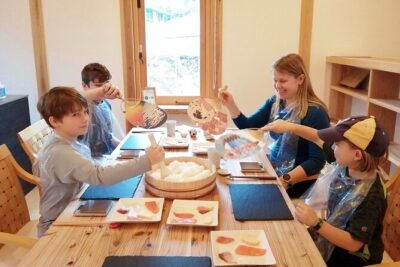 ★ 5.0The Original Small-Group Sushi Making Class in KyotoFrom $69436 reviews
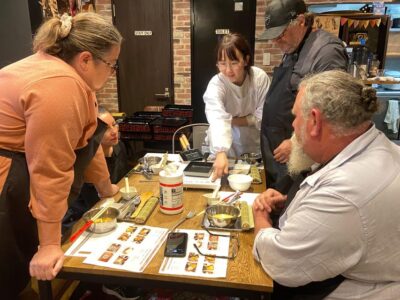 ★ 5.0Japanese Washoku Bento Small Group Cooking ClassFrom $58380 reviews
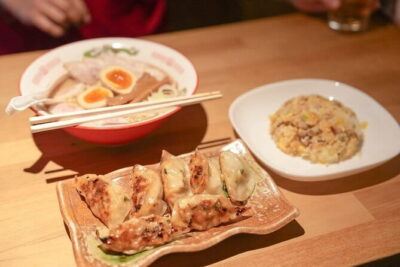 ★ 5.0Kyoto Ramen and Gyoza Cooking Class with Professional ChefsFrom $86282 reviews
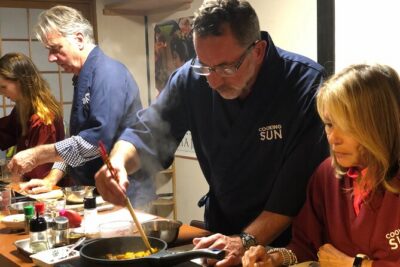 ★ 5.0Izakaya Style Cooking ClassFrom $71219 reviews
Browse the lists this tour appears in