
Reviewed · KYOTO COOKING CLASSES
Kyoto: Japanese Washoku Bento Small Group Cooking Class
Bento cooking in Kyoto is a hands-on shortcut. In 150 minutes you learn dashi stock and how to fry tempura, then build a full bento box you can recreate at home. I also love the knife guidance during class, the kind that makes you stop hacking and start cooking.
One heads-up: this is active, kitchen-first. If you want a lot of sitting and sightseeing, you may find the pace a little too energetic.
In This Review
- Key reasons this class works
- Kyoto Washoku Bento Class: What You’ll Actually Make
- Meeting at Kyoto Laundry Cafe by Saiin Station
- How Washoku Shows Up in a Bento Box
- Dashi Stock: The Flavor Engine You’ll Use Everywhere
- Tempura Frying: Crispy Technique, Not Just Hot Oil
- Knife Skills for Japanese Cooking: Cuts That Matter
- Sushi Rolls and Rolled Omelette: Build, Set, and Slice
- The Tofu Salad Component: Balance, Texture, and Freshness
- Eating Together: Why the Bento Meal Matters
- Small Group Size: Up to 5, More Attention per Minute
- Price and Value: Is $58 a Good Deal
- Who This Class Fits Best
- Notes on the Chefs and English Support
- Should You Book This Kyoto Bento Cooking Class
- FAQ
- How long is the Kyoto Washoku Bento cooking class?
- Where do I meet the instructor?
- What dishes will I cook in the class?
- Is the class taught in English?
- How big is the group?
- What happens if I’m late to the meeting point?
- Can I get a refund if my plans change?
Key reasons this class works
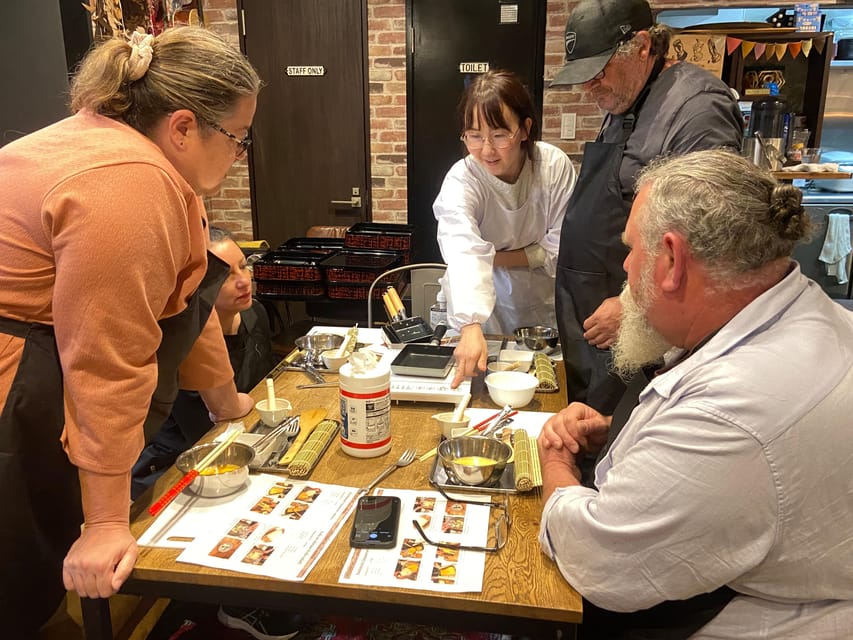
- You cook a complete bento, not a demo you watch from the sidelines
- Tempura + dashi skills transfer to meals you’ll make long after Kyoto
- Knife time is real, with coaching on a proper Japanese approach
- Washoku focuses on season and balance, not just flavor
- Small group size keeps questions flowing and attention personal
Kyoto Washoku Bento Class: What You’ll Actually Make
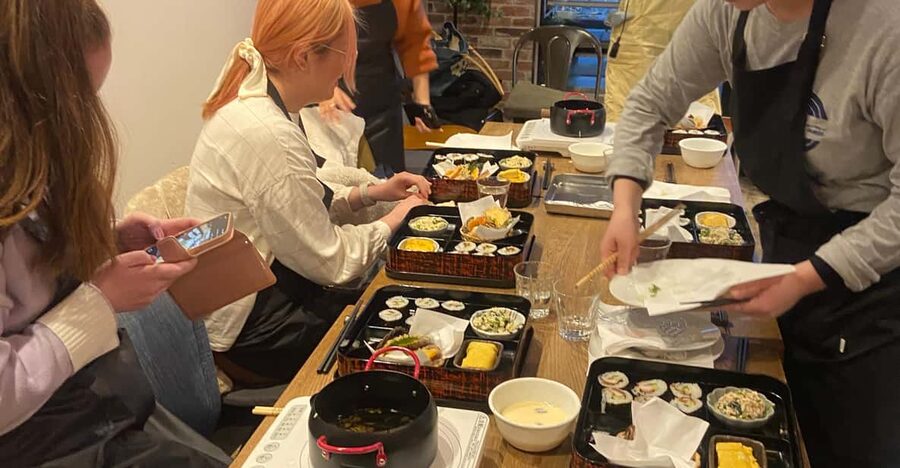
This isn’t a vague cooking experience where you sample one dish and call it culture. You’re making a portable Japanese lunch box, built from separate elements that are designed to taste good on their own and together. That’s the core idea of bento: different flavors, different textures, neatly arranged, and still harmonious.
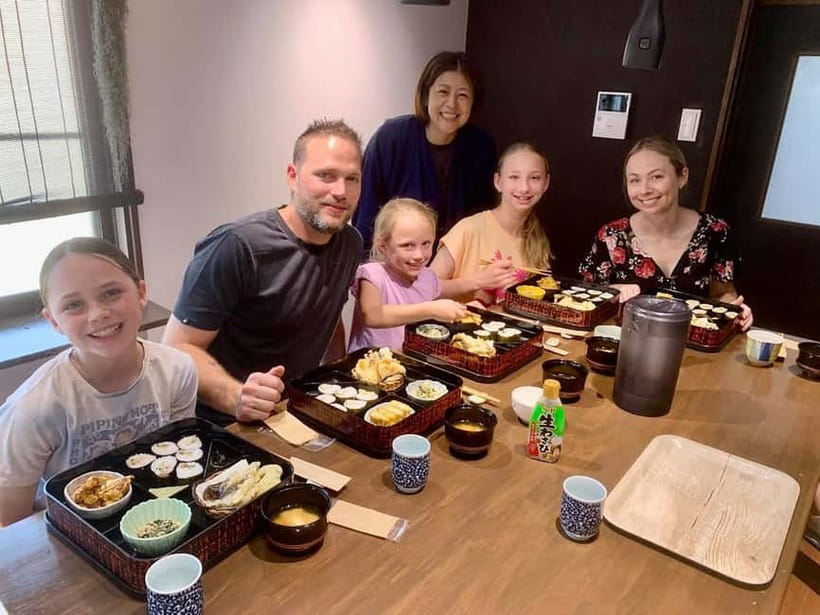
In your box you’ll prepare four dishes, including sushi rolls, tempura, tofu salad, and a Japanese rolled omelette (dashimaki-style). The way the class is structured matters. You’re not just copying recipes. You’re learning what techniques create the final result, so you can adapt later when you’re buying ingredients in your own country.
And yes, you eat what you make. After cooking, you sit down together, chat, and enjoy your bento. It turns what could be a rushed workshop into something closer to a casual meal with a chef coaching you in the background.
Roll up your sleeves for another Kyoto cooking class

Meeting at Kyoto Laundry Cafe by Saiin Station
Your main logistics are simple but time-sensitive. You meet at KYŌTO LAUNDRY CAFE (京都ランドリーカフェ), located about five minutes from Saiin Station (Hankyu Railway). On the day of the class, the chef comes to pick you up at that location.
Plan to arrive early. If you’re more than 15 minutes late after the scheduled meeting time, your reservation is automatically canceled. That rule makes sense: kitchens and timing are tight, and everyone else’s meal schedule depends on you.
If you’re using navigation, stick with Google Maps (not Instagram maps). It’s one of those small details that prevents a lot of stress.
How Washoku Shows Up in a Bento Box
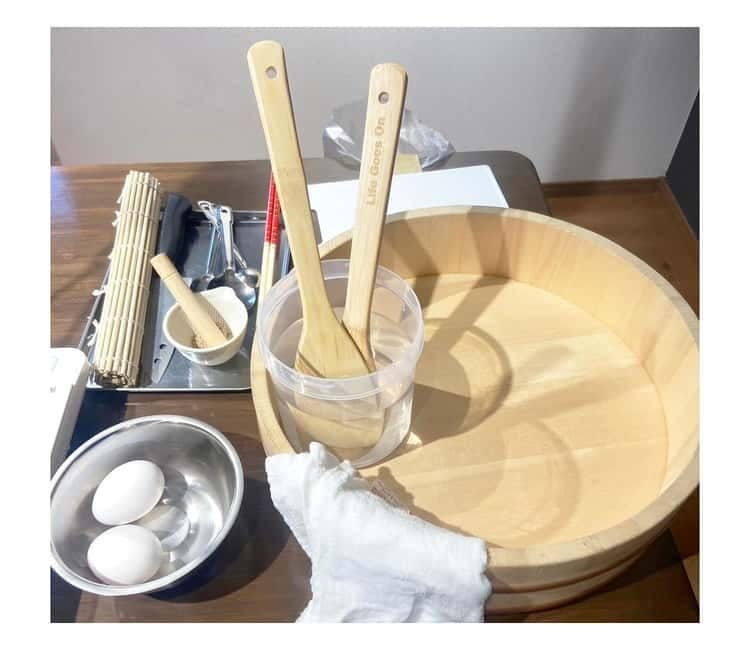
Washoku is the theme of the class, and it’s more than a fancy word on a brochure. You’ll hear about washoku’s emphasis on fresh, seasonal ingredients and on balance—flavor, color, and texture all playing their part.
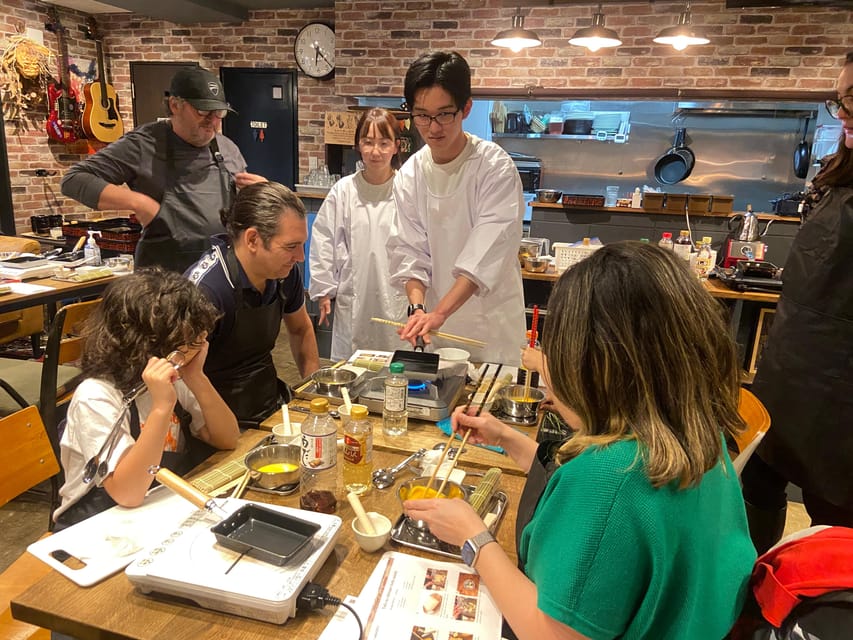
In a restaurant, you might not notice the “why” behind a dish. In this class, you get forced to pay attention. You handle ingredients. You fry to a target texture. You whisk and cook until something sets properly. You’re constantly checking what’s happening in front of you, not just judging taste at the end.
That’s why washoku works well for home cooks. Once you understand the balance principle, you can steer your own bento-style meals even if you don’t follow the exact same ingredients every time. It’s a cooking mindset, not only a shopping list.
Dashi Stock: The Flavor Engine You’ll Use Everywhere
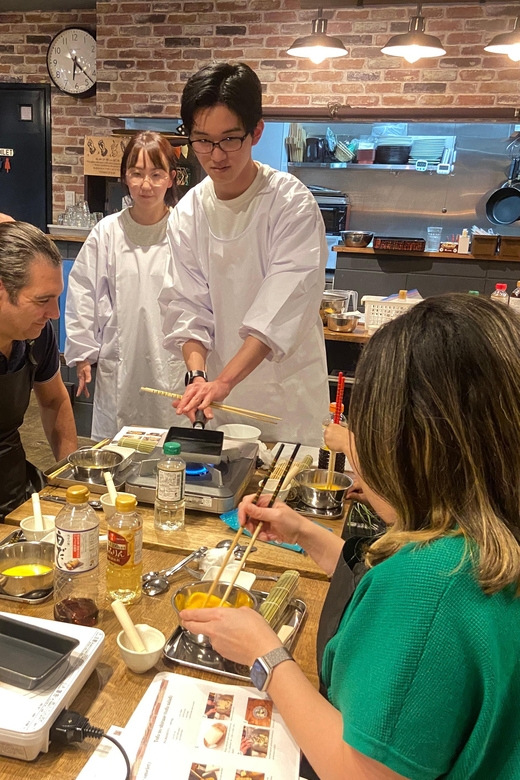
If you take only one skill out of this class, make it dashi stock.
Dashi is the foundation behind a lot of Japanese home cooking. In class, you learn how to make it and you’ll see why it matters: it gives your food that deep, savory backbone without making everything taste salty or heavy. When you know how dashi is built, a lot of Japanese dishes stop feeling mysterious.
The chefs (often people like Ai, Miyu, or Rie) explain the process in a way that actually connects technique to result. In multiple sessions, students highlight how the dashi explanation makes the method click, and how it then becomes something they can repeat for lunches at home.
If you like the idea of eating Japanese flavors without relying on takeout, dashi is your best starting point.
Tempura Frying: Crispy Technique, Not Just Hot Oil
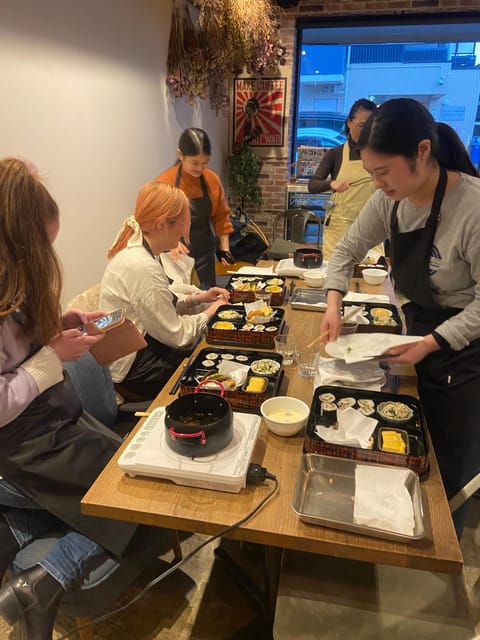
Tempura is where home cooks often get humbled. The class treats it like what it is: a technique problem.
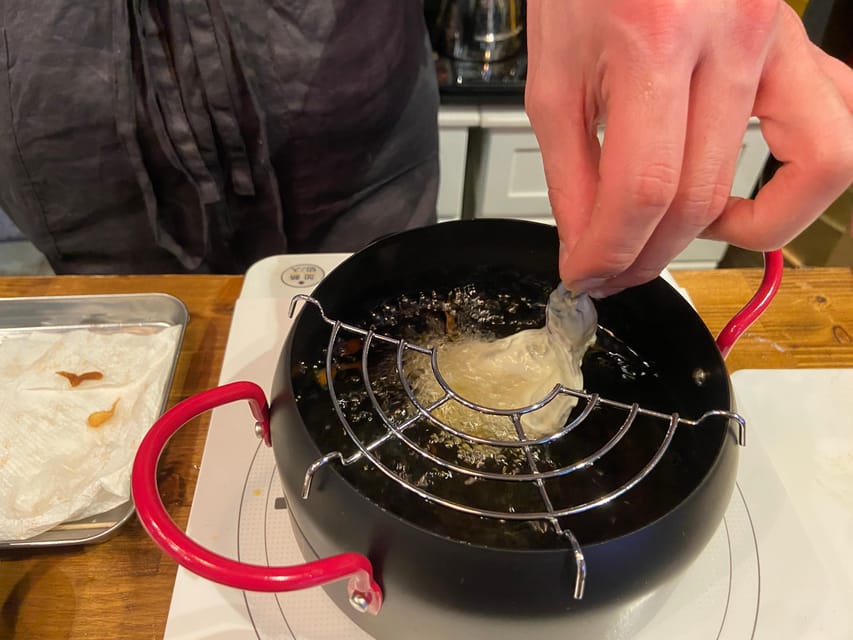
You’ll learn how to fry tempura, including how to manage the batter and the heat so the result stays crisp instead of turning oily or soggy. Tempura works because the coating and oil behavior are tightly connected. When a chef teaches you what to watch for, it’s easier to reproduce.
One detail that people really appreciate: you don’t just read about it. You practice it alongside the instructor, with hands-on guidance. And you use the right tools and approaches for the job, which can be half the battle if you’ve only cooked Western-style fried foods before.
By the end, tempura isn’t some random menu item. It’s a method you understand.
Other Kyoto tours and experiences to compare


Knife Skills for Japanese Cooking: Cuts That Matter
A lot of cooking classes mention knives. This one teaches a proper Japanese approach to using them. That includes pacing, control, and technique so your cuts look clean and cook evenly.
Even if you’re not trying to become a sushi chef, better knife skills change everything:
- faster prep
- more consistent cooking
- safer, more confident movements
In the class, instructors like Ai and Miyu are noted for explaining and demonstrating in a way that helps you adjust as you go. Some people even mention feeling proud of what they produced, which is a good sign you weren’t just following instructions blindly.
If you’re the kind of person who always wants to know how to improve, this knife coaching is one of the reasons the class earns repeat praise.
Sushi Rolls and Rolled Omelette: Build, Set, and Slice
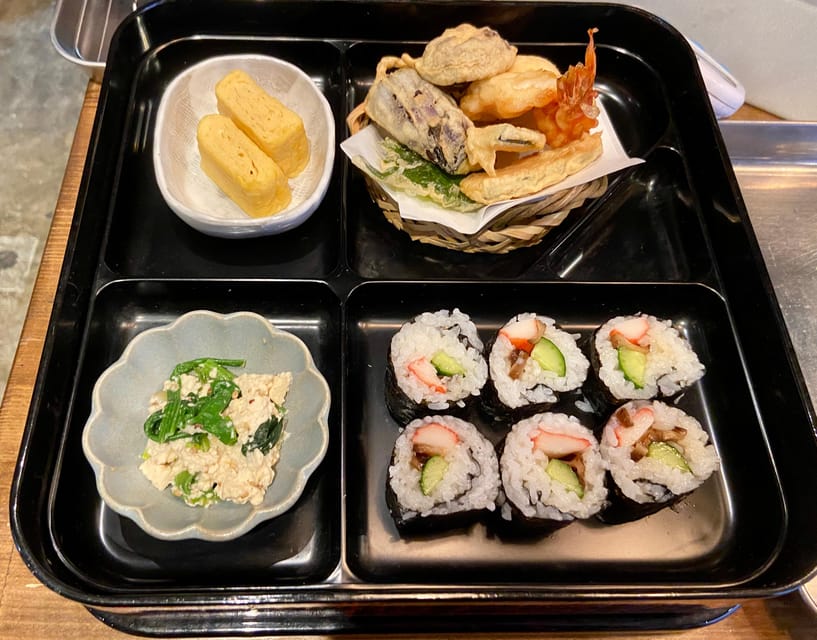
The bento box includes sushi rolls and a Japanese rolled omelette. Together, they cover two very different cooking behaviors: rolling and setting.
For sushi rolls, you’ll learn how to assemble what becomes a neat, portable piece. The key value here is not only the final roll. It’s the rhythm of preparation—handling components carefully, working steadily, and understanding how the roll holds together.
For the rolled omelette, students specifically mention dashimaki and learning how to make the dashi that supports it. That pairing is important. The omelette isn’t just fluffy egg; it’s egg plus dashi for flavor and texture. When you learn both, the dish stops being a “copy this recipe exactly” item and becomes “make this style of omelette” cooking.
And you’ll see different utensils and techniques used for each element. The variety is part of the fun, and it helps you build a wider skill set during your 150 minutes.
The Tofu Salad Component: Balance, Texture, and Freshness
A bento box needs more than fried and rolled items. That’s where tofu salad comes in, bringing a lighter texture and a different flavor profile.
Washoku emphasizes balance and freshness, and tofu salad is a practical way to experience that. You’re working with something that doesn’t rely on deep frying to taste good. You learn how seasoning and texture choices affect the overall harmony of the box.
This is also a reminder that a bento isn’t only about “wow” techniques. It’s about assembling complementary pieces into one meal that feels complete.
Eating Together: Why the Bento Meal Matters
After you cook, you sit down with the group and enjoy your bento. That shared meal isn’t an afterthought.
It helps you understand how the dishes work together. In the kitchen, you focus on technique. At the table, you focus on taste and balance. You start noticing which elements make the others better—how fried items pair with the lighter tofu dish, how the savory dashi-driven components pull the box into cohesion.
It also creates a natural time for questions. Many participants highlight the friendly coaching and the way instructors explain not only how to cook, but what the food means in Japanese culture.
If you like learning through conversation, this part can feel surprisingly rewarding.
Small Group Size: Up to 5, More Attention per Minute
The class is limited to 5 participants, which is a big deal for hands-on cooking. In a larger group, you often wait your turn. Here, you’re more likely to get immediate feedback when something needs adjusting.
That matters especially for frying, rolling, and knife work. Small group sizes reduce the “hands busy, brain idle” problem. You cook more, ask more, and get quicker corrections.
Some sessions also feel extra intimate depending on who books. People have reported small groups as low as three, and occasionally even having very close instruction.
You’ll still be learning and moving, but the experience should feel personal rather than industrial.
Price and Value: Is $58 a Good Deal
At $58 per person for 150 minutes, the value is strongest if you care about real skills, not only eating good food.
Here’s what you get for that price:
- An instructor with English and Japanese support
- Ingredients for four dishes
- Equipment and aprons
- Time to cook, then eat what you make
- Training in multiple techniques: dashi, tempura, knife work, rolling
When you compare that to paying for just a meal in Kyoto (plus the cost of another activity), you’re essentially buying a guided skill session where the payoff is your lunch and your takeaway techniques.
If you’re someone who likes to cook at home and you want a repeatable outcome, $58 can feel like a bargain. If you only want to taste and take photos, it may feel like more effort than you planned.
Who This Class Fits Best
This is a great match if:
- you want a hands-on Kyoto activity
- you like Japanese food and want to understand why it works
- you’re curious about washoku and seasonal balance
- you want knife skills and technique, not only a recipe rundown
It may not be the best fit if you:
- need a fully accessible setting (wheelchair users aren’t accommodated)
- are managing diabetes (the class is not suitable)
- travel with very young children (there are age limits for kids under 2, 3, and 4, plus rules for babies under 1)
- expect a mostly observational experience
Also, if you have allergies, don’t assume. Ask the provider ahead of time. One participant noted a shrimp allergy substitution was handled, which is encouraging, but you should still confirm your specific needs.
Notes on the Chefs and English Support
One of the strongest signals from past classes is how consistently helpful the chefs are. Names that come up again and again include Yamamoto Rie, plus instructors like Ai and Miyu.
English support is part of the promise, and students frequently mention explanations that were easy to follow, especially for dashi and bento structure. Some also mention extra help like encouraging, patient step-by-step instruction, which is exactly what you want in a class that involves frying and knife skills.
If you’re worried you won’t understand cooking jargon, you’re not alone. The class is built so you can learn through demonstration and clear guidance.
Should You Book This Kyoto Bento Cooking Class
Book it if you want a Kyoto experience that turns into real kitchen confidence. The best reason is simple: you leave with a complete bento you made, plus a set of techniques—dashi, tempura frying, knife approach, and Japanese-style rolling—that you can use at home.
Skip or reconsider if you hate cooking actively, you’re very sensitive to time limits, or you need mobility accommodations. This class is designed for doing, not watching.
If you can handle being hands-on for about 2.5 hours and you’ll actually use what you learn, this is one of the more practical “Japan memory” activities you can book.
FAQ
How long is the Kyoto Washoku Bento cooking class?
It runs for 150 minutes.
Where do I meet the instructor?
You meet at KYŌTO LAUNDRY CAFE (京都ランドリーカフェ), about five minutes from Saiin Station (Hankyu Railway). The chef picks you up there.
What dishes will I cook in the class?
You’ll cook four dishes, including sushi rolls, tempura, tofu salad, and a Japanese rolled omelette.
Is the class taught in English?
Yes. The instructor provides English and Japanese support.
How big is the group?
It’s a small group limited to 5 participants.
What happens if I’m late to the meeting point?
If you arrive more than 15 minutes after the scheduled meeting time, your reservation is automatically canceled.
Can I get a refund if my plans change?
There is free cancellation up to 24 hours in advance for a full refund.
More Cooking Classes in Kyoto
More Tour Reviews in Kyoto


More Kyoto Cooking Classes

Just added: more Kyoto tours to browse




Kyoto Cooking Classes, compared.
 ★ 5.0Ramen Cooking Class at Ramen Factory in KyotoFrom $1311,937 reviews
 ★ 5.0Sushi Making in Kyoto! Same-day bookings welcome!From $53713 reviews
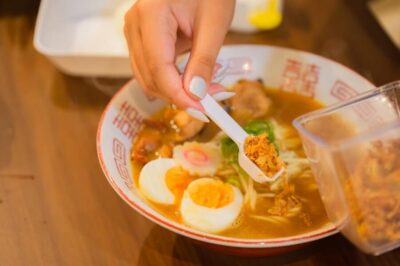 ★ 4.9Ramen Cooking Class at a Ramen Factory with SouvenirFrom $127532 reviews
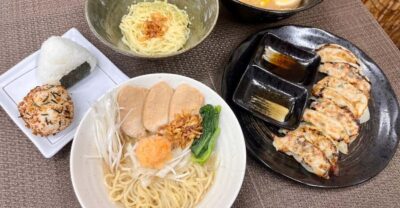 ★ 5.0Ramen, Gyoza, and Onigiri Cooking ClassFrom $90445 reviews
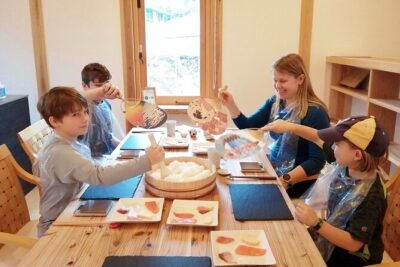 ★ 5.0The Original Small-Group Sushi Making Class in KyotoFrom $69436 reviews
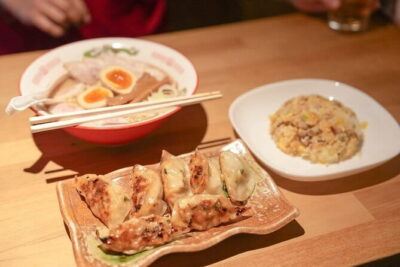 ★ 5.0Kyoto Ramen and Gyoza Cooking Class with Professional ChefsFrom $86282 reviews
 ★ 4.9Afternoon Japanese Izakaya Cooking ClassFrom $67241 reviews
 ★ 5.0Izakaya Style Cooking ClassFrom $71219 reviews
Browse the lists this tour appears in