
Reviewed · NARA DAY TRIPS FROM KYOTO
Kyoto Private Car Tour – Full Day with Local Guide & Nara Option
Kyoto, without the stress of transfers. This private car day is built to save you hours of planning, with hotel pickup/drop-off and a route that hits major sights in one go. I especially like the personal pacing (no waiting for other passengers) and the fact that you’re riding in an air-conditioned car while someone else handles the logistics. One consideration: attraction entry and lunch aren’t included, so you’ll still need to budget for temple tickets and a meal break.
The guides attached to this tour (I’ve seen names like Riku and Tatsuya pop up in the details) are repeatedly praised for good explanations and practical help. People talk about the way guides stay flexible with weather and comfort needs, including handling mobility issues and helping with small problems that can derail a day.
If you choose the Nara option, you’ll add a second set of “wow” moments—think big temples and deer—while still returning to Kyoto highlights later in the day. The only drawback there is simple math: you’ll be on the go, so it helps to be clear about what you truly want to see most.
In This Review
- Key points before you go
- Why a Private Car Makes Kyoto Feel Easier
- Meeting Your Guide and Getting a Day That Fits
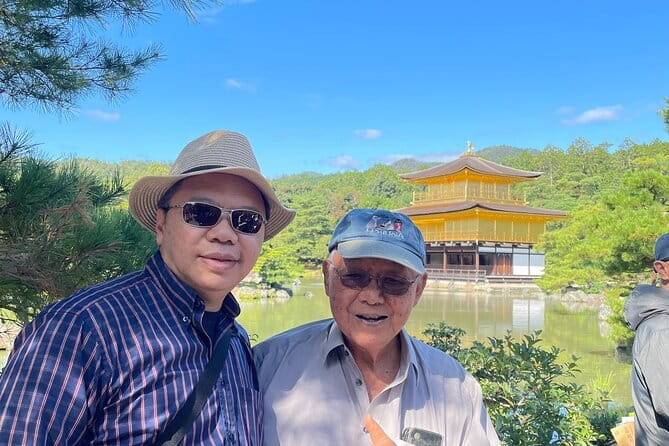
- Kinkakuji Temple: Golden Pavilion in One Calm Hour
- Arashiyama and the Bamboo Forest: Nature, Walkways, and Options
- Gion for an Hour: Geisha District Energy, Without Needing a Ticket
- Fushimi Inari Taisha: The Torii Gates and the Pace Decision
- The Nara Option: Deer, Big Temples, and a Different Kind of Kyoto
- Price and Logistics: What $170 Covers (and What It Doesn’t)
- Comfort Matters: Timing, Crowds, and Where Flexibility Shows Up
- Who This Kyoto Private Car Tour Is Best For
- Should You Book This Tour?
- FAQ
- How long is the Kyoto private car tour?
- What are the main Kyoto stops included?
- Is the Nara option available, and what does it add?
- Are attraction admission tickets included in the tour price?
- Is hotel pickup and drop-off included?
- What is included in the transportation cost?
- Is lunch included?
Key points before you go
- Hotel pickup and drop-off means you spend your energy on sights, not taxis and timing
- A private route helps you avoid the stand-in-line rhythm of group tours
- English-speaking guide support for history, etiquette, and where to stand for the best views
- Icon stops in one day: Kinkakuji, Arashiyama, Gion, and Fushimi Inari
- Nara option can add Todai-ji / deer areas and Kasuga Taisha timing
- Admission and lunch are extra, so plan for tickets and a meal
Why a Private Car Makes Kyoto Feel Easier
Kyoto is beautiful, but moving around can be a full-time job—crowds, transfers, and “which bus is next?” questions. This private car format cuts the friction. You get a dedicated vehicle with parking taken care of, plus the expressway and fuel costs included in the tour price.
That matters because Kyoto highlights often sit in different neighborhoods. With a car, your day is less about commuting and more about actually seeing things. And because the tour is private, you don’t lose time waiting on others or having your schedule bent to a group’s pace.
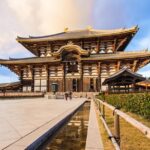
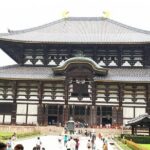
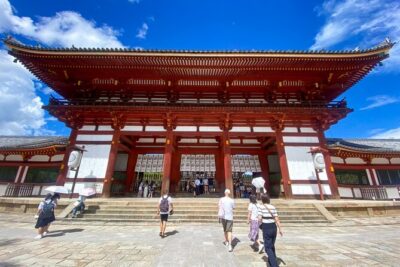
More day trips out to Nara and its bowing deer
Meeting Your Guide and Getting a Day That Fits

The tone of this tour is hands-on. You’re not just dropped at a gate. You have an English-speaking guide who can explain what you’re looking at and help you plan the day so you aren’t running from one stop to the next.
From the guide notes in the details, a few themes show up again and again:
- Guides coordinate pickup time and location clearly (including address confirmation the night before)
- They help with pacing for families and people with mobility needs
- They adjust when rain hits or when someone needs a rest
I also like the “extra practical” side. In the notes for guides like Riku and Tatsuya, there are mentions of lunch recommendations (including local ramen and sushi) and even getting help like pointing you to a pharmacy if you’re not feeling well. That’s the kind of small support that keeps the day smooth.
One thing to keep in mind: this tour depends on the guide and your day’s rhythm. If you want a super relaxed schedule, tell your guide early and be specific about what “relaxed” means for you (shorter walks, fewer stairs, or leaving a site early).
Kinkakuji Temple: Golden Pavilion in One Calm Hour
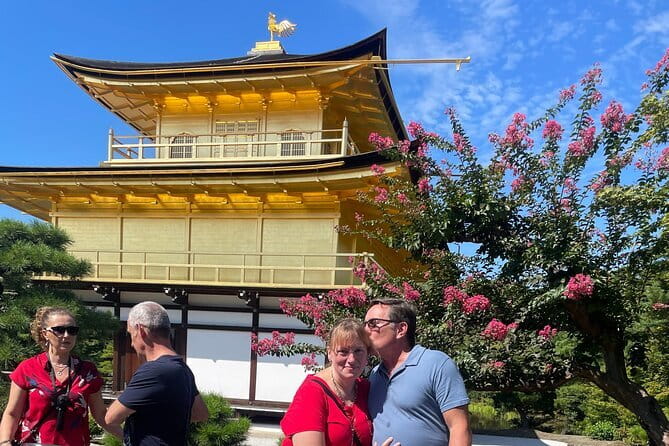
Kinkakuji Temple (the Golden Pavilion) is the kind of place that looks almost unreal in photos—and then you stand there and realize the beauty is real, not filtered. The tour stop is about 1 hour, and temple entry is not included in the tour price.
What to expect:
- The iconic sight is the top floors clad in gold leaf, set against a pond
- Photos can look dramatic because the reflections are part of the design
- You’ll likely walk a bit on uneven ground and through busy viewing areas
Practical tip: if you want photos with less chaos, arrive ready to move. An hour goes fast when you’re also trying to read plaques and take in the view.
Also plan your budget here. Since admission isn’t included, you’ll want to buy tickets on the spot (or ask your guide how to handle it efficiently).
Arashiyama and the Bamboo Forest: Nature, Walkways, and Options
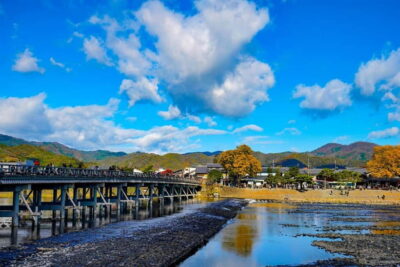
Arashiyama is where Kyoto swaps temple halls for riverside air and green scenery. This stop is around 2 hours, and admission is listed as included.
This is often the highlight for people who like atmosphere more than just buildings. The notes point to the bamboo grove area and mention how a rickshaw ride through the bamboo forest can be a smart way to experience it without overloading your legs. If you’re traveling with someone with limited mobility or you’re tired from a big walking day, that option can be a real win.
What you’ll get from the standard plan:
- Time to wander Arashiyama without feeling rushed
- A chance to see the bamboo area and its bridges (and the views from above are often the payoff)
- Enough time to slow down for photos
Potential drawback: Arashiyama can be busy. If crowds bother you, ask your guide where to position yourself for a calmer feel, and don’t assume you’ll only see it from one “official” viewpoint.
Gion for an Hour: Geisha District Energy, Without Needing a Ticket
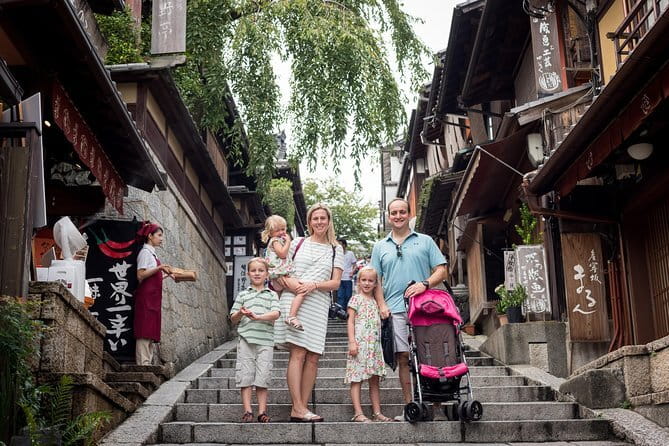
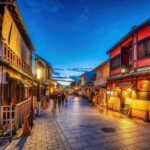
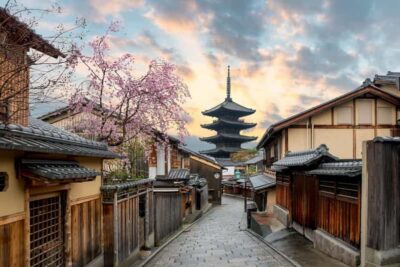
Gion is Kyoto’s most famous historic district, and it has that “old Kyoto” vibe even when you’re just walking past small lanes. This stop is about 1 hour, and admission is free.
In a single hour, you’re not doing a deep cultural workshop—you’re sampling the mood:
- Traditional streets and storefronts
- A sense of history that’s visible in the layout, not just signage
- A good break between busier temple stops
Practical tip: dress neatly if you want to photograph respectfully, and keep your voice low in quieter lanes. If you’re hoping to see geisha or maiko up close, manage expectations. The value of Gion is in the atmosphere and the streets.
Also: hour stops are perfect for first-timers. If you already know Gion well, you might ask your guide to spend that time on a smaller nearby street scene instead.
Other Kyoto tours and experiences to compare


Fushimi Inari Taisha: The Torii Gates and the Pace Decision
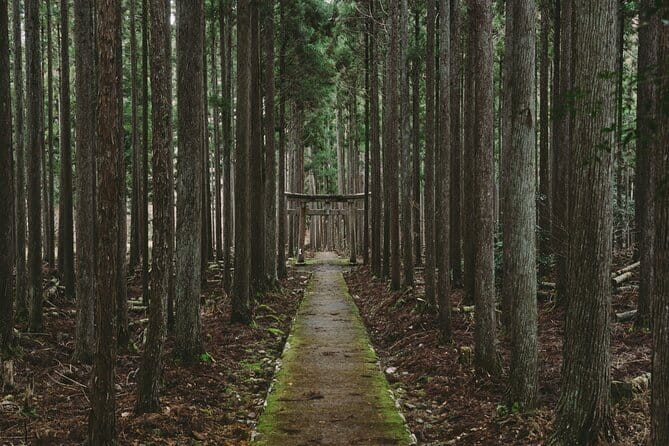
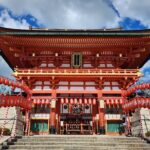
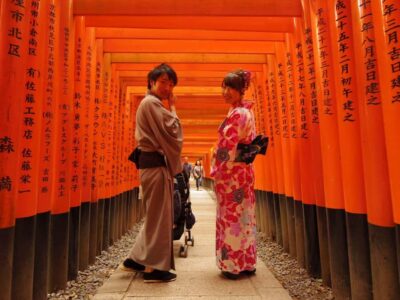
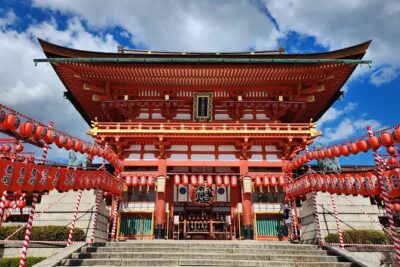
Fushimi Inari Taisha is one of the most photographed places in Japan for a reason: the torii gates climb a hillside in long rows, creating a visual tunnel effect. This stop is about 2 hours, and admission is listed as included.
Here’s the key decision you should make before you start climbing:
- Do you want the full uphill experience, or do you want the best gate views without going too far?
- How much stair-walking is realistic for your group today?
The layout is made for walking, but you’re not required to reach the top. Many people enjoy a strong chunk of the route and then turn back once they’ve gotten the best gate rhythm in their photos.
Practical tip: wear shoes with grip. The ground can be slippery, and you’ll be walking longer than you think once you’re inside the gate paths.
The Nara Option: Deer, Big Temples, and a Different Kind of Kyoto
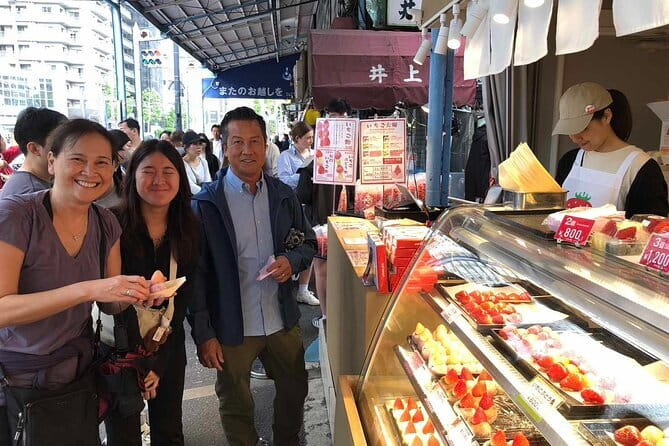
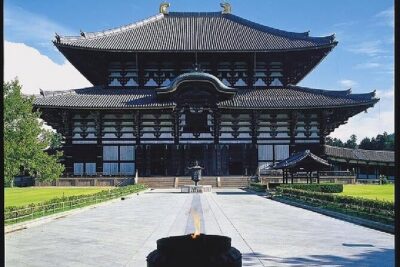
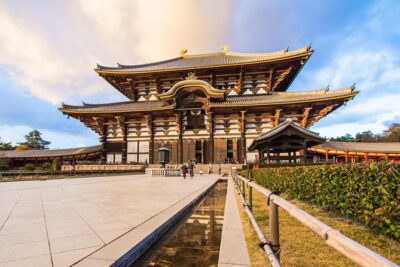
The Nara add-on turns your day into “Kyoto plus wildlife plus a major temple moment.” Based on the stop details people describe with the Nara option, you can expect time around famous Nara sights such as Todai-ji and deer areas, including places connected with Kasuga Taisha.
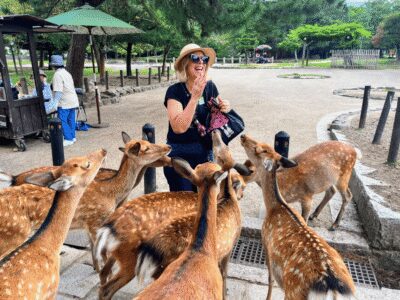
One detail worth taking seriously: deer can be extremely comfortable around people and may approach for food. If you’re carrying snacks, keep them sealed and zipped. That’s the difference between a fun moment and an annoying scramble.
Also pay attention to the order of the day. Nara sites tend to be a little more spread out, and you’ll want enough time to see the main temple area and still enjoy Arashiyama or Fushimi Inari without feeling like you’re constantly late.
If your group is strong on temples and wants that classic Nara feeling (deer + monumental architecture), the Nara option is a great fit. If your group is mostly about scenic photo stops, you can consider skipping Nara and sticking to Kyoto’s compact route instead.
Price and Logistics: What $170 Covers (and What It Doesn’t)
At $170 per person for an approximately 8-hour day, this isn’t a budget tour. But it’s also not priced like a “just rides in a car” service. You’re paying for:
- A private vehicle with hotel pickup/drop-off
- An English-speaking guide
- Parking, gasoline, and expressway fare
- Stops arranged so you can check major sights fast
What you’ll pay separately:
- Lunch (lunch fees during your break are not included)
- Temple and shrine admission tickets (most notably, Kinkakuji entry is not included)
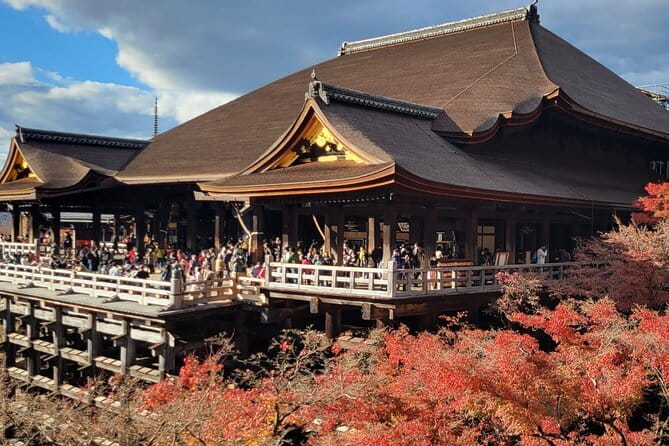
- If you add something extra (the notes mention Kiyomizudera around $10), you’ll cover those tickets too
My take on the value: this tour is usually worth it when you either (a) don’t want to spend your limited time on planning and commuting, or (b) have a group that benefits from private pacing—families, mobility needs, mixed comfort levels.
If you’re traveling alone with strong stamina and you love figuring routes yourself, you might get cheaper results by building your own day. But if you want a smooth, “someone else handles it” day, this price is easier to justify.
Comfort Matters: Timing, Crowds, and Where Flexibility Shows Up
Kyoto days can swing between serene and chaotic. What you’re buying with a private guide isn’t only the car—it’s the way the schedule can bend around reality.
Based on what’s described with this tour, flexibility often shows up in these ways:
- Adjusting when rain happens so you’re still seeing the main sights
- Helping the group slow down or rest when needed
- Keeping the pace comfortable so you don’t feel like you’re sprinting
This is a big reason families like it. The tour structure gives you major highlights, but you still have room to pause. And the car time can be a practical reset button between neighborhoods.
If you’re especially sensitive to crowd conditions, tell your guide early that you prefer “less dense” timings when possible. They can’t erase crowds, but they can often help you avoid the most frustrating surges.
Who This Kyoto Private Car Tour Is Best For
I’d point this tour toward people who want a high-hit-rate day without the stress of figuring everything out. It’s also well suited if:
- You’re short on time in Kyoto and want Kinkakuji, Arashiyama, Gion, and Fushimi Inari in one day
- You want to keep everyone on the same schedule (instead of separating into smaller plans)
- Your group includes someone who needs a gentler pace or extra help with stairs and walking
It can also work for cruise port days because pickup support is part of the design. If you’re arriving by ship, I’d still plan to stay alert for where pickup happens and arrive ready to confirm the exact meet point.
Should You Book This Tour?
Book it if you want the easiest way to do a classic Kyoto highlight loop with a private car and an English guide, and you’re okay paying for temple tickets and lunch on top of the tour price. The Nara option is a strong add-on if deer and major temples are on your must-see list.
Skip it (or consider a lighter version) if:
- You’re traveling very budget-first and don’t mind arranging your own transport
- Your group wants a slow, in-depth wander with long stays in fewer places
- You prefer to set your own daily order and don’t want guidance shaping the route
FAQ
How long is the Kyoto private car tour?
The tour duration is approximately 8 hours.
What are the main Kyoto stops included?
The listed Kyoto stops are Kinkakuji Temple, Arashiyama, Gion, and Fushimi Inari Taisha Shrine.
Is the Nara option available, and what does it add?
An option to include Nara is available. The details connected to the Nara option mention major Nara sights such as Todai-ji and deer areas, including Kasuga Taisha.
Are attraction admission tickets included in the tour price?
No. Admission tickets are not included for Kinkakuji Temple, and while admission for some other stops is listed as included, attraction admission overall is noted as not included.
Is hotel pickup and drop-off included?
Yes. Hotel pickup and drop-off are included.
What is included in the transportation cost?
The tour includes transportation in an air-conditioned vehicle, plus parking, gasoline, and expressway fare.
Is lunch included?
No. Lunch is not included, and you’ll cover lunch fees during breaks.
More Tours in Kyoto


More Tour Reviews in Kyoto
More Nara Day Trips

Just added: more Kyoto tours to browse




Nara Day Trips from Kyoto, compared.
 ★ 4.7Kyoto/Osaka: Nara, Fushimi Inari Taisha, Arashiyama Bus TourFrom $521,275 reviews
 ★ 4.4Osaka/Kyoto: Arashiyama, Nara & Fushimi Inari Shrine w/LunchFrom $61754 reviews
 ★ 4.5Kyoto and Nara Day Trip from KyotoFrom $194445 reviews
 ★ 5.0Full Day Guided Tour to Kyoto and Nara from Osaka by VanFrom $106420 reviews
 ★ 4.5Nara Afternoon Tour from Kyoto or OsakaFrom $102390 reviews
 ★ 4.6From Kyoto: Nara Guided Morning TourFrom $77335 reviews
 ★ 4.6Kyoto/Osaka: Kyoto and Nara Customized Private Guided TourFrom $477258 reviews
 ★ 5.0Nara Park, Osaka & Kobe from Kyoto Full Day tourFrom $90207 reviews
Browse the lists this tour appears in