
Reviewed · KYOTO COOKING CLASSES
Private Art Sushi Roll Class in Kyoto
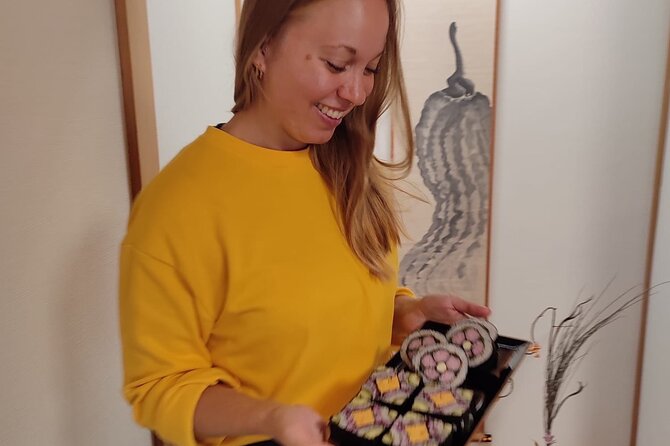
This is sushi art class with manners and meaning. In Kyoto, you’ll learn kazarimaki (designing patterns inside a sushi roll) while an English-speaking instructor shows you how to use edible plant colors to make something you’d normally only see in photos.
I really like the clear step-by-step teaching I got from Aya and the extra hands from Manabu Ito. The method felt doable, and the vibe in their home is warm, not stiff. One thing to consider: you must bring socks for the tatami room, and you can’t join if you’re more than 15 minutes late.
In This Review
- Key things you’ll love in this private sushi art class
- Kazarimaki in Kyoto: making edible designs inside a sushi roll
- Meeting at the Nijo area: what happens before you start rolling
- Learning kazarimaki: how Aya teaches plant colors and placement
- Your peach flower roll: what you’ll build in about 60 minutes
- Dress code and tatami etiquette: socks, kimono, and comfort
- Included drinks, ingredients, and what the booklet + certification add
- Price and value: is $93.32 per person worth it?
- Who should book this sushi art roll class
- Should you book the Private Art Sushi Roll Class in Kyoto?
- FAQ
- How long is the private art sushi roll class?
- Is this class private?
- What do I learn to make in the class?
- What’s included in the price?
- Do I get anything to take home?
- Are vegan or vegetarian options available?
- Do I need to bring anything?
- What happens if I arrive late?
Key things you’ll love in this private sushi art class
- Kazarimaki training: making designs inside the roll using edible pigments from plants
- A hands-on session focused on a peach flower pattern roll
- Booklet + certification to take home (and a real incentive to practice again)
- A private format: only your group participates
- Comfort extras included: bottled water plus tea or coffee, and all sushi ingredients
Kazarimaki in Kyoto: making edible designs inside a sushi roll
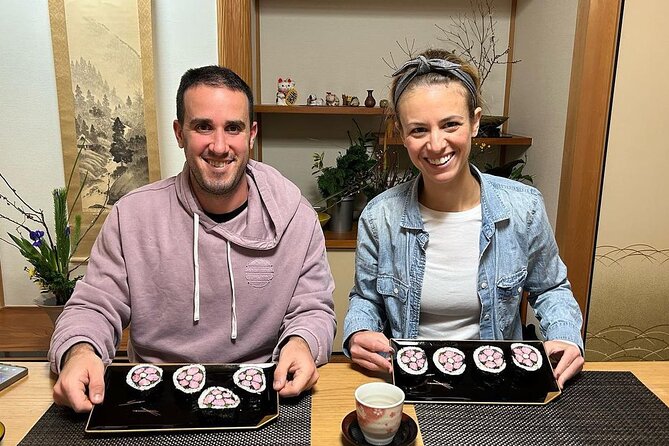
Kyoto has no shortage of food classes, but this one is built around a specific kind of sushi craft: kazarimaki. Instead of just rolling sushi and hoping it looks decent, you’re creating a pattern inside the roll using edible pigments drawn from plants. That’s the twist. The colors and shapes matter, and the technique matters too.
The best part is that the class doesn’t treat you like you’re an art-school student. It’s hands-on and fast-paced, with a goal you can actually finish. You’re here for a single project, not a long course. Even in an hour, you’ll learn how to think about placement, pressure, and consistency so the design shows up the way it should.
This also makes the experience feel more personal. When you’re done, you have a roll that’s basically edible proof of what you learned. Then you get to take the learning home, not just the memory.
Roll up your sleeves for another Kyoto cooking class

Meeting at the Nijo area: what happens before you start rolling
You meet at the SAKURA Experience Japanese Culture Nijo Home in Izumichō, near public transportation (and near Nijo Castle). The start time is 4:30 pm, and the activity ends back at the meeting point after the class.
Because it’s a private class, the flow is less like a factory schedule and more like a hosted lesson. You’ll check in, get settled, and then the instructor guides your group through the process from the first prep steps onward. One practical detail: if you arrive more than 15 minutes late, you won’t be able to join. So I’d plan for Kyoto transit time plus a little buffer. A calm arrival makes the whole thing easier.
The hosts also handle the behind-the-scenes parts that make classes smoother. During my experience with this style of instruction, Aya and her husband Manabu Ito were clearly organized: tools came when needed, and cleanup wasn’t a frantic scramble afterward. That matters more than it sounds. You want your attention on the roll, not on sorting kitchen chaos.
Learning kazarimaki: how Aya teaches plant colors and placement
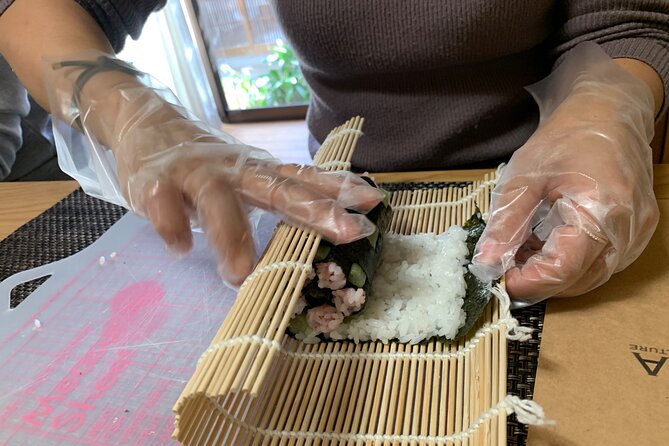
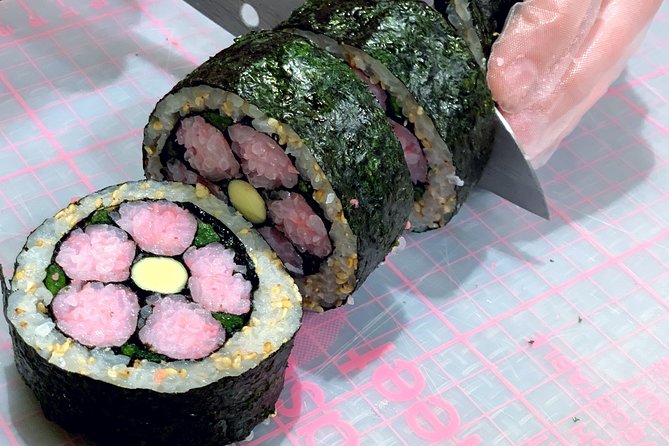
The core lesson is kazarimaki itself. You’ll work with traditional ingredients and edible pigments made from plants to produce colorful designs. The “art” part isn’t just for looks. It’s tied to technique: you need the right consistency, you need to place the design correctly, and you need to roll without smearing or losing the pattern.
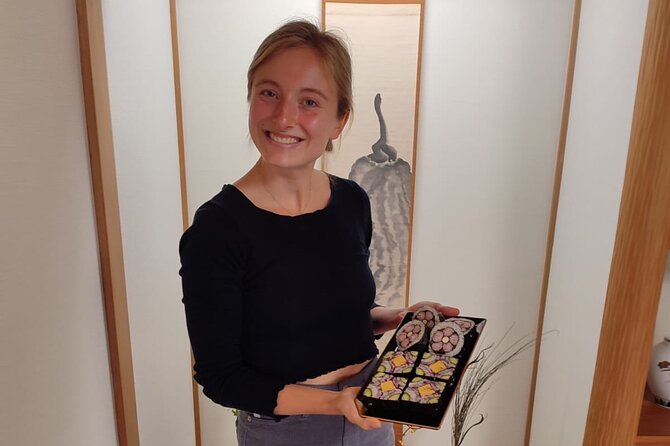
In this class, your project is a peach flower pattern sushi roll. That’s a smart choice for a first design because it gives your eye something clear to aim for: a recognizable shape theme rather than an abstract pattern that’s hard to judge while you work.
You’ll also get insightful commentary during the process. That usually means you’re not only doing steps, you’re understanding why the step exists. When you know the reason, you’re less likely to panic if the roll looks a little off halfway through.
And yes, it’s beginner-friendly. One review-style lesson note I’d take seriously is that the class is patient, but the pace may still feel quicker to people who have never made sushi before. If you’re totally new, that doesn’t mean you can’t succeed; it just means you should show up ready to learn quickly and follow instructions closely.
Your peach flower roll: what you’ll build in about 60 minutes
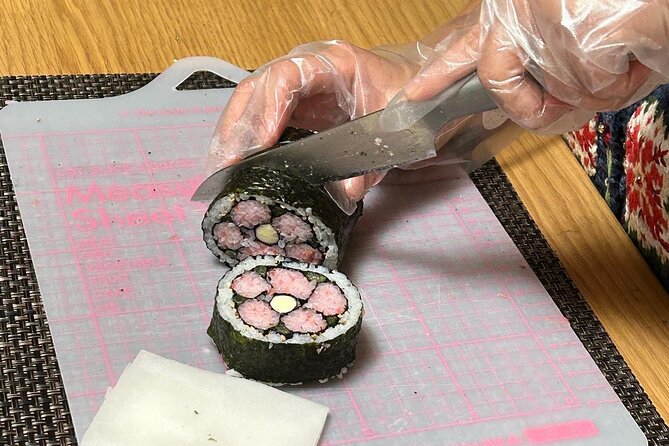
The class runs for about 1 hour, and that time is devoted to actually making the roll, not watching someone else do it while you take photos. Your goal is to finish a peach flower design roll and understand the key steps you can repeat later.
Here’s how to think about your “hour plan”:
- You start with prep and ingredient handling (the part that affects everything that follows).
- You work on shaping and using the edible colors to build the pattern.
- You roll it, refine it, and end with a sushi piece you can be proud of.
The class is also set up for different dietary needs. It explicitly offers vegan and vegetarian options, which is a big deal for a sushi-style class. You won’t be pushed into a one-size-fits-all menu.
When the roll is finished, you don’t just eat it and move on. You’ll get tools to recreate it: the booklet and certification at the end of class. That transforms the experience from a one-time activity into a skill you can practice when you’re back home with your own kitchen tools.
Dress code and tatami etiquette: socks, kimono, and comfort
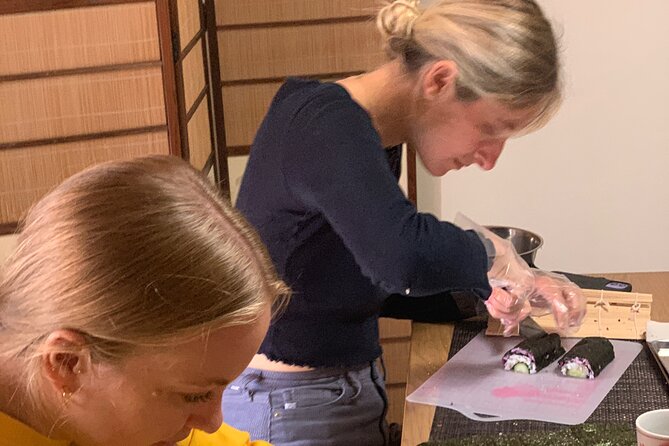
In Kyoto, small etiquette rules can matter a lot, and this class is one of those moments where you’ll follow the local setup. You’ll be asked to wear socks because the tatami room requires them.
If you’re traveling with kids or older relatives, this detail is especially worth planning for. Sock rules are easy to miss when you pack for walking shoes and temple stairs. I’d bring socks you’re comfortable staying in for the full session. It’s also worth noting that baby and toddler can sit or sleep on the tatami mat, so the setup isn’t rigid for every age group.
You may also get traditional clothing for the experience. For women, a kimono is provided. For men and children, you’re provided other traditional garments. Even if you don’t care about photos, the clothing helps set the tone. It makes the class feel like a cultural activity, not only a cooking workshop.
One more practical note: there are age-related requirements. Guests under 18 need to come with a parent or guardian over 21. If you’re bringing a family, check this early so you don’t run into surprises.
Other Kyoto tours and experiences to compare




Included drinks, ingredients, and what the booklet + certification add
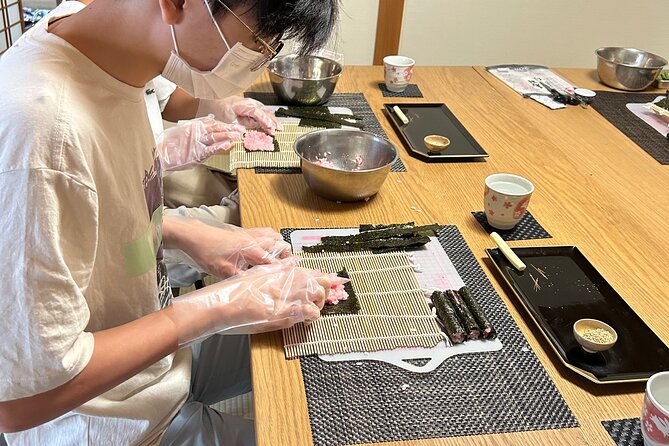
This class includes all sushi ingredients, plus bottled water and tea or coffee. In a short, one-hour workshop, that matters because it keeps the class focused. You’re not tracking down snacks or negotiating dietary needs right before rolling time.
The other inclusion that changes the value is the booklet and certification. A booklet gives you a reference you can use later, and the certification is fun in a practical way. It’s a nudge to treat this like a real accomplishment, not a casual demo.
If you’ve done cooking classes before, you might know the usual pattern: you learn a technique, then it fades because you don’t have a clear written recap. Here, that recap is part of the package. So when you buy ingredients at home, you’re not starting from scratch.
Price and value: is $93.32 per person worth it?
At $93.32 per person for an approximately one-hour private class, the math depends on what you want out of Kyoto besides sightseeing.
Here’s why the price can feel fair:
- You get a private setup for your group, not a shared class where you’re waiting your turn.
- The lesson is focused on a specific skill (kazarimaki) that’s hard to learn from a generic sushi tutorial.
- The class includes ingredients, drinks, booklet, and certification, plus traditional clothing for many participants.
Where the value can shrink:
- If your group is large, check whether a group discount applies in your booking (it’s listed as a feature).
- If you’re expecting a long practice session with lots of repeat rolls, remember this is 60 minutes. You’ll finish your project, but you won’t produce ten rolls.
I’d treat this as a “skill souvenir” class. If you want something more memorable than another market snack, and you want a method you can reproduce, it’s a good fit.
Also, it’s typically booked about 6 days in advance, so I’d plan ahead if your dates are fixed. Kyoto calendars fill, and you don’t want to spend your energy scrambling for a last-minute time slot.
Who should book this sushi art roll class
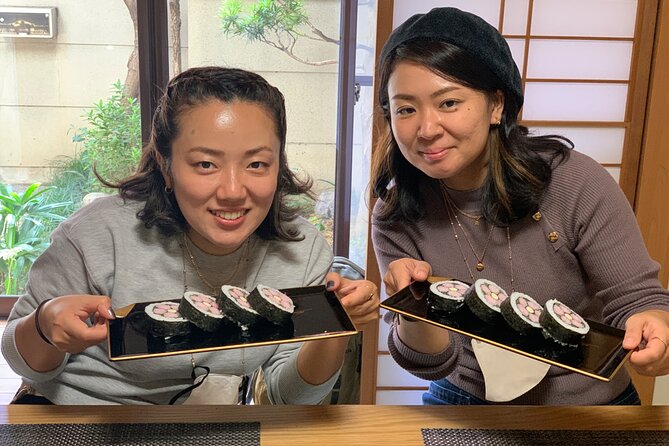
This works best if you fall into one of these buckets:
- You want something hands-on and not just a meal.
- You like the idea of edible art and want to learn the technique, not only the final look.
- You’re traveling with family and want an activity that different ages can handle. This kind of instruction is built to be patient and welcoming, including for grandparents and teens.
- You’re a beginner who learns by doing, especially with an English-speaking instructor.
It may be less ideal if:
- You can’t reliably arrive on time (15-minute late cutoff).
- You dislike socks or aren’t able to follow the tatami etiquette.
Should you book the Private Art Sushi Roll Class in Kyoto?
If you want a Kyoto experience that combines food, art, and real instruction in a private setting, I’d book it. The price makes sense because the class supplies what you need and gives you something tangible afterward: your roll skill, plus a booklet and certification.
But if you’re the type who needs a super flexible start time, or you’re not ready for the socks rule, then choose another activity. This one runs on schedule and respect for the home setup.
If you do book: bring socks, arrive early enough that you’re not stressed, and go in ready to focus on the design. The payoff is a sushi roll that feels like a piece of edible art you actually learned to make.
FAQ
How long is the private art sushi roll class?
The class runs for about 1 hour.
Is this class private?
Yes. It’s a private class, and only your group participates.
What do I learn to make in the class?
You’ll learn to make artistic sushi rolls using kazarimaki, and you’ll create a peach flower pattern sushi roll.
What’s included in the price?
The class includes bottled water plus tea or coffee, and all sushi ingredients.
Do I get anything to take home?
Yes. You receive a booklet and a certification at the end of the class.
Are vegan or vegetarian options available?
Yes. Vegan and vegetarian options are offered.
Do I need to bring anything?
Bring socks. You can’t enter the tatami room without them.
What happens if I arrive late?
If you arrive more than 15 minutes late, you won’t be able to join the class.
More Private in Kyoto

More Tour Reviews in Kyoto


More Kyoto Cooking Classes
Just added: more Kyoto tours to browse




Kyoto Cooking Classes, compared.
 ★ 5.0Ramen Cooking Class at Ramen Factory in KyotoFrom $1311,937 reviews
 ★ 5.0Sushi Making in Kyoto! Same-day bookings welcome!From $53713 reviews
 ★ 4.9Ramen Cooking Class at a Ramen Factory with SouvenirFrom $127532 reviews
 ★ 5.0Ramen, Gyoza, and Onigiri Cooking ClassFrom $90445 reviews
 ★ 5.0The Original Small-Group Sushi Making Class in KyotoFrom $69436 reviews
 ★ 5.0Japanese Washoku Bento Small Group Cooking ClassFrom $58380 reviews
 ★ 5.0Kyoto Ramen and Gyoza Cooking Class with Professional ChefsFrom $86282 reviews
 ★ 4.9Afternoon Japanese Izakaya Cooking ClassFrom $67241 reviews
Browse the lists this tour appears in