
Reviewed · GUIDED
Private 8 hour Tour around Kyoto with Spanish guide
Kyoto hits different when someone explains it. This private 8-hour day strings together UNESCO Nijō Castle and the golden temple sights with clear context, not just photo stops. I love the Spanish-language guidance that helps you make sense of what you’re seeing, and I also like the relaxed pace with a real break for food on your own. One thing to think about: it’s still a full day with lots of walking, so you’ll want comfortable shoes.
You start at 9:30 AM with pickup from your Kyoto hotel (or Kyoto Station), then you move around mostly by foot and public transportation. The biggest draw for me is the balance of big-ticket landmarks (Nijō, Kinkakuji, Silver Pavilion) plus atmosphere time in Higashiyama and Gion. The tour is private, up to five people, so you won’t be stuck waiting on a large group.
In This Review
- Key points before you go
- Private Kyoto in 8 Hours: How the Day Flows
- Nijō Castle: Shogun Power at a Walkable UNESCO Stop
- Kinkakuji Golden Pavilion and Gardens: Why Gold Leaf Matters
- Ginkakuji Silver Pavilion: A Scenic Setting Plus a Real Food Break
- Higashiyama to Gion: Walking Kyoto’s Most Famous Neighborhood Rhythm
- Spanish Guide Value: Getting Context in a Language You Can Use
- Price and Logistics: When $372 Per Group Feels Fair
- Comfort, Timing, and Camera Rules That Save Hassle
- Who Should Book This Private Spanish Kyoto Tour?
- Should You Book This Tour?
- FAQ
- How long is the Kyoto private tour?
- What time does the tour start and when do I get picked up?
- Is this tour private?
- What language is the guide?
- Where can the tour pick me up?
- Are entrance fees to the main attractions included?
- Is lunch included?
- Will I use public transportation during the tour?
- What should I bring, and are there any rules?
Key points before you go
- Private group, up to 5 people: it’s just your party, no mixed crowd.
- Spanish live guide: you get explanations in Spanish the whole way.
- UNESCO stop included: Nijō Castle is a World Heritage Site.
- Golden and Silver Pavilion contrast: gold leaf at Kinkakuji, then the Silver Pavilion’s setting.
- Plenty of on-your-own eating time: a mandatory 30-minute lunch break is built in.
- Rain-friendly plan: it runs in light rain, so bring an umbrella or raincoat.
Private Kyoto in 8 Hours: How the Day Flows
This is the kind of tour day you’ll either love or you’ll regret—depending on your comfort with walking. You’ve got a tight but doable sequence: castle, temple, temple, then neighborhood strolling. The payoff is that you don’t spend your day “getting oriented,” because the guide helps you connect the dots fast.
The day starts with pickup from your Kyoto city-center hotel (or Kyoto Station). The pickup area is limited: your hotel has to be within 10 km of Kyoto Station. If you’re outside that range, you’ll need to meet at Kyoto Station. The guide will contact you about timing about 24 hours before the tour, so make sure your phone number is correct.
Once you’re out, you’ll spend time walking and using public transportation. That means you can’t treat this as a totally car-comfort day. But it also keeps it realistic: you’re not waiting around for transfers that don’t match the neighborhoods you’re visiting.
If you’re the type who likes structure—knowing what’s next and why it matters—this works well. If you prefer slow, wandering detours with zero schedule, you might feel a bit “guided.” The good news: there’s free time at the Silver Pavilion area to eat your own lunch or snack.
Other Kyoto tours and experiences to compare


Nijō Castle: Shogun Power at a Walkable UNESCO Stop
Your first major stop is Nijō Castle, a UNESCO World Heritage Site. This is a great way to begin because it sets the political and historical background for Kyoto’s later temple culture. The castle was built by Shogun Tokugawa Ieyasu to stay during his visits to the city.
Even if you’re not a “castle person,” it’s worth it for two reasons. First, it gives you a window into how rulers shaped Kyoto—not just how the city looks today. Second, it’s the kind of site where a guide can point out what you should pay attention to without you getting lost in signage.
What I like about starting here is that you’re still fresh. By the time you reach the later temple stops, your brain is already warmed up and you’ll catch more meaning in the architecture and setting.
A consideration: as a guided walking-and-transit day, you may still end up spending time on your feet here. Wear shoes you can walk in comfortably for hours, not just for sightseeing photos.
Kinkakuji Golden Pavilion and Gardens: Why Gold Leaf Matters
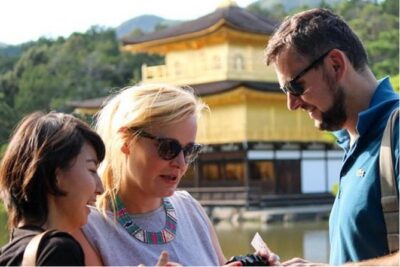
Next comes Kinkakuji, the temple people often call the Golden Pavilion. It’s covered in gold leaf, which is exactly the kind of visual detail that’s easy to appreciate even without deep technical knowledge. You’re also told the story behind it: it was built by Shogun Ashikaga for his retirement.
I like this stop because it turns history into an image you’ll remember. Gold leaf isn’t subtle. It’s dramatic. And when your guide connects it to Ashikaga’s retirement plan, the look stops being just “pretty” and starts being meaningful.
You’ll also walk through the gardens around the pavilion. Gardens are where Kyoto shifts from monument viewing to atmosphere. Even if you only have a limited amount of time there, the combination of structure plus landscaped space helps you understand why Kyoto’s temple grounds are designed for lingering.
Practical tip: if you’re aiming for calm photos, keep your timing flexible. This tour is scheduled for the day, so you won’t control peak crowds completely—but you can control how long you linger at viewpoints.
Ginkakuji Silver Pavilion: A Scenic Setting Plus a Real Food Break
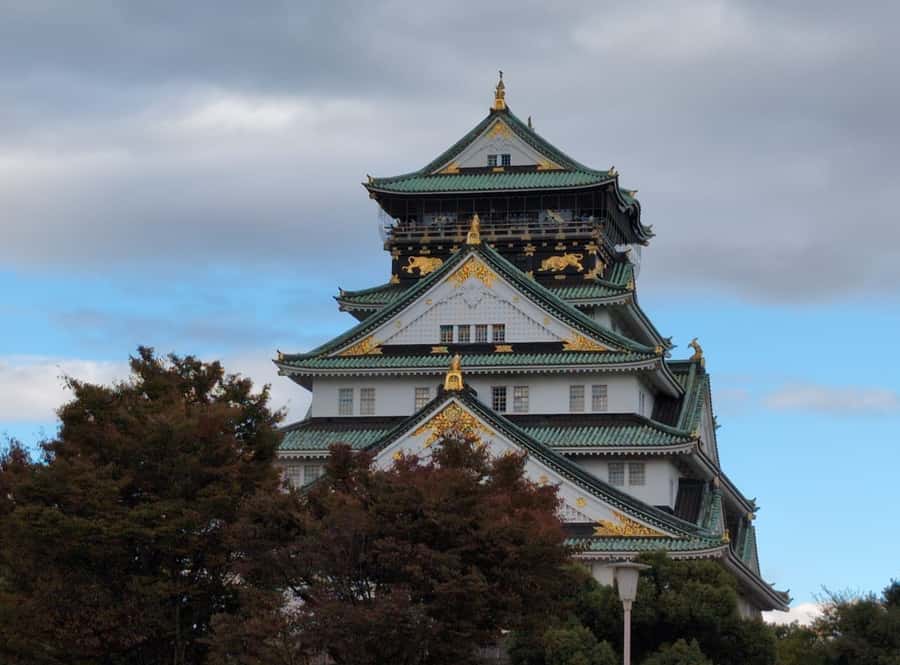
After Kinkakuji, you head to the Silver Pavilion (Ginkakuji). The key detail you get here is the location—your guide will lead you to enjoy it as a spectacular setting, not just a standalone building.
One of the smartest parts of this tour is the break structure. At the Silver Pavilion stop, you’ll have free time to eat on your own. And important: there’s a mandatory 30-minute break so the guide can regain strength. That’s not the tour nickel-and-diming you—it’s a practical pacing choice that makes the rest of the day feel smoother.
This is where you should plan your energy. If you skip lunch, you still get that time window, so you can treat it as a snack stop. Bring something small in your day bag if you’re the type who gets hungry fast.
Since admission fees are not included (except where an attraction has free admission), remember that your spending during the day may include entry costs if certain sites require tickets. Also, lunch itself is not included. This tour helps you with the structure and guidance; it doesn’t promise a paid meal.
Higashiyama to Gion: Walking Kyoto’s Most Famous Neighborhood Rhythm
The last stretch is about mood. You’ll walk through Higashiyama and visit Gion, the geisha neighborhood. This part is valuable because it shifts away from “major sights” and into the everyday Kyoto-feeling that posters don’t fully capture.
Higashiyama is the kind of area where the details matter: street layout, walking pace, and the way the neighborhood looks when you’re not rushing between checkpoints. Gion adds cultural weight as the geisha neighborhood. Even when you’re not watching for performances (your tour is more about visiting the area than staged entertainment), you still get a sense of Kyoto’s traditions and how they coexist with city life.
The tour’s format helps here. With a guide, you’re less likely to waste time wandering in the wrong direction or missing the areas that are most meaningful. You also get context while you walk, which makes the neighborhood feel more like a place with stories instead of just scenery.
One drawback to consider: this is at the end of an 8-hour day. If you’re prone to fatigue, you’ll feel it more here. Plan to keep your walking slow and steady.
Other Kyoto tours and experiences to compare

Spanish Guide Value: Getting Context in a Language You Can Use
A lot of tours say “English speaking.” This one is live and in Spanish. If you’re traveling from Spain or you simply prefer Spanish explanations, it’s a big advantage. It’s easier to ask quick questions, and you’ll catch more nuance than you would through a slower translation process.
I also like that the guide isn’t just moving you between sights. You’re learning the history tied to each place, like:
- Nijō Castle being connected to Tokugawa Ieyasu’s stays in Kyoto
- Kinkakuji being linked to Ashikaga’s retirement
- The idea that the Silver Pavilion is best enjoyed as a notable setting, not only a building
That kind of linking turns a checklist into a story. And because it’s private, your guide can adjust pacing if your group is moving slower or you want extra time in a specific area.
One small practical reminder: there’s mandatory time set aside for lunch. If you want to ask extra questions, do it before the break so you don’t feel rushed during the “free time” window.
Price and Logistics: When $372 Per Group Feels Fair
The price is $372 per group (up to 5 people) for an 8-hour private tour. That pricing structure is key: you’re not paying per person like many private tours. In a group of two, it costs more per person than a shared group tour. In a group of four or five, it becomes much more reasonable because the guide time is spread across more travelers.
To judge value, think about what you’re really buying:
- hotel pickup in Kyoto city center (within the pickup radius)
- a live Spanish guide for a full 8 hours
- private, exclusive time (just your party)
- guided visits to the big Kyoto highlights you listed
What you’re not buying:
- attraction admission fees (except where an attraction has free admission)
- lunch
- transportation tickets
So the tour is best seen as “guided time + planning help,” not as an all-inclusive day. If you’re comfortable purchasing transit tickets and any paid entries on the day, the price can feel very fair. If you’re trying to minimize day-of spending, you’ll need to budget for those extra items.
Comfort, Timing, and Camera Rules That Save Hassle
This is an 8-hour walking day, so pack smart. The tour specifically asks for comfortable shoes, and I agree. Kyoto surfaces and temple grounds can be uneven, and you don’t want sore feet at Gion.
Weather matters too. The tour runs even in light rain. If rain is in the forecast, bring an umbrella or raincoat. A folded umbrella in your bag is fine, but if you hate handling it, go with a light rain jacket.
Camera rules are also clear:
- no flash photography
- no smoking
So set your camera/phone accordingly before you reach the sites. Most people don’t think about flash until they’re already inside, and that’s when you end up feeling stressed.
Who Should Book This Private Spanish Kyoto Tour?
You’ll like this tour if you:
- want major Kyoto landmarks in one day without planning transit between every stop
- prefer a private setup over waiting for a larger group
- want a Spanish-speaking guide and feel more confident asking questions in Spanish
- can handle a full day of walking and public transportation
You might skip it if you:
- need wheelchair access (the tour is not suitable for wheelchair users)
- want a slow, spontaneous neighborhood wander with zero schedule
- get overwhelmed by multi-stop days
If your goal is a structured “best of Kyoto” day with explanations and a private pace, this fits.
Should You Book This Tour?
Yes—if your group is small and you value a Spanish guide plus hotel pickup. The strongest reasons to book are the private format, the fact that you cover the big hitters (Nijō Castle, Kinkakuji, Silver Pavilion) and still end with real neighborhood time in Higashiyama and Gion. The schedule is efficient, and the included breaks help keep it from feeling like a nonstop sprint.
Just go in knowing it’s not fully all-inclusive: admission fees, lunch, and transportation tickets are on you. If you’re good with that, you’ll probably feel like you got your money’s worth in guidance, time saved, and overall flow.
FAQ
How long is the Kyoto private tour?
It lasts 8 hours.
What time does the tour start and when do I get picked up?
Pickup starts at 9:30 AM, and the exact pickup location is coordinated by the tour guide.
Is this tour private?
Yes. It’s a private, exclusive tour with no other people in your group except your partner, family, or friends.
What language is the guide?
The live guide speaks Spanish.
Where can the tour pick me up?
Pickup is included from Kyoto city-center hotels within 10 km of Kyoto Station, or from Kyoto Station.
Are entrance fees to the main attractions included?
Admission fees to attractions are not included. The tour includes entry to places with free admission.
Is lunch included?
No. Lunch is not included, but there is a mandatory 30-minute break where you can eat on your own.
Will I use public transportation during the tour?
Yes. You’ll travel around Kyoto on foot and using the public transportation system, but transportation tickets are not included.
What should I bring, and are there any rules?
Bring comfortable walking shoes. The tour proceeds in light rain, so bring an umbrella or raincoat if rain is forecast. Smoking is not allowed, and flash photography is not allowed.
More Guided in Kyoto
More Tours in Kyoto
More Tour Reviews in Kyoto
Just added: more Kyoto tours to browse





Guided, compared.
 ★ 5.0Kyoto Early Morning Tour with English-Speaking GuideFrom $681,427 reviews
 ★ 5.0Kyoto 6hr Private Tour with Government-Licensed GuideFrom $1551,369 reviews
★ 4.9Early Morning Tour with English-Speaking GuideFrom $1011,128 reviews
★ 5.0Kyoto 6hr Private Tour with Government-Licensed GuideFrom $1551,369 reviews
★ 4.9Early Morning Tour with English-Speaking GuideFrom $1011,128 reviews
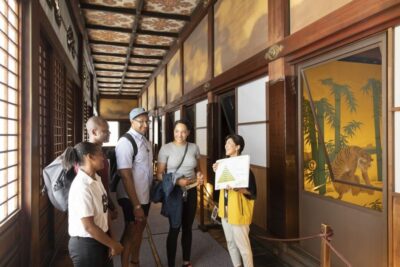 ★ 4.7Nijo-jo Castle and Ninomaru Palace Guided TourFrom $161,020 reviews
 ★ 4.9Izakaya Bars Guided Walking TourFrom $25815 reviews
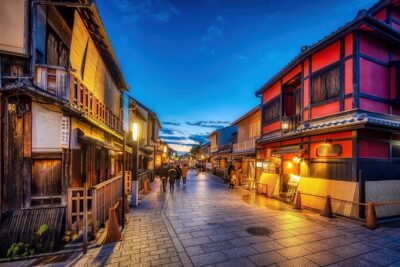 ★ 5.0Kyoto Gion Night Walk & Geisha District Guided TourFrom $18786 reviews
 ★ 4.7Nijo Castle, Kiyomizu & Fushimi Inari Guided TourFrom $54700 reviews
 ★ 5.0Kyoto 4hr Private Tour with Government-Licensed GuideFrom $109629 reviews