
Reviewed · KYOTO CRAFT & CALLIGRAPHY WORKSHOPS
Osaka: Japanese Drum Taiko Workshop
Your hands learn Taiko fast. I love that you get to play the drums yourself, not just sit and watch, and I also love how the session pairs a professional performance with a clear intro to Taiko’s place in Japanese life. One catch: the workshop is short and timing is strict, so you’ll want to arrive early because they won’t wait once it starts.
I set this up from Osaka or Kyoto easily because the meeting point is JR Takatsuki Station, about a 15-minute train ride from either side. Do watch the station name: there are two Takatsukis, and the meeting point is the JR Line station, not Hankyu Takatsuki.
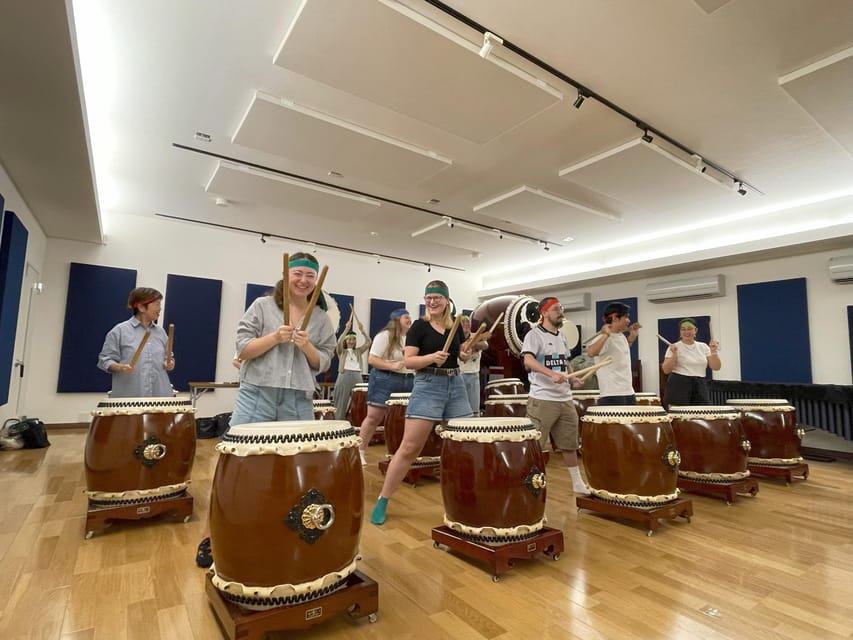
Over 2 hours, you’ll write Kanji wishes on a traditional hachimaki, learn the basic movements from an English-speaking instructor (often Aoi), then play a simple piece together. You’ll also get a commemorative photo in a happi and hachimaki, and the guide translation is handled by staff like Michiko or Naru, depending on the day.
In This Review
- Key things to know before you tap the drum
- Why Taiko feels different when you actually play it
- Getting to JR Takatsuki Station and avoiding the Hankyu trap
- The 2-hour flow: hachimaki wishes to your group rhythm
- Price and value: what $103 buys you in Osaka
- The Taiko culture lesson that actually helps you play
- Who this workshop suits best (and who should skip it)
- Practical tips for a smooth session (so you enjoy the drumming)
- Final verdict: should you book this Taiko workshop?
- FAQ
- Where is the meeting point?
- How long is the workshop, and does it include travel?
- Is it beginner-friendly?
- Can children participate?
- What if I want to observe instead of play?
- Do they offer English?
Key things to know before you tap the drum
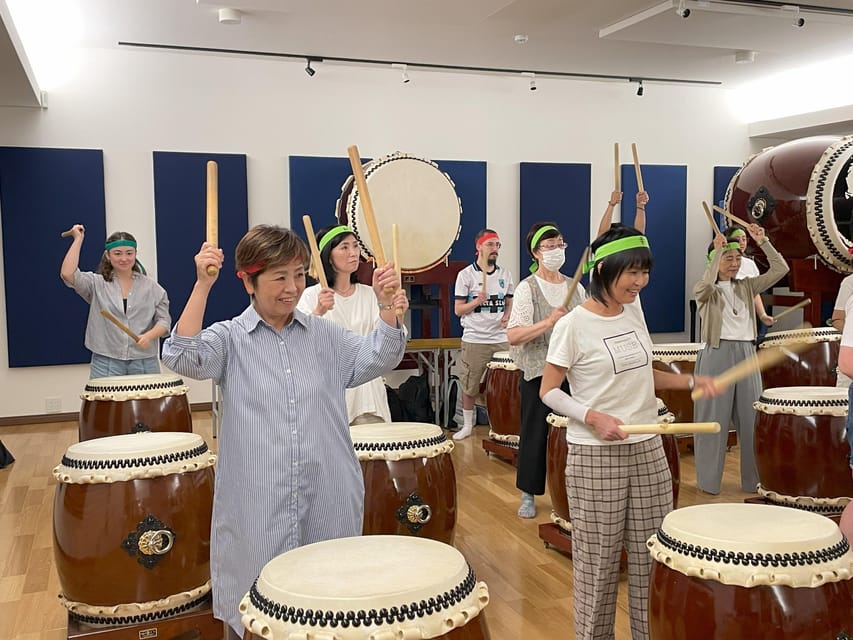
- You play the drums, after a short history and a pro demonstration, so the fun starts fast.
- Kanji on a hachimaki turns a souvenir into a personal wish, not just something to wear for photos.
- Professional Taiko time is close-up, which helps you copy the force and rhythm instead of guessing.
- Aoi and Michiko-like instruction (names vary by schedule) keeps it beginner-friendly even if you’ve never touched a drum.
- You finish with a group performance, so you leave with a real sense of timing, not only individual practice.
- Transportation is included by car between Takatsuki Station and the studio, which makes the logistics easy.
Why Taiko feels different when you actually play it
Taiko isn’t background music. It’s physical, loud, and rhythmic in a way that makes your body pay attention. That’s exactly what I like about this workshop: you learn the basics and then put them to use right away with the people next to you.
You also get a professional performance up close before you start your own practice. Seeing that control from the instructor’s seat changes how you hear the drums, and it helps you understand why certain motions matter. In the session, the pro demo sets the tone, and then the instructor breaks it into manageable pieces.
The history part also isn’t just a lecture. You get a brief explanation of Taiko’s cultural significance, which helps your drumming feel connected to something bigger than the beat you’re copying. When your drumming lines up with that context, it lands differently.
One more thing: several people describe it as a workout. Even if you’re not a gym person, Taiko asks for arm strength, posture, and quick timing, so wear clothes you’re comfortable moving in.
Make something by hand in a Kyoto workshop

Getting to JR Takatsuki Station and avoiding the Hankyu trap
The meeting point is JR Takatsuki Station Central Ticket Gate, 2nd floor. It’s important that you do not go downstairs, and the guide will be standing there with a banner showing a Taiko.
Here’s the practical detail that matters: there are two Takatsuki stations—one on the JR line and one on Hankyu. Your meeting point is the JR station, not Hankyu Takatsuki. If you come from Kyoto or Osaka, plan your train route carefully so you land on the JR platform side.
From Osaka, the JR train ride to Takatsuki is about 15 minutes, so you’re not burning half your day in transit. Taxis from Osaka aren’t recommended here because the travel time and cost can run high. Once you arrive at the station, you’re handled with included car transport to the studio.
The 2-hour flow: hachimaki wishes to your group rhythm
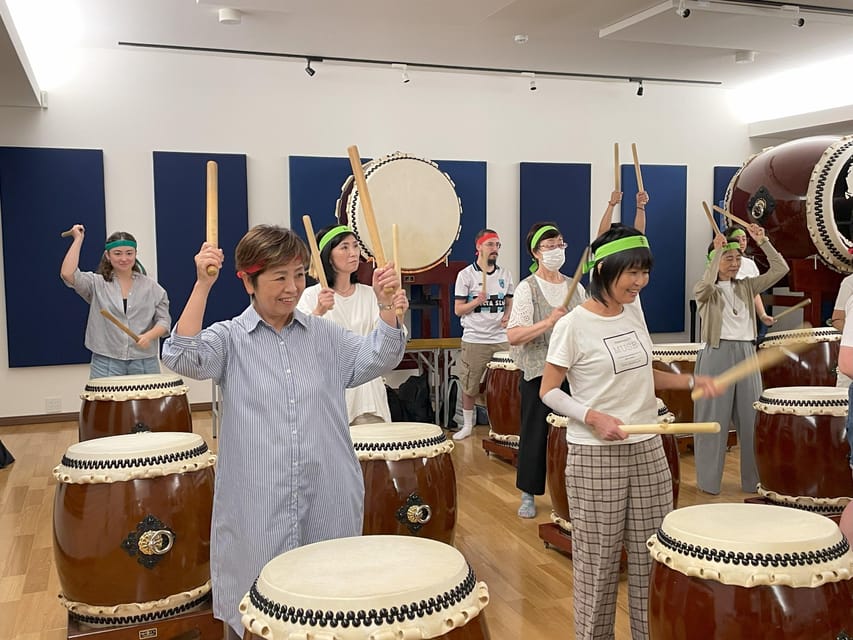
This workshop is built like a recipe: short intro, personal ritual, pro show, learn the moves, then make music together.
First, you get a quick explanation of Taiko’s history and why it’s part of Japanese life. This is the point where you start understanding what you’re about to do, even if you’re starting from zero.
Next comes one of the most memorable steps: you write Kanji of your wishes on a hachimaki, the traditional headband. You’re basically turning the workshop into a keepsake with meaning, not just a costume item. It also helps you slow down for a minute before the noise and motion.
After that, you watch a powerful Taiko demonstration by a professional player from the studio. This is not just entertainment; it’s a visual guide to the energy behind the rhythm. You’ll see how the drumming uses full-body motion, and that makes the later “do this” instructions click faster.
Then the instructor—friendly and used to teaching beginners—walks you through the basics: hand and arm motions, stance, and technique. The goal is simple: get you comfortable enough to join the group piece without feeling lost.
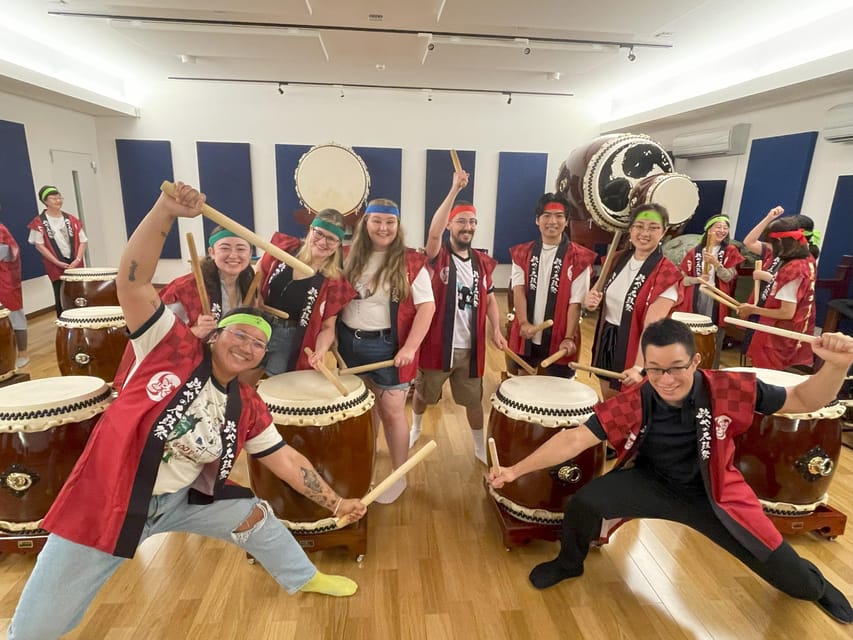
Finally, you play a simple piece together with your fellow participants. That group moment is the payoff: your rhythm stops being theoretical and becomes real sound in a room full of people doing the same thing. Then you end with a commemorative photo, typically in a happi with your hachimaki on.
Price and value: what $103 buys you in Osaka
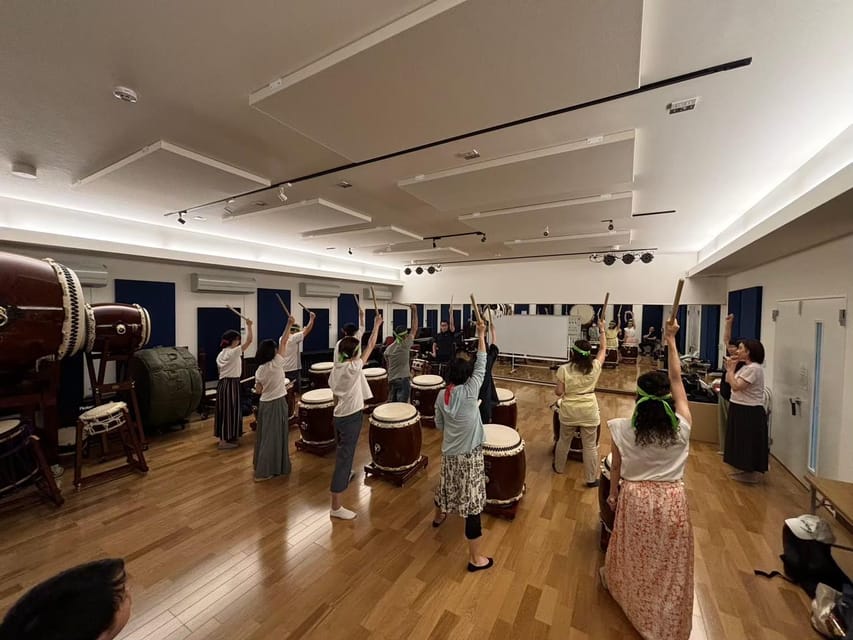
At $103 per person for a 2-hour experience, you’re paying for more than lessons. You’re paying for the full package: a guided cultural intro, professional demonstration, instruction from a Taiko teacher, and the instruments and headband used during the workshop.
What makes the value feel strong is the mix of “see it, learn it, do it.” Many activities hand you one piece only—either a performance or a class. This one checks both boxes, then adds personal customization with the hachimaki and a costume-style photo at the end.
Also, transportation to and from Takatsuki Station by car is included. That matters because it reduces the hassle of coordinating the last mile to the studio.
If you’re comparing alternatives, think in terms of time and momentum. You get a concentrated experience where you’re actively drumming, not just waiting for your turn.
The Taiko culture lesson that actually helps you play
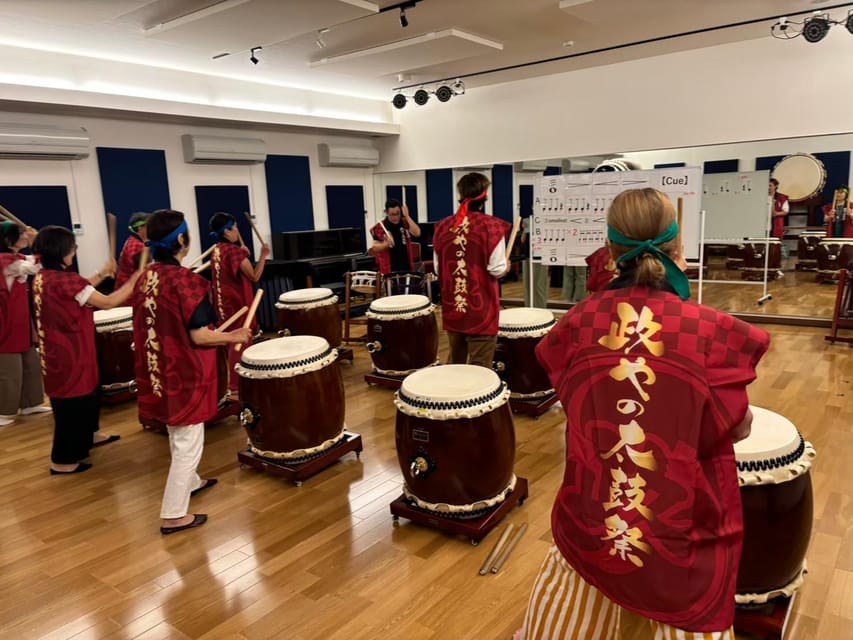
The workshop gives you a brief explanation of Taiko’s history before you touch the drum. That short cultural setup can help more than you’d expect. If you understand what Taiko represents and why people practice it, you tend to treat the drumming with more care.
In the experience, you’ll also learn about Taiko’s significance in Japanese culture, framed as something connected to everyday life, not something locked in a museum. I like that angle because it makes Taiko feel like a living tradition you can interact with, even as a visitor.
Then the Kanji-on-hachimaki step adds a personal layer. You’re writing a wish, tying your presence to the ritual aspect of Japanese performance culture. It’s a small moment, but it’s memorable enough that you’ll probably remember what you wrote long after you’re home.
Other Kyoto tours and experiences to compare


Who this workshop suits best (and who should skip it)
This works for beginners. One big reason is the way instruction is structured: you start with basics and join a simple group rhythm. If you’ve played other percussion, you may notice both the similarities and the differences in technique and timing—so it can still be interesting even if you already have rhythm skills.
It also fits groups and families. Reviews describe it as a top Japan activity for groups of five, and the tone is friendly and encouraging. If you’re traveling with different skill levels, the group drumming moment levels the playing field.
The main limitations are about age and timing. Children under 7 cannot participate, and you must arrive 15 minutes early because they can’t wait for late arrivals and you can’t join after the start time.
There’s also a small scheduling note: some days don’t allow single-participant bookings. If that happens on your date, you may need to book and pay for two participants to join. Plan around that if you’re traveling solo.
Practical tips for a smooth session (so you enjoy the drumming)
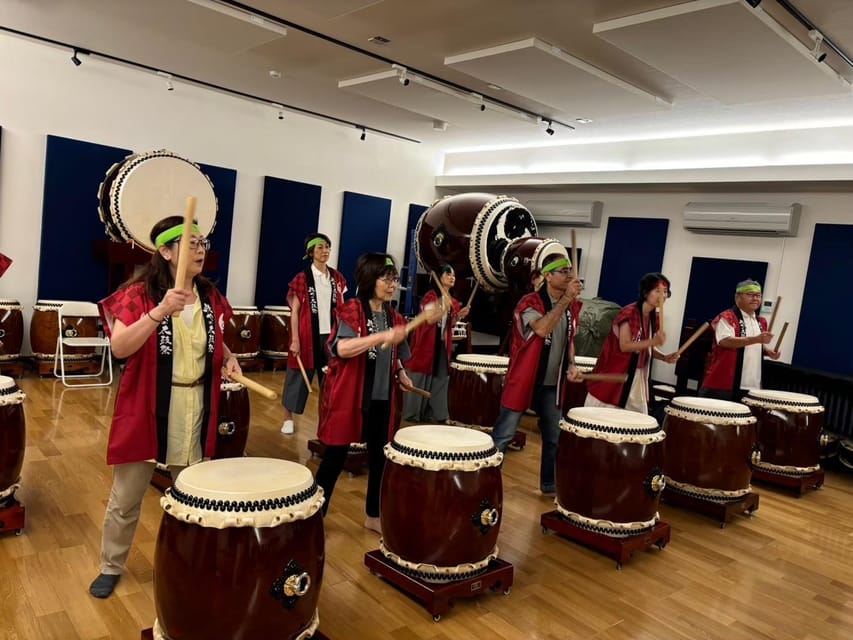
Start with timing. Arrive 15 minutes early so you can check in without stress. This workshop is only 2 hours total, and travel time is part of it, so leave enough buffer afterward.
Wear comfortable clothes you can move in. Taiko uses bigger motions than people expect, and the session is described as a workout, so you’ll want flexibility for arms and posture.
Be ready for photo moments. The workshop includes a commemorative photo in traditional costume, including happi and hachimaki. You’ll likely be wearing the headband throughout, and you’ll want to feel okay with the fact that it’s part of the experience.
If you’re bringing someone who doesn’t want to play, there’s an option for observing. Observers are charged 8,000 yen per person, paid in cash at the drum studio on the day of the tour. If you have observers, you should notify the organizers in advance, because transportation may not be arranged without notice.
Final verdict: should you book this Taiko workshop?
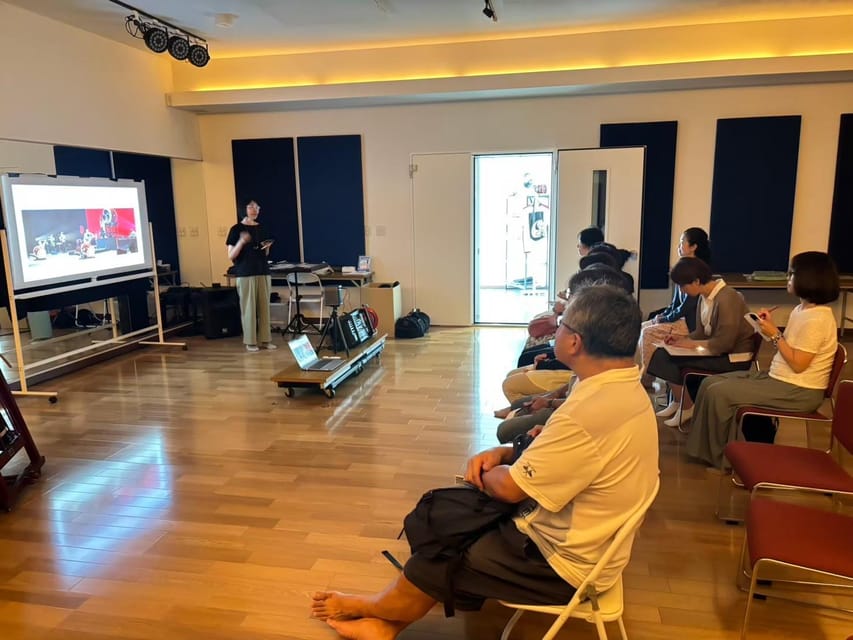
Yes, if you want a hands-on Japanese culture experience that doesn’t require musical background. This is a good fit because you’re not only watching Taiko—you’re learning the movements and then playing together in a short, satisfying timeline.
Book it especially if:
- You’re in Osaka or Kyoto and want something you can fit in without long travel.
- You like interactive activities with a clear structure: history, ritual, demo, then you play.
- You want a memorable souvenir moment, because the hachimaki Kanji wish and the costume photo are part of the experience.
Skip or reconsider if:
- You’re traveling with very young children, since under 7 can’t participate.
- You hate strict start times, because late arrivals can’t join after the session starts.
- You’re hoping for a long, free-form music experience. This is intentionally short and structured around a simple group piece.
If you’re making a short list of must-dos in the Osaka-Kyoto area, this one has a strong payoff: you leave with the rhythm in your hands and a personal keepsake on your head.
FAQ
Where is the meeting point?
You meet at JR Takatsuki Station Central Ticket Gate, 2nd floor. Do not go downstairs, and the guide will be holding a banner with a Taiko.
How long is the workshop, and does it include travel?
The total duration is 2 hours, including travel time as part of the experience.
Is it beginner-friendly?
Yes. The workshop is designed for people with no Taiko experience. You’ll receive basic instruction and then play a simple piece together.
Can children participate?
Children under 7 cannot participate.
What if I want to observe instead of play?
Observers pay 8,000 yen per person in cash at the drum studio on the day of the tour. You should notify the organizers ahead of time, because transportation may not be arranged without notice.
Do they offer English?
Yes. The guide offers English, and the instructors also teach during the session for the group.
More Workshops in Kyoto
More Tour Reviews in Kyoto






More Kyoto Workshops to Try

Just added: more Kyoto tours to browse








Kyoto Craft & Calligraphy Workshops, compared.
 ★ 5.0Chopsticks Making Workshop in Gion with Engraving OptionFrom $15958 reviews
 ★ 4.8Authentic knife making experience at a blacksmith in KyotoFrom $154350 reviews
 ★ 5.01-Hour Japanese Archery Experience in KyotoFrom $46176 reviews
 ★ 5.0Calligraphy class at Buddhist temple in city centerFrom $55167 reviews
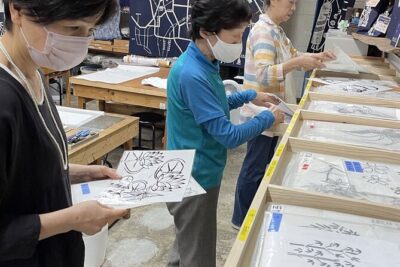 ★ 5.0Roketsu dyeing experience: M course Roketsu Dyeing ExperienceFrom $25163 reviews
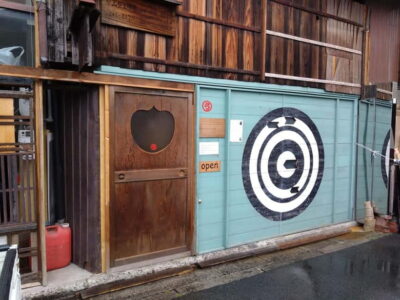 ★ 4.9Japanese Archery Workshop with Experienced InstructorFrom $38132 reviews
 ★ 4.8Japanese Calligraphy ClassFrom $5189 reviews
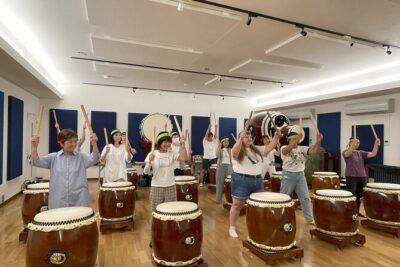 ★ 5.0TAIKO, Japanese Drum Experience from KyotoFrom $11586 reviews
Browse the lists this tour appears in