
Reviewed · KYOTO GARDENS & ZEN RETREATS
Kyoto: Zen Garden, Zen Mind (Private)
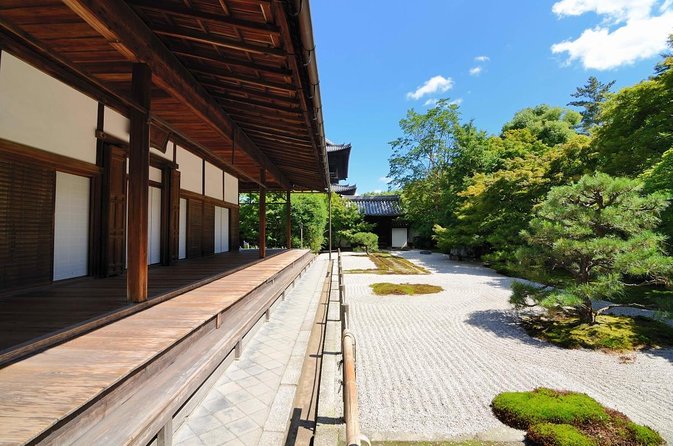
If you like your Kyoto calm and meaningful, this is it. This private walk through Nanzen-ji and its sub-temples turns rock-and-river garden scenes into something you can actually read, with a guide who explains both design and Zen ideas. I especially love how the route goes on foot to places cars and buses skip, and how Andrew brings the gardens to life with garden design context you won’t get from a quick stop-and-snap routine. One thing to plan for: you’ll pay extra temple entrance fees of ¥1,600 per person (for the three sites), and the experience depends on good weather.
What makes the tour feel special is the balance. You’re not just touring. You’re learning how the gardens are built to guide attention, and how Zen practice shows up in everyday Kyoto thinking. I also like that it’s private (up to four people), so the conversation can match what you care about: nature, aesthetics, spirituality, or simply learning what you’re looking at.
After 3 hours 30 minutes of slow, thoughtful walking, you end right in front of Nanzen-ji. That last step matters, because the whole route builds toward the head temple—so it feels less like a checklist and more like a single evolving story of garden meaning.
In This Review
- Key highlights you’ll feel right away
- Kyoto’s Zen gardens make sense when someone reads the design
- 3.5 hours, on foot: how the timing and walking really matter
- Stop 1: Konchi-in sub-temple of Nanzen-ji
- Stop 2: Tenjuan Temple and its calmer viewpoint shifts
- Stop 3: Nanzen-ji head temple and the garden-to-practice connection
- Andrew of An Design: what you’re really paying for
- Price and value: $380 per group plus ¥1,600 in entrances
- Weather, mood, and temple etiquette (small things that make or break it)
- Who should book this private Kyoto Zen garden tour?
- Should you book Kyoto: Zen Garden, Zen Mind (Private)?
- FAQ
- What is the duration of Kyoto: Zen Garden, Zen Mind (Private)?
- What’s included in the tour price?
- Are temple entrance fees included?
- How many people are in a private group?
- Where does the tour start and end?
- Is the tour good for first-time Kyoto visitors?
- Does weather affect the experience?
Key highlights you’ll feel right away
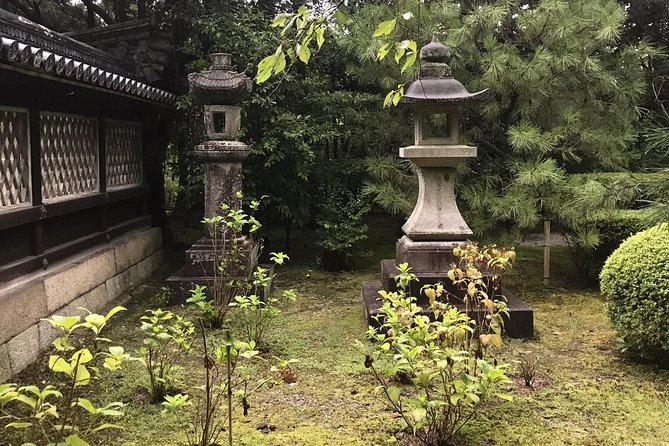
- A specialist guide (Andrew) with 15 years’ experience plus a Master’s in landscape architecture
- Nanzen-ji sub-temple route: Konchi-in, Tenjuan, then the head temple itself
- On-foot access to spots that feel natural and quietly tucked away
- Zen garden design, explained simply, with Buddhism and Shinto context when relevant
- Private pacing for up to 4 people, so questions don’t get rushed
Kyoto’s Zen gardens make sense when someone reads the design
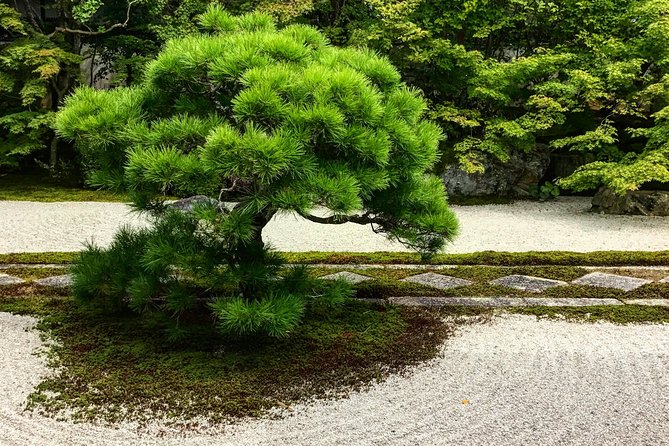
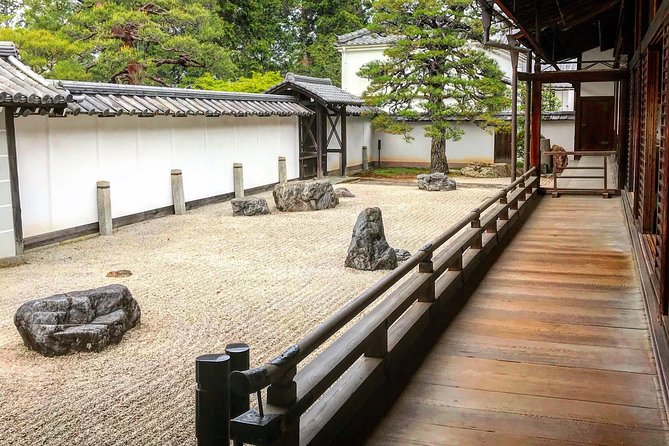
Kyoto can feel like a lot of beautiful scenes with no map for meaning. This tour fixes that by treating the gardens like a language. The rock arrangements, the placement of viewpoints, the way space is framed—these aren’t random. You learn how the design nudges the mind toward stillness, and you start noticing patterns instead of just admiring prettiness.
I like that the tour keeps things practical. Andrew doesn’t just talk philosophy in the abstract. He connects garden form to the ideas behind it, including basics about Zen and also how Shinto and Buddhist traditions show up around you in Kyoto. Even if you’re not a religion-history person, you’ll likely leave with a clearer sense of what you’ve been seeing all trip.
This is also a nature-friendly way to do Kyoto’s spiritual side. Instead of only going indoors, you spend time in gardens where the weather, light, and seasonal changes matter. If you’ve had enough of museums and want something slower, this fits.
Find another quiet garden to sit with in Kyoto

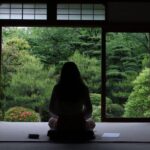
3.5 hours, on foot: how the timing and walking really matter
This is a private tour/activity lasting about 3 hours 30 minutes. That time window is long enough to connect the dots, but not so long that you feel wrecked afterward. You’re walking between temple areas, and because the tour is on foot, you reach parts that can be awkward or impossible by car and bus.
For you, that means two things:
- You get small transitions. One garden viewpoint leads to the next like a gentle sequence.
- You can pay attention to textures and details without the pressure of constant transit.
Comfort matters. Wear shoes you trust. Temple grounds are not the place for slippery soles or stiff new sneakers. Also, go in ready to slow down. The tour works best when you’re willing to stand still for a minute and actually look.
Stop 1: Konchi-in sub-temple of Nanzen-ji
You start at Keage Station area (Keage Sta.Higashikomonozacho, Higashiyama Ward). From there, Konchi-in is your first garden lesson.
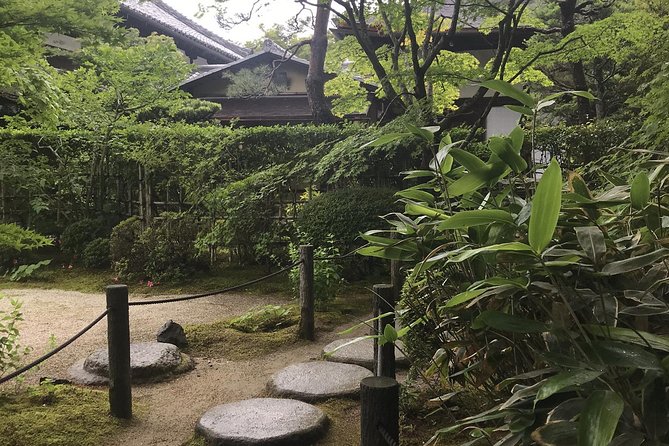
Konchi-in is a sub-temple, and that’s a big deal. Sub-temples often feel calmer and more intimate than the head temple areas, and it’s easier to build focus early. You’ll spend about an hour here, and the goal is to start seeing the design principles before you move into the more famous spaces.
Andrew’s style is key at this stage. He helps you connect what you see—rock placement, garden composition, and the way a viewer is guided—to the mindset that Zen gardens are built to support. If you’re the type who likes symbolism, this stop gives you the first set of “aha” moments.
Possible drawback to note: the entrance fees are separate. You’ll pay additional temple entrance costs for all three sites. Konchi-in is one of those paid stops, so budget for the total ¥1,600 per person for the full sequence.
Stop 2: Tenjuan Temple and its calmer viewpoint shifts
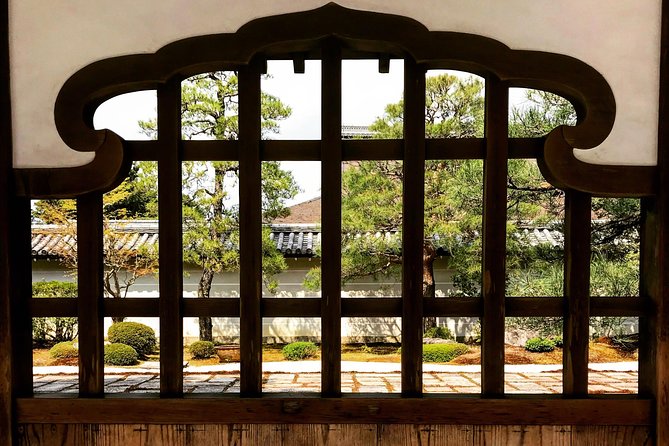
Next comes Tenjuan Temple, also a sub-temple of Nanzen-ji. You’ll spend about an hour here as well.
If the first stop teaches you how to look, this one helps you compare. The gardens’ meaning isn’t just in individual rocks or plants. It’s in how composition changes your sense of depth, direction, and attention. Tenjuan is where you start noticing how the garden can steer your eyes and thoughts, even when nothing seems to be “happening.”
What I like about this stop is that it supports questions. You can ask about Zen practice, garden imagery, or even how Japanese spiritual traditions influence design choices. Andrew’s explanations are grounded and friendly, and he can shift topics if your group is more curious about aesthetics one minute and culture the next.
Some people also appreciate that this second stop helps keep the tone quiet and peaceful. When you’re walking a route that includes sub-temples, the experience often feels less like a crowded circuit and more like a guided pause.
Stop 3: Nanzen-ji head temple and the garden-to-practice connection

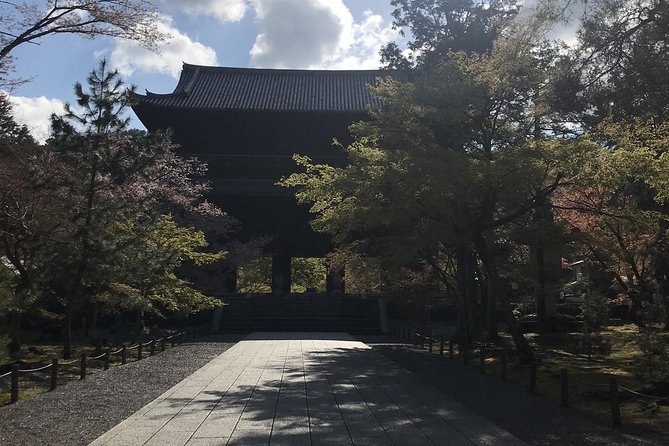
Finally you reach Nanzen-ji, the head temple of the Nanzen-ji Zen Monastery. This is the stop that ties everything together, and you’ll spend about an hour here.
Ending at Nanzen-ji makes the route feel earned. You’ve already learned the basic “grammar” of Zen garden design in Konchi-in and Tenjuan, so when you arrive at the head temple, you can read the space faster. It’s not only more important historically; it also becomes easier to understand aesthetically.
This is where Andrew often expands the context. Many visitors come for the gardens, but they end up learning more about how Zen ideas can show up in Japanese daily life and how spirituality and design share the same sense of discipline and restraint. One review noted that Andrew also connected rock garden design with Zen philosophy and even contemporary life in Kyoto. That matches the way this tour is structured: design meaning first, then wider cultural meaning.
At the end of the tour, you finish in front of Nanzen-ji (meeting point end: Nanzenji Fukuchicho, Sakyo Ward). That’s useful if you want to keep exploring afterward. You’re not dumped somewhere inconvenient—you’re dropped where the temple area life continues.
Other Kyoto tours and experiences to compare



Andrew of An Design: what you’re really paying for
The core value here is the guide. Andrew leads with garden design expertise and the ability to translate it into clear, grounded explanations.
From the information you’re given and the feedback you’ll likely hear, Andrew has:
- 15 years of experience explaining gardens
- A Master’s in landscape architecture
- A personal interest in the philosophy and spiritual elements behind garden design
You feel this in the pacing. He doesn’t just point. He explains why something is placed where it is and what it’s meant to do to the viewer’s attention. That’s the difference between a garden tour and a garden understanding.
There’s also a human element. People mention that Andrew answers a wide range of questions, including how Buddhism and Shinto traditions relate to what you see. That flexibility matters if you’re traveling with mixed interests—say, one person wants nature, another wants spirituality, and someone else just wants to know why rocks look so carefully arranged.
Price and value: $380 per group plus ¥1,600 in entrances
Let’s talk numbers without getting weird.
- Tour price: $380 per group, up to 4 people
- Duration: about 3 hours 30 minutes
- Entrance fees: ¥1,600 total per person for the three temple sites
If you’re traveling solo or as a couple, the $380 can feel heavy because it doesn’t drop much. But if you can fill all four spots, your per-person tour cost becomes much easier to swallow. Then you’re basically paying for a specialist guide for a private walking session through some of the most meaningful garden spaces in Kyoto.
Also, the extra temple entrance fee is not a surprise. It’s part of what keeps the tour authentic and site-based. You’re paying to actually enter and experience the temples rather than just look at exteriors.
In short: this is best value when you share it.
Weather, mood, and temple etiquette (small things that make or break it)
This experience requires good weather. If the conditions aren’t right, you’ll be offered a different date or a full refund. That’s important because part of the point is slow outdoor garden viewing, not just indoor sightseeing.
For you on the day:
- Plan for walking between temple areas on uneven ground.
- Dress for comfort and modesty appropriate for temples.
- Bring a calm mindset. Zen gardens reward quiet attention more than fast photo sessions.
If you tend to rush, you’ll still enjoy it. But you might miss the real payoff: the moment when you look at a rock arrangement or a garden viewpoint and suddenly understand what the design is trying to prompt.
Who should book this private Kyoto Zen garden tour?
This works especially well if you fit one of these:
- You’re a nature lover who also likes calm, reflective travel
- You want Japanese spirituality context without feeling lectured
- You like design and want to learn how aesthetics connect to ideas
- You prefer a private, question-friendly experience over a crowded group
If you only care about the biggest “must-see” photo landmarks with zero explanation, this may feel slower than you want. But if you like meaning, this is the kind of tour that changes how you look at Kyoto afterward.
Should you book Kyoto: Zen Garden, Zen Mind (Private)?
I’d book it if you want more than sightseeing. This is for people who enjoy understanding: why gardens are arranged the way they are, how Zen concepts show up in space, and how a specialist guide can turn silence and stone into something you can read.
I’d think twice if you’re budget-tight for solo travel, since the $380 is per group. Also, if you absolutely hate walking or you’re traveling with limited flexibility for weather, consider that it depends on good conditions.
If you’re going with two to four people and you want Kyoto to feel quiet, meaningful, and less like a checklist, this is a strong choice.
FAQ
What is the duration of Kyoto: Zen Garden, Zen Mind (Private)?
The tour lasts about 3 hours 30 minutes.
What’s included in the tour price?
You get a guided walking tour and narration by a garden designer with 15 years’ experience. Mobile ticket is also included.
Are temple entrance fees included?
No. Entrance fees for the three temples cost a total of ¥1,600 per person.
How many people are in a private group?
It’s a private tour/activity with only your group participating, up to 4 people.
Where does the tour start and end?
It starts near Keage Station (Keage Sta.Higashikomonozacho, Higashiyama Ward) and ends in front of Nanzen-ji (Nanzenji Fukuchicho, Sakyo Ward).
Is the tour good for first-time Kyoto visitors?
Most travelers can participate, and it’s designed as a way to see multiple temples on one guided walk.
Does weather affect the experience?
Yes. The experience requires good weather. If it’s canceled due to poor weather, you’ll be offered a different date or a full refund.
More Private in Kyoto

More Tour Reviews in Kyoto




More Gardens and Quiet Corners
Just added: more Kyoto tours to browse








Kyoto Gardens & Zen Retreats, compared.
 ★ 5.0Kyoto Arashiyama Walking Tour: Bamboo, Monkeys, Gardens & SecretsFrom $651,216 reviews
 ★ 5.0Kyoto Zen Meditation & Garden Tour at a Zen Temple with LunchFrom $110441 reviews
 ★ 5.0Zen Experience in a Hidden TempleFrom $109437 reviews
 ★ 5.0Kyoto Arashiyama Bamboo forest & Garden Half-Day Walking TourFrom $129413 reviews
 ★ 4.8Tea Ceremony Meditation – Make Matcha with Tea MasterFrom $45406 reviews
 ★ 5.0Zen Meditation at a Private Temple with a MonkFrom $91202 reviews
 ★ 5.04.5-Hour Kyoto Bike Tour with Lunch and UNESCO Zen TemplesFrom $99122 reviews
 ★ 5.0Kyoto Kiyomizu Tea Ceremony with Scenic Garden ViewsFrom $50101 reviews
Browse the lists this tour appears in