
Reviewed · KYOTO TEMPLE & SHRINE TOURS
Kyoto Zen Meditation & Garden Tour at a Zen Temple with Lunch
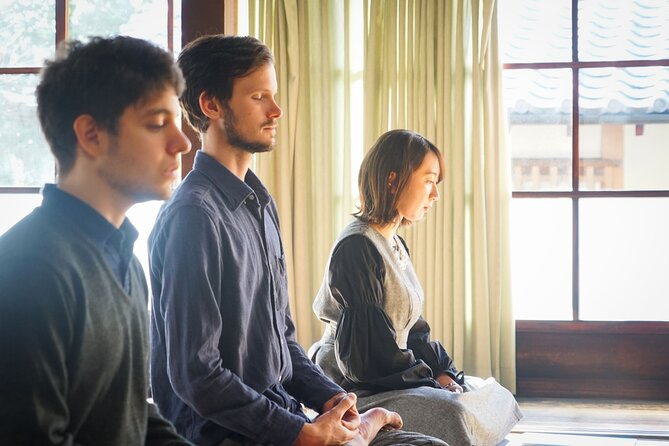
Silence gets a timetable in Kyoto. This tour focuses on Zen meditation inside a major Zen temple setting, then pairs it with a guided walk through temple spaces and a tranquil dry Zen garden. I really like how the guide keeps things practical while you move through the grounds, and I also love that a traditional Buddhist lunch is included, so you’re not trying to hunt for food right after meditation.
One thing to consider: you need to be on time. If you miss the group, you can’t join late, and there’s no refund or reschedule.
In This Review
- Guides make the tradition make sense
- Key things I’d plan around before you go
- Where You Start in the Tofukuji Area (and why meeting point timing matters)
- Walking Tofukuji and the Dry Rock-and-Rake Garden You’ll actually understand
- Zazen with a monk: the part that most people remember for years
- Buddhist lunch after meditation: food that fits the mood
- Timing, group size, and how to stay comfortable in Kyoto weather
- Price and value: what $110.10 is really paying for
- Who should book this Kyoto Zen meditation tour (and who may not love it)
- Should you book this Kyoto Zen Meditation & Garden Tour?
- FAQ
- How long is the Kyoto Zen Meditation & Garden Tour with Lunch?
- What is included in the price besides the tour itself?
- Where is the meeting point, and where does the tour end?
- Is the meditation guided, or is it self-guided?
- Is there an age limit?
- Can I join if I’m late?
- Can you accommodate dietary restrictions or allergies?
Guides make the tradition make sense
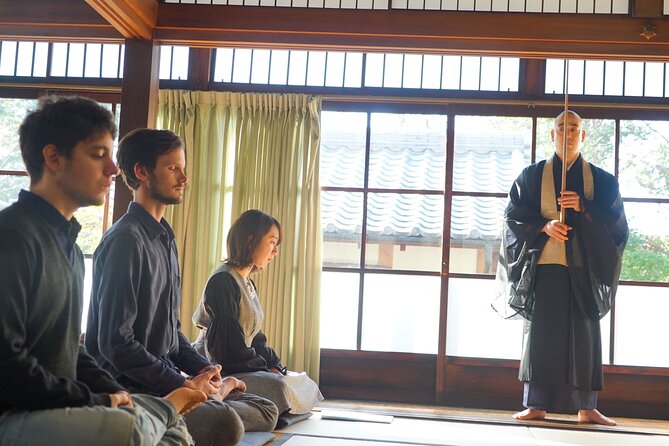
What makes this work is the combination of place and explanation. In the tour, you visit the Tofukuji area and learn the basics of Zen meditation, with guidance that’s detailed enough to answer questions afterward. Names like Yukata, Yutaka, and Hikari show up in participant notes, and they’re consistently described as patient with the translation and the small details that help you feel comfortable during zazen.
A final practical note: the session ends near Chishaku-in Temple, and the tour plan says you return to the meeting point, but you’ll likely disband around the last shop instead of staying together all the way to the exact same curb.
Key things I’d plan around before you go
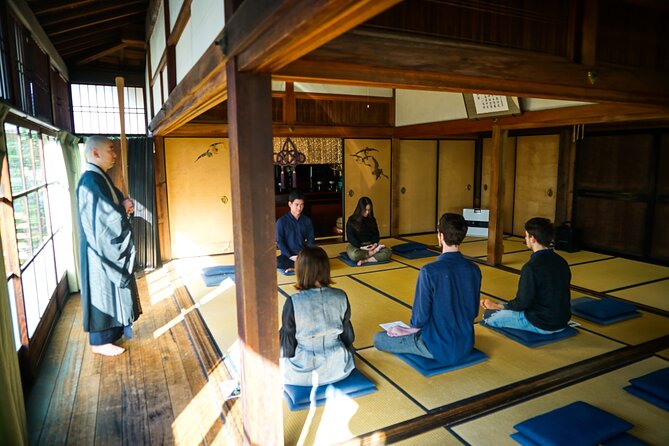
- Zazen with a monk: you’re not just watching from the sidelines; you’re led through the practice.
- Small group size (max 7): it stays quiet and you get real access to ask questions.
- Temple admission is included: you don’t need to budget extra for entry fees on the day.
- Dry Zen garden commentary: you get guided context for what you’re seeing.
- Lunch included: a traditional Buddhist meal helps you keep your day flowing without a scramble.
- Kyoto weather matters: summer heat and winter cold can affect comfort during walking and waiting.
More temples and shrines to slow down in across Kyoto
Where You Start in the Tofukuji Area (and why meeting point timing matters)
You start at FamilyMart Nakai Tofukuji, in the Higashiyama Ward area of Kyoto (FamilyMart address: 12-chōme-232 Honmachi). The meeting point being close to public transportation is a big deal in Kyoto. Even when you’re using transit apps, temple-area buses and trains can still mean a short walk—so it helps to begin at something easy to find.
This tour uses a mobile ticket, which is simple enough, but the bigger issue is timing. The tour requires you to start on time out of respect for the other participants and to keep the meditation session on schedule. If you’re late and miss the group, you can’t join later and won’t receive a refund or a reschedule.
Why that matters: zazen isn’t a quick photo stop. It has its own rhythm, and the temple space expects everyone to arrive prepared and ready.
Walking Tofukuji and the Dry Rock-and-Rake Garden You’ll actually understand
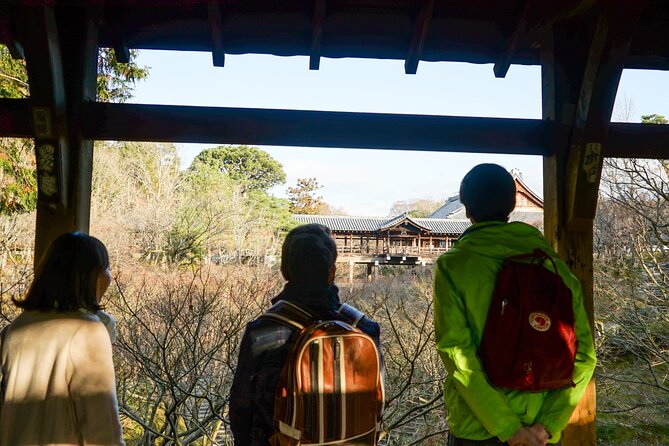
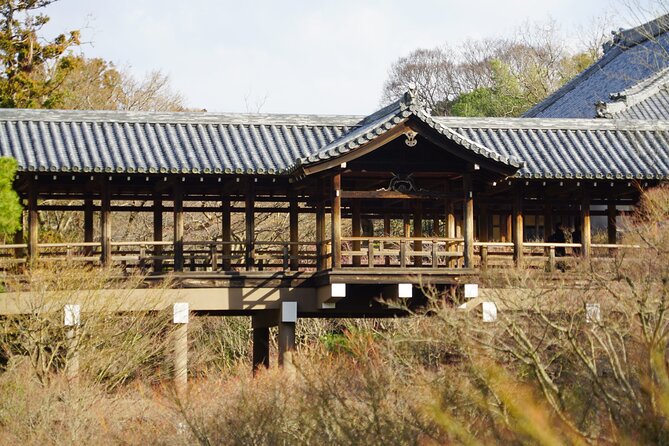
The tour is built around a Zen temple experience in Kyoto, with a walk connected to Tofukuji and the surrounding temple context. You’ll get guided interpretation as you move around, not just a route. That’s what turns a set of buildings into something you can follow with your brain as well as your eyes.
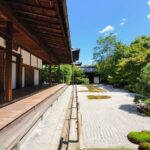
One of the most praised parts is the dry Zen garden time. This isn’t just “look at rocks.” You’ll get commentary that helps you understand the idea behind the dry rock-and-rake style—how your attention shifts when there’s less visual clutter and more intention in the arrangement.
You’ll also hear temple insights while walking, which makes the whole thing feel less like sightseeing and more like learning how people practice here. In the participant notes, people specifically mention admiring well-kept garden spaces and getting calm, reflective time before the main meditation.
What to watch for: the tour is quiet-minded. During meditation time, private conversations are generally prohibited, and you’ll be given materials you can read silently. If you’re the type who likes to chat your way through temple visits, plan to switch gears.
Zazen with a monk: the part that most people remember for years
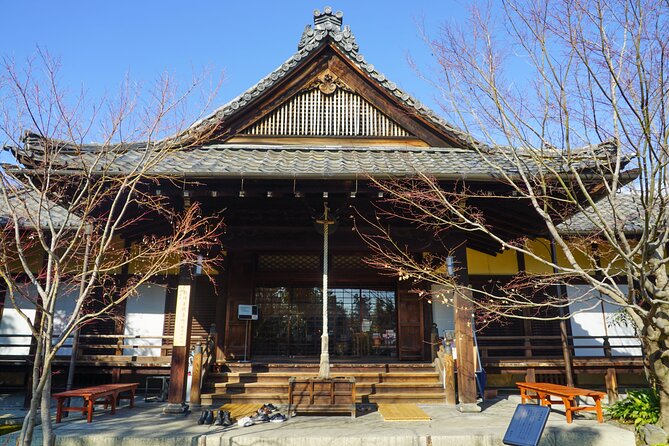
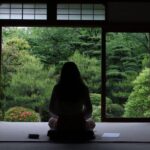
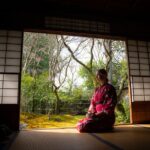
The centerpiece is an authentic Zen meditation session. You’ll learn fundamentals of Zen meditation (zazen) from your local guide, and then you’ll do the practice with a monk at a Zen temple space.
In participant experiences, the monk-led portion is described as calming and step-by-step, with a brief break sometimes built in. One important detail for English speakers: some monks speak Japanese, and guides translate or prep you for what to expect. In notes, participants mention that guides explained what would happen before the session, and they translated additional tips and history shared during the interaction.
So here’s what you should mentally prepare for:
- You’ll be expected to sit and follow instructions, not constantly adjust phones or talk.
- The guide helps you understand the rhythm of what’s coming next.
- Questions can happen after the meditation, typically with translation support.
And if you’re wondering whether you’ll feel out of place: the whole format is designed for beginners. The guide role is to translate not only language, but also the unspoken expectations of how to behave in a meditation setting.
Buddhist lunch after meditation: food that fits the mood
Lunch is included. This matters more than it sounds. If you do Kyoto temple time without food, you end up thinking about hunger while you’re trying to be present—which is the opposite of the whole point.
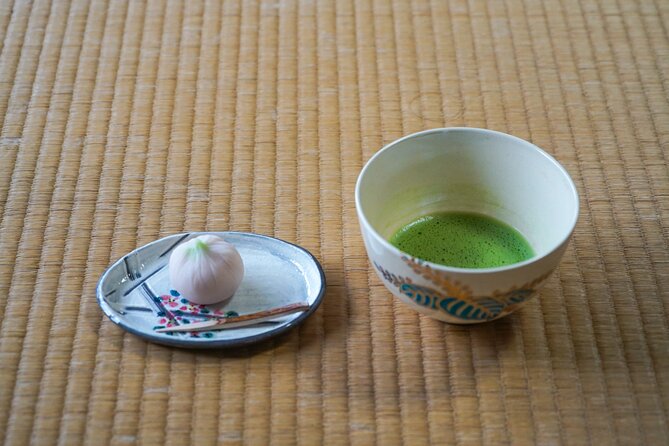
The lunch is described as a traditional Buddhist meal historically served by Zen monks at Zen temples. In the notes, one person specifically said the lunch was vegetarian and described it as delicious and filling. Even when you’re not sure what you’ll get, you can expect a temple-style meal designed to be simple, respectful, and satisfying after sitting for a while.
Practical advice: if you start the tour later, don’t assume you’ll eat right away. For tours that start at 10:45, the lunch time is listed as 14:15, after the meditation experience. If you’re doing a 10:45 start, plan enough breakfast or brunch to carry you through meditation without getting cranky.
Find another quiet garden to sit with in Kyoto

Timing, group size, and how to stay comfortable in Kyoto weather
This is a 4 hours 30 minutes tour (approx.) with a maximum group size of 7 people. That small number is one of the real value drivers. You get better access to the guide, and it’s easier to keep the atmosphere respectful during meditation.
The route also has an end location nuance: the activity ends near Chishaku-in Temple. The itinerary says you return to the meeting point, but the plan notes you’ll disband at the last shop. Translation: don’t treat it like a guided walk that ends exactly where it began. Build your next plan with some flexibility.
Weather is not an afterthought here. Japan summers can be hot and humid, and you’ll be walking between temple areas. Bring water and a hat to reduce heat-stroke risk. In winter, temple floors can be cold, so thick socks are recommended. This kind of comfort prep sounds boring—until you’re sitting still for meditation and realize your feet are freezing.
Also note the age range: anyone over 12 can join. If you’re traveling with teens who can follow quiet instructions, this can be a great middle ground between culture and calm.
Price and value: what $110.10 is really paying for
At $110.10 per person, this isn’t a “cheap attraction add-on.” It’s closer to paying for a guided, structured spiritual experience.
Here’s what’s included based on the tour details:
- A guided Zen meditation session at a Zen temple
- Temple admission is included (so no extra temple-entry budget needed)
- Guided walking with commentary across temple spaces and a Zen garden
- A traditional Buddhist lunch
That combination is where the value comes from. You’re paying for more than access to a temple; you’re paying for interpretation and timing. Meditation has rules, and it’s easier for a guide to manage expectations in a small group than in a large crowd.
For your decision, ask yourself this: do you want to spend temple time wandering on your own with incomplete context, or do you want a guided session that helps you actually sit and practice? If you’re leaning toward the second, the price starts to look fair.
Who should book this Kyoto Zen meditation tour (and who may not love it)
This tour is a strong fit if you:
- Want a calmer Kyoto day, with less rush and more instruction.
- Are interested in Zen meditation fundamentals and want help understanding zazen.
- Like small-group experiences where you can ask questions afterward.
- Appreciate traditional food included in the plan rather than an added expense.
It might be less ideal if you:
- Prefer lots of free time to roam independently during the main meditation portion.
- Don’t do well with quiet rules, like the general ban on private conversations during meditation time.
- Need strict allergy-free or guaranteed dietary accommodations. The tour notes that allergy-free guarantees can’t be made, because food is prepared in kitchens not belonging to the tour operator, and substitutions may not be possible at every stop. If you have dietary needs, request in advance (by the day before).
Should you book this Kyoto Zen Meditation & Garden Tour?
If you want Kyoto to feel reflective instead of frantic, I’d book it. The biggest reason is simple: you’re not just sightseeing Zen architecture—you’re guided into the practice, and the day is paced so lunch doesn’t get forgotten. The small group size (max 7) and the inclusion of temple admission plus a traditional Buddhist meal make it easier to justify the price.
Book it if you’re comfortable being quiet for the meditation portion and you can arrive on time. Don’t book it if you’re hoping for lots of flexible, independent time during the zazen session or if your dietary needs require allergy-free guarantees.
FAQ
How long is the Kyoto Zen Meditation & Garden Tour with Lunch?
It runs about 4 hours 30 minutes (approx.).
What is included in the price besides the tour itself?
Temple admission is included, and a traditional Buddhist lunch is included as well.
Where is the meeting point, and where does the tour end?
You start at FamilyMart Nakai Tofukuji, 12-chōme-232 Honmachi, Higashiyama Ward, Kyoto. The activity ends back near the meeting point, and the plan also states it ends near Chishaku-in Temple.
Is the meditation guided, or is it self-guided?
The tour includes a guided Zen meditation experience. You’ll also get guidance on the fundamentals of zazen from a local guide.
Is there an age limit?
Yes. Anyone over 12 years old can join.
Can I join if I’m late?
No. If you are late and miss the group, you won’t be able to join and you won’t be refunded or rescheduled.
Can you accommodate dietary restrictions or allergies?
Dietary requests must be made in advance (by the day before). The tour can’t guarantee allergy-free meals, and substitutions may not be possible at certain stops, though they will try to compensate at different stops.
More Tour Reviews in Kyoto



More Gardens and Quiet Corners
More Kyoto Temples and Shrines
Just added: more Kyoto tours to browse








Kyoto Temple & Shrine Tours, compared.
 ★ 4.9Tea Ceremony Ju-An at Jotokuji TempleFrom $293,207 reviews
 ★ 4.8Arashiyama Bamboo, Temple, Monkeys, or Secret Sake BreweryFrom $87886 reviews
 ★ 5.0Arashiyama Bamboo Forest, Monkeys, Matcha & Temple TourFrom $53759 reviews
 ★ 4.4Osaka/Kyoto: Arashiyama, Nara & Fushimi Inari Shrine w/LunchFrom $61754 reviews
 ★ 4.7Imperial Palace & Nijo Castle Guided Walking TourFrom $49453 reviews
 ★ 5.0Zen Experience in a Hidden TempleFrom $109437 reviews
 ★ 5.0KYOTO Tea Ceremony with kimono near by Imamiya Jinjya ShrineFrom $99343 reviews
Arashiyama Bamboo, Matcha, Monkeys & Temple TourFrom $51291 reviews
★ 5.0KYOTO Tea Ceremony with kimono near by Imamiya Jinjya ShrineFrom $99343 reviews
Arashiyama Bamboo, Matcha, Monkeys & Temple TourFrom $51291 reviews
Browse the lists this tour appears in