
Reviewed · KYOTO TEMPLE & SHRINE TOURS
Kyoto: Zen Experience in a Hidden Temple
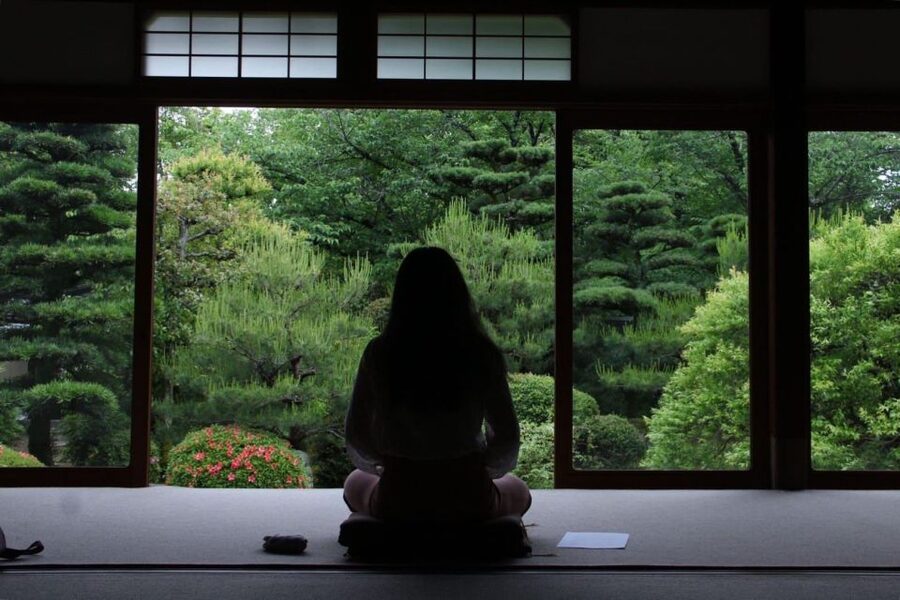
Quiet beats Kyoto crowds at Jusho-in. This Zen experience gives you a calm, structured sit with the 16th-generation abbot Eitetsu Nishida, followed by matcha and seasonal sweets while you slow down in a historic garden setting. I especially love how the practice is explained clearly before you start sitting, and how the day connects zazen with the everyday ritual of tea.
One thing to consider: you sit still for two rounds of meditation, so comfort matters. If you’re used to flexible seating, you’ll want to plan for upright posture, and rented kimono can make it harder to sit comfortably—chairs are available, but your body will still do some work.
In This Review
- Key points to know before you go
- Entering Jusho-in: the calm inside Myoshin-ji
- Meeting at Myoshin-ji and walking to your practice space
- Getting ready for zazen: etiquette and comfort first
- Two 20-minute zazen sessions with a real abbot
- Zen philosophy in plain language: why direct experience matters
- Matcha and sweets: tea as part of the Zen routine
- The garden time: 400 years of seasonal atmosphere
- Photographer and the best kind of souvenir
- Price and value for $109 per person
- Should you book this Kyoto Zen experience?
- FAQ
- FAQ
- How long is the Kyoto Zen experience?
- What happens during the meditation portion?
- Who leads the zazen and matcha teaching?
- Is there matcha and Japanese sweets included?
- Where is the meeting point?
- Does the tour run in bad weather?
- Can I sit in a chair during zazen?
- Is the experience wheelchair accessible?
- When will I receive the photos?
Key points to know before you go
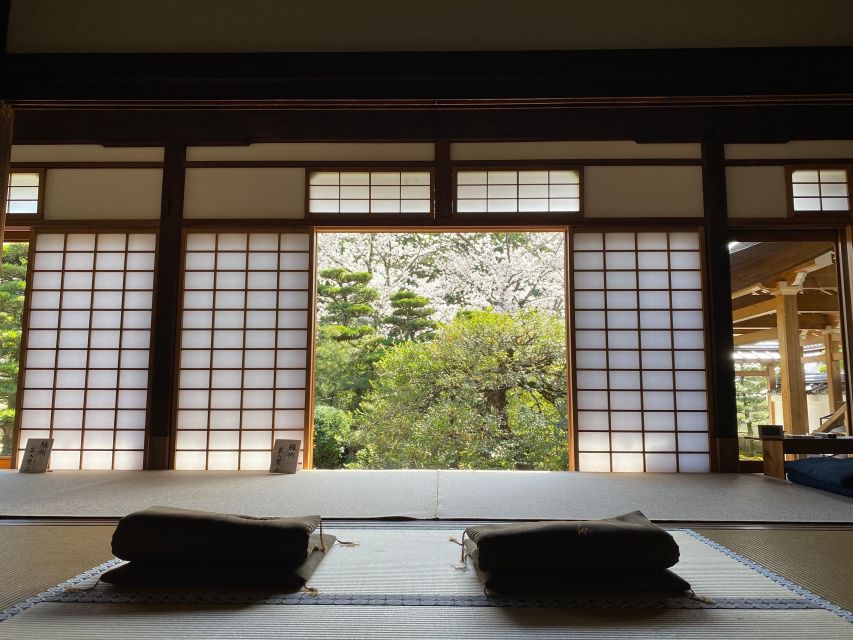
- Zazen with Eitetsu Nishida: guided practice plus a chief priest sermon in a real temple setting
- Matcha + sweets as a Zen lesson: learn the background and the right way to enjoy it
- Jusho-in garden with 400 years of continuity: the garden’s look has remained unchanged since its creation
- Small-group feel: the experience is designed for focused attention, not big sightseeing energy
- Photo keepsake included: a photographer captures your moments, and you receive the photo data a few days later
- Rain or shine: the experience runs in all weather, so dress for conditions
Entering Jusho-in: the calm inside Myoshin-ji
If you’re picturing Kyoto as nonstop temples-you-can’t-see-through, this experience is a helpful reset. Jusho-in is a sub-temple inside the larger Myoshin-ji complex—Kyoto’s biggest Zen temple environment. Jusho-in itself was founded in 1599, and it’s one of 46 sub-temples within Myoshin-ji, with about 420 years of history behind it.
The best part is the atmosphere. You’re not just looking at Zen from the outside—you’re placed in it. Even before meditation starts, you can feel the shift: fewer distractions, lower volume, and a sense that this is a place people come to practice, not just take photos.
And yes, the setting helps you settle. The temple garden is credited to Eitoku Kano (a major 16th-century painter), and it’s described as unchanged since its creation. That continuity matters. In a city that constantly changes, it’s easier to feel time slow down when the space itself seems to hold steady.
More temples and shrines to slow down in across Kyoto
Meeting at Myoshin-ji and walking to your practice space
You meet at the north gate of Myoshin-ji Temple (there are two starting options, including 18 Taniguchisonomachi, 北総門). From there, you walk with a guide to Jusho-in.
That short walk is more than logistics. It’s a buffer between the loud street and the silent routine you’re about to enter. You get time to switch gears—mentally and physically—before the first sit.
At the temple itself, you’ll be assigned seating in the order of reservations. This is one of those small details that can change your comfort level more than you’d think. If you’re sensitive to space, come ready to adapt and don’t assume you’ll land in the exact spot you want.
Getting ready for zazen: etiquette and comfort first
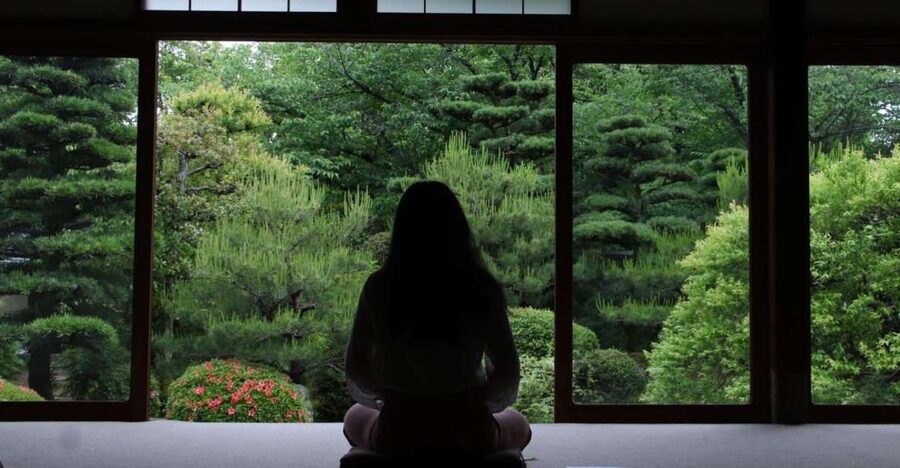
Zazen is simple on paper. Sit. Breathe. Stay present. In real life, posture and attention are the challenge.
The experience runs rain or shine, so wear layers and plan for the air where you’ll be sitting. One useful tip from prior participants: even in colder weather, the session setup may let in more garden air—blankets were offered in those cases. If you get cold easily, treat this as a reason to dress warm rather than a reason to skip.
You don’t need special gear. Just be mindful about what you bring into the temple area:
- No weapons or sharp objects
- No alcohol or drugs
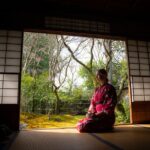
Also, if you’re considering renting a kimono, think twice. The experience notes that it can be difficult to sit and meditate comfortably in a rented kimono. That’s not being fussy. It’s practical: zazen posture needs room to be stable and relaxed.
For comfort and inclusivity, chairs are available for those who need assistance during zazen. The experience is also open to all ages, but it’s not wheelchair accessible, so keep that in mind.
Two 20-minute zazen sessions with a real abbot
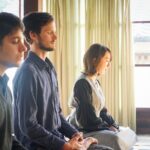
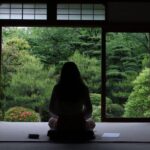
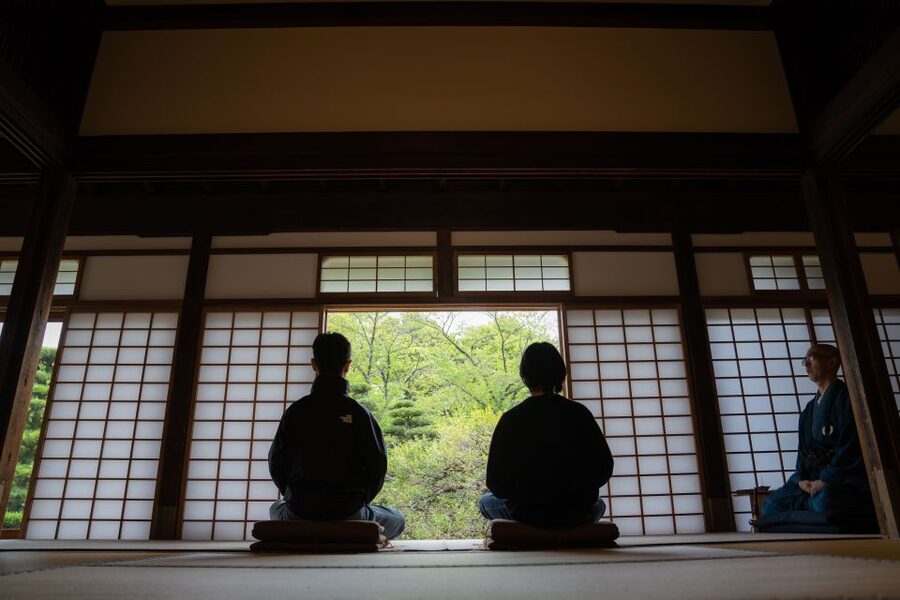
The core of this tour is the meditation itself. You get two sets of 20-minute zazen. Between them, there’s explanation and time for questions, so you’re not just thrown into silence with no guidance.
The zazen is led by Eitetsu Nishida, the 16th generation abbot of Jusho-in. He also guides you through the meaning behind the practice. That combination is a big reason this experience earns such strong marks: you’re not only doing a ritual—you’re learning how to understand it.
Here’s what you can realistically expect as a participant:
- Sitting still will feel harder than you think.
- Your mind will try to manage time, thoughts, and posture all at once.
- You’ll learn that the goal isn’t forcing your mind blank; it’s returning to attention again and again.
The two-round structure helps. You get a chance to try, reset, and improve your focus before the second sit. People often find the first sit a learning curve, then the second one easier to settle into. Also, the guidance is paired with a translator and supportive staff, so you can ask about what you’re doing and why.
One standout theme from the many 5-star experiences: the temple team is patient. They explain the meditation points, help you get into position, and make it feel safe to ask questions. If you’re anxious about doing the “wrong” thing, you’ll likely breathe easier once you start.
Zen philosophy in plain language: why direct experience matters
Zen is sometimes misunderstood as a set of doctrines. Here, it’s framed as practice and direct experience.
The tour introduces Zen as a branch of Mahayana Buddhism, with zazen at the center. It also notes Rinzai Zen, which was introduced to Japan in the 12th century, and is known for intense practices tied to sudden enlightenment (satori).
What you gain from the sermon and explanations isn’t trivia. It’s a way to interpret what you feel during meditation:
- Why attention is trained rather than thought about
- Why etiquette and calm matter inside temple space
- Why the experience is meant to change how you relate to daily life
If you’re hoping for a spiritual talk that stays grounded, this format tends to deliver. The combination of sitting practice plus explanation gives you a bridge: you’re not studying Zen only as ideas, and you’re not experiencing it only as stillness. You get both.
Find another quiet garden to sit with in Kyoto
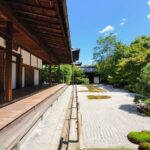
Matcha and sweets: tea as part of the Zen routine
After zazen, the tour shifts from mind training to sensory ritual—matcha and traditional sweets served in a way that connects to Zen.
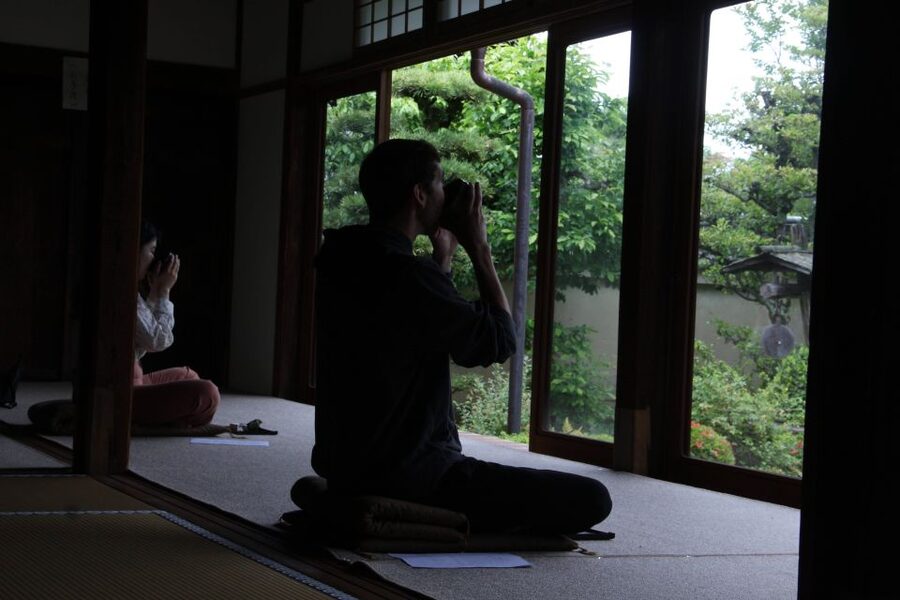
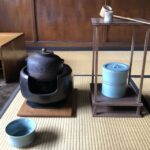
Eitetsu Nishida guides you on how to enjoy matcha, including its history. Then you get tea and Japanese sweets while appreciating the garden.
What makes this section valuable is the teaching style. It’s not just tasting. You’re learning how matcha fits into culture and practice. You also get a seasonal component: the sweets are traditional and chosen for the moment, and they’re served alongside your tea.
In past experiences, this tea break has been described as one of the best parts of the day—the kind of tasting you remember because you understand the “why” behind it. Even if you don’t drink matcha often, you’ll likely leave with more than a flavor memory.
Practical tip: move slowly. You’re still in the same quiet mindset you used for meditation. That carries over. If you rush the tasting, you miss the calm lesson.
The garden time: 400 years of seasonal atmosphere
The garden is part of the story, not background decoration. The tour highlights a space that changes with the seasons:
- cherry blossoms in spring
- fresh greenery in summer
- autumn leaves
- snow in winter
Because the garden is described as unchanged since its creation, the experience feels less like a staged scene and more like a long-running tradition. You sit and look at a living calendar: the same space, with new expressions each season.
One extra practical advantage: the garden setting also helps you settle during meditation. Even if your mind is loud at first, the scene gives you a steady anchor. And if it’s cold, the tea afterward warms you up both physically and mentally.
Photographer and the best kind of souvenir
A photographer captures your experience during the session, and you receive the photo data a few days after the tour. This matters more than it sounds.
During meditation, you don’t want your attention split between sitting and photographing. Having the photographer handle the visuals means you can actually stay present. Then you take home images as proof—not distractions in the moment.
It’s also a kind of permission slip. You get to focus fully while still ending with a keepsake that feels personal.
Price and value for $109 per person
At $109 per person for about 2 hours, this is not a budget snack-tour. But it’s also not overpriced for what’s included.
Here’s what you’re paying for:
- A guide who stays with you through the flow
- Temple entry ticket
- A chief priest sermon with Eitetsu Nishida
- Guided zazen (two 20-minute sessions)
- Japanese tea and sweets
- A photo shoot plus delivery of the photo data
- Private or small group options (so you’re not swallowed by a big crowd)
In Kyoto, many paid experiences give you movement through sights. This gives you time in one place with one purpose: practice, understanding, tea, and quiet. If your goal is meaning over mileage, the price starts to feel fair.
Also, this is built for quality attention, not quantity. You’re not trying to do ten stops in one morning while your brain bounces between languages and tickets. You’re doing one centered experience.
Should you book this Kyoto Zen experience?
Book it if you want:
- zazen guidance from an abbot rather than a generic meditation demo
- a calm morning away from Kyoto’s busiest feel
- matcha and sweets taught as part of Zen culture
- a small-group, respectful temple experience with a real atmosphere shift
Skip it (or at least think carefully) if you:
- need lots of walking and sightseeing during your time in Kyoto
- strongly dislike sitting upright for two short meditation rounds
- want a fully wheelchair-accessible activity
FAQ
FAQ
How long is the Kyoto Zen experience?
It lasts about 2 hours, including explanations of zazen and the tea time.
What happens during the meditation portion?
You do two sets of zazen sessions, each lasting 20 minutes, with guidance and instruction during the flow.
Who leads the zazen and matcha teaching?
Eitetsu Nishida, the 16th generation abbot of Jusho-in, leads the experience and guides both the zazen and the matcha portion.
Is there matcha and Japanese sweets included?
Yes. After zazen, you’ll have a tea experience with Japanese tea and seasonal sweets.
Where is the meeting point?
You meet at the north gate of Myoshin-ji Temple. There are two starting location options listed, including 18 Taniguchisonomachi, 北総門.
Does the tour run in bad weather?
Yes. The experience runs rain or shine.
Can I sit in a chair during zazen?
Chairs are available for participants who need assistance during zazen.
Is the experience wheelchair accessible?
No. It is not wheelchair accessible.
When will I receive the photos?
You’ll receive the photo data as a keepsake a few days after the tour ends.
More Tour Reviews in Kyoto




More Gardens and Quiet Corners
More Kyoto Temples and Shrines
Just added: more Kyoto tours to browse








Kyoto Temple & Shrine Tours, compared.
 ★ 4.9Tea Ceremony Ju-An at Jotokuji TempleFrom $293,207 reviews
 ★ 4.8Arashiyama Bamboo, Temple, Monkeys, or Secret Sake BreweryFrom $87886 reviews
 ★ 5.0Arashiyama Bamboo Forest, Monkeys, Matcha & Temple TourFrom $53759 reviews
 ★ 4.4Osaka/Kyoto: Arashiyama, Nara & Fushimi Inari Shrine w/LunchFrom $61754 reviews
 ★ 4.7Imperial Palace & Nijo Castle Guided Walking TourFrom $49453 reviews
 ★ 5.0Kyoto Zen Meditation & Garden Tour at a Zen Temple with LunchFrom $110441 reviews
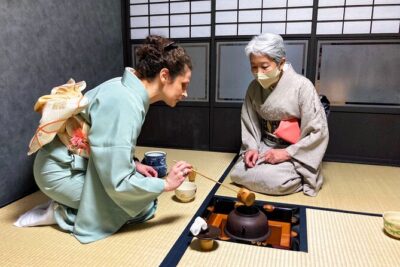 ★ 5.0KYOTO Tea Ceremony with kimono near by Imamiya Jinjya ShrineFrom $99343 reviews
Arashiyama Bamboo, Matcha, Monkeys & Temple TourFrom $51291 reviews
★ 5.0KYOTO Tea Ceremony with kimono near by Imamiya Jinjya ShrineFrom $99343 reviews
Arashiyama Bamboo, Matcha, Monkeys & Temple TourFrom $51291 reviews
Browse the lists this tour appears in