
Reviewed · KYOTO GARDENS & ZEN RETREATS
Kyoto: Tea Ceremony Meditation – Make Matcha with Tea Master
Tea ceremonies in Kyoto can feel locked behind rules. This one is calm, hands-on, and easy to follow, with a small group in a real 100-year-old townhouse. I love learning matcha technique with a host trained in the Omotesenke tradition, and I really like how much time you get to ask questions in clear English. One thing to consider: it is a short, quiet session, so if you’re looking for a long hangout with lots of food time, this likely won’t fit your style.
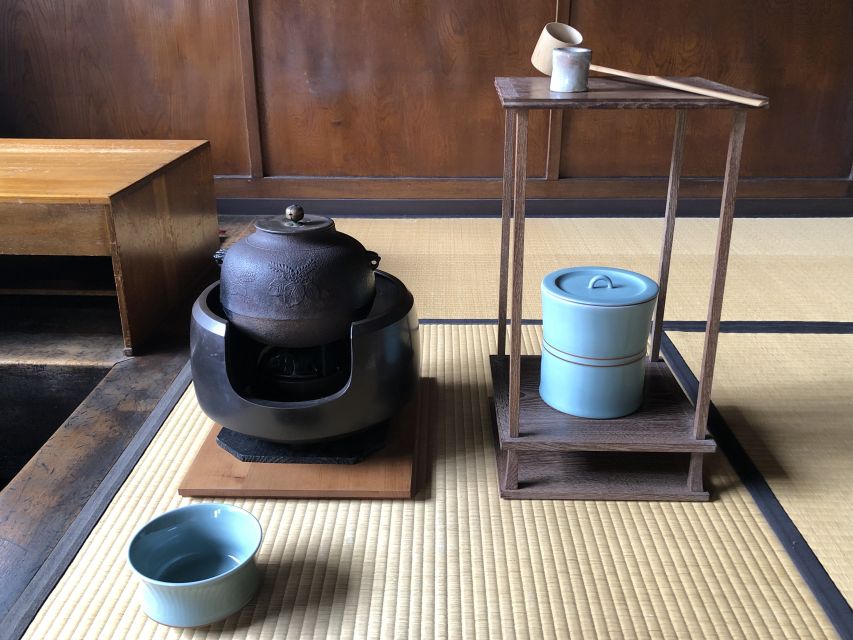
Before you sip, you’ll step into tatami-and-tea quiet that makes you slow down fast. You’ll watch the ceremony steps, then you’ll make your own bowl with authentic, handcrafted utensils made by skilled artisans. The downside is simple: no food or drinks during the experience, and the venue is not set up for eating, so come ready to focus.
In This Review
- Quick hits: what makes this Kyoto matcha workshop special
- Step inside a 100-year-old Kyoto townhouse (and start slowing down)
- Omotesenke guidance: the mindset you’ll learn before you mix powder
- Hands-on matcha making with handcrafted utensils
- Your cup: traditional sweet, then a peaceful moment to drink
- Timing, group size, and how to not stress about logistics
- Price and value: why $45 can feel fair in Kyoto
- Souvenirs and Japanese crafts you can take home
- Who should book this Kyoto matcha meditation workshop?
- Should you book this tea ceremony?
- FAQ
- What is the duration of the Kyoto tea ceremony experience?
- How much does this Kyoto matcha workshop cost?
- What’s included in the price?
- Is kimono rental included?
- Are food and drinks allowed during the session?
- Where do I meet the group in Kyoto?
Quick hits: what makes this Kyoto matcha workshop special
- Omotesenke-trained host guides you through mindful tea etiquette, in English
- Small group (up to 10) means you’re not lost in a crowd
- Hands-on matcha making using authentic tools, not just watching
- 100-year-old Kyoto townhouse setting keeps the vibe quiet and grounded
- Q&A friendly tea master answers questions beyond the ceremony steps
- Take-home Japanese crafts are available after the session
Step inside a 100-year-old Kyoto townhouse (and start slowing down)
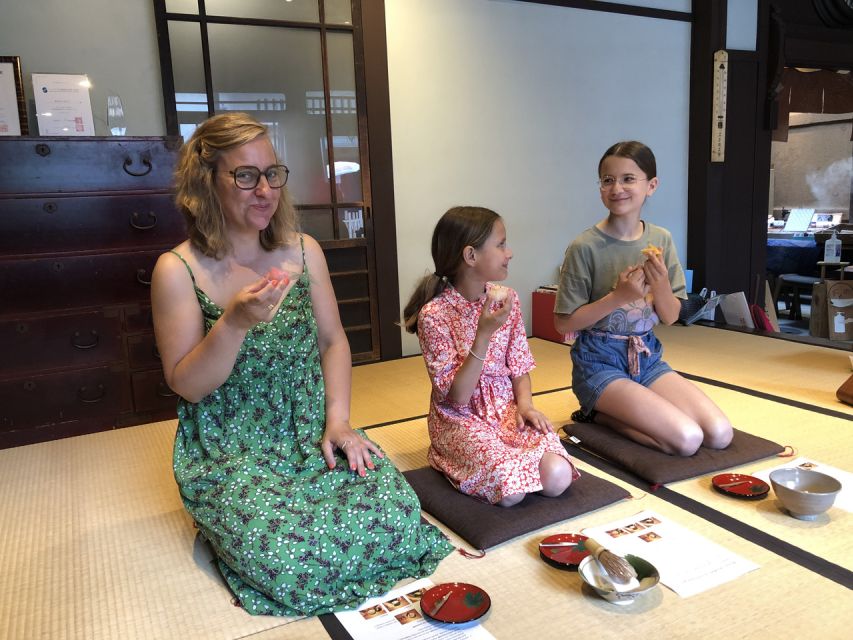
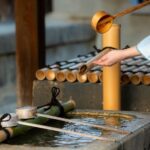
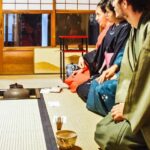
The best part of this experience starts before matcha even touches your lips. You enter a traditional Kyoto townhouse that’s about a century old, where tatami and the room’s hush do the work of a deep breath. It’s not a staged “look but don’t touch” museum moment. It’s a live tea space where the air feels softer and your brain remembers to unclench.
This setting matters. In Kyoto, you can pack in temples, markets, and photo stops all day. But a tea ceremony gives you a different rhythm—one where small actions get attention. Even if you’ve never done anything like this before, the quiet space helps you meet the experience halfway.
You also get something practical: a guided pace. The host takes you step by step, so you’re not trying to decode rituals while everyone else already knows what’s happening.
What to know: the venue is limited in size and not suitable for eating, and you’ll want to keep the session focused and respectful. Also, bring your best “light scent” plan—skip perfumes and colognes so you can actually enjoy matcha aroma.
Sit for another bowl of matcha in a Kyoto tea house
Omotesenke guidance: the mindset you’ll learn before you mix powder
Your guide is trained in Omotesenke, one of Japan’s most respected schools of tea ceremony. That’s more than trivia. Different tea lineages can place emphasis on forms, etiquette, and how the host teaches those details. In this workshop, you get the ceremony presented in a way that makes sense to English speakers—without turning it into a watered-down performance.
You’ll learn the graceful, mindful preparation of matcha, including the etiquette that shapes the whole experience. From the way people describe the sessions, the teaching isn’t just “do this, then that.” It’s about why the steps exist—how the timing, posture, and care are part of the ritual.
And the best teaching feature here is the conversation style. Many sessions include time for questions, including questions about tea and Japanese culture. In multiple recent experiences, hosts such as Miki, Aki, Joko, Yoko, and Kiyoka are mentioned as especially patient and clear in English. You may or may not meet the exact same person, but the pattern is consistent: the hosts welcome questions and keep things friendly.
Potential drawback: if you’re the kind of person who prefers strict silence and no talking, you might find the Q&A portion a bit more social than you expected. But if you like to understand what you’re doing, this format is a win.
Hands-on matcha making with handcrafted utensils
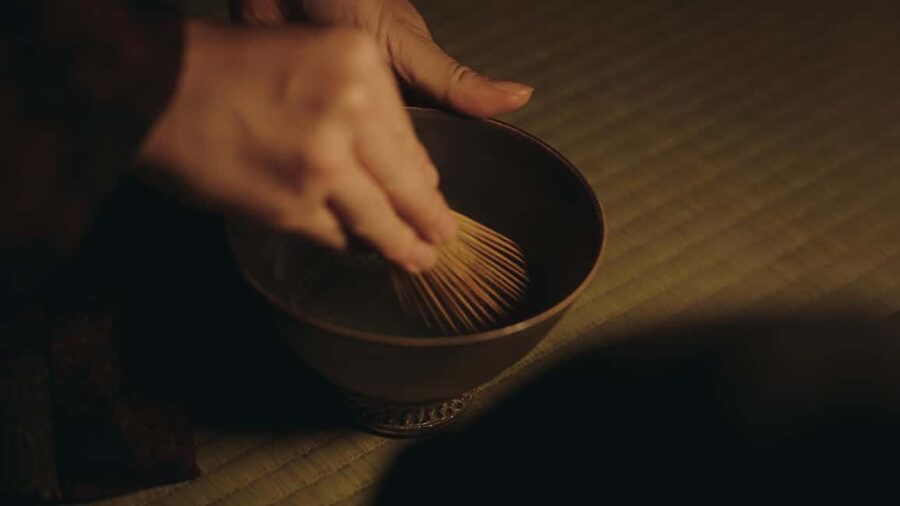
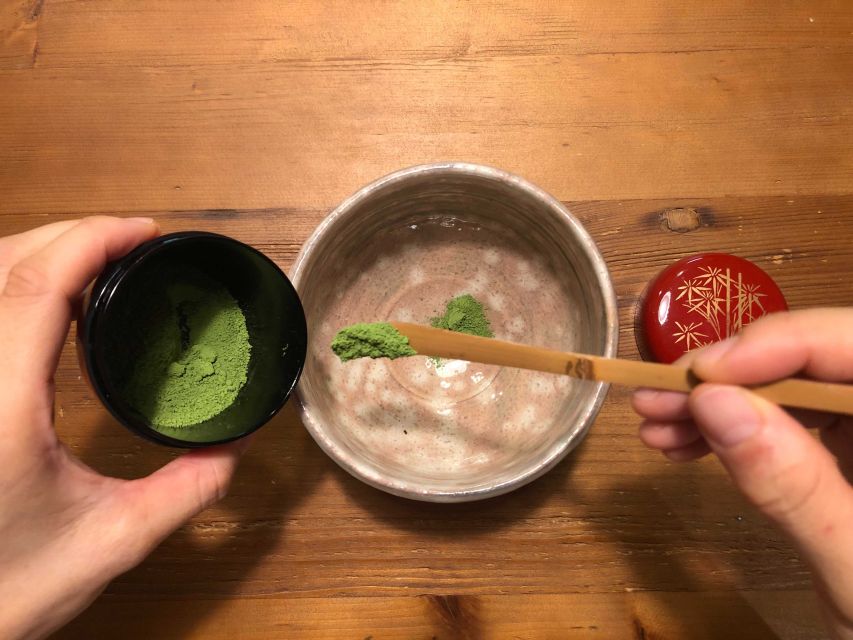
This is a workshop, not a lecture. After the guided introduction, you’ll make your own bowl of matcha. That’s the key difference between “tea tasting” and a tea ceremony experience. You don’t just consume the result—you learn the process that shapes the flavor and the feel of the ritual.
You’ll use authentic, handcrafted utensils made by skilled artisans. You might not know what to look for at first, but you’ll feel the difference in how the tools are used. Many people mention that the utensils and the matcha quality were noticeably high, and that the host gave detailed, step-by-step guidance while keeping things relaxed.
Here’s what you can realistically expect to practice during the 45 minutes:
- Learning how the host demonstrates each move
- Getting guided instruction as you create your own bowl
- Training your attention so you’re doing it calmly and correctly, not rushed
This “hands-on + calm guidance” is why the experience lands so well for first-timers. You get the satisfaction of doing it yourself, but you’re still not left to guess.
Quick practical note: the session is only 45 minutes, so even though you’re making your own matcha, you’re not going to spend an entire hour at a table with endless extra rounds. It’s focused, not drawn out.
Your cup: traditional sweet, then a peaceful moment to drink
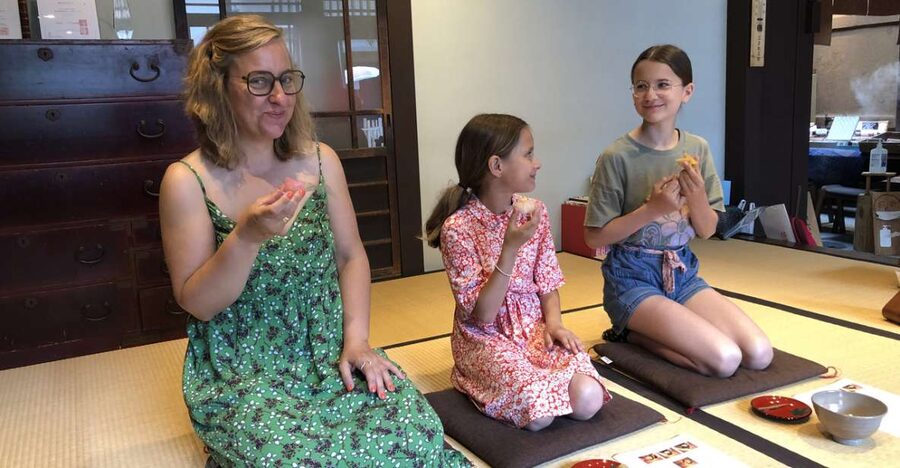
After you make the matcha, you’ll drink it—along with a traditional Japanese sweet. This pairing is built into the experience and is included in the price.
The goal isn’t a sugar-and-sip break. It’s a brief settling moment where you take in the aroma and taste the balance of matcha and sweet. People repeatedly describe the experience as soothing or meditative, especially during the demonstration portions. That makes sense: once you stop treating it like a snack stop and start treating it like a small ritual, you notice details.
You’ll also have a good window for questions before things wrap up. If you’re curious about what you just did—why the steps matter, what etiquette signifies, or how tea culture works beyond matcha—you’ll get chances to ask.
One consideration: because perfumes are discouraged and the venue is quiet, this may feel like a “slow your volume” activity. If your travel style is constantly on the go, plan to switch gears for a short period.
Timing, group size, and how to not stress about logistics
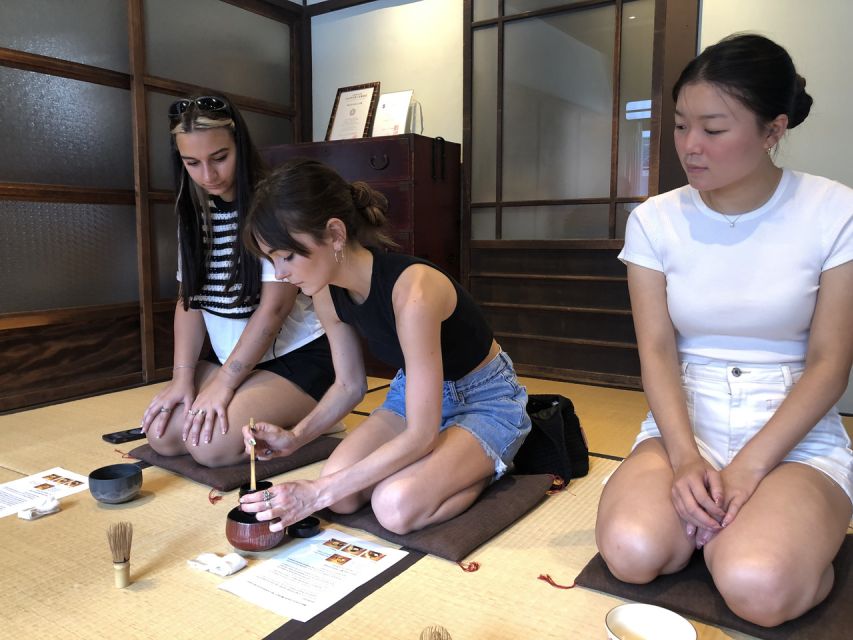
This workshop runs 45 minutes and is designed as a small group capped at 10 participants. That size is a big part of the value. It keeps your experience interactive—enough attention from the host, and enough comfort for hands-on practice without waiting forever for your turn.
The experience is English-led, and the host typically makes room for questions. That’s a big deal in Kyoto where many cultural activities assume you already know the basics.
Meeting point:
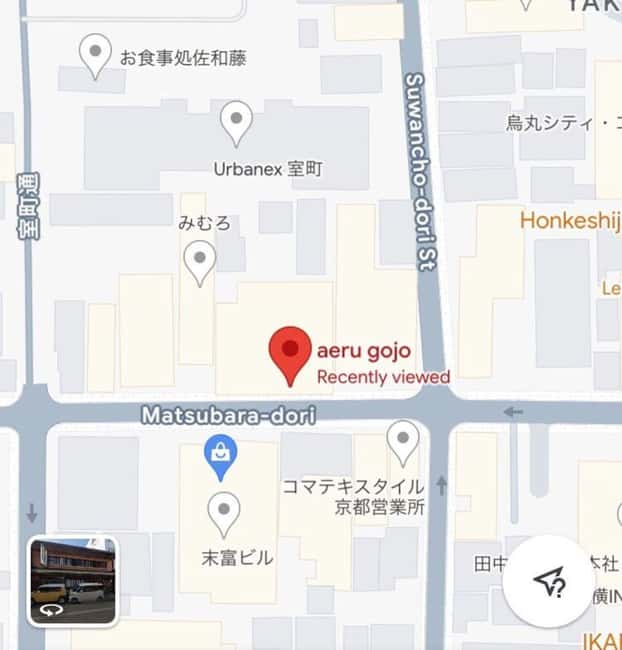
- If you’re coming from Karasuma-dori Street, turn at the corner with Family Mart.
- Walk straight for one block.
- Look for the sign for aeru gojo next to Only Corporation, across from Zen Kyoto.
There is no parking lot, so if you’re riding a rental bicycle, you’ll want to use public parking spaces. The closest one is linked in the activity info.
Arrival tip: you’re asked to arrive no earlier than 10 minutes before your scheduled time. Space is limited, and the venue isn’t suitable for eating, so arriving too early can make the wait awkward.
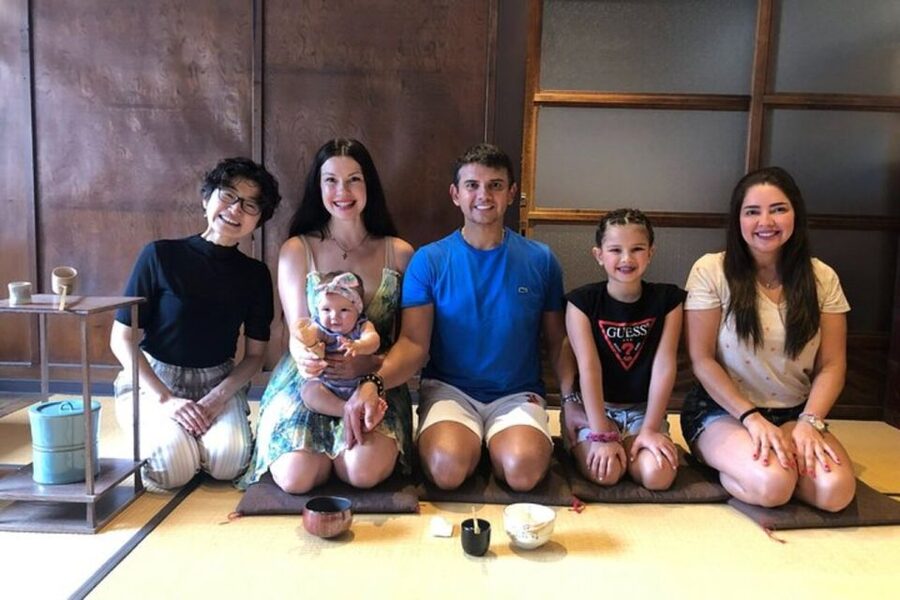
Good-to-know for families: several reviews mention kids enjoying the session, including children around early middle-school ages. That said, this is still a calm cultural workshop. If you’re bringing younger kids, you’ll want to be ready for a quiet environment and a structured pace.
Find another quiet garden to sit with in Kyoto

Price and value: why $45 can feel fair in Kyoto
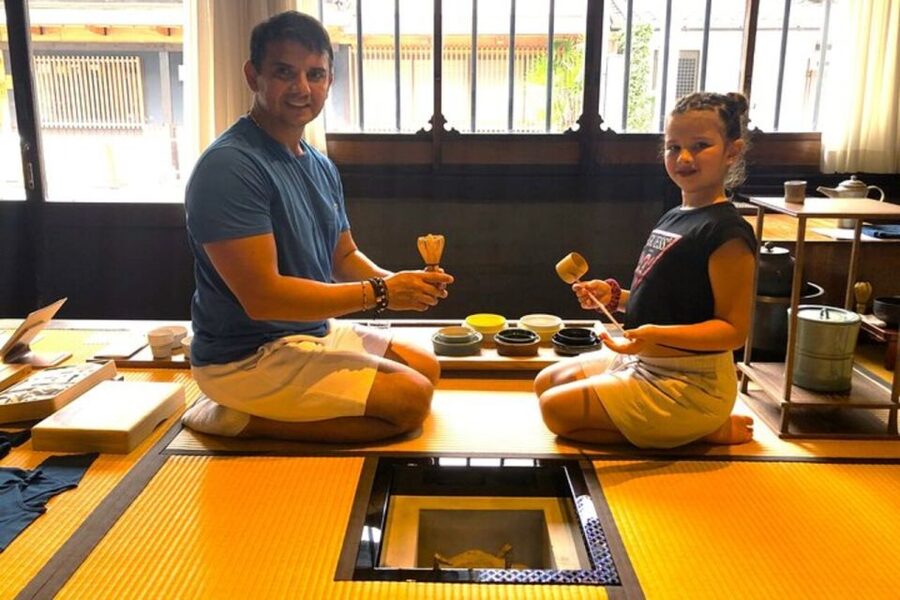
At $45 per person, this isn’t the cheapest thing you can do in Kyoto. But it also isn’t just “a cup of matcha and out.” You’re paying for four things that usually cost more separately:
- A guided tea ceremony taught in English, tied to a respected tradition (Omotesenke)
- Hands-on matcha making with authentic tools
- A real ceremony atmosphere in a traditional townhouse setting
- A small group format where your questions and turns matter
The included items are straightforward: tea ceremony experience, 1 cup of matcha, and Japanese traditional sweets. There’s no hidden “you’ll pay extra for the good part” feeling built into the package.
Also, the time is compact. Forty-five minutes sounds short, but for a tea ceremony, short can be better. You get the main idea without turning it into a half-day production.
Potential drawback on value: if you already know tea ceremony basics and you’re mainly after deep, multi-course ceremony practice, this may feel “intro level.” But for most visitors—especially first-timers—this is a solid, low-stress way to learn by doing.
Souvenirs and Japanese crafts you can take home
One of the nicest parts of this type of workshop is that the ceremony isn’t only an experience. You also get to bring something meaningful home—especially when the event includes access to Japanese crafts.
This workshop includes time to explore and take away items tied to the culture. Some reviews mention that tools and related items are available to purchase at the end. That means you’re not stuck buying random fridge magnets after the fact. You can look for items connected to matcha-making or tea culture itself.
If you enjoy crafts, this is a good match for your Kyoto day. It also makes the experience feel more complete: you learn the ritual, then you can choose a keepsake that actually connects to what you practiced.
Who should book this Kyoto matcha meditation workshop?
Book it if you want a Kyoto cultural activity that’s:
- Hands-on, not just watching
- Taught in English by a calm, question-friendly host
- Done in a small group (so you can actually participate)
- Centered on matcha, etiquette, and mindful tea preparation
It’s also a great fit for:
- First-time Japan visitors who want something authentic but not hard to navigate
- Solo travelers who want a guided experience without feeling awkward
- Couples who like shared calm activities
- Families with older kids who can enjoy a structured, quiet setting
It may not be ideal if you want:
- A long, food-heavy cultural meal
- A busy, entertainment-style show
- A kimono experience (kimono and hair setting are not included)
Should you book this tea ceremony?
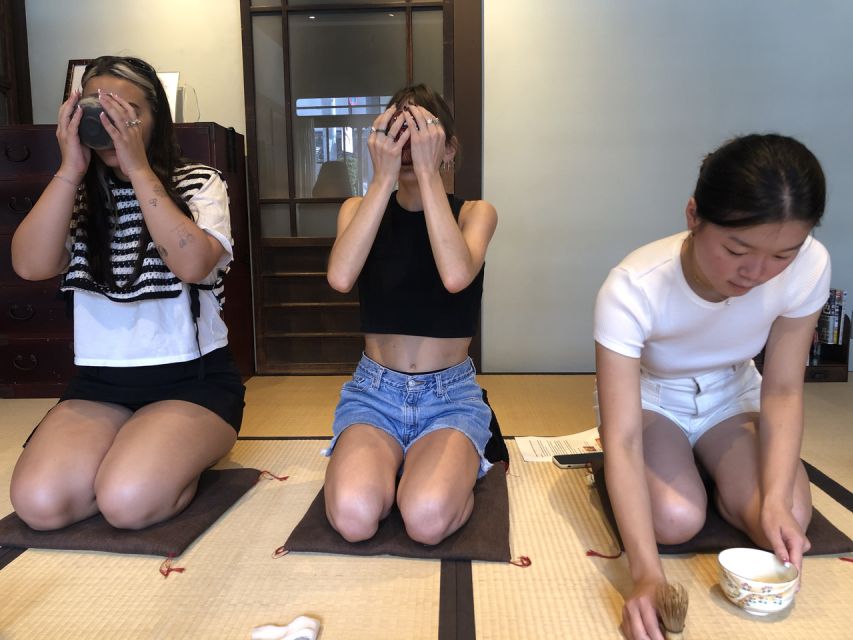
If you want a Kyoto experience that’s calm, practical, and genuinely cultural, I’d book it. The biggest reason is simple: you don’t leave with only photos. You leave with the feel of the steps—plus the satisfaction of making your own matcha with real, handcrafted utensils.
Choose this over a very generic “tea tasting” if your goal is to understand how matcha ceremony works and why people take the etiquette seriously. And because it’s small group, you’ll get more attention than you would in bigger mass tours.
Just go in with the right expectations: it’s a short session, it’s quiet, and it asks you to focus (no perfumes, no food/drinks, and you should arrive on time but not too early).
If that sounds like your kind of Kyoto day, this is a very good match.
FAQ
What is the duration of the Kyoto tea ceremony experience?
The experience lasts 45 minutes.
How much does this Kyoto matcha workshop cost?
It costs $45 per person.
What’s included in the price?
You get the tea ceremony experience, 1 cup of matcha tea, and Japanese traditional sweets.
Is kimono rental included?
No. Kimono and hair setting are not included.
Are food and drinks allowed during the session?
No. Food and drinks are not allowed, and the venue isn’t suitable for eating.
Where do I meet the group in Kyoto?
If you’re coming from Karasuma-dori Street, turn at the corner with Family Mart, walk straight for one block, and look for aeru gojo next to Only Corporation and across from Zen Kyoto.
More Tour Reviews in Kyoto

More Gardens and Quiet Corners

One More Bowl of Matcha

Just added: more Kyoto tours to browse




Kyoto Gardens & Zen Retreats, compared.
 ★ 5.0Kyoto Arashiyama Walking Tour: Bamboo, Monkeys, Gardens & SecretsFrom $651,216 reviews
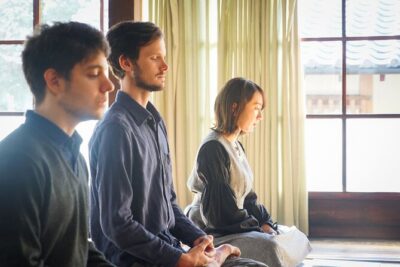 ★ 5.0Kyoto Zen Meditation & Garden Tour at a Zen Temple with LunchFrom $110441 reviews
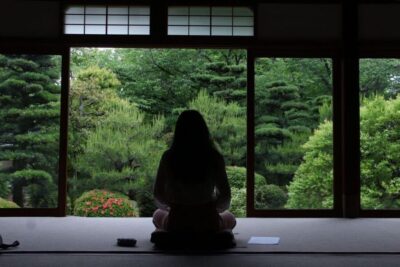 ★ 5.0Zen Experience in a Hidden TempleFrom $109437 reviews
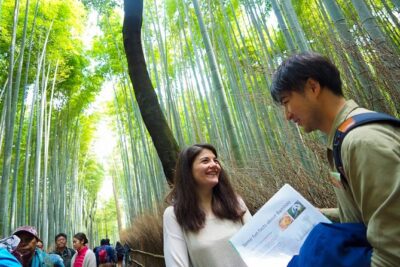 ★ 5.0Kyoto Arashiyama Bamboo forest & Garden Half-Day Walking TourFrom $129413 reviews
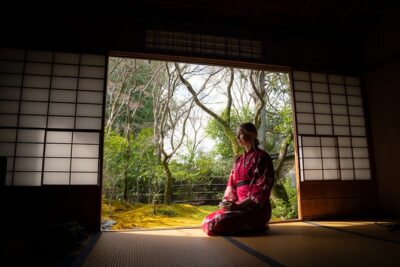 ★ 5.0Zen Meditation at a Private Temple with a MonkFrom $91202 reviews
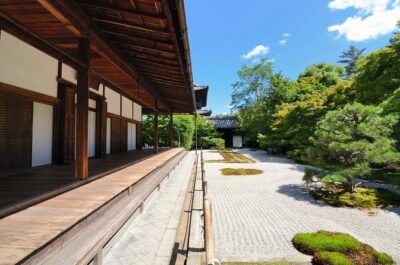 ★ 5.0Zen Garden, Zen Mind (Private)From $380126 reviews
 ★ 5.04.5-Hour Kyoto Bike Tour with Lunch and UNESCO Zen TemplesFrom $99122 reviews
 ★ 5.0Kyoto Kiyomizu Tea Ceremony with Scenic Garden ViewsFrom $50101 reviews
Browse the lists this tour appears in