
Reviewed · KIYOMIZU-DERA & HIGASHIYAMA TOURS
Kyoto Kiyomizu Tea Ceremony with Scenic Garden Views
Tea, quiet, and a real garden view. This Kyoto Kiyomizu tea ceremony pairs a serene teahouse setting with a front-row look at tea made with proper ritual, not shortcuts. And because it’s small-group (up to 12), you actually get the feel of the craft without jostling for sightlines.
I especially love that you taste authentic matcha prepared by a tea master, with guidance that explains what you’re seeing and why each step matters. Instead of only sipping in a café, you learn how to handle the tools and what the whisking is trying to achieve.
One note before you book: this experience is not recommended if you have foot and knee issues, since you’ll be sitting and moving in a traditional setting.
In This Review
- Key things to know before you go
- Kyoto Kiyomizu Teahouse Setting: Garden Views Without the Noise
- From Purification to Perfect Froth: What Happens During the Ceremony
- The Second Half: Wagashi Pairing and How to Taste Matcha
- Timing and Group Size: Why This Feels Personal
- Price and Value: Is $50.87 Worth It?
- Practical Logistics: Meeting at 阪口庵 and What to Bring
- Who This Suits Best (and Who Might Feel Uncomfortable)
- Should You Book This Kyoto Kiyomizu Tea Ceremony?
- FAQ
- How long is the tea ceremony?
- Where does the experience start?
- What’s included in the price?
- Is kimono rental included?
- Are video recordings included?
- What’s the maximum group size?
- What if the weather is bad?
Key things to know before you go
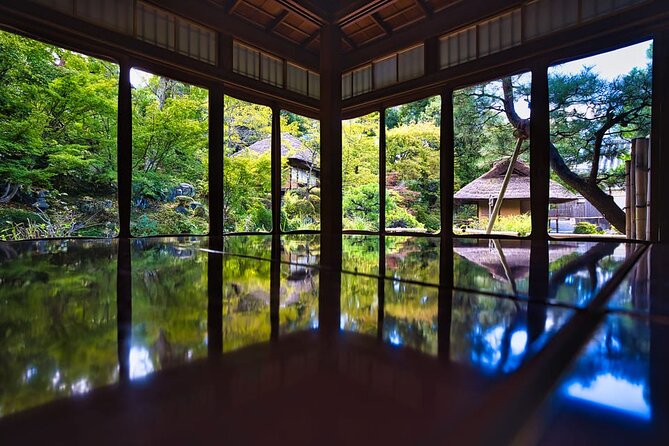
- SAKAGUCHIAN (阪口庵) teahouse: the ceremony happens in a classic spot with garden views from inside
- Matcha from scratch: you watch the tea master purify utensils and whisk the tea
- You get hands-on learning: instructions cover basic technique for using the bowl and making frothy matcha
- Two cups + wagashi: your tasting includes two matcha pours and traditional sweets
- Max 12 people: intimate pace with enough time for questions
- Photo included: you’ll have a picture without needing to play photo-herder
Kyoto Kiyomizu Teahouse Setting: Garden Views Without the Noise
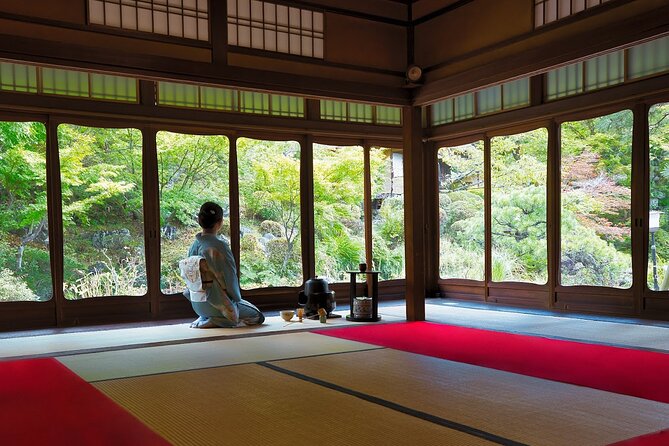
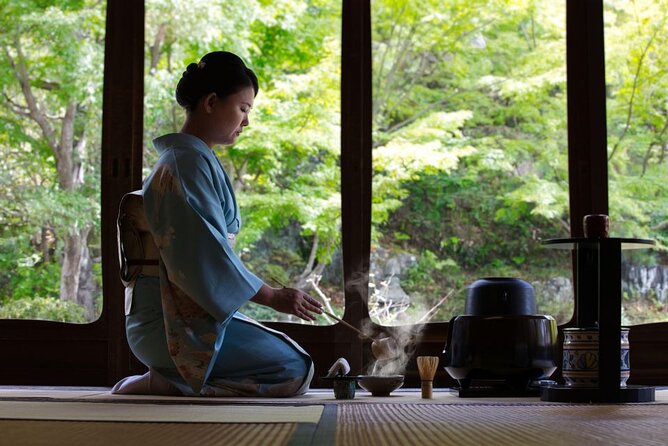
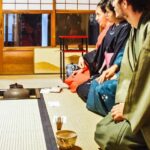
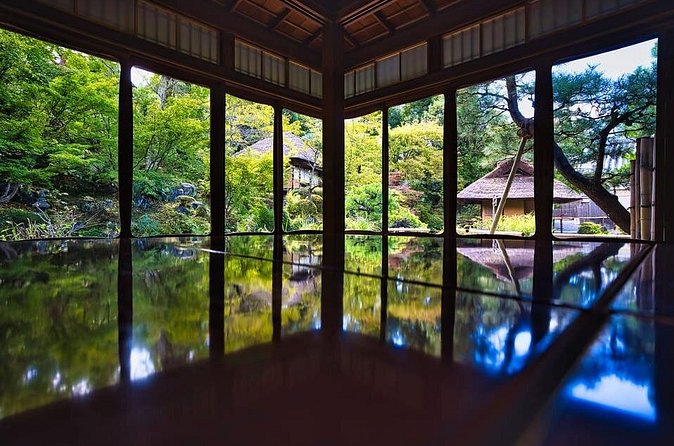
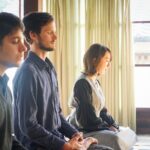
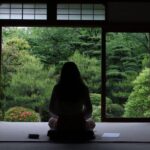
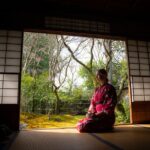
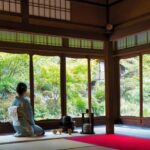
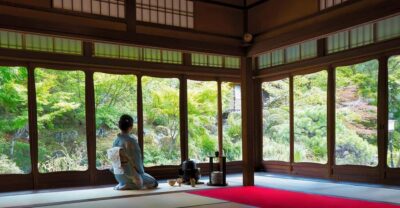
The big draw here is simple: you’re in a teahouse where the garden is part of the experience, not background wallpaper. The room uses big windows, so when the tea master starts the ceremony, you’re watching purposeful movements in the foreground while seasonal plants and stones do their quiet work outside.
I like that the pace feels deliberately slow. You’re not sprinting between photo spots. Instead, you settle in, learn the rhythm of the process, and let the whole moment land. It’s a great contrast to the nearby busy streets of Higashiyama—this feels like a calm pause button.
The setting matters because tea ceremony isn’t only about taste. It’s about attention: posture, timing, gestures, and the way people move around shared objects. When you’re in a room with a view, it’s easier to follow along and not feel like you’re trapped in a “tour bus version” of culture.
Keep climbing the Higashiyama slopes toward Kiyomizu-dera
From Purification to Perfect Froth: What Happens During the Ceremony
The ceremony follows a sequence that makes sense once you see it. You start by stepping into the tea room, where you can see the garden and get comfortable with the space. Then your host guides you through what you’re about to watch, so it doesn’t feel like a scripted performance with no meaning.
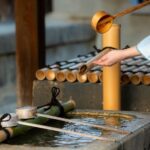
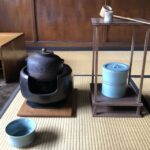
A key moment is the tea master’s ritual setup. You’ll see purifying steps with utensils before anything else happens. It sounds small, but it’s the kind of detail that changes the whole mood. You understand this is about respect for the tools, the guest, and the tea itself.
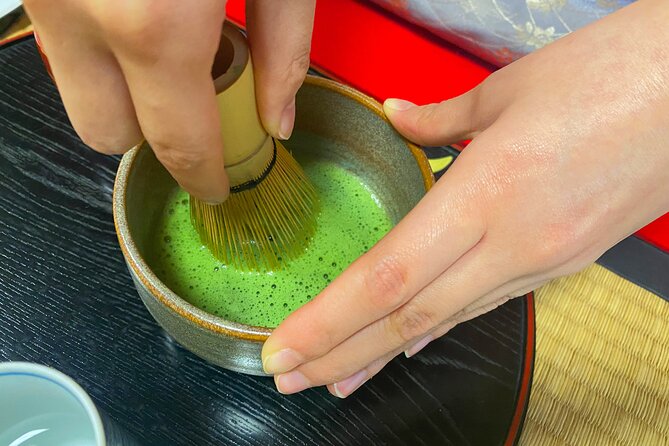
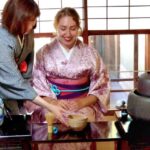
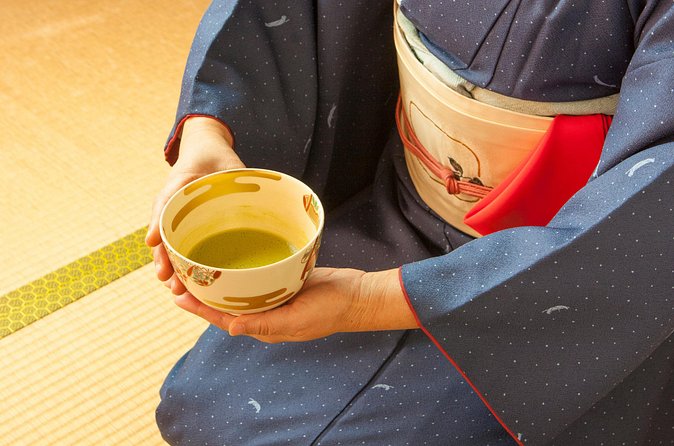
Next comes whisking vibrant matcha. The tea master performs each ritual movement with measured precision, and you get to watch the process closely. The goal of the whisking isn’t just making tea—it’s creating a proper froth and texture that suits the ceremony style.
Then you move from watching to doing. You’re taught the proper techniques passed down through generations, including how to handle the tea bowl and how to create that frothy matcha in your own attempt. You’re not expected to become a tea master in 45 minutes, but you do leave understanding what you’re aiming for when you whisk.
If you’ve only tried matcha as a drink that tastes like something minty-sweet, this is the correction. You learn that the look (color and foam), the movement, and even the bowl handling are all part of the flavor and etiquette.
The Second Half: Wagashi Pairing and How to Taste Matcha
After the matcha-making steps, your session finishes with traditional Japanese sweets—wagashi—paired with your matcha. This is where the experience shifts from technique to enjoyment. The sweets are served along with your cups, so you’re tasting as the ceremony progresses rather than after everyone leaves.
The pairing matters because wagashi isn’t random dessert. It’s chosen to complement the matcha experience—sweetness that doesn’t overpower, textures meant to balance the tea. You’ll also be guided through how to enjoy what you’re eating and drinking in a way that fits the ceremony.
You get two cups of matcha in total. That’s important value-wise. Many short tea demos give you one sip and move on. Here, you have a chance to compare the flow of the ceremony: first cup as the master performs, second cup with your own learned approach.
And yes, it’s delicious. The matcha is described as lovely and authentic, and the whole thing feels calm enough that you can actually taste instead of rushing to get your next photo.
Timing and Group Size: Why This Feels Personal
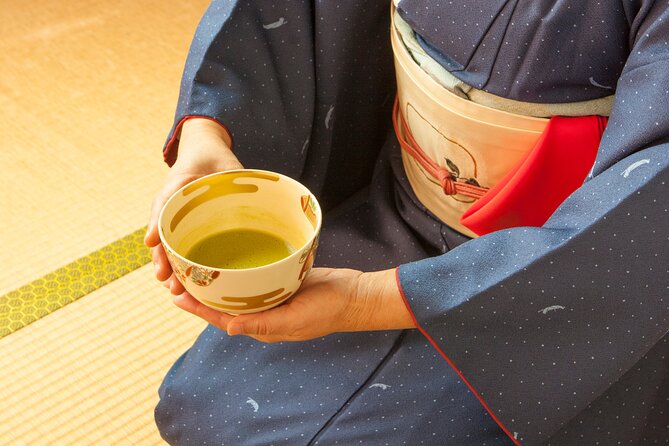
The ceremony runs about 45 minutes (approx.), and it works because it’s structured. You’re not stuck for hours, waiting for a long lecture, and you still get the full cycle: setting, explanation, watching, doing, then sweets and tasting.
Group size is where the experience really earns its reputation. With up to 12 travelers, you’re close enough to see the utensils and bowl work clearly. It also means the host can keep the tone intimate. Questions don’t get swallowed by a crowd.
In practice, this matters because tea ceremony has a lot of small visual cues. Where you place your hands, how you receive or hold the bowl, and the timing of each step—those details are hard to learn when you’re far away. A small group makes a big difference.
There’s also time to get context. Hosts explain the history and symbolism in a way that’s useful, not just decorative trivia. And when you’re interested, you can ask questions without feeling like you’re derailing the schedule.
Price and Value: Is $50.87 Worth It?
At $50.87 per person for a roughly 45-minute small-group ceremony, you should judge the value by what’s included and what you learn.
Here’s the value math:
- You get two cups of matcha
- You get wagashi
- You get a photo
- You receive guided instruction on how the ceremony works and how to perform key steps (like handling the tea bowl and whisking for froth)
Most “matcha experiences” in tourist areas cost about the same or more, but you’re often just a passive sipper. This is different because you’re learning the process from the tea master and participating in it. Even if you don’t end up perfect at whisking, you leave with real technique and a better sense of what makes matcha special.
The one caution on value is timing. Some people felt it was brief for the price, because you only scratch the surface of a much deeper tea tradition. That’s fair. If you’re hoping for a multi-hour class with deep study, this isn’t that. But if you want a high-quality snapshot that you can actually remember and repeat at home, it’s a strong trade.
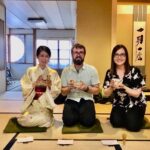
Sit for another bowl of matcha in a Kyoto tea house

Practical Logistics: Meeting at 阪口庵 and What to Bring
You meet at Tea ceremony SAKAGUCHIAN(茶道体験 阪口庵), located at 3-chōme-334 Kiyomizu, Higashiyama Ward, Kyoto (605-0043). The good news: the activity ends back at the meeting point, so you’re not left trying to figure out where the group is headed after the ceremony.
You’ll receive confirmation at booking, and you’ll use a mobile ticket. That’s straightforward, and it helps when you’re moving around Kyoto with limited time.
What should you bring?
- Wear comfortable clothing you can sit in.
- If you’re offered guidance around socks or foot comfort, follow it. One practical tip that comes up is to bring or wear socks, because you’ll want your feet comfortable during the sitting tradition.
- If you plan on lots of photos, don’t stress. A photo is included, and the ceremony setting makes it easy to get a memorable shot without turning the event into a selfie marathon.
What’s not included:
- Kimono rental
- Video recording
So if you want a full costume look, you’ll need to arrange that separately. If you want video footage for later study, you’ll have to rely on photos and your own memory.
Also, the experience requires good weather. If it’s canceled due to poor weather, you’ll be offered a different date or a full refund.
Who This Suits Best (and Who Might Feel Uncomfortable)
This experience is a great match if you want a calm, structured cultural moment in Kyoto. It works particularly well if:
- you like Japanese traditions and want the “why,” not just the “what”
- you enjoy small-group activities
- you want to see skilled technique up close
- you’d like a change of pace from walking street after street
It also suits people who like learning by watching and then trying. The ceremony includes you making matcha yourself, with instruction on the key parts of the process.
But if you have foot and knee issues, skip it. The experience specifically says it’s not recommended for those problems. Even if you’re okay standing, the traditional sitting and posture can be the issue. This is one time when “I’ll try anyway” can become a miserable plan—better to choose a different activity.
Should You Book This Kyoto Kiyomizu Tea Ceremony?
My take: book it if you want a high-quality tea moment with real craft and garden serenity, without turning Kyoto into another line you have to wait in. The small group size, the tea master’s precise movements, and the fact that you taste two cups plus learn key technique make it feel more worthwhile than most quick demos.
Skip it if you need video recording, want a kimono as part of the package, or can’t comfortably handle traditional sitting because of foot/knee concerns.
If you’re on the fence, use this decision rule: if you’d enjoy watching matcha being whisked properly and you like structured cultural instruction, you’ll likely leave happy. If you only want a casual snack and don’t care about technique, you might find the time short for the price.
Either way, it’s one of those experiences that makes Kyoto feel like Kyoto—quiet, attentive, and genuinely different from the busy streets outside the teahouse doors.
FAQ
How long is the tea ceremony?
It’s listed at about 45 minutes (approx.).
Where does the experience start?
You meet at Tea ceremony SAKAGUCHIAN(茶道体験 阪口庵), 3-chōme-334 Kiyomizu, Higashiyama Ward, Kyoto, 605-0043, Japan.
What’s included in the price?
The experience includes 2 cups of matcha, wagashi (traditional Japanese sweets), and a photo.
Is kimono rental included?
No, kimono rental is not included.
Are video recordings included?
No, video recording is not included.
What’s the maximum group size?
The group is limited to a maximum of 12 travelers.
What if the weather is bad?
This experience requires good weather. If it’s canceled due to poor weather, you’ll be offered a different date or a full refund. You can cancel for a full refund up to 24 hours in advance.
More Gardens and Quiet Corners

One More Bowl of Matcha
More Along the Higashiyama Slopes

Just added: more Kyoto tours to browse




Kiyomizu-dera & Higashiyama Tours, compared.
 ★ 4.9Tea Ceremony in a Traditional Tea House in KiyomizuFrom $493,519 reviews
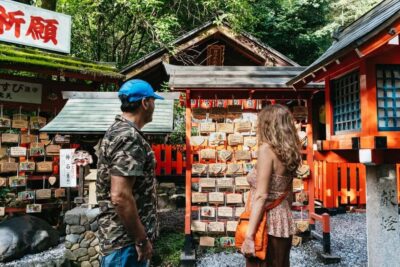 ★ 4.7Nijo Castle, Kiyomizu & Fushimi Inari Guided TourFrom $54700 reviews
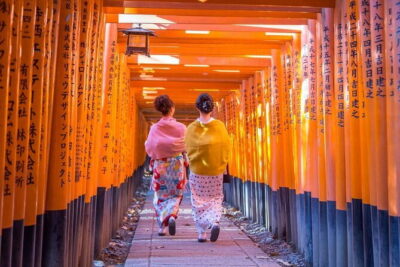 ★ 5.0Nijo, Kinkaku-ji, Arashiyama, Kiyomizu & Fushimi InariFrom $51699 reviews
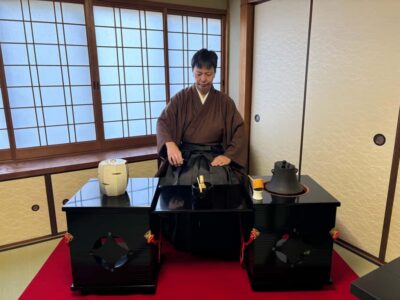 ★ 4.8Kyoto Ninenzaka: Tea Ceremony in Old Townhouse with ChairsFrom $21215 reviews
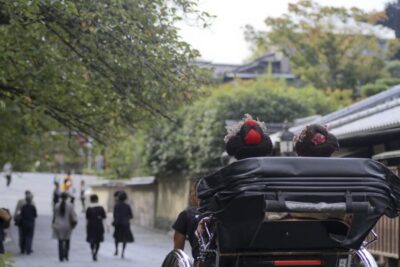 ★ 5.0Private Rickshaw Tour of Gion and Higashiyama AreaFrom $51144 reviews
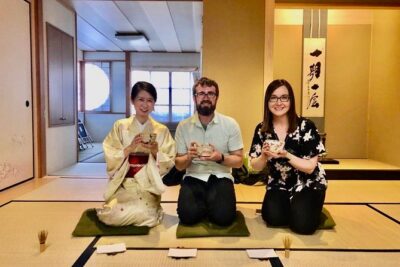 ★ 5.0Kyoto Tea Ceremony & Kiyomizu-dera Temple Walking TourFrom $109115 reviews
 ★ 4.7Kimono/Yukata Rental 5 Minute from Kiyomizu-deraFrom $1989 reviews
 ★ 5.0Kyoto Ninenzaka : Japanese Calligraphy Class in TownhouseFrom $4959 reviews
Browse the lists this tour appears in