
Reviewed · KYOTO GARDENS & ZEN RETREATS
Kyoto Arashiyama Bamboo forest & Garden Half-Day Walking Tour
Bamboo in Kyoto can be chaos—this isn’t. You’ll get a small-group Arashiyama walk that threads bamboo scenery with temple gardens, guided stops, and a calmer pace than the usual bamboo-forest stampede. I like the way the route mixes the famous stuff with quieter places like Hokyoin and Okochi Sanso.
What I really love is the included lunch that feels like Kyoto, not a rushed sandwich. Second: you’re not just looking at sights; you get context from guides, plus matching tea-time with a matcha drink and snack, and even tour photos after so you can actually keep your eyes on the grounds.
One thing to weigh: this tour is a serious walking day, and it’s not recommended if you have mobility challenges.
In This Review
- Key things that make this Arashiyama bamboo tour worth it
- Small Group Arashiyama Walk: Why Max Seven Matters
- Hokyoin Garden Stop: A Quiet Kyoto Mood Before the Main Sights
- Sagaogurayama Donomaecho: Where the Side Streets Do the Work
- Bamboo Forest Street: Best Way to Enjoy the Photos Without Losing Your Mind
- Okochi Sanso Garden: A Calm Pause That Feels Worth Slowing Down
- Tenryu-ji Temple: Zen Gardens and Painted Meaning
- Togetsukyo Bridge Lunch: River Views and a Proper Kyoto Meal
- The Ending Near Togetsu-kyo: Shopping With Less Stress
- Price and Value: What You’re Paying For (and What You’re Not)
- What the Included Photos and Matcha Actually Do for Your Day
- Pace, Walking Distance, and Shoe Advice
- Who Should Book This Arashiyama Bamboo Tour
- Should You Book It?
- FAQ
- How long is the Kyoto Arashiyama bamboo forest and garden walking tour?
- What is the group size for this tour?
- Is lunch included, and can you accommodate dietary needs?
- Are temple and garden entrance fees included?
- Will I get photos from the tour?
- Is this tour suitable for people with mobility issues?
Key things that make this Arashiyama bamboo tour worth it
- Max 7 people keeps the walk manageable and makes it easier to ask questions
- Temple and garden entry fees included for the main cultural stops
- Kyoto-style lunch included near Togetsukyo, so you’re not budgeting a meal mid-walk
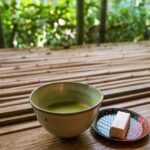
- Matcha drink + tea ceremony snack breaks the day at a good rhythm
- Photo support during the tour means fewer awkward camera moments
- Focused Arashiyama route beyond the bamboo grove: gardens, Zen space, bridge views, and souvenir streets
Small Group Arashiyama Walk: Why Max Seven Matters
Arashiyama is famous for a reason, but that also means crowds. This tour’s biggest practical win is the group size capped at seven, which changes the whole feel of the day. In a big pack, you spend time weaving, waiting, and guessing where your guide went. In a small group, you get steadier pacing and easier navigation between spots that are close on a map but not close when you’re following a guide through lanes, steps, and temple paths.
You’ll start near Sagatenryuji Station at the north exit taxi stand area. It’s a clear meeting point, close to public transport, and that matters because arriving smoothly lets you enjoy the first stops instead of rushing through them. With a small group, the guide can also slow down when someone wants a better look at a garden detail, a painted panel, or a view back toward the river.
Deeper into Arashiyama, past the bamboo and the Hozu river

Hokyoin Garden Stop: A Quiet Kyoto Mood Before the Main Sights
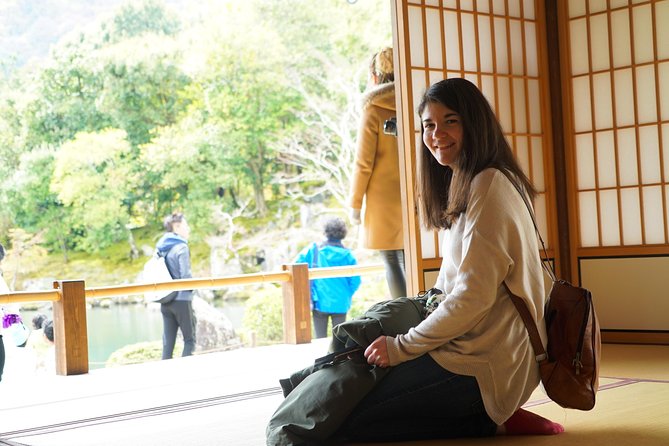
The day begins at Hokyoin, a hidden-feeling garden space with an authentic Kyoto atmosphere. This is a good opener because it sets the tone: you’re not immediately thrown into bamboo crowds and souvenir noise. Instead, you ease into the idea of Kyoto gardens as places designed for strolling attention—paths that guide your eyes, corners that feel like they’re meant for a pause.
Expect about 15 minutes here. That short time can be a drawback if you love gardens and want lingering time, but it’s also smart planning. The tour keeps momentum so you can reach Tenryu-ji and bamboo without feeling like the day got chopped into micro-stops.
The practical tip: wear shoes you trust for stone paths and small changes in elevation. Even “short” garden visits can involve a surprising amount of walking on foot-friendly-to-not-so-foot-friendly terrain.
Sagaogurayama Donomaecho: Where the Side Streets Do the Work
After Hokyoin, you’ll head through Sagaogurayama Donomaecho for about an hour. This is where the tour starts to feel like Arashiyama lived-in, not curated for photo-only moments. You get time in a local-feeling neighborhood stretch, plus chances to spot details that you’d likely miss if you only chased the bamboo grove.
One of the easiest wins of having a guide here is interpretation. Arashiyama is full of small signs, narrow passages, and crafts that look similar to the untrained eye. With commentary, you start connecting the dots: why this area has certain temple and garden traditions, how the district’s layout supports strolling, and what to look for when you’re moving through these older lanes.
This stop also helps you avoid the classic trap of arriving at the most famous photo location and then spending the rest of your day trying to “catch up” on everything else you skipped.
Bamboo Forest Street: Best Way to Enjoy the Photos Without Losing Your Mind
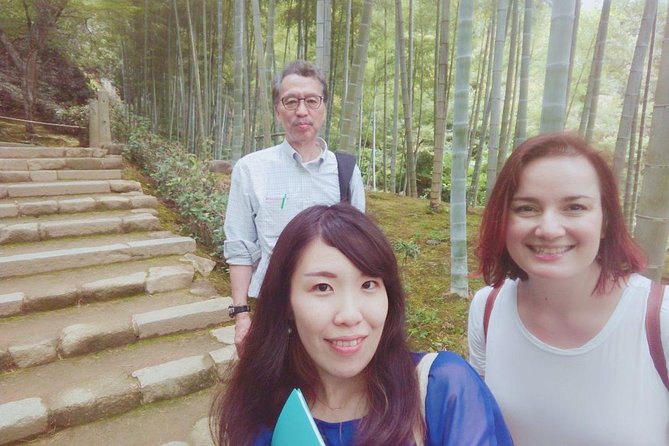
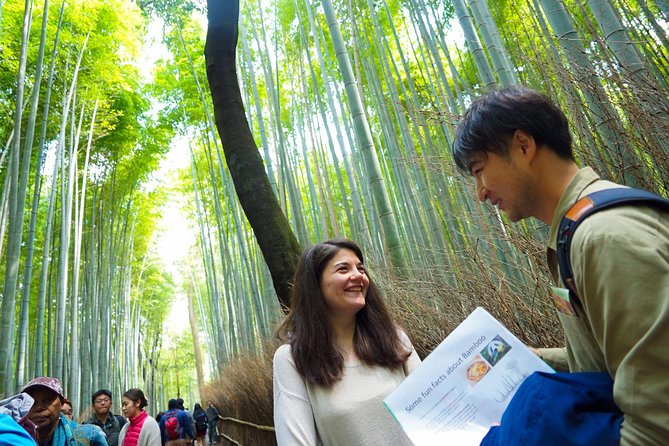
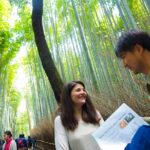
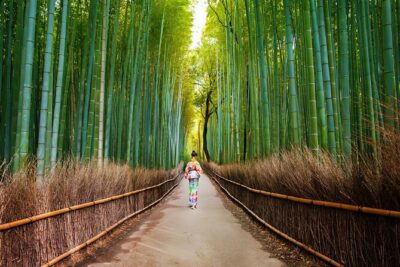
Yes, you’ll see bamboo forest scenery. The tour includes a stop for Bamboo Forest Street around 15 minutes, with time for pictures. Here’s what I like about doing bamboo as part of a guided route instead of as a solo checklist item: you’re more likely to spend that short window understanding where to stand, how to frame the view, and what the bamboo space means in Kyoto’s landscape culture.
The drawback is also simple: bamboo is the star, but it’s only a short stop. If bamboo is your number-one priority and you want long, unbroken wandering time, you might feel like you could go deeper on your own afterward. On the other hand, this format prevents the common bamboo mistake: arriving late, spending ages in crowd flow, and losing your energy.
My practical advice for bamboo photos: keep your camera ready, but don’t obsess over the perfect frame. In a crowded and fast-moving area, the best-looking shots often come from quick timing and changing angles, not waiting forever.
Okochi Sanso Garden: A Calm Pause That Feels Worth Slowing Down
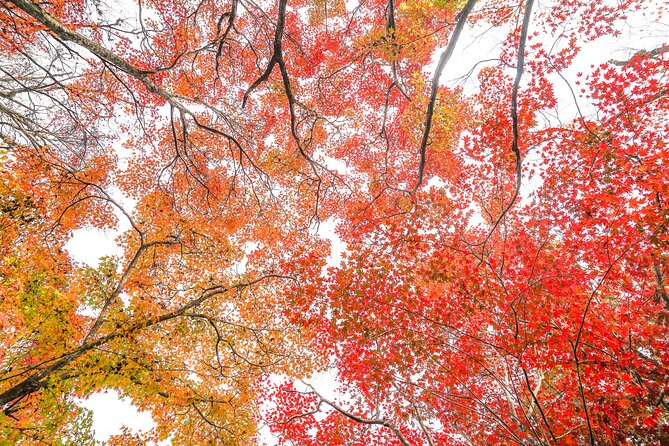
Next up is Okochi Sanso Garden, about 45 minutes. This is a longer stop, and it’s one of the reasons the tour feels balanced. Bamboo and bridge views are great, but garden time is where Kyoto’s atmosphere sinks in.
This garden stop matters because it gives you room to look beyond the obvious. Gardens here are built for viewing from paths and terraces, with sightlines designed to create shifting compositions. Even if you’re not a garden expert, a guide’s commentary helps you notice the “why” behind what you’re seeing. You start looking at how plants and structures shape sight, how Zen influence expresses itself in garden design, and why certain water or stone features change the mood.
You may want to take a few slow steps away from the most obvious photo points. If everyone else is facing the camera, you’ll often get better results by stepping into the guide’s recommended viewing angle.
Find another quiet garden to sit with in Kyoto

Tenryu-ji Temple: Zen Gardens and Painted Meaning
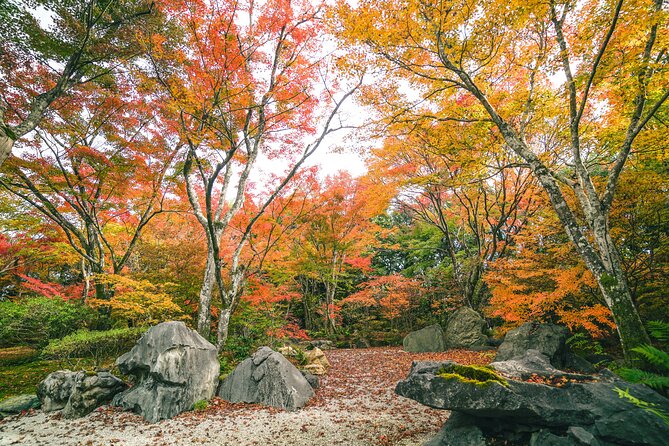
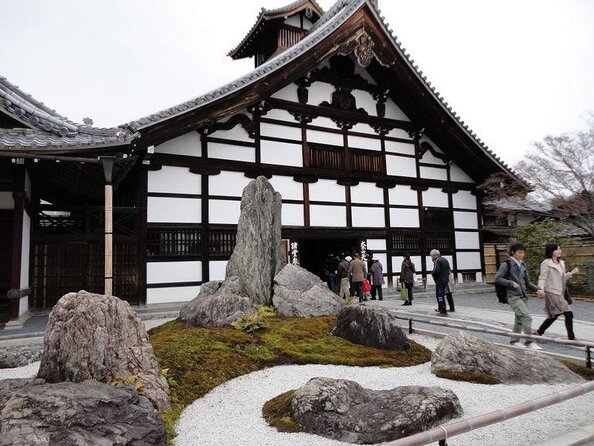
Tenryu-ji Temple is a centerpiece of the tour and a world heritage site. You’ll spend about 30 minutes here with a guide’s commentary, including time to enjoy Japanese gardens and Zen paintings.
This is the stop where having someone explain what you’re seeing really pays off. Zen paintings and garden design can look like “pretty art” if you don’t know what to look for. With guidance, you’re better equipped to notice how the artwork relates to the garden space and how the temple’s cultural role shows up in visual details.
Also: Tenryu-ji is one of those places where you benefit from calm. You don’t want to rush. The tour schedule gives you a half-hour window, which may not feel long if you want museum-style time, but it does prevent the day from stretching into exhaustion. In Kyoto, that’s a real value.
And because this tour visits Buddhist and Shinto facilities, be ready for the practical etiquette side. Wear respectful clothing that covers shoulders and knees, and treat the quiet spaces like… well, quiet spaces.
Togetsukyo Bridge Lunch: River Views and a Proper Kyoto Meal
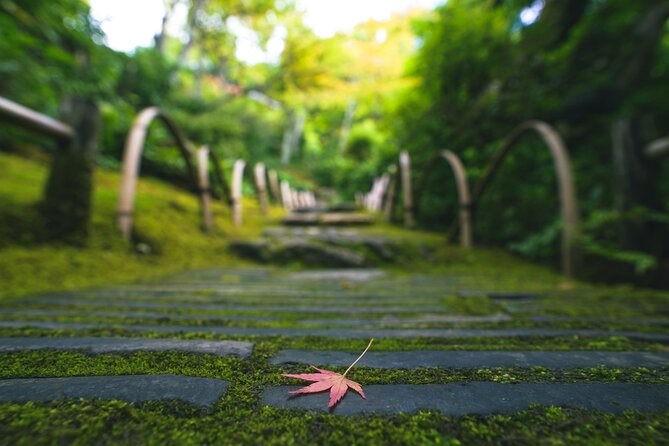
You’ll lunch near Togetsukyo Bridge, and this is included. The time block is about an hour. Having lunch at this stage is smart: you’ve hit bamboo and gardens earlier, and you now get a break before the final temple segment and your walk-end by the bridge area and souvenir streets.
The meal itself is positioned as Kyoto-style, with matcha drink plus snack also included elsewhere in the day. That matters because Kyoto lunches often feel like part of the cultural experience, not fuel for the next stop. You’ll also have options for vegetarian/vegan and gluten-free, but availability is limited and you need to request it at least one day before the tour.
A quick reality check: limited dietary options can mean you need a backup plan if your request isn’t available. If you have serious allergies, the tour notes you can’t guarantee allergy-free meals because the kitchen isn’t owned by the tour operator. Plan accordingly.
The Ending Near Togetsu-kyo: Shopping With Less Stress
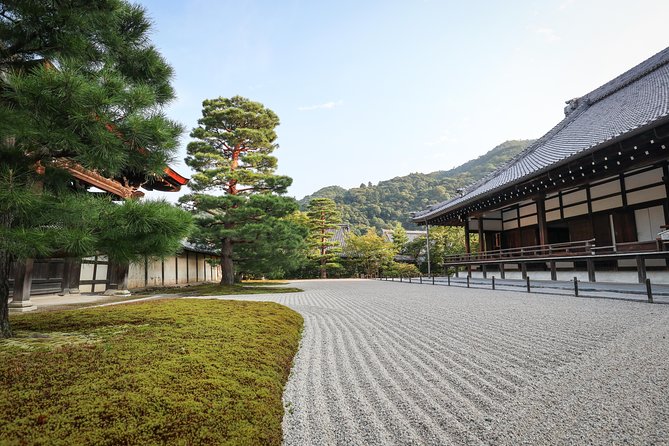
The tour finishes near Togetsukyo Bridge after about 20 minutes of wrap-up time. You’ll end around the main souvenir street area, and where exactly you land can shift based on the lunch restaurant location.
This ending is a practical design choice. Arashiyama’s shopping streets are best after you’ve already seen the big sights, not before. You’ll have context for what you’re shopping for, and you’re less likely to feel like you’re chasing everything at once while you’re still tired.
If you want extra time, use the bridge area as your decompression zone. Even if you don’t shop much, it’s a good place to watch the river movement and sort your day into what you loved most.
Price and Value: What You’re Paying For (and What You’re Not)
At $129.33 per person for about five hours, the big question is whether this is “worth it.” Here’s how I’d judge it.
You’re paying for:
- a certified guide (with tour photos added)
- entrance fees covered for two temples and one Japanese garden
- lunch included near Togetsukyo
- matcha drink plus a tea ceremony snack
If you were doing this on your own, the costs would quickly add up: temples and gardens each have entry fees, lunch near key sights isn’t cheap, and you’d still be paying for transportation and time. The value here is less about saving a few dollars and more about buying a smoother experience. With fewer people and a guide’s pacing, you also reduce the mental load of deciding what to do next and where the best viewpoints are.
What you’re not paying for:
- extra foods and drinks beyond what’s included
- any upgrades you might want on your own
For many people, this tour hits a sweet spot: you get structured culture time plus a real meal, without turning the day into a marathon of solo ticket lines.
What the Included Photos and Matcha Actually Do for Your Day
Let’s be honest: cameras can steal time. This tour includes photos during the walk, provided after, and that’s more than a nice perk. It means you can spend your attention on the gardens and temples instead of constantly stepping aside for self-timer shots.
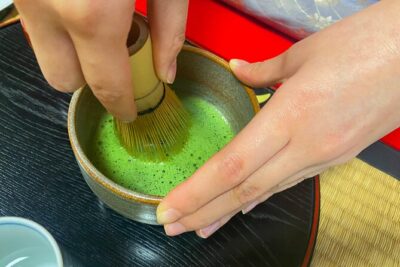
The matcha drink and tea ceremony snack are also positioned well. A tour can feel like a checklist: walk, look, move on. The matcha break gives you a moment to sit, cool down, and reset your focus. Even if you’re not a matcha fanatic, it’s a Kyoto-style pause that makes the day feel more intentional.
If you’re traveling in summer heat, that reset matters. The tour also warns that Japan’s weather has become more extreme, with summer highs reaching 40°C (104°F) and winter lows dropping to -5°C (23°F). Bring appropriate layers and hydration, because this is still a walking tour even with breaks.
Pace, Walking Distance, and Shoe Advice
Even though the tour is listed as about five hours, your feet do a lot of work. One person described it as close to 28,000 steps, which matches the feeling of moving between Arashiyama spots by foot while navigating garden paths and temple walkways.
So here’s my straightforward advice: wear shoes you’ve used before. No new sneakers. No delicate sandals. If your shoes are slightly broken in, your feet will thank you, especially after bamboo + gardens + bridge area strolling.
This tour is not recommended for people with mobility issues. If you need a low-walking alternative, you’ll likely get more comfort and less stress with a private option instead.
Who Should Book This Arashiyama Bamboo Tour
This tour is a great fit if you want:
- a small-group Kyoto experience that’s not just bamboo photos
- temple and garden interpretation with a guide
- an included lunch near Togetsukyo instead of figuring it out mid-walk
- guided pacing that prevents you from rushing the quiet parts
It may be less ideal if:
- bamboo is your only priority and you want hours of wandering with no structure
- you struggle with lots of walking and uneven paths
- you need guaranteed allergy-free meals (the tour can’t promise that)
If you’re on a first visit to Kyoto, this is also a strong choice because Arashiyama can feel confusing if you only follow the headline attractions. The route gives you a fuller picture of how temples, gardens, and the district layout connect.
Should You Book It?
I’d book it if you want a guided Arashiyama day that balances famous sights with quieter garden time, and you value having entrance fees, lunch, and matcha already handled. The max-seven group keeps things human, and the guide commentary helps you move past seeing and into understanding.
I’d skip or rethink it if you have limited mobility, or if you know you’ll get restless in a five-hour structure and prefer total freedom. In that case, a more flexible self-guided approach might suit you better.
If your goal is to enjoy Arashiyama without turning it into a chaotic endurance test, this tour’s format is built for exactly that.
FAQ
How long is the Kyoto Arashiyama bamboo forest and garden walking tour?
The tour lasts about 5 hours.
What is the group size for this tour?
The tour has a maximum of 7 travelers.
Is lunch included, and can you accommodate dietary needs?
Yes, lunch is included and the tour offers vegetarian, vegan, and gluten-free options, but availability is limited. You should request dietary needs at least one day before the tour.
Are temple and garden entrance fees included?
Entrance fees are included for 2 temples and 1 Japanese garden.
Will I get photos from the tour?
Yes. Tour photos are provided after the experience.
Is this tour suitable for people with mobility issues?
The tour is not recommended for people with mobility issues. If walking is difficult for you, a private tour is suggested.
More Tour Reviews in Kyoto





More Gardens and Quiet Corners
More of Arashiyama and Sagano

Just added: more Kyoto tours to browse








Kyoto Gardens & Zen Retreats, compared.
 ★ 5.0Kyoto Arashiyama Walking Tour: Bamboo, Monkeys, Gardens & SecretsFrom $651,216 reviews
 ★ 5.0Kyoto Zen Meditation & Garden Tour at a Zen Temple with LunchFrom $110441 reviews
 ★ 5.0Zen Experience in a Hidden TempleFrom $109437 reviews
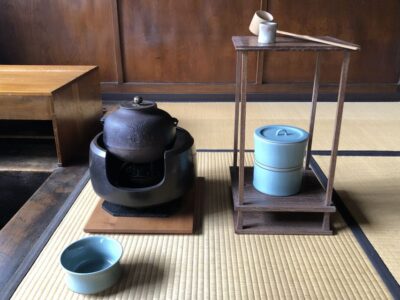 ★ 4.8Tea Ceremony Meditation – Make Matcha with Tea MasterFrom $45406 reviews
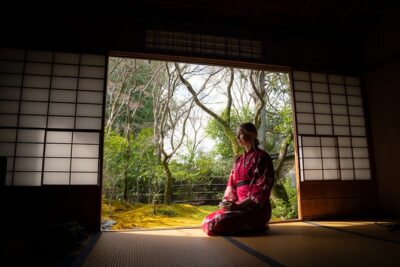 ★ 5.0Zen Meditation at a Private Temple with a MonkFrom $91202 reviews
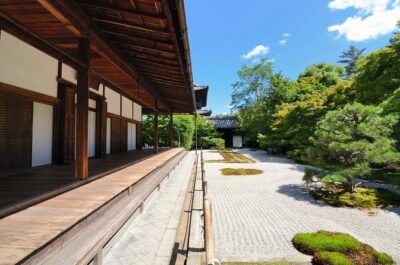 ★ 5.0Zen Garden, Zen Mind (Private)From $380126 reviews
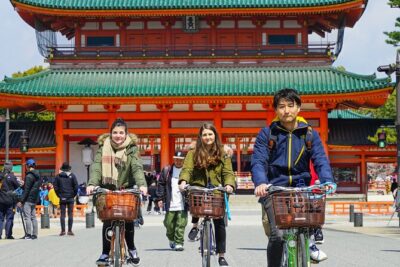 ★ 5.04.5-Hour Kyoto Bike Tour with Lunch and UNESCO Zen TemplesFrom $99122 reviews
 ★ 5.0Kyoto Kiyomizu Tea Ceremony with Scenic Garden ViewsFrom $50101 reviews
Browse the lists this tour appears in