
Reviewed · KYOTO CRAFT & CALLIGRAPHY WORKSHOPS
Kyoto: Urushi Lacquer Factory Tour with Chopstick Workshop
Urushi lacquer is stranger than it sounds. This Kyoto tour turns that craft into a private, guided walkthrough of how lacquer is refined, plus a hands-on chopstick workshop you’ll finish and take home.
Two things I really like: first, the way the tour connects urushi to real Japanese life, from traditional tools to modern uses like surfboards and bicycles. Second, the workshop is practical, not just watch-and-learn, and the guide (Mayu) patiently takes you through the steps of using urushi, so your chopsticks don’t feel like a random souvenir.
One drawback to plan for: you need clothes that can get dirty, and the workshop isn’t described as wheelchair-friendly.
In This Review
- Key highlights worth carving out time for
- Tsutsumi Asakichi Urushi: what you’re actually learning
- Entering the private factory area (and why it matters)
- The guided factory tour: refining urushi you can’t skip
- Urushi in modern life: surfboards, skateboards, and bicycles
- The chopstick workshop: learning fuki-urushi step by step
- Duration and flow: what 90 minutes feels like in Kyoto
- The value question: is $96 worth your time?
- Who this tour is best for (and who may want to skip)
- Should you book this Kyoto urushi chopstick tour?
- FAQ
- What is the duration of the Kyoto urushi lacquer factory tour and chopstick workshop?
- Where do I meet the tour?
- What time does the tour start?
- How big is the group?
- What will I make and take home?
- What should I wear?
Key highlights worth carving out time for
- Tsutsumi Asakichi Urushi factory: you see how urushi lacquer gets refined before it ever reaches an object
- Modern lacquer applications: surfboards, skateboards, and bicycles show the craft is still evolving
- Small-group feel: limited to 5 people, which makes questions actually possible
- Fuki-urushi chopstick method: you apply lacquer and take the pair home
- Mayu’s hands-on guidance: she’ll answer lots of questions while you work
Tsutsumi Asakichi Urushi: what you’re actually learning
Urushi lacquer looks like gloss, but in practice it’s a whole system: raw materials, controlled processes, and careful timing. I love how this tour frames urushi as both art and craft knowledge. You’re not just told it’s important—you’re shown why it has lasted.
A second win is the cultural context. The tour emphasizes the history of urushi and its role in Japanese culture, then follows through with how the factory owner thinks about preservation and continuity. That matters because it keeps the experience from turning into a quick “craft demo.” You walk away with a clearer idea of what urushi means beyond the object in front of you.
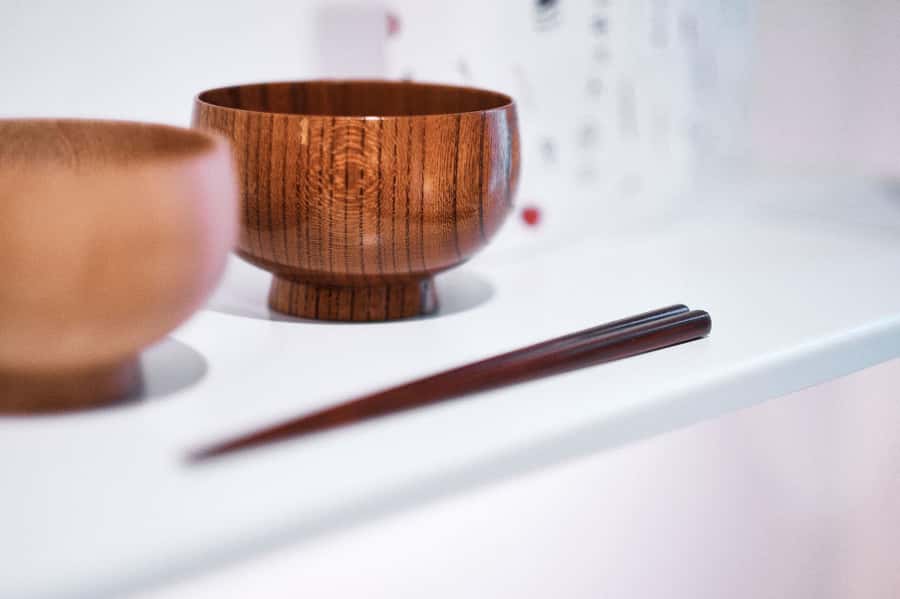
And yes, you’ll work with lacquer yourself. The tour ends with you applying lacquer to chopsticks using the fuki-urushi technique—then taking your pair home as a memory, not a photo.
Make something by hand in a Kyoto workshop
Entering the private factory area (and why it matters)
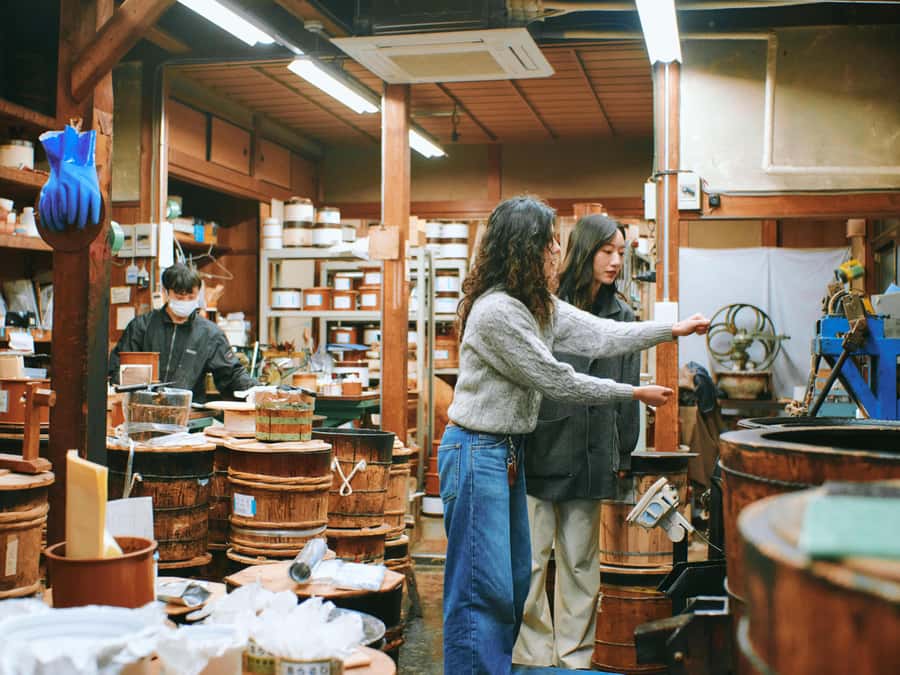
The experience starts at the Tsutsumi Asakichi location, specifically at the shop area where you meet at the Und. reception desk. From there, you go into a private area of the Tsutsumi Asakichi Urushi factory. That separation is more than a logistics detail—it’s part of what makes the tour feel special.
This isn’t an open-street “watch people work” setup. With a small group (limited to 5 participants) and a live English guide (with Japanese also available), you get room to ask questions without the guide repeating the same basics for a big crowd. In a craft like this, that’s huge, because one missed step can make the whole process feel confusing.
One more practical note: you’ll want to go with clothes that can get dirty. Lacquer work can be messy, and you’ll be happier if you dress for reality instead of perfection.
The guided factory tour: refining urushi you can’t skip
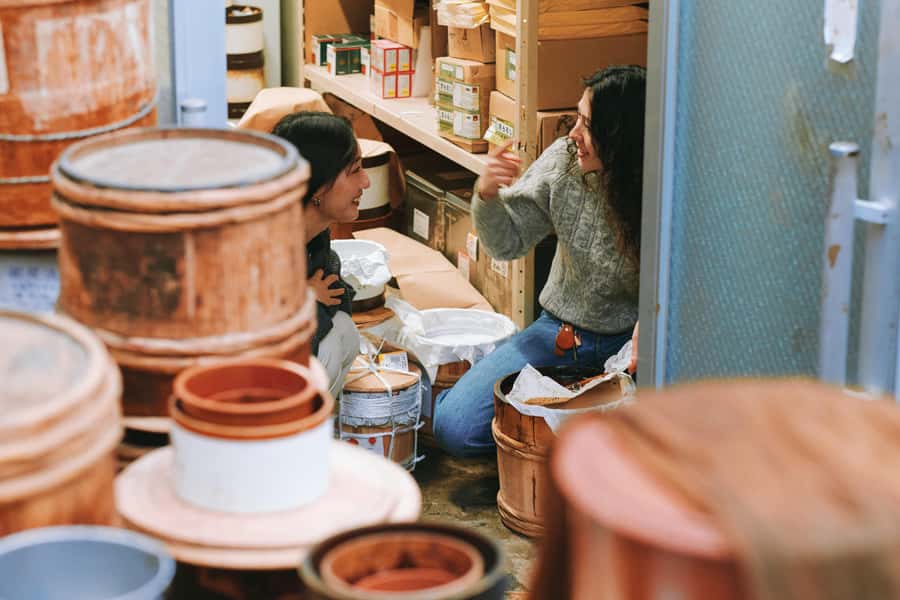
The tour section is about 30 minutes, and it focuses on the heart of the craft: refining urushi lacquer. You’ll see how it’s handled inside the factory and learn what’s involved before the lacquer ever touches a finished item.
What I like here is the balance between process and meaning. You’re hearing history and cultural importance, but you’re also getting a sense of why the process has to be handled carefully. Urushi isn’t a simple paint you wipe on and forget. It’s tied to traditional methods, and the tour treats it like that—seriously, but still clearly.
You’ll also tour the store portion and hear about innovative ways of using Japanese urushi lacquer that were initiated by the factory owner. That makes the craft feel alive. It’s not frozen in time. It’s still being adapted, which helps you understand why people keep preserving urushi culture instead of letting it fade.
Urushi in modern life: surfboards, skateboards, and bicycles
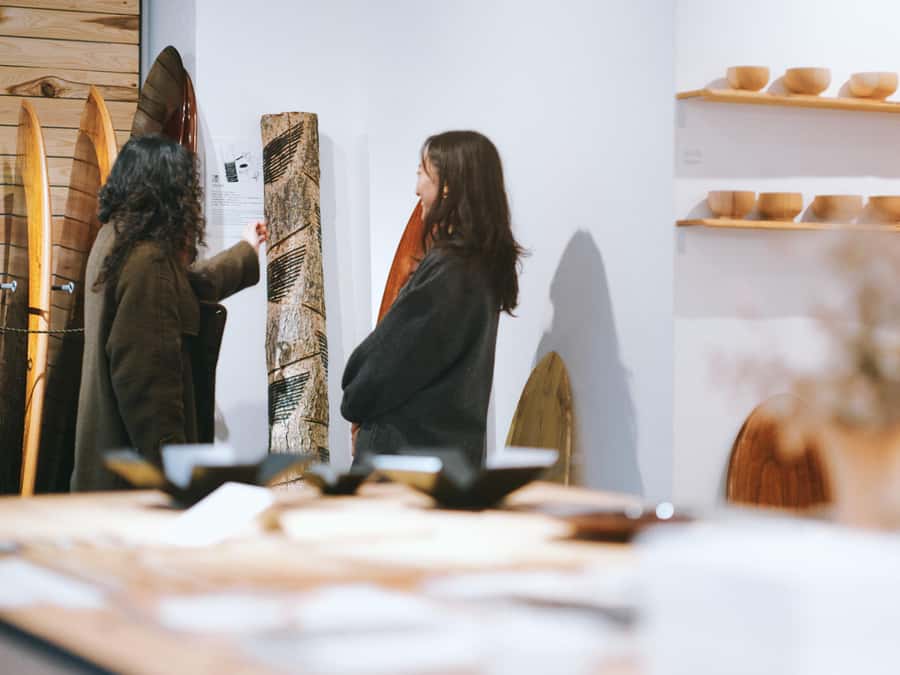
One of the best surprises is how the tour shows urushi outside the usual lacquerware box. You’ll see it used in modern-day goods like surfboards, skateboards, and bicycles. That list is more than a marketing point—it’s a clue that urushi is valued for more than tradition.
For you, this connects dots in a useful way. If you only see urushi on bowls or trays, it can feel like a decorative art. But seeing it on gear you’d actually use helps you understand why the factory and its owner care about keeping the craft relevant.
It also changes the way you’ll picture your own chopsticks at the end. You won’t just think, I made something pretty. You’ll think, I used a material that’s part of a larger Japanese approach to craft and durability.
The chopstick workshop: learning fuki-urushi step by step
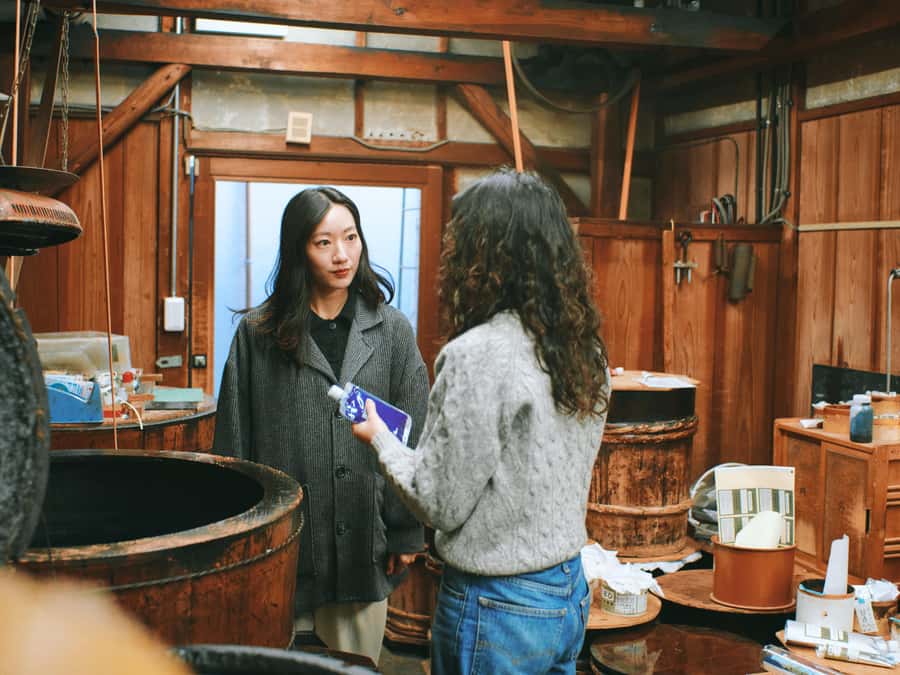
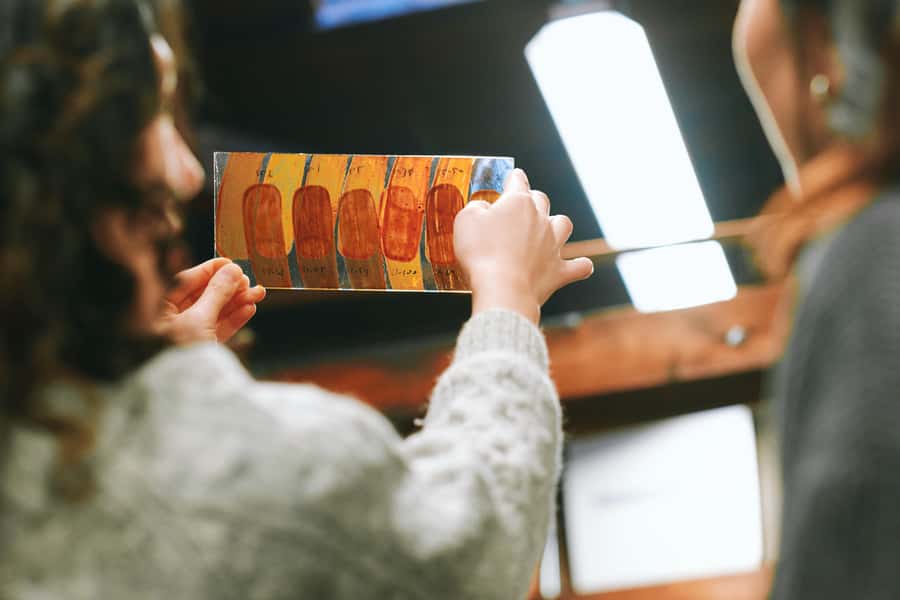
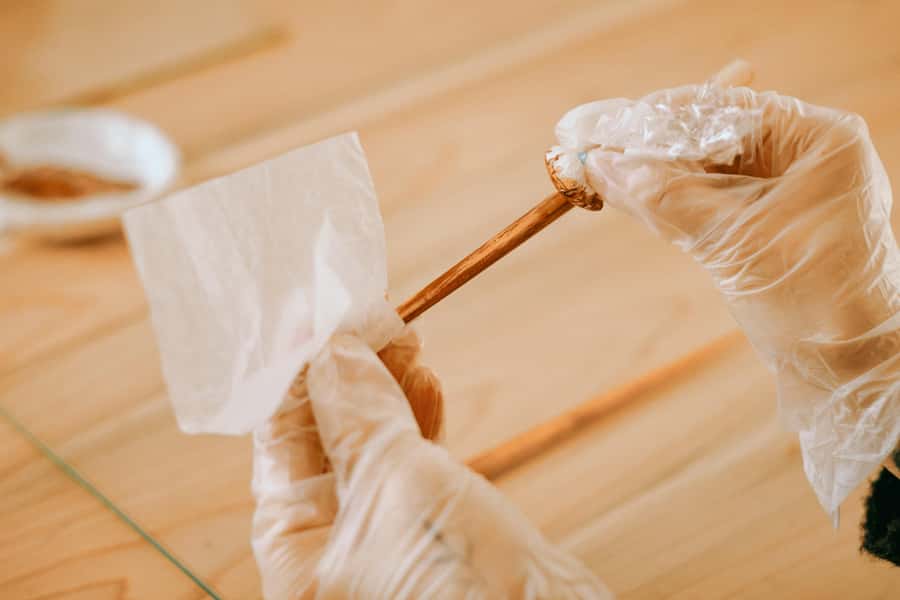
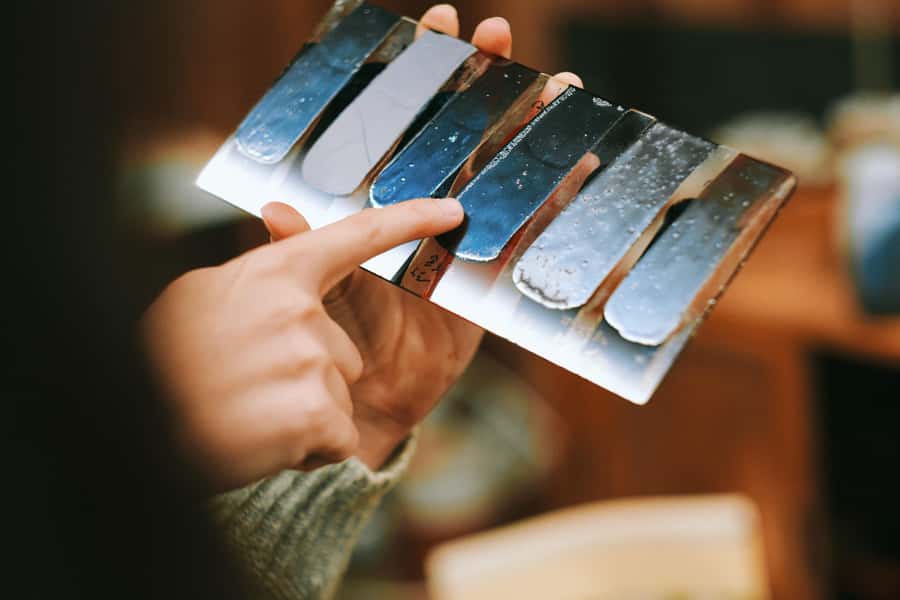
The workshop runs about an hour, and this is where the tour turns from informative into personal. You’ll apply lacquer to a pair of chopsticks using the traditional fuki-urushi technique.
Even if you’ve never done anything like this, the experience is designed to be learnable. The guide Mayu walks you through the entire process of refining and using urushi in a way that feels structured and calm. If you’re the kind of person who asks lots of questions, you’ll fit right in—she’s patient and answers them as you go.
The biggest takeaway for me: this is not a “press a button, take a prize” activity. You’re actively doing the work. That turns the tour into something you can remember with your hands, not just your head.
Two practical things to prepare for:
- expect your workspace to be a bit hands-on and potentially messy
- plan to wear old clothes and not worry about minor spills or stains
Other Kyoto tours and experiences to compare



Duration and flow: what 90 minutes feels like in Kyoto
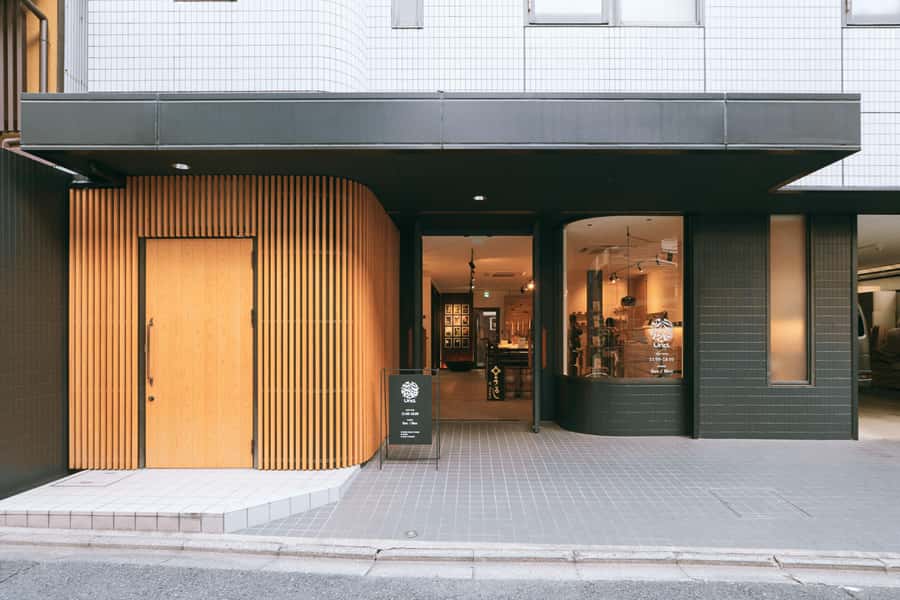
The whole experience is about 90 minutes, starting at 10:00 a.m. That’s a sweet spot if you want a cultural activity without losing your whole day to long logistics. It’s also long enough to do more than a quick factory peek. You get the tour component plus the workshop, and the time is paced so you’re not rushed through either part.
With a group capped at 5, you’re not just watching. You’re participating, and you can get clarity when something feels unclear. That pacing helps you feel confident as you switch from learning about refinement to applying lacquer yourself.
One more reason the timing works: it slots nicely into a Kyoto day that already includes shrines and temples. You’ll have a different kind of focus—workshop attention instead of walking attention—which makes it a good “mental reset” between historic stops.
The value question: is $96 worth your time?
At $96 per person, you’re paying for a private-style craft experience, not just a ticket to a museum room. Here’s what makes the price feel more reasonable.
You get:
- a private tour of the Tsutsumi Asakichi Urushi factory
- insight into refining Japanese urushi lacquer
- a guided opportunity to apply lacquer to chopsticks
- the chopsticks as a present you take home
- an English guide
If you’ve ever done a craft class that ends with a small item and a short explanation, the difference here is the factory context. You’re learning how urushi gets refined, then immediately applying the technique to your own item. That link between “how it’s made” and “how it’s used” is where the value shows.
Also, small-group attention matters in hands-on crafts. If you’re paying for instruction, you want it to stay personal. Limiting the group to 5 people gives you a better shot at understanding what you’re doing rather than following blindly.
Who this tour is best for (and who may want to skip)
This is best for you if:
- you like Japanese crafts and want more than a surface-level explanation
- you enjoy hands-on activities where you actually make something
- you care about cultural preservation and how traditions adapt
It’s also a good fit if you’re traveling as a couple or with a small group and want a calmer, less crowded experience. The private setup and the workshop format make it feel grounded instead of performative.
Consider skipping if:
- you want a fully seated, low-mess activity (the tour says to wear clothes that can get dirty)
- you use a wheelchair (the activity notes it’s not suitable for wheelchair users)
- you’re hoping for a long, open-ended “watch and learn everything” experience (this is 90 minutes, and it’s focused)
Should you book this Kyoto urushi chopstick tour?
I’d book it if you want a Kyoto experience that feels both authentic and practical. The factory tour gives you the background—history, refinement, and modern applications—then the workshop locks it in with fuki-urushi applied to chopsticks you take home.
If your travel style is short on time but big on meaning, this hits that sweet spot. You’ll leave with a story you can repeat, plus an object that reminds you how detailed Japanese craft can be.
If you’re the type who loves questions, you’ll likely enjoy the pace even more—guides here seem ready to answer, and the small-group setup makes it easier to get straight answers.
FAQ
What is the duration of the Kyoto urushi lacquer factory tour and chopstick workshop?
The total experience lasts 90 minutes.
Where do I meet the tour?
You meet at Tsutsumi Asakichi Lacquerware Shop, at the Und. Reception Desk.
What time does the tour start?
The tour starts at 10:00 a.m.
How big is the group?
The tour is a small group limited to 5 participants.
What will I make and take home?
You’ll apply lacquer to a pair of chopsticks during the workshop, and you take the chopsticks home.
What should I wear?
Wear clothes that can get dirty, since you’ll be doing lacquer work.
More Tours in Kyoto




More Tour Reviews in Kyoto

More Kyoto Workshops to Try
Just added: more Kyoto tours to browse








Kyoto Craft & Calligraphy Workshops, compared.
 ★ 5.0Chopsticks Making Workshop in Gion with Engraving OptionFrom $15958 reviews
 ★ 4.8Authentic knife making experience at a blacksmith in KyotoFrom $154350 reviews
 ★ 5.01-Hour Japanese Archery Experience in KyotoFrom $46176 reviews
 ★ 5.0Calligraphy class at Buddhist temple in city centerFrom $55167 reviews
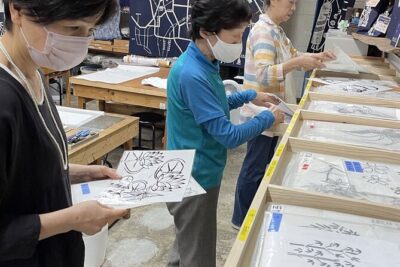 ★ 5.0Roketsu dyeing experience: M course Roketsu Dyeing ExperienceFrom $25163 reviews
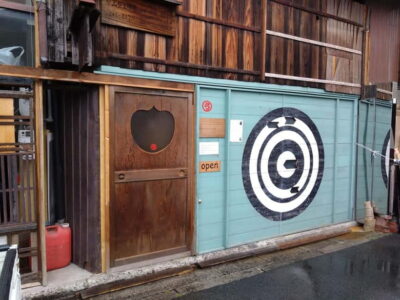 ★ 4.9Japanese Archery Workshop with Experienced InstructorFrom $38132 reviews
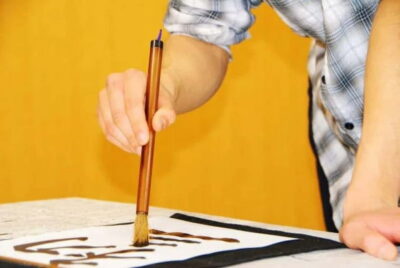 ★ 4.8Japanese Calligraphy ClassFrom $5189 reviews
 ★ 5.0TAIKO, Japanese Drum Experience from KyotoFrom $11586 reviews
Browse the lists this tour appears in