

Reviewed · KYOTO CRAFT & CALLIGRAPHY WORKSHOPS
Kyoto: Taiko Drum Workshop
Taiko feels loud in the best way. In Kyoto’s Gion, you’ll learn traditional drumming with hands-on instruction, plus a live demo and concert-style performances nearby at Yasaka Shrine.
I love that it’s built for beginners, so you don’t need any prior skill to join in. I also like the way they teach full-body technique—stance, holding the bachi sticks, and striking with focus—so it turns into a real group rhythm you can feel.
One consideration: you’ll be standing and using your arms and shoulders, and the drumming is inherently loud, so plan accordingly if you’re sensitive to noise or have a physical limitation.
In This Review
- Key takeaways before you book
- Gion Location: The Brick Building Meeting Point You Can Actually Find
- What You’ll Do First: History, Culture, and a Live Taiko Demo
- Learning Taiko Basics in English: Small-Group Coaching That Doesn’t Talk Over You
- The Big Skill: Stance and Full-Body Strikes (Yes, You Can Feel It)
- The Finale: Playing Together as a Group
- Included Extras: Traditional Music Concert and Local Musicians
- Price and Value: Is $44 Fair for Taiko in Kyoto?
- Who This Workshop Fits Best (and Who Might Want a Different Plan)
- Practical Tips for a Smoother Experience
- Should You Book This Kyoto Taiko Drum Workshop?
- FAQ
- Where is the meeting point?
- How much does the Kyoto taiko workshop cost?
- Do I need any experience to take the class?
- What language is the workshop taught in?
- Is there a demo before I play?
- What else is included besides taiko drumming?
- Will I perform with the group?
- Is the workshop suitable for families?
- Can I reserve first and pay later?
- What is the cancellation window?
Key takeaways before you book
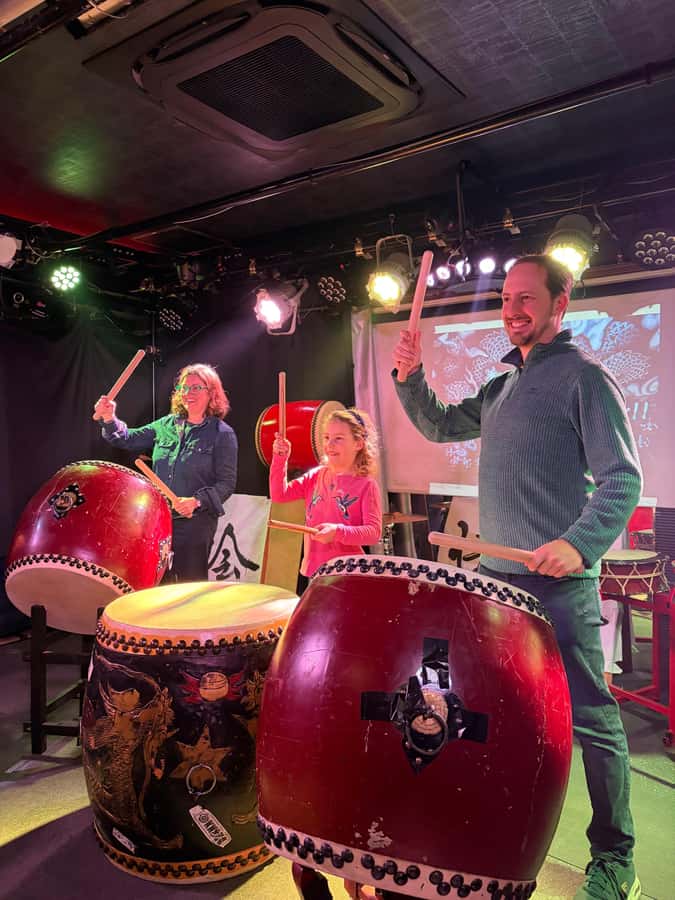
- Beginner-friendly, no experience needed with step-by-step coaching
- English instruction (plus Japanese) makes it easier to follow along
- Gion location: in the historic district, close to Yasaka Shrine
- You’ll play during the session after a live demonstration
- More than drumming: includes a traditional music concert and local musicians
- Whole-body drumming: technique is taught as part of the performance
Gion Location: The Brick Building Meeting Point You Can Actually Find
This is a Kyoto activity with a prime location: Gion, the historic cultural district, and only minutes from Yasaka Shrine. That matters because taiko can feel like a self-contained show—here it feels like part of the neighborhood. You’re not commuting across town, and you can more easily pair it with an evening stroll where streets already have that Kyoto mood.
Your meeting point is practical: it starts on the 4th floor of a brick building across from Starbucks in Gion. Arrive a bit early so you can get the stairs/elevator figured out without rushing. Since the session ends back at the meeting point, you can plan your dinner or return walk without a complicated route.
Also, note what that location implies: you’ll likely be surrounded by tourists and locals in the same area. That’s a plus if you enjoy people-watching, and it’s handy because you can orient yourself using major landmarks like Starbucks and the surrounding Gion streets.
Make something by hand in a Kyoto workshop

What You’ll Do First: History, Culture, and a Live Taiko Demo
The session begins with context, not just noise. You start with an introduction to the history of taiko, including how it has been used in rituals, festivals, and even on battlefields. That background helps when you’re learning rhythm, because you’re not treating it like a generic drumming class. You’re learning a performance tradition with purpose.
Then comes the part that makes everything click: a live demonstration by an experienced instructor. Before you ever pick up the sticks, you’ll see the posture, the striking style, and how the sounds are meant to land. For beginners, that demo is a cheat code. It gives you a visual and auditory target, so your first attempts aren’t random.
If you’re the type who learns faster by watching and copying, you’ll appreciate the order here: history → demo → your turn. It’s a very “get your bearings fast” approach.
Learning Taiko Basics in English: Small-Group Coaching That Doesn’t Talk Over You
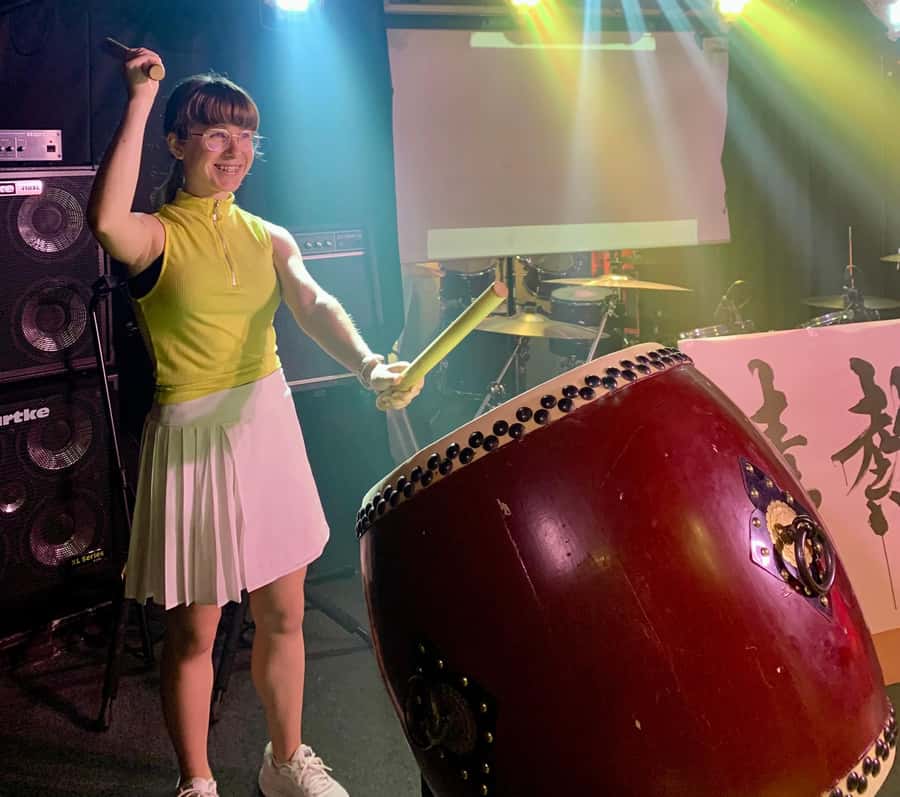
One of the best parts for international visitors is that the workshop is conducted in English (with Japanese also available). That alone can make a big difference in a hands-on activity. When you can follow instructions clearly, you spend less time guessing and more time participating.
They also teach in small groups with step-by-step, personal instruction. The practical benefit: you’re more likely to get corrections that match what you’re doing right then. In a larger class, one instructor can only watch so much; here, you’re more likely to get the kind of adjustments that help you improve quickly.
You’ll be taught:
- the correct stance
- how to hold the bachi (taiko sticks)
- how to strike the drum using full-body energy and focus
That combination is key. Taiko isn’t just finger timing. It’s your whole posture and power making the rhythm. When the workshop teaches that directly, you stop thinking of it as “I can’t do this” and start thinking “I can do this with the right setup.”
The Big Skill: Stance and Full-Body Strikes (Yes, You Can Feel It)
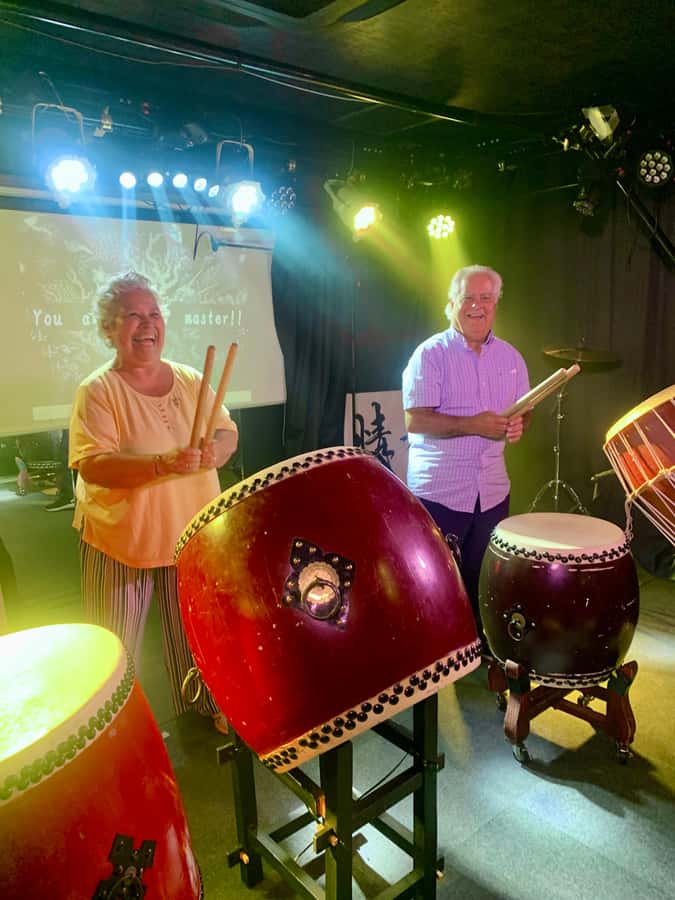
Taiko is physical. That’s not marketing fluff—it’s the core of why this experience is so satisfying. You’ll learn how to strike with enough force and control that it becomes more than hitting a drum; it becomes a performance action.
In plain terms, here’s what that usually means in a beginner-friendly taiko workshop:
- your stance helps you generate stable power
- the way you hold the bachi affects both sound and comfort
- your strike is timed with body movement, not just arm motion
The highlight here is that you’ll be encouraged to use your body as part of the rhythm. And that leads to the best “wow” moment: when the group starts moving together and you can feel the beat in your body, not only your ears.
I like experiences where you leave with muscle memory, not just photos. This is that kind of activity.
The Finale: Playing Together as a Group
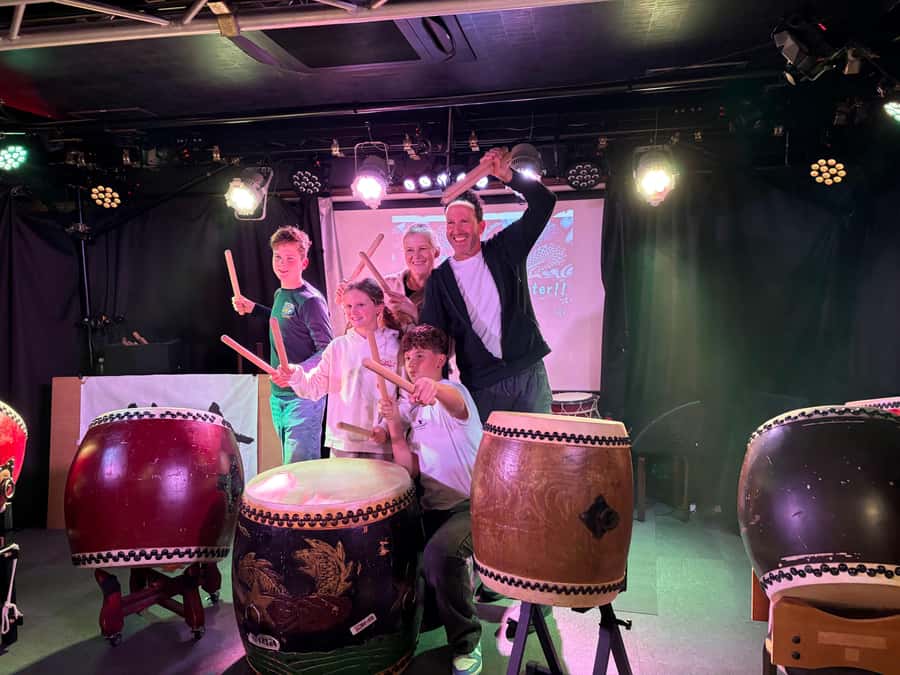
By the end, you’ll perform a simple piece together with the group. That’s the “you did it” moment most people come for, and it’s also the part that makes the class worth repeating in your memory even after the last drumstick is put down.
For beginners, group performance is especially important because:
- it removes the pressure of being perfect
- you learn timing by listening and watching others
- the rhythm becomes easier when it’s shared
Even if your first strikes are shaky, group drumming has a way of leveling things out. The instructor’s step-by-step method and the earlier demo help you get aligned before you perform.
If you’re traveling with friends or family, this is also a great shared story. Everyone has a role in the same sound, which is rarer than you’d think on typical sightseeing days.
Other Kyoto tours and experiences to compare


Included Extras: Traditional Music Concert and Local Musicians
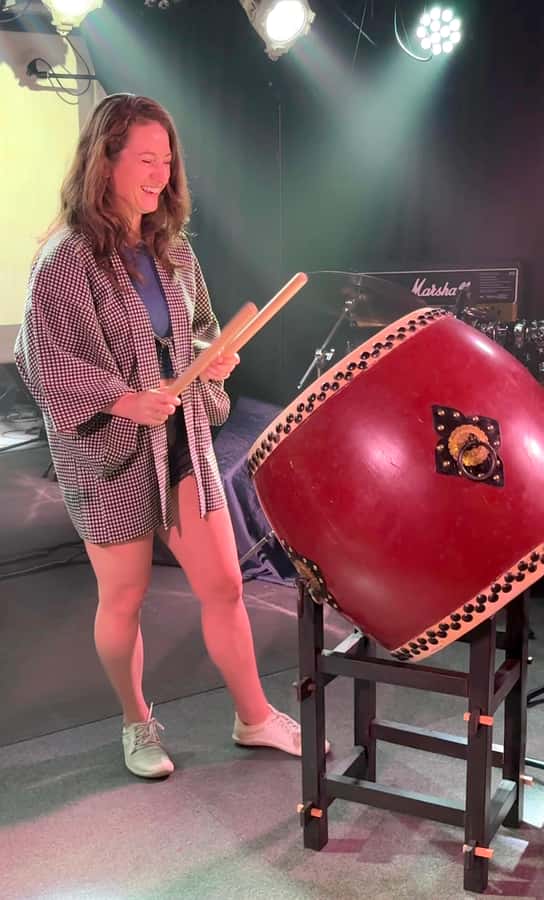
This workshop isn’t only a one-instrument activity. It also includes a traditional Japanese music concert, a live demonstration, and performances by local musicians.
Why that matters: it gives you context for what you’re hearing. Taiko is often described as a genre, but it’s really part of a wider sound world—festivals, theater traditions, and other Japanese musical forms. Listening to other musicians as part of the experience helps your brain connect the dots between drumming, rhythm patterns, and how Japanese performance traditions use sound to tell stories.
It’s also a smart pacing choice. You’re not spending the whole time either “trying to learn” or “only watching.” You’ll alternate between instruction, listening, and doing.
If you’re worried you might be too new to get anything out of a drumming lesson, these included performances help. Even if you’re still learning the basics, you’ll still have real Japanese music to enjoy.
Price and Value: Is $44 Fair for Taiko in Kyoto?
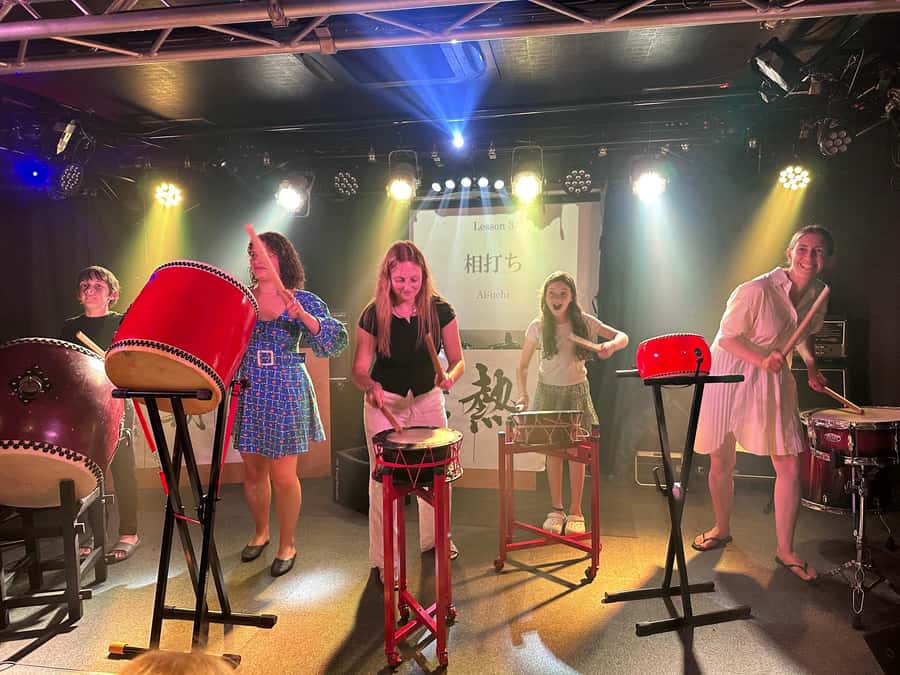
At $44 per person, this is positioned as an affordable hands-on cultural activity rather than a premium private experience. For that price, you’re getting multiple elements:
- taiko workshop instruction
- a live demo before you play
- a traditional Japanese music concert
- local musicians performance
The value logic is simple: drumming workshops can be “single moment” experiences where you do a bit of noise and leave. Here, the structure includes learning + demonstration + additional musical performances. That means your money isn’t only buying the ability to strike a drum one time; it’s buying an organized cultural evening with a full arc—from history to your group performance.
Also, the beginner-friendly setup reduces the risk you’ll feel lost. When instruction is in English and step-by-step, you’re more likely to enjoy it even if you’re not a “hands-on person.”
For families, groups, and first-time Kyoto visitors, this kind of value is often the difference between doing one more ticketed activity or finding something memorable that feels personal.
Who This Workshop Fits Best (and Who Might Want a Different Plan)
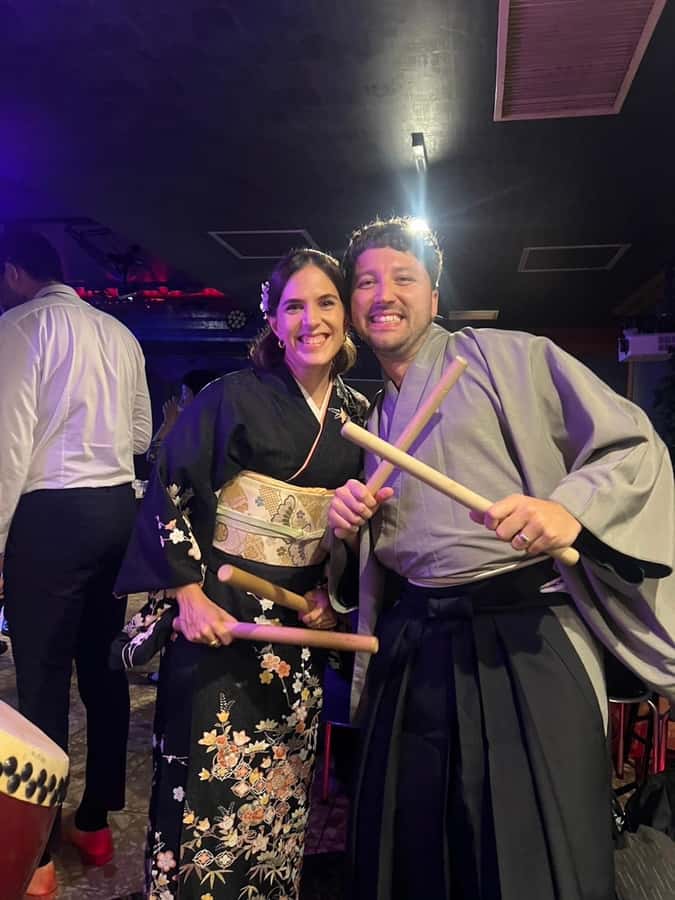
This is a strong match if you:
- want something interactive in Kyoto beyond temples and photo stops
- like activities that teach you a skill you can repeat later in your imagination
- travel as a group and want shared energy
- want an experience designed for international travelers with English instruction
It’s also a nice option for families because the workshop is described as beginner-friendly and suitable for travelers of all ages, with the only clear limitation being that it’s not suitable for babies under 1 year.
You might consider another activity if:
- you can’t handle loud percussion (taiko is loud by design)
- you have a condition that makes standing or shoulder-arm movement difficult
- you’re looking for quiet, contemplative sightseeing only
Practical Tips for a Smoother Experience

A few common-sense moves will help you get the most out of your time at the drum:
- Wear something you can move in. You’ll be using your body in the teaching.
- Don’t overthink the first try. You’re learning stance and technique, and your early hits are part of that process.
- If you’re worried about fitting in, remember the format is built for beginners. The instructor is guiding you step-by-step.
- If you want to time dinner and sightseeing, plan around the fact that the session ends at the meeting point in Gion.
And if you like the idea of learning while the neighborhood is already lively, the Gion setting makes it easy to roll straight from culture class into evening Kyoto walking.
Should You Book This Kyoto Taiko Drum Workshop?
I’d book it if you want a beginner-friendly, culturally grounded activity where you actually play and end with a group performance. The combination of English coaching, a live demo, and a traditional music concert with local musicians makes the $44 feel reasonable as a “whole experience,” not just a one-off activity.
I’d skip or swap it if you’re highly noise-sensitive or you’re dealing with physical limitations that make full-body movement hard. Otherwise, this is a fun way to add a different side of Japan to your Kyoto days—one you’ll remember because your body took part, not just your camera.
FAQ
Where is the meeting point?
It starts on the 4th floor of the brick building across from Starbucks in Gion. The activity ends back at the meeting point.
How much does the Kyoto taiko workshop cost?
The price is $44 per person.
Do I need any experience to take the class?
No. The workshop is beginner-friendly and taught for people with no prior experience.
What language is the workshop taught in?
The session is conducted in English. Japanese is also available.
Is there a demo before I play?
Yes. The experience includes a live demonstration before you start drumming.
What else is included besides taiko drumming?
It includes a taiko drum workshop plus a traditional Japanese music concert, along with performances by local musicians.
Will I perform with the group?
Yes. By the end, you’ll perform a simple piece together with the group.
Is the workshop suitable for families?
It’s described as beginner-friendly and suitable for travelers and families. It is not suitable for babies under 1 year.
Can I reserve first and pay later?
Yes. It offers a reserve & pay later option, so you book your spot and pay nothing today.
What is the cancellation window?
You can cancel up to 24 hours in advance for a full refund.
More Workshops in Kyoto
More Tour Reviews in Kyoto




More Kyoto Workshops to Try


Just added: more Kyoto tours to browse








Kyoto Craft & Calligraphy Workshops, compared.
 ★ 5.0Chopsticks Making Workshop in Gion with Engraving OptionFrom $15958 reviews
 ★ 4.8Authentic knife making experience at a blacksmith in KyotoFrom $154350 reviews
 ★ 5.01-Hour Japanese Archery Experience in KyotoFrom $46176 reviews
 ★ 5.0Calligraphy class at Buddhist temple in city centerFrom $55167 reviews
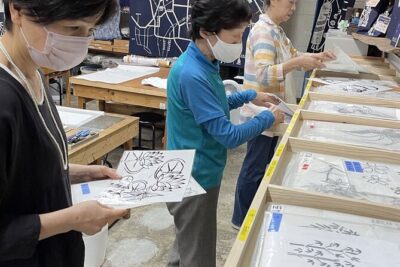 ★ 5.0Roketsu dyeing experience: M course Roketsu Dyeing ExperienceFrom $25163 reviews
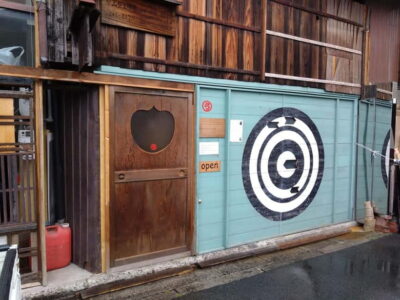 ★ 4.9Japanese Archery Workshop with Experienced InstructorFrom $38132 reviews
 ★ 4.8Japanese Calligraphy ClassFrom $5189 reviews
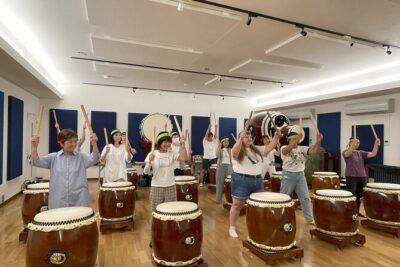 ★ 5.0TAIKO, Japanese Drum Experience from KyotoFrom $11586 reviews
Browse the lists this tour appears in