
Reviewed · KYOTO TEA CEREMONIES
Kyoto Private Tea Ceremony with Tea Master at Home
Tea in Kyoto is often about pace. This one is about private, carefully guided craft with Aya-sensei in a local home setting. You’ll learn tea etiquette, make matcha with a bamboo whisk, and snack on three types of gluten-free, vegan wagashi while keeping things calm and respectful. The whole experience runs about an hour and ends right where you start.
I especially like the small-setting focus and the fact you get to do real hands-on matcha prep, not just watch. I also like that the sweets and the tea come with actual context, plus you receive a booklet you can take home. The main drawback to plan around is the strict etiquette rules: you’ll need the right clothing, socks, and to be on time, or you may not be able to participate.
In This Review
- Key things to know before you go
- A private Kyoto tea room near Nijo Castle
- Meet Aya-sensei and learn etiquette you can actually use
- Wagashi snacks: seasonal, handcrafted, and diet-friendly
- Matcha preparation with a bamboo whisk (and what to focus on)
- The tea bowls and souvenirs that make it stick
- Timing, clothing, socks, and fragrance rules
- How to fit one hour into a Kyoto day
- Price and value: what $99 buys you
- Who should book this tea ceremony, and who might not love it
- FAQ
- FAQ
- How long is the Kyoto private tea ceremony?
- Is this experience private?
- What food is included?
- Are the wagashi gluten-free and vegan?
- Do I need to wear socks?
- What clothing is allowed?
- Is kimono rental included?
- Can children attend?
- What if I need to cancel?
- Should you book this private tea ceremony in Kyoto?
Key things to know before you go
- True private setting: Only your group participates, in traditional rooms Koma and Hiroma.
- Hands-on matcha: You don’t just sip; you learn the steps and prepare matcha yourself.
- Diet-aware sweets: Three seasonal wagashi are gluten-free and vegan-friendly.
- Tea materials included: You get matcha made with a blended Uji source and drink two bowls.
- Take-home souvenir: A concise tea ceremony booklet covers spirit and etiquette.
- Clear rules for tatami: You’ll wear socks (no bare feet) to protect the mats.
A private Kyoto tea room near Nijo Castle
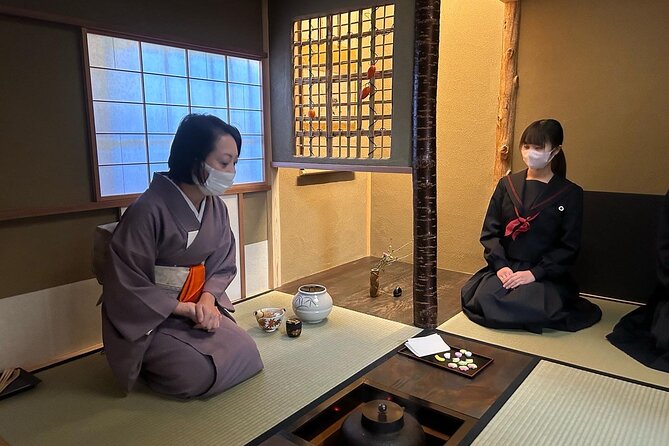
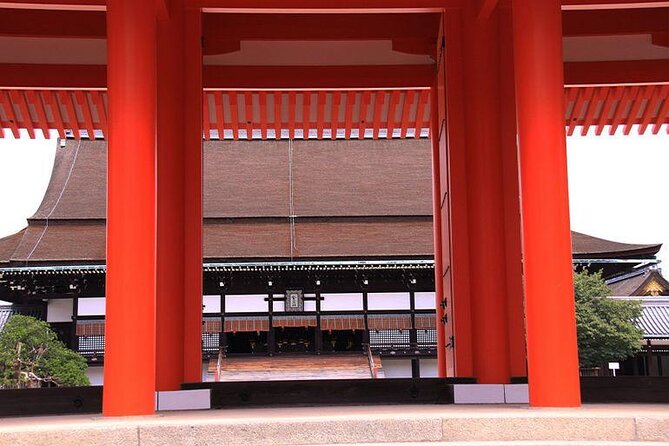
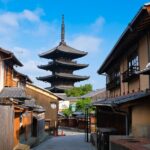
This experience is set up like a quiet retreat, not a show. It takes place at SAKURA Experience Japanese Culture Nijo Home in Izumichō (near Nijo Castle), and you’ll enter the home’s traditional tea rooms, Koma and Hiroma, as your session begins. The location matters because it’s easy to pair with a morning or afternoon around Nijo Castle and the surrounding neighborhoods.
The biggest advantage of an at-home ceremony is that the tone stays personal. You’re not squeezed into a crowd, and the pace can slow down enough for the etiquette to make sense. In reviews, guests repeatedly praise Aya-sensei’s calm, professional guidance, and they highlight how it feels like you’re being welcomed into a real space of practice rather than dropped into a tourist set.
You’ll also feel that this is built for people who want manners, not just a photo. The tea ceremony includes procedures, timing, and the reason behind them, and that’s exactly what most first-timers need. If you want a fast cultural hit with zero rules, this may feel a bit strict. But if you want the real logic of the ritual, it’s a strong match.
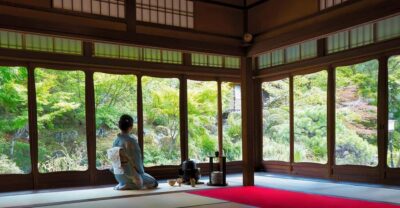
Sit for another bowl of matcha in a Kyoto tea house


Meet Aya-sensei and learn etiquette you can actually use
The instructor is Aya-sensei, and she’s described as warm, friendly, and clearly skilled. Many guests point out two things: her English communication is strong, and she explains details gently enough that questions feel welcome. One review even mentioned Aya’s communication ahead of time via WhatsApp, which is a nice practical touch if you’re worried about finding the place.
What you learn is not just the steps of making matcha. You also learn how to behave inside the tea room: where to focus your attention, how to handle yourself and your items, and how the ceremony’s tone shapes the way guests are treated. You’ll be guided through the background and procedures in a way that helps you understand the meaning behind the movements.
Why this matters for you: most tea ceremony experiences in Kyoto are either too brief or too observational. Here, you get enough time to start recognizing patterns. Even in one hour, the etiquette becomes more than trivia. It becomes something you can remember and reenact when you’re back home.
One more small but real benefit: a calm, competent teacher reduces the awkwardness. Guests often mention how easy it was to ask questions and how comfortable the setting felt. That matters when you’re in formal Japanese spaces where you’re expected to read the room.
Wagashi snacks: seasonal, handcrafted, and diet-friendly
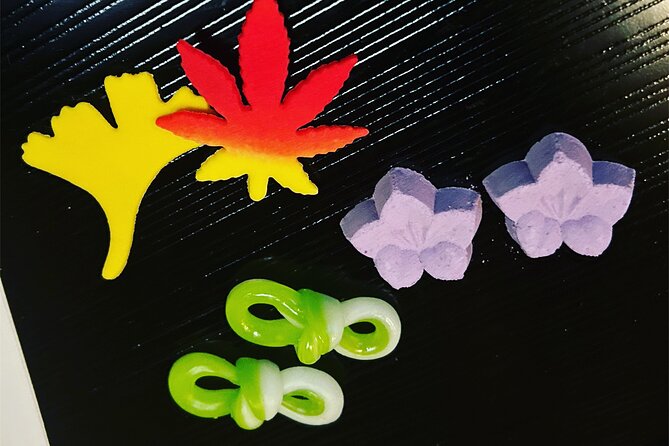
Before you get to the matcha, you’ll enjoy three types of seasonal wagashi. These sweets are described as gluten-free and vegan, and they come from a long-established Kyoto confectioner. That’s a big deal in Kyoto, where sweets are often built on wheat or are not clearly labeled.
You’re not getting just any candy. The ceremony includes these sweets as part of the rhythm: the sweetness helps set the mood before the bitterness and depth of matcha. It also gives you something to experience through taste and texture while you settle into the room’s pace.
If you have dietary concerns, this experience is set up with real care. Still, I’d treat this as a good sign rather than a guarantee of allergy-freeness beyond what’s stated. The data clearly says gluten-free and vegan-friendly; it does not say anything specific about nut allergies or cross-contamination. If allergies are serious for you, it’s worth contacting the operator when you book.
In reviews, people repeatedly mention the wagashi being delicious and one-of-a-kind. That matches the idea that these are seasonal and handcrafted, not mass-produced snacks thrown in for convenience.
Matcha preparation with a bamboo whisk (and what to focus on)
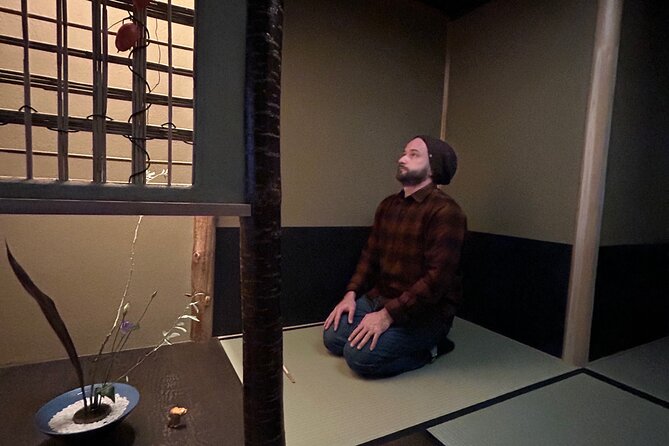
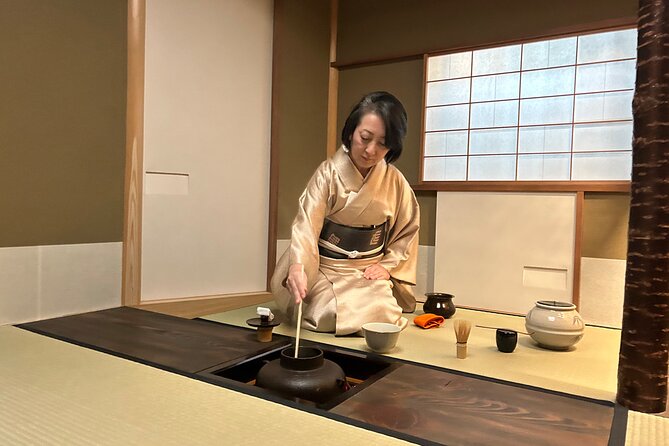
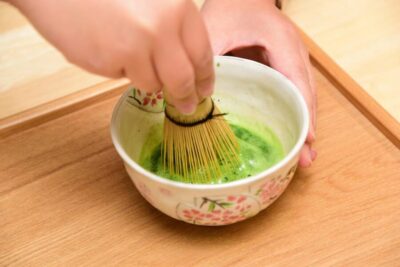
The core of the ceremony is the matcha. You’ll prepare it using the traditional method with a bamboo whisk (chasen), and you’ll sip it afterward as part of the ritual. The experience includes demonstration and hands-on practice, so you’re not locked into being a spectator.
You’ll also drink matcha made from an original blend sourced from historic tea gardens in Uji. The session includes two bowls of matcha prepared with that Uji blend. That gives you a little range: first impressions and then a chance to notice how the flavor settles as you slow down and follow the etiquette.
Here’s what I think is worth your attention: matcha isn’t just a drink. In this kind of ceremony, it becomes a lesson in attention. You’ll learn why each step is done, and you’ll feel the difference that small actions make, like whisking technique and how you approach the bowl.
One practical note: etiquette rules can affect how you move. You’ll want to be ready to sit properly, handle bowls carefully, and follow the timing. If you usually struggle with quiet waiting, give yourself a few minutes of breathing room before your start time so you can settle instead of rushing.
The tea bowls and souvenirs that make it stick
Souvenirs are often a weak spot in cultural classes. Here, you get something more useful than just a trinket: a concise tea ceremony booklet about the spirit and etiquette. That’s ideal if you want to remember what you learned after the session ends and the charm wears off.
Also, the ceremony experience emphasizes craftsmanship. The program mentions that tea bowls are commissioned from Kiyomizu and Raku potters, and that the tea itself is tied to Uji. You might not spend the whole hour on pottery history, but you can see the thought behind the materials. Guests who take home a bowl or purchase one afterward often say the ceremony becomes more memorable because the object carries the moment.
Even if you don’t buy anything extra, the booklet and the two bowls of matcha give you something to reference. This is the kind of experience where you’ll remember the feeling of the tea room more if you have a takeaway to connect the steps to the meaning.
If you’re a visual person, keep an eye out for the bowl designs. One guest mentioned having time to buy a beautiful tea cup to remember the experience. That’s not included as part of the listed offering, but the fact that it comes up says the setting encourages you to value the objects, not just the performance.
Other Kyoto tours and experiences to compare



Timing, clothing, socks, and fragrance rules
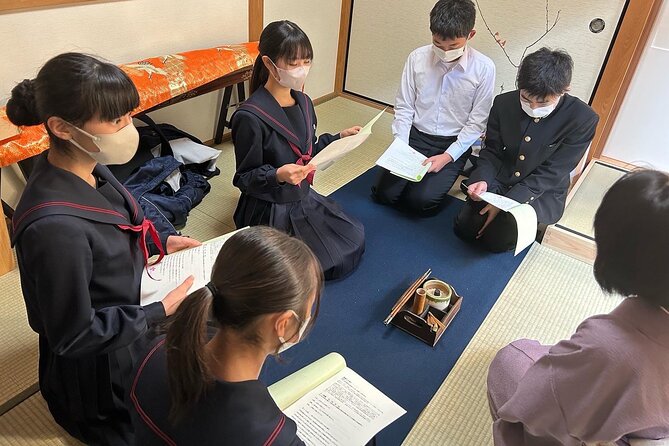
The ceremony has rules because the setting is built around respect and hygiene. The biggest “heads-up” items you should plan for:
- Socks requirement: You need socks to protect the tatami mats. If you forget, socks are available for purchase on site.
- Clothing expectations: You’ll be asked to wear long skirts or long pants, and a top with sleeves. Sleeveless tops, shorts, or mini skirts are not permitted.
- No perfume/fragrance: You’re asked not to wear perfume or fragrance, including musk-based scents, because it can disturb the tea room atmosphere.
- Punctuality: You should arrive on time. If you’re more than 15 minutes late, you can’t participate and there’s no refund.
That last point is the most important consideration for your day. Tea rooms require calm. Showing up late creates stress for you and disrupts the flow for everyone else in the house. If your Kyoto day includes trains, buses, or walking through narrow streets, leave buffer time.
Also, this is for adults and teens: children aged 13 and under are not permitted. If you’re traveling as a family, double-check ages before booking.
For seating, small chairs are available if you need them, but you should inform the operator in advance if you need one. Tatami and long sitting can be tough if you’re not used to it, so planning early will help you enjoy the ceremony instead of focusing on discomfort.
How to fit one hour into a Kyoto day
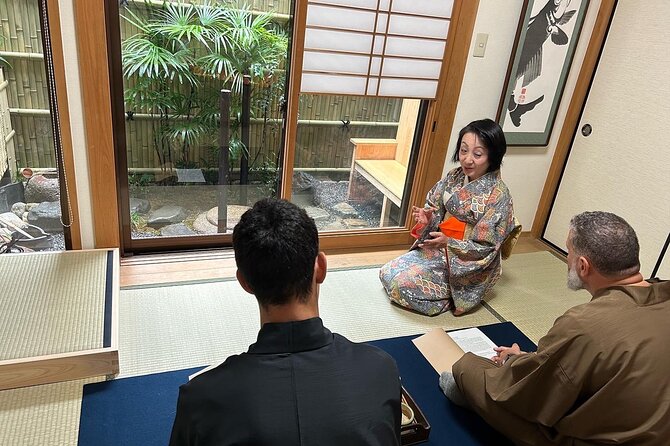
The session is about one hour, and it ends back at the meeting point. That makes it easy to plan around the rest of your Kyoto itinerary. You can pair it with an early stroll near Nijo Castle or slot it into a break between temple visits.
Because the ceremony is quiet and rule-based, I recommend treating it like a “reset” moment. Go into it with less rushing. If you plan right after a crowded market stop, you may find yourself still keyed up. Instead, think of it like changing gears.
One review highlighted that the location is easy to walk from Nijo Castle areas, and another guest noted a roughly six-minute walk from Hotel Mitsui. I can’t promise your exact timing without your starting point, but it’s a neighborhood that supports walking and transit. The experience is also described as near public transportation, which helps if you’re tired and don’t want to navigate long detours on foot.
Price and value: what $99 buys you
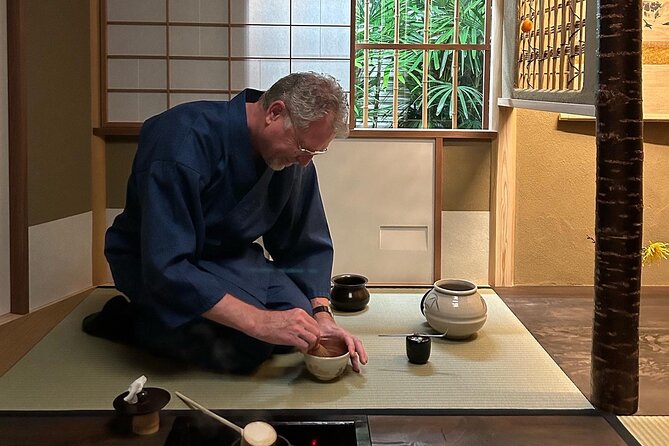
At $99.08 per person for about an hour, the value comes from the format. You’re not just paying for matcha. You’re paying for:
- Private access to a local home setting
- A tea master-led explanation of etiquette and procedure
- Hands-on matcha preparation
- Two bowls of matcha (made with Uji blend)
- Three seasonal wagashi that are gluten-free and vegan
- A take-home booklet about the spirit and etiquette
In a city like Kyoto, you’ll find many tea experiences. The pricing usually correlates with how personal it is and whether you get to participate. Here, the structure supports participation, and that makes the hour more meaningful. If you’re the type who hates passive classes, you’ll likely feel like you got your money’s worth because your hands are involved from start to sip.
One more value angle: the experience includes practical support. Reviews mention smooth guidance, good English, and even photo help by Aya’s husband (Manabu is named in at least one response). That kind of behind-the-scenes support helps you relax in a formal environment.
Who should book this tea ceremony, and who might not love it
Book it if you want a Kyoto experience that feels careful, calm, and respectful. This works especially well for you if:
- you like small-group or private cultural activities
- you want hands-on learning (matcha prep matters to you)
- you have dietary needs and want gluten-free and vegan-friendly sweets
- you prefer etiquette and context over performance
I’d think twice if:
- you’re not comfortable following clear rules (tatami socks, clothing, fragrance)
- you might arrive late due to a tight schedule
- you want a party-style, fast-moving activity
This is not a loud event. It’s a tea room lesson. If that fits your style, you’ll probably love it.
FAQ
FAQ
How long is the Kyoto private tea ceremony?
It lasts about one hour.
Is this experience private?
Yes. Only your group participates.
What food is included?
You get seasonal three types of handcrafted wagashi and two bowls of matcha.
Are the wagashi gluten-free and vegan?
Yes. The sweets are described as gluten-free and vegan-friendly.
Do I need to wear socks?
Yes. Socks are required to protect the tatami mats. If you forget, socks are available for purchase on site.
What clothing is allowed?
You should wear a long skirt or long pants and a top with sleeves. Sleeveless tops, shorts, and mini skirts are not permitted.
Is kimono rental included?
No, kimono rental is not included.
Can children attend?
Children aged 13 and under are not permitted to join this class.
What if I need to cancel?
Free cancellation is available up to 24 hours in advance for a full refund. If you cancel less than 24 hours before the start time, the amount paid is not refunded.
Should you book this private tea ceremony in Kyoto?
Yes, if you want Kyoto culture with manners, not noise. This is strong value because it’s private, you get hands-on matcha practice, and the ceremony includes gluten-free vegan wagashi plus a take-home booklet. The rules are real, though, so plan your outfit, bring socks (or buy them on site), and don’t gamble with timing.
If your goal is an hour of calm, guided tea craft in a real home setting near Nijo Castle, this is an easy recommendation.
More Private in Kyoto

More Tour Reviews in Kyoto



One More Bowl of Matcha

Just added: more Kyoto tours to browse








Kyoto Tea Ceremonies, compared.
 ★ 4.9Tea Ceremony in a Traditional Tea House in KiyomizuFrom $493,519 reviews
 ★ 4.9Tea Ceremony Ju-An at Jotokuji TempleFrom $293,207 reviews
 ★ 4.345-Minute Tea Ceremony Lesson ExperienceFrom $222,378 reviews
 ★ 4.9Table-Style Tea Ceremony at a Kyo-MachiyaFrom $451,211 reviews
 ★ 5.0Kimono Tea Ceremony at Kyoto Maikoya, NISHIKIFrom $65911 reviews
 ★ 5.0Arashiyama Bamboo Forest, Monkeys, Matcha & Temple TourFrom $53759 reviews
 ★ 4.9Tea Museum Tickets and Matcha Grinding ExperienceFrom $23739 reviews
 ★ 4.9Kimono Tea Ceremony at Orizuruya GionFrom $49618 reviews
Browse the lists this tour appears in