
Reviewed · KYOTO TEA CEREMONIES
Kyoto: Private Tea Ceremony at local home with tea master
Kyoto’s tea ritual turns small gestures into meaning. In this private 1-hour ceremony in a local home near Nijo Castle, you’ll watch (and practice) every step—from folding the cloth to the final sip—while a certified tea master explains what it all represents. I especially like the focus on order-based seasonal sweets and the way the lesson connects manners, tools, and calm thinking into one smooth experience. The one thing to consider: the hour is tight, and at peak times it can feel a little rushed toward the end.
I’m also drawn to the fact that the matcha isn’t treated like an afterthought. You get high-quality Kyoto-area matcha (Uji, Kyoto) and learn why the utensils and movements matter. This is a great pick if you want something more personal than a theater-style show. Just know the rules are strict in the tea room, so plan ahead for the dress code (no shorts, no short skirts, no hats, no jewelry, socks on, and no shoes indoors).
If you want a calm, respectful introduction to Japanese tea culture—without needing to already know the terminology—this private session near Kyoto Imperial Palace is an easy yes.
In This Review
- Key highlights you’ll remember
- A calm hour in Kyoto’s tea room, near Nijo Castle
- What happens before the tea starts (and why it helps)
- The ceremony steps you’ll learn (not just watch)
- Matcha from Uji: what you’re actually tasting
- The sweets: two seasonal types ordered to your pairing
- Etiquette rules you’ll want to know before you go
- Private-group pacing: the upside and the only possible downside
- Who this suits best (and who might want a different option)
- Dietary and accessibility accommodations that matter
- Logistics made simple: getting there near central Kyoto
- Is it worth $101 for one hour?
- Should you book this Kyoto tea ceremony?
- FAQ
- How long is the Kyoto private tea ceremony?
- What’s included in the price?
- Where do I meet for the experience?
- What languages are spoken during the class?
- Can the ceremony accommodate Halal, vegan, or allergies?
- Is it wheelchair accessible?
- What should I wear or bring to the tea room?
- Are photos or recordings allowed?
Key highlights you’ll remember
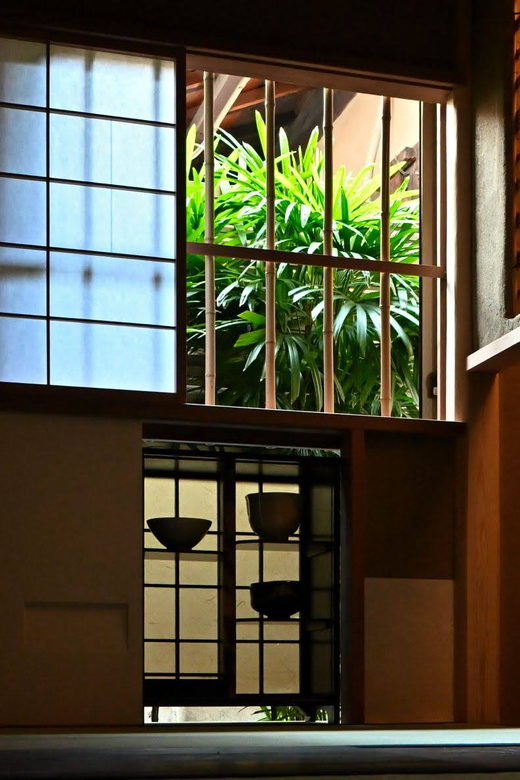
- Private tea master instruction in a real Kyoto neighborhood setting, not a showroom
- Uji matcha, Kyoto quality, plus hands-on matcha preparation
- Two seasonal sweets ordered to complement your tea
- Utensils + etiquette taught step-by-step, from chawan to chasen
- Accommodations for Halal, vegan, allergies, and LGBTQ travelers
- Wheelchair accessible (and designed for a private group)
A calm hour in Kyoto’s tea room, near Nijo Castle
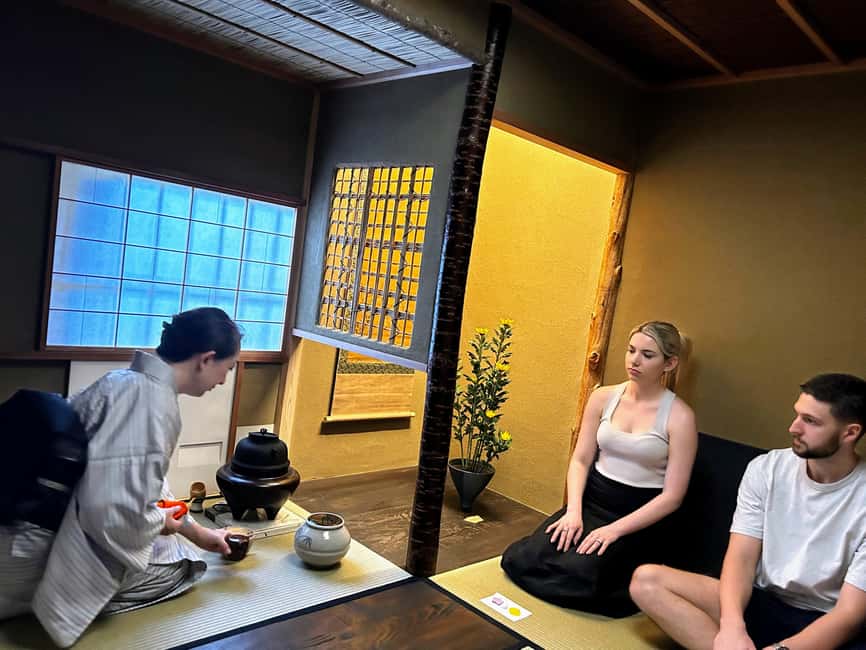
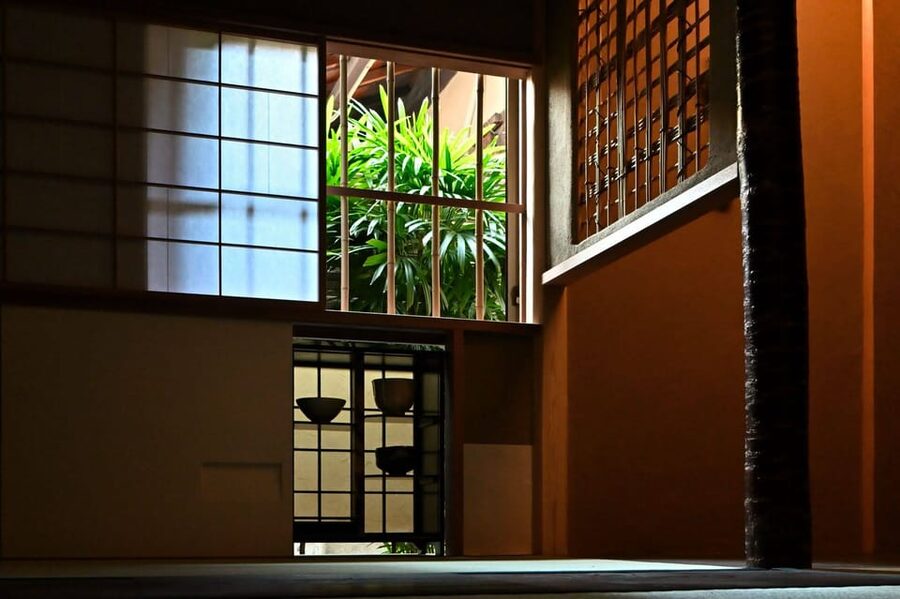
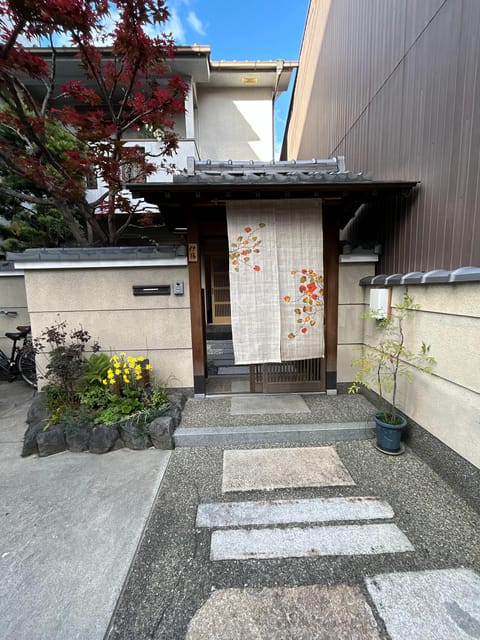
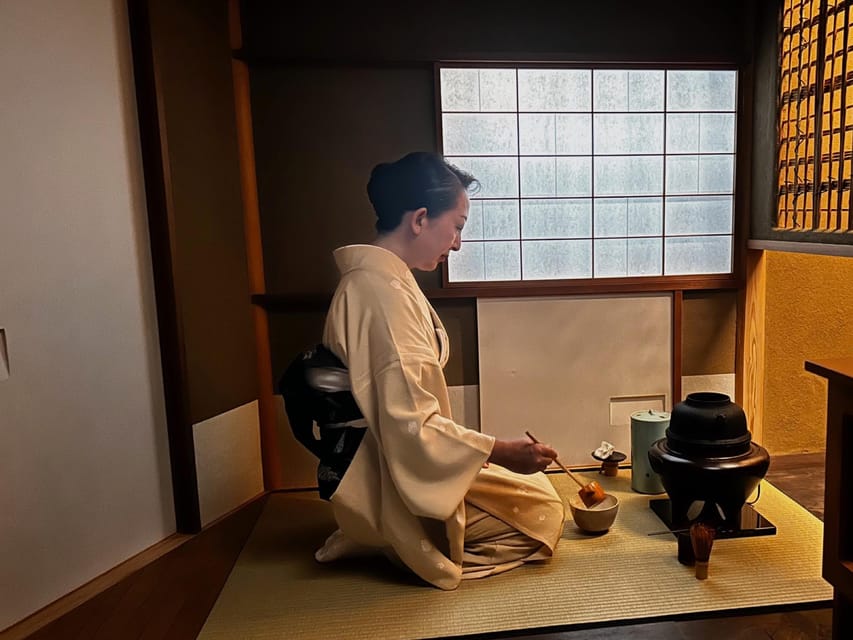
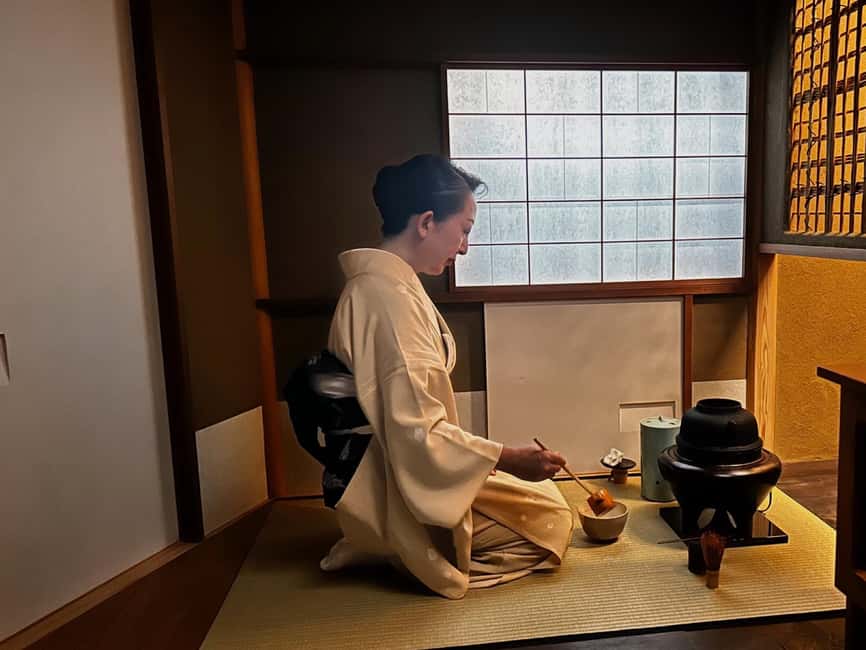
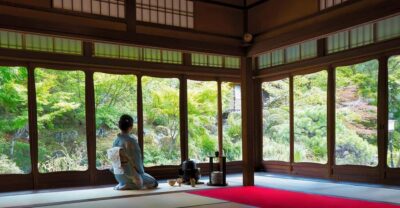
This is the kind of Kyoto experience you can almost feel in your shoulders—quiet, orderly, and full of small actions that add up. The ceremony happens in a tea room inside a local home, in central Kyoto, close to the Nijo Castle area and not far from Kyoto Imperial Palace.
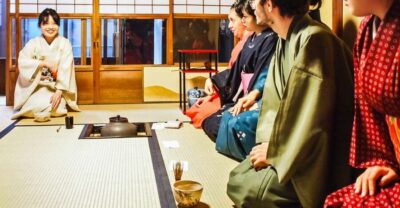
The setting matters. In a private home, the tone stays personal. You’re not moving through crowds or watching from a distance. Instead, the tea master guides you at a pace meant for learning: what to do, why to do it, and how to treat each utensil with respect.
You’ll meet at さくら 日本文化体験, then head to the tea room for your session. From there, it’s a straightforward loop: ceremony, then return to the starting point.
Sit for another bowl of matcha in a Kyoto tea house


What happens before the tea starts (and why it helps)
The experience begins with an introduction to Japanese tea ceremony from the tea master. This isn’t just a quick overview. You’ll get context early so the gestures make sense once you’re seated—especially if it’s your first ceremony.
The tea master is described as certificated, and also someone who was born and lives in Kyoto. That local connection is a practical advantage: instead of generic explanations, you’ll get grounded, everyday insight into how the ceremony is understood in Kyoto.
Then, as you step into the tea room, you’ll notice the ceremony’s structure in the details: the careful attention to how things are folded and handled, and the expectation that everyone keeps a calm atmosphere. It’s very much about respect and tranquility, not performance.
The ceremony steps you’ll learn (not just watch)
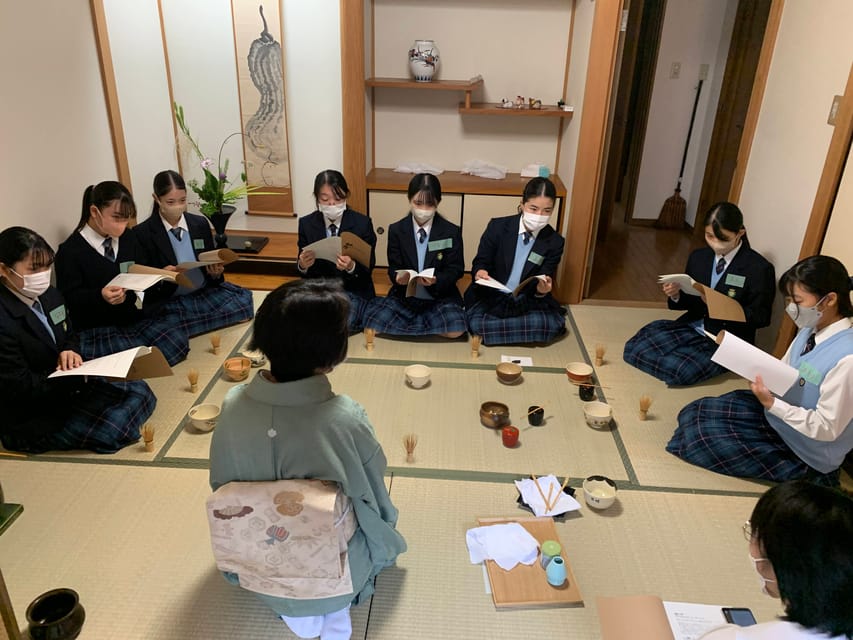
A big part of the value here is that you’re taught the meaning behind the movements. You’ll see—and in the hands-on portion, practice—the standard sequence of gestures:
- Folding the ceremonial cloth with intention
- Mindfully pouring matcha with controlled movements
- Learning how each step connects to etiquette, mindset, and hospitality
During the lesson, the tea master explains the philosophy behind the process. That might sound poetic, but it’s actually practical. When you know the purpose of each action, you stop guessing and start doing it correctly.
You’ll also learn how to use and care for the main tools:
- Chawan (tea bowl): how to hold and handle it respectfully
- Chasen (tea whisk): what it’s doing and how it should be treated
- Chashaku (tea scoop): the role it plays in portioning
This tool-and-etiquette portion is one of the most useful takeaways because you can apply it the next time you see a tea ceremony demonstration (or try matcha at home).
Matcha from Uji: what you’re actually tasting
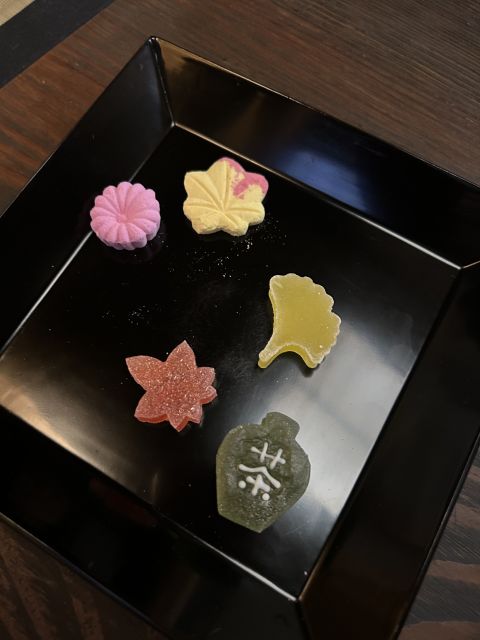
You’ll be served a bowl of matcha during the ceremony, and the included cups are listed as 2 cups of matcha total. The matcha is described as high-quality matcha made in Uji, Kyoto.
Why that matters: Uji matcha has a strong reputation, and in a tea ceremony, quality shows up in the texture and flavor balance. You’re not just drinking green tea—you’re tasting it as part of a ritual with specific timing and handling.
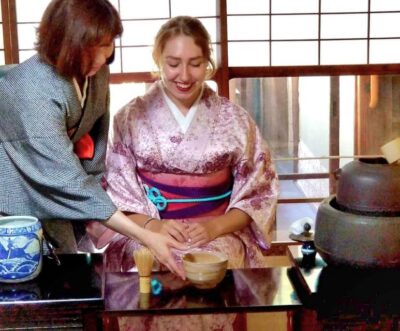
Also, the lesson doesn’t treat matcha like a mystery powder. You’ll learn how it’s prepared, and you’ll get the chance to make matcha yourself during the hands-on portion. That’s a great way to understand why whisking and pouring aren’t random steps.
The sweets: two seasonal types ordered to your pairing
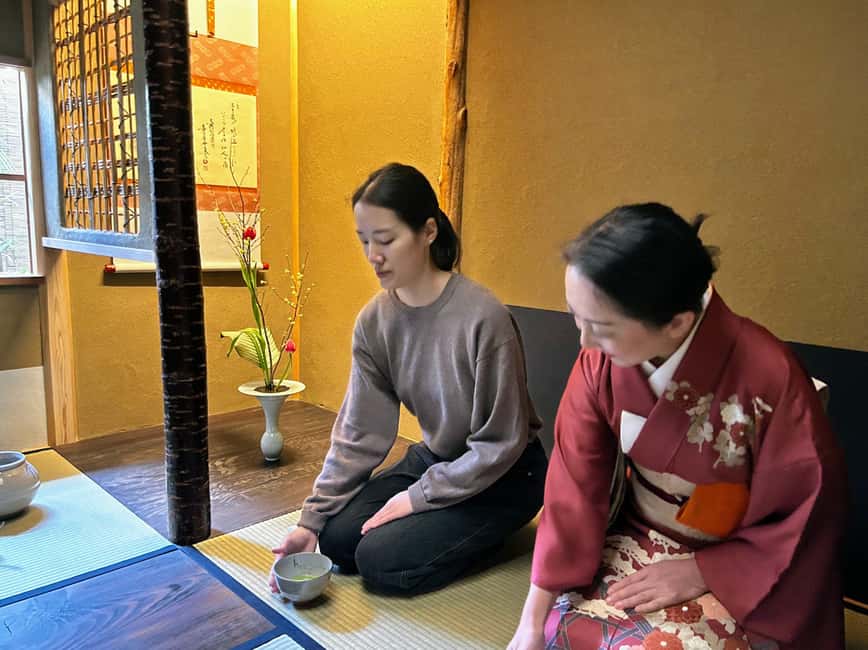
A tea ceremony isn’t only about matcha. You’ll enjoy two types of Japanese traditional dried sweets, and the experience also includes seasonal beautiful sweets made to order.
In practice, this pairing improves the whole experience. Sweetness helps balance matcha’s bitterness, and the seasonal aspect keeps it from feeling like a standard snack. Since the sweets are tied to the session, it also makes the ceremony feel more “for you” rather than a fixed script.
Other Kyoto tours and experiences to compare



Etiquette rules you’ll want to know before you go
The tea room rules are part of the culture here—also a practical reality. The instructions are clear and strict:
What you should bring/wear:
- Comfortable clothes
- Long pants (or a long skirt)
- Socks (you can also have socks provided for pay if needed)
What’s not allowed:
- No shorts
- No hats
- No smoking
- No short skirts
- No sleeveless shirts
- No jewelry
- No shoes indoors
- No perfume (come without perfume)
- No strong fragrances
- No video recording
- No audio recording
- No vaping or alcohol/drugs
A small but important practical note: you’ll need to plan your outfit ahead. You don’t want to be scrambling on the street because you packed the wrong shirt or forgot socks. If you’re traveling light, this is the easiest place to mess up—and the easiest thing to fix with one quick checklist.
Private-group pacing: the upside and the only possible downside
This is a private group experience, which usually means more attention, fewer interruptions, and a more comfortable pace. The tea master can tailor explanations to your questions during the Q&A and reflection portion.
One possible drawback is timing. One experience noted that it can feel a bit rushed toward the end when other bookings are arriving. That doesn’t necessarily mean anything goes wrong—your hour is simply designed to fit into a schedule—so I’d recommend you go in with a mindset of focused learning rather than expecting a super slow, unhurried sit.
Who this suits best (and who might want a different option)
This class is designed for beginners. The instructions even say complex terms and actions are simplified for easy comprehension in a relaxed atmosphere. That’s a strong fit if you’re curious about Japanese culture and want the “why” behind it.
It’s also a good fit if you:
- Want a private experience in a real home setting
- Appreciate thoughtful etiquette and structure
- Prefer learning from a local, certified tea master
It might be less suitable if you:
- Need a long time to ask questions (the session is 1 hour)
- Are traveling with kids under 13, since it’s not suitable for children under 13
Dietary and accessibility accommodations that matter
This experience explicitly states accommodations for LGBTQ, Halal, Vegan, and various allergies. That’s not just a nice-to-have line—it’s meaningful for a ritual that includes food pairing with tea.
The session is also listed as wheelchair accessible, which is a big plus in older neighborhoods where access can be tricky.
My practical advice: if you have allergies or dietary needs, treat the pre-visit communication as essential. The more specific you are, the better the sweets pairing can work with your tea.
Logistics made simple: getting there near central Kyoto
You’re meeting at さくら 日本文化体験, and the location is very close to major transit points:
- About 3 minutes from Nijo Castle and Kyoto subway (Nijojomae) on foot
- About 15 minutes from Hankyu Line (Shijo) on foot
- About 3 minutes from Kyoto city bus (Nijojomae) on foot
- About 10 minutes from JR Kyoto Station by taxi
This is helpful because it makes the experience workable even if you’re not staying near the castle area. It’s also easy to pair with a morning or afternoon visit to Nijo Castle or the Kyoto Imperial Palace area—just be mindful that tea room rules are strict, so you’ll want a clean, comfortable time window.
Is it worth $101 for one hour?
At $101 per person for a private, certified-tea-master session, the “value” comes from three things:
- Privacy and instruction quality
You’re not watching; you’re learning steps, tools, and etiquette.
- Included matcha + sweets
You get 2 cups of matcha and two types of sweets, including seasonal order-based sweets that complement the tea.
- A structured lesson that’s beginner-friendly
The experience includes history, utensils significance, etiquette, demonstration, hands-on matcha preparation, and time for Q&A.
Compared with cheaper group tea ceremonies, this is pricier—but it’s built for deeper understanding, especially if you care about the meaning behind each move. If you’re the type who asks why things are done a certain way, this tends to feel like good spending.
Should you book this Kyoto tea ceremony?
Book it if you want a real Kyoto home setting near Nijo Castle, a guided explanation that connects etiquette to philosophy, and the chance to make matcha yourself. The combination of Uji matcha, seasonal sweets, and a private group format makes the hour feel focused instead of rushed.
Skip or reconsider if you’re looking for a long, freeform cultural hangout. This is a structured 1-hour ceremony with clear tea-room rules, and you’ll get the most from it when you show up ready to learn and follow instructions.
If you’re easygoing, curious, and willing to dress properly (long pants, socks, no perfume), you’ll likely find this is one of the more memorable, calm Kyoto experiences you can fit into a busy schedule.
FAQ
How long is the Kyoto private tea ceremony?
It lasts 1 hour.
What’s included in the price?
You receive 2 cups of matcha, 2 kinds of Japanese traditional dried sweets, and certification from a tea master.
Where do I meet for the experience?
You meet at さくら 日本文化体験. It’s about 3 minutes from Nijo Castle and the subway stop Nijojomae on foot.
What languages are spoken during the class?
Instruction is available in English and Japanese.
Can the ceremony accommodate Halal, vegan, or allergies?
Yes. The experience states they can accommodate Halal, Vegan, and various allergies, and also LGBTQ travelers.
Is it wheelchair accessible?
Yes, the experience is listed as wheelchair accessible.
What should I wear or bring to the tea room?
Bring comfortable clothes, long pants or a long skirt, and socks. Shoes are not allowed indoors.
Are photos or recordings allowed?
No. Video recording and audio recording are not allowed in the tea room.
More Private in Kyoto

More Tour Reviews in Kyoto




One More Bowl of Matcha

Just added: more Kyoto tours to browse








Kyoto Tea Ceremonies, compared.
 ★ 4.9Tea Ceremony in a Traditional Tea House in KiyomizuFrom $493,519 reviews
 ★ 4.9Tea Ceremony Ju-An at Jotokuji TempleFrom $293,207 reviews
 ★ 4.345-Minute Tea Ceremony Lesson ExperienceFrom $222,378 reviews
 ★ 4.9Table-Style Tea Ceremony at a Kyo-MachiyaFrom $451,211 reviews
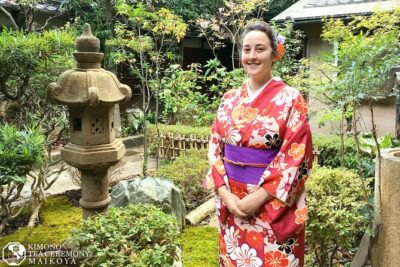 ★ 5.0Kimono Tea Ceremony at Kyoto Maikoya, NISHIKIFrom $65911 reviews
 ★ 5.0Arashiyama Bamboo Forest, Monkeys, Matcha & Temple TourFrom $53759 reviews
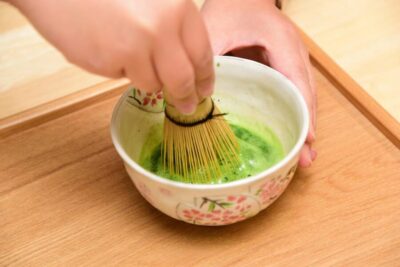 ★ 4.9Tea Museum Tickets and Matcha Grinding ExperienceFrom $23739 reviews
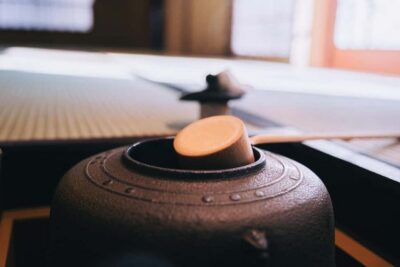 ★ 4.9Kimono Tea Ceremony at Orizuruya GionFrom $49618 reviews
Browse the lists this tour appears in