
Reviewed · KYOTO CRAFT & CALLIGRAPHY WORKSHOPS
Kyoto: Mindfulness Origami Workshop, Limited 6/8–6/10
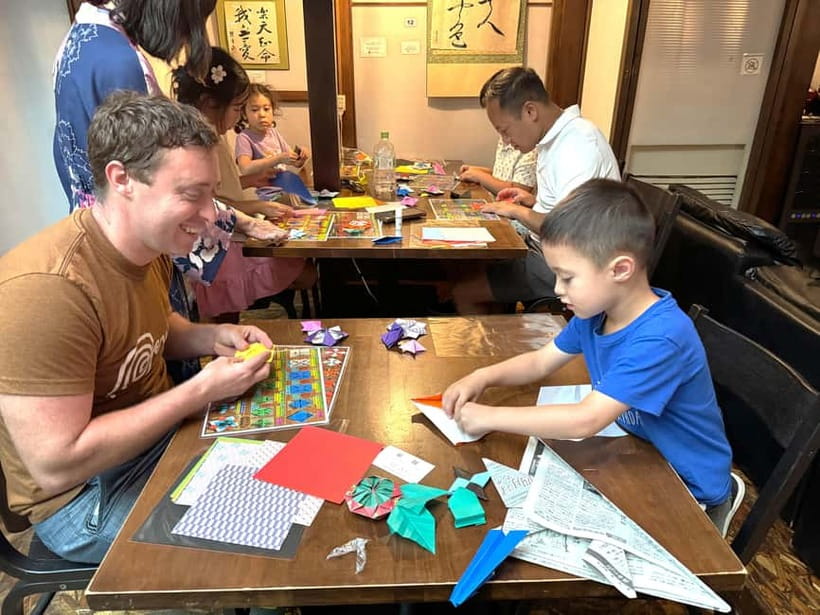
Paper folds can slow your Kyoto day. At GojoParadiso along the Takase River on Kiyamachi Street, this mindfulness-focused origami workshop gives you an easy hour of calm in a city that usually moves fast. It’s taught in a small group setting (limited to 10), so you’re not left guessing mid-fold.
I like the practical outcome: you learn basic techniques and end with finished pieces, including classic cranes, plus a commemorative group photo. The only real drawback to plan around is the time limit: it’s just one hour, so if you’re brand-new, you’ll want to go slowly and let the instructor guide you rather than trying to rush ahead.
In This Review
- Key Things I’d Highlight
- Where GojoParadiso Fits in Kyoto (Takase River Calm)
- The 1-Hour Workshop Flow: What Happens Step by Step
- Mindfulness Through Folding: Why the Calm Feels Real
- Learning Cranes and More: Skills That Don’t Feel Over Your Head
- The Photo Moment and Take-Home Origami: A Memory You Can Actually Use
- Price and Value: Is $29 Worth It?
- Who Should Book This (and Who Might Not)
- Quick Tips to Get the Most Out of Your Hour
- Should You Book This Kyoto Mindfulness Origami Workshop?
- FAQ
- How long is the Kyoto mindfulness origami workshop?
- What is the price per person?
- Where is the meeting point?
- What languages is the instructor comfortable using?
- How large is the group?
- What origami designs will I learn?
- Are supplies included, and can I take my work home?
- Is there free cancellation?
Key Things I’d Highlight
- Mindfulness through folding: focus on the rhythm, not perfection
- Small group coaching: limited to 10 participants for hands-on help
- Classic designs like cranes: start with simple folds you can build on
- Choose your paper style: bright colored paper or traditional Japanese-patterned paper
- Take home your creations: you leave with a unique origami souvenir
- Commemorative group photo: a fun way to mark the moment
Where GojoParadiso Fits in Kyoto (Takase River Calm)
Kyoto can feel like a constant schedule of temples, lines, and transport. That’s why this workshop’s location matters. GojoParadiso sits along the Takase River on Kiyamachi Street, an area that’s perfect for a short pause between bigger sights. You’re not stuck in a museum classroom either. You’re close to the kind of everyday Kyoto atmosphere that makes a small experience feel grounded.
Getting there is straightforward. It’s about a 5-minute walk from Keihan Kiyomizu Gojo Station and around a 10-minute walk from Keihan Shichijo Station. The listing also notes it’s roughly 386 meters from Kiyomizu Gojo Station, which is useful if you’re hopping off a train and want your bearings quickly.
One practical tip: treat this as a reset moment. If you’ve been walking in the heat or dealing with crowded routes, the hour here can feel like turning the volume down. And because the class is designed for people of all experience levels, you don’t need to arrive knowing anything about origami.
Make something by hand in a Kyoto workshop


The 1-Hour Workshop Flow: What Happens Step by Step
This is a focused experience, not an all-day craft session. The workshop runs for 1 hour, so you’ll move through a sequence that’s paced for learning without turning into a marathon.
Here’s the flow you should expect, and what it means for you:
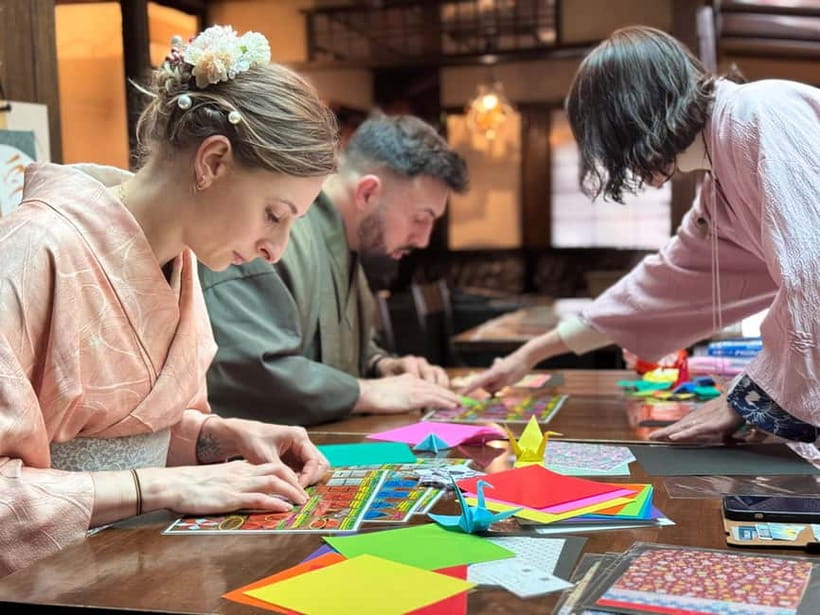
First, you settle in and get your origami supplies for the class. Since supplies are included, you don’t have to hunt down paper or bring tools. That also keeps your start stress-free, which is big in a new city.
Next comes the core teaching: you’ll learn basic origami techniques and traditional designs, with cranes specifically mentioned as part of what you’ll make. Expect instruction that breaks down folds into manageable steps, because the point isn’t speed. The tone is meant to feel meditative, so you’ll be nudged to slow down and concentrate.
Then there’s the mindfulness component. Instead of thinking of origami as just a craft project, the workshop frames it like a small practice: focusing on the rhythm of folding and staying present. You’ll still create paper art, but the learning style is more about attention and patience than perfect symmetry.
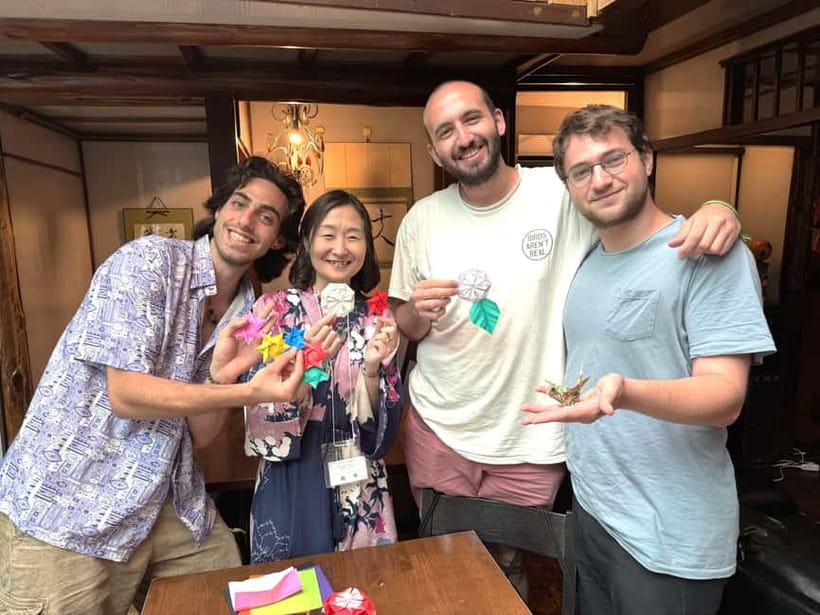
As the class wraps up, you’ll reach the fun part: your creations are ready to display and you can play a bit with the finished pieces. And yes, there’s a commemorative group photo, which is a nice touch when you want a simple memory beyond a couple of selfies.
Finally, you leave with your finished origami piece as a take-home souvenir. In other words, you get both the process and the payoff.
Mindfulness Through Folding: Why the Calm Feels Real
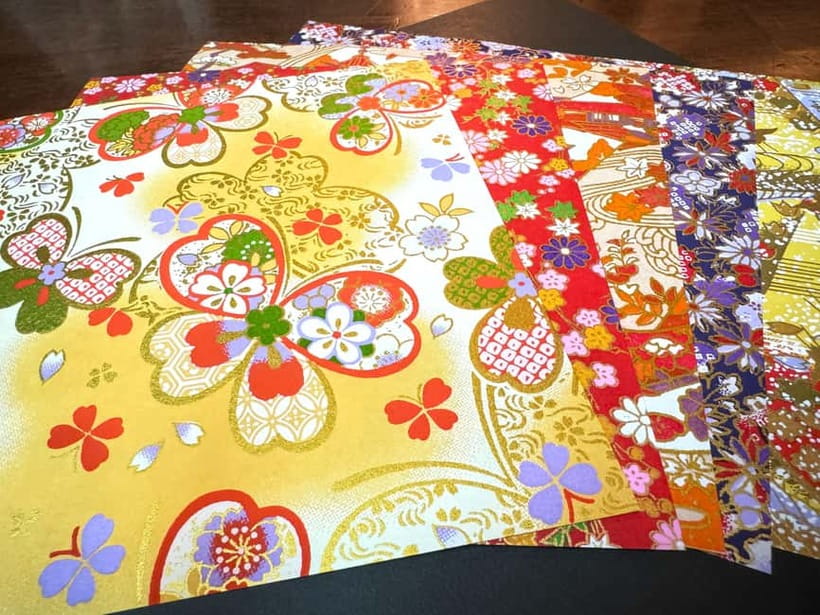
The mindfulness angle is the main reason this workshop works as a travel activity, not just a craft detour. The concept is simple: when you fold paper carefully, your hands and eyes have to cooperate. That removes a lot of mental noise. In a city where your day can pull you in ten directions, it’s a relief to have one task that actually holds your attention.
What makes this format convincing is that it’s not presented as spiritual theater. It’s based on how concentration works in practice. The workshop encourages you to pay attention to the folding rhythm, which naturally slows your thinking. The result is the kind of calm you can feel in the room: quiet focus, slow steps, and a shared effort to get through each fold together.
I also appreciate the way the workshop handles perfection. The experience is explicitly not about getting it right on the first try. The goal is enjoying the process, building creativity, and calming the mind. That mindset matters if you’re traveling. You don’t want a class that turns into self-criticism. Here, you’re encouraged to learn through doing.
This is also where that small-group coaching is a big deal. When someone gets stuck on a step, you can usually adjust quickly with help rather than going home with a frustrating half-fold. In past participant feedback, the instructor is repeatedly described as patient and kind when people hit a snag, including guidance when you stall mid-step.
Learning Cranes and More: Skills That Don’t Feel Over Your Head
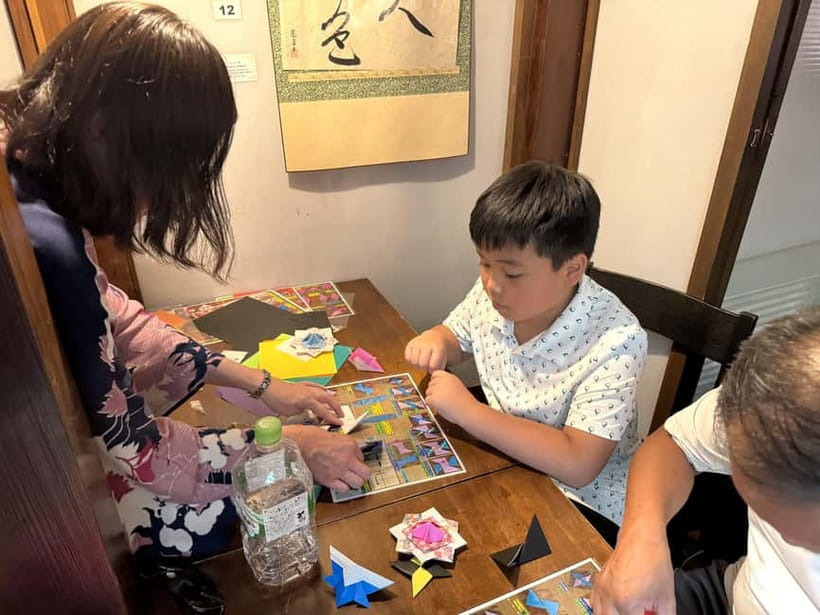
You don’t need prior origami skills to enjoy this. The workshop is designed for children to adults, and it covers traditional techniques in a way that supports beginners without insulting experienced folders.
The standout design you’ll hear about is the crane. Cranes are a familiar entry point in Japanese paper-folding culture, and they’re a good “learning tool” because they teach the discipline of precise folds without requiring complicated tools.
What you’ll really gain isn’t just one finished paper bird. You’ll learn a handful of core folding moves that you can reuse later, like how to follow step-by-step creases and how to keep your paper aligned as you fold. That’s what turns origami from a one-time souvenir into a hobby you can repeat after Kyoto.
Paper choice is part of the experience too. You can select bright colored paper or traditional Japanese-designed paper. That means even if your folds are simple, your final look can feel personal. It’s an easy win: you control the vibe.
One practical note: because it’s one hour, the workshop emphasizes learning the basics and a few traditional designs rather than offering advanced variations. If you’re an origami enthusiast hoping for highly technical models, this will feel like an approachable introduction. Still, it’s a good way to practice fundamentals with live guidance.
The Photo Moment and Take-Home Origami: A Memory You Can Actually Use
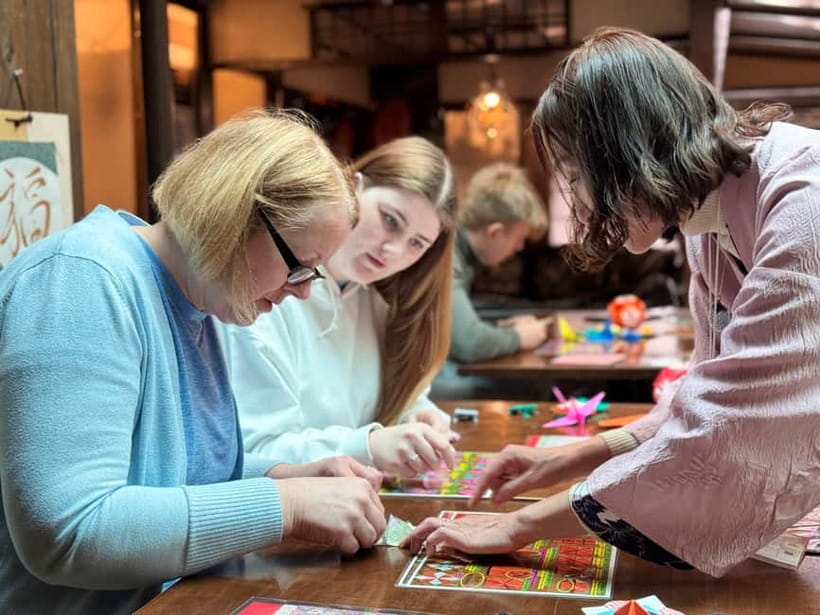
A group photo might sound like a small detail, but it changes how you remember the hour. With a workshop like this, you’re not just visiting a landmark. You’re making something, sitting with a teacher, learning a process. The commemorative group photo gives you a clean snapshot of that shared moment.
Then there’s the take-home part, which I consider one of the best value features. You’ll leave with a unique origami piece you made during the class. That’s a souvenir you can display later, not just something that fits in a bag and fades into the background.
If you like thoughtful travel gifts, this also works. A handmade crane or paper creation feels more personal than a packaged trinket. And if you’re traveling with family or friends, it’s a nice way to bring everyone into the same activity without needing everyone to be equally artistic.
Other Kyoto tours and experiences to compare





Price and Value: Is $29 Worth It?
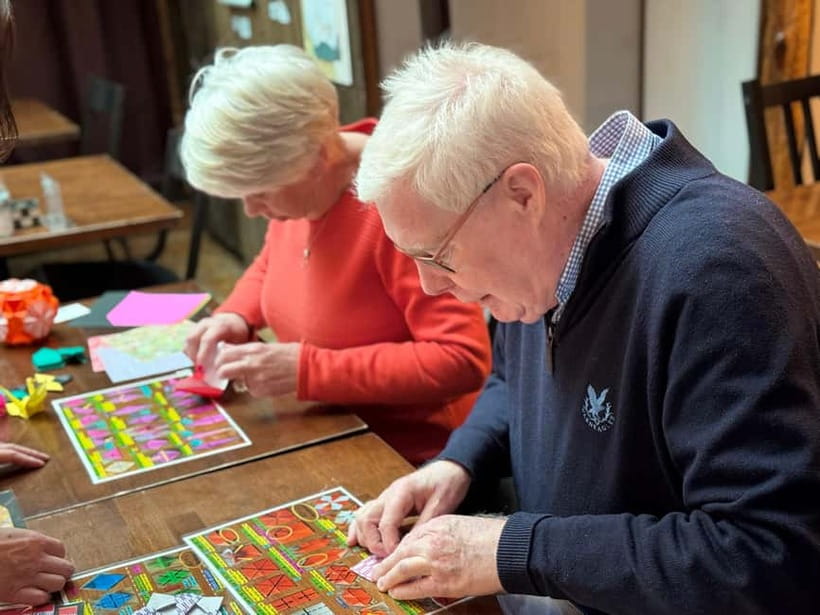
At $29 per person for an hour, this workshop sits in the “small price, meaningful memory” category. You’re paying for three things:
First, you’re paying for instruction from a professional origami teacher, in English and Japanese. Guidance is what makes an origami class better than a random YouTube tutorial, especially if you’re brand-new or you get stuck.
Second, supplies are included. That might sound minor, but it matters in travel. You don’t want to spend time hunting for paper, tools, or extra materials. Here, you show up and fold.
Third, you get a complete experience: you make something, learn technique, take part in a group photo, and take home your work. Even though it’s only one hour, it’s structured so you finish with an outcome rather than leaving mid-project.
In short: if you want a calm Kyoto activity that doesn’t require planning a long itinerary, $29 makes sense. The workshop is short enough to fit on a busy day and structured enough that you leave satisfied.
Who Should Book This (and Who Might Not)

This is ideal if you:
- want a calm break from Kyoto’s temple-and-crowds rhythm
- enjoy hands-on culture experiences
- like learning small traditional arts without committing to a full-day class
- are traveling with family and want something that works across ages
It also fits solo travelers who want a warm, guided activity where communication is supported (in English or Japanese) and where the group size stays small.
I’d consider skipping if you:
- are looking for advanced origami engineering or highly complex models
- need a longer workshop for deep practice (since the class is 1 hour)
- prefer experiences with more sightseeing built in (this is mainly about the workshop itself)
For most people, though, this lands in the sweet spot: short, structured, and calming, with a tangible result at the end.
Quick Tips to Get the Most Out of Your Hour
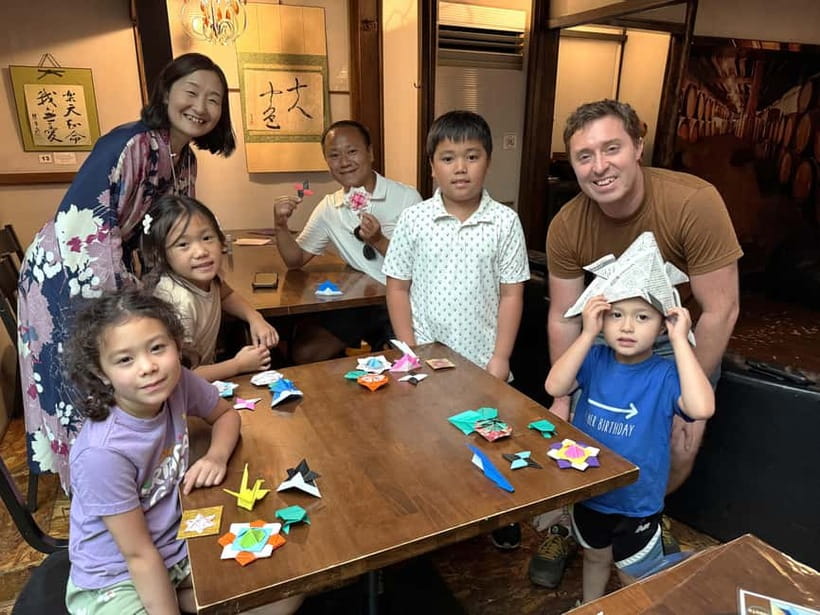
These are the small things that help you enjoy the class instead of rushing through it:
- Arrive with a relaxed mindset. This works best when you let the instructor guide each step.
- Pick your paper style early. If you want a traditional look, choose that right away so you’re not deciding while you’re trying to fold.
- Expect to slow down. The mindfulness framing is part of the value.
- Take the photo moment seriously. It’s one of the best ways to remember the experience as an actual Kyoto day, not just a craft session.
Should You Book This Kyoto Mindfulness Origami Workshop?
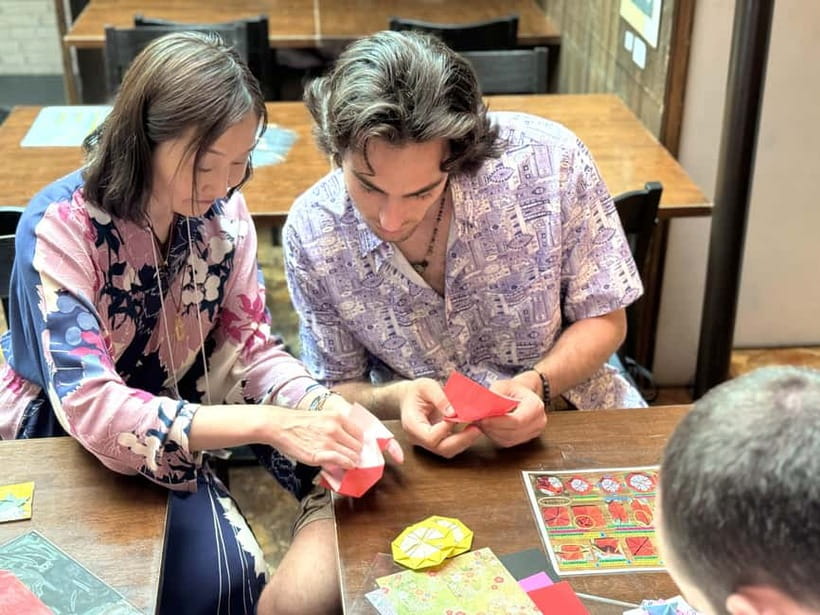
I’d book it if you want a short, meaningful Kyoto activity with real instruction and a calm mental reset. The small group size, professional teaching, and take-home creations make it feel worth the time, even on a packed itinerary. If you’re new to origami, you’ll get the basics and leave with something you can show. If you already fold, you’ll still appreciate the slower, mindfulness-first approach and the supportive help when you hit a tricky step.
If you’re chasing a high-stakes “master class” or advanced models, then look elsewhere. But for most travelers, this is a smart purchase: simple, Japanese, and genuinely relaxing for an hour.
FAQ
How long is the Kyoto mindfulness origami workshop?
The workshop lasts 1 hour.
What is the price per person?
The price is $29 per person.
Where is the meeting point?
The meeting point is Gojo Paradiso along the Takase River on Kiyamachi Street. It’s about a 5-minute walk from Keihan Kiyomizu Gojo Station and a 10-minute walk from Keihan Shichijo Station.
What languages is the instructor comfortable using?
The instructor teaches in English and Japanese.
How large is the group?
It’s a small group, limited to 10 participants.
What origami designs will I learn?
You’ll learn basic origami techniques and traditional designs, including cranes.
Are supplies included, and can I take my work home?
Yes. Origami supplies are included, you can choose your paper type, and you leave with your completed origami as a take-home souvenir.
Is there free cancellation?
Yes. You can cancel up to 24 hours in advance for a full refund.
More Workshops in Kyoto

More Tour Reviews in Kyoto






More Kyoto Workshops to Try


Just added: more Kyoto tours to browse








Kyoto Craft & Calligraphy Workshops, compared.
 ★ 5.0Chopsticks Making Workshop in Gion with Engraving OptionFrom $15958 reviews
 ★ 4.8Authentic knife making experience at a blacksmith in KyotoFrom $154350 reviews
 ★ 5.01-Hour Japanese Archery Experience in KyotoFrom $46176 reviews
 ★ 5.0Calligraphy class at Buddhist temple in city centerFrom $55167 reviews
 ★ 5.0Roketsu dyeing experience: M course Roketsu Dyeing ExperienceFrom $25163 reviews
 ★ 4.9Japanese Archery Workshop with Experienced InstructorFrom $38132 reviews
 ★ 4.8Japanese Calligraphy ClassFrom $5189 reviews
 ★ 5.0TAIKO, Japanese Drum Experience from KyotoFrom $11586 reviews
Browse the lists this tour appears in