
Reviewed · GION & GEISHA DISTRICT TOURS
Night Walk in Gion: Kyoto’s Geisha District
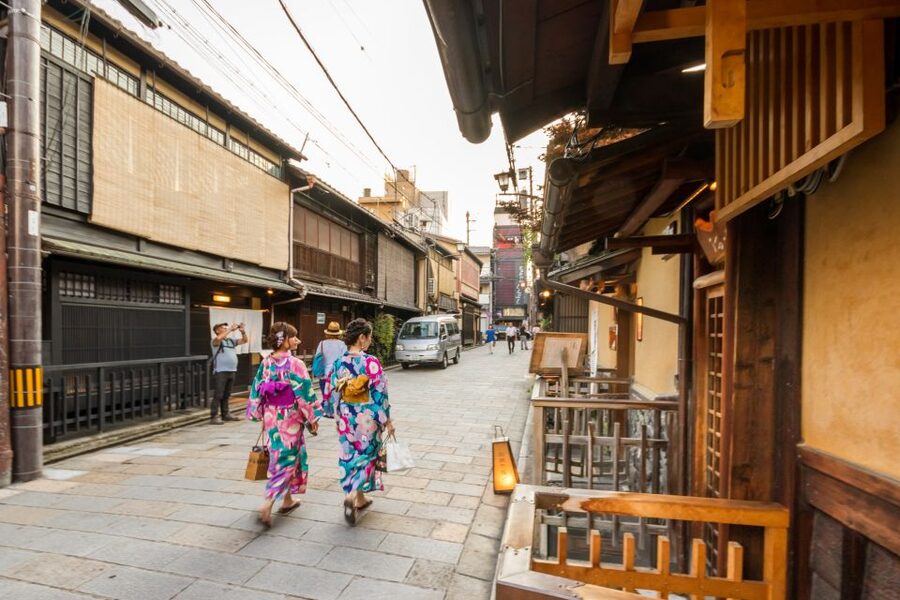
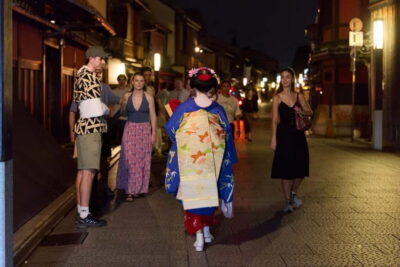
Kyoto’s Gion at night feels like a storybook. I love how this 100-minute walk turns geiko and maiko culture into something you can actually picture, with clear explanations of kimono, hairstyle, rules, and daily life. I also like the way the route keeps you moving through the classic streets and along a scenic stream—so you’re not just staring at buildings, you’re understanding the neighborhood.
One thing to consider: geisha sightings aren’t guaranteed, and you may be asked to keep distance and follow privacy rules, so don’t book expecting a close encounter on demand. Also, video recording isn’t allowed, and the tour isn’t suitable for people with mobility impairments.
In This Review
- Key Things I’d Tell a Friend Before You Go
- Finding the Start in Gion: Gion Omoide Museum to Izutsu Yatsuhashi
- Why 100 Minutes on Foot Feels Right at Night
- The Real Point: Understanding Geiko and Maiko Life (Not Just Looking)
- Memoirs of a Geisha Streets: Seeing the District Through the Lens
- Spotting Geiko and Maiko Without Being That Tourist
- Etiquette Lessons You Can Use Immediately
- Tea House Culture and the “How to Read the Signs” Feeling
- Price and Value: Is $21 Really Fair for 100 Minutes?
- Who Should Book This Gion Night Walk
- Practical Tips for a Smooth Night in Gion
- Should You Book This Gion Night Walk?
- FAQ
- How long is the night walk in Gion?
- What does it cost?
- Where is the meeting point in Gion?
- What language is the tour guide?
- Are geiko and maiko sightings guaranteed?
- Is video recording allowed?
- Is transportation to and from the area included?
- Is this tour suitable for kids or people with mobility impairments?
Key Things I’d Tell a Friend Before You Go
- Meet at Gion Omoide Museum (Izutsu Yatsuhashi side): the tour starts in front of the museum connected to the pastry shop.
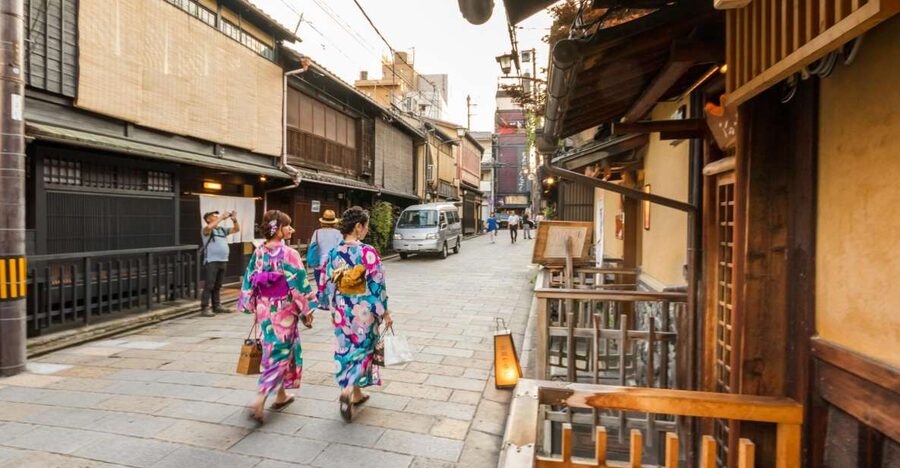
- Night streets with film-and-book vibes: you’ll pass areas that were featured in Memoirs of a Geisha.
- Kimono and training, explained in plain terms: your guide breaks down kimono, hairstyle, traditional rules, and daily life.
- Geiko and maiko etiquette is part of the experience: you learn how to behave quietly and respectfully.
- Sightings are a bonus, not a promise: geisha are often seen, but the tour is designed for learning first.
- A licensed English-speaking guide leads the walk: in recent departures, guides like Mia and Haruto have led tours, and their respect shows in how they manage encounters.
Finding the Start in Gion: Gion Omoide Museum to Izutsu Yatsuhashi
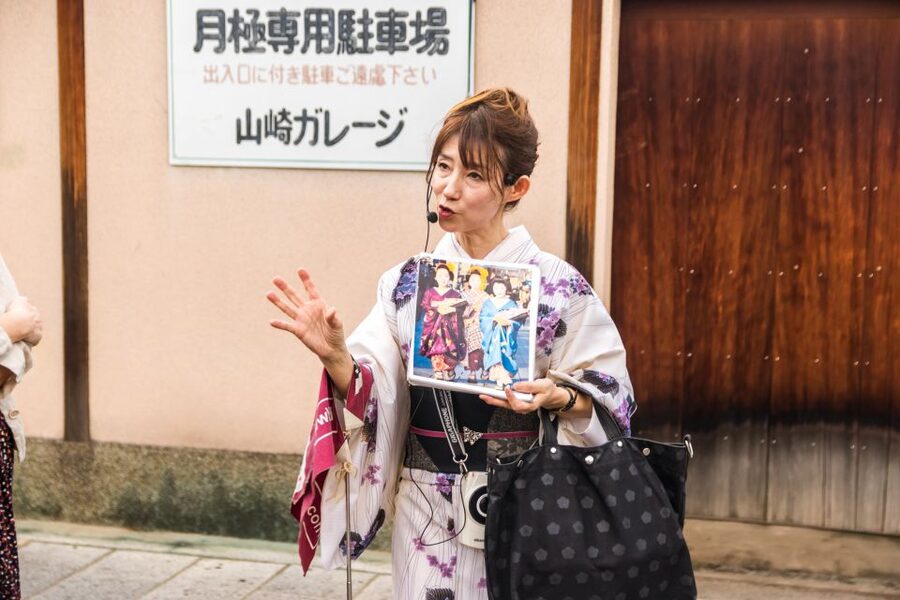
This tour is easy to locate, as long as you look for the right landmark. You meet in front of Gion Omoide Museum, which is connected to the Izutsu Yatsuhashi pastry shop. If you’ve ever watched Kyoto crowds flow at night, this is a useful anchor point: you’re not trying to guess which side street the group picked.
The meeting area matters because it sets the tone. Gion is photogenic, but it’s also a real working district. Starting with a clear meeting spot helps you arrive calm and ready to walk, not frazzled with navigation.
Practical tip: arrive a few minutes early. That buffer helps you spot the group, confirm you’re at the correct entrance, and settle in before the guide gets everyone moving.
More evenings along the lantern-lit lanes of Gion


Why 100 Minutes on Foot Feels Right at Night
A night walk sounds simple, but timing is everything in Gion. This experience runs about 100 minutes, which is long enough to get context and still short enough to stay comfortable. You’ll be walking through the district rather than hopping between far-off stops, so the time feels focused.
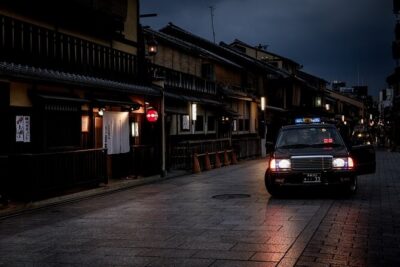
Also, evening is when Gion shifts from daytime spectacle to nighttime atmosphere. The streets feel quieter, the lighting does more of the work for your eyes, and your guide can point out details you’d miss in daylight—especially around the places geiko and maiko are known to move through.
This is also a good length for couples, solo travelers, and people with limited time in Kyoto. If this is your only organized Gion activity, you still get a meaningful picture of how the district functions after dark.
The Real Point: Understanding Geiko and Maiko Life (Not Just Looking)
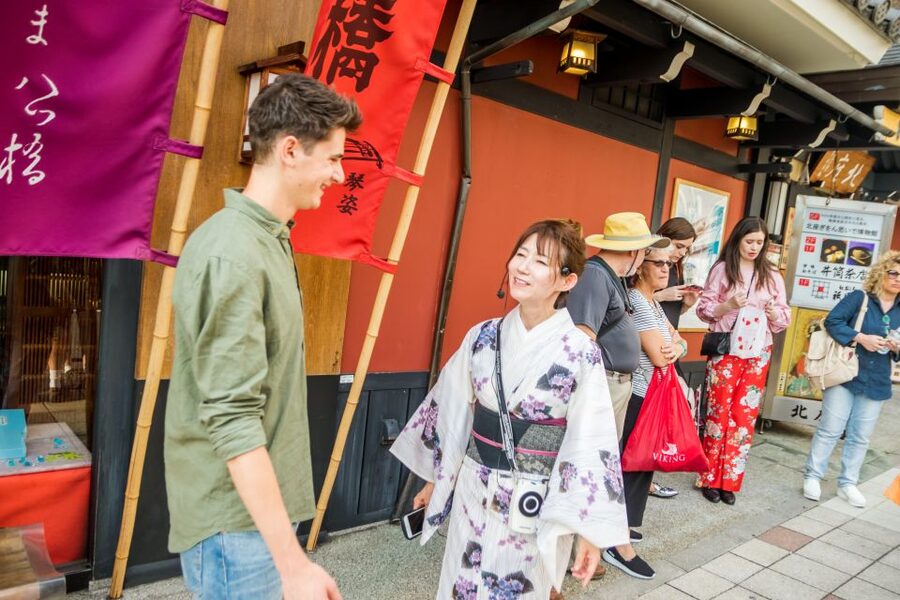
The best part of this tour is that it’s not only about scenery. Your guide gives a detailed explanation of what makes geiko and maiko distinct—starting with the role of kimono and hairstyle, then moving into the traditional rules and what daily life can look like.
Here’s why that matters for you: if you visit Gion without context, you tend to see costumes and think it’s all performance. With the guide’s structure, the clothing, grooming, and behavior stop being random visuals and start reading like a system—something learned, practiced, and maintained.
During my walk, the guide’s focus kept me engaged. You hear about:
- what kimono and hairstyles communicate
- why traditional rules govern conduct in the district
- how their daily life works in practice (not just as a legend)
It’s also the kind of tour where the small details connect. For example, when the guide explains etiquette and routines, you naturally understand why people handle encounters the way they do, and why your job is to observe without getting in the way.
Memoirs of a Geisha Streets: Seeing the District Through the Lens
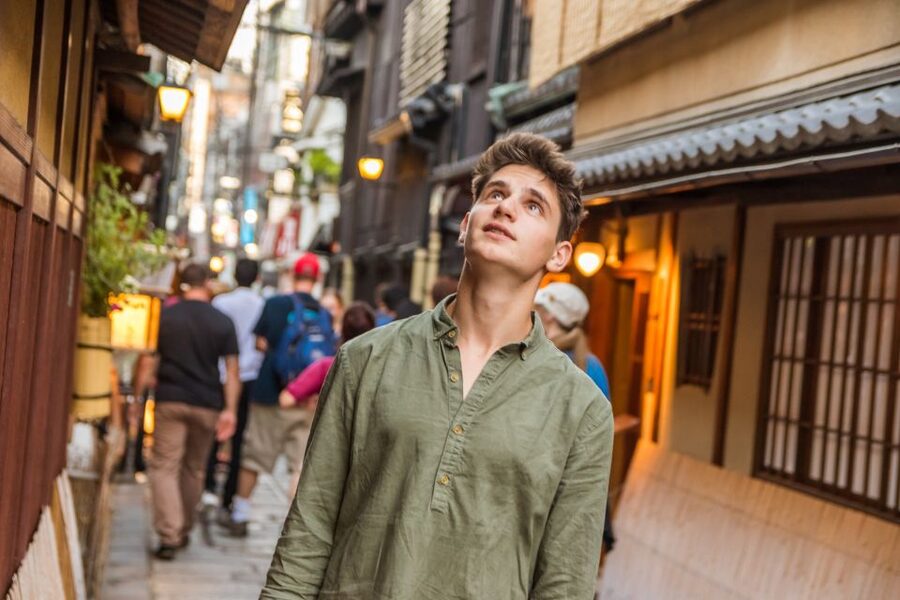
You’ll travel through classic parts of Gion on foot, and the tour includes stops and views tied to Memoirs of a Geisha. That doesn’t mean you’ll get a museum-style lecture. It means your guide points out the visual cues that made the story stick—and how those visuals map to real streets tonight.
One detail I’d call out is how the route runs near a scenic stream. The guide uses that setting to tell you history and context while you’re walking beside the water, so it feels less like you’re being marched through photos and more like the neighborhood is giving you the backdrop.
This is one of those experiences where the district becomes a living classroom. Even if you’ve read the book or watched the film, you’ll see how the real Gion streets shape the mood.
Spotting Geiko and Maiko Without Being That Tourist
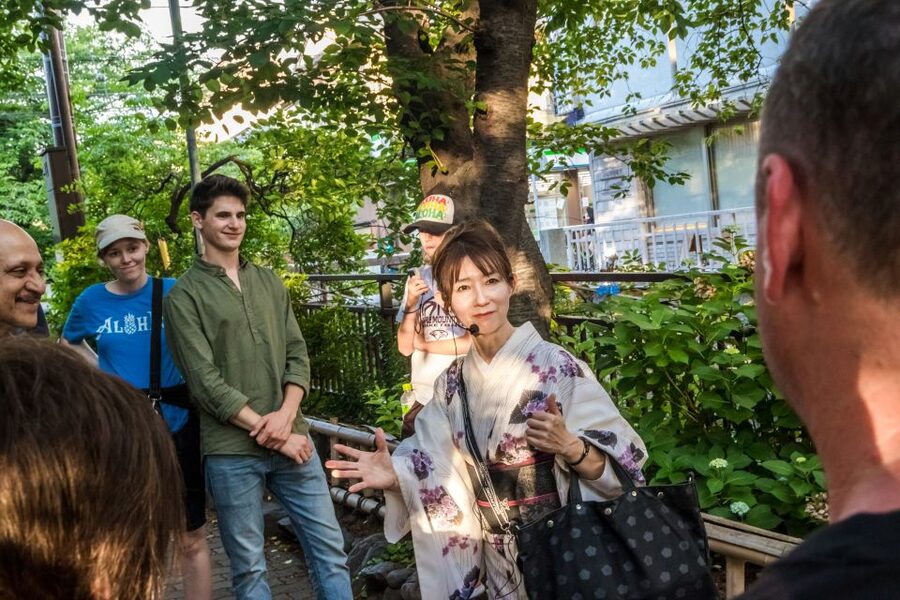
Let’s talk about expectations, because this is where people can feel disappointed if they don’t plan mentally. The tour clearly says sightings are not guaranteed, but geiko and maiko are often spotted while you walk.
That’s realistic, and it’s also respectful. Some of the strongest feedback I’ve seen highlights how guides protect privacy and keep things orderly. In other words, if you’re hoping for a crowd-style chasing game, this isn’t that.
What you should expect instead is structured observation:
- the guide helps you understand what you’re seeing
- you keep your behavior quiet and low-impact
- the group stays together so you don’t spill into the street
One review noted that the guide stayed protective and kept participants away from geisha. That might sound like a drawback if your only goal is proximity. But from a practical standpoint, it’s a sign the tour is being run with boundaries, not just tourism optics.
Also, remember the rules: video recording isn’t allowed. That alone forces the tour to feel more present and less like a content sprint.
See how Kyoto shifts after dark






Etiquette Lessons You Can Use Immediately
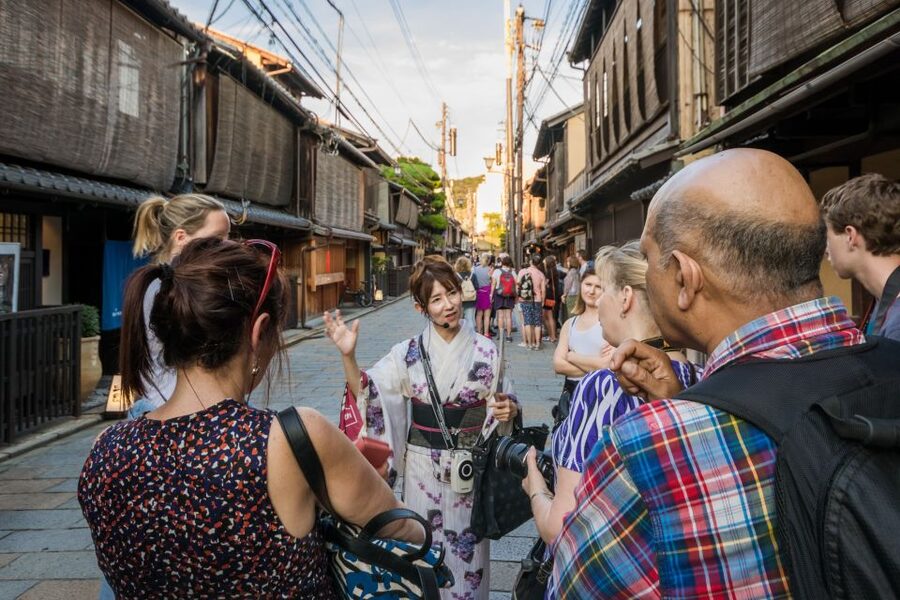
This walk doesn’t treat etiquette like a vague request. Your guide explains the do’s and don’ts for encountering geiko and maiko—how to bow or greet quietly, and how to observe without intruding.
These details are useful because Gion etiquette isn’t common knowledge for most first-time visitors. You don’t want to guess. You want clear guidance, especially around people whose work depends on privacy and focus.
In recent tours, guides such as Mia and Haruto have been praised for setting the tone with respect and humor, which matters because it keeps the group from getting awkward. Even if you’re not shy by nature, a good guide keeps everyone calm and aligned.
If you’re the kind of traveler who appreciates learning the rules behind the scene, this is a strong match.
Tea House Culture and the “How to Read the Signs” Feeling
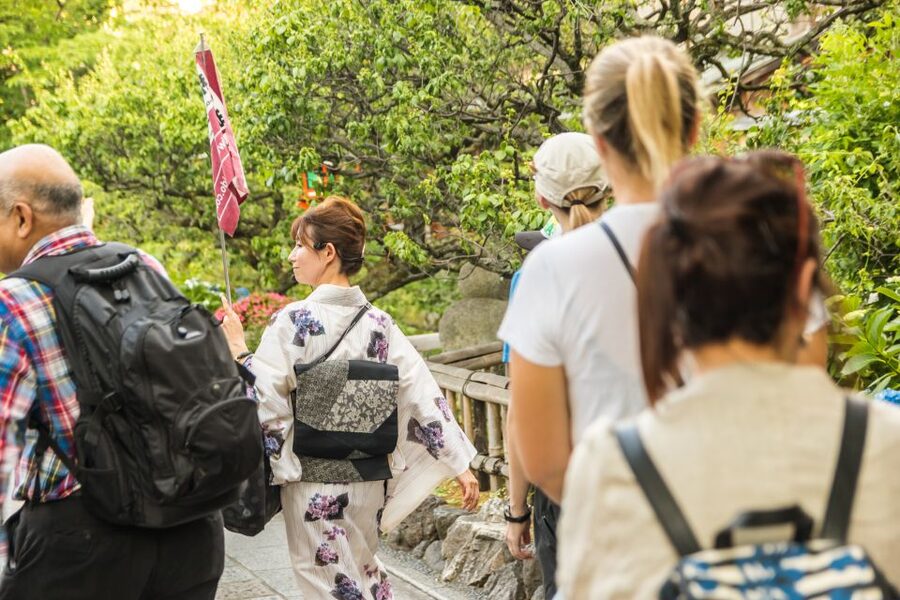
A big theme in the tour is tea house culture. Your guide doesn’t just say the words. They explain the culture around appointments and how tea houses fit into the evening rhythm in Gion.
One detail I found especially practical: the guide may explain how to distinguish between a Tea House and a tea house (capitalization matters in some contexts), and why the differences show up the way they do. It’s the kind of explanation that makes you feel smarter the moment you walk away, because you notice details in the streets right after.
If you like cultural context, this part is a payoff. You stop seeing tea-related signage as decoration and start seeing it as part of a system that shapes movement, timing, and etiquette.
Price and Value: Is $21 Really Fair for 100 Minutes?

At $21 per person for a guided 100-minute walk with a live, English-speaking guide, this is one of the more affordable ways to get structured context in central Kyoto.
The value comes from three places:
- You’re paying for interpretation: kimono, training, daily life, and rules explained in real-world terms.
- You’re paying for guidance at night: the guide helps you navigate without turning the evening into a navigation challenge.
- You’re paying for respectful management: keeping the group orderly and handling encounters with privacy in mind.
Would a private guide cost more? Yes, usually. But this tour gives you a middle ground: enough structure to feel informed, without the price tag of a custom experience.
If you’re the type who enjoys learning the “why” behind what you see, $21 feels like a good deal. If your goal is only maximum photo opportunities or maximum guaranteed sightings, you may want to adjust your expectations.
Who Should Book This Gion Night Walk
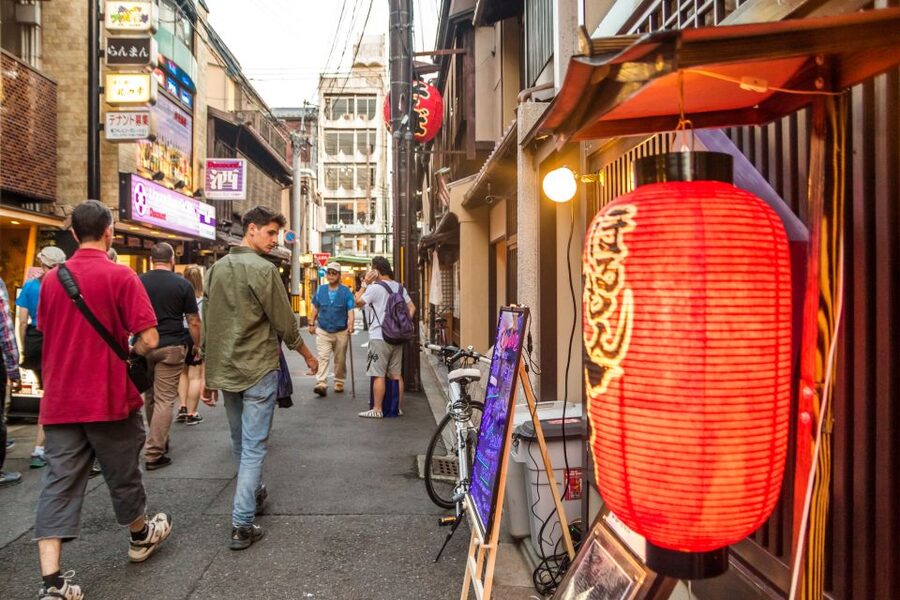
This experience fits best if you want:
- an authentic Kyoto evening in the geisha district
- a respectful approach to learning about geiko and maiko
- a guide-led walk rather than wandering with questions
It also works well for people who are curious about Japanese culture but don’t want a textbook. The tone is practical, with humor reported by guests, and the pacing is built for walking.
Families can sometimes make it work too. I’ve seen comments about kids enjoying the tour and even mention of a pram. That said, it’s still a walking experience in an older neighborhood.
Bottom line: if you can walk comfortably for about 100 minutes, and you want context, book with confidence.
Practical Tips for a Smooth Night in Gion
A few things help your night go better:
- Wear comfortable shoes. You’ll be walking through the district for the full stretch.
- Keep your phone use respectful. You won’t be doing video recording, and the vibe is about observing quietly.
- Bring a small layer. Even in Kyoto, evenings can feel cooler than you expect.
- If you’re sensitive to crowds, this is still Gion. Go in with a calm mindset, because you’re there to learn and watch, not to sprint for the best spot.
If it rains, don’t assume it’s a waste of money. Some guides have handled rainy evenings, and the tour is still centered on walking and storytelling.
Should You Book This Gion Night Walk?
I’d book it if you want an organized, respectful way to understand Gion after dark. The strongest reason is the combination of practical etiquette lessons and clear explanations about geiko and maiko life, not just wishful sightseeing.
You should think twice if:
- your main goal is guaranteed close-up encounters
- you rely on video recording
- you have mobility limitations that make walking difficult, since the tour isn’t suitable for mobility impairments
If those points don’t apply to you, this is a smart, good-value way to spend your evening in Kyoto.
FAQ
How long is the night walk in Gion?
The tour lasts about 100 minutes. It’s designed as a walking tour through the district at night.
What does it cost?
The price is listed as $21 per person.
Where is the meeting point in Gion?
You meet in front of Gion Omoide Museum, connected to the Izutsu Yatsuhashi pastry shop, at coordinates 35.0044519, 135.7723814.
What language is the tour guide?
The tour is led by a live guide speaking English.
Are geiko and maiko sightings guaranteed?
No. The tour notes that encounters are not guaranteed, but guests often see geiko and maiko walking along the street during the walk.
Is video recording allowed?
No. Video recording is not allowed on this tour.
Is transportation to and from the area included?
No. Transportation to and from attractions is not included, and there is no hotel pick-up or drop-off.
Is this tour suitable for kids or people with mobility impairments?
The tour isn’t suitable for people with mobility impairments. For child discounts, a valid ID must be presented.
More Tour Reviews in Kyoto




More of Kyoto After Dark
Still in Gion? Keep Going



Just added: more Kyoto tours to browse








Gion & Geisha District Tours, compared.
 ★ 4.7Kyoto Geisha Walking Tour: Gion District & Hidden GemsFrom $253,273 reviews
 ★ 4.9Gion Magical Night Walking Tour with Geisha TriviaFrom $242,393 reviews
 ★ 4.7Gion Geisha District Walking Tour – Stories of GeishaFrom $202,187 reviews
 ★ 4.9Best of Kyoto: Gion, Geisha, Pagodas & CobblestonesFrom $242,058 reviews
 ★ 5.0Kyoto Night Foodie Tour in Gion (9+ dishes + 6 Sake tastings)From $1631,762 reviews
 ★ 5.0Kyoto Gion Geisha District Walking Tour – The Stories of GeishaFrom $251,441 reviews
 ★ 5.0Kyoto Gion: 2-Hour Geisha Culture & History Walking TourFrom $231,186 reviews
 ★ 5.0Chopsticks Making Workshop in Gion with Engraving OptionFrom $15958 reviews
Browse the lists this tour appears in