
Reviewed · KYOTO TEA CEREMONIES
Kyoto: Kimono and Tea Ceremony Experience at Cultural Asset
Old Kyoto feelings, fast.
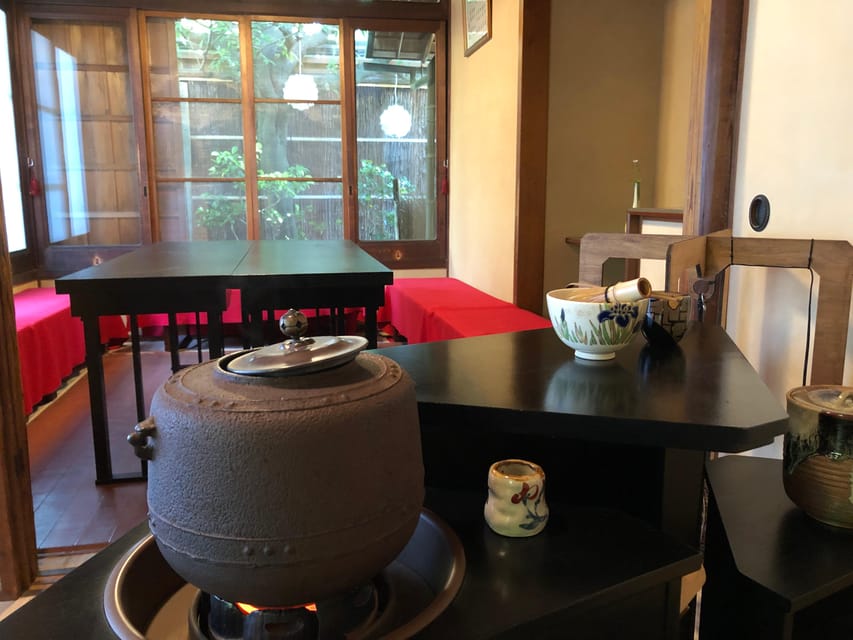
This Kyoto kimono + tea ceremony experience takes place inside Tondaya, a 140-year-old nationally registered cultural property, so you’re not just watching tradition—you’re inside it. I like that the staff help with a real silk kimono fit, and I also like how the tea ceremony is led in the traditional Machiya setting by a tea master.
The biggest trade-off is that it’s often run in a group, so the pacing can feel busy and the room can get crowded during the ceremony and walking time through the house.
Key points I’d plan around
- 140-year-old machiya setting at Tondaya (Tondaya is a nationally registered cultural property)
- Silk kimono dressing with staff assistance in a short fitting window
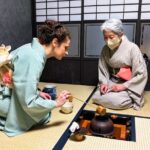
- Matcha tea ceremony guided by a tea master in a traditional townhouse
- Photo-friendly stops, with clear moments when phones are best put away
- Group sessions can mean waiting and extra noise, unless you choose private
In This Review
- Why Tondaya’s machiya sets the tone for your Kyoto kimono day
- Your kimono fitting: quick help, real silk, and practical rules
- Stepping inside: a tour through the 140-year-old townhouse
- The tea ceremony: how matcha culture actually plays out
- Group vs private sessions: your comfort and photo time
- Socks, wet shirts, neck fit: the small rules that can make or break the day
- Price check: what $222 buys you in Kyoto reality
- Photo tips inside the machiya (and when to put your phone away)
- Getting there: meeting point near Nishijin (plan your taxi time)
- Who this experience fits best (and who should consider private)
- Should you book Kyoto Kimono and Tea Ceremony at Tondaya?
- FAQ
- How long does the Kyoto kimono and tea ceremony experience take?
- Where is the meeting point?
- Is this experience done in a group?
- Can I choose a private session?
- Does the price include the tea ceremony and kimono dressing?
- What do I need to bring?
- Are hair styling and makeup included?
- What languages are used during the experience?
- Can I take photos during the experience?
- What should I wear so the kimono fits well?
Why Tondaya’s machiya sets the tone for your Kyoto kimono day
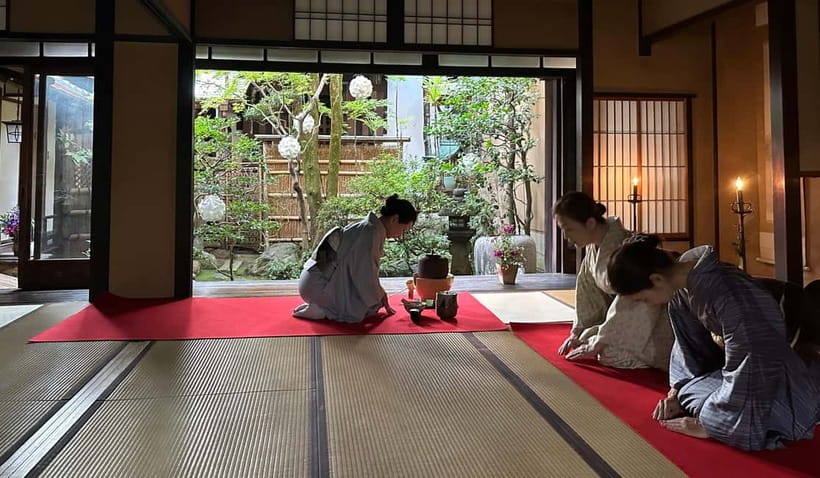
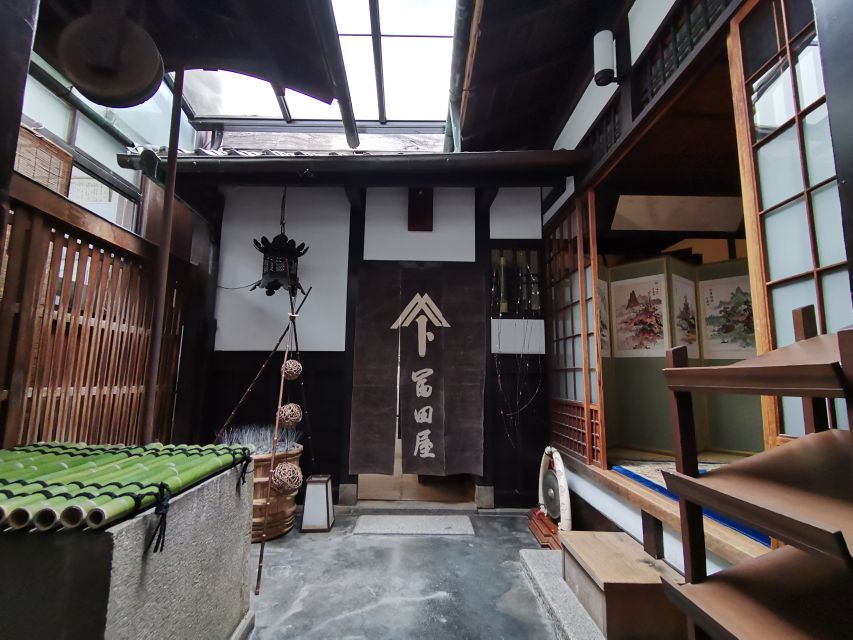
Kyoto has plenty of kimono photo ops. This one works differently because the kimono experience is built around a specific historic building: Tondaya, a 140-year-old machiya recognized as a cultural landmark.
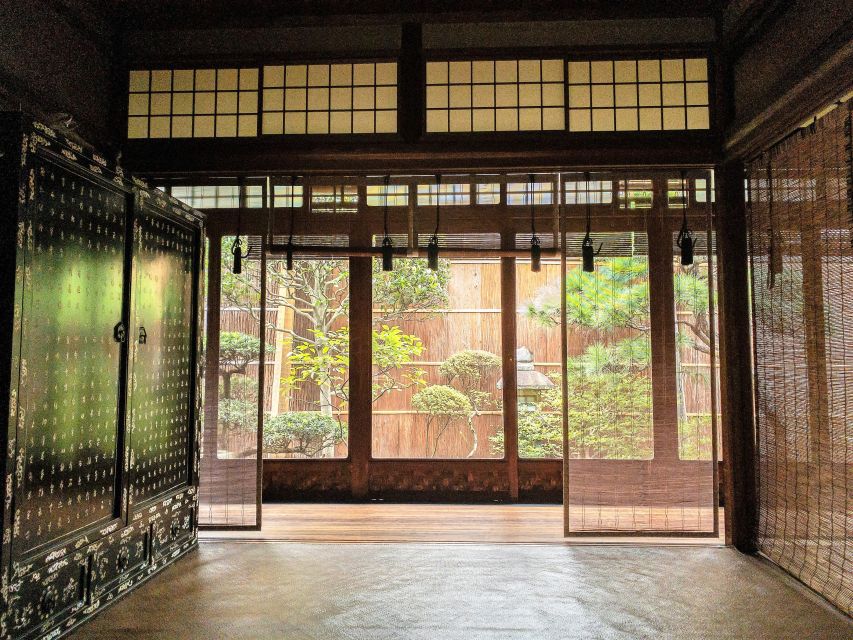
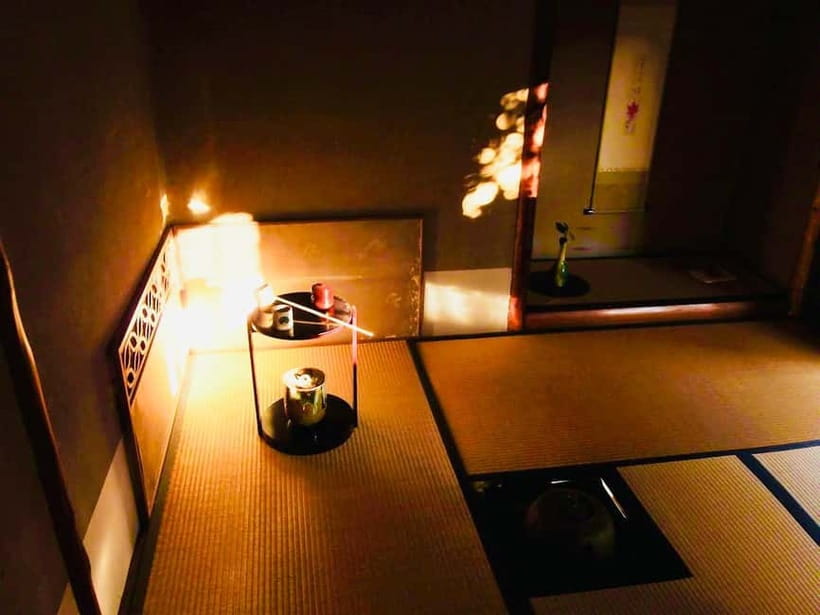
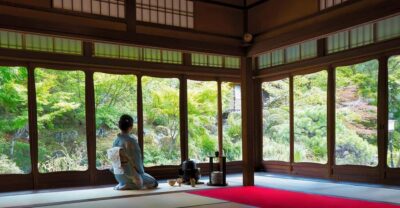
The house matters. Traditional machiya layout gives you that natural sense of old Kyoto—the woodwork, the quiet rooms, and the way light moves through the spaces. When you add a tea ceremony inside that same setting, the whole experience feels more like a visit to a working cultural space than a staged show.
Your kimono fitting: quick help, real silk, and practical rules
The experience starts in a dressing room where staff assist you in choosing and fitting a silk kimono. The fitting is described as happening in about 5 minutes, which tells you what this is designed to do: get you comfortable fast and on to the house tour and tea.
A few things help your kimono fit and photos:
- Wear socks (bare feet are not allowed, and stockings are discouraged).
- Choose clothes that aren’t too tight around the neck so the kimono can be worn comfortably.
- If your T-shirt is wet, they can’t help you dress over it—bring a change.
What’s not included is also important: hair styling and makeup aren’t part of the package. If you want polished photos, do quick prep before you arrive—simple hair that won’t fight the collar area is a good idea. If you wear contacts, bring a backup plan for long ceremony-floor time, since you’ll likely stay seated for a while.
One more detail worth knowing: kimono sizing and prints can vary. In at least one case, taller people were given larger kimono and ended up with solid-color options rather than the patterned styles other folks received. It’s not a deal-breaker, but it’s a reminder that your finished look depends on what’s available.
Sit for another bowl of matcha in a Kyoto tea house
Stepping inside: a tour through the 140-year-old townhouse
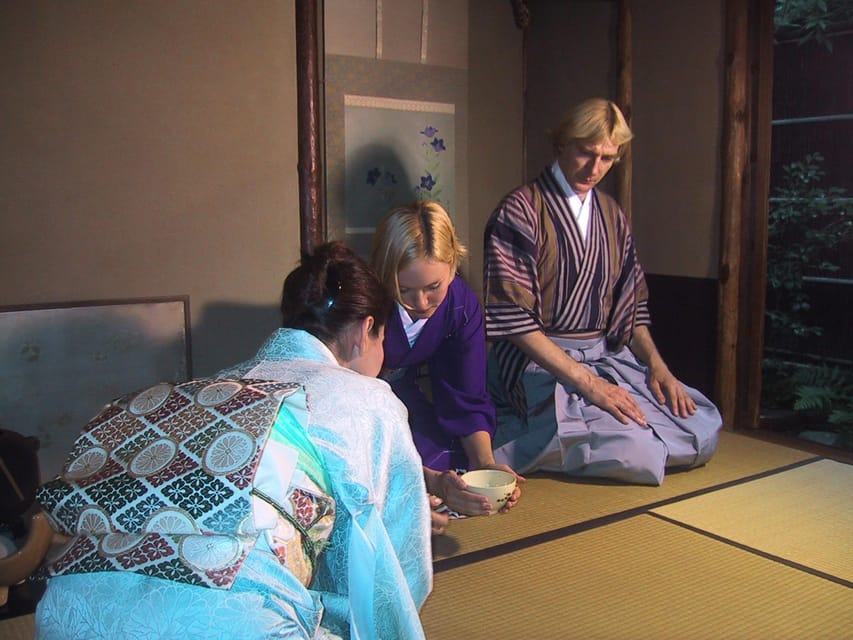
After dressing, you tour Tondaya with staff. This is where the experience earns its cultural weight. You’re not only in a pretty building—you’re shown why it matters, with historical objects and explanations tied to the townhouse’s significance.
This walk-through is also where you’ll get your best “I can’t believe I’m here” photo angles. Gardens, wooden corridors, and the interior rooms all give different backdrops. If you like photos, keep an eye on timing—some moments are clearly designated for photos, while others are for the ceremony and undressing without interruptions.
The tea ceremony: how matcha culture actually plays out
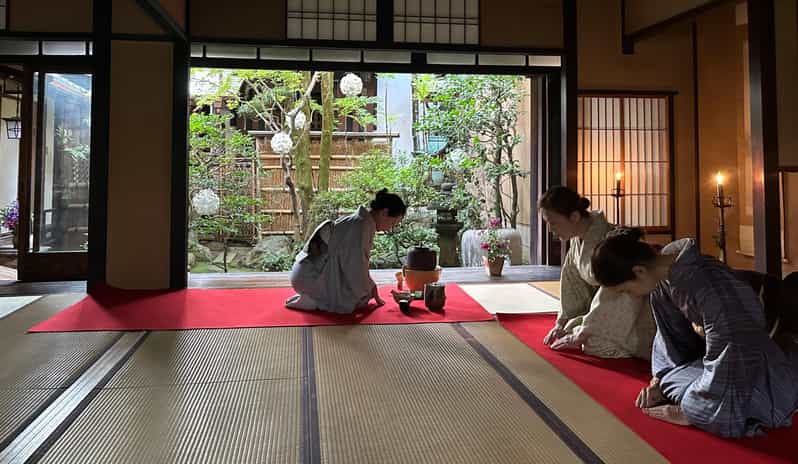
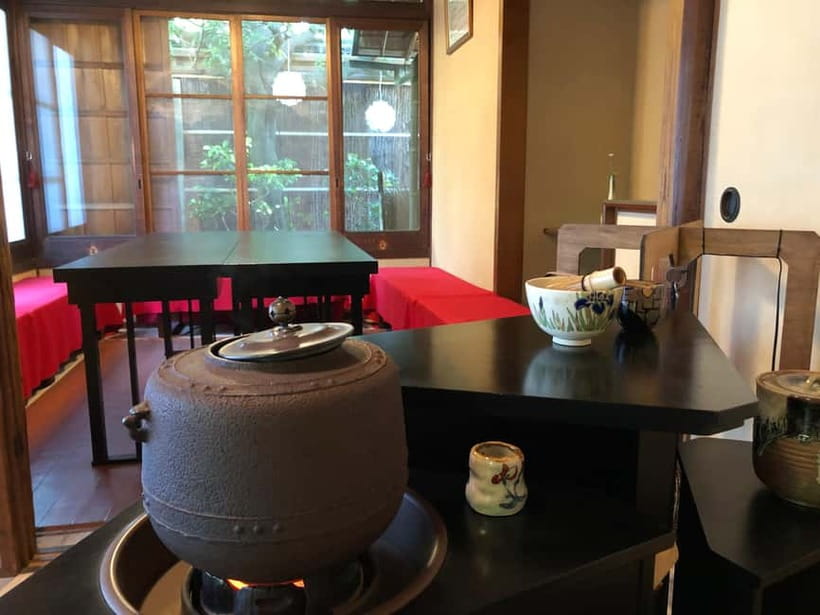
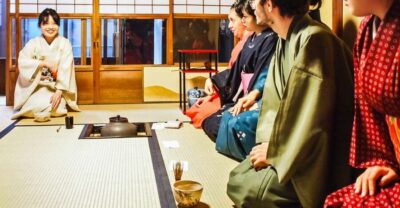
The core of the experience is a traditional Japanese tea ceremony performed by a seasoned tea master. Tea is presented as an inseparable part of Japanese culture, and the format is designed to slow you down, even if you’re in a group.
Here’s what you can realistically expect during the ceremony:
- It’s conducted in a traditional way inside the machiya.
- You’ll be seated on the floor for many parts, with some small chair options available for those who need them.
- Instruction is given in English and Japanese, and if your guide’s English isn’t their strongest language, a translation device may be used.
What I like about this portion is how often the explanation covers both what you’re doing and why. Even when language isn’t perfect, the actions are clear. You’ll notice that the ceremony isn’t just tasting matcha—it’s a sequence with etiquette, attention, and quiet focus.
One practical note: there’s a “mindful ceremony” vibe. Phones and chatter can ruin it for everyone, and one person’s loud behavior can throw off the calm. You’ll enjoy this most if you treat it like a quiet performance, not a live-stream segment.
Group vs private sessions: your comfort and photo time
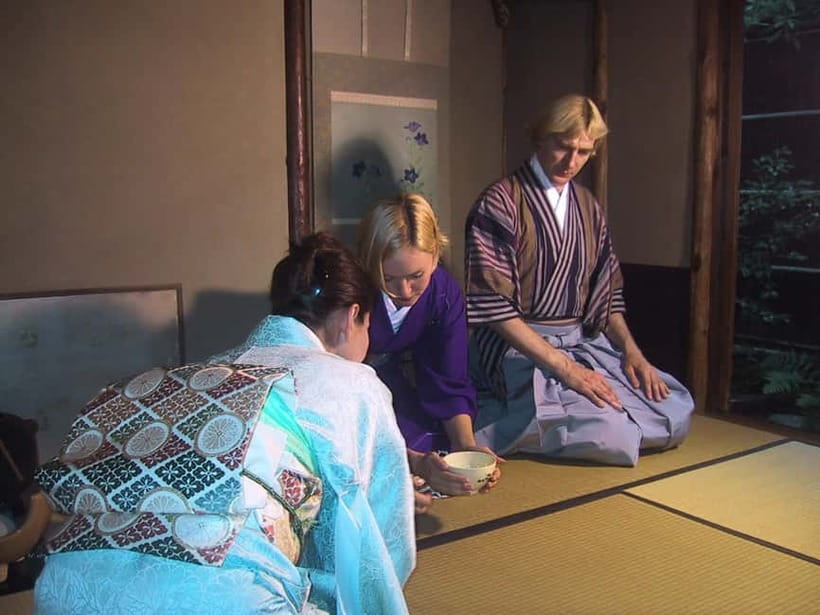
This experience is run as a group unless you choose the private option. That’s not just a booking detail—it changes how the day feels.
In a group:
- You might have to wait before the ceremony if your group is not the first on schedule.
- The house can feel crowded during popular photo moments.
- Noise control depends on the group you get, and not every group is equally respectful.
If you choose private, you’re paying to reduce the friction. In calmer sessions, people tend to move at the pace the ceremony requires, and it’s easier for staff to answer questions without translating into a rush.
Photo time is another big factor. Many people appreciate that there’s time for taking your own pictures after certain parts of the ceremony and tour. But remember: photos aren’t allowed while dressing or while taking the kimono off. Plan your “portrait time” around the photo-friendly moments in the house, especially the interior and garden areas.
Socks, wet shirts, neck fit: the small rules that can make or break the day
These aren’t tiny technicalities. They protect your comfort and the kimono fit.
Bring:
- Socks (and avoid stockings as instructed).
Do not show up:
- With bare feet.
Avoid:
- Clothing that’s too tight around your neck.
Also, if you sweat a lot or you’ve just come in from rain, make sure your top isn’t damp. Staff can’t assist with dressing if your T-shirt is wet, so bring a spare or change first.
Finally, wear something easy to slip on and off. You’ll be changing into kimono layers, and that’s smoother when your base clothing behaves.
Wander Kyoto in kimono a little longer
Price check: what $222 buys you in Kyoto reality
$222 per person is not cheap. But you’re not paying only for tea. You’re paying for a package that includes:
- Entrance to the historic property
- Kimono dressing help
- Tea ceremony led by a tea master
In Kyoto terms, kimono rental alone can be a sizable line item once you add decent quality, staff support, and a cultural setting. What makes this feel more valuable than a basic rental is the “two-in-one” structure: the kimono is tied to the machiya tour and tea ceremony, inside a historic townhouse rather than just a quick street photo stop.
That said, your personal value comes down to two questions:
- Do you want the photo layer (kimono + interior backdrops)?
- Can you handle a group pace without losing the calm you came for?
If you’re the type who prefers a quieter, more controlled experience, the private option is where this price starts to feel more justified.
Photo tips inside the machiya (and when to put your phone away)
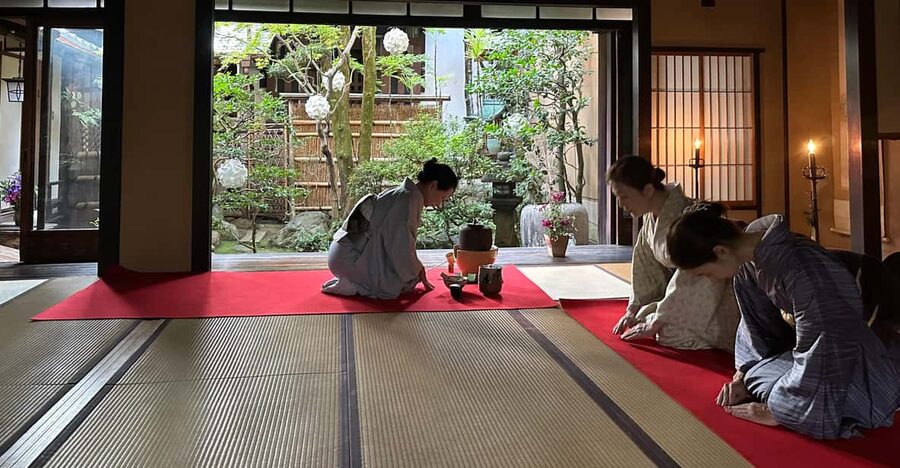
You’ll get plenty of photo opportunities, but timing matters. The best results come when you treat the day like it has “zones”:
- Dressing/undressing: no photos.
- The ceremony: keep your phone down and follow your guide’s rhythm.
- The tour and garden areas: this is where you’ll want to shoot.
A good strategy is to take a few “wide” photos early during the tour so you capture the architecture and garden flow, then return to portrait shots once you’re settled in the kimono. Also, don’t be shy about asking staff for help with placement for better angles. In multiple experiences, staff were very helpful with photos once the appropriate moment arrived.
And yes: photos can look surprisingly intimate even when the group is larger than you’d want for a quiet studio feel. That’s the advantage of the machiya layout—tight corners and framed rooms naturally limit the sprawl.
Getting there: meeting point near Nishijin (plan your taxi time)
You meet at Tondaya – Nishijin Japanese Cultural Experience Museum, 697 Ishiyakushichō, Kamigyo Ward, Kyoto.
Here’s the practical reality: this area isn’t described as a big main-street landmark. In the past, people have had trouble hailing taxis even with ride apps. So give yourself a little buffer time to reach the museum, especially if you’re coordinating with a kimono schedule.
If you’re using transit, double-check the last-mile route on your phone before the day of. Kyoto back streets are easy to misread on short time, and punctuality matters here because the fitting and ceremony timing is built around schedules.
Who this experience fits best (and who should consider private)
This Kyoto kimono and tea ceremony experience is a great fit if you:
- Want a kimono experience that connects to a specific historic townhouse
- Like structured cultural activity over free-form wandering
- Appreciate matcha etiquette and explanations, not just the taste
It’s less ideal if you:
- Hate waiting in groups
- Need quiet and space around you to enjoy a seated ceremony
- Plan to be on your phone constantly (it pulls attention away from the moment)
If any of those apply, seriously consider the private option. Paying more to cut crowd pressure is often the best value when the schedule is tight and your comfort matters.
Should you book Kyoto Kimono and Tea Ceremony at Tondaya?
Book it if you want an authentic Kyoto day that combines silk kimono dressing, a guided tour of a 140-year-old machiya, and a tea ceremony with a tea master—all in one flowing plan. The setting is the point, and the structure keeps you from losing time to planning.
Skip or go private if group crowding, waiting, or etiquette distractions would make you impatient. This experience works best when you treat the ceremony with respect and let the guide lead.
If you’re deciding today: choose the format (group or private) based on how you handle quiet, seating on the floor, and a room with other people. Do that, and you’ll have a Kyoto moment you’ll remember for a long time.
FAQ
How long does the Kyoto kimono and tea ceremony experience take?
It runs from about 90 minutes up to 4 hours, depending on the scheduled time and how the session flows.
Where is the meeting point?
Meet at Tondaya – Nishijin Japanese Cultural Experience Museum, 697 Ishiyakushichō, Kamigyo Ward, Kyoto, Japan.
Is this experience done in a group?
Yes, if you don’t choose the private option, the experience is conducted with other participants.
Can I choose a private session?
Yes. There is a private group option if you want a quieter, less crowded setting.
Does the price include the tea ceremony and kimono dressing?
Yes. The package includes entrance, the tea ceremony, and kimono dressing.
What do I need to bring?
You need to bring socks. Socks are required, and bare feet are not allowed.
Are hair styling and makeup included?
No. Hair styling and make-up are not included, so you’ll want to plan your own prep.
What languages are used during the experience?
Instruction is available in English and Japanese, and a translation device may be used when needed.
Can I take photos during the experience?
You can take photos during the tour and in the photo-friendly parts of the property, but photos are not allowed during kimono dressing or while taking the kimono off.
What should I wear so the kimono fits well?
Wear clothing that is not too tight around the neck for a better kimono fit. Also, if your T-shirt is wet, staff can’t assist with dressing—bring a change if needed.
More Tour Reviews in Kyoto

More Kimono Days in Kyoto
One More Bowl of Matcha

Just added: more Kyoto tours to browse



Kyoto Tea Ceremonies, compared.
 ★ 4.9Tea Ceremony in a Traditional Tea House in KiyomizuFrom $493,519 reviews
 ★ 4.9Tea Ceremony Ju-An at Jotokuji TempleFrom $293,207 reviews
 ★ 4.345-Minute Tea Ceremony Lesson ExperienceFrom $222,378 reviews
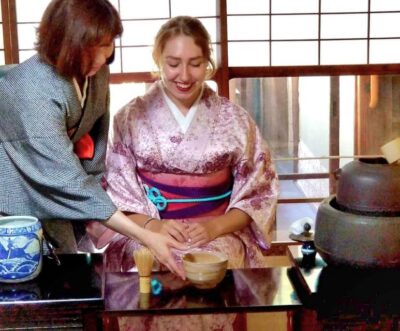 ★ 4.9Table-Style Tea Ceremony at a Kyo-MachiyaFrom $451,211 reviews
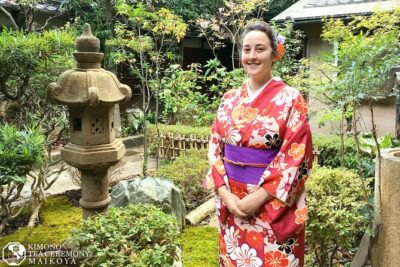 ★ 5.0Kimono Tea Ceremony at Kyoto Maikoya, NISHIKIFrom $65911 reviews
 ★ 5.0Arashiyama Bamboo Forest, Monkeys, Matcha & Temple TourFrom $53759 reviews
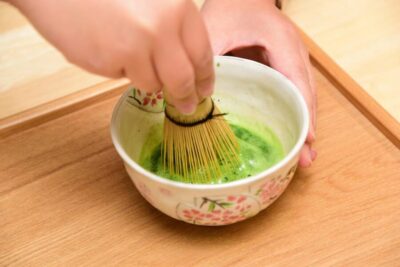 ★ 4.9Tea Museum Tickets and Matcha Grinding ExperienceFrom $23739 reviews
 ★ 4.9Kimono Tea Ceremony at Orizuruya GionFrom $49618 reviews
Browse the lists this tour appears in