

Reviewed · GION & GEISHA DISTRICT TOURS
Best of Kyoto: Gion, Geisha, Pagodas & Cobblestones
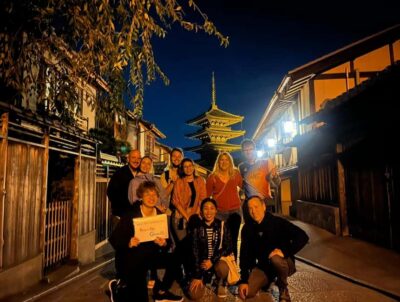
Lanterns in Gion change everything after dark. This 2-hour guided walk moves through Kyoto’s Gion and Higashiyama streets in the evening, starting at Yasaka Shrine when the day crowds thin out.
What I like most is the way you get a real sense of neighborhood life, not just a list of postcard spots.
I also love how the tour treats geisha culture with care. With your guide, you’ll learn about the geisha world and the apprentice maiko-san, including the customs behind what you see on the street.
One consideration: night walks can mean colder air and darker stretches. Plan for winter temperatures and uneven footing, especially if you’re doing it on a darker time slot—your guide will keep the pace safe, but you still want good walking shoes and warm layers.
In This Review
- Key points I’d circle before booking
- Gion at Night: Why This 2-Hour Walk Feels Perfect for Kyoto’s First Days
- Where You Start: Two Meeting Options and How Not to Get Left Behind
- Yasaka Shrine at the Start: The Calm, Sacred Opening
- Ninenzaka and the Slopes of Old Kyoto: Walking the Layers
- Hōkan-ji Photo Stop: Pagoda Scenery Without the Full Rush
- Yasui Kompira-Gu Shrine Visit: A Quick Shift to Stillness
- The Main Stretch in Gion: Lantern Lanes and the Geisha World at Night
- The Geisha Stories: How Guides Keep It Respectful and Understandable
- Practical Tips That Make the Night Walk Much Easier
- Price and Value: Is $24 for Two Hours Worth It?
- Who This Tour Suits Best
- Should You Book This Gion Nightscapes Walk?
- FAQ
- How long is the tour?
- How much does the tour cost?
- What does the price include?
- Where do I meet the guide?
- What sights are included in the walk?
- What should I do if I’m late or can’t find the guide?
Key points I’d circle before booking
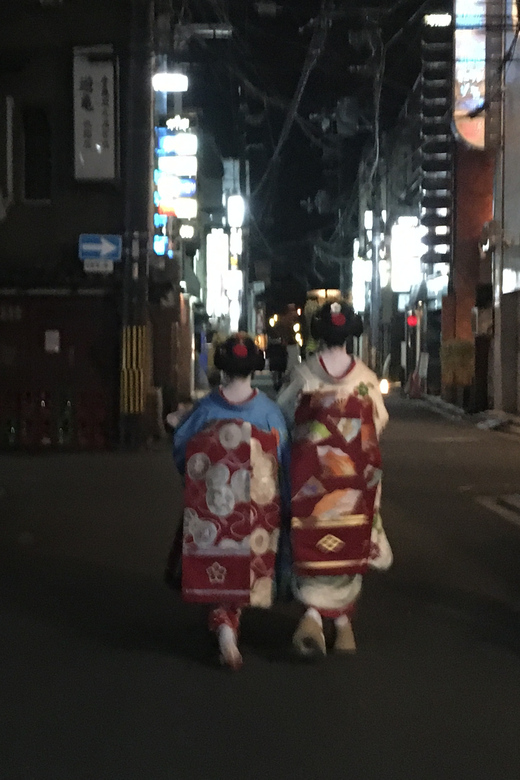
- Quieter Gion after dark: the district feels calmer when lanterns come on.
- Shrines plus street scenes: you connect religion, daily life, and Kyoto’s classic lanes.
- Hōkan-ji photo stop: built-in chances to capture the pagoda-style scenery.
- Geisha and maiko context: you’re not just watching costumes, you’re learning the background.
- Guide-led food and drink ideas: you’ll finish with practical next steps for the evening.
Gion at Night: Why This 2-Hour Walk Feels Perfect for Kyoto’s First Days
If Kyoto is your first big Japan experience, this is a smart way to get your bearings fast—without racing from one landmark to another. The route focuses on Gion and Higashiyama, the kind of Kyoto you remember in the small details: narrow lanes, wooden storefronts, and lantern light that makes everything look softer.
This is also a good length. At 2 hours, you’ll cover enough ground to feel oriented, but you won’t be wiped out for the rest of your day. Many people choose it for a first evening because it turns the area into a story you can understand as you explore on your own later.
And yes, the night mood matters. One of the biggest wins here is that you’re seeing these streets later in the evening, when they’re noticeably calmer than daytime. That alone can make photos easier, and it makes the experience feel more human.
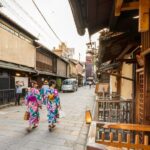
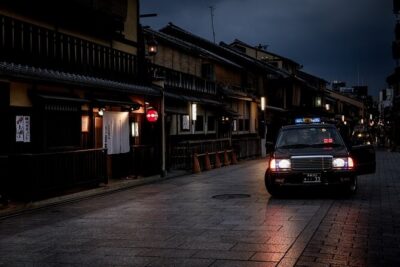
More evenings along the lantern-lit lanes of Gion


Where You Start: Two Meeting Options and How Not to Get Left Behind
Your meeting point can vary based on the option you book, with two listed starts:
- Tsuruha Drug Yasaka Shrine Store / FamilyMart
- Kyoto Gion
This matters because Kyoto is famous for being walkable, which can also make meeting-up tricky in the dark. Your guide’s phone number is shared with you, and if you’re having trouble finding the meeting point, you’re expected to call at least ten minutes before the tour begins. WhatsApp is recommended.
If you arrive late or can’t locate your guide, the tour policy says you won’t get a refund. So I’d treat this like a train connection: arrive a bit early, take a moment to confirm you’re in the right spot, then relax.
Yasaka Shrine at the Start: The Calm, Sacred Opening
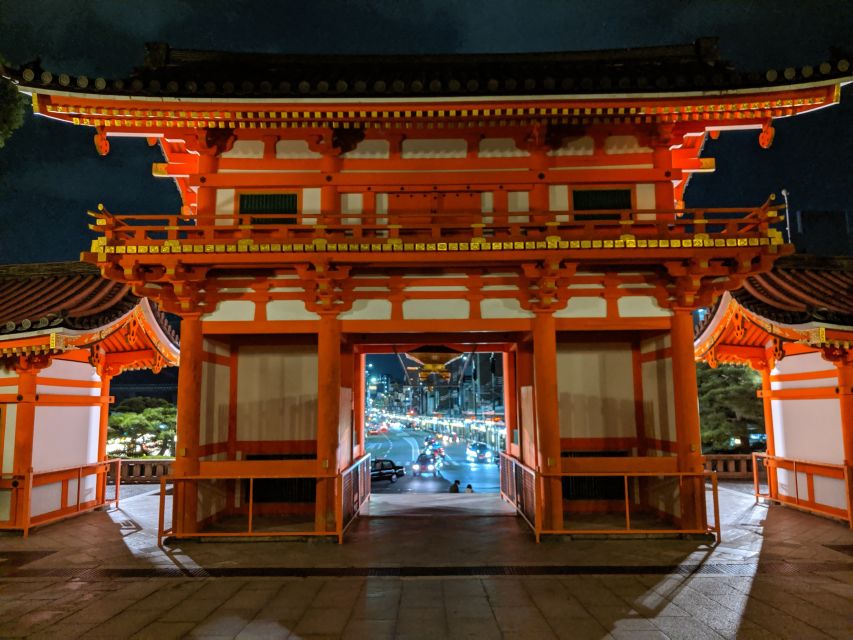
The tour begins at Yasaka Shrine, with a guided stop of about 20 minutes. This is a strong choice for a first anchor point because Yasaka Shrine is instantly recognizable, and it sets the tone for how this part of Kyoto blends faith, tradition, and everyday movement.
At night, shrine areas can feel different than daytime—not necessarily quieter everywhere, but calmer in the way the lighting changes how people behave. Your guide uses the setting to explain context, which helps you avoid the common problem of just walking past religious spaces without understanding what you’re seeing.
Even if you’ve seen shrines before in Japan, starting here gives you a Kyoto-specific foundation. Then, as you move toward the older streets of Higashiyama, you’ll be able to connect the visuals to the cultural reasons behind them.
Ninenzaka and the Slopes of Old Kyoto: Walking the Layers
Next up is Ninenzaka, with about 20 minutes of guided time. This is one of those lanes where the details do the work for you: the slope, the architectural style, the way the street looks when lanterns are lit.
What’s valuable about this stop is that it’s not only about views. Your guide uses it to connect the look of the area to Kyoto’s traditions—how streets like this shaped entertainment district life, tourism patterns, and local routines over time.
There’s a practical payoff here too. If you’re new to Kyoto, getting used to the street layout early makes your rest of trip easier. After you learn where the main lanes flow, you can wander confidently later instead of constantly re-checking maps.
Hōkan-ji Photo Stop: Pagoda Scenery Without the Full Rush
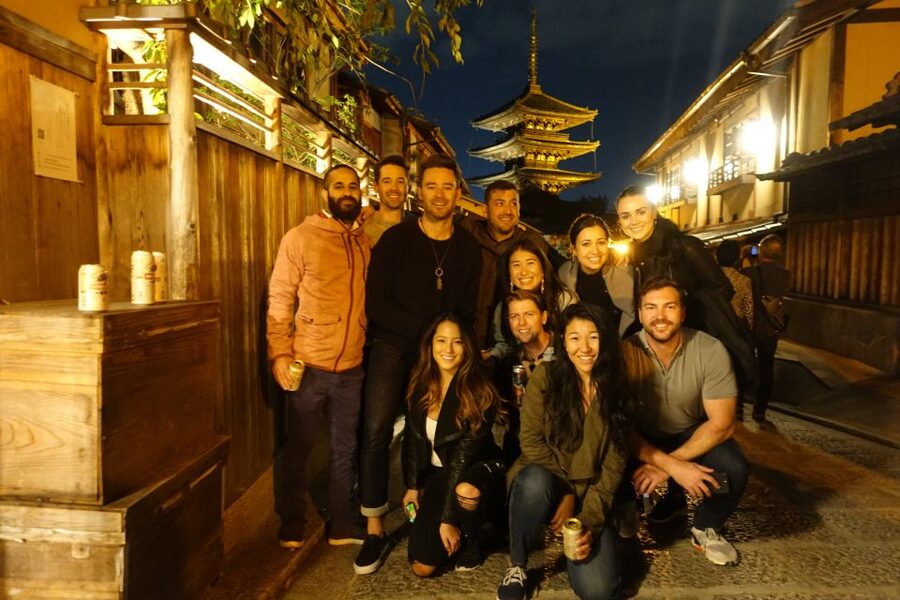
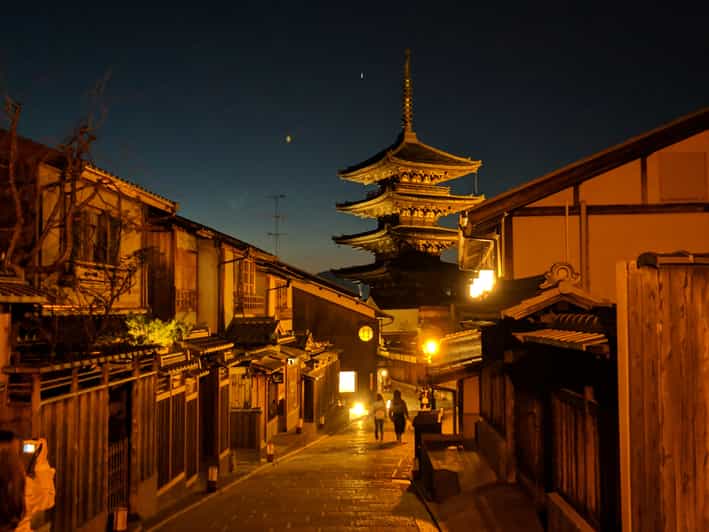
The tour includes a Hōkan-ji Temple photo stop for about 20 minutes. The big idea is simple: you get a short, guided moment to take photos and appreciate the scene, without turning the whole outing into an all-day temple session.
This is one of those places where timing matters. At night, lighting can change the way the pagoda-style architecture reads in your photos, and it can look more dramatic than in harsh daylight. Your guide helps point out what’s worth framing and where to stand to get the best angle.
A photo stop is also a nice pacing break. You’ll have a moment to slow down, capture a few images, and then keep going—rather than feeling like you need to sprint to the next stop.
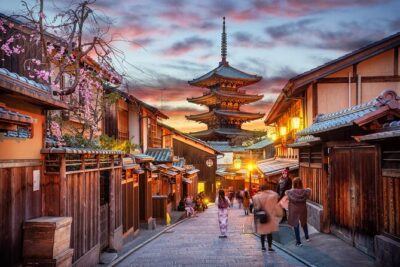
Loop the big Kyoto sights in one run



Yasui Kompira-Gu Shrine Visit: A Quick Shift to Stillness
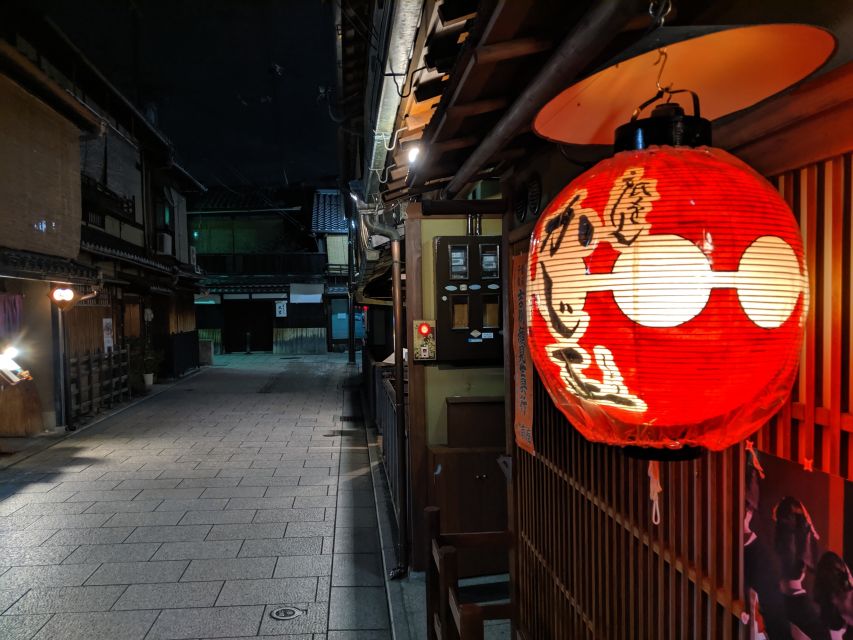
After Hōkan-ji, you’ll visit Yasui Kompira-Gu Shrine for about 15 minutes. This part of the walk works well because it changes the rhythm—short, focused, and grounded.
In Kyoto, it’s easy to think the “main story” is always the entertainment districts. This shrine stop reminds you that Gion’s atmosphere sits inside a larger cultural landscape where Shinto and daily life overlap.
It’s also a good opportunity for questions. A lot of guides tailor explanations based on what people ask, and a shorter stop makes it easier for your group to stay engaged instead of getting lost in long lectures.
The Main Stretch in Gion: Lantern Lanes and the Geisha World at Night
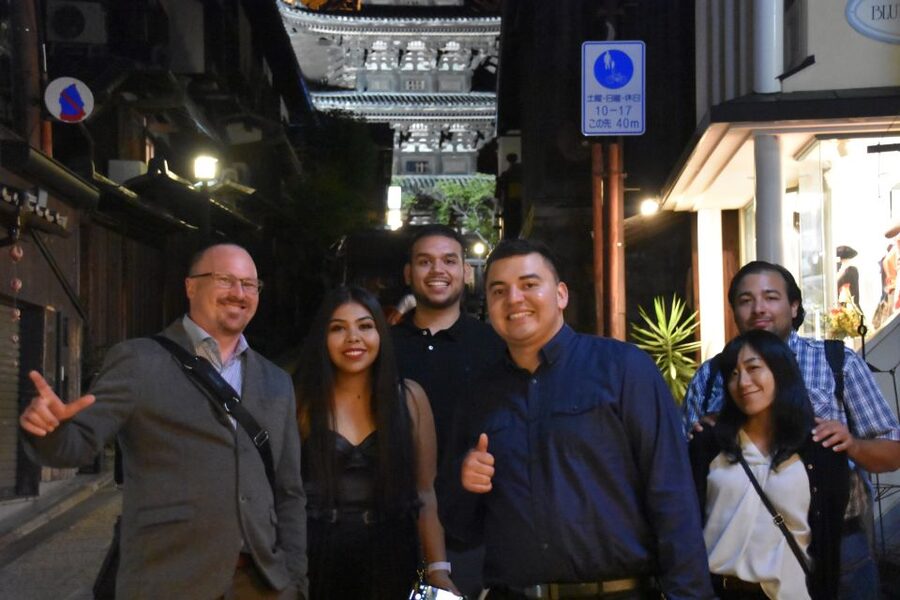
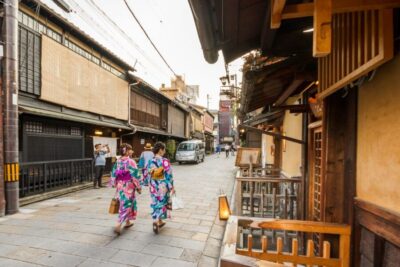
The heart of the tour is the 45-minute guided walk through Gion. This is where the evening payoff really shows up: narrower streets, wooden buildings, lantern light, and a district atmosphere that feels more cinematic after dark.
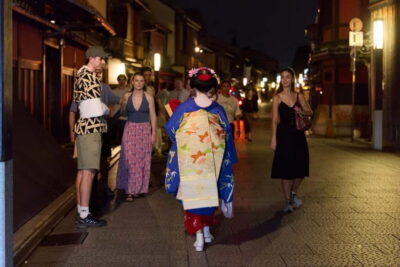
And this is where the tour aims at something specific—geisha and maiko context. The goal is not to chase costumes like they’re movie stars. Instead, your guide teaches you about customs and training, and how to watch respectfully.
Towards the end of the tour, you may catch a glimpse of women in full costume. Some groups get lucky, including evenings where multiple geisha are spotted, and the night atmosphere makes it feel extra special. But the real value is what you understand while you’re looking—your guide explains the layers behind what you see, including the apprentice maiko-san world.
Also, the evening timing isn’t just romantic. It’s practical. Reviews connected to this tour repeatedly highlight how Gion is quieter later at night, and your guide helps you move through the area in a way that avoids unnecessary crush.
The Geisha Stories: How Guides Keep It Respectful and Understandable
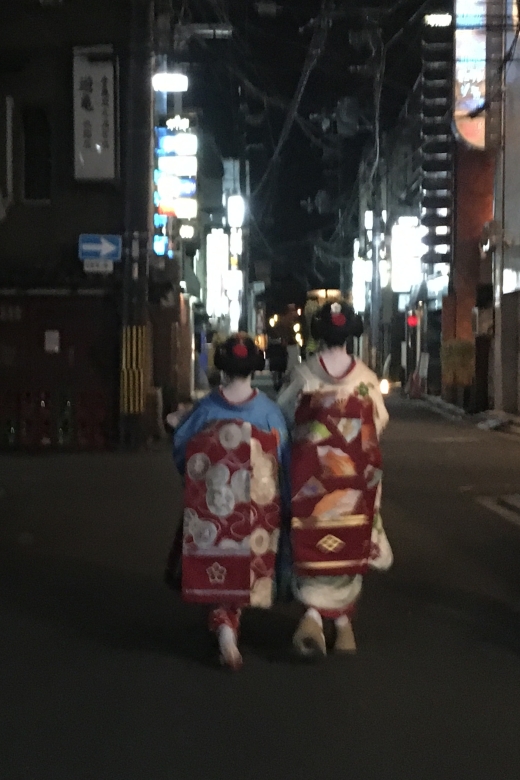
What makes this tour work is the way the guide frames geisha culture. Instead of treating it like a mystery box, you’ll learn the basics of how geisha training and apprenticeship works, and the etiquette that surrounds it.
Some guides linked to this tour use visual aids as part of their explanation. For example, you might see a guide use a slide-style setup on a tablet to make timelines and cultural details easier to understand. That’s especially helpful if you’re trying to understand terminology like geiko versus geisha and how the role fits in Kyoto’s heritage.
You’ll also get practical social awareness. One consistent theme is that guides emphasize respect—so you don’t accidentally act in ways that feel intrusive in a space where discretion matters.
If you’re lucky with timing, you’ll see costumed women. If you’re not, you still leave with a far better understanding of the culture behind the performances and traditions associated with the district.
Practical Tips That Make the Night Walk Much Easier
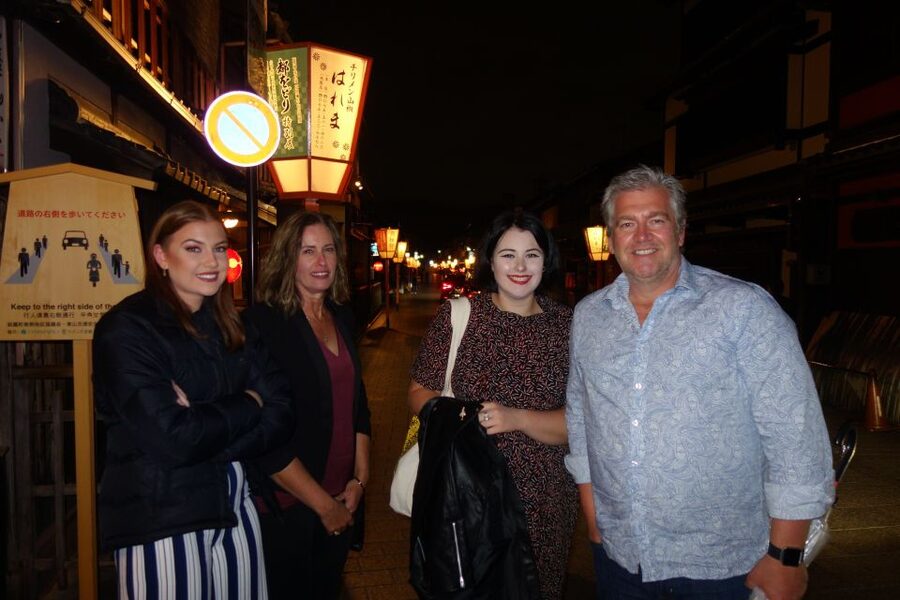
This is an evening tour, so pack for the conditions. Even when the streets are charming, the air can be chilly, and you’ll be walking steadily for about two hours. I’d plan on warm layers and shoes with solid grip.
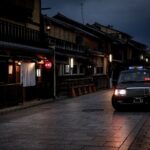
Also, expect darker stretches in places. This doesn’t mean the walk is unsafe, but some parts of old Kyoto streets can be dim. If you’re sensitive to low-light walking, bring a phone flashlight and keep your attention on the ground.
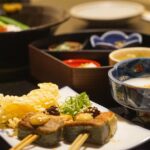
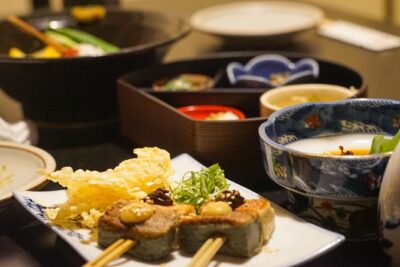
Because food and drinks aren’t included, it helps to think ahead. The tour is designed to end with you knowing where to go next, and your guide provides tips for a place to grab a drink or bite to eat afterward. So when the tour wraps, you won’t feel stuck staring at a menu in the cold.
Price and Value: Is $24 for Two Hours Worth It?
At $24 per person for a 2-hour guided walk, this is strong value if you want context, not just sightseeing. You’re paying for a local-trained explanation across several stops—shrines, classic streets, and the Gion portion where the geisha world becomes part of the story.
The included value is straightforward: a guided walk covering Gion and Higashiyama, plus a live English/French guide. The tour also gives you a focused evening itinerary, so you’re not paying to wander aimlessly and hope you understand what you’re seeing.
What you should note is what’s not included. Food and drinks are on you, and the experience is about culture and walking. If that matches your travel style—learning something real while seeing the district at the right hour—this price makes sense.
Who This Tour Suits Best
This fits best if you:
- Want a first-night orientation in Kyoto’s classic districts
- Like learning cultural context as you walk
- Want a calmer view of Gion without the full daytime crowd feel
- Are interested in geisha and maiko culture, but prefer respectful explanations
If you only want temples and don’t care about culture behind the entertainment district, you might feel the geisha portion takes more attention than you want. But if you’re the curious type, the tour gives you the background that helps everything click.
Should You Book This Gion Nightscapes Walk?
I’d book it if you want a Kyoto evening that feels like a story: lantern-lit lanes, shrine atmosphere, and a guide who can explain what you’re seeing without turning it into hype.
Skip it only if you dislike night walking, dislike cold weather, or you’re uncomfortable with dim streets. Also, if you expect guaranteed geisha sightings, manage your expectations—your guide will help you look with the right etiquette, but visibility of costumed women can’t be controlled.
Given the 4.9 average rating from 2058 reviews, and the consistent emphasis on a relaxed pace and respectful cultural explanations, this is one of those low-cost ways to upgrade your entire Kyoto stay. It doesn’t just show you Gion. It helps you understand why it looks and feels the way it does at night.
FAQ
How long is the tour?
The tour duration is 2 hours.
How much does the tour cost?
The price is $24 per person.
What does the price include?
It includes a guided walk of the Gion and Higashiyama districts with a live guide.
Where do I meet the guide?
Meeting point may vary by option booked. The listed options are Tsuruha Drug Yasaka Shrine Store / FamilyMart, or Kyoto Gion.
What sights are included in the walk?
The stops include Yasaka Shrine, Ninenzaka, a photo stop at Hōkan-ji Temple, a visit to Yasui Kompira-Gu Shrine, and a guided walk in Gion.
What should I do if I’m late or can’t find the guide?
If you have trouble locating the meeting point, you should call your guide (WhatsApp is recommended) at least ten minutes before the tour begins. If you’re late or can’t find the guide, you will not receive a refund.
More Tour Reviews in Kyoto


More Kyoto Sightseeing Loops
Still in Gion? Keep Going
Just added: more Kyoto tours to browse








Gion & Geisha District Tours, compared.
 ★ 4.7Kyoto Geisha Walking Tour: Gion District & Hidden GemsFrom $253,273 reviews
 ★ 4.9Gion Magical Night Walking Tour with Geisha TriviaFrom $242,393 reviews
 ★ 4.7Gion Geisha District Walking Tour – Stories of GeishaFrom $202,187 reviews
 ★ 4.5Night Walk in Gion: Kyoto’s Geisha DistrictFrom $212,003 reviews
 ★ 5.0Kyoto Night Foodie Tour in Gion (9+ dishes + 6 Sake tastings)From $1631,762 reviews
 ★ 5.0Kyoto Gion Geisha District Walking Tour – The Stories of GeishaFrom $251,441 reviews
 ★ 5.0Kyoto Gion: 2-Hour Geisha Culture & History Walking TourFrom $231,186 reviews
 ★ 5.0Chopsticks Making Workshop in Gion with Engraving OptionFrom $15958 reviews
Browse the lists this tour appears in