
Ink on paper changes your mood.
In Kyoto, this Japanese calligraphy workshop is one of the easiest ways to get your hands dirty with the real look of Japanese writing, not just a photo-op. I like that you start with basic Kanji strokes and get step-by-step guidance, and I also like that you finish with a personal piece you can actually take home (fan, shikishi board, or washi postcard).
The main thing to plan for is location-finding. One past participant flagged that it can be a bit hard to spot, even though there’s a sign board in front of the entrance—so give yourself a few extra minutes.
In This Review
- Key Takeaways Before You Go
- Why This Kyoto Calligraphy Workshop Feels Like Real Culture
- Tools, Ink, and the Simple Setup You’ll Use for the Whole Class
- The Five-Stroke Foundation for Kanji Writing
- Picking Your Word or Kanji: Your Final Piece Starts With Choice
- Personalized Coaching: The Model That Makes Your Character Click
- Making the Final Artwork: Fan, Shikishi Board, or Washi Postcard
- Writing Your Name in Japanese (So It’s Not Just Pretty Ink)
- Price and Value: About $51 for 1 to 1.5 Hours of Real Instruction
- Location Notes: The Sign Board at the Entrance Matters
- Who This Kyoto Workshop Is Best For
- Should You Book This Kyoto Japanese Calligraphy Workshop?
- FAQ
- Do I need prior calligraphy experience?
- What will I learn during the class?
- How long is the workshop?
- Are materials provided?
- What souvenirs can I make and take home?
- Can I write my name in Japanese?
- Is the instructor able to teach in English?
- What’s included in the price, and what’s not?
- Where is the meeting point?
- Is there free cancellation?
Key Takeaways Before You Go
- You practice the stroke mechanics first, with a clear foundation for writing Kanji neatly.
- You choose your own character or word, including popular options like 愛 (Love), 幸 (Happiness), and 忍者 (Ninja).
- You get a personalized model from the calligrapher so you know what “good” looks like before you commit ink to paper.
- Your final artwork is customizable, with options like a folding fan, shikishi board, or washi postcard.
- There’s time for a Japanese name, so you can end with something more personal than a generic practice sheet.
- It’s a friendly, patient setup, and the small-group/private format makes it easier to ask questions.
Why This Kyoto Calligraphy Workshop Feels Like Real Culture
Kyoto has plenty of beautiful things to look at. This one has you doing something with your hands, and that’s a different kind of travel win. You’re not memorizing trivia. You’re learning how Japanese characters are built—stroke by stroke.
What makes it feel practical is the way the lesson is structured. You start with the tools and the basics, then you move into writing your chosen Kanji character. The instructor’s job is to help you translate that technique into something you can reproduce without guessing.
I also like that it includes a few character categories, not just one. The highlights say you’ll explore both Kanji and Katakana, but in practice, the class focus leans mainly toward Kanji. That’s great if you want the most visually satisfying payoff quickly.
One more plus: if you’re in Kyoto on a rainy day, this is the kind of activity that keeps you moving indoors without feeling stuck.
Make something by hand in a Kyoto workshop
Tools, Ink, and the Simple Setup You’ll Use for the Whole Class
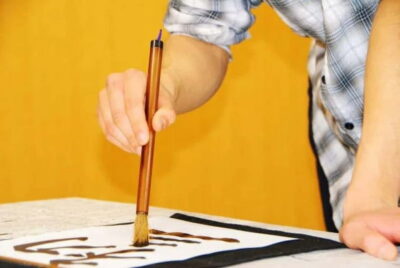
Before you write anything, you’ll learn how to use the materials correctly. That matters more than you’d think. Calligraphy isn’t just drawing pretty lines. It’s control: ink flow, pressure, angle, and the rhythm of the strokes.
You’ll get brush and ink usage instruction, then you’ll practice basic stroke patterns. The class is paced so you’re not thrown into the deep end. You’ll also get guidance on Japanese character structure, so the characters stop feeling like random shapes.
Wear clothes you don’t mind getting ink on. Ink may stain, and you want to concentrate on the strokes instead of worrying about your outfit. Comfortable clothing is the smart move, and you can keep your hands relaxed while you write.
The instructor is English-speaking, which makes a big difference. You’ll understand the why behind each step, not just copy directions.
The Five-Stroke Foundation for Kanji Writing
Here’s what you’ll appreciate if you’ve ever tried to copy a Kanji from a book. The lines look simple, but they’re not. Small changes in stroke order and shape can make the character look wrong.
The workshop starts you with five representative strokes that form the foundation of Kanji writing. You watch the calligrapher demonstrate right in front of you, then you practice those strokes yourself. Think of it like learning how to write with a new “language” of movement.
This is where the class earns its price. You’re not paying just to take home a souvenir. You’re paying to learn the building blocks that make your final work look intentional.
You’ll focus mainly on Kanji, and your practice time is designed to help you form the strokes with confidence. If you’re worried you’ll run out of time, choose a longer starting slot when possible. One review mentioned that one hour felt too short, because the learning was fun and they wanted to keep going.
Picking Your Word or Kanji: Your Final Piece Starts With Choice
After you get the basics, you choose what you want to write. This part is genuinely fun, because you’re shaping the artwork around a meaning that fits you.
Common choices include 愛 (Love), 幸 (Happiness), and 忍者 (Ninja). You can also pick a Kanji character you want to try. The workshop is set up so you don’t need a perfect idea from the start. You can decide based on what you’re drawn to after practicing the strokes.
What I like about this choice is that it changes how you look at your own work. Instead of copying a symbol you don’t care about, you’re writing something that feels like you. That turns the final piece from a craft project into a memory.
If you want your lesson to be more personal, this is the moment to think about what you want the artwork to mean. Keep it simple if you’re new. One strong character beats struggling through something complicated.
Personalized Coaching: The Model That Makes Your Character Click
Once you pick your word or Kanji, you receive a personalized model from the calligrapher. This is a key detail. You don’t just get a general example. You get something matched to your chosen character and your starting level.
The instructor teaches key points for writing it beautifully. That usually means correcting stroke direction, timing, and where the shape tightens or opens. You’re basically learning how to avoid common mistakes before they get embedded in your muscle memory.
One review named Miran as the instructor and described the teaching as lovely, helpful, and encouraging. That kind of patience matters, because calligraphy asks your body to do something slightly unfamiliar. It’s normal if your first attempts don’t look right. The goal is steady improvement.
You also have the chance to practice your chosen character before committing fully to the final piece, so your finished artwork is closer to what you intended.
Other Kyoto tours and experiences to compare


Making the Final Artwork: Fan, Shikishi Board, or Washi Postcard
Now for the part you’ll actually hang on to.
Your final souvenir can be:
- a folding fan
- a shikishi board
- a washi postcard
Each option gives a slightly different vibe. A fan feels light and decorative. A shikishi board reads more like a finished display piece. A washi postcard is practical, because it’s easy to keep or share.
You’ll create your final piece during the workshop using what you learned. Then you can add your chosen character in a way that matches the lesson’s technique, not just your first attempt.
If you want maximum value, pick the format you’ll truly use. People often keep items they can see again. Decide based on what you’re likely to display or store carefully after the class.
Also, ink can be unforgiving. This is why the instructor’s guidance and model matter. It’s easier to produce a clean result when you have the right reference.
Writing Your Name in Japanese (So It’s Not Just Pretty Ink)
You can also write your name in Japanese on your final piece. This is one of those small extras that makes the workshop feel more tailored to you.
It’s also a great way to slow down and think about character structure. You’re not rushing through a souvenir. You’re building something that connects your identity with the craft.
If you choose your name as part of the design, plan to take your time during the final steps. Even if your calligraphy isn’t perfect, a name written with intention becomes a meaningful keepsake.
And yes, there’s a commemorative photo taken together with your completed artwork at the end. It’s a nice souvenir for people who want a record, especially if you’re traveling light and you can’t easily frame everything right away.
Price and Value: About $51 for 1 to 1.5 Hours of Real Instruction
At around $51 per person, this workshop is priced for a short, focused lesson that includes materials and a take-home piece. The value depends on what you want.
If you want a quick cultural experience, it’s a fair deal because you get multiple stages: tool basics, stroke practice, character exploration, personalization, and a finished souvenir. You’re also getting a photo and the ability to write your name in Japanese.
If your goal is just to buy a finished artwork, then you’d probably find cheaper options. But if you want to learn how the writing works and leave with something you made, the instruction time is the cost driver—and that’s the part you’ll feel after the workshop.
The duration is listed as 1 hour to 90 minutes. If you can choose, I suggest going for the longer slot when available, especially if you like learning by doing. One review specifically noted that one hour was too short because they wanted to keep going.
Location Notes: The Sign Board at the Entrance Matters
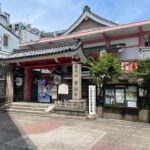
The meeting point is a sign board in front of the entrance. That sounds simple, but one thing to know is that the location can be tricky to spot.
So here’s the practical advice: arrive early and take a careful look at the entrance area rather than assuming it’s obvious from the street. If you’re visiting in bad weather, give yourself extra time to settle in before the class starts.
Once you find the entrance, the workshop itself is straightforward. It’s a small-group or private-style setting, and the class moves at a pace designed for real learning, not speed-walking through steps.
Who This Kyoto Workshop Is Best For
This is a strong fit if you:
- want a hands-on Kyoto activity that isn’t just sightseeing
- are curious about Japanese writing systems and how characters are structured
- like beginner-friendly classes with supportive instruction
- want a take-home piece that feels personal, not generic
You don’t need prior calligraphy experience. That’s a big deal. The workshop is built for beginners, and it starts with basic strokes and tool instruction.
It’s also a good choice if you prefer smaller settings. The activity lists private or small groups available, which usually means more attention from the instructor and less pressure while you practice.
If you’re traveling with a friend, this can be a fun shared activity. If you’re traveling solo, it’s also comfortable, because you’ll be guided through your own character choices and still have the communal element of writing side by side.
Should You Book This Kyoto Japanese Calligraphy Workshop?
Book it if you want a real skill for a reasonable price. You’ll learn the stroke foundations of Kanji, choose a character with meaning, and take home a completed artwork you made with instruction and guidance. The class also offers the extra personal touch of writing your name in Japanese, plus a commemorative photo.
I’d think twice only if you’re extremely rushed and can’t spare the full time. It’s a short lesson, and one review noted that the class ended before they were ready. If you’re even slightly excited by the idea of writing and practicing, that’s your sign to choose the longer option when available.
If you want a Kyoto memory you can see and hold, this is a solid pick.
FAQ
Do I need prior calligraphy experience?
No prior experience is required. The workshop begins with tool use and basic stroke practice, then guides you toward your chosen Kanji.
What will I learn during the class?
You’ll practice basic strokes and explore Japanese characters, focusing mainly on Kanji. The highlights also mention exploration of Katakana.
How long is the workshop?
The duration is listed as 1 hour to 90 minutes. You’ll need to check availability to see starting times.
Are materials provided?
Yes. All materials are provided, and you’ll receive brush and ink usage instruction.
What souvenirs can I make and take home?
You can create a final piece on a folding fan, a shikishi board, or a washi postcard. Your completed artwork is included.
Can I write my name in Japanese?
Yes. You can write your name in Japanese on your final piece.
Is the instructor able to teach in English?
Yes. The instructor is listed as English-speaking.
What’s included in the price, and what’s not?
Included are the calligraphy workshop, brush and ink instruction, basic stroke practice, Kanji exploration, a personalized model, souvenir creation, and a commemorative photo. Transportation to the venue and meals and drinks are not included.
Where is the meeting point?
The meeting point is a sign board in front of the entrance.
Is there free cancellation?
Yes. Free cancellation is available up to 24 hours in advance for a full refund.
More Workshops in Kyoto
More Tour Reviews in Kyoto






More Kyoto Workshops to Try

Just added: more Kyoto tours to browse








Kyoto Craft & Calligraphy Workshops, compared.
 ★ 5.0Chopsticks Making Workshop in Gion with Engraving OptionFrom $15958 reviews
 ★ 4.8Authentic knife making experience at a blacksmith in KyotoFrom $154350 reviews
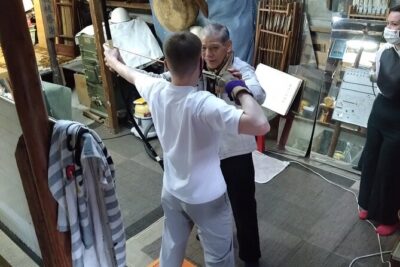 ★ 5.01-Hour Japanese Archery Experience in KyotoFrom $46176 reviews
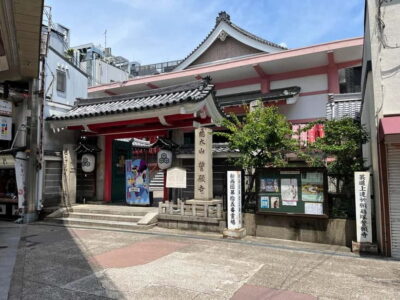 ★ 5.0Calligraphy class at Buddhist temple in city centerFrom $55167 reviews
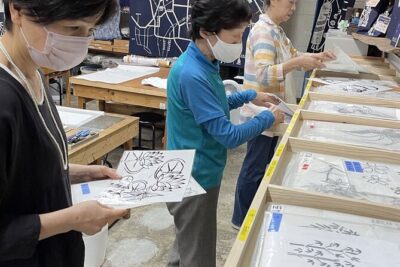 ★ 5.0Roketsu dyeing experience: M course Roketsu Dyeing ExperienceFrom $25163 reviews
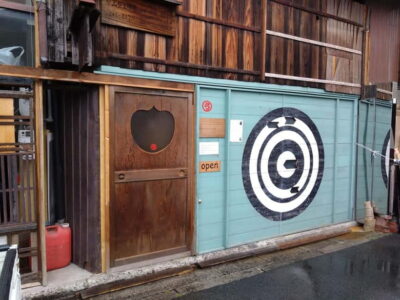 ★ 4.9Japanese Archery Workshop with Experienced InstructorFrom $38132 reviews
 ★ 4.8Japanese Calligraphy ClassFrom $5189 reviews
 ★ 5.0TAIKO, Japanese Drum Experience from KyotoFrom $11586 reviews
Browse the lists this tour appears in