
Reviewed · FUSHIMI INARI SHRINE TOURS
Kyoto: Early Morning Fushimi Inari Shrine – Beat the Crowds
Torii gates without the crush? That’s the whole point of this early Fushimi Inari Taisha tour. I love the serene morning climb through a holy mountain route, and I also love how it’s built for clean torii-gate photos without spending hours weaving around tour groups. You get a local English-speaking guide who helps you read the shrine like a story, not just a checklist.
One possible drawback: the route is a real walking climb, so it’s not a good match if you have mobility, heart, or respiratory concerns, or if you struggle with uneven steps and steep paths. It also isn’t set up for kids under 10, strollers, or luggage.
In This Review
- Key Takeaways Before You Go
- Why Morning Changes Everything at Fushimi Inari
- Meeting Inari Station Without Stress
- The 90 Minutes at the Main Shrine: What the Guide Actually Adds
- Viewpoint Time: When You Step Back and See the Route
- The “Hidden Gem” Stop and the Fountain Legend
- How to Get Better Torii Gate Photos (Without Editing)
- Price and Value: Is $70 Worth It?
- What’s Included (and What Isn’t)
- Who This Tour Fits Best (And Who Should Skip It)
- Small Details That Make the Morning Work
- Guide Standouts: When the Human Factor Is the Feature
- Should You Book This Early Morning Fushimi Inari Tour?
- FAQ
- How long is the tour?
- Where do I meet the guide?
- Is the tour in English?
- Is it only for a big group?
- What should I wear and bring?
- Are strollers or luggage allowed?
- Who is this tour not suitable for?
- What is included in the price?
- Can I cancel if my plans change?
Key Takeaways Before You Go
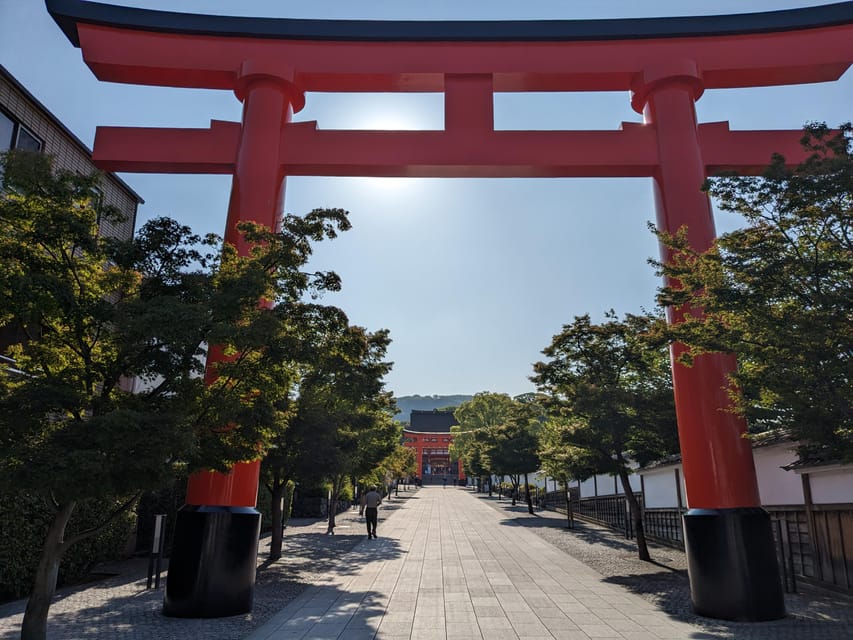
- Early arrival beats the day crowds, so the torii tunnels feel quieter and more sacred.
- Guides like Teppei, Akino, and Hiro are repeatedly praised for clear explanations and a thoughtful pace.
- You get torii gate photo opportunities without needing to edit people out later.
- The itinerary includes viewpoint time, so you can step back and take in the climb.
- A quieter “hidden gem” stop adds legend and meaning beyond the main shrine route.
- You leave with an Inari-specific souvenir, not just a generic Kyoto trinket.
Why Morning Changes Everything at Fushimi Inari
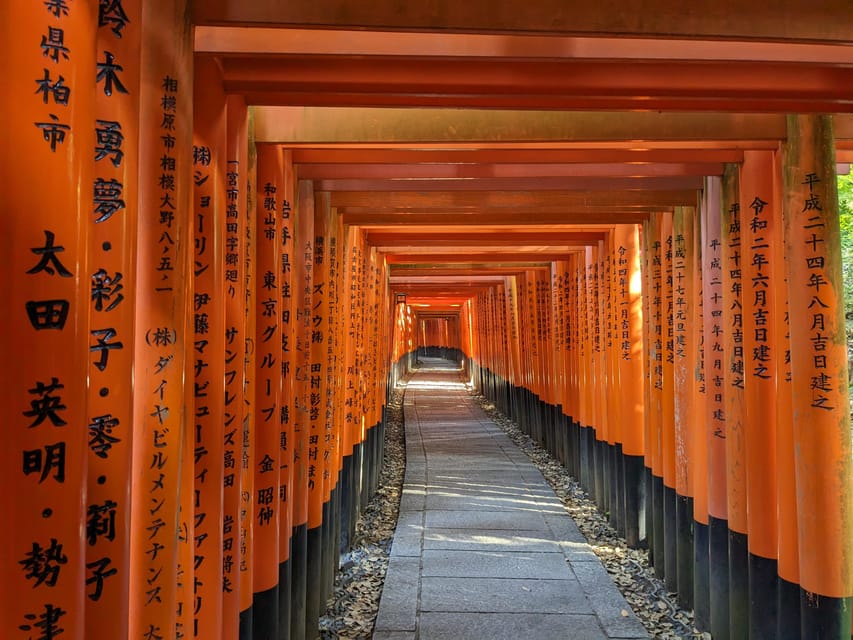
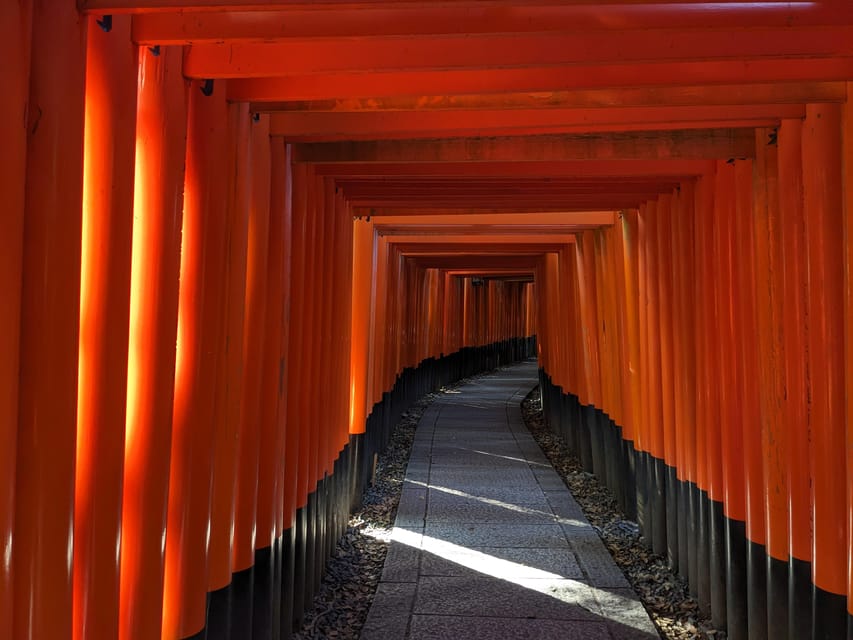
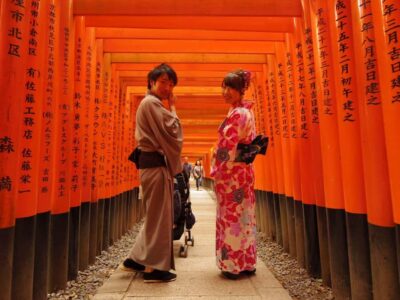
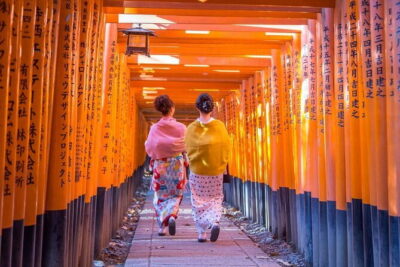
Fushimi Inari Taisha is famous for a reason: the orange torii gates turning into tunnel after tunnel looks like it should be a movie set. But that fame is also the problem. When you go later, you end up in a slow-moving line of people who all want the same photos, from the same angles, at the same times.
Starting early flips the experience. The shrine still has that iconic maze of torii gates, but the mood changes. You get space to look up, to notice details on the structures, and to actually understand why Inari matters to locals. That quiet time also helps you slow down—because a shrine like this rewards attention, not rushing.
If you care about photos, the time slot matters just as much as the gates. The tour is designed so you can capture the famous look without the usual crowd edits. And if you don’t care about photos? You’ll still appreciate the calmer walking rhythm and fewer bottlenecks.
More walks up through the vermilion torii of Fushimi Inari


Meeting Inari Station Without Stress
The meeting point is straightforward: your guide waits outside JR Inari Station, across the main entrance, holding a bright yellow DeepExperience signboard. That’s helpful in Kyoto, where stations can feel like mazes and directions can be confusing when you’re tired.
You’ll want to arrive a few minutes early. Even with a small group setup, it’s easier on everyone if you’re not sprinting in at the last second—especially on a morning tour when everyone’s trying to beat the crowd wave.
This is also the right place to orient yourself. Inari Station is close to where the action starts, so you won’t waste time hunting down the shrine entrance after meeting.
The 90 Minutes at the Main Shrine: What the Guide Actually Adds
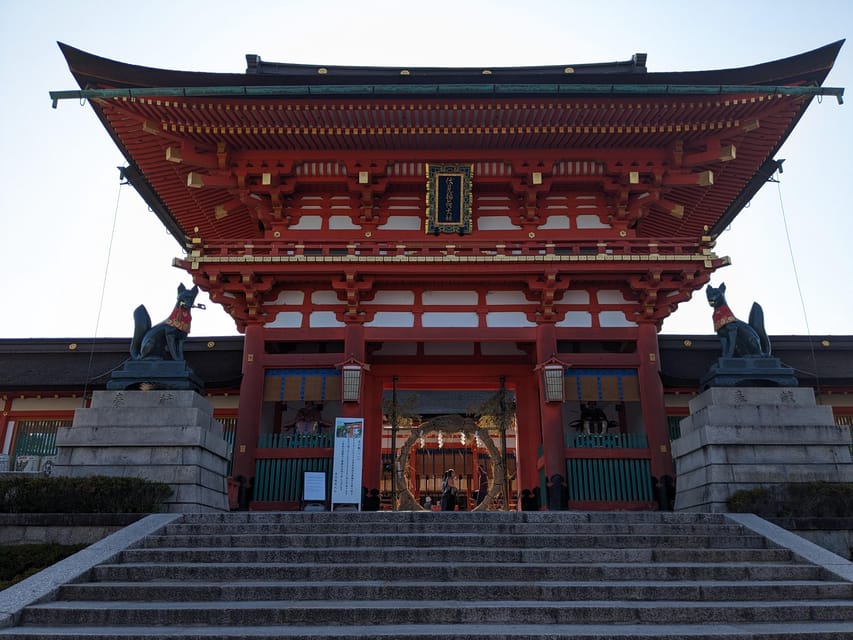
The core of the tour is a guided walk at Fushimi Inari Taisha for about 1.5 hours. This is where a local guide really changes the value.
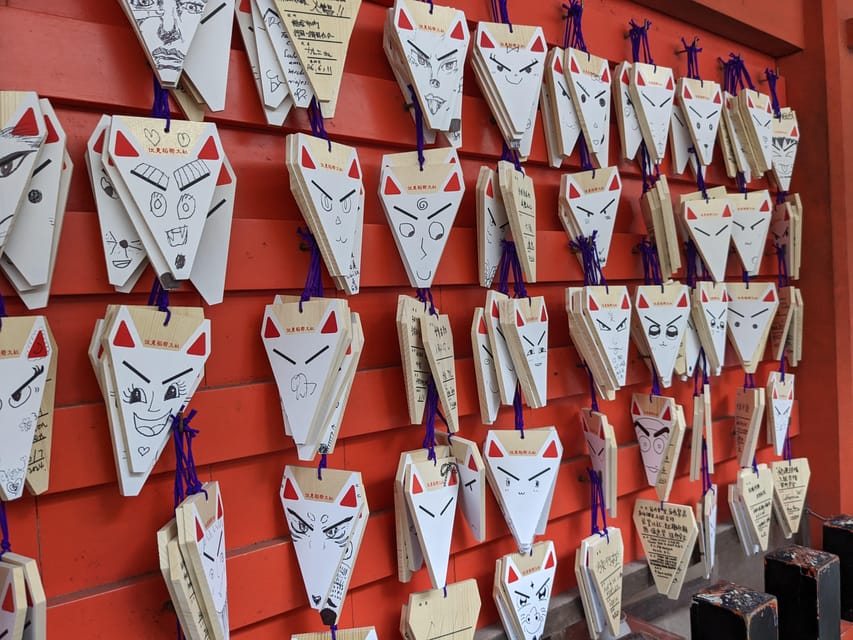
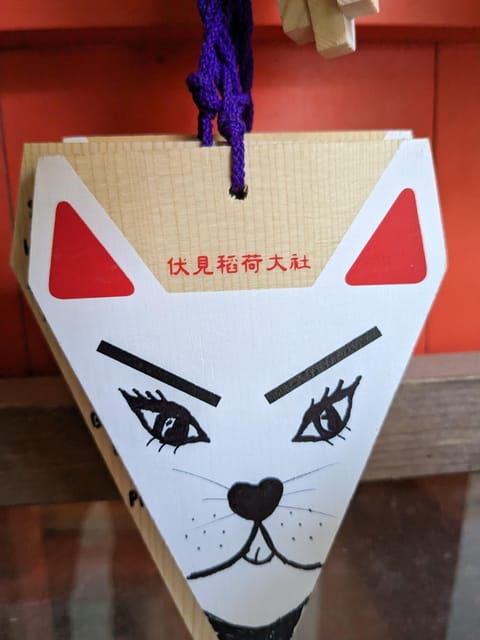
Without help, it’s easy to see torii gates and kitsune-related details and treat it like a photo walk. With a guide, you get context for what you’re seeing—why the torii gates line the path, why certain spots matter, and why Inari is so important for locals. That deeper understanding doesn’t make the shrine less beautiful. It makes the orange gates feel purposeful instead of just decorative.
From the reviews, the guide quality is a standout. People specifically praise guides including Teppei, Akino, Masa, Hiro, Maru, and Yoshi for being friendly, clear, and willing to answer questions. A recurring theme: the best guides don’t just point out sights; they explain what you should notice as you walk.
Another useful point: the pace is designed for enjoyment. More than one review mentions the early climb and the experience feeling like a highlight because the guide kept things moving with care, step-by-step.
Viewpoint Time: When You Step Back and See the Route
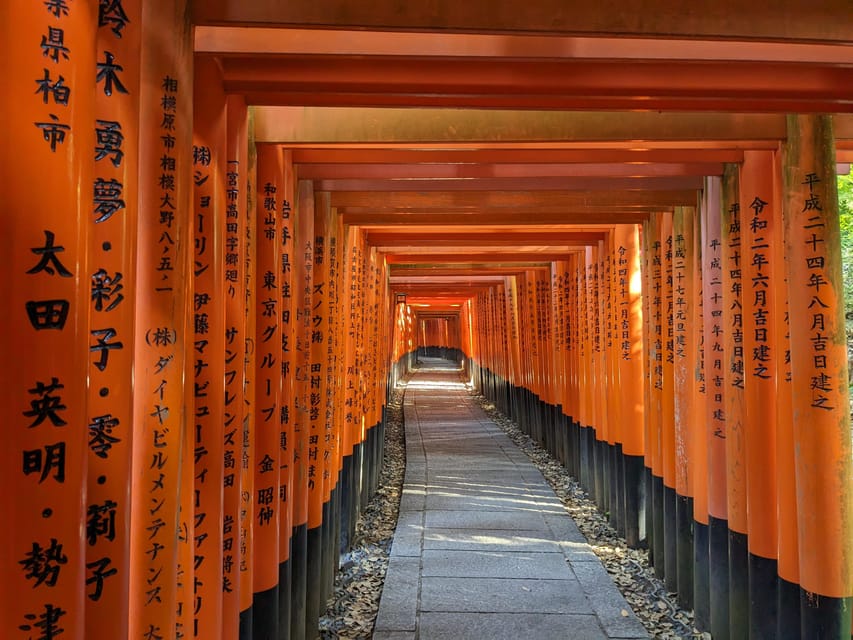
After the main guided portion, the itinerary builds in a 30-minute viewpoint stop. This matters because Inari is long. You walk up through a tunnel of torii, then later you realize you never paused—so your brain is full of gates but short on perspective.
At the viewpoint, you can catch your breath and look back at the climb. Even if you’re not a hardcore photographer, this is where you’ll appreciate the scale: the gates don’t just sit there, they march upward with intention.
For photo lovers, this is also a chance to get shots that show depth and direction, not just a close-up of orange wood. You’ll also find it easier to take a clean image when you’re not trapped in the busiest gate clusters.
The “Hidden Gem” Stop and the Fountain Legend
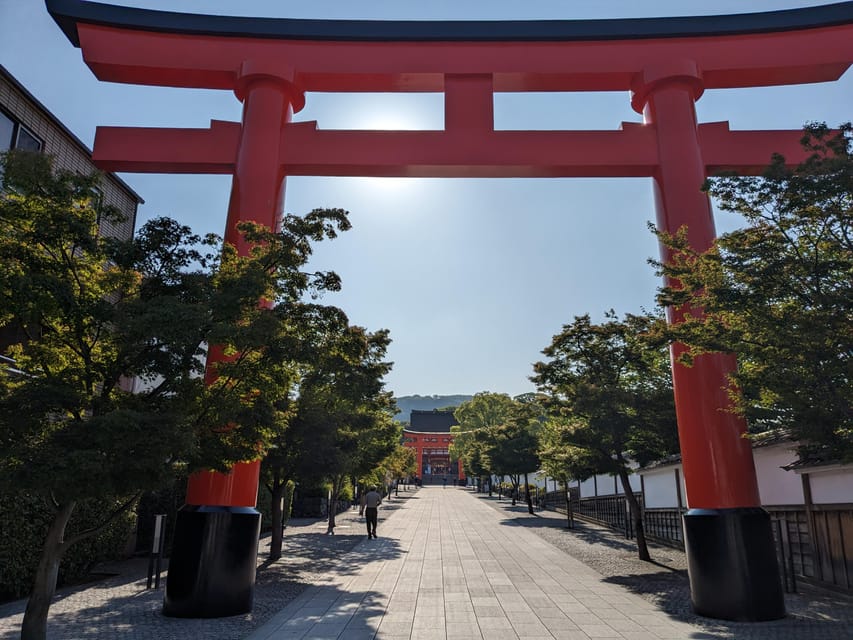
The final timed section includes a 30-minute hidden gem. One review calls out a quieter spot with a small fountain tied to a legend about curing illness. That kind of detail is exactly why guided tours work here: it turns a walk through famous scenery into something you remember with meaning.
You’ll also likely notice the atmosphere shift at this stage. Early in the morning, Inari already feels calmer, but quieter spots tend to make it even more personal. The gates are still present, but the experience feels less like a crowd attraction and more like a place of worship and belief.
The practical takeaway: don’t think of this stop as optional sightseeing. It’s part of how the tour avoids the typical “see the iconic part, then leave” routine. You get at least one extra layer beyond the main stream route.
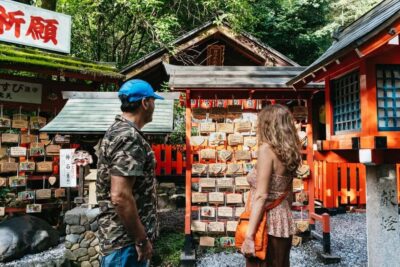
More temples and shrines to slow down in across Kyoto





How to Get Better Torii Gate Photos (Without Editing)
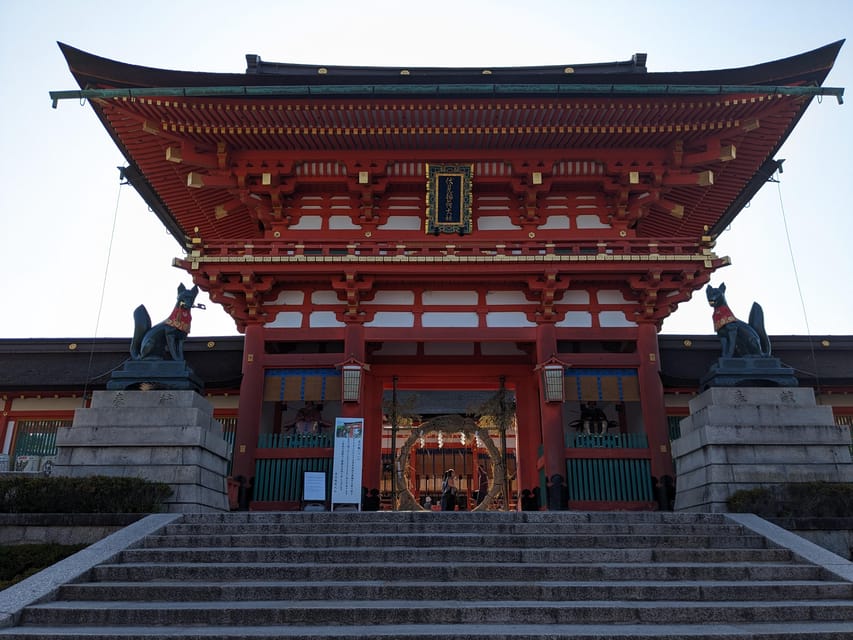
Let’s be honest: at Fushimi Inari, photos are the whole conversation. The advantage of this tour is that it targets the time and stops that help you photograph without wrestling for position.
A few photo-minded tips that fit how the tour is structured:
- Wear comfortable shoes and keep your pace steady so you can react quickly when the path opens up.
- Bring a camera strap or secure bag setup so your hands stay free while walking through torii lines.
- Plan to take a few “wide” shots from viewpoints, then switch to tighter frames where torii rails lead your eye.
The tour’s biggest photo win is not a camera trick. It’s timing plus guidance. When your guide helps you reach the right spots at the right moment, you spend less time waiting for the crowd to shift.
Price and Value: Is $70 Worth It?
$70 per person for a 150-minute tour isn’t the cheapest way to see Fushimi Inari. But here’s what you’re paying for: an expert local guide, an early timing strategy, and a route with viewpoint and hidden-gem time.
If you’re visiting Kyoto for a limited number of days, early tours often pay off because you gain back two things you can’t buy later: time and mental energy. You avoid the crush at peak hours, and you don’t waste your morning figuring out how to structure your walk.
This price also buys you interpretation. The guide does the work of turning a busy landmark into an understandable, meaningful place. Several reviews put guides like Teppei and Akino in the “top tier” category, praising them for clear explanations and a pace that kept the experience from feeling rushed.
So I’d frame the value like this: if you care about photos, context, and not spending your morning in a bottleneck, the $70 is easier to justify. If you’re traveling slow, want total freedom, and don’t care about a guide, you might choose to do it independently.
What’s Included (and What Isn’t)
Included is an English-speaking local expert guide and the full time together from starting point back to Inari Station.
Not included are the personal items you need for comfort and movement. The tour specifically asks you to bring:
- Comfortable shoes
- Comfortable clothes
And it’s strict about what you shouldn’t bring:
- No baby strollers
- No luggage or large bags
- No intoxication
- No baby carriages
That’s important because the walk involves tight sections and stairs. Even if you could technically carry a backpack, the tour design seems aimed at keeping movement easy and safe for everyone.
Who This Tour Fits Best (And Who Should Skip It)
This tour is best for people who want a guided, early-morning version of Kyoto’s most iconic shrine spot—and who can handle uphill walking.
It may not be suitable if you have:
- Back problems
- Mobility impairments
- Heart problems
- Respiratory issues
- Altitude sickness concerns
- Low fitness
- If you use a wheelchair
It also isn’t recommended for children under 10.
From a practical standpoint, I think it fits best if you’re:
- Comfortable with walking on uneven surfaces
- Interested in cultural context, not just landmark photos
- Traveling as a couple or small group and want a smoother experience than self-guided crowds
If you’re in the “I just want to wander” mindset, you can still do that in Kyoto. But if you want the crowd-beating setup and a guide to explain what you see, this tour matches that intention closely.
Small Details That Make the Morning Work
A few things in the tour design support an easy, confident start:
- You meet at Inari Station, so you’re not hunting for a shrine entrance in the early chaos.
- The tour is short enough to feel focused (150 minutes) but long enough to include meaningful route sections.
- You don’t just get gates and photos; you get viewpoint and an additional quiet stop.
Also, the small group or private option matters. In a place like this, being with fewer people makes the whole experience feel more controlled—especially when you stop for explanations.
Guide Standouts: When the Human Factor Is the Feature
One of the strongest signals from the reviews is that the guides aren’t interchangeable. People named specific guides and praised them for personality and pacing.
Examples from the feedback:
- Teppei is repeatedly praised as friendly, generous with explanations, and professional even when logistics go imperfectly.
- Akino earns mentions for knowledge and engagement.
- Masa is praised for warmth and helpful context.
- Hiro is praised for step-by-step respect before key torii points and for sharing stories with depth.
- Maru is praised for teaching culture and taking time with people, including helping with a few photos.
- Yoshi is praised for being especially friendly and knowledgeable.
Even if you don’t obsess over guide names, this pattern matters. Inari is visually intense. A great guide helps you slow your brain down and notice what actually makes the shrine special.
Should You Book This Early Morning Fushimi Inari Tour?
If you’re going to Kyoto and Fushimi Inari is on your must-see list, I’d seriously consider booking this early morning option—especially if you care about photos that don’t require heavy crowd edits, and if you want real context while you walk.
I’d skip it if you know you can’t handle uphill walking, stairs, or a physically demanding route. Also skip if you need strollers or carry large bags.
For most people who can walk comfortably and want a calmer, guided version of the iconic gates, this tour looks like strong value. The mix of early timing, viewpoint time, and an extra quieter legend stop is the kind of structure that turns a famous landmark into a memorable morning.
FAQ
How long is the tour?
The tour lasts 150 minutes.
Where do I meet the guide?
Meet your guide outside JR Inari Station, across the main entrance, holding a bright yellow DeepExperience signboard.
Is the tour in English?
Yes, the live tour guide provides English.
Is it only for a big group?
No. Private or small groups are available.
What should I wear and bring?
Wear comfortable shoes and comfortable clothes.
Are strollers or luggage allowed?
No. Baby strollers, baby carriages, and luggage or large bags are not allowed.
Who is this tour not suitable for?
It is not suitable for children under 10, people with back problems, mobility impairments, wheelchair users, heart problems, respiratory issues, altitude sickness, low fitness, or people over 70.
What is included in the price?
You get an English-speaking local expert guide. The tour time includes the guided walk and the other stops returning you to Inari Station.
Can I cancel if my plans change?
Yes. Free cancellation is available up to 24 hours in advance for a full refund.
More Tour Reviews in Kyoto



More Kyoto Temples and Shrines
Fushimi Inari, a Few More Ways
Just added: more Kyoto tours to browse








Fushimi Inari Shrine Tours, compared.
 ★ 4.8Fushimi Inari, Kinkakuji, Bamboo Grove 1 Day Bus TourFrom $1224,316 reviews
 ★ 5.0Fushimi Inari Hidden Hiking Tour (Private Option Available)From $631,750 reviews
 ★ 4.7Kyoto/Osaka: Nara, Fushimi Inari Taisha, Arashiyama Bus TourFrom $521,275 reviews
 ★ 4.4Osaka/Kyoto: Arashiyama, Nara & Fushimi Inari Shrine w/LunchFrom $61754 reviews
 ★ 4.7Nijo Castle, Kiyomizu & Fushimi Inari Guided TourFrom $54700 reviews
 ★ 5.0Nijo, Kinkaku-ji, Arashiyama, Kiyomizu & Fushimi InariFrom $51699 reviews
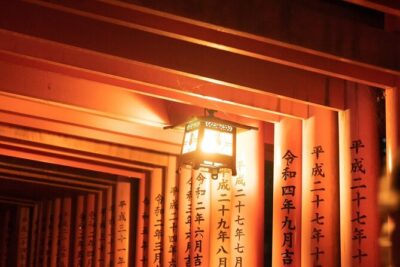 ★ 5.0Kyoto Fushimi-Inari Night Walking TourFrom $43320 reviews
 ★ 4.93-Hour Fushimi Inari Shrine Hidden Hiking TourFrom $72270 reviews
Browse the lists this tour appears in