
Reviewed · KYOTO COOKING CLASSES
Kyoto: Morning Japanese Bento Cooking Class
A morning in Kyoto, cooking bento by hand. This 3-hour class at Cooking Sun turns Japanese food culture into something you can actually make, not just watch. You’ll learn the logic behind bento, cook a full lineup of dishes, and finish with a lunch box you assembled yourself.
I especially like the step-by-step pace and the fact that instructors share practical tips you can use at home. You also get a real reward at the end: you eat what you cook, warm and finished, as a complete bento-style lunch. The main drawback to consider is that this is more about cooking flow and assembly than knife-skill training, and there’s limited one-on-one time if you want extra personal coaching.
In This Review
- Key Points Before You Go
- Kyoto Morning Bento Cooking at Cooking Sun
- The Bento Story You’ll Actually Remember
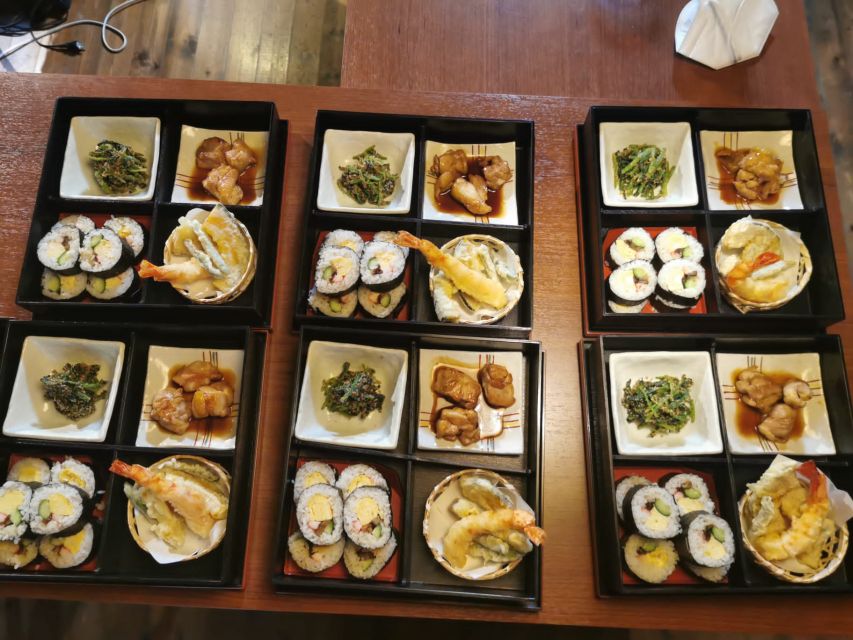
- Your Bento Box Lineup: Sushi, Tempura, Teriyaki Chicken, Miso Soup
- What to pay attention to while you cook
- How the Class Works: From Ingredients to Techniques in 3 Hours
- The Bento Lunch You Eat: Results, Not Just Practice
- Price and Value: Is $67 for 3 Hours Fair?
- Where to Meet and How to Plan Your Morning
- Who This Bento Class Suits Best
- Should You Book This Kyoto Morning Bento Cooking Class?
- FAQ
- What dishes will I learn to make?
- How long is the Kyoto morning bento cooking class?
- What’s included in the price?
- Is hotel pickup or drop-off included?
- Do instructors teach in English?
- Can the class accommodate dietary requirements?
Key Points Before You Go
- Bento basics with a hands-on lineup: sushi, tempura, teriyaki chicken, and miso soup
- You learn the why behind the box: bento traces back to the late Kamakura Period (1185–1333)
- Small-group feel: examples in past classes range from very small groups up to about 8 people
- English instruction plus written recipes: you get guidance you can follow at home later
- Food swaps can work: classes have accommodated no-shellfish versions and vegetarian options
- Lunch is included: you eat your finished bento on-site
Kyoto Morning Bento Cooking at Cooking Sun
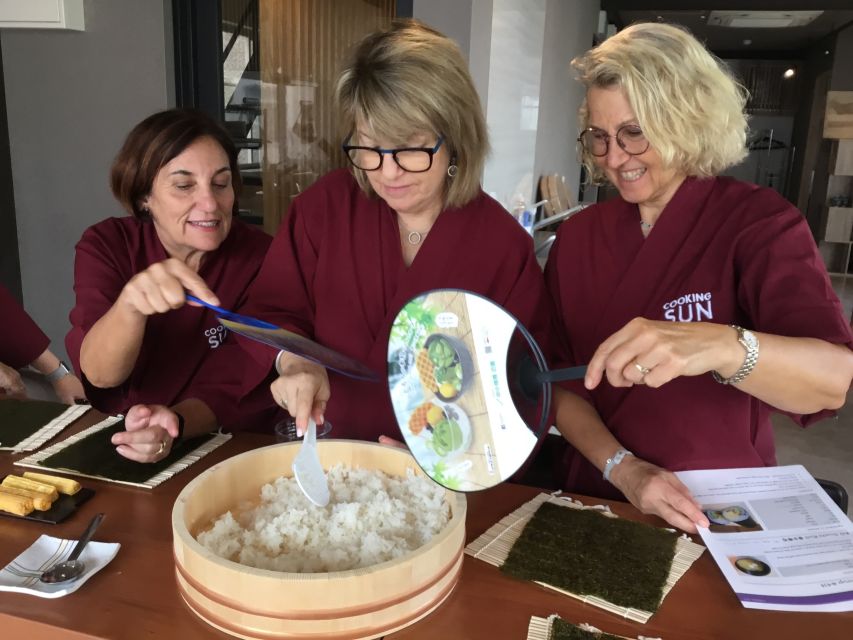
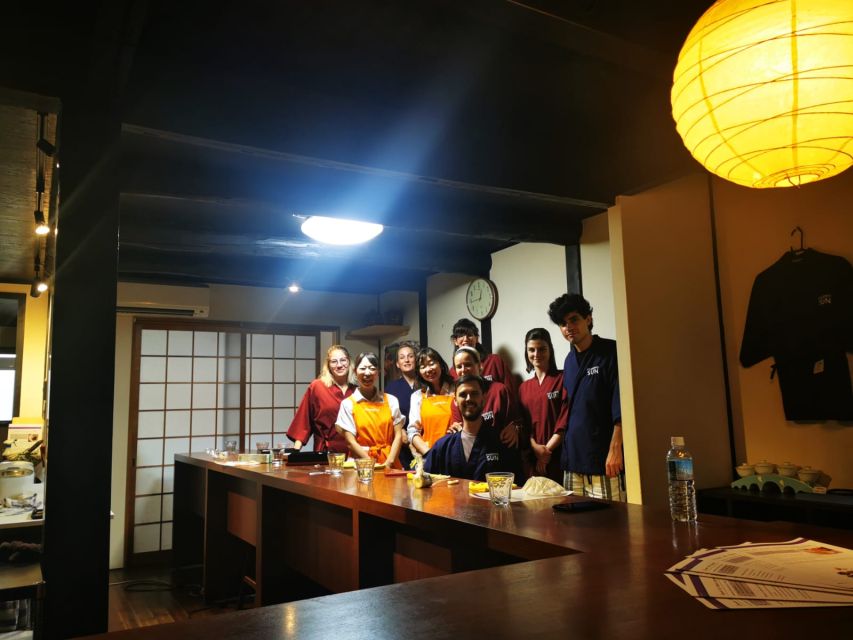
If you like your Kyoto experiences practical, this one fits. The class runs in the morning, and you’ll start by getting your apron and tools, then collecting your ingredients. From there, you follow the chef’s demonstration and build your own bento-style meal step by step.
What makes it feel different from a typical cooking show is the rhythm. You’re not just watching; you’re doing. And because it’s scheduled as a compact 2.5–3 hour session, the pace stays focused on what you need to succeed quickly.
Also, keep expectations realistic: this isn’t a full-day cooking marathon. You’ll cook multiple dishes, but you won’t be spending hours on elaborate prep. One review noted that ingredients are often prepped in advance, so you can spend time learning technique and finishing touches rather than doing heavy chopping.
Roll up your sleeves for another Kyoto cooking class

The Bento Story You’ll Actually Remember
Bento isn’t only about food. It’s a system for packing meals that makes daily life easier, and you’ll hear that story during the class. You’ll learn that bento-style meals can be traced back to the late Kamakura Period (1185 to 1333), which helps you understand why the box became such a staple.
Here’s the useful part for you: bento teaches organization. You learn how Japanese cooking balances flavor and texture in small portions, how sauces and toppings work, and why timing matters even in a compact meal. That’s why bento is such a good introduction to Japanese home cooking.
If you’re the kind of traveler who wants to connect culture to everyday life, this is one of the best formats. After the class, you’ll have not only dishes you can recreate, but also the logic behind why they go together in a box.
Your Bento Box Lineup: Sushi, Tempura, Teriyaki Chicken, Miso Soup
The core dishes in this class include sushi, tempura, teriyaki chicken, and miso soup. That mix is smart because it covers several sides of Japanese cooking—seasoned rice or sushi structure, crisp-fried tempura technique, sweet-savory teriyaki flavor building, and the comfort of soup.
You’ll watch the chef demonstrate each component, then you’ll do the cooking with guidance. Expect to use a variety of ingredients, and even if you’ve eaten Japanese food before, it’s a different experience when your hands are the ones shaping the process.
A useful detail from past students: the class often uses practical instructions that make recipes easier to repeat later. One person even mentioned buying equipment used in the class to cook again at home, which tells you the lessons are designed to translate beyond your vacation.
What to pay attention to while you cook
Tempura is all about control—heat, timing, and texture. Teriyaki chicken is where you learn how sauce becomes glossy and coats rather than just flavors. Miso soup is a lesson in restraint: you want balance, not something overly salty or heavy. And with sushi, you’ll get a sense of how the small details make the final bite work.
How the Class Works: From Ingredients to Techniques in 3 Hours
Timing is the whole game in a morning bento class. You’ll arrive for a session that runs about 3 hours, and the structure is designed so you can learn and finish without rushing at the end. You typically start by collecting ingredients, then cooking while the chef explains the tricks behind beautiful, Japanese-style presentation.
Past classes have been described as nicely paced, with written recipes that help you follow along and review later. That matters if you’re traveling with limited sleep and you’re trying to remember every step. Written guidance is the difference between remembering the taste and actually reproducing the method.
Group size also seems to be part of the value. Reviews mention small groups (sometimes as few as two people) and multiple instructors. In those conditions, you tend to get clearer feedback when something isn’t turning out as expected, and you can ask questions without feeling lost in a crowd.
One practical heads-up: because some ingredients may be prepped already, you may not get a full knife-skill workout. If you’re looking for a class that teaches knife fundamentals from scratch, this may feel more like technique and assembly than a cutting-heavy course.
Other Kyoto tours and experiences to compare


The Bento Lunch You Eat: Results, Not Just Practice
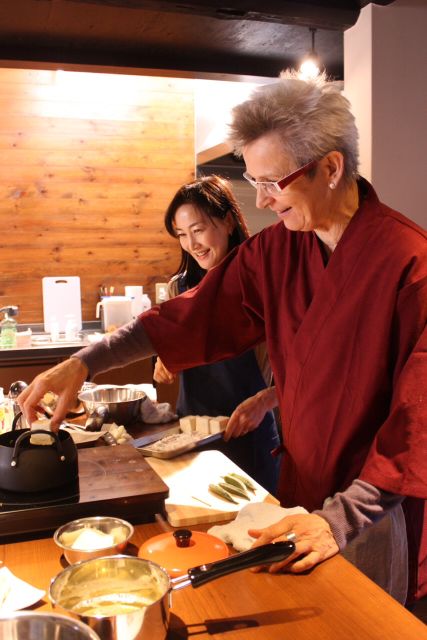
After cooking, you’ll eat your bento lunch. That sounds obvious, but it’s actually part of why this class is worth the time. Instead of packing up and hoping dinner will still taste the same, you get to eat while it’s fresh and finished.
You should expect a satisfying spread. The point isn’t one dish—it’s a boxed lunch style where different components work together. That variety is one reason the class is such a good introduction for people who feel overwhelmed by Japanese menus. Here, you build the menu in front of you.
Food options can also be flexible. One participant received a no-shellfish version, and others mentioned vegetarian accommodations. That doesn’t mean every dietary request is guaranteed without notice, so the best move is to advise dietary needs when booking.
Price and Value: Is $67 for 3 Hours Fair?
At about $67 per person for a roughly 3-hour experience, you’re not paying for a sightseeing ticket. You’re paying for a guided, hands-on meal—chef instruction, ingredients, utensils, an apron, and lunch.
That value equation works well for a few reasons:
- You’re getting multiple dishes, not just one.
- Ingredients are included, so you’re not guessing at what to buy later.
- Lunch is included, so the cost isn’t stretching your daily food budget.
- You’re leaving with recipes and techniques you can reuse.
The main “hidden cost” is transport. Hotel pickup and drop-off aren’t included, so you’ll need to get yourself to the meeting point on your own. If that means a longer morning scramble for you, factor that in.
Also, if you’re an experienced home cook, you might already know some sushi or teriyaki fundamentals. Even then, the class can still be worth it because you’re learning the bento approach—how pieces fit together quickly and look right in a box.
Where to Meet and How to Plan Your Morning
The meeting point is Cooking Sun, Funayacho, Shimogyo Ward, Kyoto, Kyoto 600-8466. Since hotel pickup isn’t included, you’ll want to give yourself a little buffer to arrive calm. Bento classes move at a steady pace, and being late is the worst way to start.
Bring a normal morning mindset: water, light layers, and comfortable shoes. You’ll be standing at workstations while cooking, so you’ll be glad you didn’t dress like you’re headed to a museum opening.
If you want to make the timing work well, plan something easy after class. You’ll likely be busy smelling ingredients, cooking, eating, and chatting, and you’ll want a low-effort rest of the day.
Who This Bento Class Suits Best
This class is a strong match if you want practical Japanese cooking in a short window. It’s also a great choice if you’d like to spend time with local instructors and learn food culture through what you’re making, not through a lecture.
It’s especially good for:
- Food-focused travelers who learn best by doing
- Anyone who wants a lunch they can recreate at home
- People who enjoy small-group instruction
- Families, since past groups included twin 10-year-olds who participated and enjoyed the meal
If you’re traveling with someone who doesn’t love cooking, this can still work because the end product is an actual meal. You’ll all get to sit down and enjoy the results.
On the flip side, if your goal is maximum hands-on knife work or lots of individual coaching, you might feel slightly constrained by the time and group setup. The class is structured to get everyone through a lot of dishes, so it leans toward group flow rather than nonstop personal instruction.
Should You Book This Kyoto Morning Bento Cooking Class?
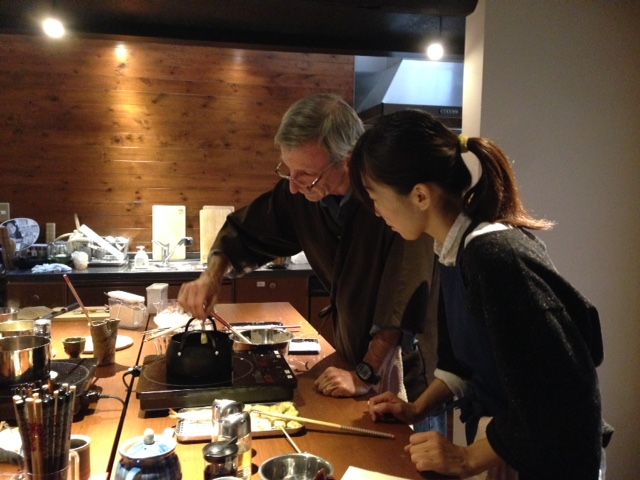
Yes, if you want a Kyoto experience that turns culture into a skill you can take home. For the money, you get meaningful instruction, multiple Japanese dishes, and lunch, plus recipes you can use later.
I’d skip it only if you know you want a knife-skill intensive class or you prefer a more hands-off food experience. If you’re okay with a morning that’s active, guided, and focused on building a real bento box, this is one of the more satisfying ways to spend a few hours in Kyoto.
FAQ
What dishes will I learn to make?
You’ll learn how to make sushi, tempura, teriyaki chicken, and miso soup.
How long is the Kyoto morning bento cooking class?
The class lasts about 3 hours (listed as 2.5 to 3 hours).
What’s included in the price?
The price includes the cooking class, ingredients, an apron and utensils, and lunch.
Is hotel pickup or drop-off included?
No. Hotel pickup and drop-off are not included.
Do instructors teach in English?
Yes. Instruction is in English.
Can the class accommodate dietary requirements?
You should advise of any dietary requirements when booking. The class has been able to provide no-shellfish and vegetarian options in prior sessions.
More Cooking Classes in Kyoto
More Tour Reviews in Kyoto






More Kyoto Cooking Classes

Just added: more Kyoto tours to browse








Kyoto Cooking Classes, compared.
 ★ 5.0Ramen Cooking Class at Ramen Factory in KyotoFrom $1311,937 reviews
 ★ 5.0Sushi Making in Kyoto! Same-day bookings welcome!From $53713 reviews
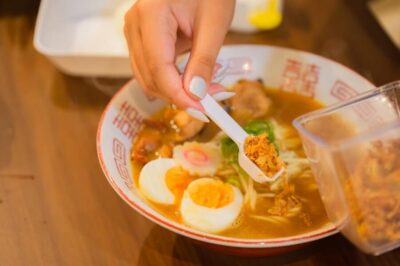 ★ 4.9Ramen Cooking Class at a Ramen Factory with SouvenirFrom $127532 reviews
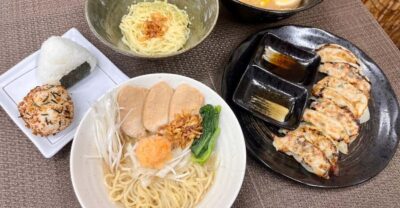 ★ 5.0Ramen, Gyoza, and Onigiri Cooking ClassFrom $90445 reviews
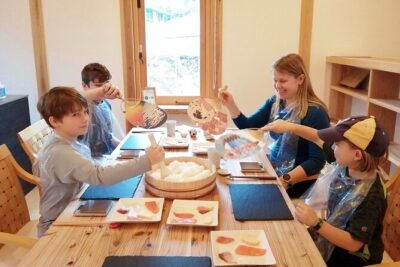 ★ 5.0The Original Small-Group Sushi Making Class in KyotoFrom $69436 reviews
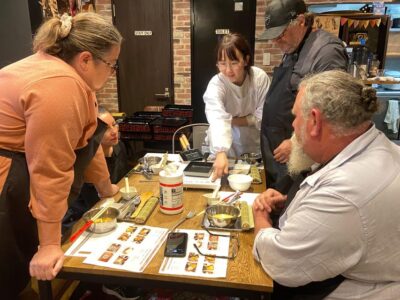 ★ 5.0Japanese Washoku Bento Small Group Cooking ClassFrom $58380 reviews
 ★ 5.0Kyoto Ramen and Gyoza Cooking Class with Professional ChefsFrom $86282 reviews
 ★ 4.9Afternoon Japanese Izakaya Cooking ClassFrom $67241 reviews
Browse the lists this tour appears in