
Reviewed · KYOTO TEA CEREMONIES
Kyoto: Tea Ceremony in 100-year-old Kyo-Machiya Townhouse
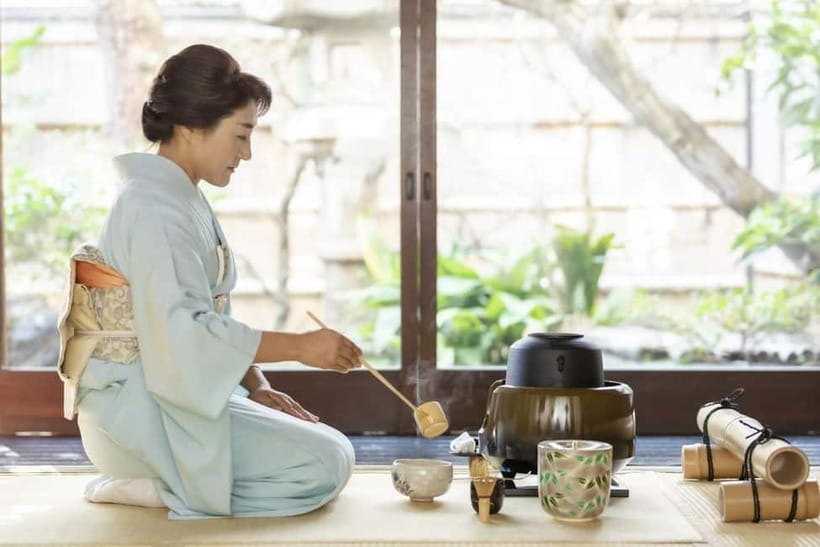
Stepping into a 100-year-old machiya changes how you see tea. You’ll meet an English-speaking tea master and interpreter in a townhouse setting, then learn the rituals behind every bow, greeting, and sip.
I particularly love the focus on doing it right—watching how the tea tools are handled and then learning the steps yourself. I also like how the atmosphere feels Kyoto, not stagey, thanks to the old machiya rooms.
The best part is that you don’t just watch. You’ll make your own matcha under supervision, sip it with traditional sweets, and ask questions at the end. If you pick the kimono option, you’ll also get dressed and can wear it around Kyoto afterward.
One drawback to plan for: this is a quiet group session (up to 20 people). You’ll be expected to keep things calm, and the ceremony timing won’t stretch if you arrive late.
In This Review
- Key Things I’d Book This For
- A 100-year-old machiya house makes the ritual feel real
- Timing: kimono first, tea later (the 2-hour shift)
- If you choose Tea Ceremony + Kimono Rental
- If you choose Tea Ceremony only
- Gojo Shop to Yumeyakata Oike Bettei: what each stop adds
- Gojo Shop: picking your kimono (and optional upgrades)
- Yumeyakata Oike Bettei: the townhouse for the ceremony
- Inside the tea ceremony: etiquette, tea bowl focus, and hands-on matcha
- What you learn at the start
- Tea master brings the tools and performs the first service
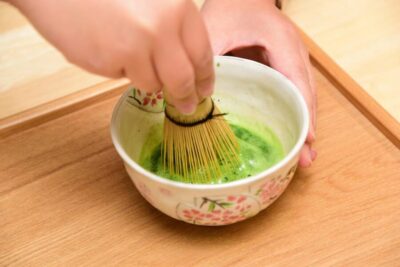
- Your turn: prepare matcha yourself (with supervision)
- Tea sweets, sitting options, and how to stay comfortable
- What to bring (and what to leave at home)
- A calm room isn’t optional
- If you add the kimono and townhouse tour: the after-ceremony momentum
- Right after the ceremony: Machiya moment (short tour + selfies)
- Then stroll Kyoto in kimono
- Price and value: why $31 makes sense here
- Who should book this tea ceremony (and who should skip it)
- Should you book Kyoto Tea Ceremony in a 100-year-old machiya?
- FAQ
- Where do I meet for the kimono rental option?
- Where do I meet for the tea ceremony only option?
- How long does the experience take?
- What time does the tea ceremony start if I’m renting a kimono?
- Do I need to bring anything?
- Can I sit on a chair instead of the floor?
- Can I wear the kimono after the ceremony?
Key Things I’d Book This For
- A real 100-year-old machiya setting that makes the ceremony feel grounded in everyday Kyoto life
- Hands-on matcha preparation with step-by-step guidance
- Kimono option that extends your experience—dressing first, then strolling Kyoto after
- Tea ceremony etiquette taught clearly, from greetings to using the tea bowl
- A townhouse add-on (if selected) with a short architecture/history moment right after tea
- Sweets + tea served in the same calm setting, not as an afterthought
A 100-year-old machiya house makes the ritual feel real
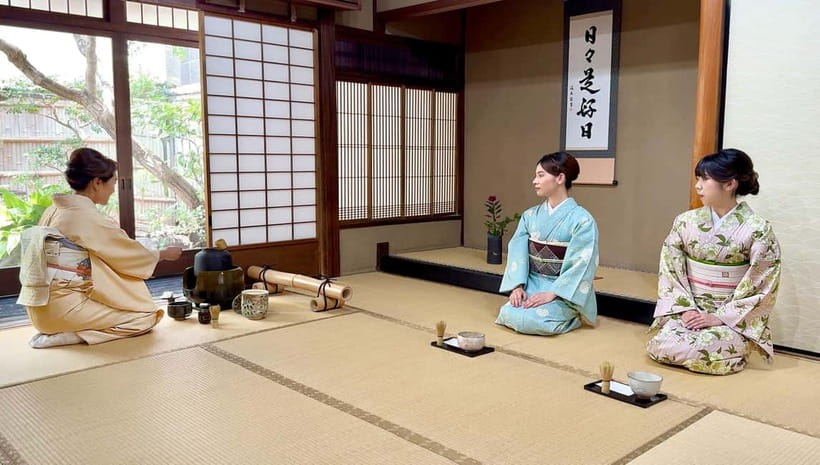
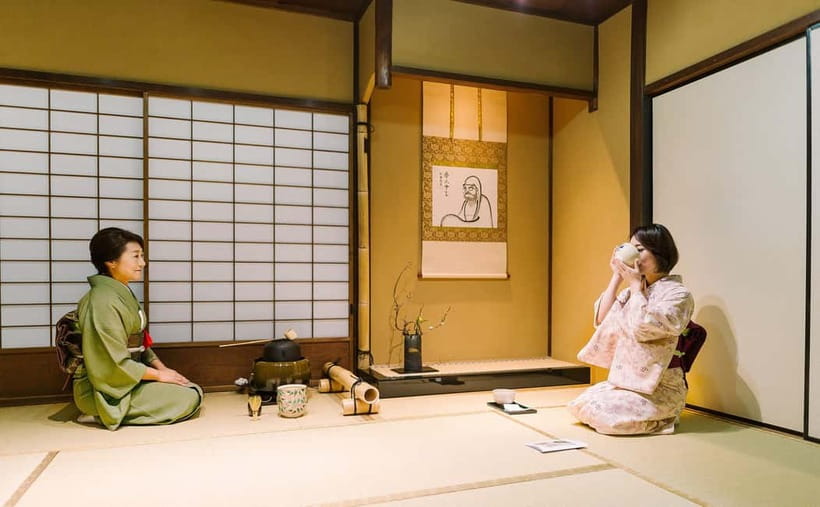
Kyoto tea culture lands differently when you’re not in a modern room. Here, the ceremony takes place in an old machiya townhouse, described as about 100 years old. The setting matters because the tea ceremony isn’t only about flavor. It’s about pace, respect, and small gestures—and an old Kyoto townhouse naturally supports that feeling.
You’ll move through a space designed for quiet living: the kind of house where every sound carries. That’s why they ask for a calm atmosphere. If you come looking for noise, you’ll feel constrained. If you come looking for “how do people practice this in real life,” you’ll get it.
Sit for another bowl of matcha in a Kyoto tea house

Timing: kimono first, tea later (the 2-hour shift)
This experience uses a two-part timing system, depending on the option you book.
If you choose Tea Ceremony + Kimono Rental
You’ll start at the Gojo Shop at your voucher’s selected time to choose your kimono. Then—important detail—the tea ceremony begins two hours after that starting time.
They even give an example: if you select 11:00 AM, the ceremony starts at 1:00 PM.
That “waiting window” isn’t wasted time, but it does mean you should build your day with slack. Your voucher time is your kimono appointment time, not your tea start time.
If you choose Tea Ceremony only
You’ll go to Oike Bettei (the tea venue) 5 to 10 minutes before the time on your voucher. In other words, no kimono schedule juggling—just show up, settle in, and start.
Gojo Shop to Yumeyakata Oike Bettei: what each stop adds
This tour is built around two locations, and each one has a job to do.



Gojo Shop: picking your kimono (and optional upgrades)
At the Gojo Shop, you’ll browse options by color, design, and size. If you select the add-on, there’s also a chance to level up the look:
- women can get hair styling and makeup
- the kimono can upgrade from casual to formal Houmongi
This part isn’t just for photos. Dressing properly helps you understand the ceremony as a whole cultural package. When you’re wearing a kimono, your posture and movements naturally slow down. That makes the etiquette teaching easier to absorb.
Yumeyakata Oike Bettei: the townhouse for the ceremony
After dressing, you head to the tea venue—Yumeyakata Oike Bettei—described as a traditional machiya townhouse for your ceremony. The tea session happens there, with the master and interpreter guiding you in English and Japanese.
One extra detail that gives this location more weight: the area is near Kyoto Gosho (Kyoto Imperial Palace), and next to the site connected with Nijō Yoshimoto (a high-ranking court noble). That means you’re not only sitting in an old house—you’re also in a historically important cultural zone.
Inside the tea ceremony: etiquette, tea bowl focus, and hands-on matcha
The tea ceremony starts with context. You’ll get an explanation of tea ceremony history—starting with how tea entered Japan from China about 1,200 years ago, then leading to the form known today as the Japanese Way of Tea. It’s not a trivia lecture. It’s meant to give meaning to the steps you’re about to practice.
What you learn at the start
Before you touch anything, you’ll go through:
- how to bow and use proper greeting words
- how to eat the traditional sweets
- how to drink the tea
- how to observe and appreciate the tea bowl
That last part is key. Many people expect the ceremony to be mostly about taste. Here, you’re guided to slow down enough to notice the bowl and the ritual sequence.
Tea master brings the tools and performs the first service
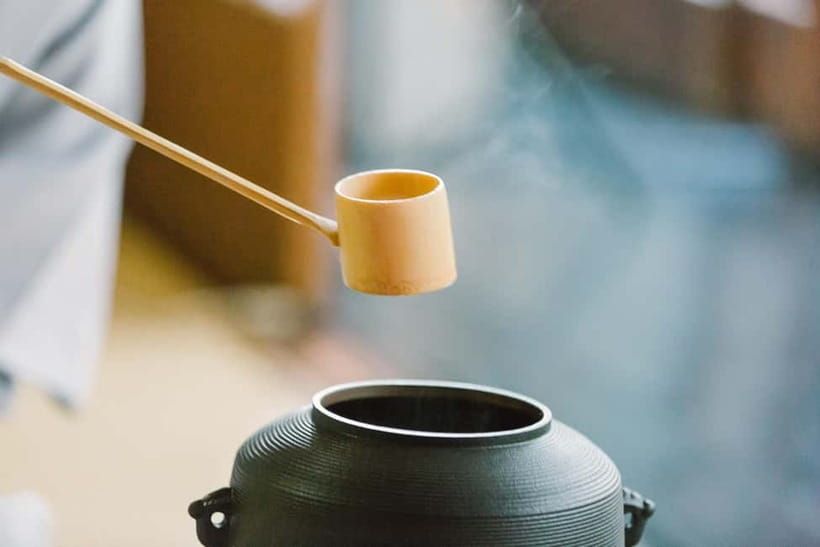
The master brings the necessary items into the room and prepares the first tea for a guest. Watching this once matters. It shows you the rhythm and how the gestures connect to respect and attention.
You’ll also have a place to ask questions before you leave. In many sessions, the interpreter helps keep explanations clear, and people often mention that the teaching feels both formal and friendly.
Your turn: prepare matcha yourself (with supervision)
After the first tea service, you prepare tea under the master’s supervision. This is where the experience becomes memorable.
Learning matcha isn’t hard because the instructions are gentle and structured. It becomes satisfying because you’re doing something precise—something you can repeat later at home, even if you won’t recreate the full calm of Kyoto.
Some past participants have praised hosts by name (like Lim, Maki, and Ling), especially for step-by-step guidance and interpretation quality. You’ll feel the difference if you pay attention to how they explain each motion before you try it.
Tea sweets, sitting options, and how to stay comfortable
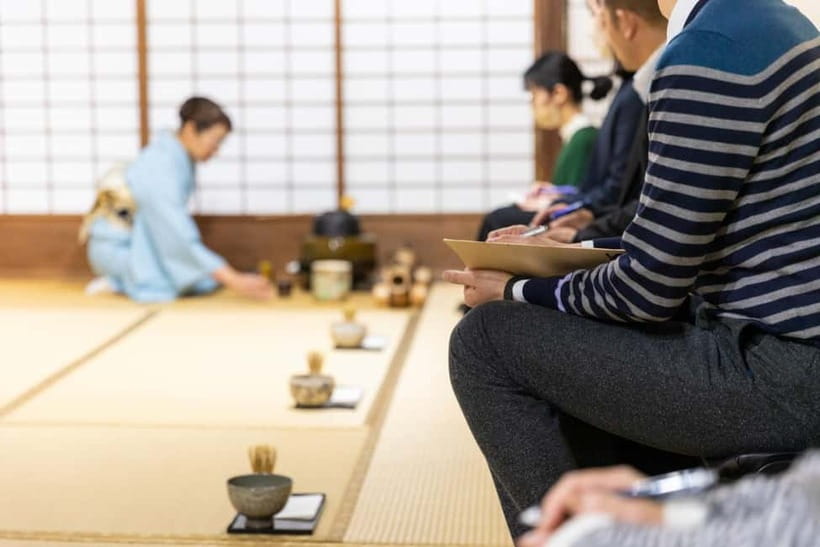
They don’t treat this as a “stand around and watch” show. The ceremony is practical, including where you sit.
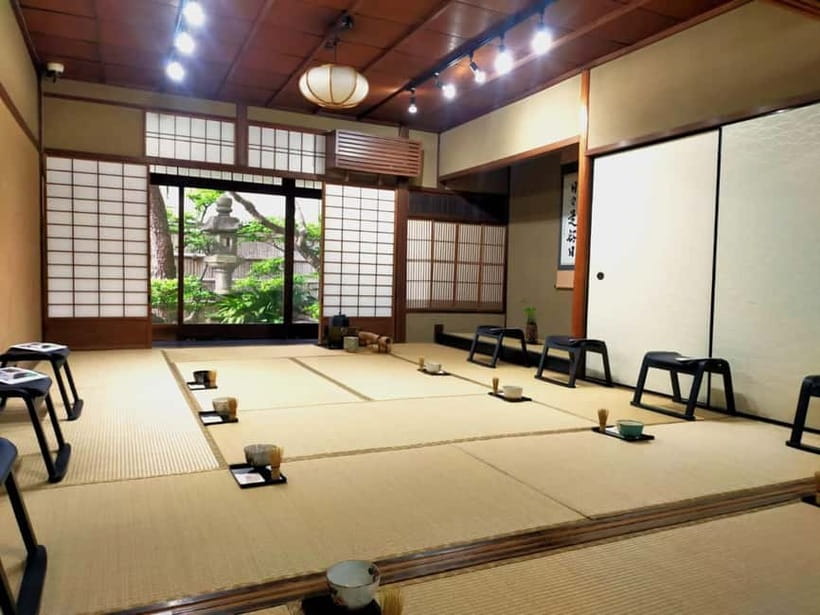
- You can sit on a small chair, if you don’t want to sit on the floor.
- Or you can sit on the floor. The room setup can vary depending on group size.
Because it’s a group session, there’s a maximum group size of up to 20 people, and the room may be adjusted based on how many people are there.
What to bring (and what to leave at home)
You’ll want socks. Socks are part of how you keep the space clean and comfortable for tatami-floor setups.
Also note what’s not allowed:
- sandals or flip flops
- flash photography
- smoking indoors
- food or drinks during the experience
- making noise
Practical tip: wear socks you like, because you’ll be in them the whole time.
A calm room isn’t optional
The experience requires quiet. If you’re traveling with a group, tell your people ahead of time that this is a “whisper level” activity. Disruptive behavior can get you asked to leave.
If you add the kimono and townhouse tour: the after-ceremony momentum
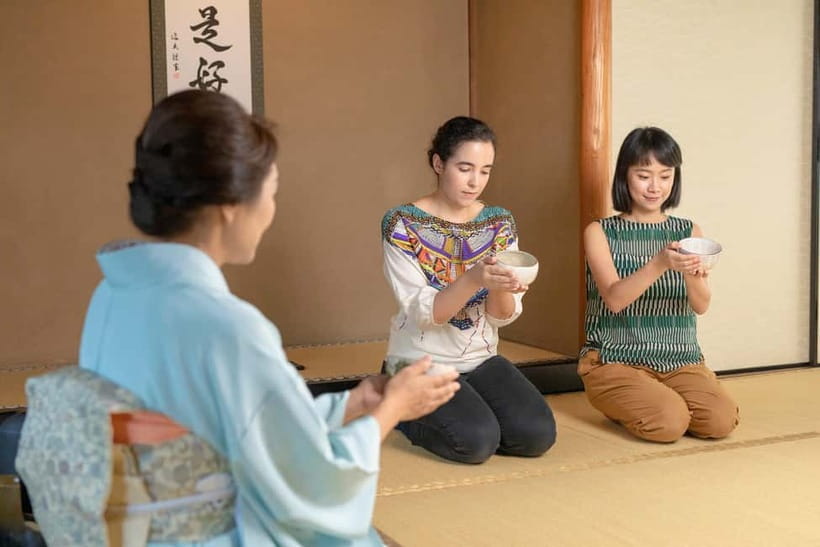
If you choose the add-on, you get more than tea.
Right after the ceremony: Machiya moment (short tour + selfies)
Immediately after tea, you can join a Kyo-Machiya (Kyoto Townhouse) Tour held in the same place. It’s described as:
- 20-minute tour
- 10-minute selfie time
Total: about 30 minutes.
This is a useful bridge. Tea ceremony teaches you etiquette. The townhouse moment explains the living heritage behind that etiquette—history, cultural significance, architectural details, and hidden functions of these homes.
Not every add-on experience includes the same vibe, but in this one, it’s designed to deepen your understanding of Kyoto’s living architecture right where you just sat.
Then stroll Kyoto in kimono
If you selected kimono rental, you can wear it while walking around Kyoto after the ceremony. You’ll just need to return it the same day.
Return deadline: 5:30 PM at the Yumeyakata Gojo Shop.
This is a big reason the kimono option is worth considering. The ceremony gives you the ritual lesson; the kimono gives you a way to carry that slower pace into the streets for a few hours.
Price and value: why $31 makes sense here
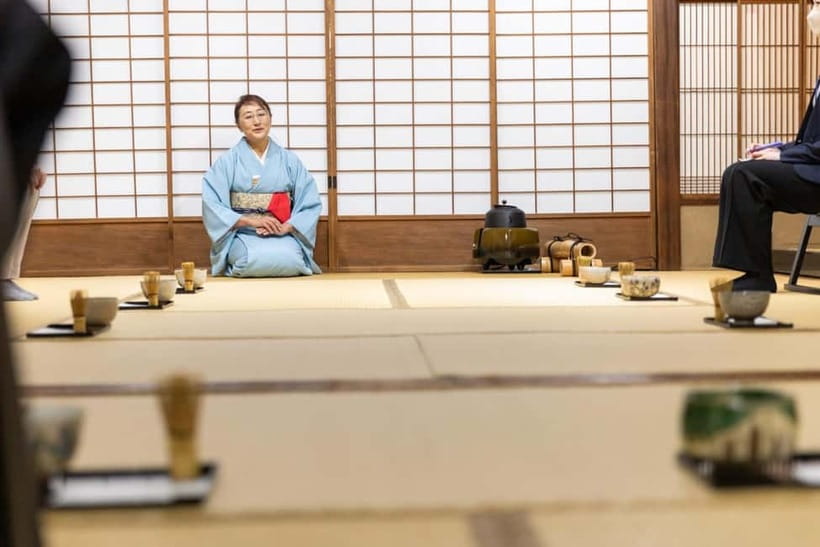
At $31 per person, this is positioned as a short, guided cultural activity. The key question is: what do you get for the money?
You’re not paying only for matcha flavor. You’re paying for:
- a guided ceremony with tea master + interpreter
- an explanation of tea ceremony history and etiquette
- time to prepare matcha yourself (not just watch)
- matcha tea plus traditional Japanese sweets
- a venue experience in a traditional machiya townhouse
- plus, if selected, a kimono rental experience (and possible upgrades)
So the value comes from participation. You leave with more than a drink—you leave with a sequence in your head and hands.
Your cost also doesn’t include transport between the Gojo Shop and the tea townhouse. If you’re relying on transit between those two points, factor in a little extra time and plan to arrive on schedule.
Who should book this tea ceremony (and who should skip it)
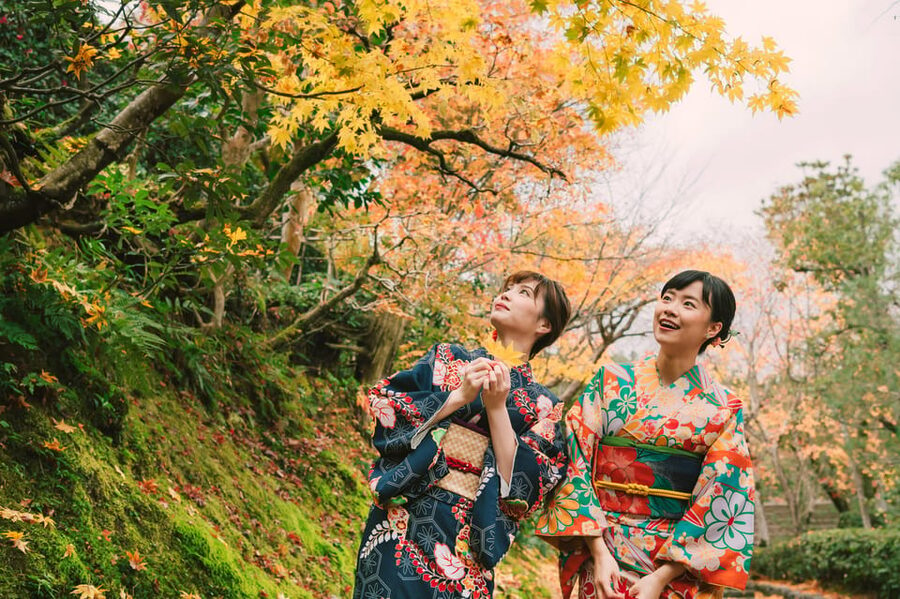
This experience is a strong match if you want:
- a structured introduction to tea ceremony etiquette
- a calm cultural activity that feels real, not performative
- hands-on matcha practice
- the option to add a kimono to extend the day
It may be less suitable if you:
- need a fully accessible setup. There are restrictions listed for wheelchair users, and people over certain height/weight limits. Also, some seating may be floor-based even though chairs exist.
- have a strong preference for fully private, no-group experiences. This is a group session (up to 20).
- plan to bring someone very young. The experience is not suitable for children under 10, babies under 1, and there are additional restrictions listed for pregnancy and certain mobility/vision needs.
If you want quiet, gentle structure, and an activity that makes Kyoto feel specific, not generic, this one fits.
Should you book Kyoto Tea Ceremony in a 100-year-old machiya?
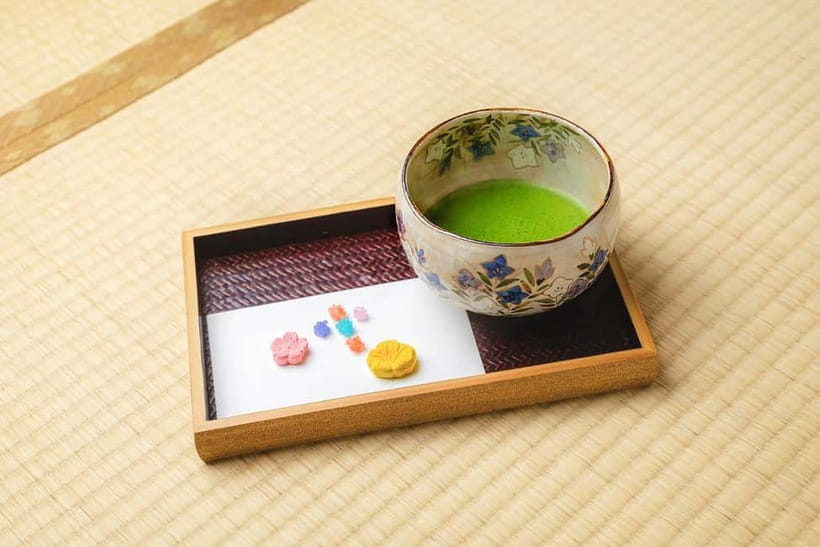
Book it if you want one of the most “Kyoto” experiences that still feels practical: you learn etiquette, you make tea yourself, you drink matcha with sweets, and you can turn the whole day into a slower, more respectful rhythm—especially with the kimono option.
Skip it (or think twice) if you dislike quiet group settings or you’re counting on lots of mobility/space flexibility. Also, if you’re tight on time, remember the ceremony starts two hours after your kimono pickup time when you add the rental.
If you’re doing Kyoto for culture and craft, not just sightseeing, this is a high-value way to spend your time—one where the details actually matter.
FAQ
Where do I meet for the kimono rental option?
You’ll visit Gojo Shop at the starting time on your voucher to pick out your kimono.
Where do I meet for the tea ceremony only option?
For tea ceremony only, visit Oike Bettei 5 to 10 minutes before the time on your voucher.
How long does the experience take?
Duration can be from 50 minutes to 3 hours, depending on the option you select.
What time does the tea ceremony start if I’m renting a kimono?
The tea ceremony begins two hours after your selected starting time for the kimono.
Do I need to bring anything?
Yes. Bring socks.
Can I sit on a chair instead of the floor?
Yes. You can sit on a small chair if you prefer not to sit on the floor.
Can I wear the kimono after the ceremony?
Yes, if you select the kimono rental. You can stroll around Kyoto and return the kimono to the shop by 5:30 PM the same day.
More Tour Reviews in Kyoto
One More Bowl of Matcha

Just added: more Kyoto tours to browse








Kyoto Tea Ceremonies, compared.
 ★ 4.9Tea Ceremony in a Traditional Tea House in KiyomizuFrom $493,519 reviews
 ★ 4.9Tea Ceremony Ju-An at Jotokuji TempleFrom $293,207 reviews
 ★ 4.345-Minute Tea Ceremony Lesson ExperienceFrom $222,378 reviews
 ★ 4.9Table-Style Tea Ceremony at a Kyo-MachiyaFrom $451,211 reviews
 ★ 5.0Kimono Tea Ceremony at Kyoto Maikoya, NISHIKIFrom $65911 reviews
 ★ 5.0Arashiyama Bamboo Forest, Monkeys, Matcha & Temple TourFrom $53759 reviews
 ★ 4.9Tea Museum Tickets and Matcha Grinding ExperienceFrom $23739 reviews
 ★ 4.9Kimono Tea Ceremony at Orizuruya GionFrom $49618 reviews
Browse the lists this tour appears in