
Reviewed · KYOTO SAMURAI & NINJA EXPERIENCES
Skip the lines Basic Ticket at SAMURAI NINJA MUSEUM KYOTO
Kyoto’s samurai-and-ninja theme can be surprisingly hands-on. You get a guided walkthrough of feudal-era culture, plus real “try it” moments like samurai armor and ninja star throwing. I like that the format is short, so it fits easily into a busy Kyoto day, and the guide-led storytelling keeps it from feeling like just another small museum.
What I really like: the photo-friendly sword time and the active shuriken competition, not just standing and reading placards. I also like that guides bring the culture to life with clear commentary, and you’ll hear different teaching styles depending on who you get. One consideration: the experience is brief and the museum space can feel small or crowded at busy times.
In This Review
- Samurai and Ninja Museum Tour: Quick Overview
- Key Things You’ll Notice (Before You Go)
- Entering The Museum: Mobile Ticket and the One-Hour Flow
- Stop 1: The Guided Walk Through Samurai and Ninja Culture
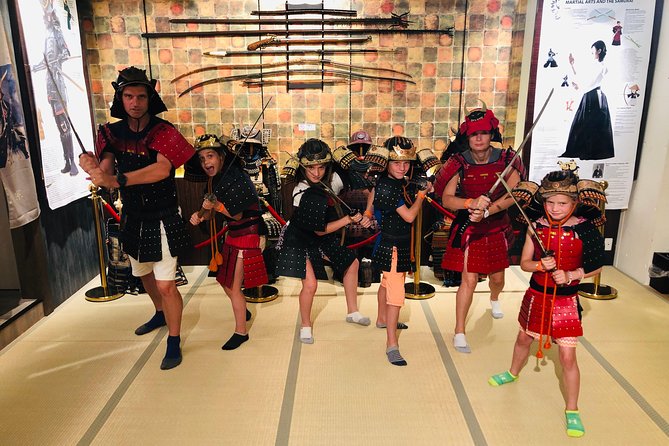
- Trying Samurai Armor and Katana Moments (Without Making It Too Serious)
- Ninja Star Throw Competition: The Activity That Turns Notes Into Memory
- Sword and Costume Photo Opportunities: Get the Shots Without Rushing
- Museum Size and Pacing: The Good and the Not-So-Great
- Guide Energy Matters: Naromi, Raito, Saku, Jasmine, and Nobu
- Price and Value: Is $28.52 Fair for What You Get?
- Who This Tour Fits Best (and Who Might Skip)
- Practical Tips That Make the Session Smoother
- Should You Book This Samurai and Ninja Museum Tour?
- FAQ
- How long is the Samurai Ninja Museum Kyoto skip-the-line ticket tour?
- Is the admission ticket included?
- What activities are included?
- Do I need to bring anything for the photo and costume parts?
- Is there a limit on the number of people in the group?
- Is this tour suitable for children?
- How do I get the ticket?
- Where is the tour located?
- What if the experience is canceled due to weather?
- When is the elevator out of service?
Samurai and Ninja Museum Tour: Quick Overview
This is a guided visit to the Samurai Ninja Museum Kyoto, built around the samurai and ninja world in feudal Japan. You’ll make your own way to the museum, meet your guide and small group, and spend about one hour there. It includes admission, a guided component, and several hands-on activities.
Price-wise, it’s listed at $28.52 per person with a mobile ticket, and that matters because you’re paying for more than entry. You’re also paying for the guide, the costume/armor trial element, and the shuriken-throw activity. For the time you spend, it’s a practical option if you want fun + context without turning your day into an archaeology project.
Key Things You’ll Notice (Before You Go)
- Hands-on armor trial with samurai gear and a katana experience (optional).
- Ninja star throwing as a competition-style activity that actually gets you involved.
- Small-group guidance (information lists max group sizes of 30 or 15, so sessions are kept limited).
- Great sword and costume photo opportunities, including replica swords and setup backdrops.
- Short, focused pacing: plan for about an hour, not a half-day museum.
- Activities can change due to health/safety situations, so keep expectations flexible.
Pick up the blade again with these Kyoto sessions


Entering The Museum: Mobile Ticket and the One-Hour Flow

You’ll handle your own way to the museum in central Kyoto, then meet your guide with your group. The ticket is mobile, so you’ll want the confirmation ready on your phone before you arrive. It’s close enough to public transit that you won’t need a complicated plan, but you should still check your exact route using the museum location and nearby streets once you book.
The big thing to know is how the experience “moves.” This is not a slow, wander-at-will museum. It’s structured as a guided session with stops that cluster around the most dramatic parts: weapons, costumes, and the shuriken throw. If you like “get your bearings fast” style tours, this one fits your rhythm.
Stop 1: The Guided Walk Through Samurai and Ninja Culture
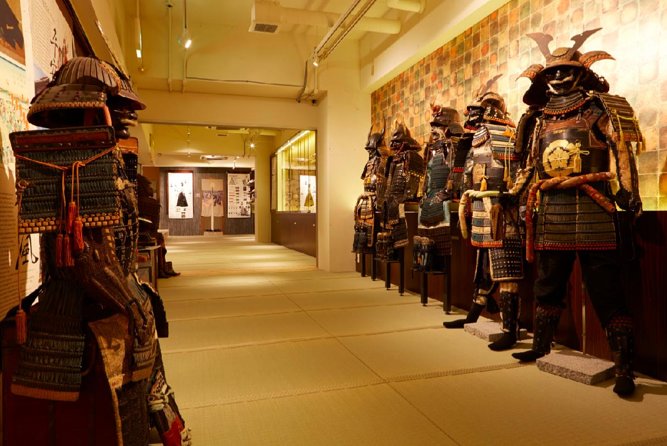
Once the session starts, your guide runs you through the museum’s main themes: feudal-era Japan, what made samurai culture distinctive, and where ninja fit into the story. You’ll also see preserved artifacts up close, along with a recreated samurai house, which helps connect the objects to real daily life rather than just treating everything like a prop display.
The guide commentary is a core part of the value here. In past sessions, guides such as Naromi, Raito, Saku, Jasmine, and Nobu have been highlighted for being friendly, energetic, and engaging. That variety is good news for you: it means the tour isn’t locked into one dry script, and the best versions tend to make the cultural context understandable.
Trying Samurai Armor and Katana Moments (Without Making It Too Serious)

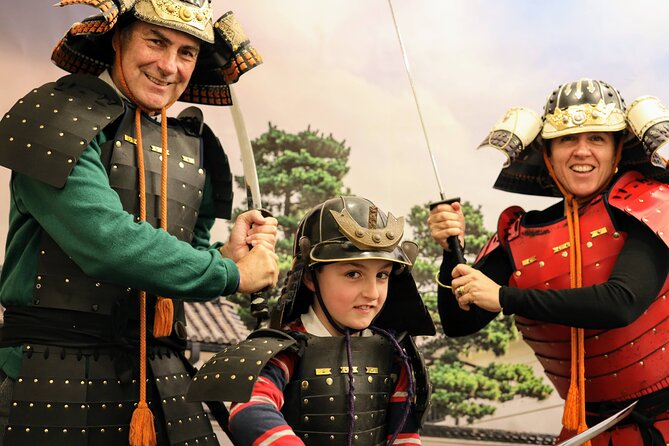
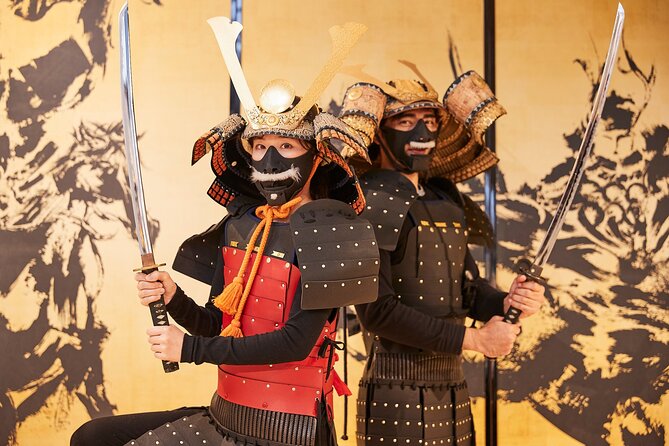
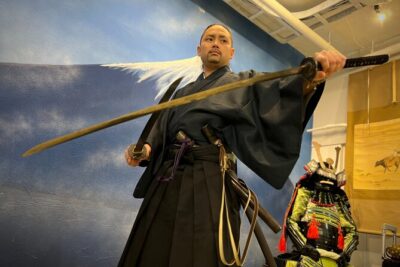
One of the most-loved parts is the chance to try on samurai armor and handle a sword setup. The details you get can vary a bit by session, but the experience is built around a samurai armor trial with a katana/samurai sword component that’s listed as optional.
Why this matters: holding or wearing replica gear is the fastest way to convert “I’ve seen swords” into “I understand the scale, posture, and presence.” Even if you’re not a weapons person, you’ll get a better feel for why samurai imagery looks the way it does in art and film.
Also, the optional katana element is a good “taste” of sword culture without making you feel like you need fencing training to enjoy the experience. You’ll just follow the guide’s instructions and focus on the moment and the photos.
Ninja Star Throw Competition: The Activity That Turns Notes Into Memory
The signature hands-on piece is the ninja star (shuriken) throw competition. You’ll get a structured chance to throw ninja stars rather than a random, unsupervised demo. The setups are designed for beginners, and even kids usually have a great time with it.
This is also where the guides shine. People consistently mention guides who kept energy high and explained what to do clearly, with Raito and Nobu being named in feedback for the fun-factor and teaching style. One highlight in multiple accounts: kids were especially excited to dress as ninjas and then use the star-throw activity as their favorite part.
Practical note for you: arrive ready to participate. Comfortable shoes help because you’ll likely move around the museum floor and stand in short lines during photo/try-on moments.
Other Kyoto tours and experiences to compare





Sword and Costume Photo Opportunities: Get the Shots Without Rushing
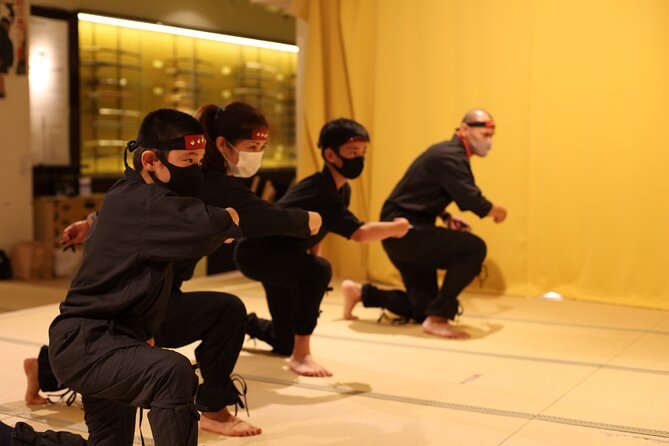
If you care about photos, this is a strong pick. The museum session is set up for photo-friendly moments: traditional swords, replica swords, costume trials, and staged backdrops for dressed-up shots.
How to get better results:
- Wear darker clothing or simple colors under armor/costumes so details show clearly.
- Keep your phone charged. You’ll want to take multiple quick shots during costume and throwing moments.
- Don’t wait until the end of the session. The armor and throw moments tend to move quickly when the group is ready.
The photo side is also why the “short and fun” format works. In one hour you can get enough of the dramatic visuals (armor + shuriken + sword pose) that your day feels complete, even if you don’t stay for a long museum crawl.
Museum Size and Pacing: The Good and the Not-So-Great
This is where expectations matter. The experience is about 1 hour (approx.), and the museum itself can feel small. Multiple descriptions point out it’s split across two levels and may be located inside a shopping arcade-like area, which can make it slightly tricky to find at first.
When it’s a perfect match:
- You want a short, guided overview with active participation.
- You’re visiting Kyoto for the first time and want a straightforward cultural stop.
- You’re traveling with kids who need movement and quick payoffs.
When you might feel disappointed:
- If you expected a large, big-gallery museum with endless artifacts, this can feel more like an interactive attraction than a deep archive.
- Busy sessions can get crowded. If you hate line-waiting inside small rooms, choose a less hectic time slot if you can.
- Some people note limited space, no air-conditioning mentioned in feedback, and that the history component can feel brief if you’re looking for an academic deep dive.
The takeaway for you: treat it as a fun, guided cultural sampler. If you want a long, quiet museum day, you’ll probably want a different Kyoto plan.
Guide Energy Matters: Naromi, Raito, Saku, Jasmine, and Nobu
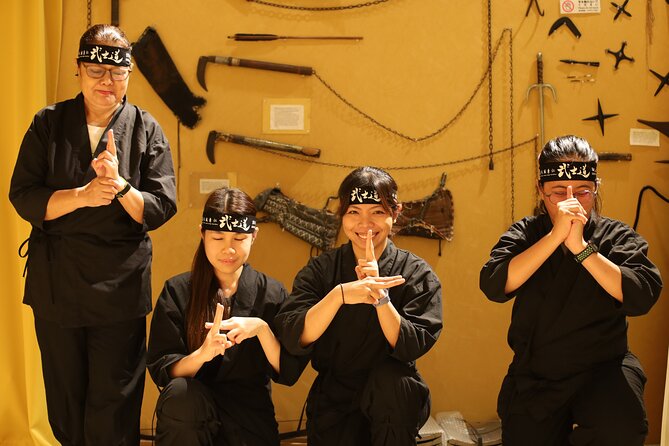
In a tour like this, the guide is half the product. The best sessions feel like a blend of storytelling + classroom clarity + entertainment, especially during armor trials and the shuriken game.
Names that have come up for strong experiences include Naromi, Raito, Saku, Jasmine, and Nobu. The consistent theme in feedback is that guides made the session feel friendly and not stiff, and they kept participants focused while still making it fun.
If you care about the human factor, this is your reminder to show up early enough to settle in. When the session starts, it runs as a group experience, and your attention during the early explanation will make the later hands-on bits more satisfying.
Price and Value: Is $28.52 Fair for What You Get?
At $28.52 per person, you’re paying for a package, not just an admission ticket. Based on what’s included, you get:
- A professional guide
- Samurai costume / armor trial component
- Ninja star throw competition
- Admission is included
- Small-group format (with session caps listed as either 30 or 15 depending on the info provided)
So where’s the value?
- The shuriken activity and costume trial would cost more on their own if you tried to build it independently.
- The guide commentary helps you understand what you’re seeing, even in a short hour.
- The structured experience saves you planning time. You’re not trying to figure out which displays matter most on your own in a compact space.
If money is tight, you can still justify it because you’re getting an hour of guided engagement plus hands-on fun. But if you’re primarily a serious history museum person who wants extensive artifact halls, you may prefer a larger, quieter museum in Kyoto.
Who This Tour Fits Best (and Who Might Skip)
You’ll likely love this if:
- You want a family-friendly Kyoto activity with clear, fun participation.
- You’re a first-timer who wants samurai and ninja context without researching for hours.
- You like interactive experiences where you can pose, try gear, and throw the star.
It may not be ideal if:
- You expected a large collection of artifacts and long museum time.
- You dislike crowded indoor spaces and fast-moving group formats.
- You want strict, detailed academic history rather than a short overview tied to interactive elements.
Practical Tips That Make the Session Smoother
- Go with comfortable shoes. Even though it’s only about an hour, you’ll move between the main displays and activity areas.
- If you’re bringing kids, set expectations: this is a short, active program with big “try it” moments, not a long museum walk.
- Have your phone ready for the mobile ticket.
- If you’re sensitive to indoor temperature or ventilation, plan for that in advance since some feedback mentions comfort issues like lack of cooling.
Should You Book This Samurai and Ninja Museum Tour?
I’d book it if you want an easy, high-energy hour in Kyoto where you’ll actually participate: armor trial, shuriken throwing, and photo-friendly sword/costume moments, all guided by a real instructor. For many people, that combination is the whole point—and it’s the stuff that makes the experience memorable fast.
I’d skip it if your main goal is a big, quiet museum day with lots of artifacts and lots of time to read. This one is short by design, and crowding can happen when sessions are full.
If you’re aiming for a fun “samurai and ninja starter pack” with a guide and hands-on action, this is a strong choice.
FAQ
How long is the Samurai Ninja Museum Kyoto skip-the-line ticket tour?
The guided experience is about 1 hour (approx.).
Is the admission ticket included?
Yes. Admission is included as part of the experience.
What activities are included?
You’ll get a guided tour plus a samurai costume/armor trial and a ninja star (shuriken) throw competition.
Do I need to bring anything for the photo and costume parts?
The tour provides the costume/armor trial and the weapon/recreation elements for the activities. Just be ready to participate and bring your mobile ticket.
Is there a limit on the number of people in the group?
Yes. The information provided lists a maximum of 30 travelers, and it also mentions a maximum of 15 travelers for the tour/activity.
Is this tour suitable for children?
Children must be accompanied by an adult, and the experience is described as suitable for most travelers.
How do I get the ticket?
You use a mobile ticket.
Where is the tour located?
It’s in the heart of Kyoto, near public transportation, and you’ll make your own way there.
What if the experience is canceled due to weather?
The experience requires good weather. If it’s canceled due to poor weather, you’ll be offered a different date or a full refund.
When is the elevator out of service?
The elevator is listed as out of service from January 24, 2026 to February 19, 2026.
More Tickets in Kyoto

More Tour Reviews in Kyoto






More Samurai and Ninja Sessions

Just added: more Kyoto tours to browse








Kyoto Samurai & Ninja Experiences, compared.
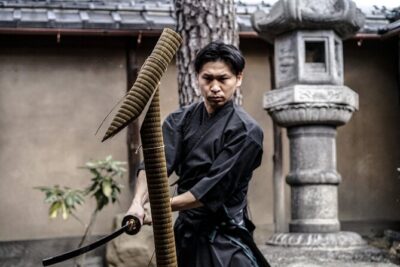 ★ 5.0Kyoto Samurai ExperienceFrom $1191,294 reviews
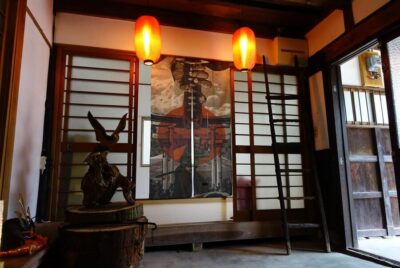 ★ 4.9Kendo and Samurai Experience with Uniform and GearFrom $103815 reviews
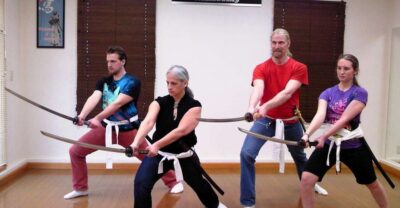 ★ 4.9Samurai Sword Class by Experts in Traditional ArtsFrom $64657 reviews
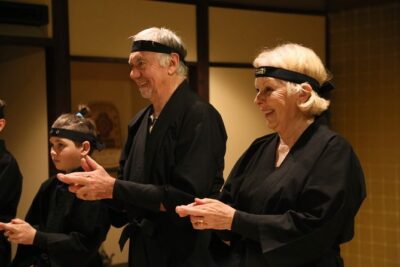 ★ 5.0Ninja 1-hour Hands-on Lesson by Japanese master in Kyoto -EntryFrom $80489 reviews
 ★ 4.8Ninja Weapon Forging ExperienceFrom $148478 reviews
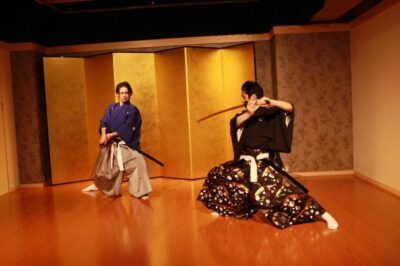 ★ 4.5Samurai Kenbu Traditional Sword Dancing ShowFrom $32426 reviews
 ★ 5.0Samurai Training with Modern day Musashi in KyotoFrom $132256 reviews
 ★ 5.0Ninja 2-hour Hands-on Lesson by Japanese master in Kyoto -MediumFrom $95218 reviews
Browse the lists this tour appears in