
Reviewed · KYOTO SAMURAI & NINJA EXPERIENCES
Kyoto: Ninja Weapon Forging Experience
A ninja weapon gets real fast. This Kyoto workshop lets you shape real steel into a kunai or shuriken, guided in English by Taka and his team, with Mits hosting and helpers like Ako and Yok jumping in where you need them. You’re also not stuck across town—this class starts a quick walk from Hieizanguchi Station.
I especially love how hands-on it feels. You watch the steel heat up in an 800°C furnace, then you hammer and shape it yourself, instead of doing the touristy version where you mostly watch. The other big win is the personal finishing: you choose a kanji character and see it applied carefully to your weapon, then it’s treated and polished for a clean, display-ready look.
One thing to plan for: some weapon choices can cost extra (kunai has a ¥3,000 add-on), and you’ll want to think ahead about how you’ll pack the finished piece for travel since it must go in checked luggage.
In This Review
- Key highlights you’ll care about
- What You’ll Actually Make (and Why It’s Worth the Money)
- Getting to the Studio Near Hieizanguchi Station (Without Stress)
- Suit Up in Samue: The Fastest Way to Get Into Craft Mode
- Choosing Your Weapon: Shuriken Styles vs. Kunai (¥3,000 Kunai Add-on)
- 800°C Forging: Hammering Real Steel (The Part You’ll Talk About Later)
- Finishing Steps That Make It Feel Handmade: Belt Sander, Kanji, Blackening, Polish
- Ninja Knowledge Session: History and Symbolism You Can Use
- Take-Home Box, Replica Swords, and Flying With Your Weapon
- Who Should Book This Kyoto Workshop (and Who Might Skip It)
- Should You Book the Kyoto Ninja Weapon Forging Experience?
- FAQ
- How long is the Kyoto ninja weapon forging experience?
- What weapons can I make?
- Is there an extra fee for making a kunai?
- What language is the class taught in?
- What’s included in the price?
- Where do I meet the group?
- Can I bring the finished weapon home on a flight?
- Can I buy replica swords?
Key highlights you’ll care about
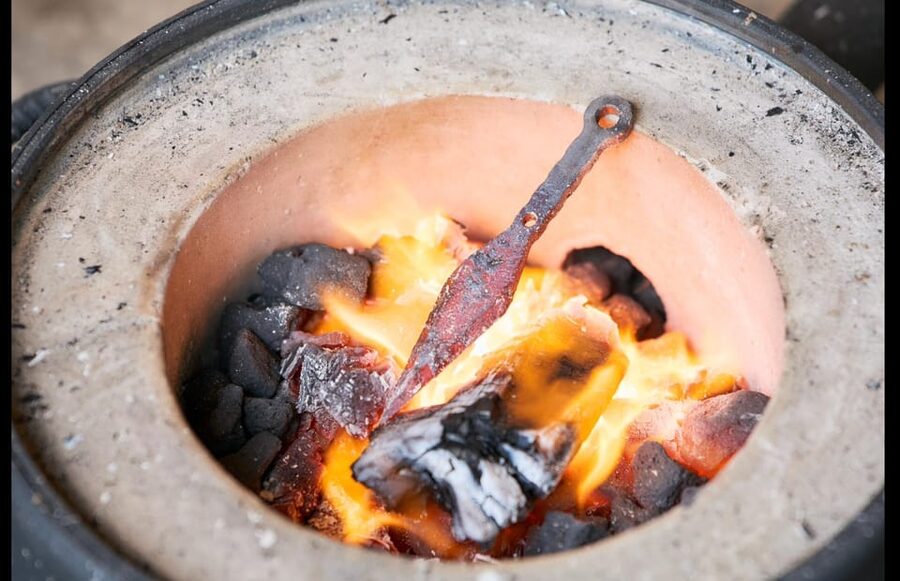
- Real steel forging at 800°C with practical coaching through the hard parts
- Kanji engraving so your weapon feels like yours, not a generic souvenir
- A take-home box that makes your finished piece feel gift-worthy
- English instruction and a team that helps with filming your process
- Ninja history session that connects the craft to the culture behind it
- Short walk from Hieizanguchi Station, with a hill you’ll notice
What You’ll Actually Make (and Why It’s Worth the Money)
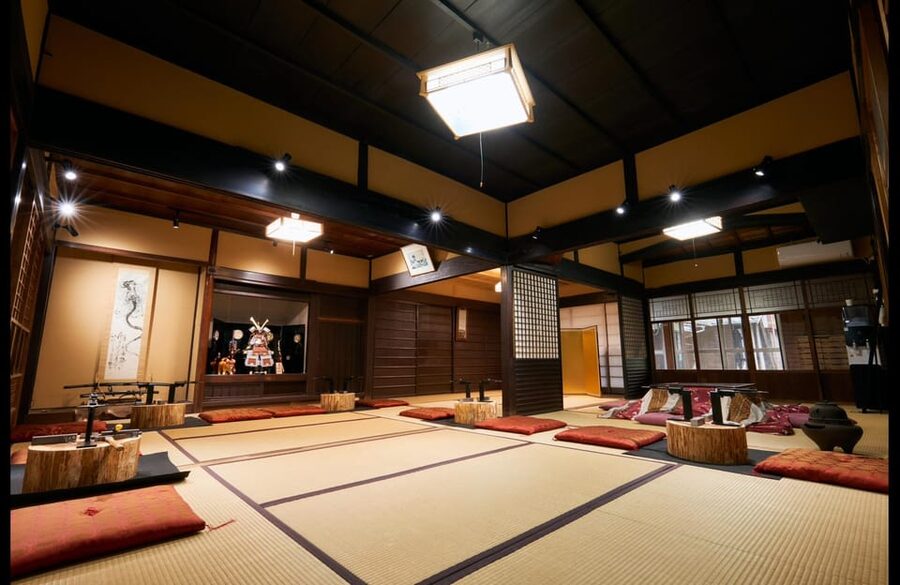
This is not a costume-and-crafts show. You’re taking part in a blacksmith-style process meant to feel disciplined and real: the steel heats, it’s struck, it’s shaped, then it’s finished with grinding, engraving, and protective blackening.
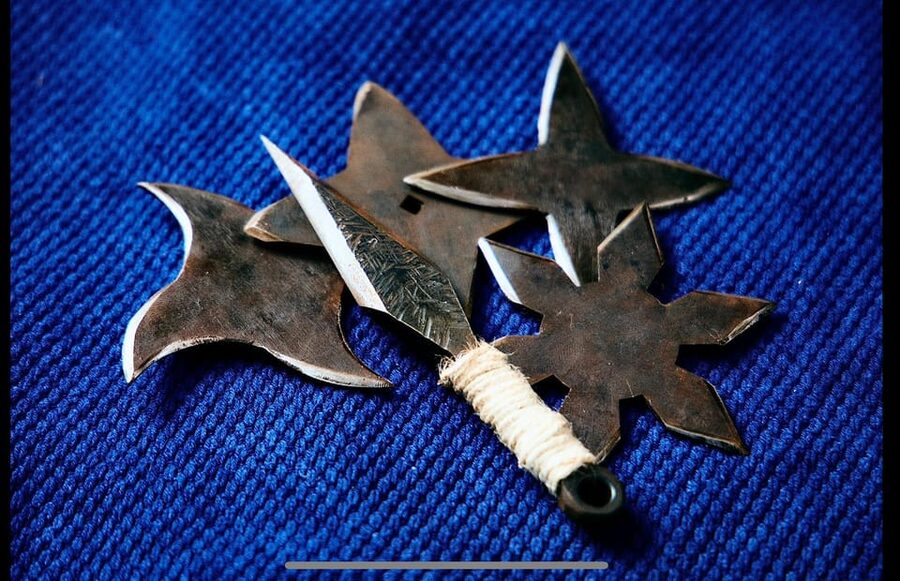
The core experience centers on making a hand-forged shuriken or kunai. You’ll choose from three shuriken styles or switch to a kunai option. In other words, you’re picking the form and vibe first, then working through the same forging pathway that turns metal into something you can hold at the end.
Now for value. Yes, the price is listed at $148 per person for 150 minutes. What makes it feel fair is that the included package isn’t vague: you get the uniform (samue), tools, instruction, and you take the weapon home. You’re paying for the time and the equipment, plus the fact that you leave with a finished object you personally made—something you can’t replicate back at home.
Also, the vibe matters. The workshop team runs it like a studio, not a chaotic party. People repeatedly mention how safe and well-guided it feels, and the staff’s energy shows up in the forging steps and the engraving.
Pick up the blade again with these Kyoto sessions
Getting to the Studio Near Hieizanguchi Station (Without Stress)
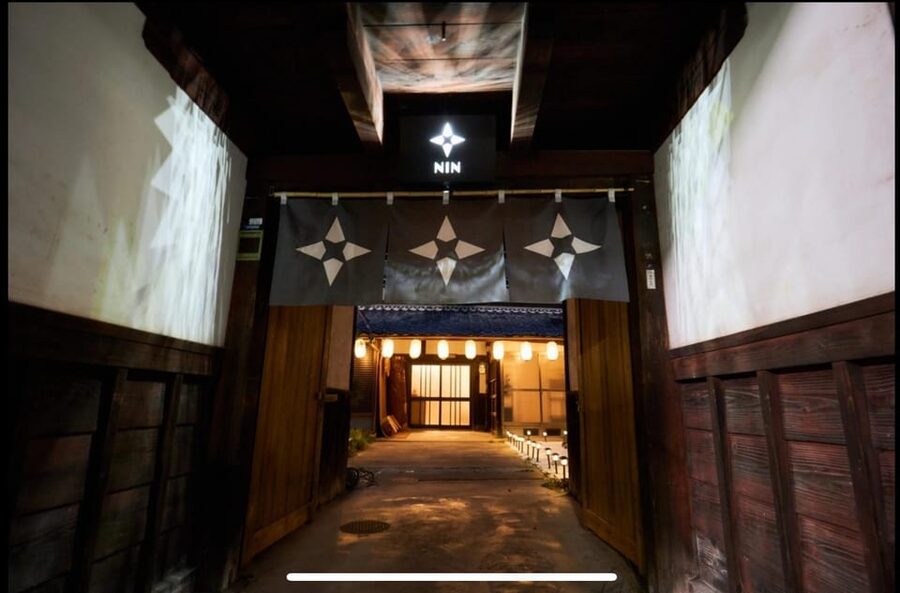
The meeting point is easy to find once you’re at the station: it’s a 1-minute walk from Hieizanguchi Station. After you arrive, go up the hill, and look for the red postbox in front of the station.
That hill part is small, but it’s real. If you’re arriving with luggage or you’re short on time, plan to move with purpose. This is one reason I like that it’s so close to the station: you’re not relying on long transit routes in Kyoto.
If you’re coming from central Kyoto, give yourself a little extra time for getting to the station area. Kyoto is great, but trains plus short walks can still add up when you’re juggling dinner plans or a crowded day.
Suit Up in Samue: The Fastest Way to Get Into Craft Mode
Your experience begins with a costume change. You’ll wear samue, the traditional blacksmith attire, and wrap a tenugui on your head to complete the look. It’s not just for photos. It does something useful: it sets the tone that you’re there to work, not just to watch.
In practical terms, the uniform helps you settle into the rhythm of the workshop. It’s also a nice equalizer—everyone looks the same when you start the forging, so you focus on the steps instead of wondering how you compare.
And yes, there’s a strong culture-of-craft feel here. Even when you’re learning, the room operates like a working shop. That matters because forging gets intense fast if the process isn’t guided clearly.
The staff’s English support is also a real plus. The class is offered with an English instructor, and helpers such as Mits and Ako are the kind of people who steer you through the steps without making you feel lost.
Choosing Your Weapon: Shuriken Styles vs. Kunai (¥3,000 Kunai Add-on)
You’ll pick your weapon at the start, like a ninja choosing an output before training. You have three shuriken styles available, or you can opt for a kunai.
Here’s the key detail: if you want a kunai, there’s an additional fee of ¥3,000. The important part is that you should select the Kunai option when making your reservation, so the studio can prepare the right materials and setup.
What you’re really choosing is more than a shape. Different shuriken styles will feel different in balance and final form, and that changes how the forging and finishing feels in your hands. If you like the classic ninja look, shuriken can be a straightforward choice. If you want something more tool-like and personal, the kunai option tends to feel like a practical keepsake.
One more note: the studio also sells replica swords. That’s separate from your forging class, but it means you can add shopping if you want a broader ninja-style souvenir at the end.
800°C Forging: Hammering Real Steel (The Part You’ll Talk About Later)
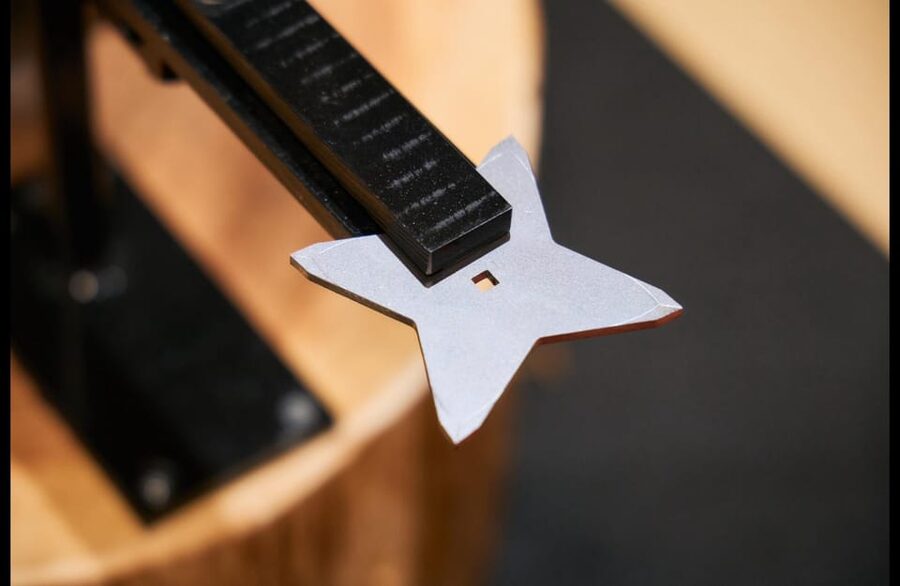
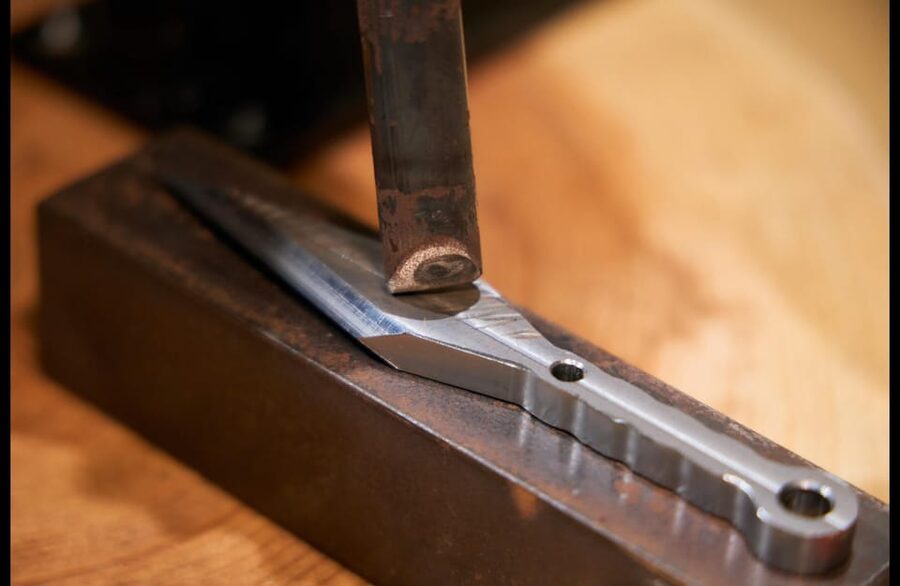
This is the centerpiece. You’ll watch the steel glow in an 800°C furnace, then you’ll strike the heated metal with a hammer under expert guidance. The “glow and sparks” stage is dramatic, but what you’ll remember is the step-by-step coaching that turns scary heat into controlled motion.
The forging sequence is designed so you do real work. You don’t just hold a prop. You go blow by blow as the metal changes shape, and that slow transformation is part of the value. It’s also where the workshop stands apart from many short “make a craft item” classes. This is closer to a true workshop skill.
You’ll also get shaping and refinement after the forging, but forging is where you learn the core physical logic: heat changes what the metal will accept, and pressure and timing change the outcome. The guides make sure you’re doing it safely and correctly while still letting you participate.
If you’re worried about being a beginner: the staff’s approach is meant for first-timers. People frequently highlight how helpful the instructors are and how clearly each step is explained before you take a turn.
And if you’re trying to capture it, this workshop has you covered. The team helps with photos and video, so you can film the forging moment, then later show friends the part where you’re actually hammering.






Finishing Steps That Make It Feel Handmade: Belt Sander, Kanji, Blackening, Polish
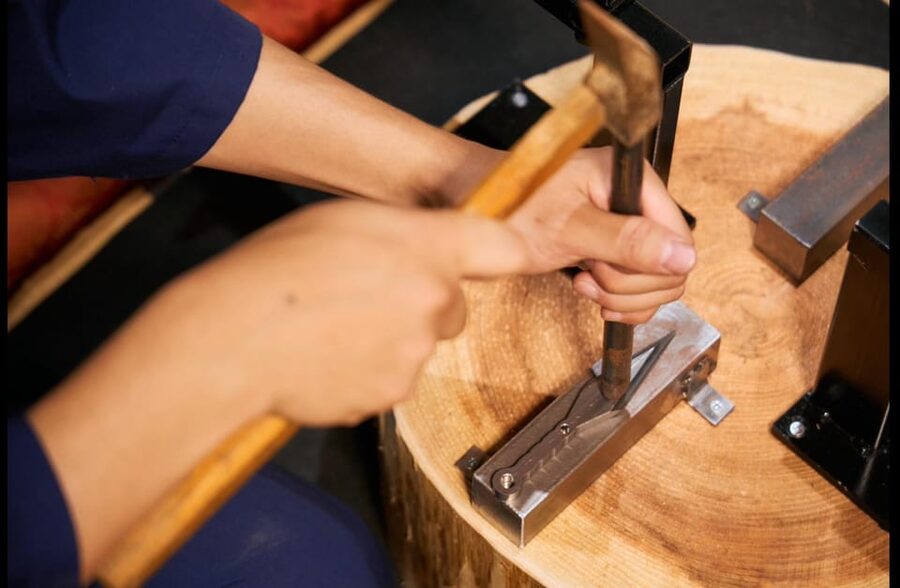
After forging, the class shifts from heat and hammering to precision. You’ll use a professional belt sander to refine the blade and clean up the lines. This is satisfying in a different way than hammering. Instead of dramatic sparks, it’s the slow reveal of a sharper, cleaner outline.
Then comes the part that turns your weapon into a personal artifact: kanji engraving. You pick a kanji character that inspires you, and the staff engraves it with careful precision. People mention this moment often, because it’s one of the most visible forms of personalization you can add without turning the class into an art school project.
After engraving, your weapon gets blackened. A special solution is applied to darken the steel and help protect it from rust. It also gives the piece that ninja-tool look—darker, more intentional, less like shiny raw metal.
Finally, you’ll do a final polish. That last step helps your weapon look refined instead of just unfinished and functional. When you’re done, the weapon is prepared in a way you can display, not just stash away.
Ninja Knowledge Session: History and Symbolism You Can Use
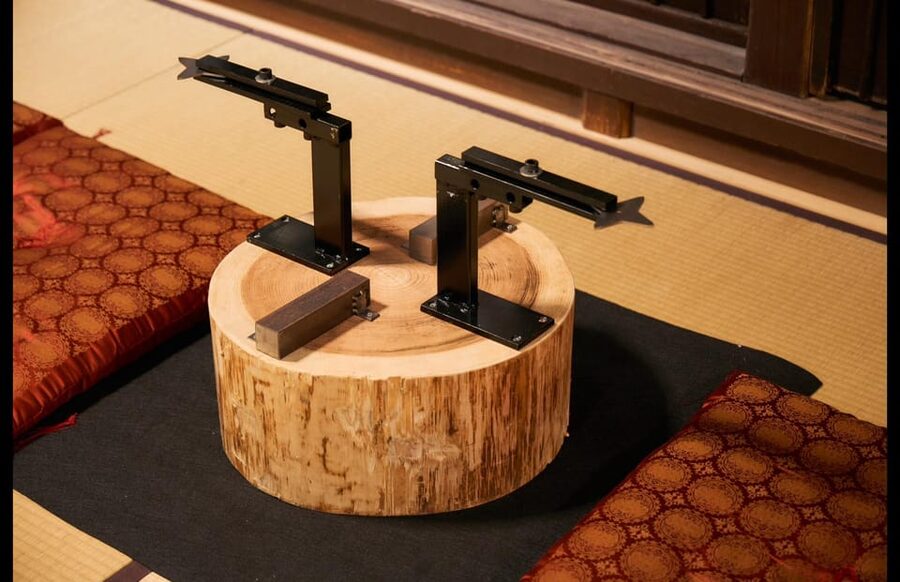
Between craft steps, you’ll get a ninja knowledge session. This isn’t random trivia. It’s built around the history, symbolism, and hidden techniques connected to the culture behind ninja weapon-making.
This matters because it changes how you interpret your finished item. If all you do is forge metal, the object is a cool souvenir. If you also learn why designs and practices carried meaning, it becomes a story you can explain—without needing to invent extra facts.
The workshop team’s teaching style adds to it. Names that come up include Taka for energetic explanations, with support from Mits, Ako, and Yok depending on the step (especially for guiding and engraving). The overall effect is that the history session feels tied to what you’re actually doing, not tacked on at the end.
Take-Home Box, Replica Swords, and Flying With Your Weapon
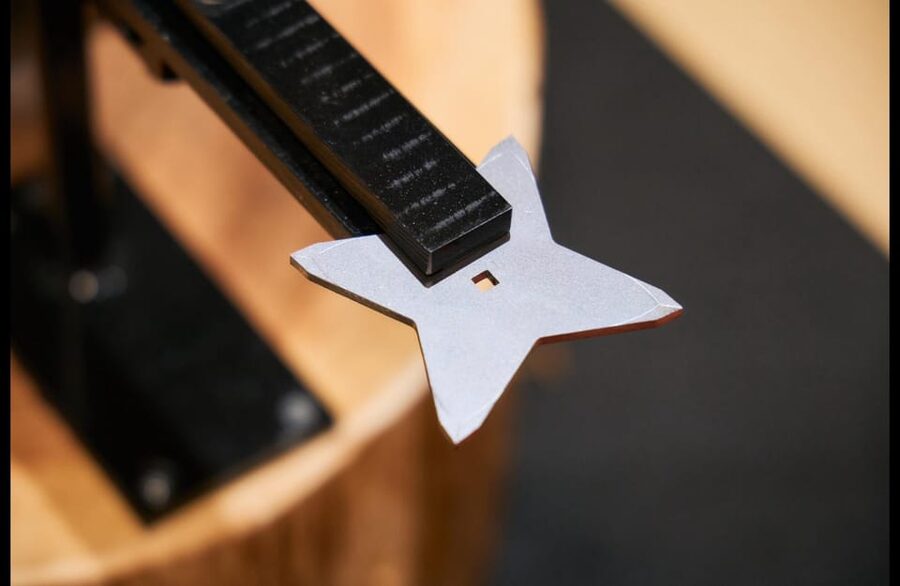
You don’t just leave with metal. The highlight is that your weapon goes into a beautiful box to take home and cherish. That packaging detail is more than cute. It protects the finish and makes the keepsake feel complete.
You can also buy replica swords from the studio if you want more variety in what you bring back. If that’s your plan, I’d treat it like a bonus add-on after your forging, not something you rely on instead of making your own piece.
One practical reality check: you can bring your weapon home on your flight, but only in checked luggage, not carry-on. Plan your packing accordingly. If you’re flying with fragile souvenirs, treat this as one of your highest-priority items, because the point is that it’s a finished object meant for travel and display later.
Also, because the class is photogenic, bring a camera. The staff helps you capture the moments without slowing down the workflow.
Who Should Book This Kyoto Workshop (and Who Might Skip It)
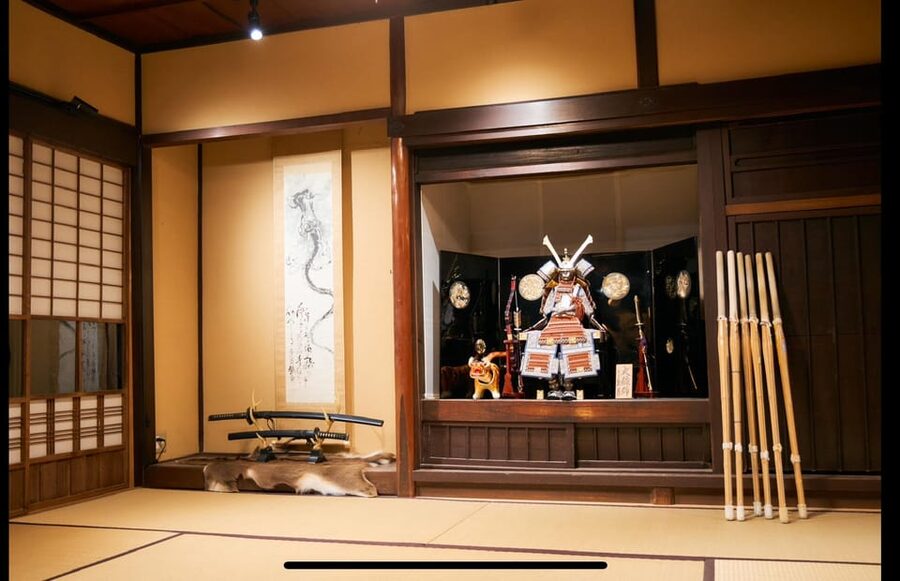
This class fits best if you want hands-on making in Kyoto that’s different from temples-only sightseeing. If you like learning by doing, and you enjoy the idea of turning hot metal into a personalized weapon, you’ll probably love it.
It also suits families and group trips, especially when you’re okay with guided instruction and a safe studio environment. People have done this as a group and reported it working well for kids with support, but you still want to use your judgment based on your child’s ability to follow directions.
You might want to consider alternatives if you’re mainly looking for a calm, low-activity class. Forging is active. There’s heat involved, hammering, sanding, and focus. The payoff is big, but it’s work.
Should You Book the Kyoto Ninja Weapon Forging Experience?
If you want a Kyoto souvenir with real effort behind it, I’d book this. The mix of real steel forging, personalization through kanji engraving, and a take-home box turns it into something you’ll remember—not just a picture.
It also scores points for convenience. The meeting point is only a short walk from Hieizanguchi Station, and the English support makes the steps easier to follow. The staff energy shows up again and again in how guided and fun people find the process.
The main reason to hesitate is the extra cost for certain weapon choices (like kunai at ¥3,000) and the travel packing reality (checked luggage only). If you can handle those two details, the experience is an easy win for a Kyoto day that needs something hands-on and different.
FAQ
How long is the Kyoto ninja weapon forging experience?
The class lasts 150 minutes.
What weapons can I make?
You can choose from three shuriken styles or make a kunai.
Is there an extra fee for making a kunai?
Yes. There’s an additional fee of ¥3,000 for the kunai option.
What language is the class taught in?
The instructor provides the experience in English.
What’s included in the price?
Included items are the instructor, the weapon-making class, the uniform, the tools, and the weapon you make to take home.
Where do I meet the group?
Meet just a 1-minute walk from Hieizanguchi Station. Go up the hill with the red postbox in front of the station.
Can I bring the finished weapon home on a flight?
Yes, but only in checked luggage (not carry-on).
Can I buy replica swords?
Yes. The studio sells replica swords for a fee.
More Tour Reviews in Kyoto
More Samurai and Ninja Sessions

Just added: more Kyoto tours to browse








Kyoto Samurai & Ninja Experiences, compared.
 ★ 5.0Kyoto Samurai ExperienceFrom $1191,294 reviews
 ★ 4.9Kendo and Samurai Experience with Uniform and GearFrom $103815 reviews
 ★ 4.9Samurai Sword Class by Experts in Traditional ArtsFrom $64657 reviews
 ★ 4.5Skip the lines Basic Ticket at SAMURAI NINJA MUSEUM KYOTOFrom $28632 reviews
 ★ 5.0Ninja 1-hour Hands-on Lesson by Japanese master in Kyoto -EntryFrom $80489 reviews
 ★ 4.5Samurai Kenbu Traditional Sword Dancing ShowFrom $32426 reviews
 ★ 5.0Samurai Training with Modern day Musashi in KyotoFrom $132256 reviews
 ★ 5.0Ninja 2-hour Hands-on Lesson by Japanese master in Kyoto -MediumFrom $95218 reviews
Browse the lists this tour appears in