
Reviewed · KYOTO SAMURAI & NINJA EXPERIENCES
Kyoto Sword Experience – includes Museum Ticket/Ninja Experience
Samurai training in Kyoto, minus the scary part. You’ll dress up, practice basic iaido with a blunt replica sword, and get an included guided visit to the Samurai and Ninja Museum. I especially like how it feels like a real dojo moment instead of a quick photo stop. The possible drawback: the experience is structured and timed, so if you want lots of individual sword time, you’ll need to manage expectations.
Before you go, check two practical notes. Children under 7 can’t enter the dojo, and the session is capped at a small group size (the info you’ll see lists a max of 22, with some slots described as very small). If you show up late or arrive during peak crowds, you may feel the flow is rushed.
In This Review
- Key Points at a Glance
- Why This Kyoto Sword Experience Feels Different From a Standard Museum Stop
- Getting There: Samurai and Ninja Museum Meeting Point and Stairs Note
- Samurai Hakama Dress-Up: The Fast Track to Getting Into Character
- Iaido Techniques With a Blunt Replica Sword (and Why That’s a Good Thing)
- When the Training Turns Into a Cut: Targets, Timing, and What Photos Can’t Tell You
- Ninja Star Throwing: The Fun Finale (and the Part You’ll Want to Confirm)
- The Included Samurai and Ninja Museum Tour: What You Actually Learn
- Price and Value: Does $83.91 Make Sense for You?
- Group Size and the Rushed-Feeling Risk: How to Prevent It
- Who This Is Best For (and Who Might Want Another Option)
- Should You Book the Kyoto Sword Experience?
- FAQ
- Is this experience using a real sword?
- Where do I meet for the Kyoto Sword Experience?
- How long is the experience?
- What’s included with the experience besides the sword practice?
- Are kids allowed?
- How many people are in a group?
Key Points at a Glance
- Safe replica sword setup: blunt and law-compliant, no real sharp blades
- Dress the part: you’ll wear traditional samurai hakama for the training and photos
- Iaido basics + controlled sword fight: learn stances and movements with guidance
- Ninja star throwing included: a separate activity after the dojo training
- Museum ticket + guided history tour: the museum part isn’t an extra you have to buy
- Multiple start times: you can pick a slot that fits your day in Kyoto
Why This Kyoto Sword Experience Feels Different From a Standard Museum Stop
This isn’t just ticket-and-walk. You’re doing a hands-on samurai-style practice in a traditional dojo setting, with professional instruction and a safe training setup. The format matters because Kyoto can be a lot of walking and reading. Here, you get movement, discipline, and a satisfying sense of accomplishment.
Two things I like a lot. First, the “real sword” worry is handled: you’re using a blunt, safe replica sword designed for instruction in Japan’s legal environment. Second, you get more than a show. The museum visit includes admission and a guided history tour, so the training connects to the wider story of samurai and ninja culture.
The main consideration is simple: it’s not a long, deep weapons course. It’s a focused, structured experience, so you’ll want to go in wanting a compact training session and photos—less so wanting extended one-on-one instruction.
Pick up the blade again with these Kyoto sessions


Getting There: Samurai and Ninja Museum Meeting Point and Stairs Note
You’ll meet at SAMURAI NINJA MUSEUM Kyoto, 109 Horinouechō, Nakagyo Ward, Kyoto 604-8117. The location is listed as near public transportation, which is a big deal in Kyoto where route-planning can eat time.
Plan for some physical movement. The experience can involve going between spaces, including stairs. Also note the elevator out-of-service period: January 24, 2026 – February 19, 2026. If stairs are a concern for you, it’s worth timing your visit outside those dates or picking an earlier slot if the operator can guide you around stairs.
One more must-know: children under 7 aren’t allowed in the samurai dojo venue, and children need to be accompanied by an adult. If you’re traveling as a family, that sets the tone for who will actually be inside during the active training.
Samurai Hakama Dress-Up: The Fast Track to Getting Into Character
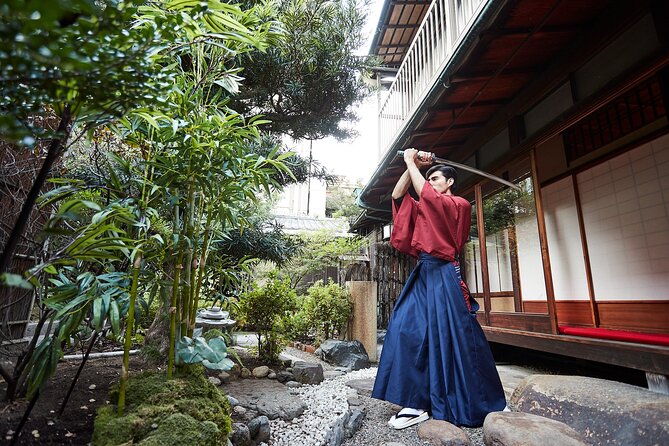
You start by getting into samurai hakama. This is more than a costume moment. The point is that hakama changes how you move—your stance, your posture, your sense of formality. You’ll feel it right away when the instructor lines up the group and starts building basic movements.
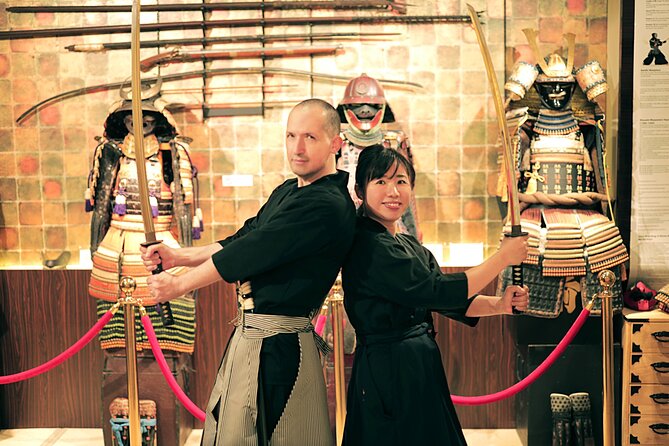
From the way the experience is described, expect a quick fit and outfit adjustment, then immediate training prep. You’ll also have photo opportunities in samurai armor later, so the dress-up phase sets you up for those shots.
A small practical note from past guest experiences: costumes can be warm and close-fitting. If you run hot, wear breathable layers underneath so the outfit doesn’t feel like punishment after a few minutes.
Iaido Techniques With a Blunt Replica Sword (and Why That’s a Good Thing)
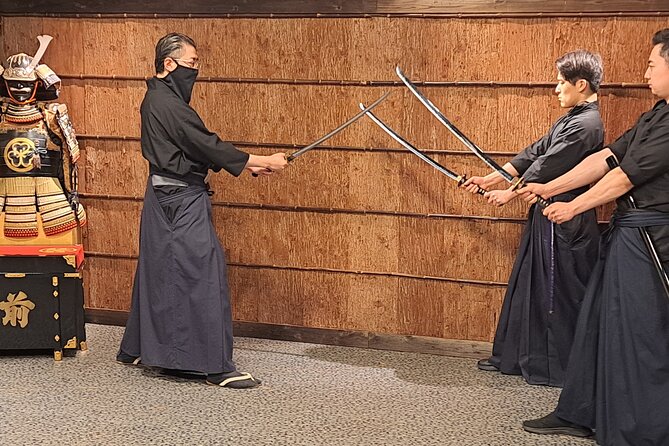
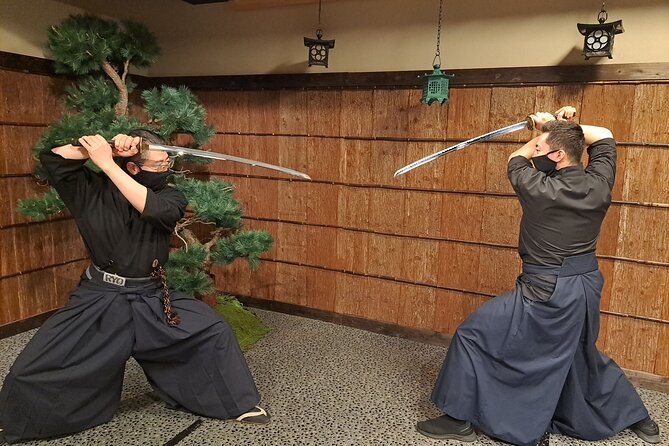
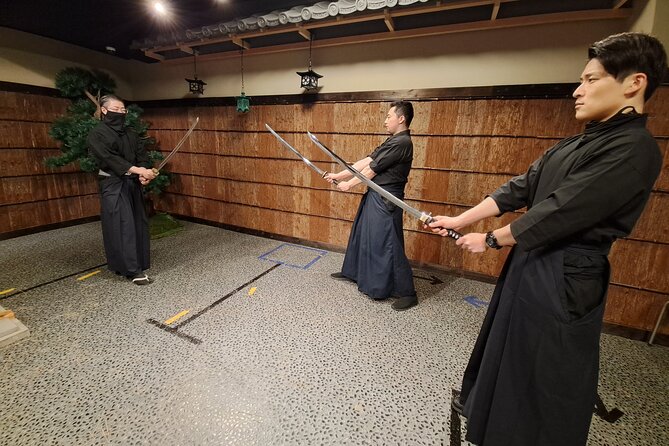
Your training centers on basic iaido techniques. Iaido is about controlled movement—stance, draws, cuts or strikes performed with discipline and form. In a short session like this, you won’t be mastering a lifetime practice. You will, however, get a clear introduction to the mechanics: how to hold the sword properly, how your body aligns, and how movements are performed safely under instruction.
The blunt replica setup is key. The experience specifically states that it uses a safe replica sword and not a sharp blade, aligned with Japanese legal requirements. That means you can focus on technique and confidence instead of worrying about injury.
The “sword fight” part is presented as controlled and simple. Think: practice dynamics more than a real duel. It’s designed to let you feel what a confrontation looks like in motion, while still keeping the atmosphere safe and manageable for a short group session.
When the Training Turns Into a Cut: Targets, Timing, and What Photos Can’t Tell You
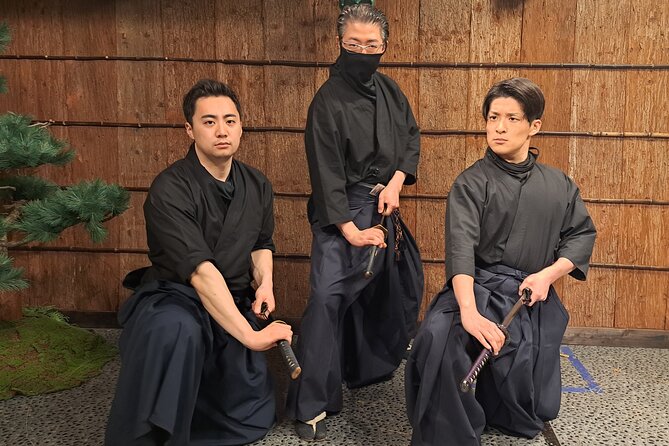
A highlight you should expect (based on how the experience is described and how it’s been handled in practice) is a hands-on cutting moment using a safe setup. Some past descriptions and photos have suggested certain cutting activities, but there has also been correction when a target type doesn’t match what you saw online.
Here’s what you can do with that: go in ready for a tatami-style target or similar safe cutting exercise, and treat online imagery as a rough guide rather than a guarantee. The safest approach is to ask the instructor during check-in or at the start of training what the cutting portion will look like on your specific date.
Why this matters for value: if you’re paying for the “samurai moment,” you want that moment to land. The activity’s appeal is that it feels dramatic. But if the target type is different from what you were expecting, that can change how the experience feels.
Other Kyoto tours and experiences to compare





Ninja Star Throwing: The Fun Finale (and the Part You’ll Want to Confirm)
After the sword training segment, you’ll get the chance to throw a ninja star. This is one of the most popular add-on style activities because it’s quick, visual, and easy to remember.
One caution: schedules can be tight in a short experience, and your star-throwing time may depend on how your group’s session runs. If ninja star throwing is a top reason you booked, keep an eye on timing when you arrive and ask where that portion fits into your day’s flow.
You should also expect a change of space. The experience can run in multiple areas, and in past visits guests have described moving between buildings and climbing stairs for different segments. That’s not a deal-breaker, just plan your shoes and don’t pack the day with a tight connection immediately afterward.
The Included Samurai and Ninja Museum Tour: What You Actually Learn
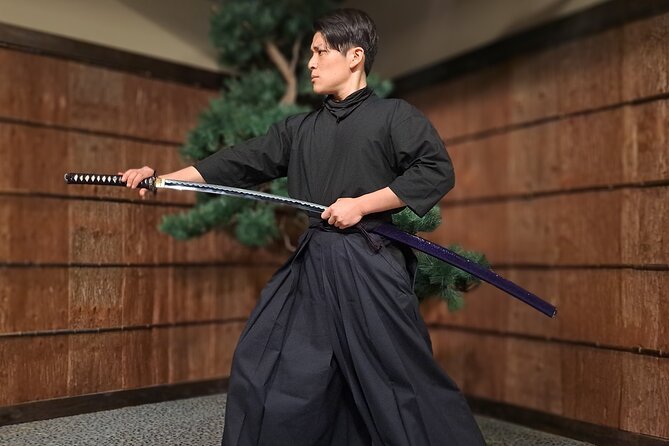
The price isn’t only for sword practice. The experience includes a free museum ticket and a guided history tour at the Samurai and Ninja Museum. This matters because the training is short. Without the museum portion, it would feel like a costume show. With it, you get context: artifacts, examples, and explanations that connect training movements to the broader cultural story.
You’ll also see museum displays that support the theme. Past visitors have talked about artifacts and a guided tour delivered by instructors such as Ken and Nobu, with an engaging pace that keeps the group moving. You may also encounter museum guides who add personal style to the explanations, such as Riku and Riu being named in guest experiences.
If you’re the kind of person who likes to connect hands-on activities to real culture, this included museum tour is a real advantage. If you only care about being in armor and swinging, you’ll still get value, but your attention will likely focus on the training and photos.
Price and Value: Does $83.91 Make Sense for You?
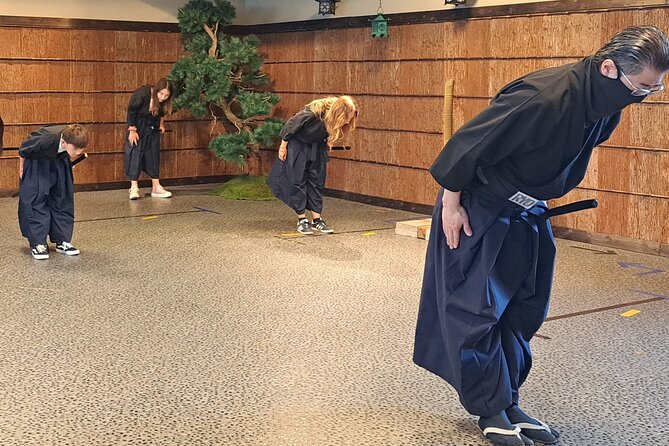
At $83.91 per person, this sits in the category of “worth it for the right traveler,” not “cheap fun.” Whether it feels like a bargain depends on what you want out of Kyoto.
Here’s what you get that supports the price:
- A structured dojo training with iaido basics and a controlled sword-fight style moment
- Costume dress-up in hakama and photo opportunities in samurai gear
- Ninja star throwing as part of the overall experience
- Museum ticket + guided tour included, not tacked on
Here’s when it can feel pricey:
- If your goal is extended hands-on sword time, this is a short session, not a full training program
- If you’re visiting during peak periods, you can end up waiting more for turns—dress-up, photos, and structured rotation take time
Practical advice to get the best value: arrive on time, wear shoes that handle stairs easily, and go in with a mindset of “participate, learn basics, get the photos, take the context from the museum.” That attitude matches how the program is designed and how the timing tends to work.
Group Size and the Rushed-Feeling Risk: How to Prevent It
This experience is described with a maximum group size (the info includes a cap of 22), and there’s also mention of smaller numbers in some cases. Either way, it’s still group-based. That means you won’t get a private rhythm.
Some past guests have described occasions where the experience felt rushed or more crowded than expected, including situations where ninja star throwing didn’t happen as anticipated or training time felt shortened by waiting. The operator’s responses also indicate they’ve addressed these issues with updated training and smoother operations.
So what should you do? Keep it simple:
- Pick a start time that isn’t your last activity of the day
- Arrive early enough to get settled before the session flow begins
- Ask the staff during check-in if your group includes the ninja star throwing segment and how the order of activities will run
This isn’t just fussiness. In a timed experience, knowing the sequence reduces stress and helps you enjoy every part.
Who This Is Best For (and Who Might Want Another Option)
This works really well if you want:
- A hands-on samurai experience without needing prior sword experience
- Short, structured training with a real-world cultural connection through the museum tour
- Photo opportunities and a chance to “try the look” with samurai hakama and armor
It’s also a good fit if you’re traveling with teens who can handle a compact activity. Younger kids have a hard limit: under 7 can’t enter the dojo, and children must be accompanied by an adult.
If you want a long-form weapons workshop, or you hate structured group timing, you might feel underwhelmed. The value is in the combination—dojo practice plus museum context—more than in extended blade mastery.
Should You Book the Kyoto Sword Experience?
I think you should book this if you’re in Kyoto for a few days and you want one memorable, action-based cultural activity. The safe replica sword setup, the included Samurai and Ninja Museum ticket, and the chance to try ninja star throwing make it a high-participation experience for the time you spend.
Skip it (or choose a different style of activity) if you’re paying mainly for hours of sword instruction, or if you’re worried about stairs and tight timing. Also consider the under-7 dojo rule if you’re traveling with kids.
Bottom line: for most visitors who want a “samurai day” moment with real context, this is a strong pick—just go in expecting a compact, well-run session rather than a full training boot camp.
FAQ
Is this experience using a real sword?
No. The activity uses a blunt, safe replica sword and does not involve using a real sword or a sharp blade, aligned with Japanese legal rules.
Where do I meet for the Kyoto Sword Experience?
You meet at SAMURAI NINJA MUSEUM Kyoto, 109 Horinouechō, Nakagyo Ward, Kyoto, 604-8117, Japan. The activity ends back at the meeting point.
How long is the experience?
It’s listed as about 2 hours.
What’s included with the experience besides the sword practice?
The experience includes a free ticket to the Samurai and Ninja Museum plus a guided museum/history tour. Ninja star throwing is also included.
Are kids allowed?
Children under 7 are not allowed to enter the samurai dojo venue. Children must be accompanied by an adult.
How many people are in a group?
The info you’ll see includes a maximum of 22 travelers, but it also lists a smaller maximum in some cases. For your specific session, it’s best to check the confirmation details you receive at booking.
More Tickets in Kyoto

More Tour Reviews in Kyoto





More Samurai and Ninja Sessions
Just added: more Kyoto tours to browse








Kyoto Samurai & Ninja Experiences, compared.
 ★ 5.0Kyoto Samurai ExperienceFrom $1191,294 reviews
 ★ 4.9Kendo and Samurai Experience with Uniform and GearFrom $103815 reviews
 ★ 4.9Samurai Sword Class by Experts in Traditional ArtsFrom $64657 reviews
 ★ 4.5Skip the lines Basic Ticket at SAMURAI NINJA MUSEUM KYOTOFrom $28632 reviews
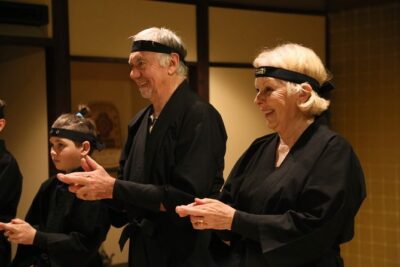 ★ 5.0Ninja 1-hour Hands-on Lesson by Japanese master in Kyoto -EntryFrom $80489 reviews
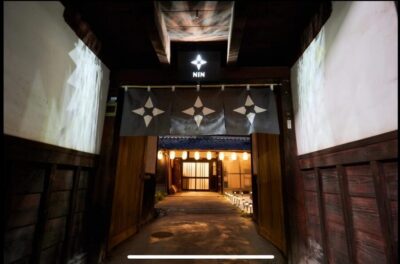 ★ 4.8Ninja Weapon Forging ExperienceFrom $148478 reviews
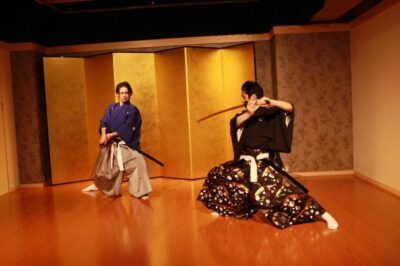 ★ 4.5Samurai Kenbu Traditional Sword Dancing ShowFrom $32426 reviews
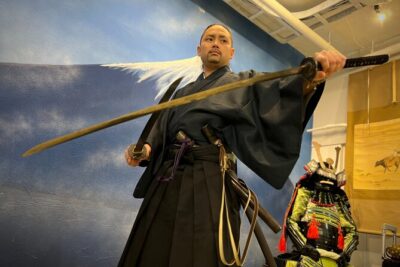 ★ 5.0Samurai Training with Modern day Musashi in KyotoFrom $132256 reviews
Browse the lists this tour appears in