
Reviewed · KYOTO SAMURAI & NINJA EXPERIENCES
Samurai Performance and Casual Experience: Kyoto Ticket
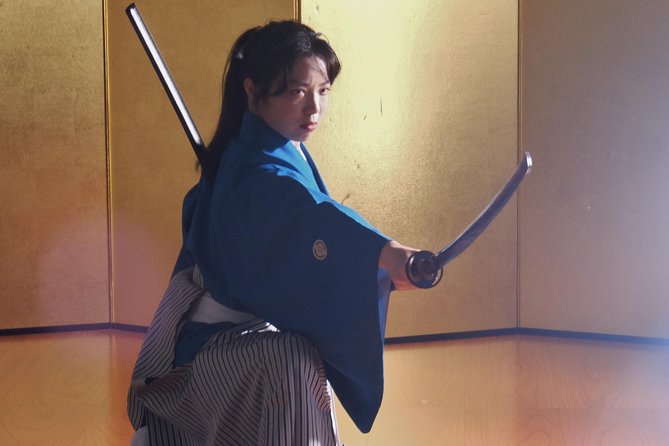
A sword show in Kyoto with a built-in photo moment. That’s what makes the Samurai Kembu Theater ticket such a smart evening plan: you get a scripted Kembu performance with narration, then a short mini session where you can actually hold a sword and pose with the performers. I also love how much is packed into one hour—about 40 minutes of show time plus the hands-on part—so it fits cleanly between dinner and other sights.
Two things I especially like: the performers’ physical storytelling (it feels theatrical, not just a demo) and the staff’s friendly, high-energy approach that keeps the room smiling. One possible drawback to plan for: this is not a serious, strict “battle training” performance. Expect lots of explanation and theatrical segments—great for culture and fun, less ideal if you’re only here for intense sword-fighting choreography.
In This Review
- Key highlights worth showing up for
- Planning your evening: why this Kyoto ticket works so well
- Where it happens: Samurai Kembu Theater and the down-to-earth arrival flow
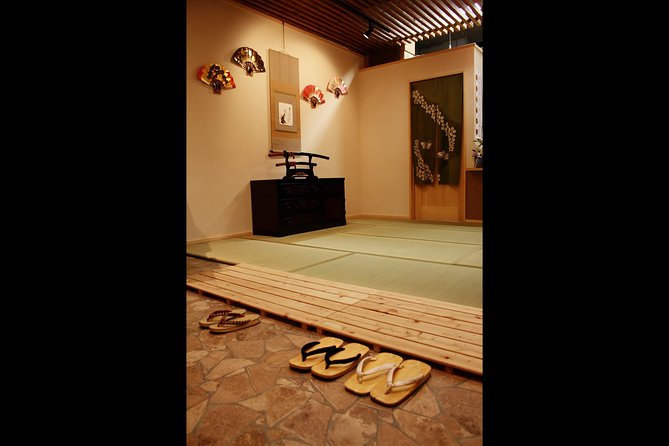
- Step inside: seating, shoe rules, and what the room feels like
- The show itself: how Kembu storytelling works in 40 minutes
- Traditional and new-style Kembu segments
- Fan technique and ceremony topics
- The mini experience: your hands-on photo session with sword and fan
- Staff energy and English narration: what to count on
- Price and value: is about $33 a good deal for this setup?
- Who should book this Kyoto ticket (and who might prefer something else)
- Quick “show night” checklist that actually helps
- Should you book: the decision in plain terms
- FAQ
- What should I expect the total time to be?
- Do I need to take my shoes off?
- What happens before the Kembu demonstrations begin?
- Is there a photo session after the performance?
- Is food or drink included?
- Can I cancel and get a full refund?
Key highlights worth showing up for
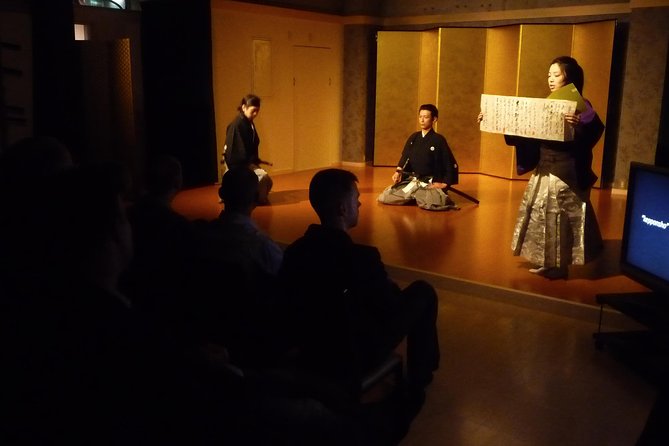
- Shoes-off entry in a traditional seating setup, which sets the tone fast
- Narration before and between demos that connects Kembu to samurai culture
- Both traditional and new-style Kembu segments, so it isn’t one-note
- Short poetic elements and ritual topics like seppuku/hara-kiri explained as part of the program
- Personal photo session where you can hold a sword and a folding fan
Planning your evening: why this Kyoto ticket works so well
Kyoto evenings can get crowded and expensive. This experience is a nice fix: it’s downtown, timed for the late afternoon, and designed as a complete little arc. You arrive for a chosen showtime, watch the performance, and then you get a quick add-on photo moment—so you’re not left wondering what to do next.
The start time listed is 4:15 pm, and you’ll want to be there early. The good move is simple: arrive 15 to 5 minutes before your slot. That buffer matters because the first part includes a quick setup moment where you remove your shoes and get comfortable in the theater seating.
If you’re building a day around Kyoto sights, this is the kind of activity that smooths out your schedule. Temples can run late and then you still need an evening plan. Here, you know you’re going to a focused performance with a clear end.
Pick up the blade again with these Kyoto sessions
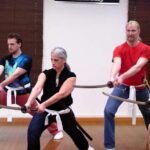
Where it happens: Samurai Kembu Theater and the down-to-earth arrival flow
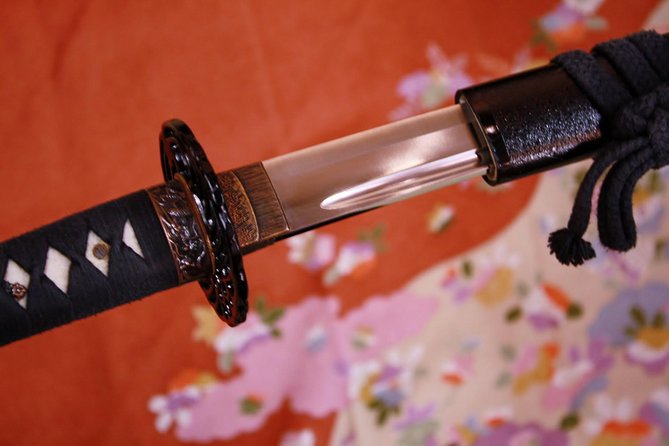
The show takes place at Samurai Kembu Theater in downtown Kyoto, near public transportation. That’s a big deal if you don’t want to waste time hunting for the right street after a full day of walking.
Before you even see a performer, you’ll feel the “traditional” setup. You take off your shoes when you enter. In many Japanese theaters, this changes your whole posture and pace—people move more quietly, and the room feels more like an event than a movie theater.
There’s also a specific note about where to go on arrival: come down the stairs on the right side toward the GOZAN building to reach the reception desk. I like this kind of instruction because it removes guesswork. You’re not doing a slow, stressful search while you’re already late.
Step inside: seating, shoe rules, and what the room feels like
Once you’re at the theater, you’ll find seating that’s set up a bit like a traditional small venue. One review specifically mentions two chair types: low chairs near the floor and normal chairs. That matters because it affects comfort. If you’ve got stiff knees or you know you’ll struggle with low seating, choose a higher chair type if you can when you’re being seated.
The shoe-off rule is not optional, but it’s not complicated either. Plan to wear socks you’re comfortable walking in indoors. If you’re traveling in warm weather, bring something breathable, because you’ll be sitting without shoes for the show and then waiting around a little for the photo session.
The room size tends to make the experience feel direct. Multiple reviews mention a small, intimate setup and good interaction during the mini part. That’s exactly what you want here: this is a show where your face is close enough to see the craft, then the program pivots into your own hands-on moment.
The show itself: how Kembu storytelling works in 40 minutes
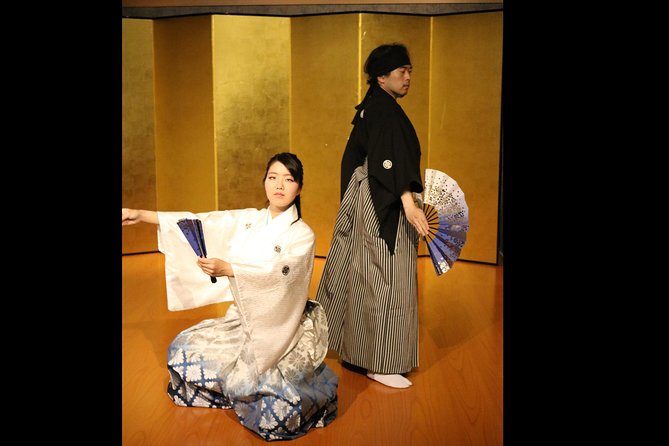
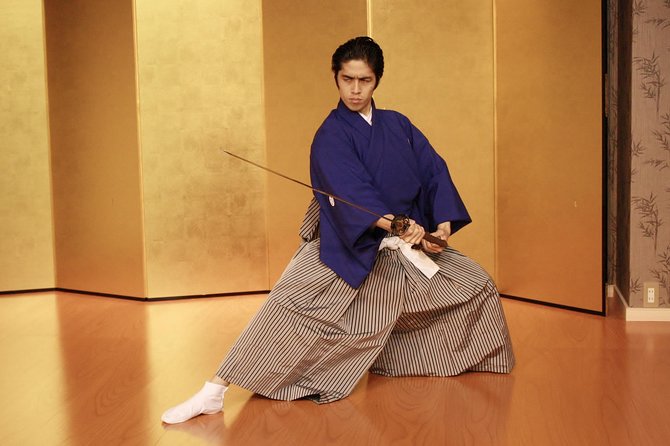
The performance starts with narration on stage. The intro is there for a reason: Kembu is not just “swing a sword.” It’s presented as a discipline tied to samurai courage, focus, and mindset during feudal Japan. You’ll learn the background and see how the routines build from technique, rhythm, and performance.
Before each demonstration, you get short pieces of context about samurai culture. This is helpful even if your Japanese is limited. The program is structured so you’re not lost if you only catch part of the narration—between the explanations, the visuals do a lot of the speaking.
Traditional and new-style Kembu segments
The show includes both traditional and new-style Kembu rituals. That variety helps keep attention through the hour, because you’re watching multiple styles rather than one long sequence.
The program also includes elements that are more poetic than you might expect. You’ll hear samurai poems used before heading to battle, and you’ll see sword movements presented as a kind of expressive language. Several reviews mention that it felt like a live opera moment—lots of performance energy, costumes, and storytelling beats.
Other Kyoto tours and experiences to compare


Fan technique and ceremony topics
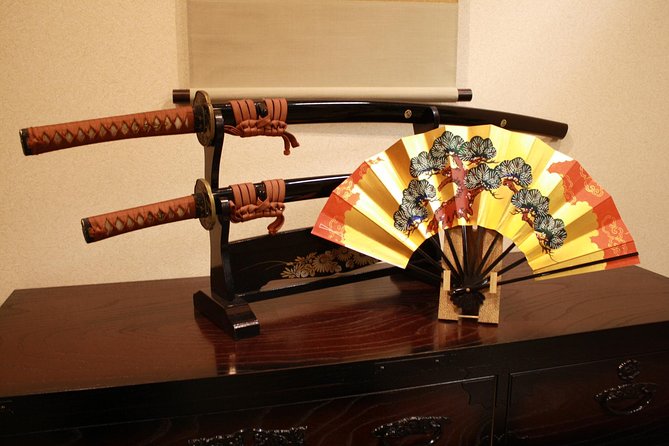
A major part of Kembu performance here includes the folding fan. You’ll learn it as part of the rhythm and presentation, not just as decoration. The show also touches on the ceremony of seppuku, often discussed as hara-kiri. You’ll hear meaning and context as part of the cultural talk.
One important “expectation management” note: if you’re picturing a modern sports-style duel, you might feel it’s too theatrical. But if you like culture-forward performance—how discipline, posture, and ritual can be staged—this format is satisfying.
The mini experience: your hands-on photo session with sword and fan
After the main show, the experience shifts from watching to doing. You’ll enter the mini experience part where you can hold a sword and take photos with the performers.
This is arguably the best value piece of the ticket. A lot of cultural shows give you a great story but leave you without a souvenir moment. Here, you get something visual and personal: you can pose while holding the sword and a fan. It’s not presented as a full training session, but it’s enough to make the experience feel real.
It also changes who the activity works for. Even if you’re tired from the day and you don’t want to commit to another long workshop, this is short and fun. Reviews frequently mention that the photo moment was enjoyable, and staff were kind about taking photos.
A small practical tip: bring your phone charging in mind. You’ll want photos from multiple angles, and if you’re traveling with a group, you may end up passing your phone around. This is one of those experiences where the photos matter more than you think while you’re sitting in the theater.
Staff energy and English narration: what to count on
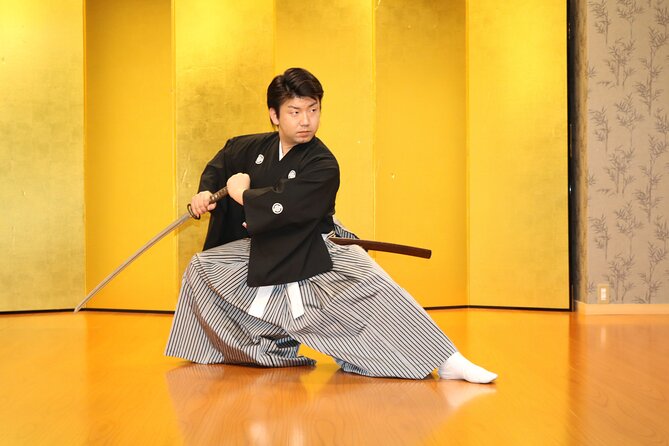
For me, the staff tone is a core part of the experience. Multiple reviews mention friendly staff and humor that made the room laugh. That matters because a show about history and ritual can otherwise feel stiff. Here, the presenter style is part of the entertainment.
Language is another variable you should plan for. The program is designed for international visitors and includes English narration. Still, one review notes difficulty understanding the English due to pronunciation. If you rely on perfect comprehension, go in with the mindset that you’ll catch the main points from the pacing and the visuals, not every word.
If you’re traveling with kids, you might appreciate the lightness. Reviews mention it felt fun and approachable for families. Adults usually enjoy it too, but for families it can be a nice break from temple walking.
Price and value: is about $33 a good deal for this setup?
At $33.03 per person, you’re paying for a short staged performance plus a guided photo moment. You’re not paying for a half-day class or a full guided museum circuit. That’s why the price feels fair: it’s tightly timed and includes the main “you leave with something” component—photos and a chance to hold the props.
Here’s how I’d judge the value for your trip:
- If you want an easy evening plan that’s culture-focused but not exhausting, this price fits.
- If you want intensive sword instruction or a long training workshop, you’ll likely feel it’s too short (and that can make any price feel high).
The sweet spot is exactly what the program offers: a theater show plus a short hands-on photo session. That combination is the reason it gets such strong ratings.
Who should book this Kyoto ticket (and who might prefer something else)
This ticket is a strong match if you:
- Want a different kind of Kyoto experience beyond temples and shrines
- Like performance art, history context, and short guided explanations
- Want a memorable photo moment without committing to a long workshop
- Prefer an activity that wraps up in about an hour
It may not be your best choice if you:
- Expect a serious, intense “battle” style duel performance
- Only want deeper technical combat training and lots of physical instruction
One review summed it up well with the idea that it’s fun and educational but not built like a dramatic swordfight. If that matches your expectations, you’ll probably enjoy it more.
Quick “show night” checklist that actually helps
This is one of those activities where a few small choices improve the whole evening:
- Wear socks you’re comfortable sitting in and taking on/off briefly
- Be at the theater 15 to 5 minutes before your time slot
- Plan on the show being about 40 minutes, followed by the mini photo session
- Bring your phone (and consider an external battery if you know you’ll take lots of pictures)
If it’s raining, this sort of indoor plan is a lifesaver. Reviews mention rain didn’t stop the experience from feeling great.
Should you book: the decision in plain terms
Book it if you want a short, story-driven samurai performance that ends with a hands-on photo moment. The structure is simple: arrive, watch, learn the cultural context, and then pose with the sword and fan. For most visitors, that’s a win.
Skip it if you’re specifically chasing intense sword-fighting training or a highly interactive multi-round workshop. The mini part is fun, but it’s still compact. Treat it as a theater experience with a participation finale—not a full discipline lesson.
If you like culture that’s explained in human-scale chunks, this Kyoto ticket is one of the better ways to fill an evening without overcommitting.
FAQ
What should I expect the total time to be?
The experience is about 1 hour. Roughly 40 minutes is the show, followed by the mini experience/photo session.
Do I need to take my shoes off?
Yes. You take your shoes off when you enter the theater.
What happens before the Kembu demonstrations begin?
You sit down and listen to narration that introduces Kembu and samurai culture, and then you receive short history explanations before demonstrations.
Is there a photo session after the performance?
Yes. After the show, you’ll have a photo session where you can hold a sword and take photos with the performers (and a folding fan is involved as part of the moment).
Is food or drink included?
No. Food and drinks are not included.
Can I cancel and get a full refund?
Yes. You can cancel up to 24 hours in advance for a full refund. If you cancel less than 24 hours before, the amount paid is not refunded.
More Tickets in Kyoto

More Tour Reviews in Kyoto

More Samurai and Ninja Sessions
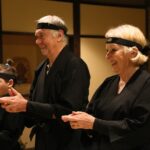
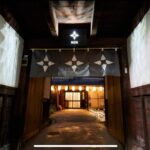
Just added: more Kyoto tours to browse
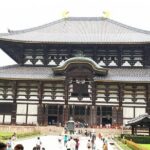





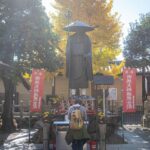

Kyoto Samurai & Ninja Experiences, compared.
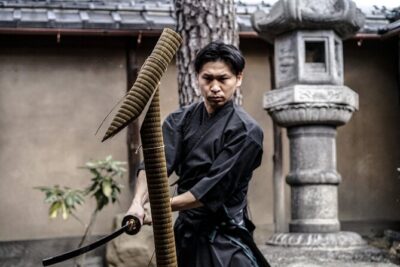 ★ 5.0Kyoto Samurai ExperienceFrom $1191,294 reviews
 ★ 4.9Kendo and Samurai Experience with Uniform and GearFrom $103815 reviews
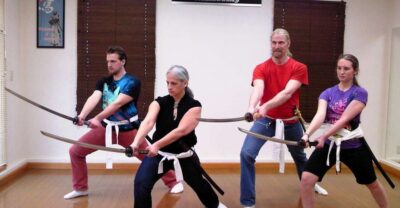 ★ 4.9Samurai Sword Class by Experts in Traditional ArtsFrom $64657 reviews
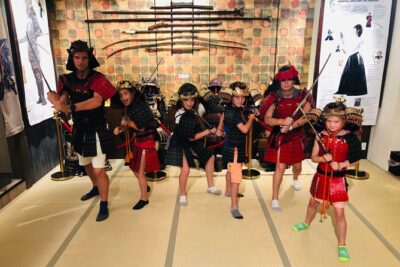 ★ 4.5Skip the lines Basic Ticket at SAMURAI NINJA MUSEUM KYOTOFrom $28632 reviews
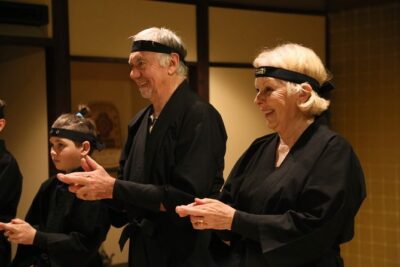 ★ 5.0Ninja 1-hour Hands-on Lesson by Japanese master in Kyoto -EntryFrom $80489 reviews
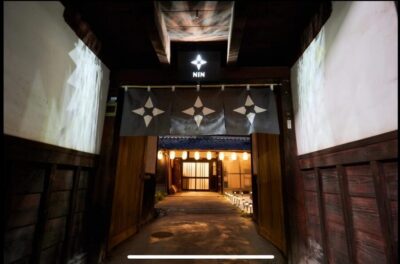 ★ 4.8Ninja Weapon Forging ExperienceFrom $148478 reviews
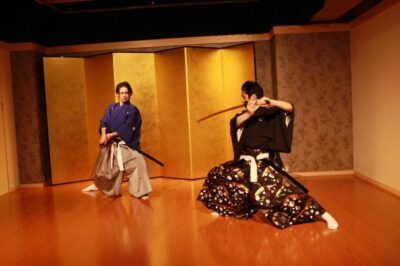 ★ 4.5Samurai Kenbu Traditional Sword Dancing ShowFrom $32426 reviews
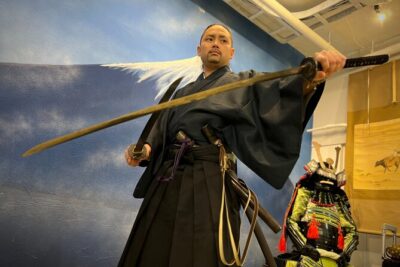 ★ 5.0Samurai Training with Modern day Musashi in KyotoFrom $132256 reviews
Browse the lists this tour appears in