
Reviewed · KYOTO SAMURAI & NINJA EXPERIENCES
Kyoto: Kendo and Samurai Experience with Uniform and Gear
Kyoto has enough temples. This one is hands-on, with a real dojo feel. You get kendo instruction, dress in traditional training gear, and practice with safe swords inside a 100+ year machiya.
What I like most is the full costume setup, down to the shoes and gear, so you can focus on learning instead of figuring things out. I also love that the instructor builds in both technique and meaning, so it’s not just sword waving.
One thing to consider: the room/building is described as a working dojo space, and a couple of people noted it can feel a bit worn or dusty, especially in colder months when you’ll want warm layers.
In This Review
- Quick hits before you go
- Entering the dojo: that old-house meeting point vibe
- Suiting up: uniform rental that makes you feel part of it
- Safety briefing and etiquette: the part people underestimate
- Learning the movements: grip, posture, blocks, footwork
- Safe swords, real technique: bamboo, foam, and replicas for sale
- The samurai philosophy talk: why etiquette matters more than you think
- Photos and video: the cinematic keepsake moment
- The training outside the dojo: courtyard moments when weather hits
- Small-group feel and instructor energy
- Price and value: is $103 worth 2 hours?
- Who should book this Kyoto kendo and samurai experience?
- If you should book: my practical recommendation
- FAQ
- Do I need prior experience to take part?
- What’s included in the price?
- How long is the experience?
- What language is the instruction in?
- Are swords provided for training?
- Is it suitable for children?
- Can I cancel or pay later?
Quick hits before you go
- Train inside a 100+ year Kyoto machiya instead of a generic studio
- Uniform, shoes, and equipment are included so you arrive ready
- English instruction with safety-first kendo basics (no experience needed)
- You handle safe training swords such as bamboo or foam options
- You’ll get photos and video taken by your instructor for keepsakes
- Sparring/competition moments help the session feel practical, not staged
Entering the dojo: that old-house meeting point vibe
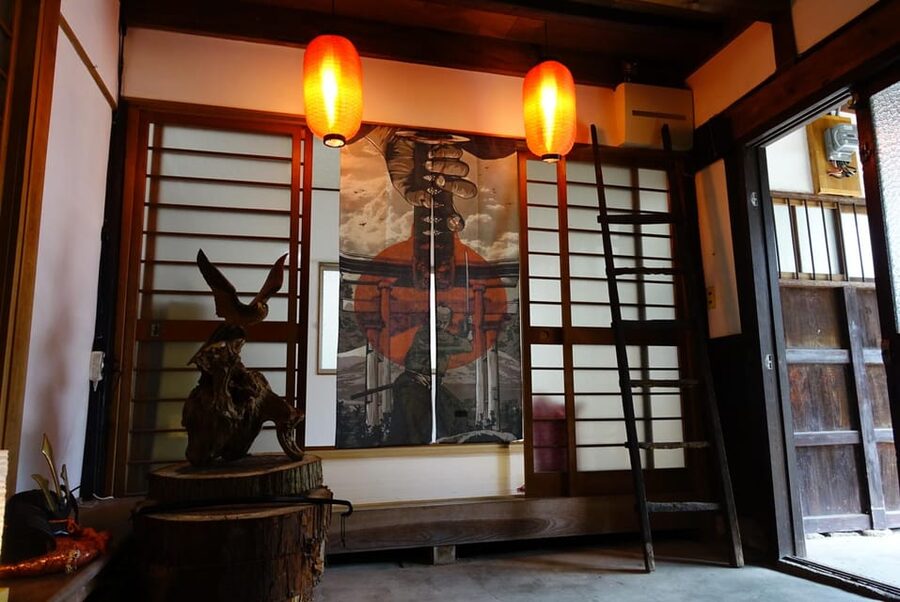
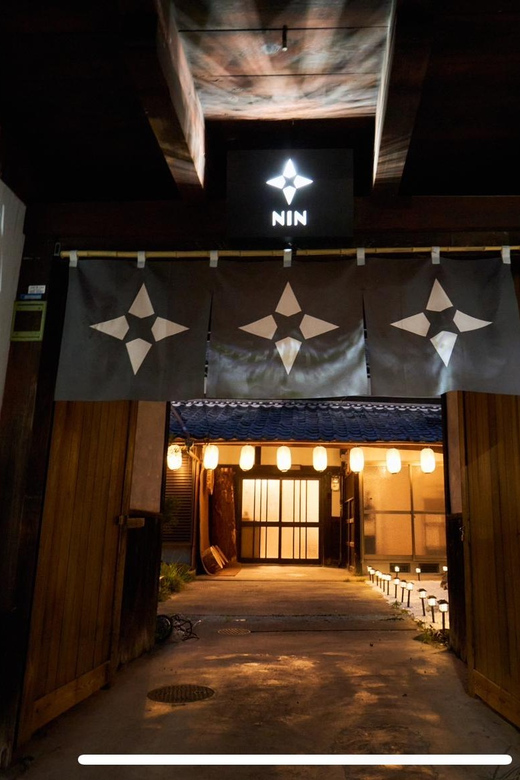
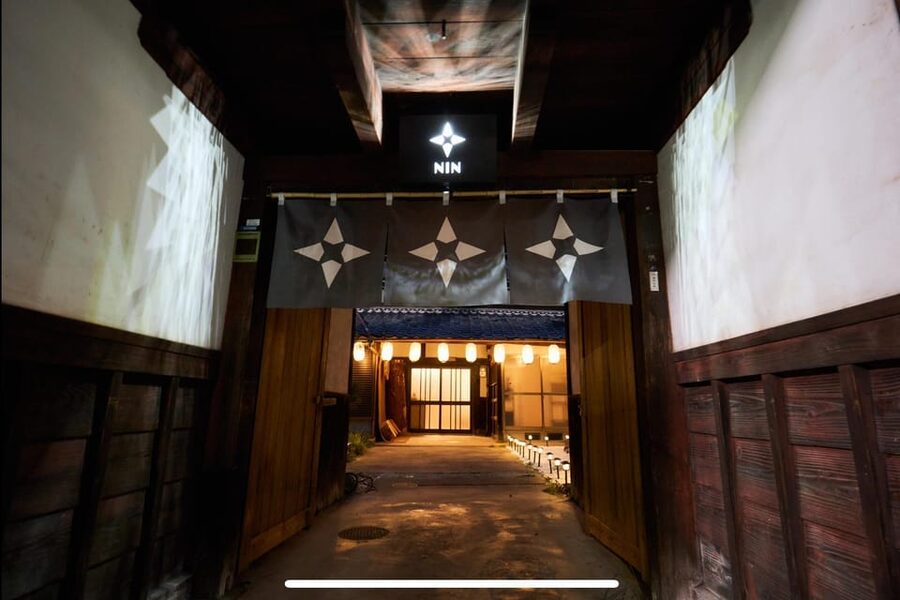
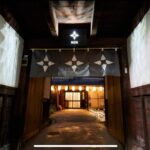
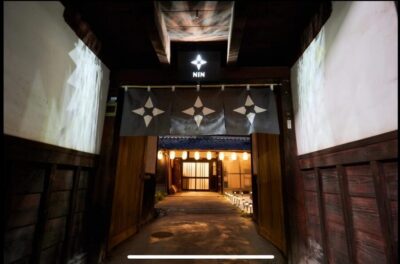
This Kyoto experience starts at an old Japanese house with a large gate. It matters more than you’d think. A lot of “samurai” attractions look like a show. Here, the exterior sets expectations: you’re walking into a training space, not a photo set.
Once you arrive, you’ll be guided into the flow—gear first, training second. That order is smart. People often underestimate how long it takes to get comfortable in Japanese martial arts clothing, and the session keeps you moving without you feeling rushed.
If you’re using public transit, plan extra time. One review warned that the location can be a bit far from the station, and a taxi can save stress. I’d rather you arrive early than late, because you’ll want those first minutes for setup and orientation.
Pick up the blade again with these Kyoto sessions
Suiting up: uniform rental that makes you feel part of it
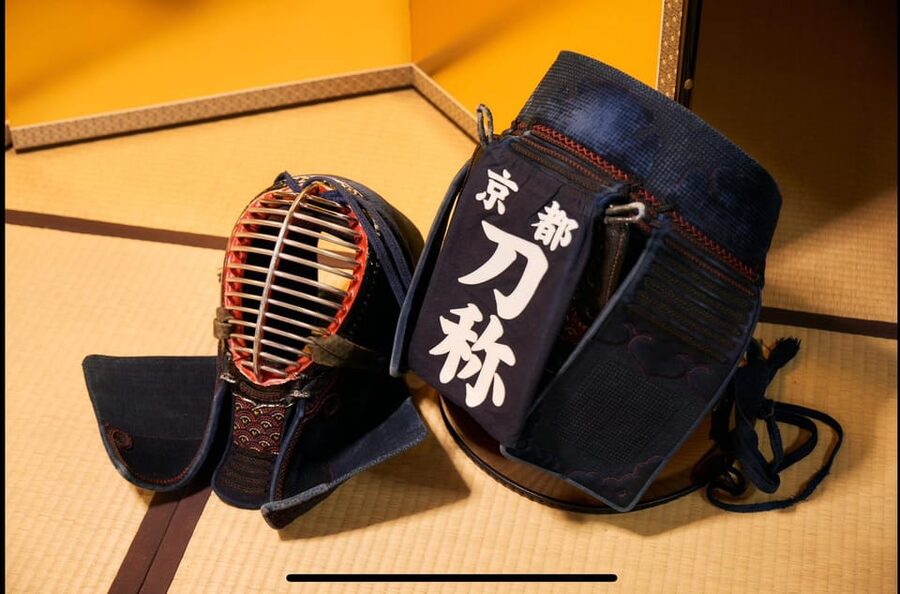
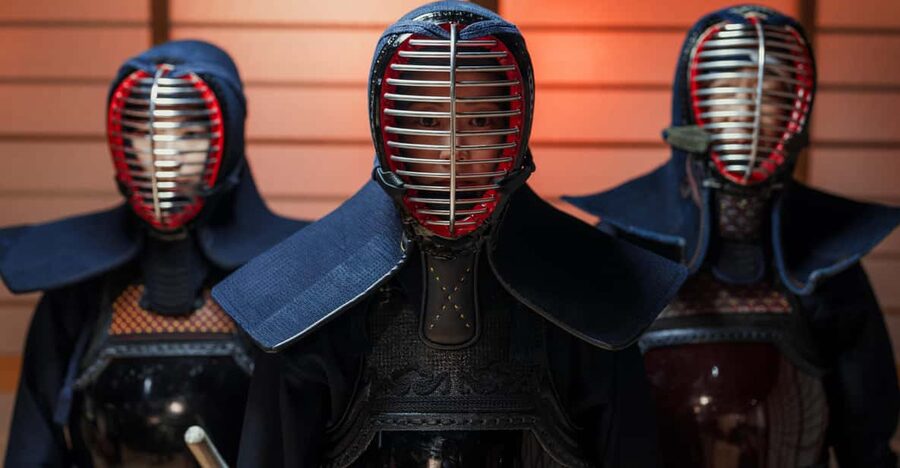
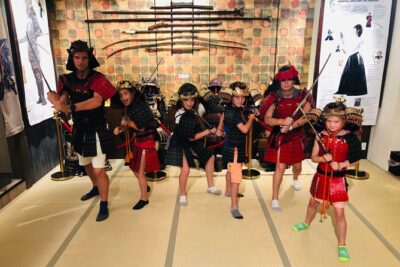
The best part is how quickly you “switch on” the role. You’ll get traditional training attire plus equipment and shoe rental, and the instructor walks you through how to put it on correctly. That’s a huge value-add. When the fit and order are right, you can actually practice, and you don’t end up spending half the session fiddling with straps.
You’ll also learn what everything is for. Reviews mention the instructor explaining how to dress, handle gear, and move properly, which is exactly how this should work if you want the experience to feel respectful instead of costume-y.
A practical note: cold weather can matter here. One person recommended a good base layer and warm socks because it can get chilly in the dojo. Even if you don’t feel cold easily, bring a “warmth plan.” You’ll be standing and preparing before you’re fully active.
Safety briefing and etiquette: the part people underestimate
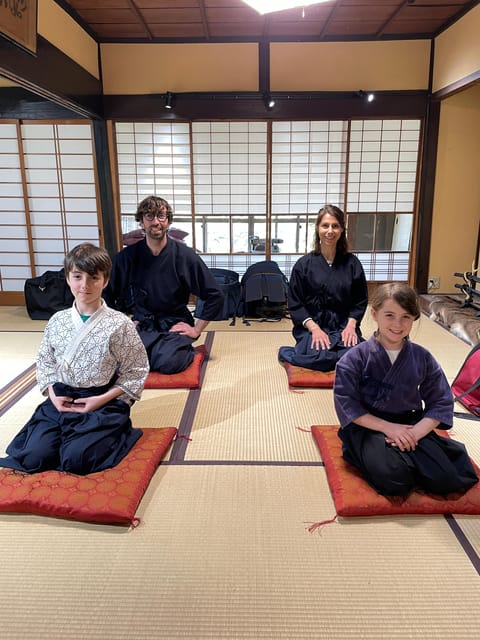
Before you swing anything, the instructor explains sword safety and martial etiquette. That includes basics like posture, where to keep your attention, and how to follow commands. The reviews consistently say the session feels safe the whole way through, which is exactly what you want from kendo training.
Even if you know nothing about kendo, you’re not being tested. It’s a guided start: grip, stance, and the core motions you’ll build on. That structure is why people call it fun and meaningful without it turning into a lecture marathon.
And yes, the etiquette section is part of the point. Kendo and samurai culture are about discipline, not only striking. When the instructor frames the rules and mindset up front, the practice clicks into place faster.
Learning the movements: grip, posture, blocks, footwork
Your training starts with foundations. Expect lessons on proper grip, posture, and fundamental movements. You’ll practice strikes and blocks, plus the footwork that makes the motion work.
This is where a well-run workshop beats a generic “try a sword” activity. You’re not just handed a training blade. You’re taught why the body position matters, and you repeat until it feels coordinated.
Many reviews highlight the patience and clarity of the instructor—especially English explanations. People mention the instructor’s jokes and energy too, and that helps. Learning a martial art’s fundamentals is easier when the teacher keeps you relaxed, not intimidated.
If you’re the type who likes learning by doing, this portion will feel satisfying because you’ll actually move. If you’re more of a “spectator” on trips, don’t worry—this class is built for beginners, and everyone gets practice time with the group.
Safe swords, real technique: bamboo, foam, and replicas for sale
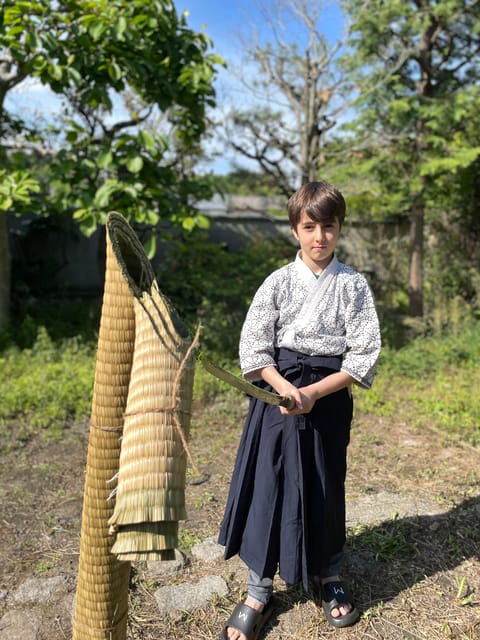
You’ll use safe yet authentic-feeling training swords. The workshop description mentions bamboo swords, foam swords, or refined replica blades, and reviews echo the idea that you’re actively practicing with appropriate training tools.
This is the core difference between a costume session and real skill-building: training gear is designed for learning while keeping everyone safe. A couple of reviews mention what you can and can’t do—like not expecting cutting displays. One review noted tatami mat slicing doesn’t happen anymore because it’s illegal. That’s useful to know so your expectations match the workshop reality.
You also might see replica swords available for purchase, but they’re not included. If you’re shopping, consider it a bonus add-on rather than part of the “must-do” experience. The “main win” is the training itself.




The samurai philosophy talk: why etiquette matters more than you think
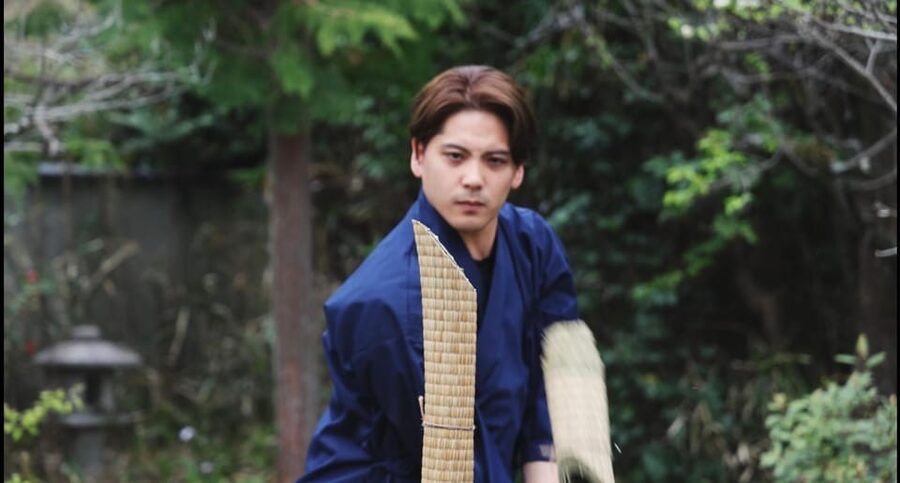
Along with technique, you’ll get cultural context: the philosophy behind the blade, the etiquette and mindset of samurai, and the evolution of kendo. This isn’t random history trivia. The instructor links ideas to what you’re doing with your body.
In reviews, the instructor is repeatedly described as sharing history and meaning, sometimes with humor. People specifically mention learning about samurai tradition, the importance of the samurai in Japan’s story, and the background of kendo. That combo—practice plus explanation—is what makes this feel like an education, not just an activity.
One standout detail from a review: the instructor was described as having deep family roots connected to samurai heritage. I can’t verify that beyond what’s shared, but it explains the tone many people mention—warm, proud, and personal. Even if you came just to try kendo, that cultural framing helps the session land with more weight.
Photos and video: the cinematic keepsake moment
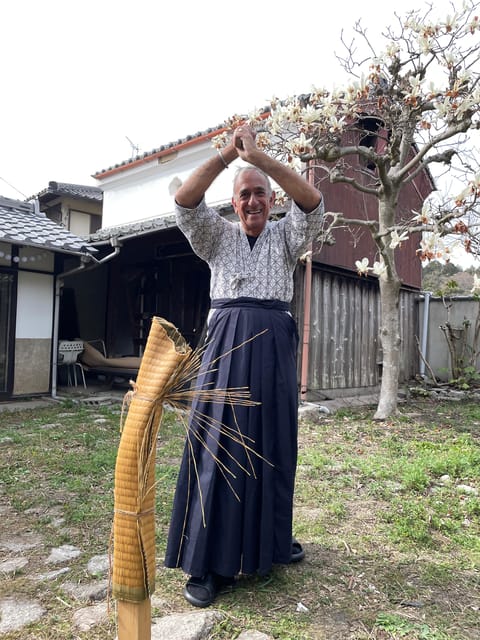
About mid-to-late session, instructors help you with photos and videos while you’re dressed in full training gear. This is a big deal if you want more than a phone snapshot.
A lot of workshops give you “look good, take a picture.” Here, the instruction vibe carries into the media too. You’re not just standing around. You’ll be in action or posed in a way that matches what you practiced.
The result: you leave with memories that actually look like the real activity, not a staged costume moment. If you’re traveling with friends or family, this keeps the experience from disappearing into your camera roll as random images of uniforms.
The training outside the dojo: courtyard moments when weather hits
Some sessions include practice outside in a courtyard. One review describes training in the courtyard as snow started to fall, and that’s exactly the kind of detail that makes the whole thing feel alive.
Weather can change how the session feels. But even if it’s not snowy, expect that you may practice in more than one space. That variety helps you feel like you’re really training, not only watching the floor.
Dress accordingly. You’ll be moving, but there are also breaks for instruction, adjusting gear, and listening. Layers are your friend.
Small-group feel and instructor energy
Many reviews mention that the class feels welcoming and not overwhelming, with an emphasis on making sure everyone can participate. People also say the instructor (often named Taka-san or Takato) is patient, approachable, and funny, with English that works well for non-Japanese speakers.
There are also notes about accessibility to questions. If you’re curious—about samurai culture, kendo etiquette, or what you’re learning—this class seems designed for interaction, not silence.
One more detail from a review: someone mentioned meeting the dojo princess, described as part of the setting and adding to the charm. That kind of character helps the workshop feel human and specific to its place, not like a cookie-cutter “Kyoto activity.”
Price and value: is $103 worth 2 hours?
At about $103 per person for a 2-hour session, it’s not the cheapest thing you can do in Kyoto. But you’re not paying only for “a sword lesson.”
You’re paying for:
- full uniform + gear + shoe rental
- English instruction
- safe training weapons (bamboo/foam/replica options depending on what’s used)
- cultural context (etiquette + mindset + history)
- instructor-made photos and video
- a structured, active class that’s designed for beginners
If you’ve done “pay to pose” experiences before, this tends to feel better value because it’s participation-heavy. You leave with memories, plus you can actually say you learned a few movements properly (not just held a sword).
Who should book this Kyoto kendo and samurai experience?
Book it if you want:
- an activity that’s hands-on, not just sightseeing
- a beginner-friendly intro to kendo basics and martial etiquette
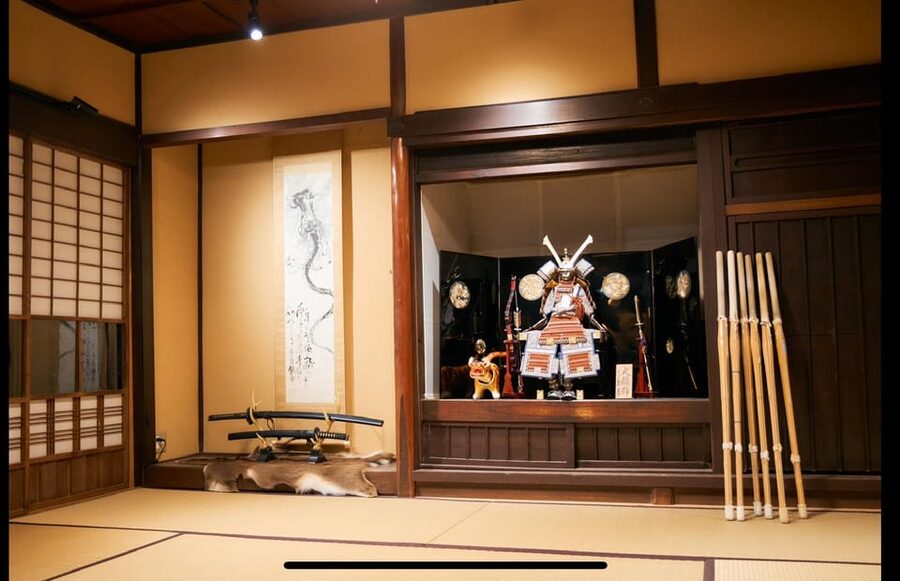
- traditional gear and a dojo setting in a 100+ year machiya
- photos/video that match what you did, not only what you wore
It may not be the best fit if you:
- hate being in a structured setting where you follow commands and safety rules
- expect cinematic “battle” reenactment with live cutting (that’s not what this workshop is described as)
- have young kids: it’s not suitable for children under 7
If you should book: my practical recommendation
I’d book this if you’re in Kyoto and want one memorable “do something” day. The combination of traditional setting, full gear rental, beginner instruction, and instructor photo/video is exactly what makes it feel worth your time.
Go in with two mindset tips:
- Arrive early enough so you’re not rushed into dressing and listening.
- Wear warm layers in colder months so you can focus on learning instead of getting uncomfortable.
If you’re looking for a samurai experience that feels real—training, etiquette, and participation—this is one of the better bets.
FAQ
Do I need prior experience to take part?
No. The workshop includes an orientation and safety briefing, then teaches the basics of sword handling and kendo movements step by step.
What’s included in the price?
Instruction, uniform rental, equipment rental, shoe rental, and gear rental are included.
How long is the experience?
It runs for about 2 hours.
What language is the instruction in?
The instructor teaches in English.
Are swords provided for training?
Yes. You’ll use safe training swords such as bamboo swords, foam swords, or refined replica blades (depending on the session). Replica swords can also be available for purchase, but they are not included.
Is it suitable for children?
It is not suitable for children under 7 years old.
Can I cancel or pay later?
Free cancellation is available up to 24 hours in advance for a full refund. You can also reserve now and pay later.
More Tour Reviews in Kyoto
More Samurai and Ninja Sessions

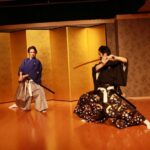
Just added: more Kyoto tours to browse








Kyoto Samurai & Ninja Experiences, compared.
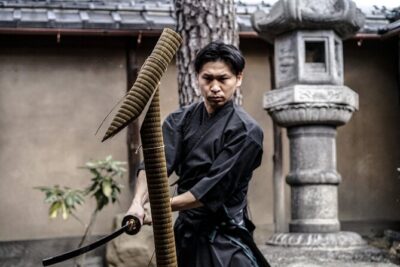 ★ 5.0Kyoto Samurai ExperienceFrom $1191,294 reviews
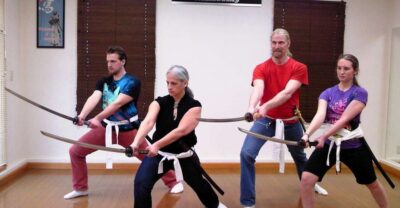 ★ 4.9Samurai Sword Class by Experts in Traditional ArtsFrom $64657 reviews
 ★ 4.5Skip the lines Basic Ticket at SAMURAI NINJA MUSEUM KYOTOFrom $28632 reviews
 ★ 5.0Ninja 1-hour Hands-on Lesson by Japanese master in Kyoto -EntryFrom $80489 reviews
 ★ 4.8Ninja Weapon Forging ExperienceFrom $148478 reviews
 ★ 4.5Samurai Kenbu Traditional Sword Dancing ShowFrom $32426 reviews
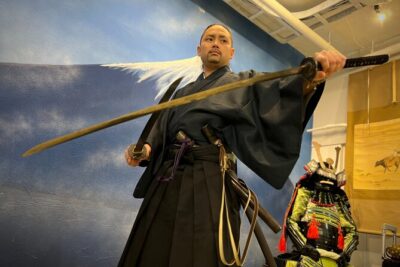 ★ 5.0Samurai Training with Modern day Musashi in KyotoFrom $132256 reviews
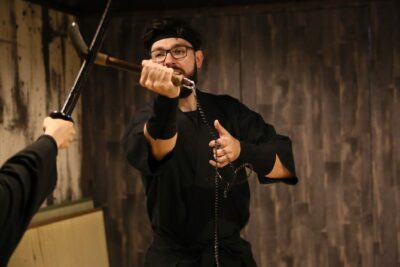 ★ 5.0Ninja 2-hour Hands-on Lesson by Japanese master in Kyoto -MediumFrom $95218 reviews
Browse the lists this tour appears in