
Reviewed · KYOTO SAMURAI & NINJA EXPERIENCES
Kyoto Samurai Experience
A katana lesson in a real samurai house. In Kyoto, this small-group class pairs Bushido ideas with hands-on sword basics, plus kimono dressing and a calm Zen session. It is a very structured couple of hours, not a grab-bag demo.
I like two things most: first, you get real instruction from the sword instructor, so you understand what you are doing instead of just posing for photos. Second, the setting is a preserved samurai home, which makes the history feel concrete, not theatrical. A possible drawback: the location can feel out of the way, so plan a little extra time getting there from central Kyoto.
In This Review
- Kyoto Samurai Experience at a Glance
- Entering a Kyoto Samurai House (and Why the Setting Matters)
- Kimono Dressing First, Then Sword Basics (Expect Hands-On Training)
- What the sword portion teaches
- Practical tip
- Bushido Explained in Plain Language (So It Actually Sticks)
- Zen Meditation: The Reset After the Physical Work
- Small Group Size and Instructor Style (What You Gain vs. Big Tours)
- Price and Value: Is $119.38 Worth It?
- Who this price makes sense for
- Timing in Kyoto: Morning or Afternoon Sessions
- Getting There From Kyoto Without Stress
- What to Bring (and What Not to Overthink)
- A Few Realistic Expectations Before You Go
- Should You Book Kyoto Samurai Experience?
- FAQ
- How long is the Kyoto Samurai Experience?
- Is the ticket mobile, or do I need paper tickets?
- Do I get to choose a morning or afternoon session?
- Where do I meet the tour?
- What should I wear for the activity?
- What fitness level do I need?
- Is this suitable for children?
- What is the group size limit?
- What is the cancellation window?
Kyoto Samurai Experience at a Glance
Small group size means you are not swallowed by the class. With a max of 14 people, you should expect more individual coaching.
Kimono + sword practice happen in one smooth flow, so you go from culture to technique quickly.
Bushido and Zen give the lesson a “why,” not just a “how.” The meditation also helps you cool down after moving.
Mobile ticket keeps check-in simple, and the activity ends back at the meeting point.
Traditional house setting is part of the value, so you are not just booking a skills class in a generic room.
Entering a Kyoto Samurai House (and Why the Setting Matters)
This tour starts at Kyoto Samurai Experience / Waraku, at 111 Inabachō in Nakagyo Ward (Kyoto 604-8803). The address matters because you are meeting at a specific place, then doing everything onsite before ending back at the same point.
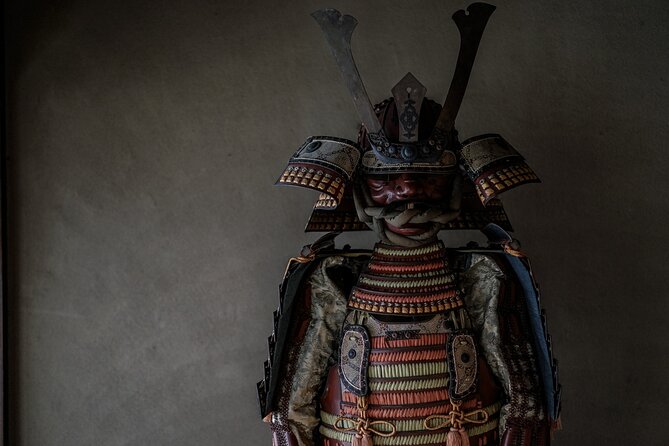
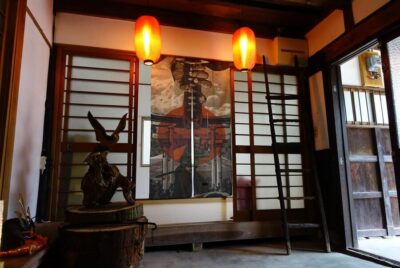
What makes the location feel worth it is the house itself. You are not just watching samurai-themed content in a modern studio. The preserved structure helps you understand what the experience is trying to reproduce: samurai life was built around routine, discipline, and a home environment where rules mattered.
Also, the meeting point is near public transportation. That helps a lot in Kyoto, where rideshare traffic and walking times can change fast depending on the day and your timing.
Pick up the blade again with these Kyoto sessions
Kimono Dressing First, Then Sword Basics (Expect Hands-On Training)
Once you meet your guide and group, you change into a traditional kimono. This is more than costume. The kimono changes how you hold yourself, move, and stand still—so it quietly sets the tone for the rest of the class.
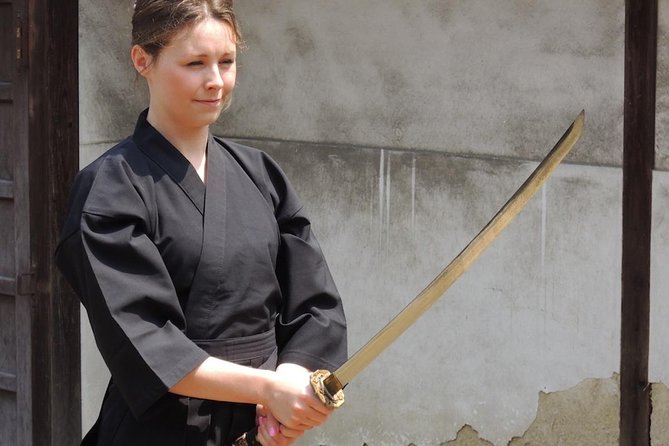
After dressing, the session turns physical with swordsmanship basics. The guide explains what to expect and how the practice works, then you handle a martial arts training sword. Even if you are brand new, the structure is there: you learn foundational movements, then repeat them with feedback.
What the sword portion teaches
You are not being asked to become a swordsman in 1 hour 45 minutes. Instead, the goal is to learn the core principles behind safe handling and controlled technique. That includes things like posture, timing, and how your body should align when you practice strikes.
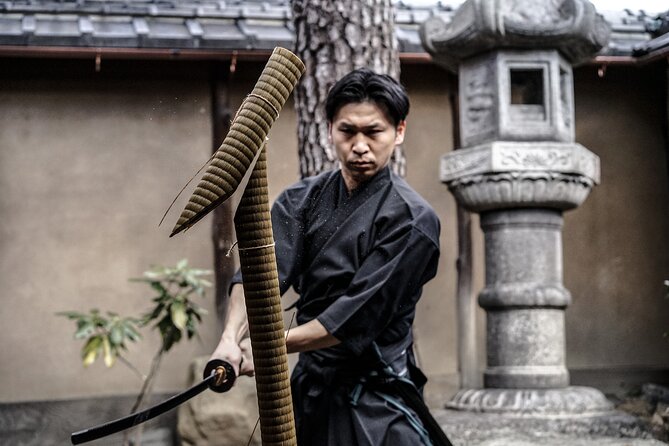
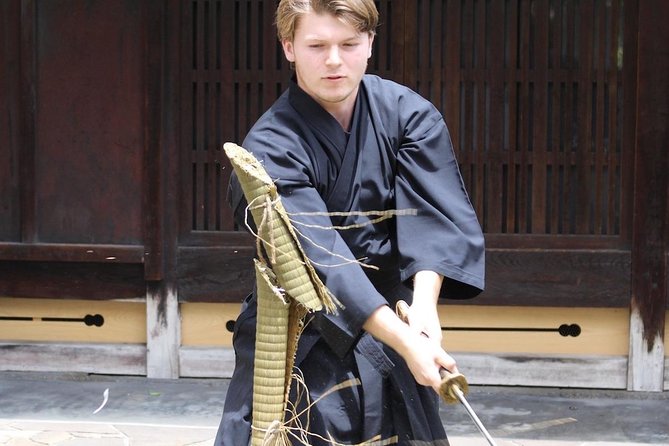
If you are hoping for a “wow” moment, you will likely get it through the act of holding and practicing with a proper sword setup. Some sessions include a cutting-style drill, but the main promise here is learning how to use a martial arts training sword correctly.
Practical tip
Wear comfortable clothes and appropriate footwear for an athletic activity. Think flexible shoes you can move in. The kimono part is fun, but the sword part is the reason you need real movement-friendly footwear.
Bushido Explained in Plain Language (So It Actually Sticks)
One of the best parts is the way the class frames the technique. You get philosophies of Bushido, the Way of the Warrior, explained by your guide. This matters because it gives context for the movements.
Bushido is not just an inspirational poster. In practice, it is about discipline—how you behave, how you respect training, and how you treat the sword as a tool tied to responsibility. When the instructor links meaning to drills, you remember what you are doing and why.
In a lot of travel experiences, “culture talk” turns into a long lecture. Here, the culture talk is tightly connected to what you are doing next. That pacing is one reason the overall experience tends to feel organized.






Zen Meditation: The Reset After the Physical Work
After sword practice, the tour includes a Zen meditation session. It functions like a course correction. If you have been doing temples, crowds, and constant walking in Kyoto, you will appreciate the reset.
Meditation also changes the energy of the class. Sword practice gets your heart rate up and forces focus. Meditation is the quiet counterpart: you learn how to slow down and hold still after being in training mode.
Many people find this portion is a standout because it makes the whole class feel balanced. It is not just action; it ends with calm and gives you something to reflect on during the rest of your Kyoto day.
Small Group Size and Instructor Style (What You Gain vs. Big Tours)
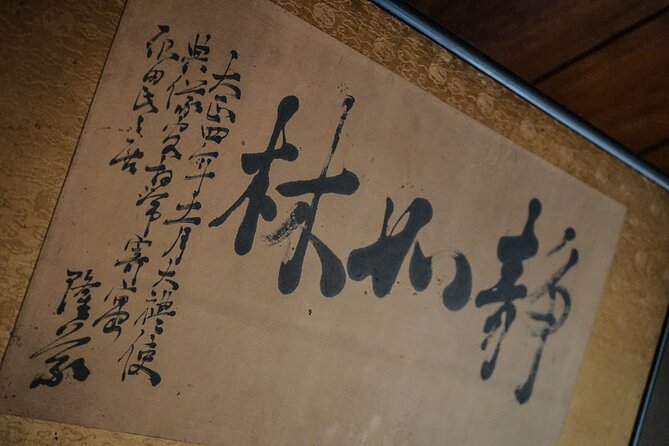
This is a small-group activity with a maximum of 14 travelers. That number is not just a marketing detail. It affects the whole flow.
In smaller groups, you tend to get:
- Clearer instructions during practice
- More chances for the instructor to adjust what you are doing
- A better atmosphere while you wait your turn
The class also appears to be designed to avoid feeling rushed. The staff language support can be helpful too. In past sessions, the team has been described as friendly and supportive, and English communication has been mentioned as a plus.
If you like hands-on learning and prefer not to be herded through steps, this format is a strong fit.
Price and Value: Is $119.38 Worth It?
At $119.38 per person for about 1 hour 45 minutes, the price is not bargain-basement. But it is also not just a show. You are paying for several tangible components packed into one time slot:
- A guided kimono change
- Swordsmanship basics with an instructor
- Explanations of Bushido
- Zen meditation
- A historic samurai house setting
When you look at value like this, the cost starts to make more sense. You are not only buying “content,” you are buying instruction and a guided cultural experience that takes place in a specific preserved location.
Who this price makes sense for
This is a good value if you want something more active than standard temple hopping, but still culturally grounded. If you want a deeper “Japan” moment—one with routine, technique, and philosophy—this is the kind of booking that can feel worth the money.
If you only want a quick photo stop, you may feel the price is too high. The tour is built for participation.
Timing in Kyoto: Morning or Afternoon Sessions
You can choose either a morning or afternoon departure time. That flexibility is useful in Kyoto because mornings can be cooler and calmer for walking, while afternoons fit better with temple and sightseeing schedules.
If you are sensitive to heat or cold, pick based on the season and your plans for the rest of the day. On very hot or cold days, the staff have reportedly taken care of comfort with water and warm items, but you should still dress smart for the weather.
Getting There From Kyoto Without Stress
You meet at Kyoto Samurai Experience / Waraku, 111 Inabachō, Nakagyo Ward. Because it is near public transportation, you can plan around trains/buses instead of relying on a taxi for every hop.
Also, the activity ends back at the same meeting point. That is helpful. You do not have to solve the “then where do we go” problem right after your class.
What to Bring (and What Not to Overthink)
From the tour guidance, your main prep is simple:
- Wear comfortable clothes and appropriate footwear
- Choose clothes you can move in
- Keep physical comfort in mind; the tour expects moderate fitness
If you have questions about accessibility, the provider says you can message them. That is the right move if you need specific accommodations.
Minors must be accompanied by an adult, so plan the adult supervision part ahead of time.
A Few Realistic Expectations Before You Go
This experience is structured: meet your guide, dress in kimono, learn sword basics, hear Bushido, and finish with Zen meditation. That structure is the point.
What it will not be is unlimited自由 time. You are in a guided class with set steps. If you like predictability and clear pacing, you will probably enjoy it.
And if you are worried you will not understand the sword moves: you probably will. The instruction is designed to bring you up from beginner basics, not assume prior training.
Should You Book Kyoto Samurai Experience?
Book it if you want a hands-on cultural break in Kyoto that includes technique, philosophy, and a calm ending. It fits especially well if you are traveling with family or friends who enjoy learning something practical together, not just sightseeing.
Skip it if:
- You want only casual photos and minimal physical activity
- You dislike structured classes where you follow an instructor’s rhythm
- You are tight on time and the location feels like it will be too far from your main route
If you do book, plan your footwear and outfit for movement, pick a session time that matches the weather, and treat it like a short training block. The best part is how the day balances effort with quiet.
FAQ
How long is the Kyoto Samurai Experience?
It runs about 1 hour 45 minutes.
Is the ticket mobile, or do I need paper tickets?
You receive a mobile ticket.
Do I get to choose a morning or afternoon session?
Yes. You can choose either a morning or an afternoon departure time.
Where do I meet the tour?
You meet at Kyoto Samurai Experience / Waraku, 111 Inabachō, Nakagyo Ward, Kyoto 604-8803, Japan.
What should I wear for the activity?
Wear comfortable clothes and appropriate footwear for an athletic activity, since there is sword practice.
What fitness level do I need?
You should have a moderate physical fitness level.
Is this suitable for children?
Minors must be accompanied by an adult.
What is the group size limit?
The tour/activity has a maximum of 14 travelers.
What is the cancellation window?
Free cancellation is available up to 24 hours in advance of the experience start time for a full refund. If you cancel less than 24 hours before, the amount paid is not refunded.
More Tour Reviews in Kyoto
More Samurai and Ninja Sessions

Just added: more Kyoto tours to browse








Kyoto Samurai & Ninja Experiences, compared.
 ★ 4.9Kendo and Samurai Experience with Uniform and GearFrom $103815 reviews
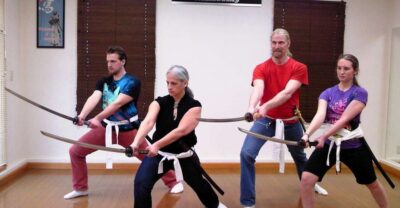 ★ 4.9Samurai Sword Class by Experts in Traditional ArtsFrom $64657 reviews
 ★ 4.5Skip the lines Basic Ticket at SAMURAI NINJA MUSEUM KYOTOFrom $28632 reviews
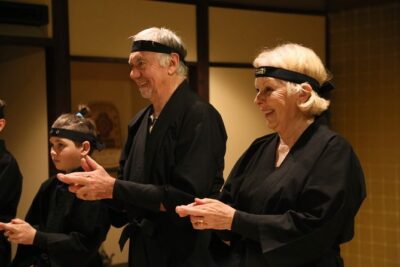 ★ 5.0Ninja 1-hour Hands-on Lesson by Japanese master in Kyoto -EntryFrom $80489 reviews
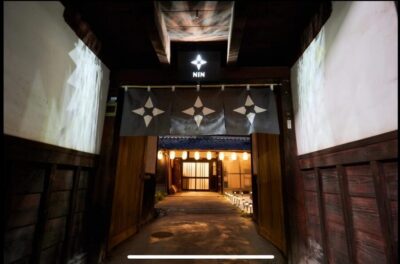 ★ 4.8Ninja Weapon Forging ExperienceFrom $148478 reviews
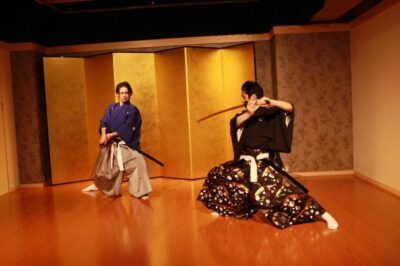 ★ 4.5Samurai Kenbu Traditional Sword Dancing ShowFrom $32426 reviews
 ★ 5.0Samurai Training with Modern day Musashi in KyotoFrom $132256 reviews
 ★ 5.0Ninja 2-hour Hands-on Lesson by Japanese master in Kyoto -MediumFrom $95218 reviews
Browse the lists this tour appears in