
Reviewed · KYOTO TEA CEREMONIES
Sencha-do the Japanese Tea Ceremony Workshop in Kyoto
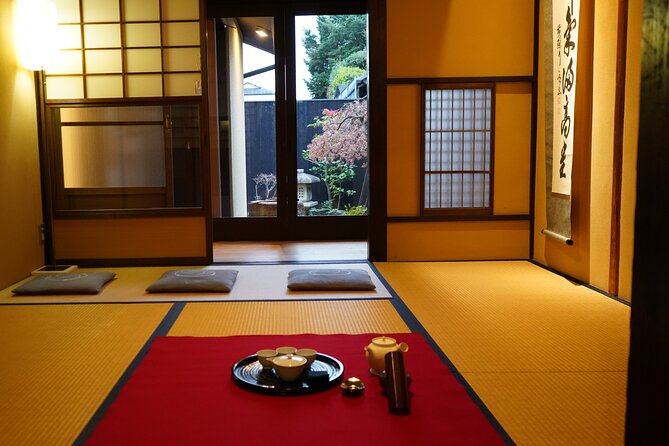
Kyoto tea is more than matcha. This hands-on senchado workshop lets you watch a demonstration and then actually make your own cup using sencha tea leaves in a traditional Kyoto tea studio. You’ll finish by enjoying what you brew, with Japanese sweets (wagashi) included.
Two things I especially like: you can touch the utensils and take part in the process, not just sit and watch. And the class stays small (up to 4 people), so the instructor can slow down, answer questions, and guide you step-by-step; I also saw mentions of an instructor named Kyo and greetings from the young master (wakasoushou).
One possible drawback: the hardest part may be finding the place if you rely only on standard map directions. This is a small studio, so give yourself a little extra time and arrive with the meeting point address handy.
In This Review
- Key Highlights
- What Senchado Teaches You That Matcha Lessons Usually Don’t
- Where 東阿部流(雅翠庵)Fits Into Kyoto (and Why Finding It Matters)
- The 90-Minute Flow: Demonstration, Brewing Practice, Wagashi
- Hands-On Brewing: How the Instruction Stays Patient and Step-by-Step
- The Tea, the Sweets, and What You’ll Notice in the Cup
- Price and Value: Does $107.45 for 90 Minutes Make Sense?
- Who Should Book This Workshop in Kyoto?
- Tips to Make Your Sencha-do Class Go Smoothly
- Should You Book Sencha-do in Kyoto?
- FAQ
- How long is the Sencha-do Japanese Tea Ceremony Workshop in Kyoto?
- Where does the workshop meet?
- What is the price per person?
- What is included in the ticket?
- What is not included?
- How big is the group?
- Is the workshop near public transportation?
- Are service animals allowed?
- What is the cancellation policy?
Key Highlights
- Touch the tea tools and learn the process, not just observe
- Higashi Abe school instruction from a master-level teacher
- Senchado demonstration + hands-on brewing in about 90 minutes
- Wagashi included alongside your freshly made sencha
- Maximum 4 participants, so you get personal guidance
- Traditional studio setting at 東阿部流(雅翠庵) near the Kitano area
What Senchado Teaches You That Matcha Lessons Usually Don’t
Senchado is a Japanese tea ceremony built around sencha, which comes from steamed tea leaves. Even if you know matcha, senchado feels different because the focus is on brewing and serving sencha with careful technique and attention to detail.
I like this workshop’s framing: you don’t just learn a scripted performance. You learn how to prepare and serve sencha tea, so you can taste the difference your method makes. That matters because sencha isn’t a one-note flavor. Small shifts in how you handle and serve the tea can change how it tastes and feels.
Also, this is a good way to understand why Japanese tea culture varies. One review summed it up well: there are many tea ceremony styles, and it takes time to learn them properly. This workshop gives you a real taste of that variety without demanding you master everything in one afternoon.
Sit for another bowl of matcha in a Kyoto tea house


Where 東阿部流(雅翠庵)Fits Into Kyoto (and Why Finding It Matters)
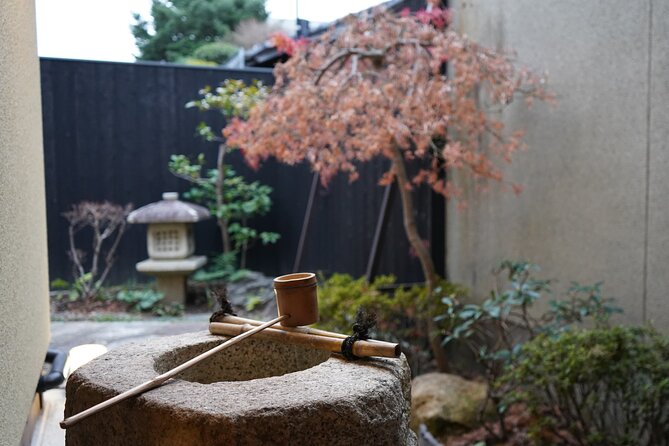
The meeting point is at 東阿部流(雅翠庵), Japan, 〒602-8393 Kyoto, Kamigyo Ward, Toriimaechō, 668番12. That address isn’t just trivia; it’s your best tool for getting there calmly.
A few practical notes from what people shared: this tea school is connected to the Higashiaberyu sencha school and is in the Kitano area, not far from Kitano Tenman Shrine. That’s helpful because Kitano is easier to anchor on when you’re navigating Kyoto’s neighborhoods. Still, one person specifically warned that directions on the app listing weren’t enough and they needed help finding the studio.
My advice: plan to arrive early, and save the exact address. If you’re unsure, ask for help once you’re in the area—don’t wait until the class starts.
The 90-Minute Flow: Demonstration, Brewing Practice, Wagashi
This workshop runs about 1 hour 30 minutes. The time structure is clear, and that clarity helps you get the most from a short class.
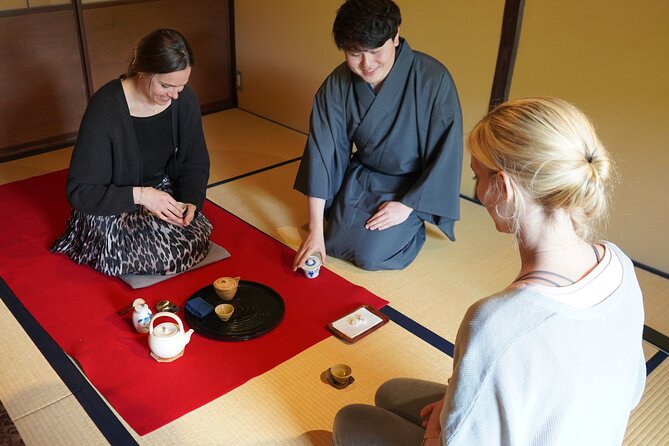
First comes a sencha tea ceremony demonstration by the host. You’ll see the process as it’s meant to be performed: how tea is prepared, how it’s served, and how the routine connects to the school’s style.
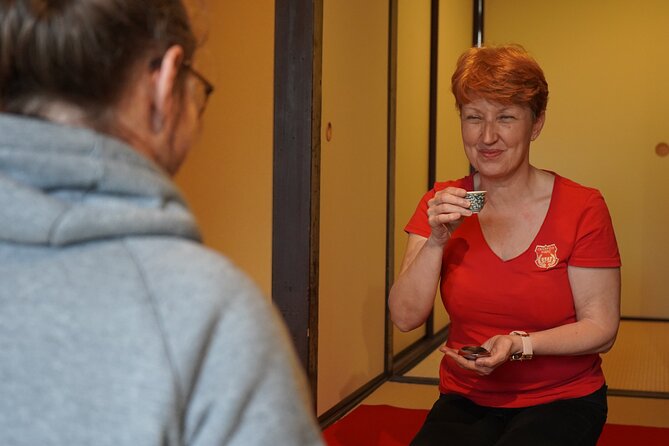
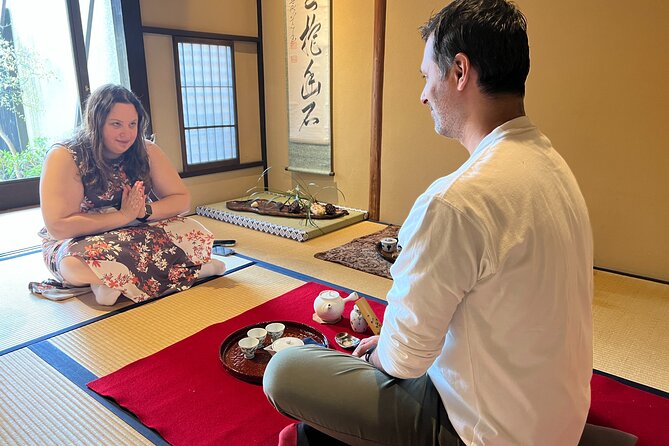
Next, you learn how to prepare and serve sencha tea yourself. This is the key difference from many tourist tea ceremonies. Most do not let you handle the utensils, but this one does. Under the instructor’s guidance, you become an active participant rather than a spectator.
Then you enjoy the results: freshly made sencha tea with wagashi (Japanese sweets). It’s a simple ending, but it’s also the most important part. If you only watch and never brew, you miss how the tea and sweets work together.
Hands-On Brewing: How the Instruction Stays Patient and Step-by-Step
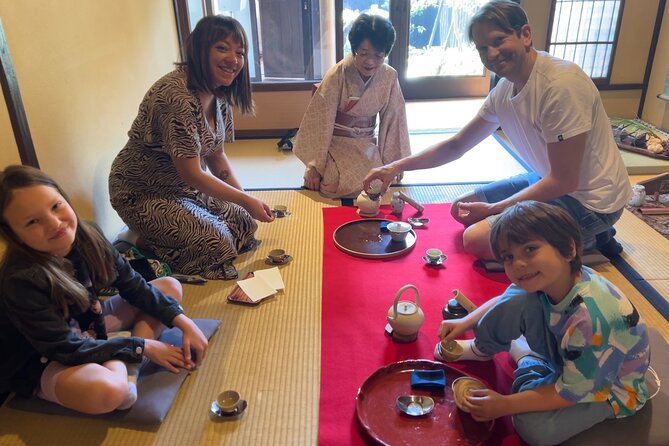
Senchado is refined, and precision matters. That can sound intimidating, but what stood out from the experience descriptions is that the instructor teaches gently and carefully, even when you’re new.
People highlighted the instructor’s patience and respect for tradition. One review specifically praised step-by-step guidance, and another noted that the teacher shared family history and interesting details about how this style differs from other tea ceremonies in Kyoto.
Here’s why that approach is valuable for you:
- You’ll learn the process in a way that’s repeatable later, even if you don’t remember every detail.
- You’re less likely to feel rushed while trying to coordinate your movements and understand the purpose of each step.
- You also get context, not just choreography, which helps you taste more thoughtfully.
If you’re traveling with kids, this kind of guidance can matter a lot. One family review described how children enjoyed the experience and were allowed to participate, which usually means the teacher doesn’t treat beginners like furniture.
The Tea, the Sweets, and What You’ll Notice in the Cup
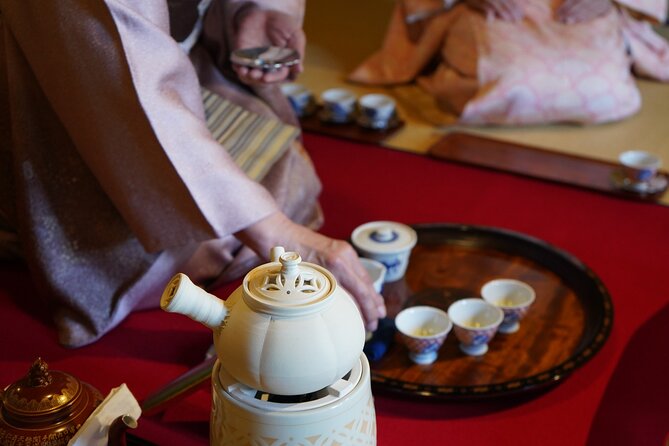
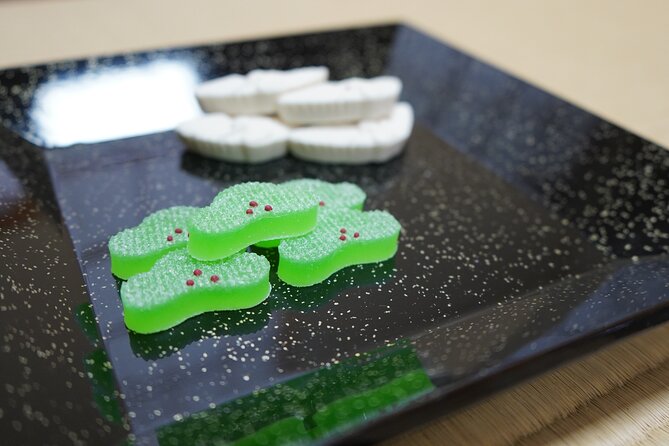
You get green tea (sencha) and Japanese sweets (wagashi). No extra purchase needed to enjoy what you make.
What you might notice first is how sencha tastes compared to the tea most people already know. One review mentioned the brewed tea being sweet and flavorful, and also pointed out that many people know matcha but not brewed sencha. That tracks: sencha-based sessions can feel like a new category of tea, even for tea lovers.
The wagashi pairing is also practical. It gives you a moment to slow down, compare flavors, and understand how Japanese sweets are meant to complement the tea experience. You don’t need a chef’s palate for this. Even a basic tasting comparison helps you remember what you did and why it mattered.
And yes, you can take photos. That’s a small perk, but it helps you preserve the details you’ll want to remember later.
Other Kyoto tours and experiences to compare

Price and Value: Does $107.45 for 90 Minutes Make Sense?
At $107.45 per person for about 1 hour 30 minutes, you might wonder if this is “too touristy” or actually worth it. The value comes from two things the workshop emphasizes:
1) You handle the utensils and actively brew sencha.
2) Instruction comes from a master associated with the Higashi Abe school.
Small group size (maximum of 4) also supports the price. When a class is big, teachers can’t slow down. Here, the format makes it more feasible to guide you through the steps, correct little mistakes, and answer questions.
You’ll also notice that some tea experiences include observation only. This one includes the full cycle: demonstration, hands-on preparation, and tasting your own sencha with wagashi. For many visitors, that complete loop is what turns a ticket into a real memory.
If you’re the type who likes crafts, food technique, and cultural practices you can repeat later, this price is easier to justify.
Who Should Book This Workshop in Kyoto?
This workshop is a strong fit for:
- People who know a lot about Kyoto sights but want one more hands-on culture activity
- Couples who like calm, guided experiences and want something different from the usual dinner plan
- Solo visitors who prefer small-group learning over large tours
- Families, especially when you want children to participate (not just watch)
One review even described it as a highlight of the trip, thanks to the personal feel and welcoming instruction. Another noted it’s a refreshing moment of deep culture, which matches the overall tone: quiet focus, careful technique, and time to learn rather than speed-run the ritual.
If you only want quick photo ops, this may feel too practical. But if you’re curious about sencha beyond matcha, and you want to do it yourself, you’ll likely enjoy it more than you expect.
Tips to Make Your Sencha-do Class Go Smoothly
A few practical pointers will help you enjoy the session more.
Plan extra time for finding the studio. One person said it was hard to find using directions alone, even though they were in the Kitano area. Save the full address and arrive early.
Treat the class like food practice, not a museum visit. You’ll be learning a process. Ask questions when you have them, and don’t worry if it feels precise. The teacher’s job here is to guide you through.
Take photos, but keep your hands ready. Since you can take as many pictures as you like, it’s tempting to shoot constantly. You’ll enjoy it more if you also focus on what you’re doing so you can taste the results.
Come with a small appetite for sweets. Wagashi is included, and it’s part of the experience arc: brew, sip, then taste together.
Should You Book Sencha-do in Kyoto?
Book it if you want a real hands-on introduction to sencha and a traditional school setting where you can participate. The combination of utensil access, a master-level instructor from the Higashi Abe school, and the small max group size makes this a high-success experience for beginners.
Skip it only if you’re looking for a casual, purely observational activity or you’re short on time and can’t spend 90 minutes learning and tasting. Also, if finding the studio stresses you out, give yourself buffer time so the start doesn’t feel like a race.
For most people who come to Kyoto hoping for more than surface-level culture, this workshop is a smart use of an afternoon.
FAQ
How long is the Sencha-do Japanese Tea Ceremony Workshop in Kyoto?
It lasts about 1 hour 30 minutes.
Where does the workshop meet?
The start location is 東阿部流(雅翠庵), Japan, 〒602-8393 Kyoto, Kamigyo Ward, Toriimaechō, 668番12. The activity ends back at the meeting point.
What is the price per person?
The price is $107.45 per person.
What is included in the ticket?
Green tea (sencha) and Japanese sweets (wagashi) are included.
What is not included?
Private transportation is not included.
How big is the group?
This activity has a maximum of 4 travelers.
Is the workshop near public transportation?
Yes, it is near public transportation.
Are service animals allowed?
Yes, service animals are allowed.
What is the cancellation policy?
You can cancel for a full refund up to 24 hours in advance. If the experience is canceled due to poor weather, you’ll be offered a different date or a full refund.
More Workshops in Kyoto
More Tour Reviews in Kyoto




One More Bowl of Matcha

Just added: more Kyoto tours to browse








Kyoto Tea Ceremonies, compared.
 ★ 4.9Tea Ceremony in a Traditional Tea House in KiyomizuFrom $493,519 reviews
 ★ 4.9Tea Ceremony Ju-An at Jotokuji TempleFrom $293,207 reviews
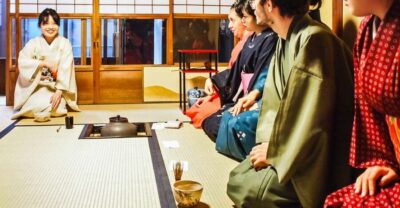 ★ 4.345-Minute Tea Ceremony Lesson ExperienceFrom $222,378 reviews
 ★ 4.9Table-Style Tea Ceremony at a Kyo-MachiyaFrom $451,211 reviews
 ★ 5.0Kimono Tea Ceremony at Kyoto Maikoya, NISHIKIFrom $65911 reviews
 ★ 5.0Arashiyama Bamboo Forest, Monkeys, Matcha & Temple TourFrom $53759 reviews
 ★ 4.9Tea Museum Tickets and Matcha Grinding ExperienceFrom $23739 reviews
 ★ 4.9Kimono Tea Ceremony at Orizuruya GionFrom $49618 reviews
Browse the lists this tour appears in