
Reviewed · NARA DAY TRIPS FROM KYOTO
Private Nara Tour from Osaka – Meet at Your Hotel
Deer, temples, and a smart pace. This private tour is a clean, guided way to see Nara’s big hits without getting lost in the details. I love the English-speaking guide approach, and I really like that you get time to enjoy both the iconic temples and the calmer street-and-garden moments.
Two places make this day especially fun: feeding the deer at Nara Park and standing in front of Todai-ji’s Great Buddha. One thing to plan for: the day is structured around guided stops and a lunch break, but your meals and beverages aren’t included, so you’ll want cash/card ready.
In This Review
- Key Takeaways
- From Osaka to Nara in One Guided Day
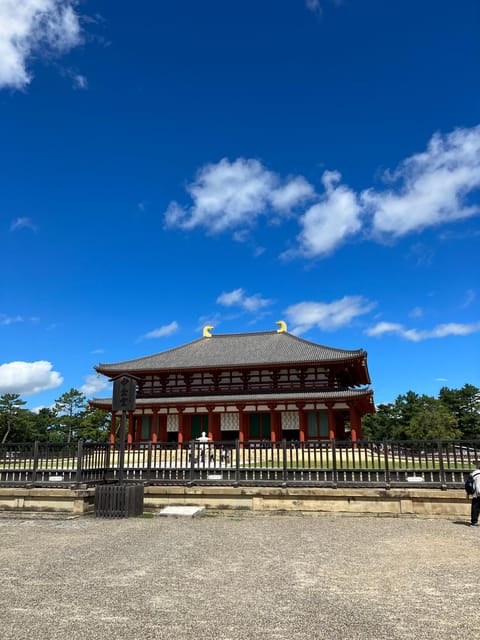
- Kōfuku-ji: UNESCO Temple Design You Can Actually See Up Close
- Nara Park Deer Feeding: Fun, Fast, and Surprisingly Photogenic
- Higashimuki Shopping Street and the Small Stops That Add Local Texture
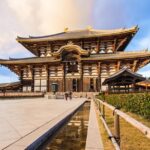
- Todai-ji and the Great Buddha: The Moment Nara Becomes Real
- Yoshikien Garden: A Calmer Finish After Temple Intensity
- Lunch Stop Reality: What You Get and What You Need to Pay
- Price and Value for a Private Group Up to 6
- Who This Tour Fits Best
- Should You Book This Private Nara Tour from Osaka?
- FAQ
- How long is the private Nara tour from Osaka?
- Where does the guide meet you?
- Is this a private tour?
- What major sights are included?
- Are entrance fees included in the price?
- Is lunch included?
- What cancellation and payment flexibility is offered?
- What languages does the guide speak?
Key Takeaways
- Hotel pickup and return from Osaka keeps the day simple
- Kōfuku-ji (UNESCO) gives you a deep look at wooden temple design from the 600s
- Nara Park deer feeding is a real photo moment, not just a quick glance
- Todai-ji and the Great Buddha are timed for a comfortable walk through the grounds
- Himuro Shrine + temple vs shrine explanations add context beyond postcard sights
- Entrance fees are included, so you won’t do math every time you turn a corner
From Osaka to Nara in One Guided Day
Nara is the kind of place where you can easily burn your time. One temple can feel close on a map, but crowds, walking, and ticket lines add up fast. This private day trip solves that with one guided plan, plus hotel pickup and return in Osaka.
The total duration is about 6 hours, with roughly 70 minutes by train each way. That means you’re not “spending half a day commuting,” but you are trading part of your time for the big payoff: Nara Park deer time and the major temple sights. If you’re staying in Osaka and want Nara without the stress, this format is a practical win.
The private setup matters. Your guide (Masa, and other guides as listed by the operator) is born and raised in Japan and speaks English (with Japanese also available). In reviews, people appreciated how Masa handled questions patiently and even brought printed info in other languages for understanding. That’s a nice touch when you’re trying to connect what you see to what it means.
Also, remember the human side of a tour schedule: walking shoes are non-negotiable. This is a temple day with outdoor time, and the deer will make you move faster than you expect.
More day trips out to Nara and its bowing deer
Kōfuku-ji: UNESCO Temple Design You Can Actually See Up Close
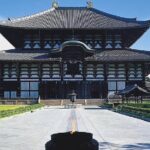
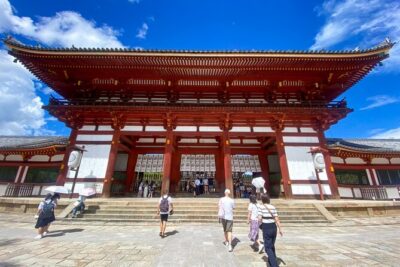
Kōfuku-ji is one of Nara’s “serious” temple stops, and it’s UNESCO World Heritage. You’ll get a guided visit focused on why this place mattered long before modern sightseeing cameras existed.
What I like about this stop is that it isn’t just about ticking a box. Kōfuku-ji was originally built in 669, and it’s famous for its wooden architecture and the cultural treasures housed there. With a guide, that history turns into something you can point at. You start noticing the scale, the craftsmanship, and the way the temple grounds feel different from nearby streets.
The guided time is about 30 minutes. That’s just enough to get oriented and understand the significance without feeling rushed the way group tours sometimes do. If you’re the type who likes to ask why a building looks the way it does, this is a good match. Masa’s explanations also included practical clarity for visitors, like the basics of how temples function in Buddhism compared with shrines in Shinto.
One small consideration: wooden temple architecture can be partially shaded or partially exposed depending on the day. Bring sunscreen and water, because you’ll likely be walking between viewpoints.
Nara Park Deer Feeding: Fun, Fast, and Surprisingly Photogenic
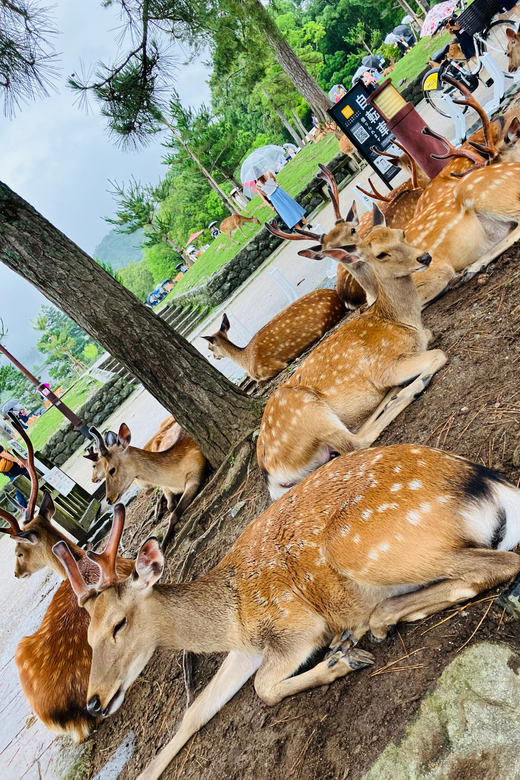
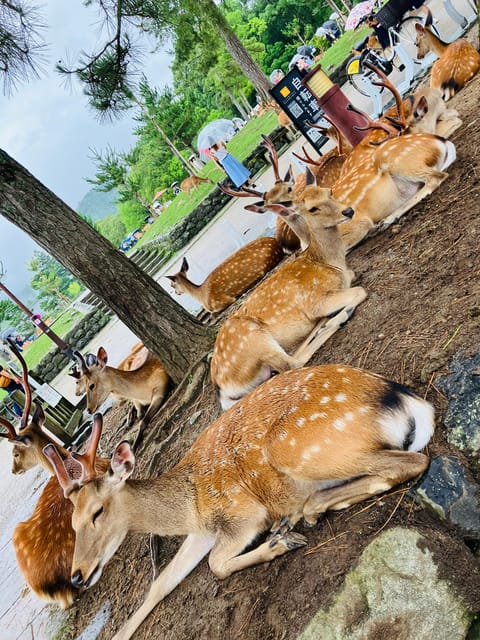
Nara Park is where your day turns from “culture day” into “this is just plain fun.” The park is famous for free-roaming deer, considered sacred messengers in local belief for centuries. The vibe is peaceful, but the deer are also confident. They know people come with snacks.
The highlight here is the chance to feed the deer. It’s one of those experiences that sounds simple until you’re standing there. The deer come close, and your photos go from ordinary to memorable in seconds. I recommend holding your camera ready, because the best moments don’t wait for you to switch settings.
The guided time in the park is about 30 minutes. That’s enough to feed the deer, get photos, and still stroll for views around the open green areas. If you want a few extra minutes just for pictures or to watch the deer move through the paths, a private guide setup makes it easier to handle than a fixed group schedule.
Practical tip: wear shoes you can sprint in a little. It’s not dangerous, but you’ll likely shuffle backward and sideways while balancing snacks and cameras.
Higashimuki Shopping Street and the Small Stops That Add Local Texture
A private tour isn’t only about famous monuments. It’s also about the in-between moments that make the day feel like Nara, not just Nara on a checklist.
You’ll include Higashimuki Shopping Street with a short guided walk (about 20 minutes). This is a chance to get your bearings and see how visitors and locals move through the area. You can also pick up small items and snacks on your own, which matters because you’ll be out for hours and not everyone wants to stop for food exactly when the group does.
Later, there’s also Himuro Shrine (about 20 minutes). This is a nice contrast after temples. In Nara, it’s a helpful reminder that not everything religious is Buddhist temple architecture. With a guide, you can understand the difference between temples and shrines in a clear, non-academic way—what they are, what you might notice, and how the atmosphere changes when the focus is Shinto rather than Buddhist practice.
These smaller stops are also where a flexible guide earns their fee. In feedback, people liked how Masa could handle requests for extra snack time or adjust for what the group wanted, as long as the overall schedule stayed workable.
Todai-ji and the Great Buddha: The Moment Nara Becomes Real
If you’re going to Nara, you need Todai-ji. It’s one of Japan’s most iconic landmarks, and it anchors the whole experience for a reason.
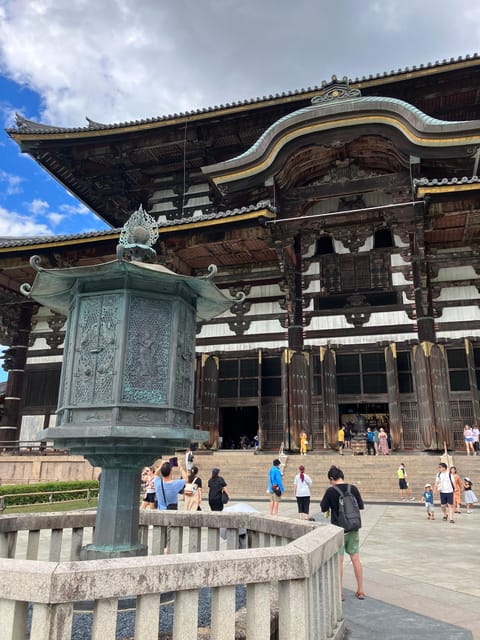
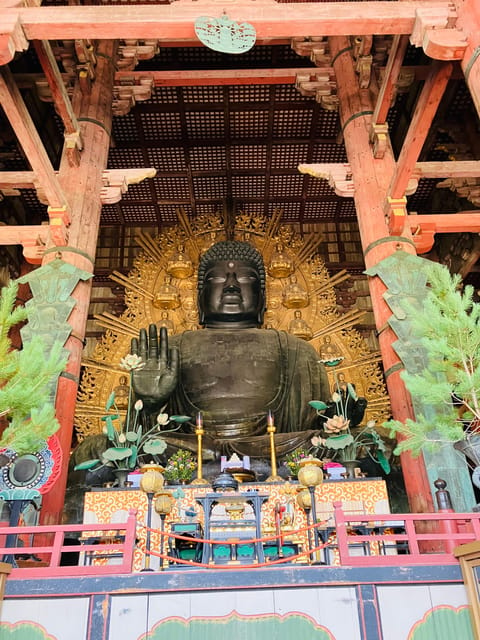
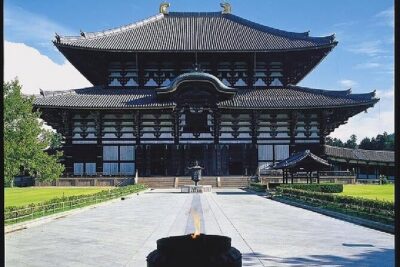
Todai-ji is home to the Great Buddha (Daibutsu), one of the largest bronze Buddha statues in the world. The height is about 15 meters, which is hard to fully picture until you’re there. With a guide, you get the context: Todai-ji’s significance spans from its founding in the 8th century, and it became a symbol of Buddhism in Japan.
The guided time here is about 1 hour, which gives you space for the main sight and still time to look around. The grounds can feel like a world of their own, and the structure of the visit helps you avoid the usual problem: rushing through the biggest highlight and forgetting to notice the details that make it impressive.
What I think is especially valuable is how a good guide turns scale into meaning. You don’t just see a giant statue—you understand what it represents and why it’s such a core part of Nara’s identity as Japan’s first permanent capital.
If you’re sensitive to crowds, arrive with a calm plan. Todai-ji can be busy, but an organized route and guide timing helps you keep moving at a comfortable pace rather than stopping every 10 steps.
Other Kyoto tours and experiences to compare

Yoshikien Garden: A Calmer Finish After Temple Intensity
After Todai-ji, you get a quieter, more reflective stop: Yoshikien Garden (about 20 minutes). Gardens can feel like an optional add-on on a tight schedule, but here it works.
It gives your eyes a break. After bronze statues and temple gates, a garden brings softer light and slower pacing. It’s also a good moment to check your photos and take a breather without losing the thread of the day.
This is also where you can notice how Nara blends cultural sites into everyday nature. You’re still in a historical setting, but your body finally slows down a bit. That matters on a day that includes train time, outdoor park time with deer, and major temple walking.
Lunch Stop Reality: What You Get and What You Need to Pay
There’s a local restaurant lunch included as a stop, with about 1 hour set aside. Here’s the catch that helps you plan: meals and beverages aren’t included in the tour price.
So think of lunch as guided time to eat somewhere convenient, not a free meal ticket. If you have dietary needs, this is where a private guide can help you choose, but the food cost still sits with you.
A simple strategy: treat lunch as your fuel reset. You’ll be walking a lot. If you skip it thinking you’ll snack later, you’ll feel it by Todai-ji.
Price and Value for a Private Group Up to 6
The price is $514 per group, up to 6 people. Transportation fees aren’t included, but entrance fees to the included sites are covered.
So how do you judge value? You’re paying for three things:
- A guide who helps you understand what you’re seeing (English-speaking, plus Japanese support)
- Entrance fees for multiple major stops
- A private pace that avoids the friction of managing trains and walking routes alone
For a solo traveler, it’s usually not the cheapest way to see Nara. But for a small group—friends, family, or a couple who wants comfortable pacing—the per-person cost can be reasonable, especially because admission fees are handled for you.
The private element also reduces wasted time. When you’re not hunting for the right entrance, or guessing how long you’ll need at each stop, the day stays enjoyable. You’re investing in a smoother experience.
If you’re budget-first and don’t care about context, you might prefer going on your own. If you want stories, clarity, and a guided plan that protects your time, this price starts looking more fair.
Who This Tour Fits Best
This private Nara tour makes the most sense if you:
- Want the top Nara highlights without spending your day sorting logistics
- Appreciate an English guide who can answer questions and explain temple/shrine differences clearly
- Like hands-on moments—like feeding the deer—not just photos from a distance
- Are traveling with up to 5 others and want a shared day plan
It’s also a solid choice if you’re a history fan but still want a bit of lightness. Nara can be intense, yet the schedule includes peaceful park time, a shopping street walk, and a garden finish.
Should You Book This Private Nara Tour from Osaka?
I’d book this if you want Nara with less stress and more meaning. The best reason is simple: you get a guided day that connects major sights—Kōfuku-ji, Nara Park, Todai-ji, and more—without the guesswork.
Skip it if you only want ultra-budget sightseeing, or if you’re the type who loves wandering without a timed structure. Also note the practical reality: meals and train costs are not included, so plan for spending on food and transportation.
One last call tip: if you care about photos with deer, go in with patience. The experience is fast-moving at times, and having a guide who keeps the day flowing helps you get the shots you came for.
FAQ
How long is the private Nara tour from Osaka?
The tour lasts about 6 hours.
Where does the guide meet you?
Pickup and return are from your hotel in Osaka.
Is this a private tour?
Yes. It’s a private group tour for up to 6 people.
What major sights are included?
The tour includes Kōfuku-ji, Nara Park (including deer feeding time), Himuro Shrine, Tōdai-ji, and Yoshikien Garden, plus a stop at Higashimuki Shopping Street.
Are entrance fees included in the price?
Yes. Entrance fees to all mentioned sites are included.
Is lunch included?
Lunch is included as a stop at a local restaurant, but meals and beverages are not included in the price.
What cancellation and payment flexibility is offered?
You can cancel up to 24 hours in advance for a full refund, and you can reserve now and pay later.
What languages does the guide speak?
The guide is an English-speaking guide born and raised in Japan, and the tour lists English and Japanese.
More Tours in Kyoto




More Tour Reviews in Kyoto


More Nara Day Trips

Just added: more Kyoto tours to browse








Nara Day Trips from Kyoto, compared.
 ★ 4.7Kyoto/Osaka: Nara, Fushimi Inari Taisha, Arashiyama Bus TourFrom $521,275 reviews
 ★ 4.4Osaka/Kyoto: Arashiyama, Nara & Fushimi Inari Shrine w/LunchFrom $61754 reviews
 ★ 4.5Kyoto and Nara Day Trip from KyotoFrom $194445 reviews
 ★ 5.0Full Day Guided Tour to Kyoto and Nara from Osaka by VanFrom $106420 reviews
 ★ 4.5Nara Afternoon Tour from Kyoto or OsakaFrom $102390 reviews
 ★ 4.6From Kyoto: Nara Guided Morning TourFrom $77335 reviews
 ★ 4.6Kyoto/Osaka: Kyoto and Nara Customized Private Guided TourFrom $477258 reviews
 ★ 5.0Nara Park, Osaka & Kobe from Kyoto Full Day tourFrom $90207 reviews
Browse the lists this tour appears in