
Reviewed · NARA DAY TRIPS FROM KYOTO
Nara Park, Osaka & Kobe from Kyoto Full Day tour
One bus. Three big cities. This Kyoto day trip lines up Nara Park with wild deer, Osaka’s street lights, and Kobe’s famous beef, all under a bilingual guide’s watch. You get the planning done for you, plus comfortable coach rides between stops.
Two things I like a lot. First, you get Tōdai-ji and its Great Buddha without having to map it out yourself. Second, the schedule leaves room for real free time in Dotonbori and Kobe, not just hurried photo breaks.
One thing to think about: it’s a long day (about 10.5 hours) and you’ll do more walking than most half-day tours. Also, be sharp on timing at the meeting point—this is a bus that follows its clock.
In This Review
- Key points to know before you go
- Nara, Osaka, and Kobe from Kyoto: what this day trip is really for
- Meeting at Hotel Keihan Kyoto Grande and riding with a tour bus pro
- Nara Park and Tōdai-ji: deer first, temple second (and that’s okay)
- Dotonbori: neon, snacks, and how to use your free time well
- Osaka Castle: the walk is part of the experience, and entry is extra
- Kobe free time: how to enjoy the beef stop without overspending
- How the bilingual guide and small group shape the day
- Price and value: why $90.30 can make sense (or not)
- What to pack and how to stay comfortable on a 10.5-hour route
- Should you book the Nara Park, Osaka & Kobe day trip from Kyoto?
- FAQ
- FAQ
- What languages is the guide?
- What’s included in the tour price?
- Is Osaka Castle admission included?
- How long is the tour and when does it start?
- Where do I meet the tour and where does it end?
- Can I get a full refund if I cancel?
Key points to know before you go
- A full Kyoto-to-Nara-Osaka-Kobe checkoff day (about 10 hours 30 minutes)
- Tōdai-ji included with admission covered, plus Nara Park deer roaming time
- Dotonbori free time (about 1.5 hours) for food and street scenes on your own
- Osaka Castle is a visit, but entry isn’t included
- Bilingual guide (English/Spanish) and max 30 people
- Return to Kyoto Station so you can keep your evening plans easy
Nara, Osaka, and Kobe from Kyoto: what this day trip is really for
If you want the highlights of three cities without the commute headache, this tour fits the bill. It’s built around one theme: save research time, then use your day efficiently. A guided route plus bus transport means you’re not bouncing between multiple stations, ticket types, and transfers.
You’re paying for convenience. For many people, that’s the entire value: one meeting point, one bus, one plan. The places themselves are big hitters too—Nara Park for deer, Osaka’s Dotonbori for street energy, and Kobe for beef.
The tradeoff is time. You’ll see a lot, but not at a slow, linger-in-a-café pace. If you prefer deep, unhurried sightseeing, you may feel a bit rushed—especially around Nara and Osaka Castle where walking and crowds add up.
More day trips out to Nara and its bowing deer
Meeting at Hotel Keihan Kyoto Grande and riding with a tour bus pro
The day starts at Hotel Keihan Kyoto Grande at 7:30am. Your end point is Kyoto Station, which is handy if you want to grab dinner nearby afterward or hop onto another train.
The coach rides matter more than they sound. You get someone else handling driving and route logistics, and that keeps you from burning energy on transit math. The itinerary also uses travel blocks to break up the day: about 1 hour to Nara, about 1 hour to Dotonbori, then shorter drives between Osaka Castle and Kobe, and finally back toward Kyoto.
A small but important tip: plan to arrive early to the meeting spot. One hiccup and you miss the bus window, and then you’re stuck figuring out your own return. I’d rather you feel slightly early than slightly late.
Your group is capped at 30 people, which helps the bus experience stay manageable. You won’t be doing the kind of chaotic herding you sometimes get on mega-bus tours.
Nara Park and Tōdai-ji: deer first, temple second (and that’s okay)
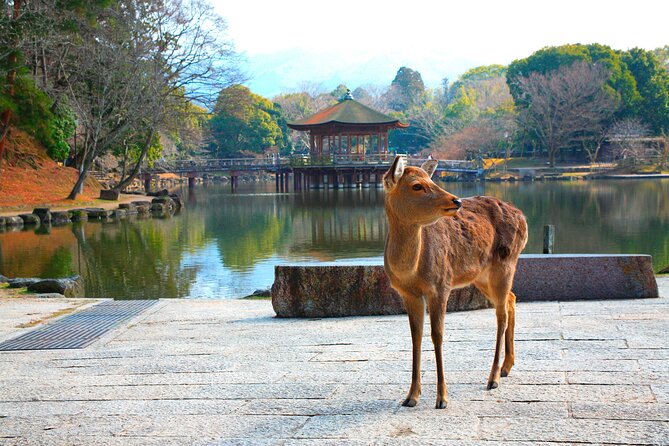
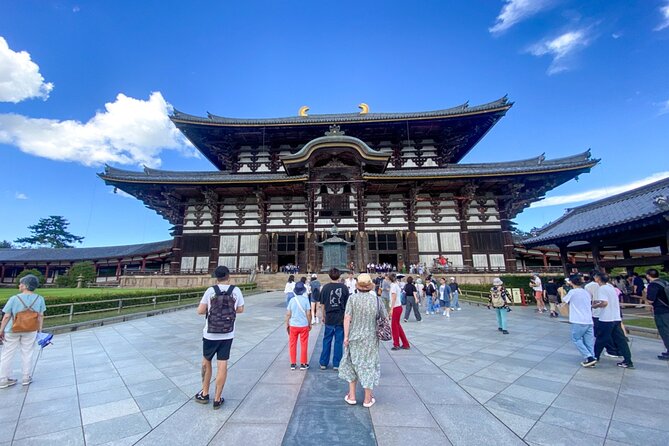
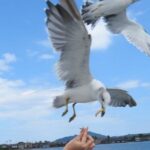
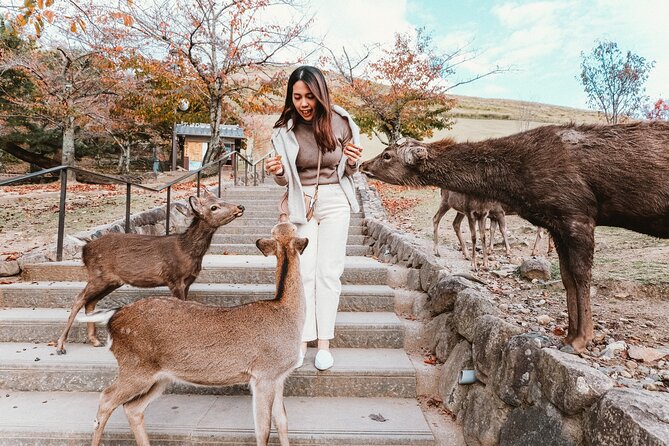
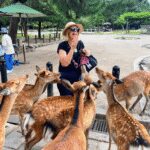
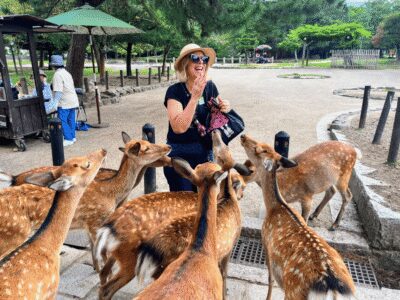
Nara is the emotional headline of the day. The moment you get into the park area, the deer steal the show—wild deer roaming in the open is the main attraction most people come for.
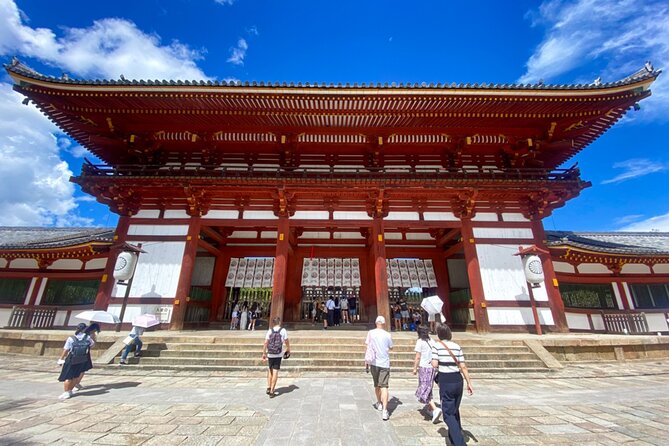
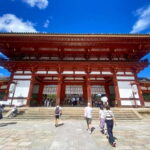
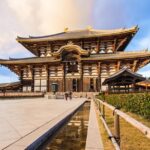
You’ll also hit Tōdai-ji, home to the Great Buddha. That means you get both sides of the Nara experience: the animal-fantasy park time and the big-ticket temple stop. Admission is included at this stage, so you’re not juggling extra entry costs here.
Here’s how to think about the timing. You have about 2 hours 30 minutes total at Nara Park and Tōdai-ji time, which sounds like plenty until you factor in crowds, photos, and the fact that deer can move slower than your attention span. You’ll likely see the Great Buddha area and enough of the temple complex to feel satisfied, but you won’t have hours to wander every nook.
Practical deer advice (I’m putting this in bold because it matters):
- Keep a calm stance and watch where you step.
- Don’t lunge at the deer for photos.
- Avoid feeding behaviors you wouldn’t do with wild animals at home.
Also, wear shoes you can walk in for a while. Nara isn’t one of those places where you can mostly stand and look. Plan on moving.
Dotonbori: neon, snacks, and how to use your free time well
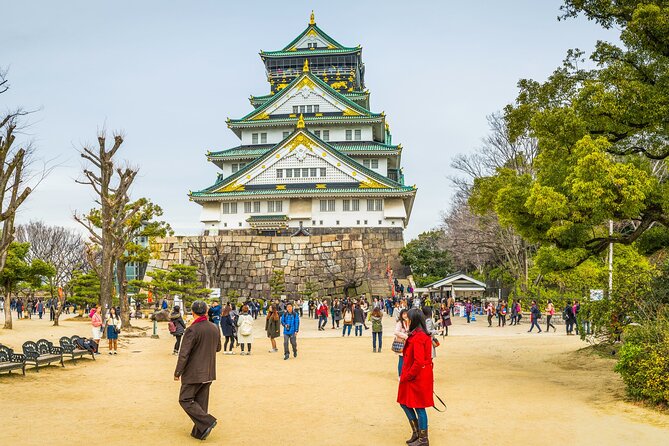
After Nara, you ride about an hour to Dotonbori in Osaka. This is where the day shifts gears: from deer park quiet to street-level excitement. You get about 1 hour 30 minutes of free time here, with no admission ticket needed.
The big advantage of this format is flexibility. Dotonbori is packed with street food, quick bites, and photo-friendly scenes. With guided logistics handled, you can choose what fits your appetite right now instead of forcing a fixed plan.
A simple strategy helps. Before you scatter, pick a direction and a rough goal: one snack, one photo area, then a return point so you don’t accidentally drift 20 minutes away from where you need to be. Your guide will set meeting points and timing cues, and it’s on you to follow them.
One helpful detail from how these tours often operate: you may receive WhatsApp updates during the day. If that happens on your departure, use it. It’s a fast way to avoid confusion about where to meet and when to re-board.
And yes, it’s crowded. Not unbearable, just busy. If you’re sensitive to noise or tight sidewalks, take it slow and keep your elbows in.
Osaka Castle: the walk is part of the experience, and entry is extra
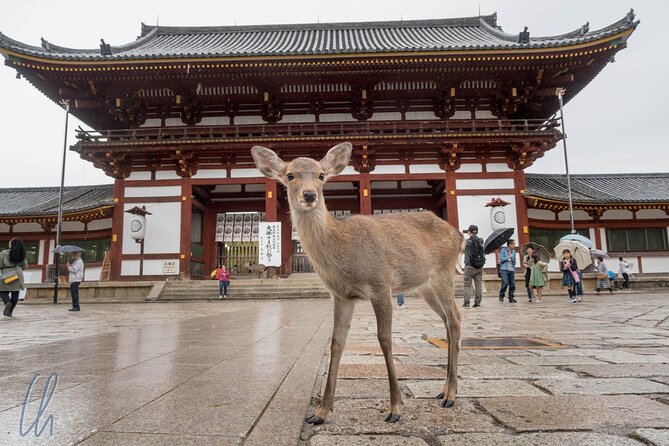
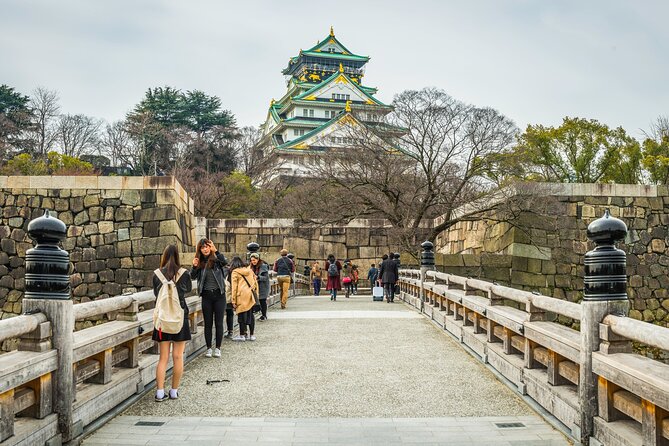
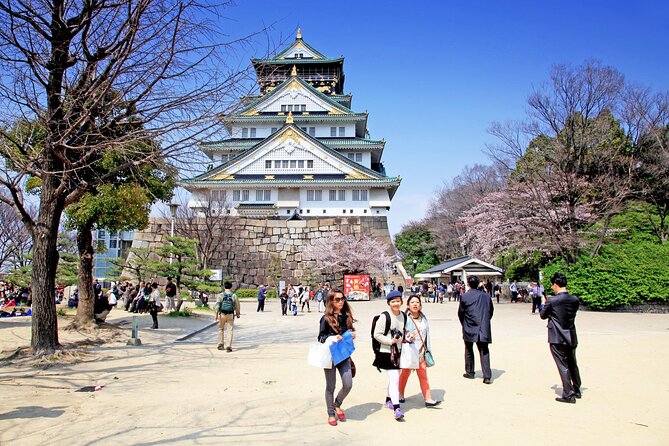
Osaka Castle is scheduled after Dotonbori, with a drive of about 30 minutes. You get about 1 hour on site.
Here’s the key money detail: Osaka Castle admission is not included. That means the tour price covers the visit time and the guided structure, but you’ll still pay the castle entry fee yourself when you arrive.
Is it worth it? For me, the castle works as a visual anchor for Osaka. Even if your knowledge of Osaka history is light, the castle area gives you a sense of place—plus great viewpoints if weather is decent.
What to expect on the ground: you’ll walk. Castles aren’t “stand there and look” attractions. There are paths, steps, and spots where you’ll want a photo. Build in extra minutes for queues and getting your bearings.
Also, the tour can include a quick sighting from the bus window of nearby landmarks like Tsutenkaku Tower as you move through the area, but your real castle time is where your energy should go.
More of Kansai, from Kobe to Himeji Castle

Kobe free time: how to enjoy the beef stop without overspending
Then comes Kobe. The itinerary gives you about 50 minutes in the city, described as the time to see and taste Kobe beef.
This is the moment many people were waiting for, but 50 minutes is also short. So keep your expectations realistic: you’re not doing a full Kobe food tour. You’re doing a Kobe taste-and-look stop.
My advice: decide in advance what “tasting” means for you. If you’re doing a sit-down meal, you’ll spend most of your 50 minutes seated plus waiting. If you want multiple samples, you may need to choose small bites quickly.
The value here is the pairing. Kobe is a strong contrast to the temple and street scenes earlier. You end the day with a different kind of “signature Osaka region” moment—meat culture instead of deer and neon.
How the bilingual guide and small group shape the day
A bilingual guide in English and Spanish runs the show. That’s not just about translation. A good guide helps you avoid wasting time: when to move, where to meet, what to prioritize, and how to interpret what you’re seeing.
In the feedback for this tour, guides get named as a big reason the day feels smooth. Names like Paula, Ele, Heli, Montse, Hector, and Alex come up in positive notes tied to friendliness, clear instructions, and staying on schedule. You can’t rely on a specific name being your guide, but you can rely on the format: you should expect bilingual commentary and direction at each stop.
The schedule is structured to keep you from falling behind. You’re not left alone for the whole day, but you do get genuine free time at key areas like Dotonbori and Kobe. That’s the right balance for a multi-city day: guided movement plus personal choice.
One possible downside of free time: you’ll walk more if you roam without a plan. If you’d rather follow a strict checklist, you may feel the open time is too open. If you enjoy steering your own pace, you’ll probably love it.
Price and value: why $90.30 can make sense (or not)
At $90.30 per person, you’re paying for a lot of coordination: bilingual guide, bus transport from the meeting point, and at least one included admission (Tōdai-ji).
What’s not included matters:
- Food and drinks
- Entrance fees to monuments (Osaka Castle is specifically not included)
So when is it good value? When you’d otherwise spend time figuring out transit routes between Kyoto, Nara, Osaka, and Kobe. If you don’t want to deal with train schedules, luggage timing, or multiple fare purchases, the tour cost is often cheaper than the hassle you’d pay for with wasted time and missed connections.
When might it feel pricey? If you’re a confident DIY planner and you already know the transit rhythm. Also, if you skip most paid sites and only want free wandering, you’re still paying the full tour price for a guided structure.
The good news: you’re not just paying to sit in a bus. You’re getting built-in stop durations that include actual free time in the most practical places—Nara for deer and temple, Dotonbori for street scenes and food options, and Kobe for a short beef-related taste window.
What to pack and how to stay comfortable on a 10.5-hour route
This tour is long enough that comfort becomes part of the sightseeing.
Bring:
- Comfortable walking shoes (you will walk in Nara and around Osaka Castle)
- A light layer (temples and buses can swing in temperature)
- A small day bag for snacks and water, since food isn’t included
Dress smartly for long outdoor time in Nara. One review note warned about being ready for the long walk, and that’s fair. Also, deer areas can turn into a photo frenzy fast, so keep your body language calm and your feet stable.
If you’re traveling with a stroller, it may be worth knowing that at least one family reported the driver was supportive and helpful with it. Don’t count on miracles, but it suggests the crew is used to handling real-life needs better than you’d expect.
Should you book the Nara Park, Osaka & Kobe day trip from Kyoto?
Book this tour if you want a high-efficiency highlights day. It’s a solid fit for first-time Kyoto visitors who also want Nara’s deer moment, Osaka’s Dotonbori street vibe, and Kobe’s beef connection without stitching the whole day together yourself.
I wouldn’t book it if you prefer slow travel, or if you get cranky when a day includes several different locations with limited free time in each. The tour is built to cover ground.
The deciding question: do you want the freedom to choose your own snacks and photo stops inside a guided plan? If yes, this is a good match. If you want everything tightly curated with no open wandering time, look closely at your own style before you commit.
FAQ
FAQ
What languages is the guide?
The tour includes a bilingual guide in English and Spanish.
What’s included in the tour price?
You get a bilingual guide and transportation from the meeting point. Admission is included for the Tōdai-ji stop in Nara Park, while food and drinks are not included.
Is Osaka Castle admission included?
No. Osaka Castle entry is not included, so you’ll pay the entrance fee separately.
How long is the tour and when does it start?
The duration is about 10 hours 30 minutes, and it starts at 7:30am.
Where do I meet the tour and where does it end?
You meet at Hotel Keihan Kyoto Grande, and you end at Kyoto Station.
Can I get a full refund if I cancel?
Yes. Cancellation is free up to 24 hours in advance for a full refund.
More Tour Reviews in Kyoto






More Kobe and Himeji Day Trips
More Nara Day Trips
Just added: more Kyoto tours to browse








Nara Day Trips from Kyoto, compared.
 ★ 4.7Kyoto/Osaka: Nara, Fushimi Inari Taisha, Arashiyama Bus TourFrom $521,275 reviews
 ★ 4.4Osaka/Kyoto: Arashiyama, Nara & Fushimi Inari Shrine w/LunchFrom $61754 reviews
 ★ 4.5Kyoto and Nara Day Trip from KyotoFrom $194445 reviews
 ★ 5.0Full Day Guided Tour to Kyoto and Nara from Osaka by VanFrom $106420 reviews
 ★ 4.5Nara Afternoon Tour from Kyoto or OsakaFrom $102390 reviews
 ★ 4.6From Kyoto: Nara Guided Morning TourFrom $77335 reviews
 ★ 4.6Kyoto/Osaka: Kyoto and Nara Customized Private Guided TourFrom $477258 reviews
 ★ 4.9Nara & Traditional Matcha Experience Bus TourFrom $122185 reviews
Browse the lists this tour appears in