
Reviewed · WALKING TOURS
Private & Custom KYOTO Walking Tour – your Travel Companion
Kyoto on a leash is a good thing. This private, custom day lets you personalize the route while an English-speaking guide handles navigation, ticket help, and photo moments. I especially like the stop mix—major classics like Kinkaku-ji plus walkable neighborhood streets—and the way you’re not stuck figuring out trains, signage, and crowd flow on your own. The one drawback to plan for: admission fees aren’t included, and because private transport isn’t part of the package, you’ll still need to be comfortable with Kyoto getting-around.
What makes this feel worth it isn’t just the sights—it’s the time you gain. With a tailored plan and a guide who can translate on the fly (vendors, directions, schedules), you can move faster with less stress. And names like Jinshi, Rio, Femina, Karl, Karim, and Dalivanh have shown up in past guide praise, which is a nice sign that you might get a strong match. Still, a small minority of experiences have complained about guide preparation or navigation, so it’s smart to set expectations early and keep your priorities clear.
In This Review
- Key things to know before you go
- What you’re really paying for: a guide, not just a checklist
- Kinkaku-ji and Kiyomizudera: icon stops done with breathing room
- Kinkaku-ji (Golden Pavilion)
- Kiyomizudera (Pure Water Temple)
- Sannenzaka/Ninenzaka lanes and Yasaka Shrine: strolling Kyoto’s preserved charm
- Sannenzaka and Ninenzaka preserved districts
- Yasaka Shrine (Gion Shrine)
- Fushimi Inari-taisha: torii gates, but don’t let it turn into a marathon
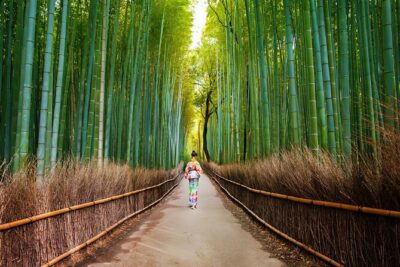
- Arashiyama: bamboo forest mood plus Tenryuji’s Zen setting
- Nishiki Market and Gion: food street energy and geisha-area atmosphere
- Nishiki Market shopping district
- Gion
- Ginkaku-ji, Sanjusangendo, and the Imperial Palace grounds
- Ginkaku-ji (Silver Pavilion)
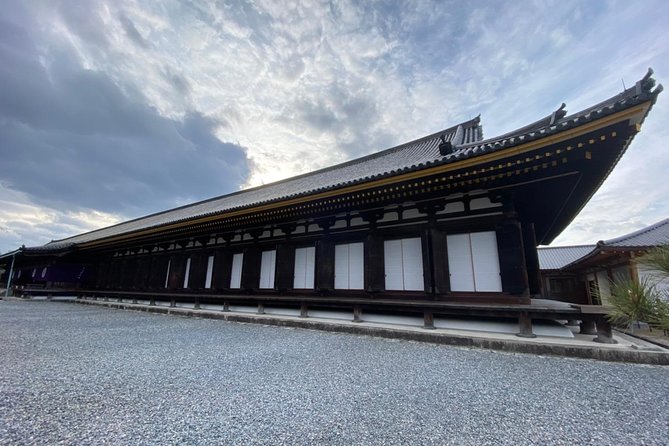
- Sanjusangendo (Temple of 33 Bays)
- Kyoto Imperial Palace
- Nijo Castle and Eikando (Zenrinji): architecture and the autumn-minded vibe
- Nijo Castle
- Eikando Zenrinji Temple
- Price and value for a group of up to 5
- Practical tips so your day stays easy
- Should you book this private KYOTO walking tour?
- FAQ
- What’s the duration of the private Kyoto walking tour?
- How many people are in a group?
- Is pickup available?
- What’s included in the tour price?
- Are temple and shrine entrance fees included?
- Is private transportation included?
- What does the itinerary include?
- Where does the tour end?
- What happens if I cancel?
- Are meals included?
Key things to know before you go
- A custom Kyoto route: you shape what you focus on, and the guide builds the day around it
- Guide-led navigation: less time lost, more time seeing; you also get help with directions and photos
- Ticket and plan support: assistance with booking and aligning timing with what you want to do
- Big-name temples plus real neighborhoods: golden pavilion, hillside preserved streets, markets, and Gion
- Admission fees not included: expect to pay separately for several major sites
What you’re really paying for: a guide, not just a checklist
At about $265.82 per group (up to 5) for roughly 8 hours, the value depends on how you like to travel. If you enjoy wandering but hate getting stuck in the logistics part—maps, bus routes, ticket lines, and language—this kind of private companion can be a big win.
The real product here is decision speed. You’re not spending your brainpower on which entrance to use, how to word a question to a shop, or how to sequence attractions so you’re not zig-zagging across town. A competent guide can also help you choose the right priorities when the day gets crowded. If your group includes seniors, first-timers, or anyone who doesn’t want to think about transit, the “no getting lost” promise matters.
The flip side: since admission fees aren’t included and private transportation isn’t included, you’re still paying for entry and doing some local moving around. This isn’t a “sit in a car and see everything” experience.
Other Kyoto tours and experiences to compare


Kinkaku-ji and Kiyomizudera: icon stops done with breathing room
Kinkaku-ji (Golden Pavilion)
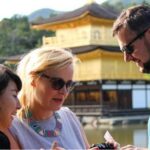
Kinkaku-ji is the Kyoto postcard you actually want to see: a Zen temple known as the Golden Pavilion. It began as the retirement villa of Shogun Ashikaga Yoshimitsu, which is why the whole place feels less like a museum and more like a historical mood board.
You’ll get about 30 minutes here. That’s enough time to see the pavilion views from the main approach and soak in the contrast between the shimmering structure and the surrounding temple grounds. Admission isn’t included, so plan on paying your own entry fee when you arrive.
How to get the most from your 30 minutes: arrive ready to move. Don’t try to “read every sign” and still expect great photos. Instead, pick your must-have angles early, then use the remaining time for calmer walking.
Kiyomizudera (Pure Water Temple)
Then you shift to Kiyomizudera, known for its wooden stage that juts out from the main hall. The stage sits roughly 13 meters above the hillside below, and it’s one of those structures people talk about because it feels daring—even before you learn the details.
You’ll have about 45 minutes. Admission isn’t included, so you’ll also pay here. This stop is big, which means it can feel crowded, especially during peak daytime. The guide’s job is to keep you from getting trapped in the slowest lanes.
Practical advice: if your group has anyone who wants fewer crowds, tell the guide at the start. You’ll often be able to adjust the path within the temple area without skipping the core experience.
Sannenzaka/Ninenzaka lanes and Yasaka Shrine: strolling Kyoto’s preserved charm
Other Kyoto tours and experiences to compare
Sannenzaka and Ninenzaka preserved districts
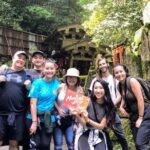
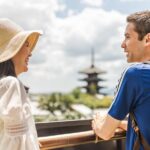
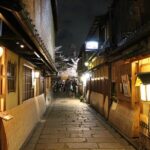
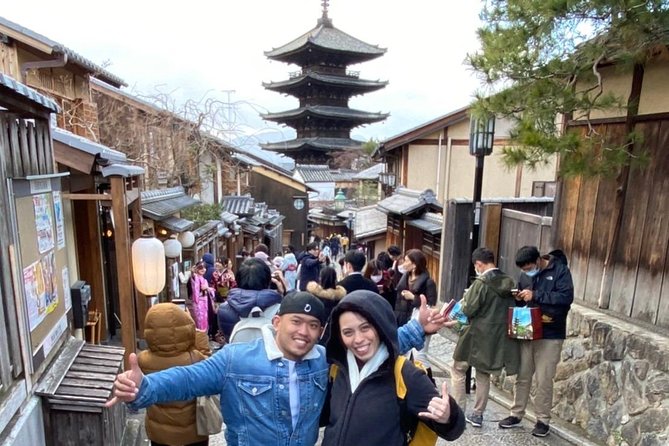
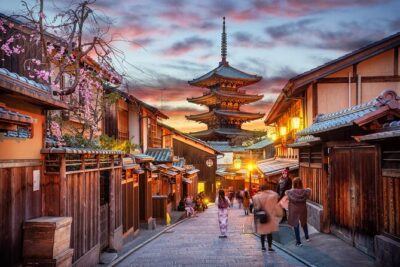
After the big temples, you switch into slower, street-level Kyoto. Sannenzaka and Ninenzaka are preserved districts—classic “walk and look” streets where stone steps, old-style storefronts, and atmosphere do most of the work for you.
This portion is around 45 minutes, and admission is free. That makes it a nice buffer when you want photos, small snacks, and shopping without another ticket line.
What to watch for: comfortable shoes. Those steps add up, and the streets can get busy. If you want calmer photos, keep an eye on timing and where groups cluster.
Yasaka Shrine (Gion Shrine)
Yasaka Shrine connects you directly to Kyoto’s festival identity. It’s tied to the Gion Matsuri, celebrated every July, and it’s well known for that long-running cultural spotlight.
You’ll spend about 30 minutes and admission is not included. Still, it’s a great stop for context: you see how Kyoto’s “now” (festivals, street life) ties to its “then” (shrines, traditions).
Photo tip: don’t only shoot the main frontage. Walk a little along the approach so you catch the shrine framing with street activity.
Fushimi Inari-taisha: torii gates, but don’t let it turn into a marathon
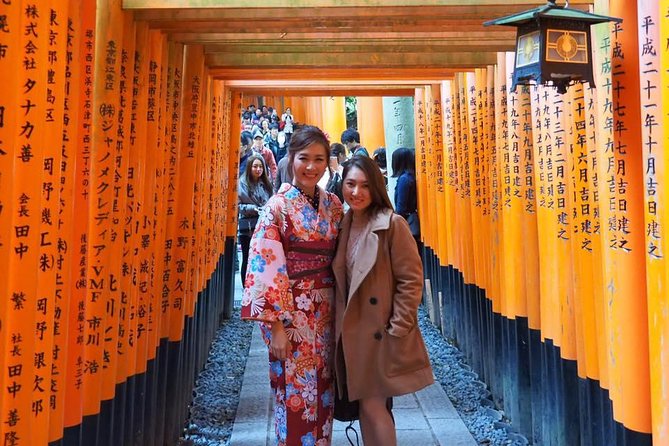
Fushimi Inari-taisha is famous for its thousand of vermillion torii gates forming a trail behind the main shrine. Even if you’ve seen photos before, it hits differently in person. The repeating gates create a tunnel effect that feels almost unreal.
This stop is short—about 15 minutes, and admission is free. That brevity is actually smart. A longer hike can be great, but if this is part of a full day, a guide-led “taste” keeps your energy for the rest of the itinerary.
How to pace it: decide in advance how far up the trail you want to go. With only 15 minutes, you’ll want to pick a turning point and not get drawn into the endless temptation of “just one more corridor.”
Arashiyama: bamboo forest mood plus Tenryuji’s Zen setting
Arashiyama is one of Kyoto’s top sightseeing areas, often described as the second most sightseeing district since the Heian period. It’s temples and shrines plus nature, with a laid-back feel compared with some central-city hotspots.
You’ll have about 1 hour here, and admission isn’t included (since you’ll likely include Tenryuji). The plan includes:
- Bamboo Forest (for that instantly recognizable visual rhythm)
- Tenryuji Temple, one of Kyoto’s well-known Zen temples, founded in 1339
What’s special: Arashiyama works because it changes your pace. You go from shrine intensity to something more breathing-space. The bamboo corridor is dramatic, but it can also be crowded—so again, the guide’s navigation matters.
Drawback to consider: bamboo photos can encourage stopping in the busiest spots. If you want better angles, ask your guide to help you find a less chaotic viewing line within the time you have.
Nishiki Market and Gion: food street energy and geisha-area atmosphere
Nishiki Market shopping district
Nishiki Ichibe is often called Kyoto’s kitchen. Think a narrow, about five-block shopping street lined with more than a hundred shops and restaurants. This is where you snack, browse, and watch locals shop.
You’ll get about 40 minutes, admission free. Since it’s a shopping area, it’s not about ticking a single monument. It’s about taste and texture—pick a few small things and don’t overcommit before you’ve even walked halfway.
Smart move: eat something small early so you don’t end up at the end with empty energy and no time.
Gion
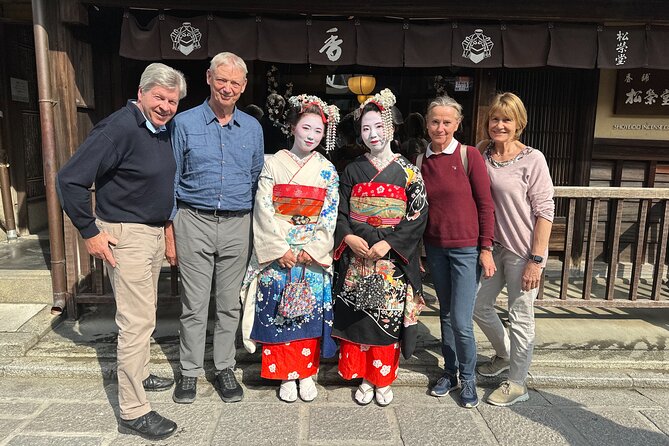
Then it’s Gion, Kyoto’s famous geisha district. You’ll spend about 30 minutes, admission free.
How to make it work: walk slowly and keep your eyes up. The charm isn’t just the big identity of the district; it’s the small details—street corners, traditional facades, and the feeling of being in a real neighborhood.
If your timing lands when the streets are packed, don’t stress. A guide can help you reposition for calmer viewing without losing the sense of place.
Ginkaku-ji, Sanjusangendo, and the Imperial Palace grounds
Ginkaku-ji (Silver Pavilion)
Ginkaku-ji is the Silver Pavilion, built by Ashikaga Yoshima, the grandson of Yoshimitsu. It mirrors Kinkaku-ji’s significance but with a different mood—more quiet and contemplative.
You’ll have about 30 minutes, and admission isn’t included. This stop is a good “reset” if the day has become too heavy with crowds. It’s still famous, but the pacing can feel smoother.
Photo advice: don’t chase one perfect shot the entire time. Capture the signature view first, then spend the remaining minutes on the surrounding garden rhythm.
Sanjusangendo (Temple of 33 Bays)
Sanjusangendo is famous for 1001 statues of Kannon, the goddess of mercy. That fact alone makes the interior feel like a visual event—even if you don’t know the full religious context.
You’ll have about 30 minutes and admission isn’t included. This is another site where you’ll benefit from a guide’s ability to explain what you’re looking at quickly, without turning it into a lecture.
Kyoto Imperial Palace
Next is Kyoto Imperial Palace, the former residence of Japan’s Imperial family until 1868, when the emperor and capital moved to Tokyo. Admission is free here, and you’ll spend around 30 minutes.
Why it matters: this stop adds structure to the day. Temples and shrines show Japan’s spiritual layers; the palace grounds add political context. Even if you’re not a “history person,” the scale and layout help you understand why Kyoto mattered for so long.
Nijo Castle and Eikando (Zenrinji): architecture and the autumn-minded vibe
Nijo Castle
Nijo Castle (Nijōjō) was built in 1603 as Tokugawa Ieyasu’s Kyoto residence. His grandson Iemitsu completed the palace buildings later. You’ll have about 45 minutes, and admission isn’t included.
What to expect: castles in Japan often mean more than defense—they mean power displayed through design. You’ll likely appreciate Nijo Castle most if you like seeing how architecture communicates authority.
Eikando Zenrinji Temple
Eikando, also known as Zenrinji Temple, belongs to the Jodo sect. It’s located just north of the Nanzenji complex, and it’s famous for its autumn appeal (though the exact season depends on when you go).
You’ll spend about 45 minutes, admission isn’t included.
Good reason to include it: it keeps the day from being all “same type of landmark.” After the castle, you shift to a temple experience with a different atmosphere.
Price and value for a group of up to 5
At $265.82 per group for about 8 hours, this can be a fair deal if you’re traveling with 2–5 people. Why? Because private guidance becomes cheaper per head as the group fills out.
You’re also getting practical extras that can save money indirectly:
- Help booking tickets and planning timing
- Photo and communication support
- Navigation done for you
Where costs can creep up: entry fees at major temples and shrines (since admission isn’t included for several of the most famous stops). If you plan to prioritize paid icons, budget for that in advance.
My value take: this tour is strongest for people who want to see a lot without the stress, and who would rather pay for guidance than spend time solving logistics.
Practical tips so your day stays easy
Here’s how to make this kind of custom Kyoto day feel effortless:
- Tell the guide your must-sees first. With a tailored route, you want your top priorities to be crystal clear before the day starts.
- Wear shoes you trust. Even when stops are short, Kyoto walking adds up fast—especially with steps at hillside streets.
- Plan for separate entry fees. Several highlights are not included, while some areas are free (like Nishiki Market, Fushimi Inari, and certain neighborhood stops).
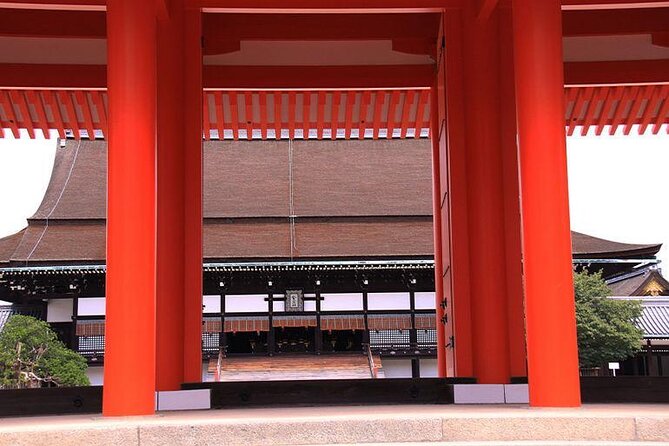
- Use the guide for more than directions. Ask for help communicating with vendors, finding the best photo angles, or timing around crowds.
- Keep an eye on the day’s pace. Some stops are only 15–30 minutes. That’s intentional, but it means you should focus on your “signature views” rather than trying to read everything.
And one last reality check: experiences with guides can vary. You’ll see a wide range of ratings—so if you’re picky about how well-informed and organized your guide is, message your expectations before you meet and be ready to adjust on the fly.
Should you book this private KYOTO walking tour?
Book it if you:
- Want a private, custom route instead of a rigid group schedule
- Prefer an English-speaking guide to manage navigation and practical communication
- Like mixing temple icons with neighborhood streets, markets, and Gion
Skip it (or at least consider alternatives) if you:
- Only want the cheapest option and don’t care about logistics support
- Have very limited mobility and can’t handle a day with walking and hillside areas
- Expect unlimited time at each big-ticket site (many stops are short on purpose)
If you’re visiting Kyoto for a limited time and want to see the highlights without turning your day into a planning project, this is a strong candidate. You’ll trade some flexibility for flow—and that’s often the best kind of trade in Kyoto.
FAQ
What’s the duration of the private Kyoto walking tour?
It runs for about 8 hours (approx.).
How many people are in a group?
It’s priced per group and is up to 5 people.
Is pickup available?
Yes, pickup is offered.
What’s included in the tour price?
The tour includes a travel companion, a personalized itinerary, and assistance throughout your trip. A mobile ticket is also provided.
Are temple and shrine entrance fees included?
No. Entrance fees are not included. Some stops are listed as admission free, but many paid sites are separate.
Is private transportation included?
No, private transportation is not included.
What does the itinerary include?
The day can include Kinkaku-ji, Kiyomizu-dera, Sannenzaka/Ninenzaka, Yasaka Shrine, Fushimi Inari-taisha, Arashiyama (including Bamboo Forest and Tenryuji), Nishiki Market, Gion, Ginkakuji, Sanjusangendo, Kyoto Imperial Palace, Nijo Castle, and Eikando Zenrinji.
Where does the tour end?
It ends back at the meeting point.
What happens if I cancel?
This experience is non-refundable and cannot be changed for any reason.
Are meals included?
No. Meals (breakfast, lunch, dinner) are not included.
More Walking Tours in Kyoto

More Tours in Kyoto


More Tour Reviews in Kyoto


Just added: more Kyoto tours to browse








Walking Tours, compared.
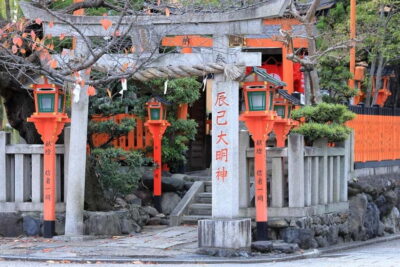 ★ 4.7Kyoto Geisha Walking Tour: Gion District & Hidden GemsFrom $253,273 reviews
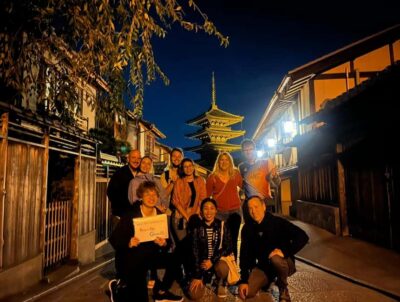 ★ 4.9Gion Magical Night Walking Tour with Geisha TriviaFrom $242,393 reviews
 ★ 4.7Gion Geisha District Walking Tour – Stories of GeishaFrom $202,187 reviews
 ★ 4.5Night Walk in Gion: Kyoto’s Geisha DistrictFrom $212,003 reviews
 ★ 5.0Kyoto Gion Geisha District Walking Tour – The Stories of GeishaFrom $251,441 reviews
 ★ 5.0Nishiki Market Brunch Walking Tour (7 Tastings + Brunch)From $681,355 reviews
 ★ 5.0Kyoto Arashiyama Walking Tour: Bamboo, Monkeys, Gardens & SecretsFrom $651,216 reviews
 ★ 5.0Kyoto Gion: 2-Hour Geisha Culture & History Walking TourFrom $231,186 reviews
Browse the lists this tour appears in