
Reviewed · KYOTO TEA CEREMONIES
Nerikiri and Matcha Making Class in Kyoto
Kyoto turns dessert into craft. This Nerikiri and matcha class teaches you step by step how tea-ceremony sweets are shaped, then you get to taste what you made. The whole session is designed to feel calm and focused, not rushed.
I particularly like the hands-on part, where you shape five different nerikiri designs rather than just watching. I also like that the instructor shows techniques with tools, so the process feels teachable and practical.
One thing to consider: it’s a small, structured class with limited space and no spectators, so it’s not the best fit if you want a casual walk-in food stop or extra people tagging along.
In This Review
- Key highlights at a glance
- Why this Kyoto nerikiri class feels special
- Matsugasaki Station meet-up and how your 2.5 hours run
- Nerikiri dough: you learn the process, even if it starts ready
- Shaping five nerikiri designs with tools and technique
- Table-style matcha: making tea after you’ve shaped sweets
- Taste time: what you learn when you actually eat your work
- Take-home sweets: how to bring nerikiri back intact
- Value check: is $84.92 a good deal?
- Who should book this Kyoto nerikiri and matcha class
- FAQ
- FAQ
- How long is the Nerikiri and matcha making class?
- What do I make and eat during the class?
- What’s included in the price?
- Where do I meet the instructor?
- Are there age limits or rules for spectators?
- Can I get nerikiri dough recipes after the class?
- Should you book this class?
Key highlights at a glance
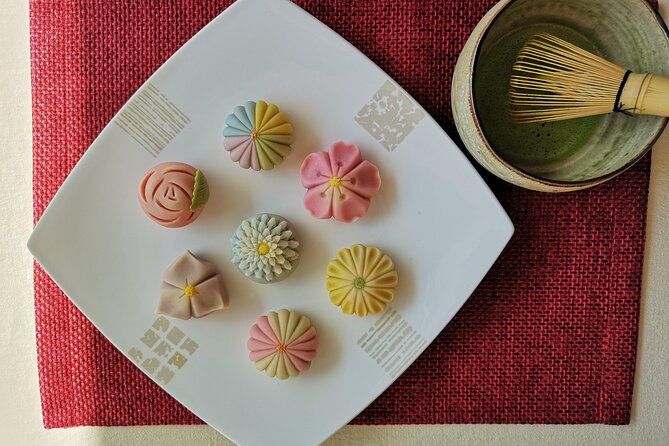
- Five nerikiri designs made by you, with guidance for shaping
- Peaceful, step-by-step instruction focused on skill, not just a show
- Table-style matcha you make and taste along with your sweets
- Take-home container provided, plus leftovers allowed
- After-class email recipes, including two dough versions, if you share your email
- Small group (max 8) and age limit for participants (10+)
Why this Kyoto nerikiri class feels special
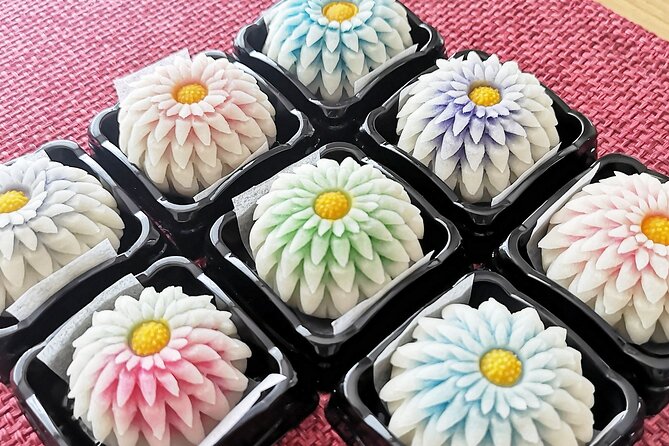
Kyoto has no shortage of tea experiences, but nerikiri work is different. Nerikiri (tea-ceremony confections) are all about form and detail. You’re not just making something sweet; you’re making something that looks like a little piece of design, then eating it with matcha. That combination makes the class feel both creative and grounded.
What makes this workshop especially appealing is the way it’s structured for learning. You’ll start with nerikiri dough basics (the kind that shapes well and stays workable), then move into hands-on technique for shaping. The session ends with you making matcha and tasting everything you made. It’s the rare food activity that has a clear “skill arc,” not just a photo moment.
And yes, the vibe matters. Nerikiri are described as peaceful and therapeutic, and the class format supports that. You get time to focus on small, precise moves. When a workshop is calm on purpose, you leave with a better sense of how the craft actually works.
Sit for another bowl of matcha in a Kyoto tea house


Matsugasaki Station meet-up and how your 2.5 hours run
The class meets at Matsugasaki Station (Matsugasaki Rokunotsubocho, Sakyo Ward). Start time is 10:00 am, and the experience runs about 2 hours 30 minutes. It ends back at the meeting point, so you don’t need to worry about getting yourself to a separate neighborhood afterward.
You’ll also get a mobile ticket, and the group size is capped at 8 travelers. For planning, that matters because smaller classes tend to work better for technique-based instruction. Here, the instructor can guide you while you shape, and you’re not competing for attention.
A couple practical notes you should plan around:
- Participants must be older than 10.
- Due to limited space, only people taking the class can attend. No spectators.
If you’re the type who likes structure, this schedule will feel comfortable: dough instruction, shaping practice (five designs), matcha-making, tasting, then wrap-up with take-home sweets.
Nerikiri dough: you learn the process, even if it starts ready
In this class, the nerikiri dough will be prepared by the instructor before you arrive. That’s a smart trade for most visitors. It means you spend your time on what you came for: learning the shaping steps and techniques rather than wrestling with dough timing.
Still, you won’t be left out of the “how.” The instructor explains and demonstrates how nerikiri dough is handled and worked through the design steps. Even if the dough is already prepared, understanding how it behaves helps you shape better. Dough that’s too firm or too soft changes everything about how cleanly details form.
After the class, you can request two versions of nerikiri dough recipes by email. The class notes say you’ll need to provide your email address if you want them. That detail is more useful than it sounds. Many food classes teach you technique, then you can’t recreate it. Here, you’re set up to practice again at home.
Shaping five nerikiri designs with tools and technique
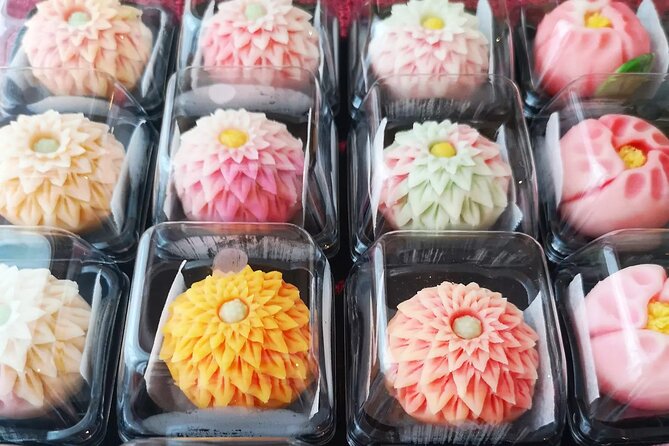
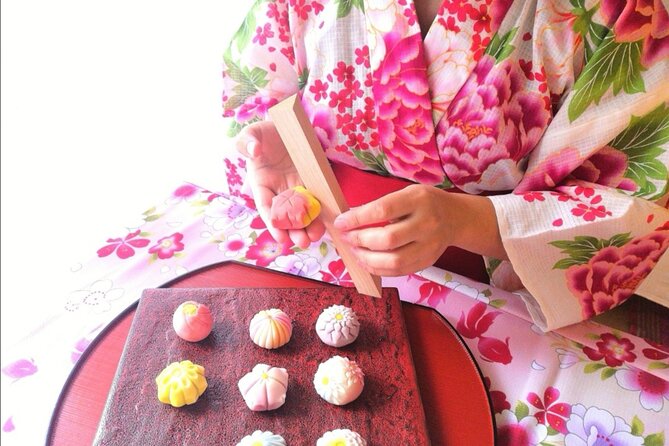
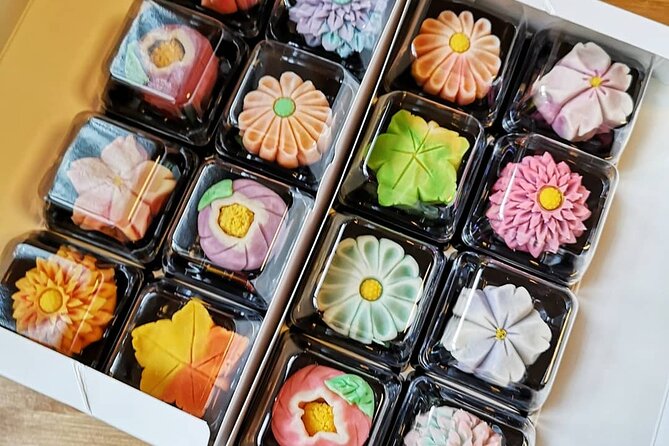
The big draw is simple: you make five nerikiri. Each one gives you another chance to practice how to shape, refine, and finish a design. Nerikiri are known for their beautiful forms, and this class is designed to teach the steps you need to get there.
You’ll learn how to shape each design using different techniques and various nerikiri tools. That’s important because nerikiri work isn’t one-move magic. It’s a collection of small skills—how you portion, how you press and shape, and how you use tools to create sharper edges and more consistent detail.
From a traveler’s perspective, this is where value shows up:
- You’re not limited to one design.
- You’re not stuck with a single method.
- You get repetition, which is how skill actually sticks.
It’s also why the class is limited to only participants. Tool work and shaping takes space and attention. If you bring the wrong expectations—like thinking you’ll mostly watch—you’ll miss the point. This workshop is about doing.
Also, there’s a subtle but real benefit: you’ll learn how nerikiri are built for the tea-ceremony style, where presentation matters. That makes your final products feel more meaningful than regular dessert-making.
Table-style matcha: making tea after you’ve shaped sweets
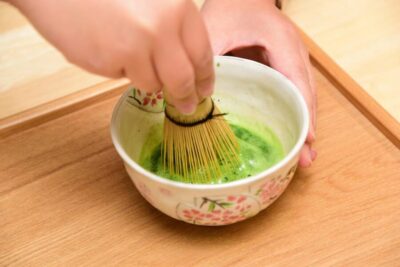
After your five nerikiri are shaped, you’ll move into matcha tea. The class focuses on making matcha in a table-style format, which is the practical version most visitors can grasp quickly.
You’ll make matcha, then enjoy it with your nerikiri.
Pairing matters here. Matcha isn’t just a drink you get on the side. It’s part of the traditional experience that gives nerikiri their context. When you taste your sweets alongside the tea, you get a more complete picture of why these confections show up in tea-ceremony settings.
If you’re new to matcha, don’t worry about being an expert. This class is structured to teach you the steps as part of the flow of the session. If you’ve made matcha before, you’ll still benefit from the focused, class setting where you can compare your habits to the instructor’s method.
Other Kyoto tours and experiences to compare


Taste time: what you learn when you actually eat your work
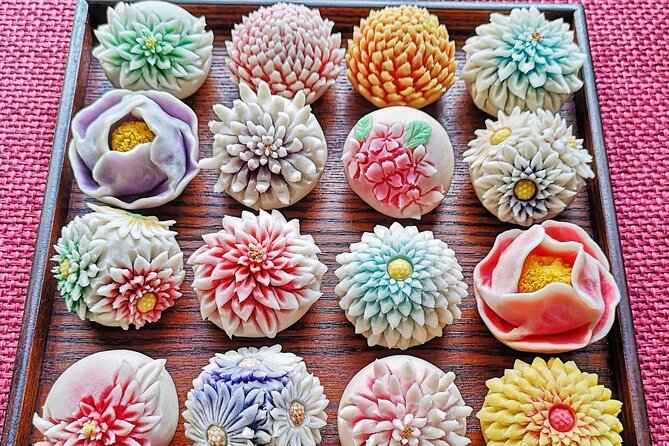
Eating your own wagashi creation is one of those moments that makes workshops worth it. You can see the shapes while you’re making them, but tasting brings reality in: how the sweetness works, how it pairs with matcha, and how delicate nerikiri can be in the mouth.
The class is built around that final step: enjoy matcha tea and nerikiri after shaping. It’s not just a formality. It helps you connect technique to outcome.
Also, because the dough and matcha are prepared for you in a guided class setting, you get a clearer baseline. You’re tasting something made with the steps you practiced, which is useful if you want to remake it later.
Take-home sweets: how to bring nerikiri back intact
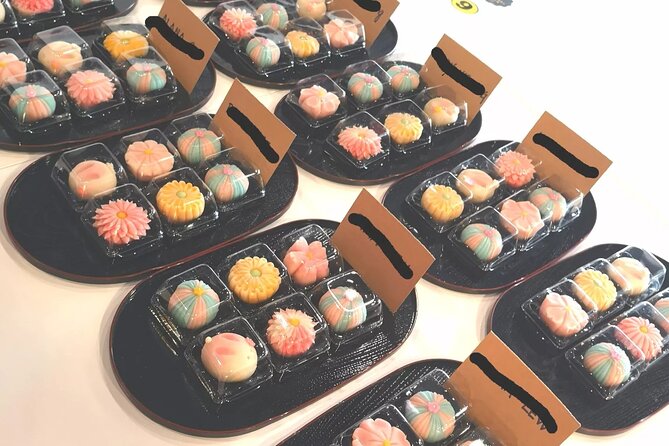
You can take the rest of your nerikiri home. A container is provided, specifically so you can transport your sweets without improvising.
That’s a nice practical touch for two reasons:
- You get to keep the work you did, not just eat it on the spot.
- You can share, even if you don’t finish everything yourself.
If you’re traveling with others, this is a good way to turn the class into a group memory. If you’re solo, it still works: you’ll have a Kyoto-made souvenir that tastes like real nerikiri, not just a packaged snack from a shop.
Value check: is $84.92 a good deal?
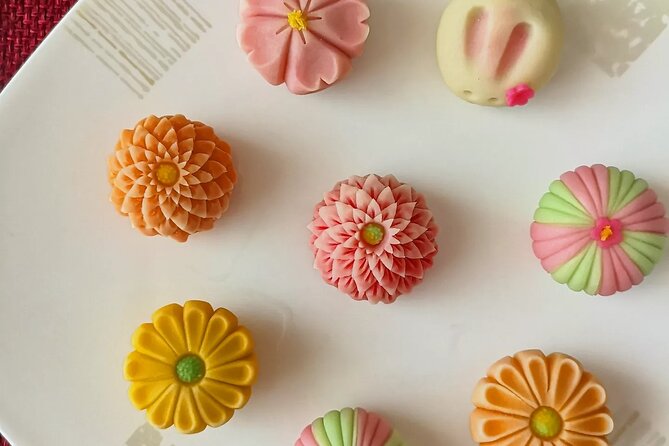
At $84.92 per person, this class isn’t the cheapest way to spend a morning in Kyoto. But the price includes the stuff that typically costs real money in a workshop: ingredients and materials for what you make, matcha, and even a container to take your sweets home.
More importantly, you’re paying for time with a structured teacher and a small group size (max 8). Because this is tool-based, technique-based crafting, you benefit from hands-on attention. If the class were larger, your guidance would likely thin out.
You also get an extra value layer that many classes don’t offer: two versions of nerikiri dough recipes emailed after class (if you share your email). That turns the workshop into something you can practice again, not just an event you remember.
So the best way to judge value is this: if you want to leave with more than photos—if you want a skill you can repeat—this price makes sense. If you mainly want a quick bite and a broad overview of Japanese sweets, you might find it too focused.
Who should book this Kyoto nerikiri and matcha class
This class is ideal if you want a quiet, structured experience and you’re willing to pay attention to technique. You’ll like it if:
- You’re interested in tea-ceremony sweets and want to understand how the shape work is done
- You enjoy hands-on crafts where repetition matters
- You want a small-group class that feels personal and organized
- You’re traveling with kids who are 10+ and can participate in a guided workshop
It may not be the best fit if:
- You hate hands-on activities and prefer watching
- You’re hoping for an open-ended food tasting without making anything
- You’re bringing a larger group that expects spectators to sit in
One more practical point: the class is peaceful and therapeutic by design. If your trip schedule has you bouncing from stop to stop all day, this is a solid reset.
FAQ
FAQ
How long is the Nerikiri and matcha making class?
It runs about 2 hours 30 minutes.
What do I make and eat during the class?
You’ll make 5 nerikiri designs, make matcha tea (table-style), and then enjoy the matcha with the nerikiri.
What’s included in the price?
Included are 5 nerikiri, matcha, and a container to take any remaining nerikiri home.
Where do I meet the instructor?
Meet at Matsugasaki Station, Matsugasaki Rokunotsubocho, Sakyo Ward, Kyoto, 606-0915, Japan. The activity ends back at the meeting point.
Are there age limits or rules for spectators?
Yes. Participants must be older than 10, and only people taking the class may attend due to limited space. No spectators are allowed.
Can I get nerikiri dough recipes after the class?
Yes. The dough recipes are sent by email after the class, with two versions of nerikiri dough. You’ll need to provide your email address if you want them.
Should you book this class?
If you want a Kyoto experience that’s more than a tasting and you’re interested in real technique, I’d book it. The mix of five hands-on nerikiri designs, then table-style matcha and a sit-down tasting makes the morning feel purposeful. The small group size and no-spectators rule also help keep the class focused.
If you’re short on time or you dislike detailed craft work, you might want something lighter. But if you like learning a skill you can recreate later with the provided recipes, this is the kind of workshop you’ll keep thinking about long after the tea ceremony sweetness is gone.
More Workshops in Kyoto
More Tour Reviews in Kyoto

One More Bowl of Matcha

Just added: more Kyoto tours to browse








Kyoto Tea Ceremonies, compared.
 ★ 4.9Tea Ceremony in a Traditional Tea House in KiyomizuFrom $493,519 reviews
 ★ 4.9Tea Ceremony Ju-An at Jotokuji TempleFrom $293,207 reviews
 ★ 4.345-Minute Tea Ceremony Lesson ExperienceFrom $222,378 reviews
 ★ 4.9Table-Style Tea Ceremony at a Kyo-MachiyaFrom $451,211 reviews
 ★ 5.0Kimono Tea Ceremony at Kyoto Maikoya, NISHIKIFrom $65911 reviews
 ★ 5.0Arashiyama Bamboo Forest, Monkeys, Matcha & Temple TourFrom $53759 reviews
 ★ 4.9Tea Museum Tickets and Matcha Grinding ExperienceFrom $23739 reviews
 ★ 4.9Kimono Tea Ceremony at Orizuruya GionFrom $49618 reviews
Browse the lists this tour appears in