
Reviewed · NARA DAY TRIPS FROM KYOTO
Nara Todaiji Kasuga Taisha Private Full Day Tour From Kyoto
Deer, lanterns, and the Great Buddha in one day. This private full-day Nara tour from Kyoto packs the big hits (Nara Park, Todaiji, Kasuga Taisha, plus Naramachi) into an 8-hour plan with an English-speaking guide and entrance fees covered for the main sights. I love the close-up time with the sika deer at Nara Park, and I also love how the day centers on Todaiji’s Great Buddha Hall, one of Japan’s most unforgettable indoor sights.
One thing to consider: you’ll handle your own train ride between Kyoto and Nara, and the walking adds up once you’re in the park and shrine areas.
In This Review
- Key highlights you can plan around
- Nara From Kyoto: Why This Day Trip Works
- Meet at Kyoto Station, Then Head to Nara
- Gyoki Statue With Fountain: A Quick Sense of Place
- Nara Park Deer Time: Sacred, Relaxing, and Photo-Friendly
- Todaiji Daibutsuden: The Great Buddha Hall Moment
- Lunch Break at Kotoya: Budget for the Japanese Meal
- Kasuga Taisha Lanterns and the Naramachi Stroll
- Kōfuku-ji: The Heijo-kyo Imperial Capital Context
- Guide Quality: English, Flow, and Those Small Fixes
- Price and Value: What You’re Really Paying For
- Logistics That Matter: Trains, Walking, and Meeting Point Clarity
- Who This Tour Is Best For
- Should You Book the Nara Todaiji Kasuga Taisha Private Full Day Tour From Kyoto?
- FAQ
- How long is the Nara Todaiji Kasuga Taisha private tour from Kyoto?
- Where do we meet the guide in Kyoto?
- Is hotel pickup or drop-off included?
- What’s included in the price?
- Is lunch included?
- Do I need to pay for transportation to Nara?
- Is the tour actually private?
- Are mobile tickets and free cancellation available?
- What should I expect to see besides Todaiji and Kasuga Taisha?
Key highlights you can plan around
- Private group, English-speaking guide: Just your group, not a mixed tour crowd.
- Nara Park’s deer time: Big open space, sacred messengers, and plenty of time to look and photograph.
- Todaiji (Daibutsuden) focus: You’re there for the UNESCO powerhouse housing the Great Buddha statue.
- Kasuga Taisha lantern scenery: Thousand-plus lantern vibe, then a historic stroll into Naramachi.
- Naramachi merchant lanes + retro stops: Short but fun wandering time for shops and older-style streets.
- Kōfuku-ji context: A helpful capstone about Heijo-kyo, Nara’s imperial-capital roots.
Nara From Kyoto: Why This Day Trip Works
Nara is one of the easiest “real travel” days you can do from Kyoto. The city is close enough that you can start early, see the major sites without feeling like you’re sprinting across Japan, and still return to Kyoto the same day.
This tour does something I really like: it groups the most meaningful stops into one flow. You’re not just jumping from random landmark to random landmark. You move from deer park to major temple hall, then to shrine lanterns and historic merchant streets, with a final temple stop that adds context on what Nara used to be.
And because it’s a private format, your guide can shape the pace. If your group likes photos, you’ll get more time where you want it. If your group wants to keep moving, you won’t get stuck waiting for other people.
More day trips out to Nara and its bowing deer
Meet at Kyoto Station, Then Head to Nara
The day starts at a clear, easy meeting point: the 7-Eleven Heart-In at JR Kyoto Station (Central Entrance Store) on 烏丸通塩小路下ル Higashishiokojicho, Shimogyo Ward, Kyoto. The tour is designed so you can find it fast and start right away.
From there, you’ll head to Nara by express train. The tour does not include hotel pickup, and it does not include transportation. That’s not a deal-breaker, but it does mean you should plan to travel light and be ready for a train day.
One small detail I appreciate: early pacing matters on this route. If you can get settled and moving right after the start, you’ll feel less squeezed by crowds around the biggest sites.
Gyoki Statue With Fountain: A Quick Sense of Place
On the way you pass the Gyoki Statue with a Fountain. It’s not the kind of stop that steals the whole day, but it helps set the tone: Nara isn’t only temples and deer. It’s also tied to people, legends, and local spiritual history that your guide can explain along the train route.
If your group likes a guide who talks as you travel instead of only at the stops, this part of the itinerary usually feels like a bonus.
Nara Park Deer Time: Sacred, Relaxing, and Photo-Friendly
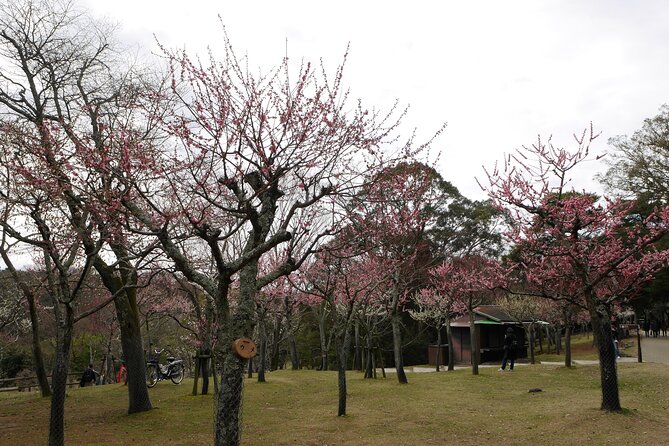
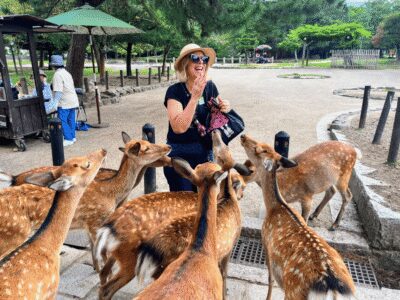
This is the moment most people actually remember. Nara Park gives you wide-open space, green areas, and the famous sika deer that roam freely.
The key is how you spend your time here. You’re not rushed through a quick photo line. You get a solid chunk of time to walk, look around, and meet the deer on their turf. They’re considered sacred messengers in Shinto tradition, which gives the whole scene more meaning than a zoo-style encounter. Also, deer photos in Nara look good even when the light isn’t perfect, because the park offers a natural “background set.”
Practical tip: wear comfortable shoes. The deer are charming, but the park path still needs walking, and you’ll be on your feet later too.
Todaiji Daibutsuden: The Great Buddha Hall Moment
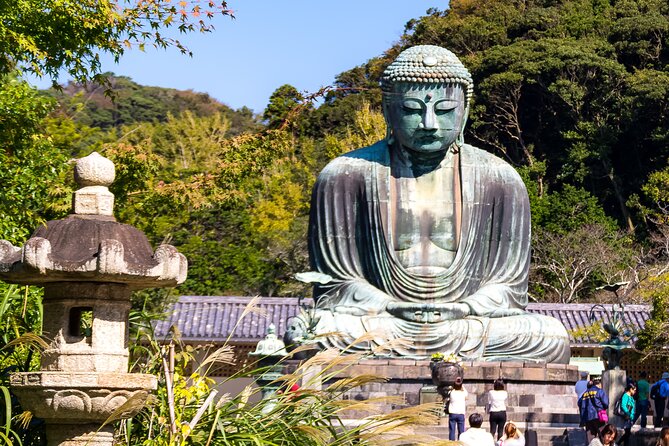
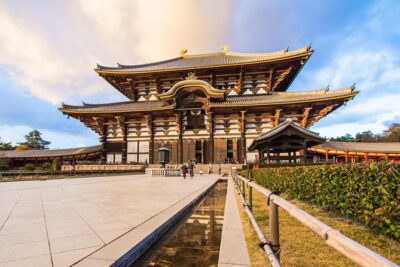
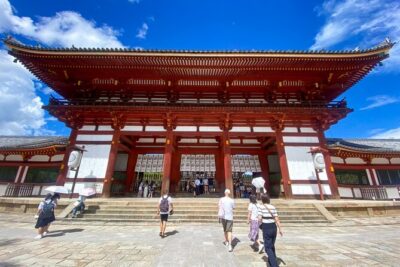
Then comes the main event: Todai-ji Daibutsuden, the Great Buddha Hall. This UNESCO World Heritage Site holds the Great Buddha (Daibutsu), one of the largest bronze Buddha statues in Japan.
What I like about centering the day here is simple: your brain goes from outdoor “Nara energy” (deer park) to a world-class indoor sight. It’s a shift, and it helps the day feel like more than just a checklist.
Inside, the space and scale do a lot of the work for you. Your guide helps you understand what you’re seeing, so you’re not just staring at a big statue with no context. People also appreciate when the guide points out what to notice first, so you get the best views without circling aimlessly.
One real-life consideration: this stop is popular, so time and guidance matter. An efficient, guided route helps you make the most of your time in the hall area.
Other Kyoto tours and experiences to compare

Lunch Break at Kotoya: Budget for the Japanese Meal
Lunch is planned around Kotoya Restaurant for a traditional Japanese meal, but it’s not included in the tour price. The cost is about JPY 2500, so treat it like part of your daily budget rather than a surprise.
You also get snacks included in the tour. That helps for the in-between moments, especially if you’re not hungry right on schedule.
My advice: plan to eat like you’re actually in Japan, not like you’re trying to “fit” lunch. If you’re paying attention to local flavors, this is a good time to do it. And if you see mochi offerings nearby, it’s an easy snack add-on that fits the area’s vibe.
Kasuga Taisha Lanterns and the Naramachi Stroll
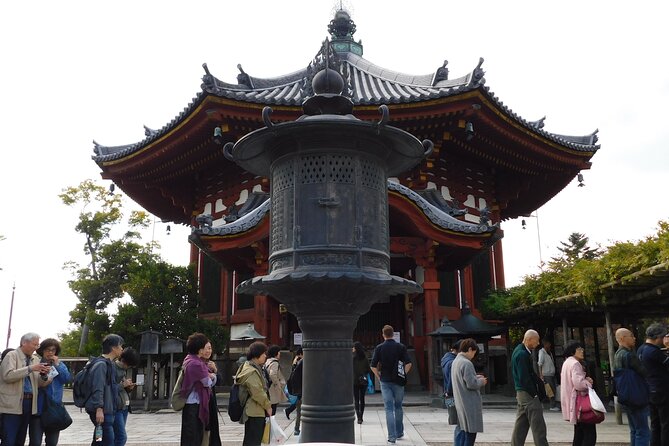
After Todaiji, you head toward Kasugataisha Shrine, where the lantern scene is the headline. Hanging lanterns cover the shrine area and create that unmistakable Nara mood.
This is one of the stops where your guide’s pacing really matters. If you move with purpose, you get the lantern views without feeling like you’re stuck in a crowd funnel. If you linger with the right timing, the shrine area starts to feel calm instead of chaotic.
Then you transition into Naramachi, where you can stroll narrower lanes lined with well-preserved traditional merchant houses. It’s a different feel than the big temple grounds: more human-scale, more street-level, and easier to explore at walking speed.
You’ll also have a shorter visit time in Naramachi for specialty shops and retro-style spots. It’s not a long shopping spree, but it’s enough to look, browse, and pick up a small souvenir if that’s your style.
Kōfuku-ji: The Heijo-kyo Imperial Capital Context
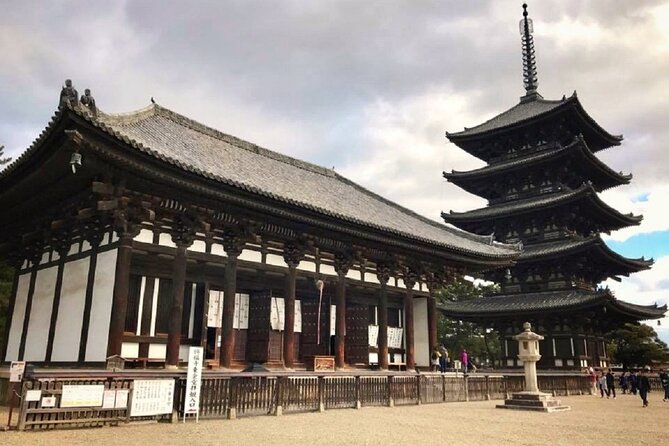
To close the day, you visit Kōfuku-ji. You’ll explore the temple grounds and get background on the establishment of Heijo-kyo, Nara’s imperial capital.
I like this final stop because it adds structure to everything you’ve seen. Earlier, you experienced spiritual sites and a living park. Kōfuku-ji puts Nara into a historical frame—why these places matter and how the city functioned as a capital.
Even if you’re not the type to memorize dates, a guide who explains the “why” helps the landmarks click into place.
Guide Quality: English, Flow, and Those Small Fixes
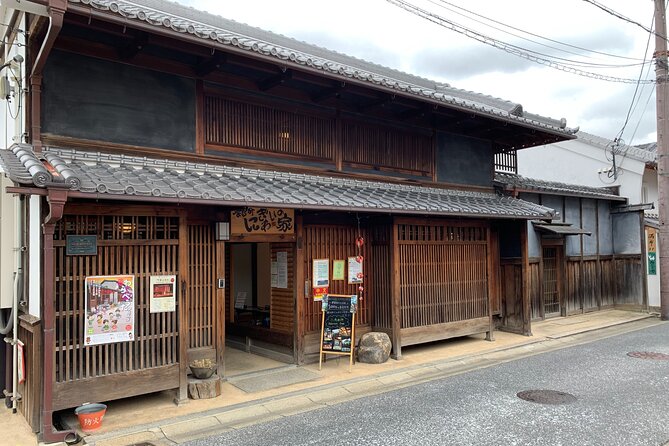
This tour includes an English-speaking guide, and the private format means you get more than standard commentary. You get a guide who can adjust when your group wants more story or needs more practical direction.
From what I’ve seen with this kind of tour leadership, the best guides do three things well:
- They explain the sites without turning them into a lecture.
- They help you avoid wasting time in the wrong spot.
- They share local context so the places feel connected, not separate.
In particular, guides like Katsuhiko Ishida, Yochee, Gustavo, Richard, and Yossi have been praised for strong English and for guiding people toward the best viewing angles. That matters because for iconic places like Todaiji and Kasuga Taisha, where you stand can change what you notice.
Price and Value: What You’re Really Paying For
At $195 per person, this isn’t a “budget only” day trip, but it can still be good value depending on how you travel.
Here’s what’s included:
- English-speaking guide
- Entrance fees for Todaiji Temple and Kasuga Taisha Shrine
- Snacks
Here’s what’s not included:
- Hotel pickup/drop-off
- Transportation between Kyoto and Nara
- Lunch (Kotoya meal around JPY 2500)
- Personal expenses
So you’re paying for guided time, entry into the main sites, and the convenience of a planned route. The big decision for you is the transport piece. If you’re comfortable using the train system, you’ll likely feel good about the price. If you want someone to meet you at your hotel and handle every mile, you may prefer a tour that includes transfers.
Also note: it’s booked well in advance on average (about 47 days). If you travel in peak seasons, grab your spot early so you don’t get stuck with awkward timing.
Logistics That Matter: Trains, Walking, and Meeting Point Clarity
Two practical realities:
1) You meet at Kyoto Station, not at your hotel. Plan to arrive a few minutes early and make sure your group is together. The meeting spot is straightforward, but Japan stations are still big.
2) You’ll walk. The tour moves through Nara Park, Todaiji area, Kasuga Taisha, Naramachi lanes, and Kōfuku-ji. Even with guidance, comfortable shoes are non-negotiable.
On transportation: the train ride is your responsibility. The data gives a ballpark one-way cost of JPY 1280, and it notes that you can use a JR Pass if you have one.
A small but helpful planning move: wear a light layer. Temple halls and shrine areas can feel different in temperature than the open park.
Who This Tour Is Best For
This is a strong choice if you:
- Want a private experience with an English-speaking guide.
- Prefer a guided route over figuring everything out between Kyoto and Nara.
- Care about the big, iconic sights: deer park, Todaiji Great Buddha Hall, Kasuga Taisha lanterns, and historic Naramachi streets.
- Like learning the “why” behind sites, not just taking photos.
You might skip it if you:
- Want hotel pickup and door-to-door transport.
- Are fine doing Nara entirely on your own and you don’t value a guide’s explanations.
Should You Book the Nara Todaiji Kasuga Taisha Private Full Day Tour From Kyoto?
I’d book it if your top goal is a smooth, meaningful day. The mix of Nara Park deer time, the UNESCO weight of Todaiji, and the lantern atmosphere of Kasuga Taisha, plus the added stop at Kōfuku-ji, makes this more than a quick hit-and-run. Add a private group and guided pacing, and the day feels efficient without being stressful.
The main reason not to book is simple: you handle your own train travel and you’ll pay extra for lunch. If that fits your style and budget, this is a very solid way to do Nara from Kyoto in one day.
FAQ
How long is the Nara Todaiji Kasuga Taisha private tour from Kyoto?
The tour is listed at about 8 hours.
Where do we meet the guide in Kyoto?
You meet at the 7-Eleven Heart-In store at JR Kyoto Station Central Entrance. The address is烏丸通塩小路下ル Higashishiokojicho, Shimogyo Ward, Kyoto, 600-8216, Japan.
Is hotel pickup or drop-off included?
No. Hotel pickup and drop-off are not included. The tour returns to the meeting point.
What’s included in the price?
The tour includes an English-speaking guide, entrance fees for Todai-ji Temple and Kasuga Taisha Shrine, and snacks.
Is lunch included?
No. Lunch at Kotoya Restaurant is not included, and it’s listed at around JPY 2500.
Do I need to pay for transportation to Nara?
Yes. Transportation is not included. The one-way train cost is listed as JPY 1280, and the JR Pass can be used.
Is the tour actually private?
Yes. It’s described as private, meaning only your group participates.
Are mobile tickets and free cancellation available?
Mobile ticketing is included. The tour also offers free cancellation up to 24 hours in advance for a full refund.
What should I expect to see besides Todaiji and Kasuga Taisha?
You also visit Nara Park to see the free-roaming deer, stroll in Naramachi, and explore Kōfuku-ji in the Kōfuku-ji temple grounds.
More Tours in Kyoto




More Tour Reviews in Kyoto


More Nara Day Trips

Just added: more Kyoto tours to browse








Nara Day Trips from Kyoto, compared.
 ★ 4.7Kyoto/Osaka: Nara, Fushimi Inari Taisha, Arashiyama Bus TourFrom $521,275 reviews
 ★ 4.4Osaka/Kyoto: Arashiyama, Nara & Fushimi Inari Shrine w/LunchFrom $61754 reviews
 ★ 4.5Kyoto and Nara Day Trip from KyotoFrom $194445 reviews
 ★ 5.0Full Day Guided Tour to Kyoto and Nara from Osaka by VanFrom $106420 reviews
 ★ 4.5Nara Afternoon Tour from Kyoto or OsakaFrom $102390 reviews
 ★ 4.6From Kyoto: Nara Guided Morning TourFrom $77335 reviews
 ★ 4.6Kyoto/Osaka: Kyoto and Nara Customized Private Guided TourFrom $477258 reviews
 ★ 5.0Nara Park, Osaka & Kobe from Kyoto Full Day tourFrom $90207 reviews
Browse the lists this tour appears in