
Reviewed · KYOTO TEA CEREMONIES
Matcha Grinding Experience and Walking Tour in Uji Kyoto
Matcha in Uji feels different from matcha anywhere else. You start in Kyoto’s tea capital, walk temple and shrine grounds tied to everyday Japanese life (yes, the 10-yen coin), and finish by grinding your own powder on a traditional stone mill. This isn’t just sightseeing; it’s hands-on tea making with a guided walk so the sights actually make sense.
I especially like the stone-grinding workshop because you get to do the work, not just watch it. And I really like that you get to pair what you made with Japanese sweets or matcha ice cream, so the experience ends with a taste you can connect to the process.
One thing to consider: this tour involves a bit of walking and a mask requirement during the matcha workshop, so plan for comfort and bring a mask you’re okay wearing for that portion.
In This Review
- Key highlights to know before you go
- Matcha in Uji and the 10-yen Coin Factor
- 9:30 Start, About 4 Hours, and a Very Manageable Group
- Byodo-in Temple: Admission Included and Worth Slowing Down For
- Uji Shrine Stop: A Break From Temple-Only Tourism
- Fukujuen Ujicha Kobo and the Matcha Stone Grinding Workshop
- Why the Guide Matters: Vincent and the Art of Explaining What You See
- Value Check: Is $130.46 Worth It?
- Who Should Book This Uji Matcha Tour (and Who Might Skip It)
- Final Call: Should You Book It?
- FAQ
- What is the meeting point for the tour?
- What time does the tour start?
- How long is the experience?
- How many people are in a group?
- What’s included in the price?
- Is hotel pick-up included?
- Is WhatsApp required, and do I need to wear a mask?
- What’s the cancellation policy?
Key highlights to know before you go
- Byodo-in Temple (UNESCO) with admission included, plus the famous look tied to the 10-yen coin
- Hands-on matcha grinding using a traditional stone mill, then drinking your fresh tea
- Small group size (max 6), which often makes the pacing feel relaxed and personal
- Tea-town walking stops including Uji Shrine and Fukujuen Ujicha Kobo
- Choice of snacks or matcha ice cream included after the workshop
Matcha in Uji and the 10-yen Coin Factor
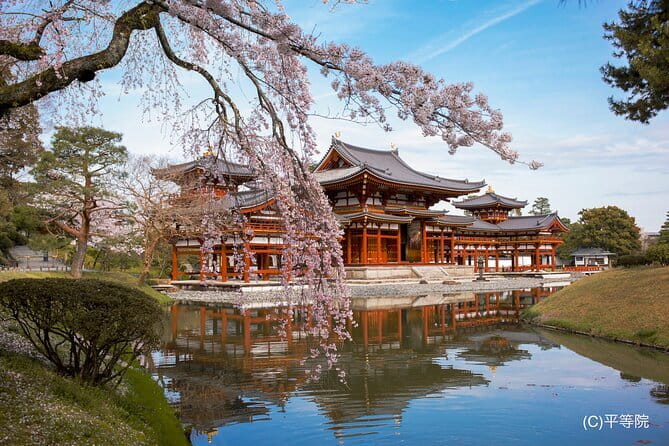
Uji is often called Japan’s top matcha region, and the tour makes that claim feel real fast. The star stop is Byodo-in Temple, a UNESCO World Heritage Site that’s famous for the exact scene many people recognize from the 10-yen coin. Even if you already know the coin image, seeing it in person changes the scale and the details—wood, reflections, and the way the space is arranged for calm viewing.
The big win here is that you don’t just arrive, take photos, and move on. The guide helps you connect what you’re seeing to why Uji became such a tea-focused place. That makes the temple stop more than a checklist item.
A practical note: temple grounds can mean uneven surfaces and lots of stair-like moments. You’ll be on your feet through multiple stops, so comfortable shoes matter.
Sit for another bowl of matcha in a Kyoto tea house


9:30 Start, About 4 Hours, and a Very Manageable Group
This experience runs for about 4 hours and starts at 9:30 am. It’s also designed for a small group: a maximum of 6 travelers. I like this size because you can actually hear the guide and ask questions without feeling like you’re shouting over a crowd.
There’s no hotel pick-up. You’ll meet at Shinshindo near Kyoto Station (Central Exit area). If you’re coming from another part of Kyoto, give yourself a little extra time to locate the exact meeting spot so you’re not stress-running in the morning.
A couple more details that help:
- You’ll use a mobile ticket (so keep it handy on your phone).
- You should make sure WhatsApp is available before the tour, since the guide uses it for communication.
If you’ve got a phone with WhatsApp set up, you’ll have an easier time finding the group and staying on pace.
Byodo-in Temple: Admission Included and Worth Slowing Down For
The tour begins at Byodo-in Temple, and the admission fee is included. That matters because Byodo-in isn’t the kind of place you can casually glance at. It’s about architecture, layout, and atmosphere—especially in the morning light.
What I like about this stop on a guided format is the way the guide frames what you’re looking at. Instead of treating it like a photo stop, you start noticing how the temple’s look became an icon. The famous 10-yen connection is the hook, but the value is learning what you’re seeing and how it fits into Uji’s identity.
What to keep in mind:
- Go in ready to look slowly. If you only skim, you miss the point.
- Bring water. You’re likely to walk more than you think in a four-hour day.
Uji Shrine Stop: A Break From Temple-Only Tourism
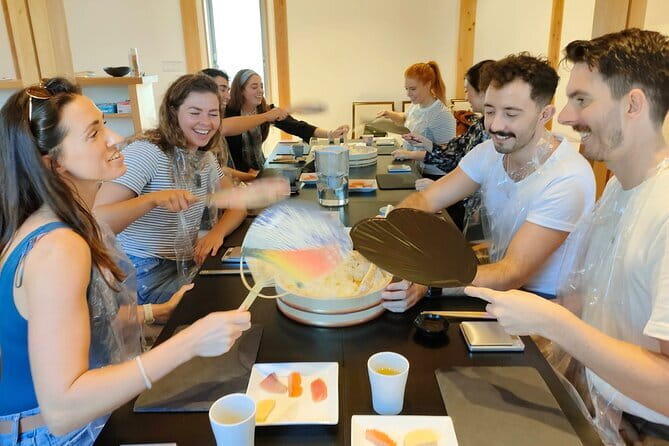
Between the big temple moment and the matcha workshop, you’ll also stop at Uji Shrine. This is the kind of add-on that helps the day feel like Uji as a living town rather than a set of monuments.
Shrines can sometimes feel like background scenery if you don’t know what you’re seeing. With a guide, you can pay attention to things like placement, symbolism, and how the shrine fits into everyday Japanese spiritual life. It’s also a good chance to reset your legs before the workshop segment.
This stop isn’t described as a major time-consuming highlight compared to Byodo-in, but it works well as a breathing space—short, interesting, and tied to the theme of the day.
Fukujuen Ujicha Kobo and the Matcha Stone Grinding Workshop
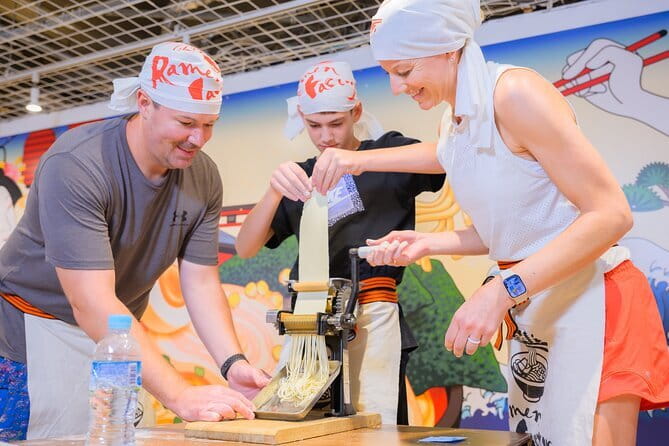
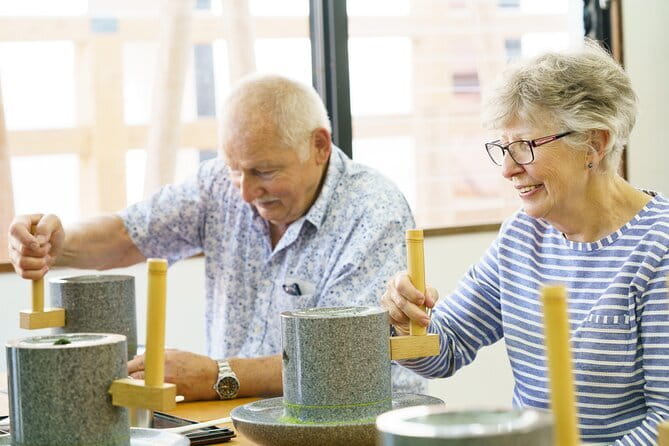
Now for the part you came for: the matcha making. The workshop happens at Fukujuen Ujicha Kobo, where you’ll grind tea leaves into matcha powder using a traditional stone mill.
This is one of those experiences where the process is the point. Grinding isn’t just a gimmick. The guide helps you understand why the method matters and what you’re actually doing when you go from leaves to powder. And because you grind it yourself, you get a better sense of what fresh matcha tastes like and how it connects to Uji’s reputation.
A key detail: wear a mask during the matcha making workshop. I’d treat this as a real planning item, not an afterthought. Bring something comfortable and breathable, and keep it easy to put on and off for the rest of the day.
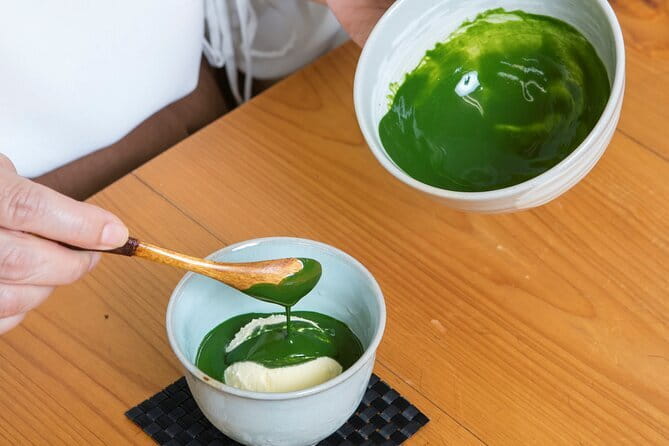
After grinding, you’ll enjoy your fresh matcha tea with your choice of:
- Japanese snacks, or
- Matcha ice cream
I like that this is included because it turns matcha from an abstract “tea moment” into a full experience you can actually remember. You’ll leave with taste + context, not just photos of powder dust.
More matcha and riverbank temples out in Uji

Why the Guide Matters: Vincent and the Art of Explaining What You See
The quality boost in this kind of tour usually comes from one thing: can the guide make the day click? The guide for this experience is named Vincent (in multiple cases), and the standout theme from him is how friendly and clear he is.
In particular, Vincent is praised for explaining what you’re seeing as you go—so temple details and shrine features feel connected instead of random. He also shares local context about Uji’s tea culture, which helps you understand why the walking route and the workshop belong together.
If you want to get the most out of the day, come with one or two simple questions. For example:
- What makes Uji tea different from other green tea?
- What should I notice when I compare matcha tastes?
- What part of the temple design is people most often surprised by?
With a small group and a guide who actually talks through the sights, you’ll likely get answers that make your next matcha cup at home taste more specific.
Value Check: Is $130.46 Worth It?
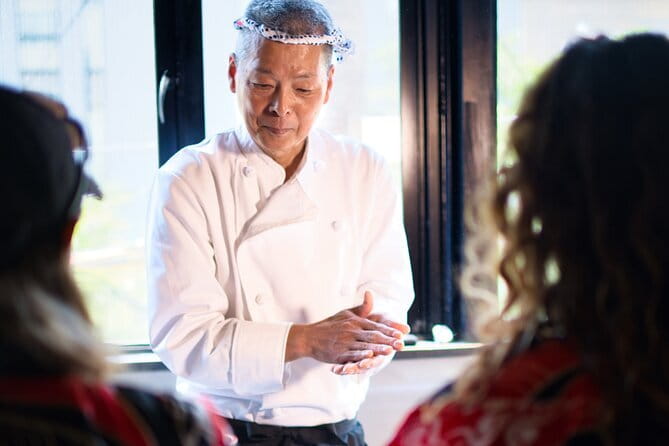
At $130.46 per person for roughly four hours, the price may feel steep at first glance—until you break down what you’re getting.
Here’s the value math I’d use:
- Temple admission for Byodo-in is included.
- You’re getting a real matcha making class, not just a tasting.
- You also get snacks or matcha ice cream included.
- It’s guided in English and capped at a maximum of 6.
When I see those pieces bundled—especially the hands-on workshop plus Byodo-in admission—I see better value than tours that charge similar amounts for generic walking and a quick stop.
Could it be cheaper if you went on your own? Sure. But you’d be paying for the gaps the tour fills: guidance, translation, and the hands-on process that turns matcha into something you experience, not just consume.
Who Should Book This Uji Matcha Tour (and Who Might Skip It)
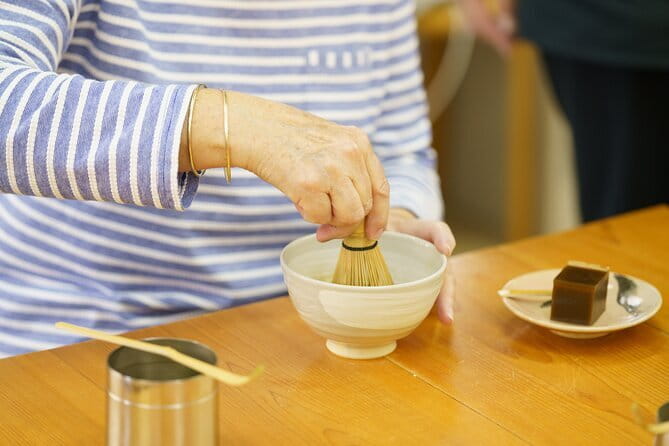
This tour is a strong match if you:
- Love matcha and want the maker’s view of how it’s produced
- Want a half-day plan that combines temple + tea culture + a workshop
- Prefer small groups and guided pacing rather than doing everything alone
It might not be the best fit if you:
- Have mobility limits and want a very low-walking day (this is a walking format)
- Hate masks and aren’t comfortable with the matcha workshop requirement
If you’re trying to fit Uji into a Kyoto itinerary, this also helps because it’s structured. You’ll see key spots without getting stuck in “what now?” mode.
Final Call: Should You Book It?
Yes, I’d book it—if your ideal day in Japan includes tea culture you can taste and touch. The big selling points are the stone-mill matcha grinding (you do it), the Byodo-in experience (UNESCO and iconic), and the small-group feel that keeps the guide’s explanations relevant.
If you’re the kind of person who enjoys learning why a place matters—not just where it is—this tour is one of the cleanest ways to spend a morning in Uji. Just plan for the mask during the workshop and wear shoes that handle a temple-walk day.
FAQ
What is the meeting point for the tour?
You’ll meet at Shinshindo – JR Kyoto Station area, at the bus ticket center/inner area by the Central Exit, at Higashishiokōjichō, Shimogyo Ward, Kyoto (near Kyoto Station).
What time does the tour start?
The tour starts at 9:30 am.
How long is the experience?
The duration is about 4 hours.
How many people are in a group?
The group has a maximum of 6 travelers.
What’s included in the price?
Included: Byodo-in Temple admission, the matcha making class, and Japanese snacks or matcha ice cream.
Is hotel pick-up included?
No. Hotel pick-up isn’t included.
Is WhatsApp required, and do I need to wear a mask?
WhatsApp should be available before the tour because the guide uses it to contact you. And yes, you need to wear a mask during the matcha making workshop.
What’s the cancellation policy?
You can cancel for free up to 24 hours in advance for a full refund. Canceling less than 24 hours before the start time won’t be refunded.
More Tour Reviews in Kyoto




More of Uji and Its Matcha
One More Bowl of Matcha

Just added: more Kyoto tours to browse








Kyoto Tea Ceremonies, compared.
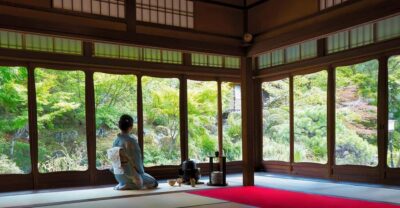 ★ 4.9Tea Ceremony in a Traditional Tea House in KiyomizuFrom $493,519 reviews
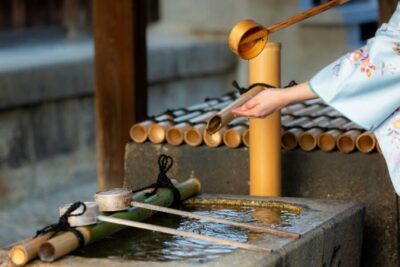 ★ 4.9Tea Ceremony Ju-An at Jotokuji TempleFrom $293,207 reviews
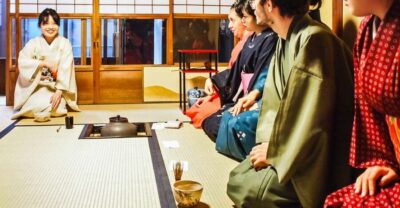 ★ 4.345-Minute Tea Ceremony Lesson ExperienceFrom $222,378 reviews
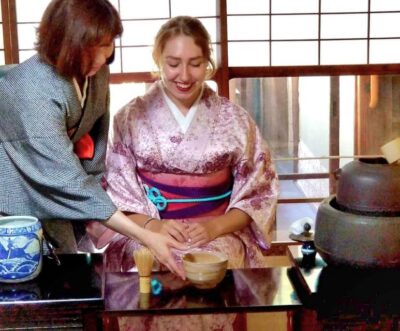 ★ 4.9Table-Style Tea Ceremony at a Kyo-MachiyaFrom $451,211 reviews
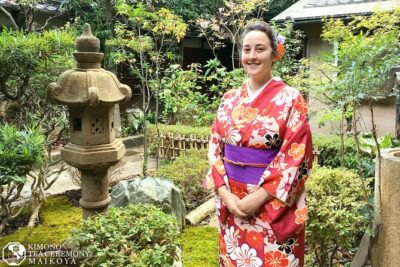 ★ 5.0Kimono Tea Ceremony at Kyoto Maikoya, NISHIKIFrom $65911 reviews
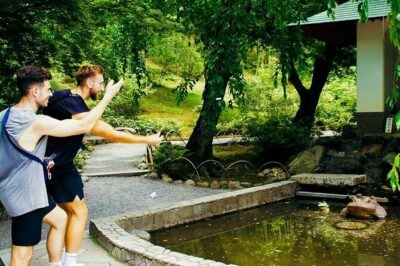 ★ 5.0Arashiyama Bamboo Forest, Monkeys, Matcha & Temple TourFrom $53759 reviews
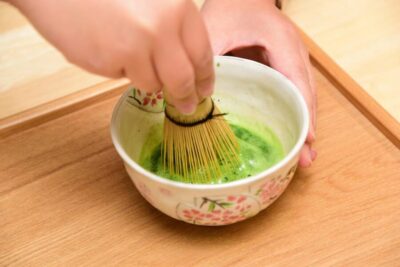 ★ 4.9Tea Museum Tickets and Matcha Grinding ExperienceFrom $23739 reviews
 ★ 4.9Kimono Tea Ceremony at Orizuruya GionFrom $49618 reviews
Browse the lists this tour appears in