
Reviewed · KYOTO TEA CEREMONIES
Kyoto: Uji Matcha Tea Museum Entry Ticket
Matcha has a story worth seeing.
With the Kyoto: Uji Matcha Tea Museum Entry Ticket, you get a focused look at how high-quality Uji tea is made and why it matters, without needing a tea degree. I especially like that the Uji Tea Room (Uji-cha no Ma) answers real questions you’d ask at a tea shop, from Gyokuro vs Sencha to how to make tasty tea. I also like the history side, with a huge 10-yen coin featuring the Byodoin Phoenix Hall and a 4K screen showing Uji townscape drawings. One drawback to consider: it’s mostly museum-style learning, so if you want a hands-on cooking class or a guide-led tasting, you may find it a bit self-guided.
This is a simple 1-day ticket that’s wheelchair accessible, and it works well for kids, teens, and adults who just want to understand what they’re drinking. The museum leans on touch-friendly digital displays, so you can move at your own pace and still pick up a lot of practical tea knowledge. And yes, the last corner has a dedicated tea-themed photo spot, so save a little energy for pictures.
In This Review
- Key Things You’ll Actually Like
- Uji Matcha Tea Museum Ticket: Small Price, Big Tea Context
- Uji Tea Room (Uji-cha no Ma): From Tea-Making to Gyokuro vs Sencha
- Digital Exhibitions That Don’t Feel Like Homework
- History Room: The 10-yen Coin Moment and Uji’s Tea-Linked Past
- Tea-Themed Photo Spot: End Your Visit With Something Fun
- How This Fits a Kyoto-Area Day (and Who Should Book It)
- Ticket Value, Cancellation, and Accessibility Notes
- Should You Book This Uji Matcha Tea Museum Entry Ticket?
- FAQ
- How much does the Kyoto: Uji Matcha Tea Museum Entry Ticket cost?
- How long is the visit?
- What’s included with the ticket?
- Can I cancel if my plans change?
- Is there an option to pay later?
- Is the museum wheelchair accessible?
- Who provides the experience?
Key Things You’ll Actually Like
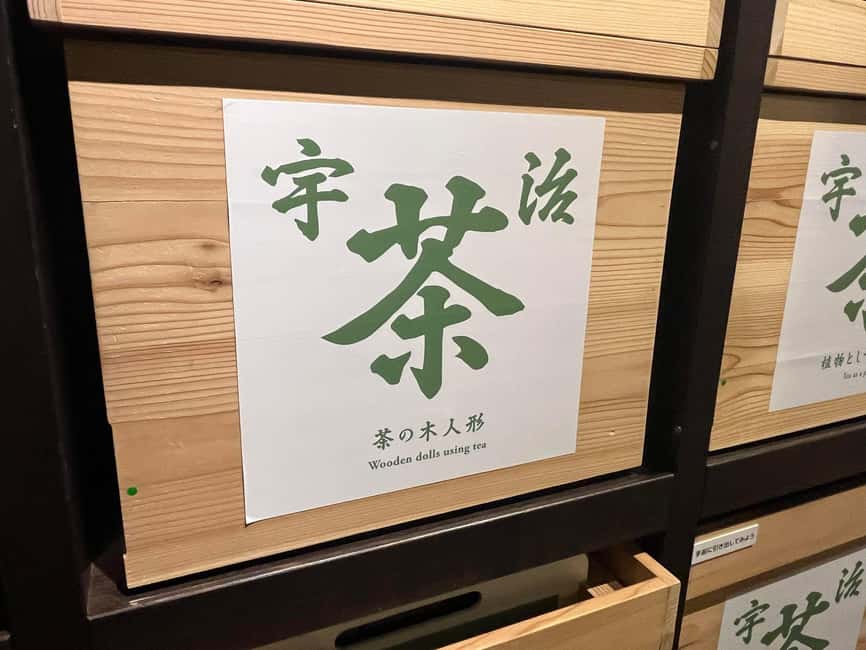
- Uji Tea Room Q&A style: answers questions like how Uji tea is made and what makes Gyokuro different from Sencha.
- Touch and experience the tea: digital displays let you interact, not just read labels.
- History Room visuals: a massive 10-yen coin with the Byodoin Phoenix Hall anchors the story fast.
- A 4K HDTV must-see: the Meisho-zue townscape drawings on a big screen are a highlight.
- Photo stop at the end: a tea-themed spot in the last corner is made for fun pictures.
Uji Matcha Tea Museum Ticket: Small Price, Big Tea Context
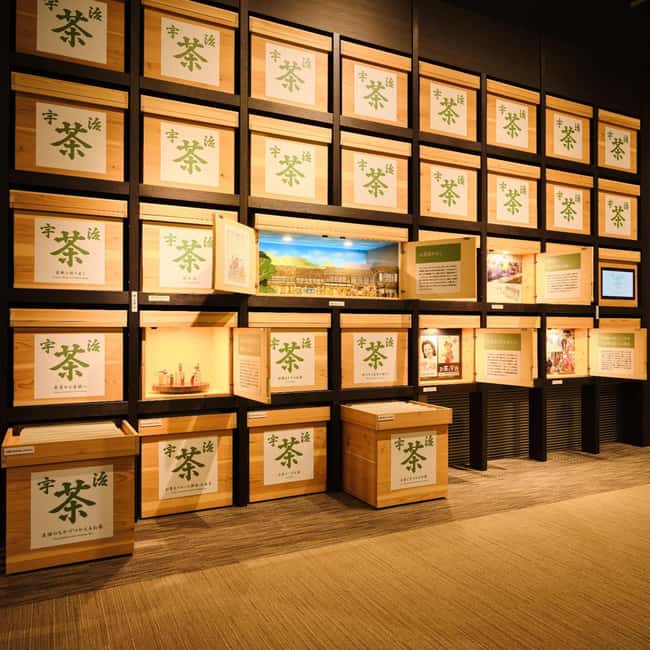
At $3.87 per person for a full 1-day visit, this ticket is priced like a quick add-on and still delivers a lot of learning value. You’re not paying for a long walking tour. You’re paying for access to two themed rooms where the museum explains tea production and Uji’s tea-linked history in a way you can follow.
The big advantage is that you leave with more than “matcha is green.” You start to understand the building blocks: how Uji tea gets its identity, and how different types like Gyokuro and Sencha relate to the bigger idea of tea quality. That matters when you later order tea in Kyoto or Uji. You’ll be able to ask better questions and spot what you’re actually tasting.
The other reason this feels like good value: it’s built for mixed ages. If you’re traveling with kids, you won’t be trapped in a quiet classroom vibe. If you’re an adult who just wants clarity, it won’t feel like watered-down content either. The museum keeps pointing you toward the same goal: understanding why Uji tea is special and how it’s produced.
Sit for another bowl of matcha in a Kyoto tea house

Uji Tea Room (Uji-cha no Ma): From Tea-Making to Gyokuro vs Sencha
The Uji Tea Room (Uji-cha no Ma) is where the ticket earns its keep. Instead of throwing facts at you, it frames tea like a set of questions. You’ll see information on things like how tea is made, the birth story behind Uji tea, and answers to the kind of questions people actually ask when they’re trying to understand tea.
One of the most practical sections focuses on the difference between Gyokuro and Sencha. That’s a big one because those terms show up on menus, but many people don’t know what they imply. When you learn the basics here, you can read a tea selection with more confidence later.
The room also covers ideas around making delicious tea. That doesn’t mean you leave with a single “perfect recipe” carved in stone. It means you pick up the logic behind better cups—what to pay attention to and why certain methods produce different results. In other words, it turns matcha from a vibe into something you can understand.
And the best part? You don’t just watch. The museum’s digital exhibitions include sections where you can touch and experience the tea. That simple step changes the experience. You’re not only absorbing information; you’re connecting it to what you’re seeing and feeling.
Digital Exhibitions That Don’t Feel Like Homework
This museum leans heavily on digital displays. But it avoids the problem many tech-heavy attractions have: too much screen time and not enough meaning. Here, the information is organized around common tea questions, so each screen feels like it’s answering a prompt.
You’ll likely find yourself skipping ahead and backtracking. That’s not a failure. It’s part of how the Uji Tea Room is set up. You can focus on production, jump to the story behind Uji tea, then return to differences between tea types. If you’re traveling with someone who likes details and someone else who just wants the highlights, this layout helps everyone find their pace.
Because you can touch and experience the tea, the museum keeps things grounded. It’s one thing to hear about how tea is made. It’s another to have a chance to connect the topic to the tea itself. Even if you already know a bit about matcha, you’ll probably pick up a few clearer explanations you can reuse.
Also, the museum has a calm, family-friendly feel. The learning is structured enough that kids can follow it, but detailed enough that adults won’t feel bored. That balance is hard to pull off, and it’s a big reason the ticket works so well as a low-stress activity.
History Room: The 10-yen Coin Moment and Uji’s Tea-Linked Past
If the Uji Tea Room is about how tea is made, the History Room explains why Uji tea has a place in the story of the region.
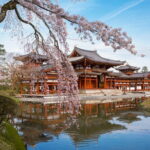
A huge 10-yen coin featuring the Byodoin Phoenix Hall greets you. That’s a clever move because it anchors the history in something familiar. You don’t need to know the architecture before you feel oriented. You just need to look closely and then follow the visuals into the bigger story.
From there, the museum tackles how Uji and the Uji River changed over time. It links those changes to the town’s broader history, so you’re not stuck with tea as a standalone product. You’re shown tea as part of a lived place—shaped by geography, community, and the way the town developed.
Then comes another standout: a huge 4K HDTV digital screen with townscape drawings called Meisho-zue. That kind of screen can go either way—overhyped or genuinely impressive. Here, it’s built like a key showpiece, so you’ll want to slow down and take in the details rather than treating it like background entertainment.
Tea-Themed Photo Spot: End Your Visit With Something Fun
Most museums end with a gift shop. This one ends with a purpose-built photo moment in the last corner. That matters more than you’d think.
When a museum has a photo spot at the end, it’s basically telling you: take a minute to make the visit memorable. It also gives you a natural cue for pacing. You can enjoy the exhibits without rushing, then wrap up with pictures when you’re finished.
If you care about photos, this is one of those rare indoor places where you can plan your shots. Aim to step into the scene when it’s not crowded, then test your angles. Indoors, small changes in position can make a big difference—especially with themed backgrounds.
It’s simple, but it adds a little payoff beyond the knowledge you take home.
More matcha and riverbank temples out in Uji




How This Fits a Kyoto-Area Day (and Who Should Book It)
This is a 1-day ticket that works best as a focused stop. If you’re in Kyoto and you want a calm, tea-focused activity without committing to a multi-hour guided tour, this fits neatly. Uji has a reputation for tea, and this museum uses that reputation in a smart way: it gives you context you can actually use when you eat and drink afterward.
Who it suits well:
- Families who want an activity that’s educational but not stressful.
- Tea beginners who want clear explanations of tea types like Gyokuro and Sencha.
- Tea fans who want the production story and Uji’s historical framing.
- Anyone who likes digital exhibitions with hands-on elements, including touching and experiencing the tea.
Who might find it less ideal:
- People expecting a full guided tour or a formal tasting program. This ticket is museum access, so your experience depends on how much you enjoy reading, interacting, and moving through exhibits at your own pace.
Timing-wise, you can treat it as a flexible block within your day since it’s valid for 1 day and you can check starting times based on availability. If you like visiting early, you’ll often get more comfortable movement through screens and photo areas.
Ticket Value, Cancellation, and Accessibility Notes
This is the kind of ticket that keeps planning easy. You can book your spot and pay later, and you can cancel up to 24 hours in advance for a full refund. That’s useful if your Kyoto day is changeable and you don’t want a sunk cost hanging over you.
The museum is also wheelchair accessible, so it’s a solid choice if mobility needs are part of your planning.
What I’d recommend for planning: give yourself enough time to move through both rooms, especially if you want to linger at the 4K Meisho-zue screen and spend time in the Uji Tea Room where the questions matter.
Should You Book This Uji Matcha Tea Museum Entry Ticket?
Book it if you want a low-cost, low-stress way to learn what makes Uji tea meaningful—production basics, differences between Gyokuro and Sencha, and a clear sense of how Uji’s story connects to tea. The combination of digital exhibitions and the chance to touch and experience the tea gives you more than passive sightseeing.
Skip it (or pair it carefully) if you’re looking for a guided tasting session or a long itinerary with transportation and structured group activities. This ticket is about self-paced museum learning, finished with a fun photo spot.
If your goal is to leave with better tea understanding you can actually use later, this one-day stop is a very sensible pick.
FAQ
How much does the Kyoto: Uji Matcha Tea Museum Entry Ticket cost?
It costs $3.87 per person.
How long is the visit?
The ticket is valid for 1 day. You’ll want to check availability for starting times.
What’s included with the ticket?
The ticket includes museum tickets for the experience.
Can I cancel if my plans change?
Yes. You can cancel up to 24 hours in advance for a full refund.
Is there an option to pay later?
Yes. You can reserve now & pay later.
Is the museum wheelchair accessible?
Yes. The experience is listed as wheelchair accessible.
Who provides the experience?
The experience provider is Chazuna.
More Tour Reviews in Kyoto



More of Uji and Its Matcha
One More Bowl of Matcha


Just added: more Kyoto tours to browse







Kyoto Tea Ceremonies, compared.
 ★ 4.9Tea Ceremony in a Traditional Tea House in KiyomizuFrom $493,519 reviews
 ★ 4.9Tea Ceremony Ju-An at Jotokuji TempleFrom $293,207 reviews
 ★ 4.345-Minute Tea Ceremony Lesson ExperienceFrom $222,378 reviews
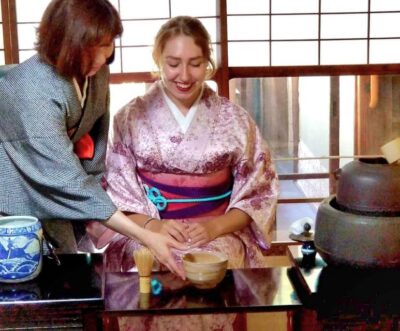 ★ 4.9Table-Style Tea Ceremony at a Kyo-MachiyaFrom $451,211 reviews
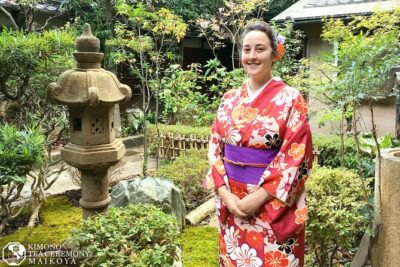 ★ 5.0Kimono Tea Ceremony at Kyoto Maikoya, NISHIKIFrom $65911 reviews
 ★ 5.0Arashiyama Bamboo Forest, Monkeys, Matcha & Temple TourFrom $53759 reviews
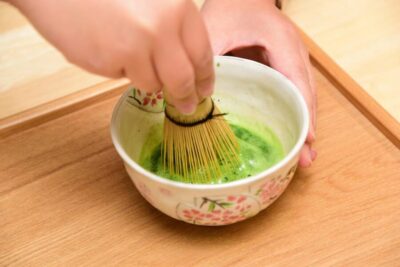 ★ 4.9Tea Museum Tickets and Matcha Grinding ExperienceFrom $23739 reviews
 ★ 4.9Kimono Tea Ceremony at Orizuruya GionFrom $49618 reviews
Browse the lists this tour appears in