
Reviewed · KYOTO COOKING CLASSES
Kyoto Uji and Nara Tour with Sushi Making Experience
Temples, tea, and sushi in one packed day. This tour is built for folks who want big-name Kyoto and Nara hits without wrestling buses all day, plus you get hands-on making matcha and sushi you’ll actually eat. You’ll also ride in an air-conditioned private vehicle, which matters when your day starts early and ends late.
My favorite part is the mix: iconic sights like Byodoin Temple and Todaiji, paired with practical foodie experiences that feel personal instead of just photo stops. The one drawback to plan around: the schedule is tight, so visits can feel a little rushed if you’re the kind of person who wants to linger.
In This Review
- Key highlights you’ll feel right away
- Why This Kyoto and Nara Day Works So Well
- Morning Departure: 8:00 Start and a Day That Moves
- Stop 1: Byodoin Temple and the Phoenix Hall Pond View
- Stop 2: Uji Matcha-Making at Mitsuboshien Kanbayashi Sannyu Main Shop
- Stop 3: Sushi-Making Lunch at Umemori Sushi School (Nara Campus)
- Stop 4 and 5: Kasuga Taisha and Todaiji’s Great Buddha Hall
- Stop 6: Nara Park Deer and Easy Photo Time
- Value for $103: What You’re Really Paying For
- Should You Book This Kyoto Uji and Nara Tour?
- FAQ
- How long is the Kyoto Uji and Nara tour?
- Where does the tour start and end?
- Is lunch included?
- What food or drink is included during the day?
- Are entrance fees included for the main temples?
- Is the Phoenix Hall interior included at Byodoin Temple?
- What matcha and sushi experiences are included?
- What’s the group size limit?
- What happens if I’m late to the meeting point?
- What if the tour is canceled due to weather or a natural disaster?
Key highlights you’ll feel right away
- Air-conditioned private bus keeps the day comfortable while you cover Kyoto and Nara in one run
- Byodoin Temple with the Phoenix Hall reflection on the pond and its tie to the 10-yen coin
- Uji matcha-making where you learn the traditional way to prepare Uji matcha, not just taste it
- Sushi-making lunch at Umemori Sushi School, then you dine what you make
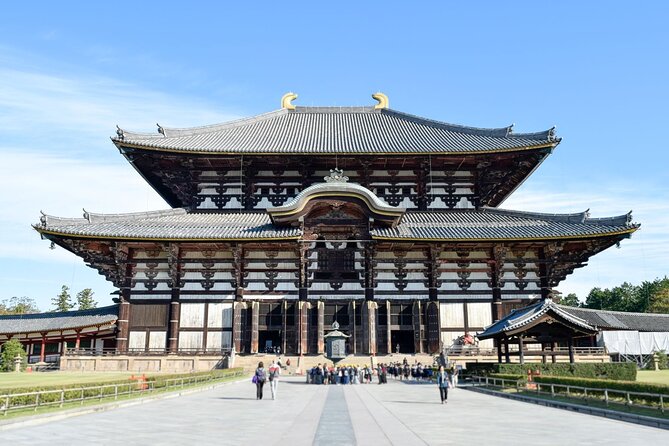
- Todaiji’s Great Buddha Hall inside the largest wooden structure in the world
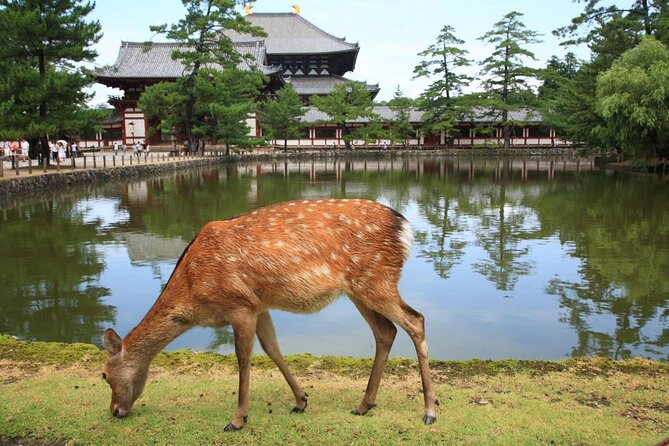
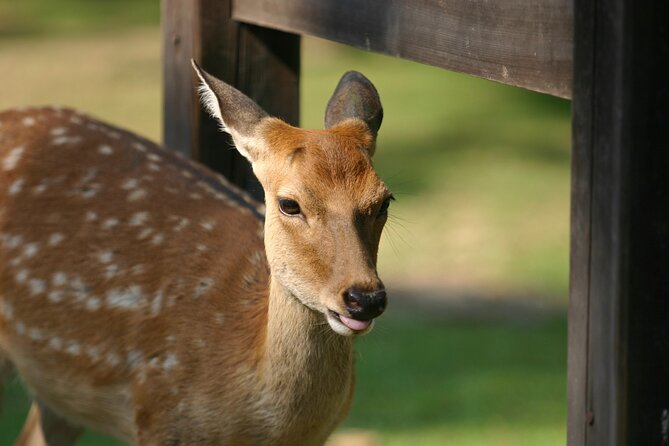
- Nara Park deer time for that easy, charming Nara photo moment
Why This Kyoto and Nara Day Works So Well
This is a high-efficiency day trip, plain and simple. In about 10 hours, you knock out major stops in both Kyoto and Nara, then wrap back where you started. That structure is great if you’re short on days, or if you don’t want to spend precious vacation time figuring out train connections.
I also like how the day has two modes: sightseeing and do-this-with-your-hands experiences. By the time you reach Uji, you’re not just standing around. You’re learning how to prepare matcha in a real setting, and later you’re making sushi for lunch. That “learn + eat” rhythm can make a long day feel less exhausting.
One more plus: you’ll have an English-speaking guide who can offer local recommendations and tips. Even if your English is solid, a guide can help you avoid common detours like arriving at the wrong entrance or missing the best time window for photos.
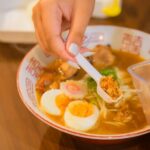
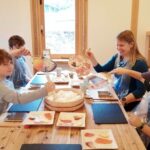
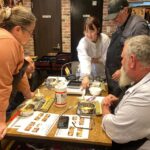
Roll up your sleeves for another Kyoto cooking class

Morning Departure: 8:00 Start and a Day That Moves
You start at 8:00 am (near public transportation) and the tour ends back at the meeting point. The schedule is designed around getting you to each stop before crowds lock things down. Also, the group size tops out at 40, so it’s not a tiny private affair, but it’s also not a huge cattle-car.
A detail that really matters: the bus won’t wait for late arrivals. You’ll want to arrive about 15 minutes early and be ready to go. That alone can reduce stress because you won’t spend the morning sprinting to the curb.
This tour uses a bus, and traffic can affect timing. The tour notes that if delays happen, visit times may get shortened. I like knowing that up front. It means you shouldn’t sign up expecting a slow, wandering pace. You’re signing up for a complete “highlights run” with a few hands-on surprises.
One more practical tip: wear your seatbelt. It’s mandatory while the bus is in motion, and smoking is strictly prohibited on the bus. If you bring snacks or plan to hydrate, do it before boarding since beverages aren’t included.
Stop 1: Byodoin Temple and the Phoenix Hall Pond View
Byodoin Temple is one of the top Kyoto-area attractions, and it’s easy to see why once you’re there. The standout is the Phoenix Hall, made famous by its reflection in the pond. It’s the kind of scene that reads instantly as iconic, even if you’re not deep into temple architecture.
You’ll also hear about the temple’s association with the Japanese 10-yen coin. That connection is more than trivia—it gives you a mental shortcut for what you’re looking at. When you see the building and pond composition, your brain clicks into place faster than it would at a random temple.
Admission to Byodoin is included, but here’s the one thing you should consider: the interior of the Phoenix Hall isn’t included. If you strongly want to go inside, you may need to pay separately. For most people, the exterior view and pond reflection are the main payoff, especially on a packed day.
Timing is about 1 hour 10 minutes at this stop. That’s enough time to orient yourself, take photos, and do a calm walk without feeling like you’re doing airport-speed sightseeing.
Stop 2: Uji Matcha-Making at Mitsuboshien Kanbayashi Sannyu Main Shop
Uji is matcha country, and this stop turns Uji from a place into a skill. You’ll spend about 45 minutes at Mitsuboshien Kanbayashi Sannyu Main Shop, where you learn how to prepare traditional Uji matcha. This is the big difference between a tourist tasting and an actual experience: you’re practicing the process instead of just sipping.
The matcha-making portion is admission/experience included, so you’re not juggling extra tickets mid-day. It also keeps your hands busy right when the day might otherwise feel long. After Byodoin, matcha-making gives you a change of pace that still fits the theme of Kyoto’s refined food culture.
I’d recommend going in with a simple goal: ask your guide questions while you’re there. The tour encourages you to ask for local recommendations and tips, and this is one of the best moments to do it. If you have dietary preferences or sensitivity, tell the team when you book, since the tour says you should inform them of allergies and dietary restrictions.
As a strategy for the rest of the day: take a mental note of what you learned about matcha preparation. When you sit down later for sushi lunch, you’ll appreciate the experience more because you’re not just collecting stamps—you’re building food context.
Stop 3: Sushi-Making Lunch at Umemori Sushi School (Nara Campus)
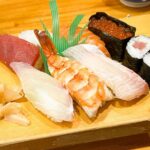
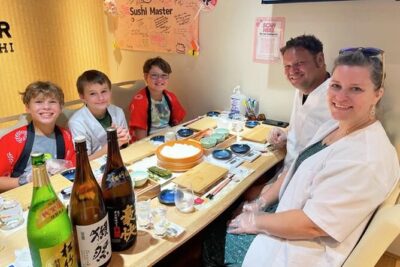
This is one of the most valuable parts of the whole trip. You get about 1 hour 30 minutes to learn sushi-making from an expert instructor, then you eat the sushi you make. Lunch is included, so you’re not stuck hunting for something when the timetable gets busy.
Why I think this is worth it: making sushi forces you to slow down in a controlled way. Instead of racing from temple to temple, you’re focusing on technique and timing. Even if you’re a complete beginner, the activity breaks up the day’s walking.
There’s also a small practical catch: beverages are not included. If you like having tea or water with your meal, plan to buy it yourself. (Same idea if you’re bringing any personal snacks—this is a long day.)
Diet matters too. The experience includes lunch and sushi-making, and the tour specifically asks you to inform them of allergies or dietary restrictions when you book. If you have a specific ingredient issue, don’t wait until the day-of.
You’ll leave sushi class with that rare “I did this” feeling. Most Kyoto and Nara day trips feed you, then send you off. Here, you get lunch with a story you can tell.
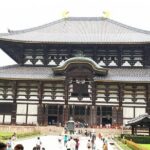
More day trips out to Nara and its bowing deer
Stop 4 and 5: Kasuga Taisha and Todaiji’s Great Buddha Hall
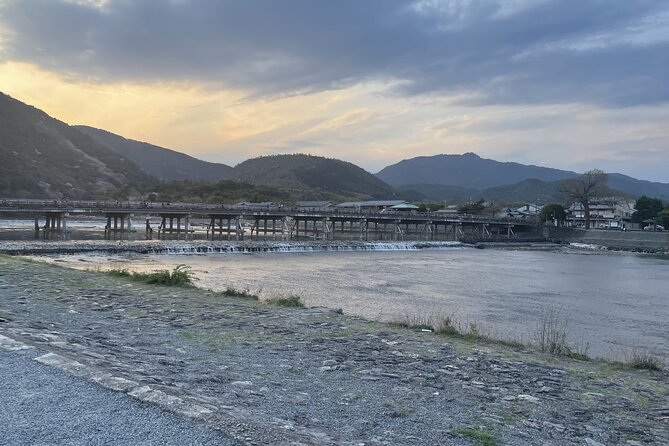
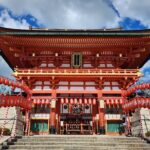
Kasuga Taisha Shrine is next, part of the Historic Monuments of Ancient Nara and listed as a UNESCO World Heritage site. Admission here is free, and you’ll have about 45 minutes. This is a good window to experience the shrine setting without turning it into a lecture. You get time to see what’s significant, then move on while the day still has energy.
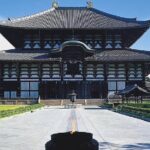
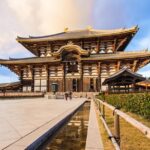
Then you jump to Todaiji Temple, home to the Great Buddha Hall. This stop is about 1 hour, and it’s one of those “you should see it once” landmarks. The Great Buddha is housed inside the largest wooden structure in the world, and the statue is about 15 meters tall. Those facts matter because they help you understand scale immediately—even before you start comparing it to what you’ve seen back home.
Admission to Todaiji is included, which saves time and keeps the day from turning into a pile of mini payments. This is also a stop where the guide’s pacing helps. If the group has limited time, your best option is usually to follow the flow: get oriented first, then take photos when you’re in the right position.
The main consideration here is the day’s overall pace. Even with included entry, you won’t have hours to wander. If you’re expecting a relaxed “temple at your own pace” day, this will feel more like a curated highlights sequence.
Stop 6: Nara Park Deer and Easy Photo Time
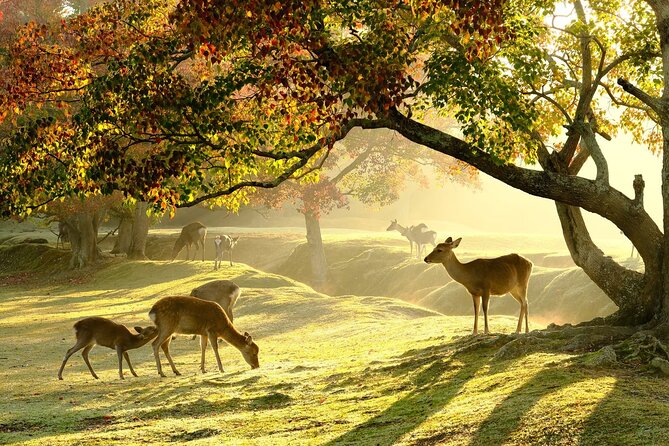
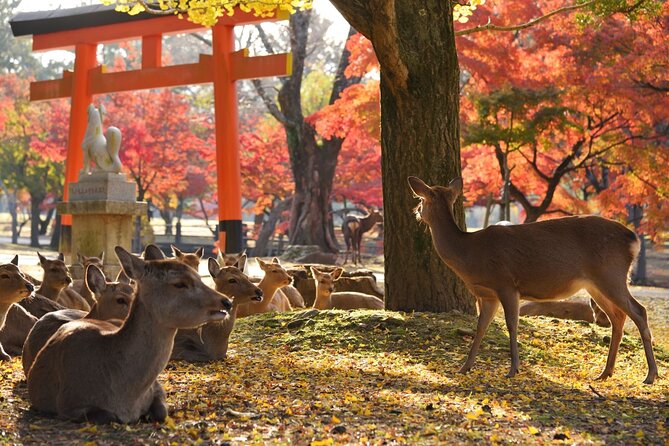
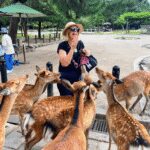
After the big temple stops, Nara Park shifts the mood. You get about 30 minutes at Nara Park, and the highlight is simple: deer roaming freely in a peaceful, charming park atmosphere.
This is the portion of the tour that tends to feel fun, even if the earlier hours were fast. The deer are easy to photograph, and they’re also a built-in way to break your brain out of sightseeing mode. It’s short enough that you’re not stuck waiting around, but long enough to get the classic shots.
One tip for this stop: treat it like a photo window, not a leisurely picnic. With only 30 minutes, it pays to move with purpose. If you want extra pictures, position yourself quickly, then wait a moment for the deer to come into your frame.
Also, bring comfortable walking shoes. The tour is built around walking across multiple major sites, and some previous participants have called out that you should come ready for it.
Value for $103: What You’re Really Paying For
At about $103 for a roughly 10-hour day with an English guide, included entrances, lunch, and two hands-on food experiences, the value is strongest if you want structure. If you’d otherwise spend your time piecing together transit, entrance fees, and booking separate classes, this format can feel like buying convenience plus education at the same time.
The included items are meaningful:
- Air-conditioned vehicle
- Lunch
- English guide
- Entrance fees for Byodoin and Todaiji
- Experience fees for matcha-making and sushi-making
On top of that, there’s the “cover two regions” benefit. You’re seeing Nara and Kyoto in one day rather than splitting it into multiple planning days.
Where value can vary is lunch quality and pacing. The tour description says lunch is included, but experience ratings include mixed comments, and one person noted the lunch wasn’t good. That’s not enough to scare me off, but it is a heads-up: if lunch is a top priority, keep expectations realistic.
Pace is the other value trade-off. A few stops may feel like quick hits. If you love slow travel, you might feel rushed. If you prefer seeing a lot and then spending later days going deeper on your favorites, this tour can be a strong starter day.
Should You Book This Kyoto Uji and Nara Tour?
I’d book it if you:
- Want a one-day highlights plan that covers Kyoto and Nara without transit stress
- Love food experiences where you actually make matcha and sushi
- Appreciate iconic sights like the Phoenix Hall reflection view and Todaiji’s massive Great Buddha Hall
- Can handle a busy schedule and like moving to the next stop rather than lingering
I wouldn’t book it if you:
- Need a slow pace with long time at each site
- Get cranky when time windows are tight
- Are very sensitive to English variations from guide to guide and hate asking questions
If you do book, go in prepared: arrive early, wear good shoes, bring patience, and use the guide time to ask questions while you’re learning matcha and sushi. That’s where this tour is at its best.
FAQ
How long is the Kyoto Uji and Nara tour?
It runs for about 10 hours.
Where does the tour start and end?
It starts at 601-8003, Japan at 8:00 am and ends back at the meeting point.
Is lunch included?
Yes. Lunch is included as part of the sushi-making experience.
What food or drink is included during the day?
Lunch is included. Beverages are not included.
Are entrance fees included for the main temples?
Yes. Entrance fees for Byodoin Temple and Todaiji Temple are included. Kasuga Taisha Shrine is listed as free.
Is the Phoenix Hall interior included at Byodoin Temple?
No. The tour notes that the interior of the Phoenix Hall is not included.
What matcha and sushi experiences are included?
You’ll have a matcha-making experience in Uji and a sushi-making experience at Umemori Sushi School, where you also eat what you make.
What’s the group size limit?
The tour has a maximum of 40 travelers.
What happens if I’m late to the meeting point?
The bus departs according to schedule and will not wait for late arrivals. No-shows won’t receive a refund.
What if the tour is canceled due to weather or a natural disaster?
If canceled due to poor weather, you’ll be offered a different date or a full refund. If canceled due to a natural disaster such as a typhoon, you’ll receive a full refund.
More of Uji and Its Matcha

More Nara Day Trips
More Kyoto Cooking Classes
Just added: more Kyoto tours to browse



Kyoto Cooking Classes, compared.
 ★ 5.0Ramen Cooking Class at Ramen Factory in KyotoFrom $1311,937 reviews
 ★ 5.0Sushi Making in Kyoto! Same-day bookings welcome!From $53713 reviews
 ★ 4.9Ramen Cooking Class at a Ramen Factory with SouvenirFrom $127532 reviews
 ★ 5.0Ramen, Gyoza, and Onigiri Cooking ClassFrom $90445 reviews
 ★ 5.0The Original Small-Group Sushi Making Class in KyotoFrom $69436 reviews
 ★ 5.0Japanese Washoku Bento Small Group Cooking ClassFrom $58380 reviews
 ★ 5.0Kyoto Ramen and Gyoza Cooking Class with Professional ChefsFrom $86282 reviews
 ★ 4.9Afternoon Japanese Izakaya Cooking ClassFrom $67241 reviews
Browse the lists this tour appears in