

Reviewed · KYOTO GARDENS & ZEN RETREATS
Kyoto Hidden Riverside Zen Mediation and Uji Matcha Experience
Meditation by the river is pure Kyoto. I love that the zazen is taught in a calm, open-air riverside setting with fresh air and real bird-and-water sounds, not a stuffy temple hall. I also like the step-by-step workshop style with an English-speaking cultural guide, so beginners can actually follow along. One drawback to plan for: it runs outdoors, so you need decent weather.
After the sitting practice, the experience slows down on purpose. You’ll finish with premium Uji matcha and seasonal wagashi in a quiet, mindful tea-time that doesn’t try to turn you into a tea-ceremony expert.
This is priced at $105 for about two hours, and the value comes from the personal, guided nature of the Zen basics plus the included matcha snack—not from sightseeing stops.
In This Review
- Key highlights
- Kyoto riverside Zen feels different from a temple hall
- The 2-hour experience flow: river sitting, then mindful matcha
- What you learn in the zazen workshop (beyond posture and breath)
- The workshop style that helps beginners
- Zen as everyday practice
- The riverside deck: the calm that does real work
- Ending with Uji matcha and seasonal wagashi
- Price and value: what $105 gets you in Kyoto
- Small group size and why it keeps the mood right
- Getting the most from an outdoor meditation session
- Who should book this Kyoto Zen and Uji matcha experience
- Should you book this Zen workshop and Uji matcha session?
- FAQ
- How long is the Kyoto Hidden Riverside Zen Mediation and Uji Matcha experience?
- How much does it cost?
- Where do I meet for the experience?
- Is the meditation inside a temple?
- Is there an English-speaking guide?
- What’s included in the price?
- What happens if the weather is poor?
- Are service animals allowed, and is it near public transportation?
Key highlights
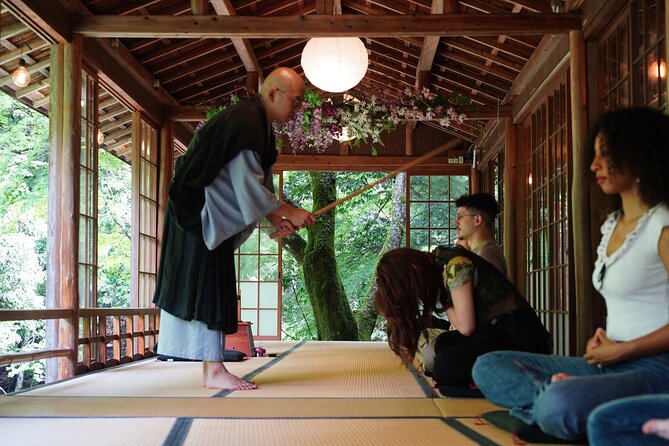
- Open-air riverside zazen with nature sounds as part of the practice
- Beginner-friendly workshop flow that focuses on how to sit and notice your mind
- English-speaking cultural guide to explain the why, not just the how
- Premium Uji matcha + seasonal wagashi to end the session calmly
- Small group size (max 10) for a quieter feel
- Mobile ticket and return to the meeting point after it ends
Kyoto riverside Zen feels different from a temple hall
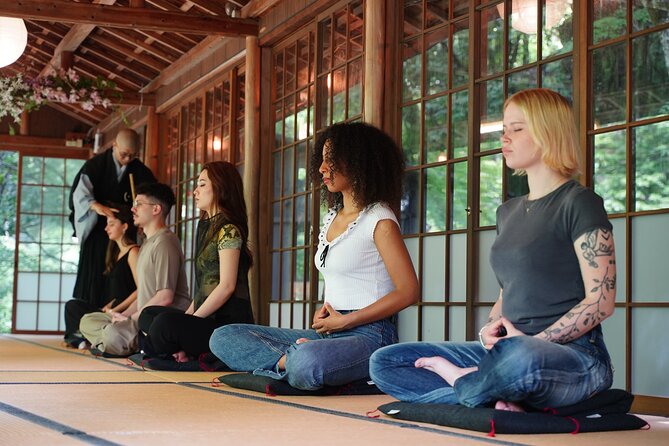
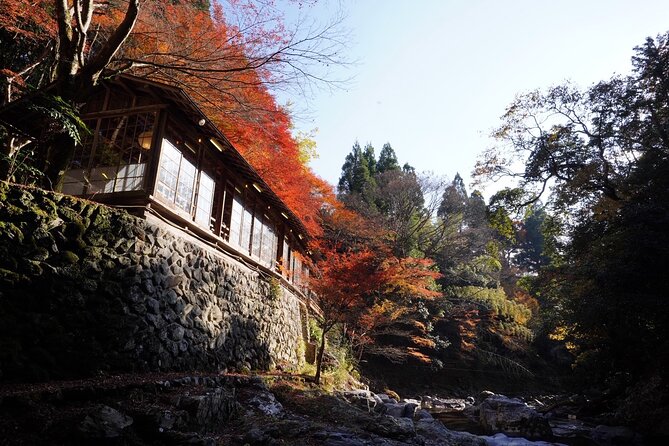
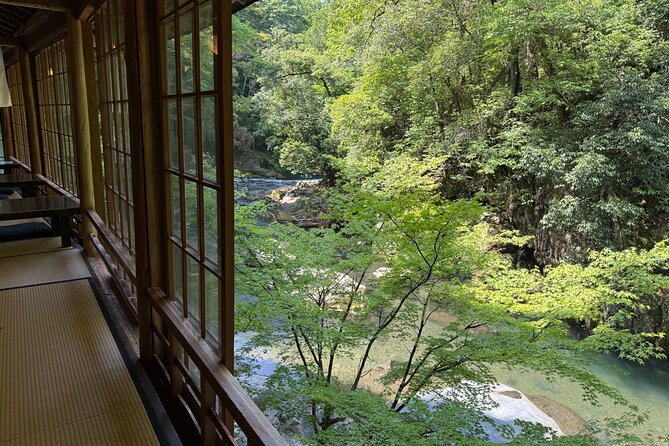
If you’re used to Kyoto tours that move fast—temple, gate, photo, repeat—this one does the opposite. The setting is a peaceful river area, with trees and morning air, and the meditation happens on an open-air riverside deck. That matters, because it changes what you focus on. Instead of trying to shut out the world, you practice letting the world be there: water moving, wind shifting leaves, your attention returning again and again.
I also like that this workshop doesn’t treat Zen as something locked behind religious formality. The teaching is about practice you can understand and use. You’re guided step by step through the basics of zazen—posture, breath awareness, and how to work with the mind when it wanders—without making the whole thing feel like a performance you either get or don’t.
One more reason this feels “Kyoto-like” in a good way: Uji matcha is part of the wrap-up. It’s not an afterthought. It’s the gentle landing back into ordinary life, which is exactly the theme they emphasize throughout.
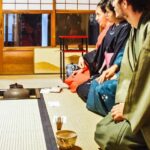
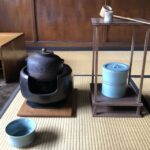
Sit for another bowl of matcha in a Kyoto tea house
The 2-hour experience flow: river sitting, then mindful matcha
The timing is simple and clear: about 2 hours total. It’s structured like a workshop, not a random experience you check off. You start at the meeting point at 35 Umegahata Tonohatachō, Ukyo Ward, Kyoto, 616-8293, Japan, and the activity ends back at the meeting point.
Here’s how the flow feels in practice:
1) Arrival and settling in
You’re guided to take your place for the sitting session. Because it’s outdoors, you’re not fighting the usual temple-hall stuffiness. That also means the surroundings are part of the experience, so you can feel your attention drift naturally to what’s happening around you.
2) Guided zazen basics
The instructor leads you through the fundamentals of seated meditation. The goal isn’t strict perfection. It’s understanding what you’re doing and learning how to return to the present moment.
3) A closing tea time
After the sitting, you shift into quiet time with premium Uji matcha and seasonal wagashi. They describe it as peaceful and mindful rather than a formal tea ceremony, and that matches the tone of the whole experience.
This isn’t a full-day wellness retreat. It’s focused, gentle, and paced so you can absorb the practice without feeling overwhelmed.
What you learn in the zazen workshop (beyond posture and breath)
A lot of meditation experiences start and end with “sit and breathe.” This one goes further, but still stays approachable. The teaching emphasizes that zazen isn’t “mystical-only” or reserved for experts. It’s a practice of attention that you can bring into everyday moments.
The workshop style that helps beginners
You’ll be guided step by step, so you’re not stuck figuring out what to do with your body or your mind. The instructor is described as having decades of experience guiding practitioners at Kyoto’s historic temples and shrines, but the practical takeaway for you is this: you get coaching, not vague instructions.
In a setting like this, the tricky part for beginners is usually mental noise: thoughts, restlessness, self-consciousness about posture. The workshop approach gives you a way to work with that, rather than treating distraction as failure. Zen practice, as taught here, is about noticing, returning, and staying with the moment.
Zen as everyday practice
The experience repeatedly frames zazen as something you can carry beyond your trip. You learn not just how to sit during the session, but how to keep a calm, aware mindset in normal life. That can sound abstract until you try it in the moment.
If you’ve ever left a meditation class feeling calmer for an hour, then snapped right back into stress, this focus on integration is the reason it’s so valuable. You’re given tools for after the tour ends.
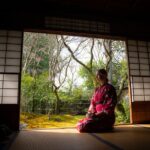
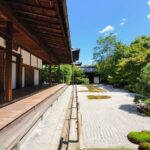
Find another quiet garden to sit with in Kyoto
The riverside deck: the calm that does real work
The setting isn’t only scenic. It’s functional.
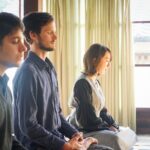
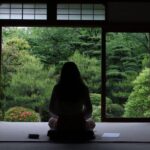
On a riverside deck, your senses behave differently than in a quiet indoor room. You still get silence in your own head—but the outside world stays present. Water sounds can soften the edges of busy thinking. Trees and open air can make your body feel less trapped. Morning breeze can help you stay aware of sensations without forcing yourself to “try harder” to be calm.
This is why I think the outdoor location is the true centerpiece of the experience. The practice becomes natural, not theatrical. You’re learning to be present while life continues nearby.
The one thing to watch: because it’s outdoors, good weather is required. If it’s canceled due to poor weather, you’ll be offered a different date or a full refund. That’s the responsible kind of policy for an experience like this.
Ending with Uji matcha and seasonal wagashi
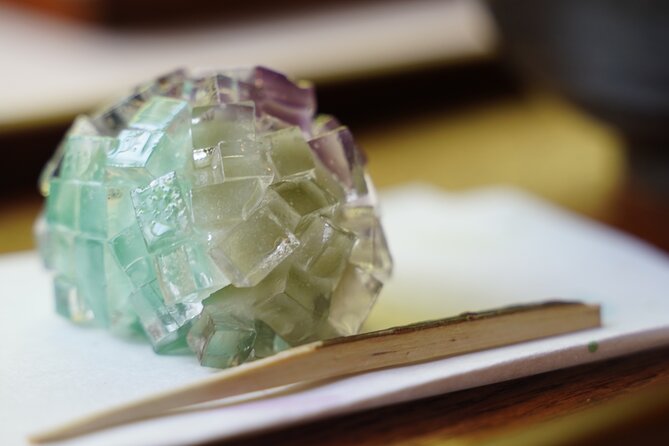
Tea time here is not a performance. It’s a quiet, mindful close.
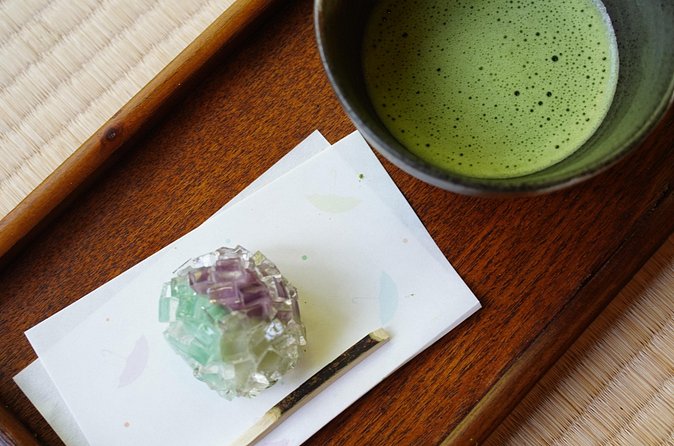
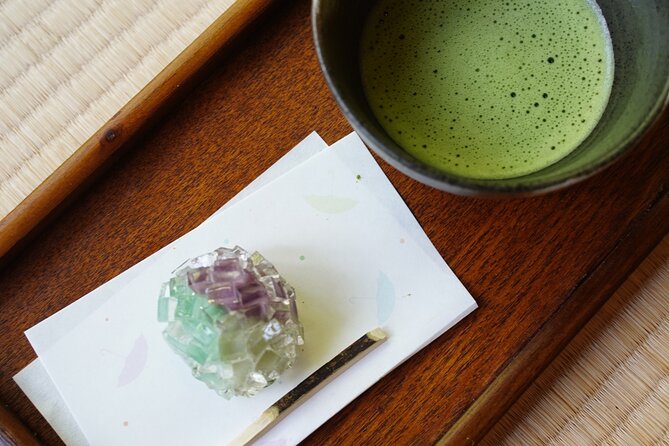
You’ll enjoy premium Uji matcha along with seasonal wagashi. The experience describes the tea as peaceful and gentle, helping your mind and body return to the flow of daily life.
Why this matters: after sitting, you usually feel either a little dazed or pleasantly slowed down. A thoughtful snack and drink gives you a structured way to transition. You’re not rushing into the next activity right away. Instead, you’re letting the calm settle.
Also, because it’s Uji matcha, you’re getting something culturally specific rather than a generic tea and cookie. And since the wagashi is seasonal, you’re tasting what’s in season rather than a predictable menu.
If you like experiences that end with a sensory moment—taste, texture, warmth—this part is one of the nicest contrasts to the stillness of zazen.
Price and value: what $105 gets you in Kyoto
At $105 per person for about two hours, the price can look steep if you compare it to a self-guided temple visit. But this isn’t a general attraction. It’s a guided Zen workshop with a live instructor, plus the included matcha and wagashi.
Here’s what you’re really paying for:
- Step-by-step instruction in zazen basics (not just a silent sit)
- An English-speaking cultural guide for real-time understanding
- A small group limit of 10, which helps the experience stay calm
- The included premium matcha and seasonal sweets, which you’d otherwise buy separately
If you’re the type who learns best with direct guidance, this is good value. If you’re already comfortable with meditation and don’t want coaching or explanation, you might feel the cost more than the benefit. But for most first-timers, the guided basics and integration focus are exactly the point.
Small group size and why it keeps the mood right
The group size caps at 10 travelers. That’s not just a comfort detail. It affects the tone.
Smaller groups make it easier to hear guidance and settle into the experience without constant movement. It also supports the theme of calm awareness. In Kyoto, where crowds can be intense, it’s a relief to do something that keeps its pace slow.
The experience also uses a mobile ticket, and it ends back at the meeting point, so you’re not left guessing about where to go next.
Getting the most from an outdoor meditation session
Because this is outdoors, your comfort matters.
Plan for it like a morning activity you’ll actually enjoy sitting through. Dress in a way that lets you stay comfortable while you sit. If you tend to get chilly easily, bring layers you can adjust. If you’re sensitive to sun, think about how you’ll handle bright light. You don’t need to be fancy—just prepared.
You’ll also do better if you treat the session as practice, not a performance. Some people expect instant “empty mind” peace. Instead, you’ll likely notice thoughts popping up. That’s normal. The goal is learning what to do when it happens: notice, return, and continue.
If you arrive rushed, you’ll feel it. This activity works best when you give yourself a few minutes to breathe, settle, and stop thinking about your next plan.
Who should book this Kyoto Zen and Uji matcha experience
This one fits best if you want:
- A calmer Kyoto experience than the usual temple-hopping sprint
- A beginner-friendly introduction to zazen
- Real explanation in English, not just a silent demo
- A respectful, low-pressure end with matcha and seasonal wagashi
It may not be the best choice if you’re looking for lots of sightseeing content or hands-on cultural crafts. This is not about checking boxes. It’s about learning a way to pay attention, then carrying that feeling home.
Also, if you need a highly structured, click-by-click itinerary, this may feel too simple. The power is in the practice itself.
Should you book this Zen workshop and Uji matcha session?
I’d book it if you want something different from the usual Kyoto routine and you’re curious about what Zen practice feels like when it’s taught clearly. The big selling points are the open-air riverside zazen, the step-by-step workshop approach, and the calm ending with premium Uji matcha and seasonal wagashi.
I wouldn’t book it if you hate outdoor activities or you’re traveling during a stretch where weather is unpredictable. But even then, the experience is designed with a weather safeguard: if it’s canceled for poor weather, you’ll get a different date or a full refund.
If you’re aiming for one meaningful, low-noise experience in Kyoto, this is a strong choice.
FAQ
How long is the Kyoto Hidden Riverside Zen Mediation and Uji Matcha experience?
It lasts about 2 hours.
How much does it cost?
The price is $105.00 per person.
Where do I meet for the experience?
The start location is 35 Umegahata Tonohatachō, Ukyo Ward, Kyoto, 616-8293, Japan.
Is the meditation inside a temple?
No. The zazen is held on an open-air riverside deck, not inside a temple hall.
Is there an English-speaking guide?
Yes. An English speaking cultural guide accompanies you and provides real-time interpretation and cultural insight.
What’s included in the price?
The whole Zen workshop is included, along with coffee and/or tea, premium Uji matcha, and seasonal wagashi.
What happens if the weather is poor?
The experience requires good weather. If it’s canceled due to poor weather, you’ll be offered a different date or a full refund.
Are service animals allowed, and is it near public transportation?
Service animals are allowed, and the activity is near public transportation.
More of Uji and Its Matcha

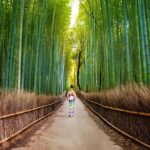
More Gardens and Quiet Corners
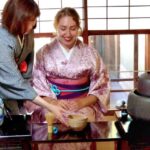
One More Bowl of Matcha

Just added: more Kyoto tours to browse





Kyoto Gardens & Zen Retreats, compared.
 ★ 5.0Kyoto Arashiyama Walking Tour: Bamboo, Monkeys, Gardens & SecretsFrom $651,216 reviews
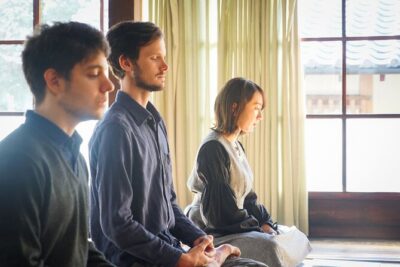 ★ 5.0Kyoto Zen Meditation & Garden Tour at a Zen Temple with LunchFrom $110441 reviews
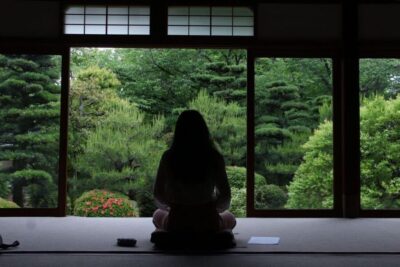 ★ 5.0Zen Experience in a Hidden TempleFrom $109437 reviews
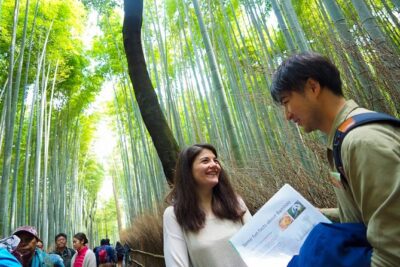 ★ 5.0Kyoto Arashiyama Bamboo forest & Garden Half-Day Walking TourFrom $129413 reviews
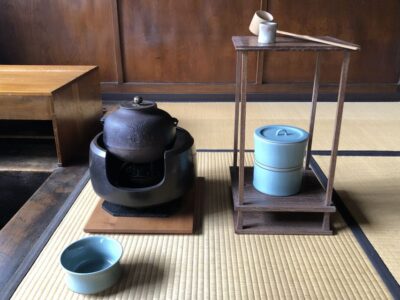 ★ 4.8Tea Ceremony Meditation – Make Matcha with Tea MasterFrom $45406 reviews
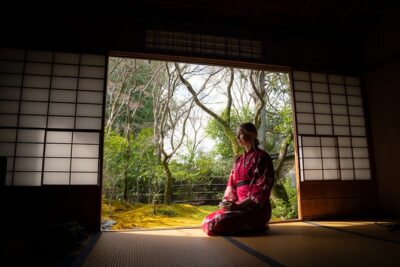 ★ 5.0Zen Meditation at a Private Temple with a MonkFrom $91202 reviews
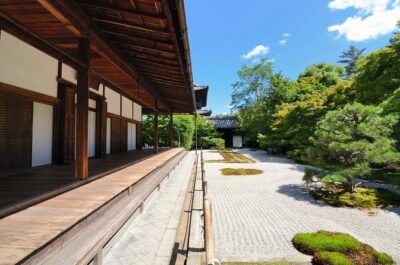 ★ 5.0Zen Garden, Zen Mind (Private)From $380126 reviews
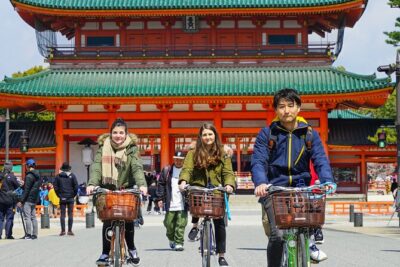 ★ 5.04.5-Hour Kyoto Bike Tour with Lunch and UNESCO Zen TemplesFrom $99122 reviews
Browse the lists this tour appears in