
Reviewed · FUSHIMI INARI SHRINE TOURS
Kyoto Early Bird Tour in Uji and Fushimi Inari
Start Kyoto before the crowds do. This early morning Kyoto to Uji tour strings together Fushimi Inari-taisha, Byodoin Temple, and Ujigami Shrine at a calmer hour, so you spend more time looking and less time waiting. The group stays small (up to 8), and the pace is designed to help you arrive before the big surge.
I especially like the fact that Byodoin Temple entry is included, so you dodge the hassle of ticket lines. I also like how Guide Genki explains the big picture in a way you can actually remember, including the differences between Shinto and Buddhism, without turning the morning into a lecture.
The one caution: the tour price doesn’t include your transportation (¥390 per person), and the tour ends at Uji Station, so you’ll need your own plan to get back after.
In This Review
- Key takeaways before you go
- Why This Kyoto-to-Uji Early Start Works
- Getting Oriented: Meeting at Kyoto Station, Then Ending at Uji
- Fushimi Inari-taisha at Sunrise-Style Hours
- Byodoin Temple and the UNESCO Phoenix Hall Experience
- Ujigami Shrine: Old Wooden Quiet in the Middle of Uji
- Guide Genki’s Role: Clear Explanations, Not Info Overload
- Price and Value: What You Pay, What You Don’t
- What This Tour Gets You (And What It Won’t)
- Who Should Book This Early Bird Plan
- Smart Planning Tips for a Smooth Morning
- Should You Book This Kyoto Early Bird Tour?
- FAQ
- How long is the Kyoto Early Bird Tour in Uji and Fushimi Inari?
- What is the price per person?
- How many people are in the group?
- Is the guide English speaking?
- Is Byodoin Temple admission included?
- Do I need to pay for transportation?
- Where does the tour start and where does it end?
- Is lunch included?
- What is the cancellation policy?
Key takeaways before you go
- Small-group access up to 8 for easier questions and smoother timing
- Byodoin Temple admission included so you avoid long entry lines
- Early morning timing to see Fushimi Inari at a more comfortable hour
- Uji stops feel quieter with temples and shrines that are easier to take in slowly
- English-speaking guide Genki with clear explanations, including Shinto vs Buddhism
Why This Kyoto-to-Uji Early Start Works
Kyoto can feel like a time-traveling crowd magnet—especially around major shrines. This tour’s whole idea is simple: go early, keep the group small, and build your day around a few key landmarks before they get swallowed by day-trippers.
You’ll be moving through three different cultural spaces in one morning: a famous Shinto shrine with thousands of red torii gates, a UNESCO World Heritage site tied to the Heian era, and a quieter Uji shrine that feels more like a pause than a performance. That mix is a big part of the value. You’re not just ticking off names—you’re getting a sense of how religious spaces and architectural styles change from place to place.
Also, the total duration is about 5 hours 30 minutes, which is long enough to feel satisfying but short enough that you still have your afternoon free. That matters if your Kyoto plan already has gardens, markets, or food stops lined up.
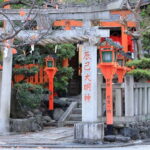
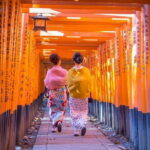
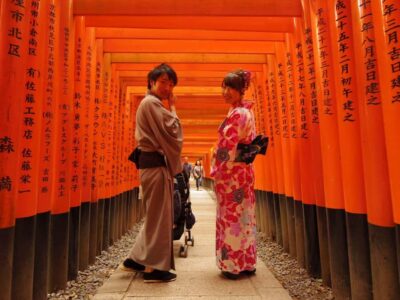
More walks up through the vermilion torii of Fushimi Inari



Getting Oriented: Meeting at Kyoto Station, Then Ending at Uji
The tour begins in the Kyoto Station area (Higashishiokoji Kamadonocho, Shimogyo Ward) and finishes at Uji Station. That one-way structure is common on Kyoto-area day plans, but it’s worth planning for. You won’t be returning to Kyoto with the group, and the guide can help you with directions if you’re heading back to Kyoto on your own.
The tour runs on a mobile ticket, which is convenient if you don’t want to fuss with paper confirmations. It also pairs well with an early start because you can focus on finding the meeting point and getting moving.
The walking is not described as extreme, but it does involve shrine areas and temple grounds. The good news is the tour notes moderate physical fitness is all you need, so you can expect a comfortable sightseeing pace rather than marathon marching.
Fushimi Inari-taisha at Sunrise-Style Hours
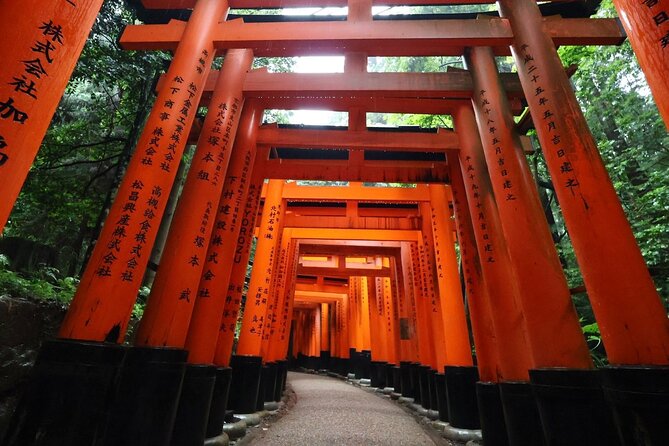
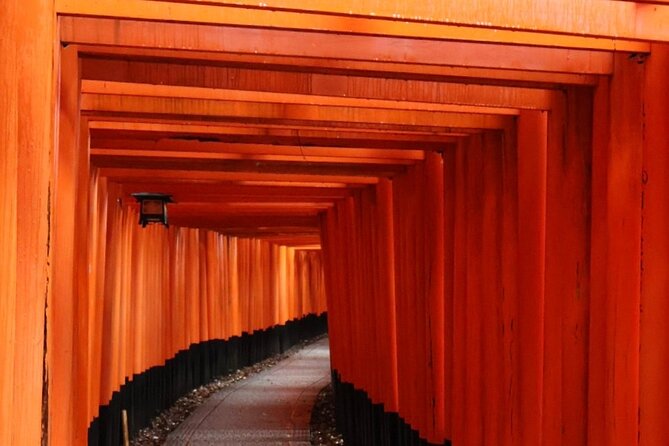
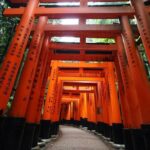
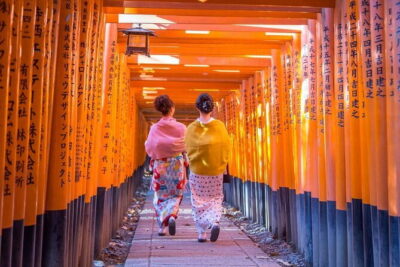
Fushimi Inari-taisha is one of those places you’ve probably seen in photos: endless rows of red gates that form twisting paths through the hills. Even if you’ve never visited, you already know the visual payoff—thousands of torii gates turning into a kind of tunnel.
This tour gives you the best version of that experience: it’s scheduled early enough that you’re more likely to find breathing room. That changes everything. When you’re not trapped in slow-moving clusters, you can actually stop and look at the gates’ rhythm, notice how the path narrows and opens, and take in the atmosphere without constantly recalculating around other people’s photos.
Practical note: Fushimi Inari is free entry on this tour, and the time set aside is about 1 hour 30 minutes. That’s enough to do a meaningful walk, but it still leaves time for the later stops to feel unhurried.
What I like about this first stop is the way it sets the tone. You start with a high-visibility, high-energy shrine, then you transition into Uji’s calmer, more contemplative spaces.
Byodoin Temple and the UNESCO Phoenix Hall Experience
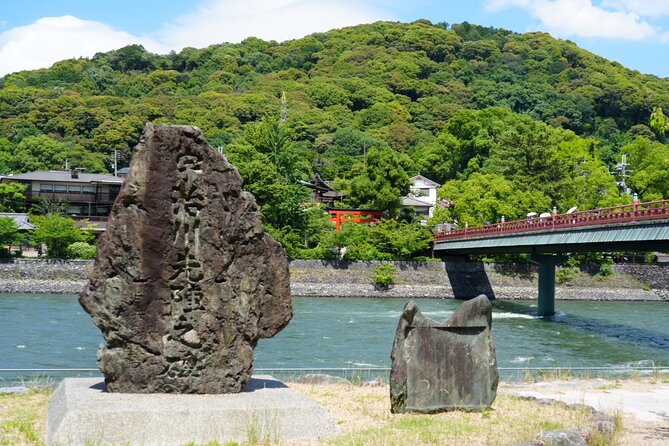
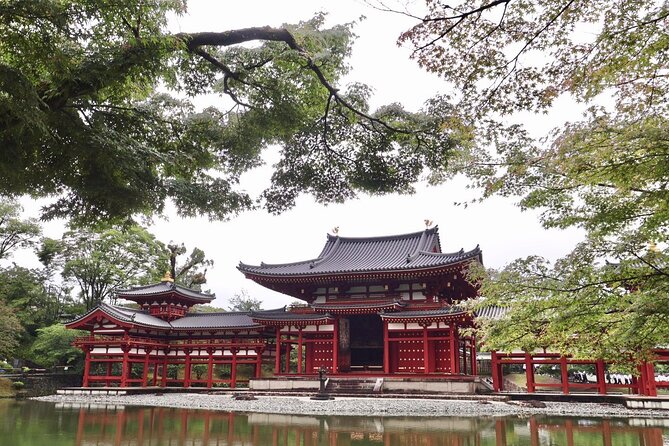
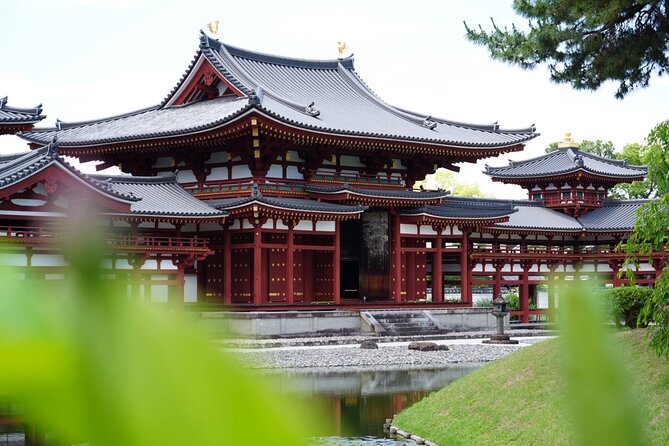
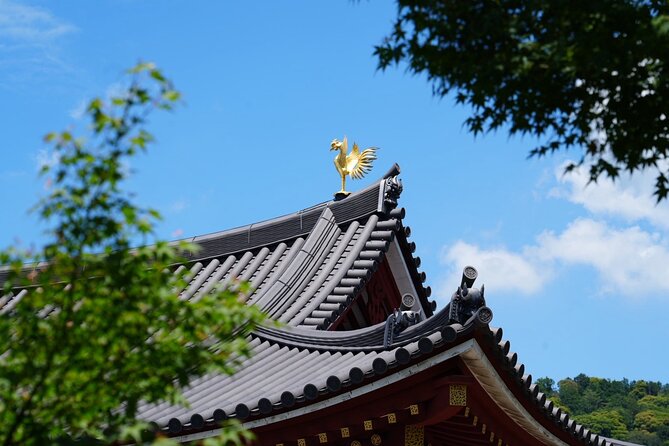
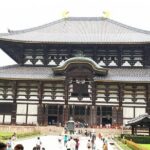
Byodoin Temple is a major reason people make the trip to Uji at all, and UNESCO status adds a layer of importance. This is the site famously linked to the Phoenix Hall, the image that appears on Japan’s 10 yen coin.
On this tour, the standout advantage is that Byodoin Temple admission is included. That sounds like a small line item, but it’s a real quality-of-life upgrade on travel mornings. Instead of spending your precious early-bird time on ticket logistics, you can get straight into the experience.
You’ll get about 1 hour 30 minutes here. That’s a smart length because you have time to orient yourself—where to look, how to read the setting, and what to focus on first—without feeling rushed. It’s also long enough to let the place land. At the Phoenix Hall-focused sites, the details matter, and you don’t want to be checking your watch every five minutes.
One more reason this stop works so well in a tour format: the guide helps you connect what you’re seeing to the broader religious and cultural context. In this morning’s case, Genki’s explanations on the relationship and differences between Shinto and Buddhism help the whole day make more sense, not just the one temple.
Ujigami Shrine: Old Wooden Quiet in the Middle of Uji
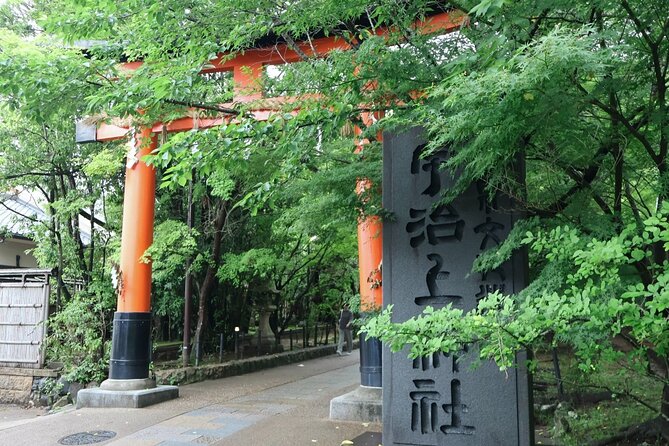
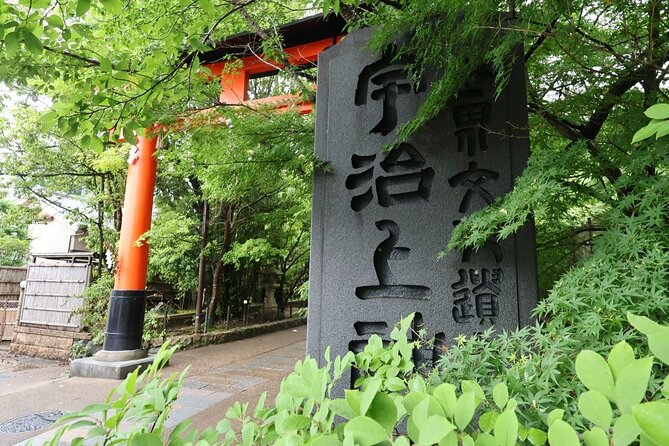
After the iconic gate experience and the UNESCO landmark, Ujigami Shrine is a smart tonal shift. It’s described as Japan’s oldest standing shrine, and it’s known for a peaceful feel hidden in Uji. Instead of the photo factory vibe, you get something more like a slow walk through centuries-old atmosphere.
This stop is also about 1 hour 30 minutes, and admission is free. The setting is described as moss-covered grounds with centuries-old wooden architecture—exactly the kind of environment where early morning helps. Light and stillness make a difference in places like this, and being there before the day heats up (and before more tour groups arrive) makes it easier to notice the small textures and the calm mood.
What I like here is that you get a change of pace while still staying within the same geographic and cultural theme. Uji isn’t just famous for one highlight. It’s made up of layers—shrines and temples that don’t need crowds to feel important.
If you’re trying to understand Kyoto and its wider region beyond the loudest attractions, Ujigami Shrine does a lot of heavy lifting.
More matcha and riverbank temples out in Uji

Guide Genki’s Role: Clear Explanations, Not Info Overload
A good guide can either speed you up or slow you down. Genki’s style, at least based on the way the tour is described and the themes people remember, sounds like a sweet spot: warm, engaging, and structured around what visitors actually want to know on-site.
The big theme people highlight is his explanation of the differences between Shinto and Buddhism. That matters because Kyoto-area shrines and temples can blend together in your head if nobody connects the dots. When you know what you’re looking at and why it’s there, you stop treating each place like a separate photo stop and start seeing them as part of a bigger system.
I also like that the tour is small—maximum 8—because it makes Q&A realistic. You’re not stuck yelling over foot traffic or waiting until the end to ask something that’s been bugging you since the first gate.
And because this tour runs early, the guide has a chance to pace the explanations around your movement instead of cramming context in between lines.
Price and Value: What You Pay, What You Don’t
At $55.18 per person, this Kyoto early bird tour is positioned as good value because it bundles several key elements into one morning: an English-speaking guide, small-group time, and Byodoin Temple admission.
Here’s what you should budget separately:
- Transportation fee: ¥390 per person is not included
- Lunch: not included
So what are you really getting for the base price? You’re paying for guided access and time efficiency. Entry to Byodoin is included, which reduces one of the most annoying travel friction points. And the early timing plus small group size is a form of value you can feel immediately: less crowd pressure, better viewing time, and easier questions.
If you were trying to stitch these stops together on your own, you’d still likely spend time managing transit and entry logistics. A guide can also save you from wandering around Uji and Kyoto without understanding what matters most in each location.
What This Tour Gets You (And What It Won’t)
This tour is strong if you want a focused “high-impact morning” with a mix of Kyoto and Uji highlights. It’s also strong if you dislike the feeling of being pushed by crowds. The early-bird approach is not just marketing—it’s built into the stop order and the pacing.
What it won’t be: a full-day Uji deep dive or a slow temple-hopping stroll where you linger at every side path. You’ll hit three planned stops with set time blocks, and the goal is to keep things flowing.
That’s not a downside if your goal is to see the main highlights without burning your whole day. It becomes a mismatch only if you prefer long, unstructured wandering with no fixed schedule.
Who Should Book This Early Bird Plan
I’d suggest this tour if you:
- Want to see Fushimi Inari-taisha and Uji in the same morning without spending your day bouncing between planning apps
- Prefer a small group and appreciate asking questions while you’re still at the site
- Care about context, not just photos—especially around the Shinto/Buddhist differences
- Have limited time in Kyoto and want a smart itinerary that leaves your afternoon more open
If you’re the type of traveler who loves quiet mornings and hates waiting in lines, this fits your style.
Smart Planning Tips for a Smooth Morning
A few practical notes to help your morning run smoothly:
- Wear comfortable walking shoes. You’ll move through shrine and temple areas, not just stand still.
- Keep your expectations realistic: this is a guided route with set stop times, about 5 hours 30 minutes total.
- Think about lunch. Since lunch isn’t included, decide where you’ll eat either in Uji after the tour or back in Kyoto depending on your route.
- Plan your return. The tour ends at Uji Station, and the guide won’t take the train back with the group, though they can assist with directions.
If you’re the kind of person who likes to start early and end with energy left for food and wandering, you’ll probably enjoy how this tour sets you up for the rest of your Kyoto days.
Should You Book This Kyoto Early Bird Tour?
Yes—if your priority is a guided, early-morning way to see Fushimi Inari-taisha, Byodoin Temple (UNESCO, Phoenix Hall), and Ujigami Shrine with minimal friction. The biggest reasons to book are practical: small group size, guide access, and Byodoin Temple admission included so you don’t lose momentum to entry lines.
Skip it if you want a flexible, self-paced day or if you’re hoping for a lunch included sightseeing package. And if you dislike one-way tours, remember this ends at Uji Station, not back at Kyoto Station.
Overall, this is the kind of tour that works especially well for first-timers who want Kyoto highlights with fewer crowds and more meaning.
FAQ
How long is the Kyoto Early Bird Tour in Uji and Fushimi Inari?
It lasts about 5 hours 30 minutes.
What is the price per person?
The price is $55.18 per person.
How many people are in the group?
The tour has a maximum of 8 travelers.
Is the guide English speaking?
Yes, the tour includes an English speaking guide.
Is Byodoin Temple admission included?
Yes, the entrance fee for Byodoin Temple is included.
Do I need to pay for transportation?
Yes. Transportation costs ¥390 per person are not included.
Where does the tour start and where does it end?
It starts at Kyoto Station (Higashishiokoji Kamadonocho, Shimogyo Ward) and ends at Uji Station (Otsukata Uji, Kyoto).
Is lunch included?
No, lunch is not included.
What is the cancellation policy?
Free cancellation is available up to 24 hours before the experience starts for a full refund. Changes within 24 hours of the start time are not accepted.
More Tour Reviews in Kyoto


More of Uji and Its Matcha
Fushimi Inari, a Few More Ways
Just added: more Kyoto tours to browse






Fushimi Inari Shrine Tours, compared.
 ★ 4.8Fushimi Inari, Kinkakuji, Bamboo Grove 1 Day Bus TourFrom $1224,316 reviews
 ★ 5.0Fushimi Inari Hidden Hiking Tour (Private Option Available)From $631,750 reviews
 ★ 4.7Kyoto/Osaka: Nara, Fushimi Inari Taisha, Arashiyama Bus TourFrom $521,275 reviews
 ★ 4.4Osaka/Kyoto: Arashiyama, Nara & Fushimi Inari Shrine w/LunchFrom $61754 reviews
 ★ 4.7Nijo Castle, Kiyomizu & Fushimi Inari Guided TourFrom $54700 reviews
 ★ 5.0Nijo, Kinkaku-ji, Arashiyama, Kiyomizu & Fushimi InariFrom $51699 reviews
 ★ 5.0Kyoto Fushimi-Inari Night Walking TourFrom $43320 reviews
 ★ 4.93-Hour Fushimi Inari Shrine Hidden Hiking TourFrom $72270 reviews
Browse the lists this tour appears in