
Reviewed · KYOTO TEA CEREMONIES
Cycling Tour at Uji’s Matcha Green Tea Fields and Heritage
Tea country becomes a slow ride. This BROMPTON-based cycling tour makes Uji’s matcha culture feel personal, with a rare, calm stretch along the Uji River plus historic stops that are much easier to reach by bike than on foot. I especially like how the route mixes tea craftsmanship and temple atmosphere without rushing, and how the day ends at the UNESCO area around Byodoin Phoenix Hall.
One thing to plan for: several key entries and refreshment choices are optional add-ons, so your final spend depends on whether you want tea-shop and temple admission tickets during the ride.
In This Review
- Key Highlights Worth Knowing
- Uji by Bicycle: why this route feels different
- Meeting at the Tea Jar Post and getting rolling fast
- Tea craft at Chazuna: where matcha stops being abstract
- Shrines and temple moments: not rushed, not crowded
- The Uji River ride: the calm stretch that makes the day
- Byodoin and Phoenix Hall: UNESCO in a day-long context
- Snacks and matcha shopping in Uji: plan your taste strategy
- Pace, effort, and what this tour is best for
- Price and value: does $160 make sense?
- A quick reality check before you book
- Should You Book This Uji Matcha Cycling Tour?
- FAQ
- How long is the cycling tour?
- Where do we meet for the tour?
- How much does the tour cost?
- What is included in the price?
- Are snacks included?
- Is Byodoin Phoenix Hall admission included?
- How big is the group?
Key Highlights Worth Knowing
- BROMPTON bicycle time: stylish, easy-steering bikes with provided helmets and bike bags
- Quiet Uji River cycling: a calmer route that feels far from Kyoto crowds
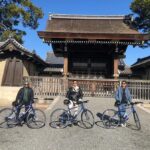
- Historic shrine-and-temple loop: Uji Shrine, Ujigami Shrine, and Uji Kosho-ji Temple in a connected flow
- Tō-no-shima Island photo stop: a scenic moment built into the riverside route
- Byodoin Phoenix Hall area: UNESCO World Heritage viewing as part of a full tea-and-culture day
- Matcha breaks that make sense: tea-store time and snack stops guided by what you like
Uji by Bicycle: why this route feels different
Uji sits south of Kyoto and is famous for matcha and other tea products. It’s also one of those places where the past is still part of daily life, with temples and shrines that stretch back more than 1,000 years. If you’ve only seen Uji from train windows or a quick day walk, you’ll miss the best part: how the city flows between tea shops, sacred spaces, and riverside lanes.
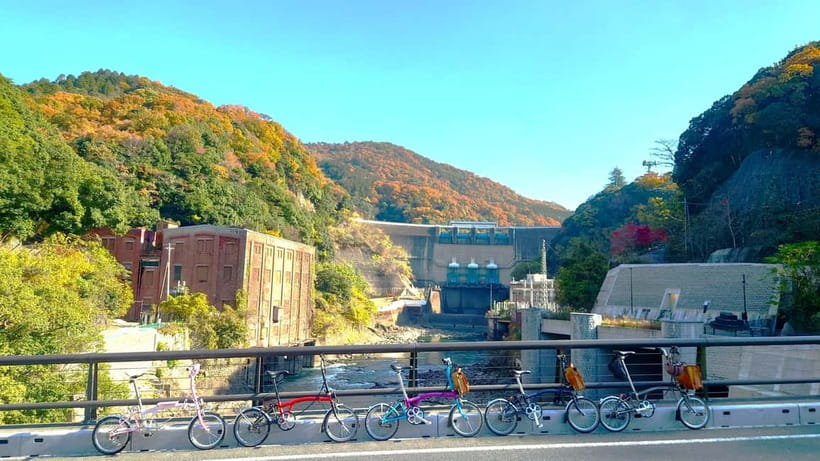
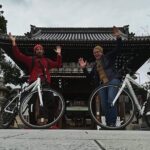
Cycling is the trick here. The tour is designed as slow cycling, so you’re not trying to burn calories or keep up with fast-moving traffic. Instead, you get to roll at human speed, stop when the guide suggests a viewpoint, and actually look at what you’re riding past. On a BROMPTON, the experience feels compact and controlled, and the guide can manage pacing for different comfort levels in the group.
This is also a smart way to cover distance without feeling trapped in a bus schedule. You can see a lot, but you’re doing it on your own terms, with the navigator steering the day so the route stays calm and efficient.
Sit for another bowl of matcha in a Kyoto tea house


Meeting at the Tea Jar Post and getting rolling fast
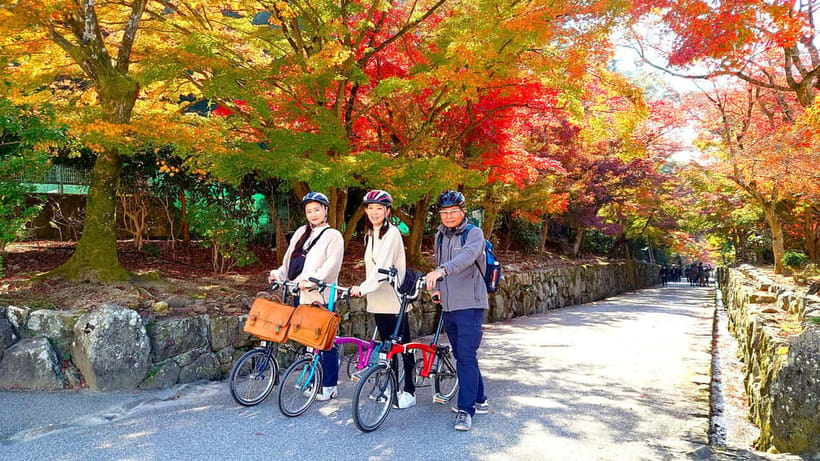
Your day starts at the 茶壷型ポスト (Tea Jar-shaped Post) outside JR Uji Station. The location is easy to find, and the guide meets you with the BROMPTON and your riding gear.
The tour is built for a small group, limited to 6 participants, and that size matters. It makes it easier for the guide to keep everyone together at a relaxed pace, especially if you’re not the world’s fastest cyclist. Equipment is provided, including helmets and bike transport bags, so you don’t need to bring a thing besides yourself.
Timing is also part of the comfort level. The full duration is 270 minutes, so you’re not stuck in one long stretch of riding. You’ll have set breaks at key sights and a food window at the end, which helps keep the day from feeling like a checklist marathon.
Tea craft at Chazuna: where matcha stops being abstract
One of the first stops is Chazuna, timed for a short 30-minute bike segment that sets the tone for the day. Uji is known for matcha, but it’s still helpful to get a clear picture of what makes Uji tea different before you start tasting your way around.
Chazuna includes an optional entrance fee (so you can decide on the day if you want extra tea-shop context). If you’re the type who likes learning while you walk, this is a good moment. You’ll be able to connect the dots between how tea is processed and why the flavors and rituals you’ll try later make sense.
This kind of start matters because matcha isn’t just a drink order. It’s tied to farming, grinding, and a whole chain of practices that Uji is built around. When the guide sets that background early, the later matcha stops feel more meaningful.
Shrines and temple moments: not rushed, not crowded
After Chazuna, the route moves through a cluster of sacred sites:
- Uji Shrine
- Ujigami Shrine
- Uji Kosho-ji Temple
Each is paired with a short ride segment (about 20 minutes each), which keeps your energy steady and makes the day feel like a connected stroll, just with wheels. These stops work best if you enjoy quiet observation: architecture details, the feel of stone paths, and how the shrines sit naturally into the surrounding neighborhood.
A big advantage of this cycling format is that it tends to support a calmer experience than simply walking through the most obvious corridors. You get to spend real time looking without the constant pressure of squeezing past crowds.
If you’re sensitive to walking distances, this is also helpful. You can move between sites without repeating long stretches on foot, which is ideal when you want to see multiple temples without turning the day into a workout.
The Uji River ride: the calm stretch that makes the day
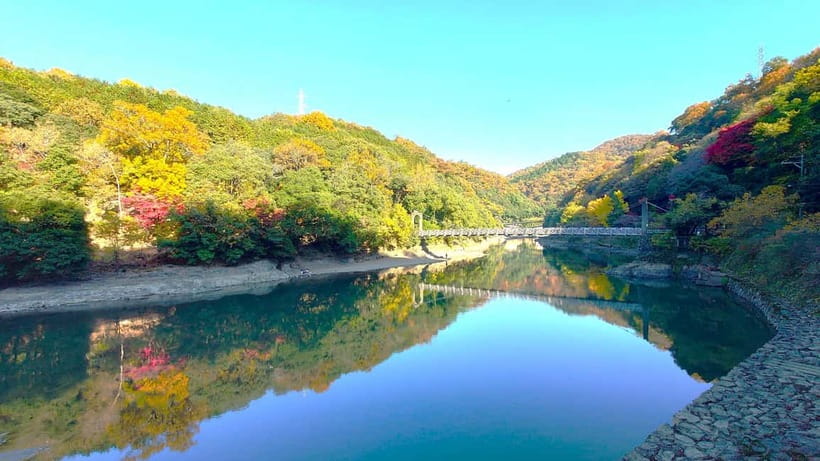
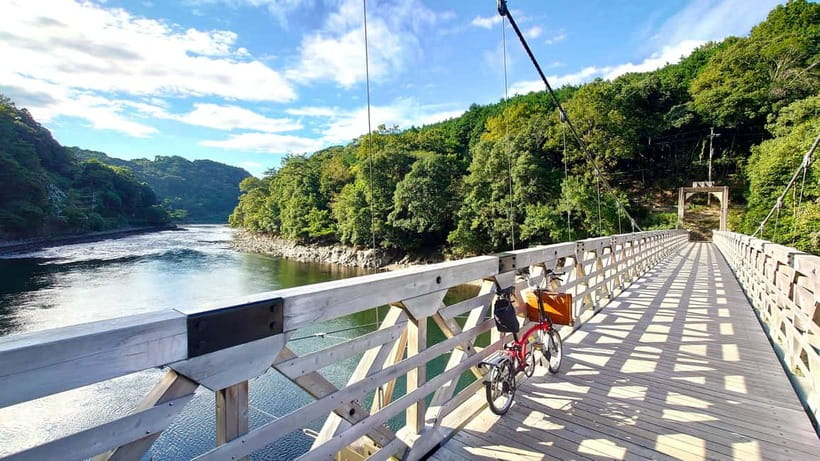
Then comes the heart of the scenery: a 30-minute ride along the Uji River. This is where the tour earns its reputation for being restful and scenic. The pace here is deliberately unhurried, so you can take photos and actually enjoy the view instead of racing for them.
Uji River cycling is also one of those experiences that changes how you understand the town. From the water-adjacent route, you can picture how the city’s life and tea culture have moved through the area over time, without the heaviness of museum-style travel.
You’ll also have a Tō-no-shima Island stop on the riverside route (another 30-minute ride segment). It’s the kind of place where the scene does half the work for you: the water, the line of sight, and that gentle feeling that you’ve stepped away from the usual tourist flow.
Practical tip: bring an eye for timing. When the guide suggests a photo spot, it’s often because the angle or quietness is right then—not ten minutes later.
More of Kyoto at handlebar pace
Byodoin and Phoenix Hall: UNESCO in a day-long context
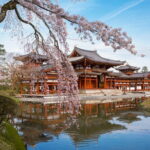
The day’s major cultural anchor is Byodoin Temple, with about 1 hour set aside for this portion. The UNESCO World Heritage Site is Byodoin Phoenix Hall, and this part matters because you’re seeing it after you’ve already built context with tea and surrounding sacred spaces.
Instead of arriving cold, you reach Byodoin as part of a full story. The shrines and temples you visited earlier don’t feel random; they make the whole area’s spirituality and historical continuity easier to grasp. And because you’re traveling on bike, you also get a better sense of how the site sits within the broader Uji setting.
Entrance to the Byodoin Phoenix Hall area is an optional add-on (listed as an option), so you can decide based on your priorities. If you’re a person who wants the full UNESCO visit with the interior access, budget for it. If you mainly want the exterior atmosphere and the tour pacing, you can skip the paid entry and still get a lot out of the time there.
Snacks and matcha shopping in Uji: plan your taste strategy
Near the end, you’ll have a 30-minute window for local snacks. Snacks are not included, but the navigator will suggest places based on what you want, and that flexibility is useful in a food-focused day.
You’ll also have built-in opportunities connected to tea culture earlier, and the tour’s matcha emphasis is a real draw. In the way the day is structured, matcha isn’t just a souvenir drink. It’s a theme you can sample, learn about, and potentially buy powder to take home if that’s your goal.
If you’re trying to bring matcha back, think about how you’ll pack it safely. The tour provides bike bags for your transport while riding, but anything you buy should be handled like a food item you want to protect from crushing.
For lunch style: you’re not forced into one predetermined meal. The guide can shape the food stop around the day’s flow, which tends to make the meal feel more like a local choice than a rushed pit stop.
Pace, effort, and what this tour is best for
This tour is built for slow cycling, and that’s a big deal if you’re not confident on a bike. You don’t need to be an athlete. The format also helps if you’re traveling as a pair with different biking comfort levels, since the group size is small and the guide can adjust the rhythm.
That said, it is still cycling. You should feel comfortable mounting and staying balanced while moving at a relaxed pace. The tour provides helmets and equipment, which reduces uncertainty, but it can’t replace the basic need for comfort with riding.
Who I think this fits best:
- People who want tea culture + temples without spending most of the day walking
- Travelers who like a relaxed, small-group pace
- Anyone who wants to learn a bit about matcha and then taste it thoughtfully
- Travelers who appreciate quieter routes and easier access to riverside views
Price and value: does $160 make sense?
At $160 per person for about 270 minutes, the value comes from the combination of things that add up quickly if you do them alone: a rental bike, a guide/navigator, and the time saved from figuring out the best route between sites.
Here’s what you’re paying for in practical terms:
- Bike rental plus gear (helmets and bike transport bags)
- An English guide with a navigator component
- A guided route that strings together tea culture and multiple historic stops in one coherent day
Not included items that can raise your total:
- Optional insurance (listed as an option)
- Optional entrance to Chazuna (listed as an option)
- Optional entrance to Byodoin Phoenix Hall (listed as an option)
- Snacks, chosen with the guide’s help rather than included automatically
If you’re the type who likes to see more than one main sight in a day, this pricing can be very fair. If you mainly want one or two places, the add-ons can become the deciding factor. Either way, the structure keeps the day from feeling like separate half-tours.
A quick reality check before you book
This is a smooth, guided cycling day, not a high-adrenaline bike ride. Your best outcome comes from embracing the slow pace: look around, ask questions, and let the guide’s local knowledge shape where you stop and what you notice.
Also, decide early how important paid entries are for you. If you love UNESCO interiors and paid heritage sites, plan for the Byodoin entry option. If you’re more about atmosphere and views, you can keep it lighter.
Finally, go in hungry for matcha learning and tasting, but also be ready for a day that mixes learning with quiet outdoor time.
Should You Book This Uji Matcha Cycling Tour?
I’d book it if you want a calmer side of Kyoto-region travel: tea, shrines, riverside scenery, and a UNESCO landmark all in one easy-to-manage day. The standout strength is the balance—enough structure to connect historic dots, with enough freedom to enjoy the ride and food breaks at human speed.
I wouldn’t book it if you’re only interested in one paid attraction and you hate optional add-ons. Also, if you’re uncomfortable cycling at all, you might prefer a walking tour instead.
FAQ
How long is the cycling tour?
The tour lasts 270 minutes.
Where do we meet for the tour?
Meet in front of the Tea Jar post (茶壷型ポスト) just outside JR Uji Station, where the navigator with a BROMPTON bicycle is waiting.
How much does the tour cost?
The price is $160 per person.
What is included in the price?
Included are bicycle rental and equipment such as helmets and bike bags, plus an exclusive navigator fee and an English guide.
Are snacks included?
No. Snacks are not included, and the accompanying navigator will suggest restaurants based on your wishes.
Is Byodoin Phoenix Hall admission included?
Byodoin Phoenix Hall entrance fees are not included. It’s listed as a 700 yen option.
How big is the group?
The tour is a small group limited to 6 participants.
More of Uji and Its Matcha

More of Kyoto by Bike
One More Bowl of Matcha
Just added: more Kyoto tours to browse








Kyoto Tea Ceremonies, compared.
 ★ 4.9Tea Ceremony in a Traditional Tea House in KiyomizuFrom $493,519 reviews
 ★ 4.9Tea Ceremony Ju-An at Jotokuji TempleFrom $293,207 reviews
 ★ 4.345-Minute Tea Ceremony Lesson ExperienceFrom $222,378 reviews
 ★ 4.9Table-Style Tea Ceremony at a Kyo-MachiyaFrom $451,211 reviews
 ★ 5.0Kimono Tea Ceremony at Kyoto Maikoya, NISHIKIFrom $65911 reviews
 ★ 5.0Arashiyama Bamboo Forest, Monkeys, Matcha & Temple TourFrom $53759 reviews
 ★ 4.9Tea Museum Tickets and Matcha Grinding ExperienceFrom $23739 reviews
 ★ 4.9Kimono Tea Ceremony at Orizuruya GionFrom $49618 reviews
Browse the lists this tour appears in