
Reviewed · KYOTO KIMONO EXPERIENCES
Kyoto: Traditional Kimono Fabric Handicrafts Workshop
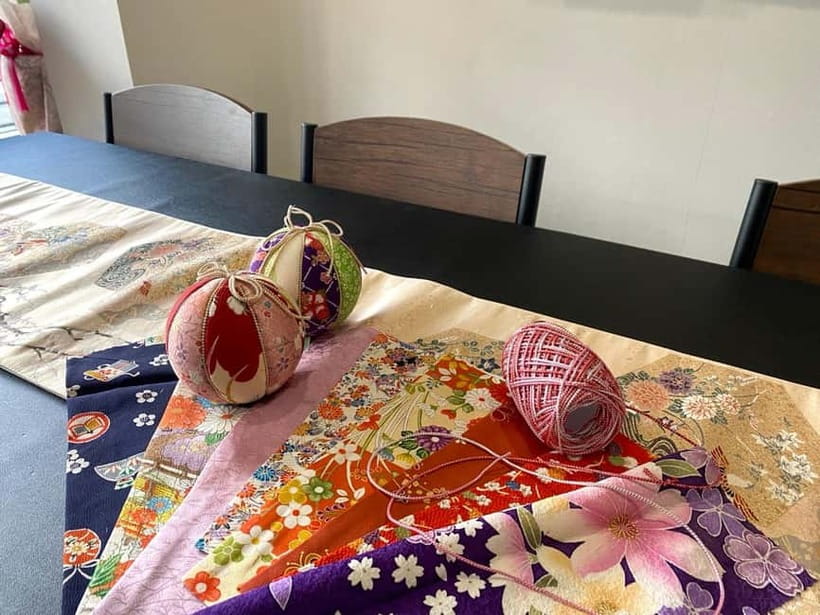
Temari feels like a small miracle. In Kyoto, you sit down in a renovated antique-boutique workshop and make a traditional Temari using kimono fabric you get to pick yourself. It’s a creative break from temples, with a drink and a sweet included while you work.
I really like two things: first, the fabric choices—there’s enough variety that picking your colors feels like part of the fun. Second, the process is truly beginner-friendly, and the instructor (Mae) explains each step in clear, approachable language.
One drawback to consider: at $25 for about two hours, you’ll make one Temari, not a whole stack of crafts—so it’s best if you want one meaningful souvenir rather than an all-day project.
In This Review
- Key highlights to know before you go
- Why this Kyoto Temari workshop feels different than most crafts
- Entering the antique boutique: your first win is picking the fabrics
- What exactly is a Temari, and what are you making in 2 hours?
- The instructor-led process: clear steps, patient teaching, and a manageable craft
- Refreshments during the workshop: tea and a traditional sweet that actually fit the vibe
- Your Temari as a souvenir: why this one is worth the money
- The $25 price and whether it feels fair
- Best ways to pair this class with Kyoto sightseeing
- Timing tip
- Who should book this workshop (and who might skip it)
- A note on accessibility and language comfort
- Booking this class: what to do for the smoothest experience
- Should you book this Kyoto kimono-temari workshop?
- FAQ
- How long is the Kyoto Kimono Fabric Temari workshop?
- How much does it cost?
- What will I make during the class?
- Do I need any prior experience or skill?
- What is included in the price?
- Is the workshop suitable for children?
- What languages are the classes taught in?
- Where do I meet the host?
- Is it wheelchair accessible?
Key highlights to know before you go
- Kimono fabric, not craft-store fabric: You build your Temari with pieces selected for pattern and color.
- One small-group class (max 4): You get enough attention that even first-timers feel comfortable.
- Beginners welcome: No prior skill required, and the work stays calm and manageable.
- Included refreshments: A complimentary drink plus a traditional Japanese confectionery of your choice.
- Take-home keepsake: You leave with a finished Temari you made yourself.
- Kyoto-area sightseeing nearby: The workshop sits close to historically significant temples and shrines for easy pairing.
Why this Kyoto Temari workshop feels different than most crafts
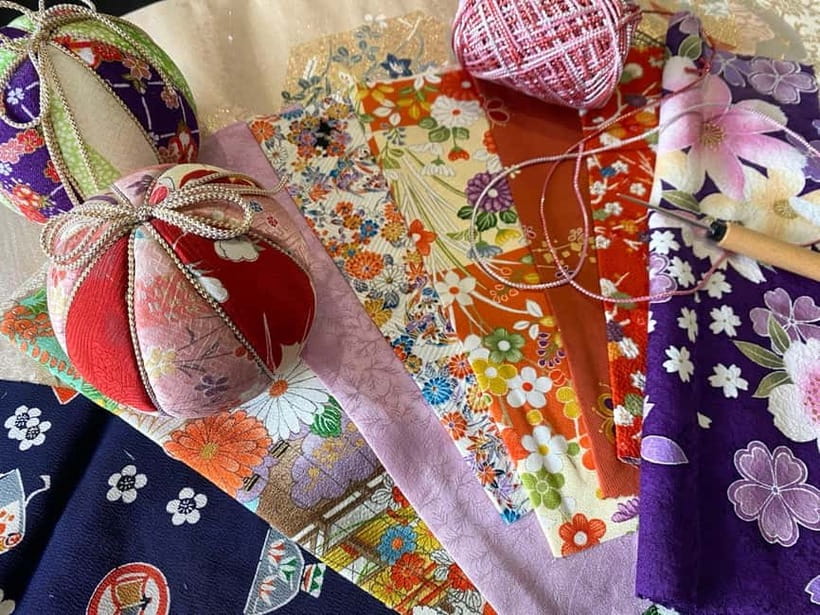
Kyoto has no shortage of workshops, but this one hits a specific sweet spot: you’re making something small, tactile, and deeply Japanese, without needing to “learn Japanese crafts” first. Temari are handcrafted decorative balls used as interior ornaments and for celebrations around Japan, so your finished piece isn’t just a souvenir—it’s a form with a real cultural job.
I like that the class is designed for real people on real trips. You don’t have to be artistic. You don’t have to sew for hours. You just choose your fabrics, follow the steps, and end up with something you can display at home.
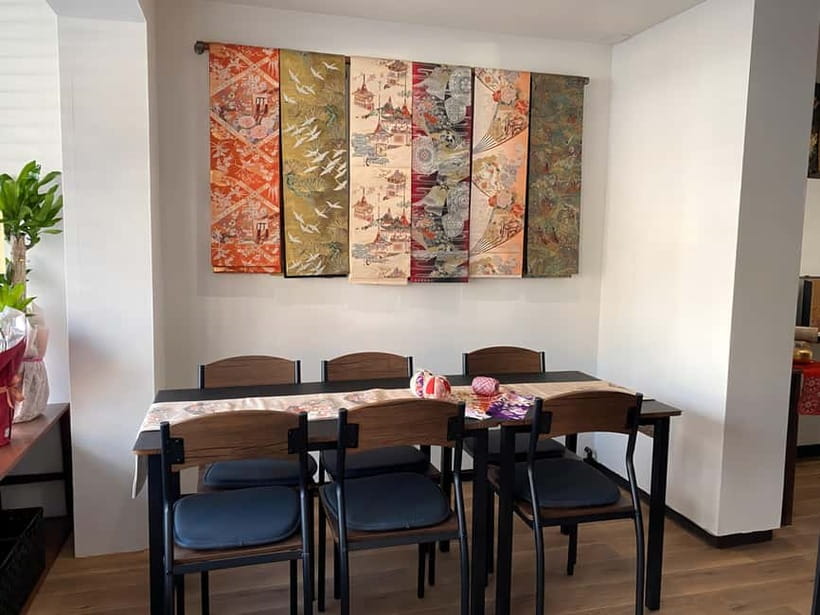
Also, the setting matters. The workshop takes place inside a renovated traditional Japanese antique boutique store. That means you’re not tucked into a generic studio. You’re in a shop environment that feels like part of Kyoto’s everyday craft culture, not a quick tourist stop.
Wander Kyoto in kimono a little longer



Entering the antique boutique: your first win is picking the fabrics
When you arrive, you simply enter the workshop and your host greets you. That sounds basic, but it sets the tone: there’s no complicated start-up. You’re quickly guided toward the part people remember most—the fabric selection.
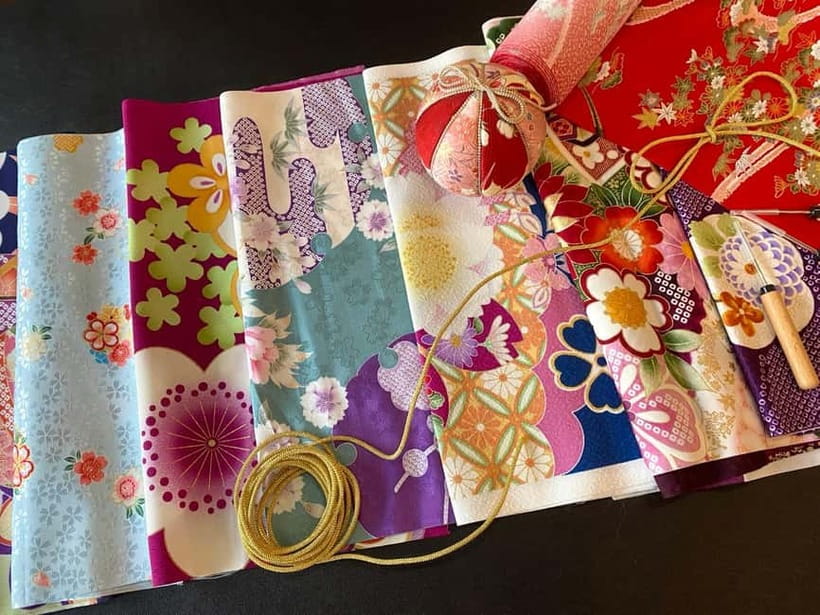
This is where the experience often wins even non-crafters. You get to work with kimono fabric pieces, and the choices are a big deal. Several people specifically praised the variety and how the instructor helps you narrow down colors and patterns. If you’re someone who likes textiles, you’ll probably end up slowing down here—because patterns can be addictive.
Practical tip: arrive with a little mental space for deciding. Picking your colors is part of the craft, and it’s also the moment you start feeling ownership over the final Temari.
And yes, it’s still relaxed. The shop atmosphere makes it feel like you’re hanging out with a craftsperson for a couple hours, not being processed like a ticket number.
What exactly is a Temari, and what are you making in 2 hours?
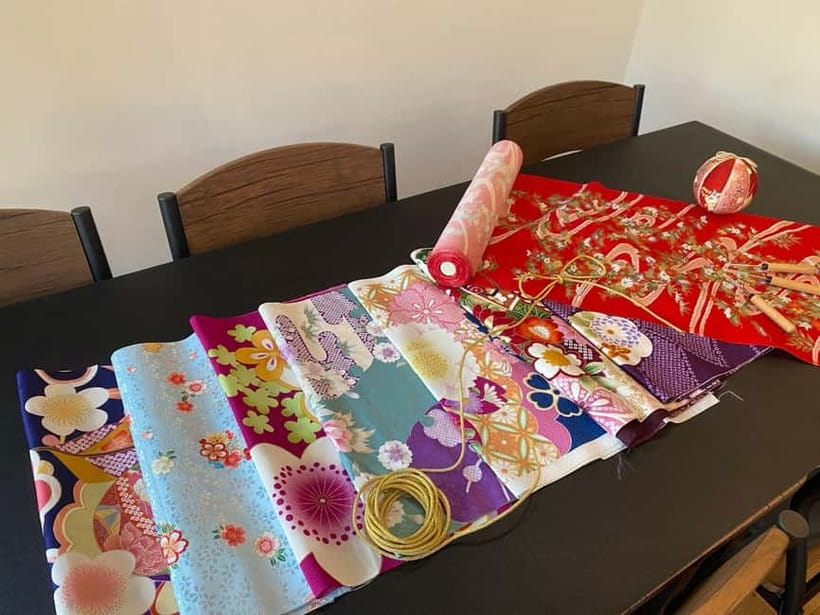
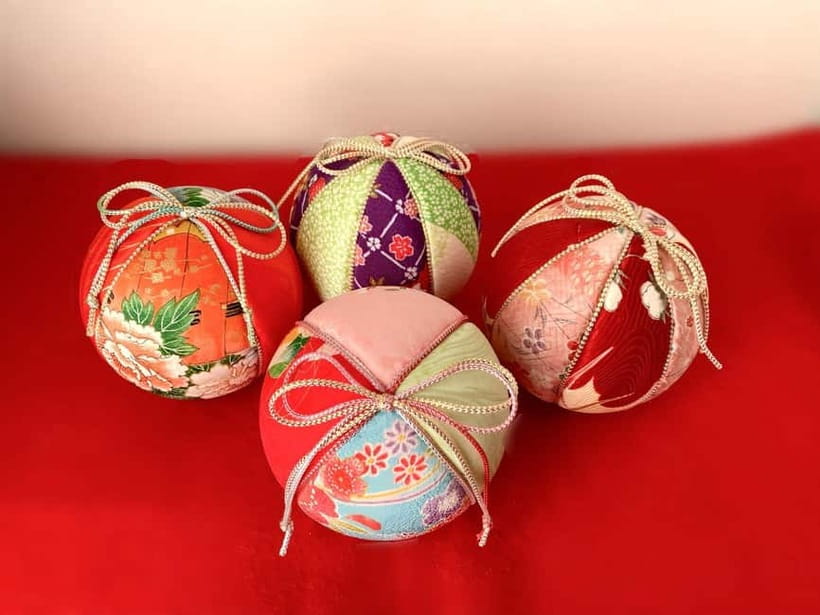
You’ll make one Temari during the class. Temari are decorative, traditionally made with careful wrapping and shaping, and they’re used as interior ornaments and across celebrations in Japan.
In this workshop, you’re using kimono fabric pieces to create your Temari. The materials are provided, and the instructor is there to guide you through the steps. No experience is required, so the class isn’t built around prior handcraft skill. The goal is a finished piece you’ll genuinely be happy to take home.
Because the class is limited to 2 hours, the structure is likely designed to keep things moving while staying beginner-friendly. In plain terms: you will not get stuck. You’re not expected to improvise. You follow a clear method, with help when you need it.
The instructor-led process: clear steps, patient teaching, and a manageable craft
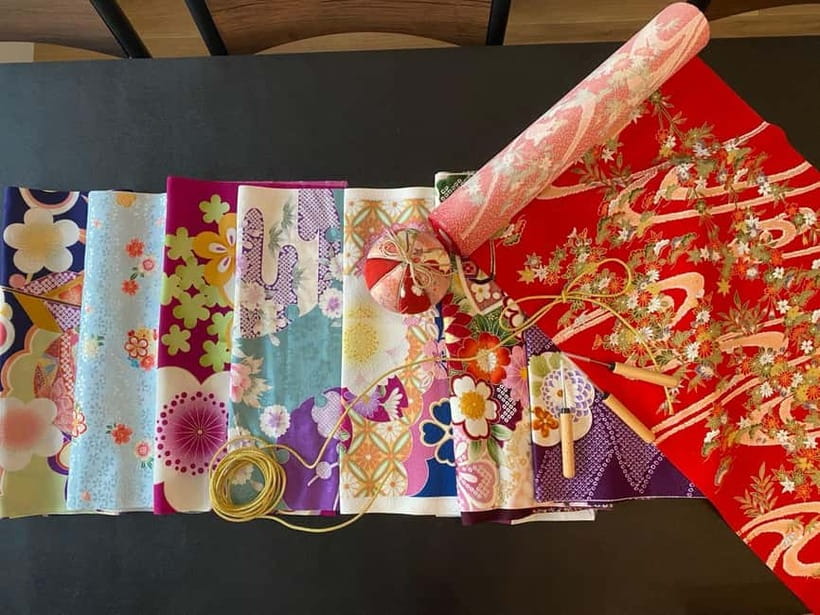
The workshop is led by a local crafts master/instructor who speaks English and Japanese. From the way people describe the instruction, the teaching style is patient and straightforward—exactly what you want when you’re trying something new on vacation.
One recurring theme in the experience is how easy it feels once you’re actually doing it. People noted that the craft is not so difficult, with explanations that make the whole process click. There’s also praise for how the instructor keeps things understandable even for complete beginners, including children.
It’s also worth mentioning what that likely means for you: you’ll get direction on the key moves so you aren’t guessing. That matters because Temari craft involves wrapping and shaping, and it’s easy to overthink it if the steps aren’t clear.
In a small group setting, questions don’t get lost. With a maximum of 4 participants, you’re more likely to get real help when you hit a snag—whether that snag is fabric choice, tension while wrapping, or just figuring out where to place your focus.
Refreshments during the workshop: tea and a traditional sweet that actually fit the vibe
The class includes a complimentary drink plus a traditional Japanese confectionery of your choice. People mentioned matcha lattes and tea, and they described the refreshments as genuinely good, not just a token gesture.
This part is more useful than it sounds. Crafting with hands can be surprisingly tiring—even if it’s fun. The drink and confectionery give you a natural pause, and it keeps the mood friendly. You’ll have a moment to relax, chat, and look at the fabric patterns in front of you while the craft continues at an easy pace.
You’re not required to rush or leave the room. The refreshments are built into the experience, which makes it feel like an actual Kyoto break rather than a quick add-on.
Other Kyoto tours and experiences to compare





Your Temari as a souvenir: why this one is worth the money
Plenty of Kyoto souvenirs look good in photos and then quietly disappear. This isn’t that kind of purchase.
You take home a unique souvenir of your trip to Japan that you made yourself. That matters because the value isn’t only in the object—it’s in the story. Your Temari is literally proof you slowed down long enough to learn a small craft.
People also talked about displaying the finished Temari at home, which tells you the end product has that “keep it” quality. And since it’s made with kimono fabric, you’re not dealing with generic colors. Pattern and texture carry through into the final look.
The $25 price and whether it feels fair
At $25 per person for a 2-hour class, you’re paying for:
- the workshop itself
- the instructor and guidance
- all necessary materials
- a complimentary drink
- a traditional Japanese confectionery
For a short, small-group, materials-included craft, that’s solid value. You’re not just buying a finished souvenir from a shelf. You’re paying for time, teaching, and materials—plus a specific cultural technique (Temari) instead of a generic craft.
If you’re the kind of traveler who likes one high-quality, meaningful item, this price-to-value ratio makes sense. If you’re looking to buy multiple gifts, this class gives you one main “hero” piece, so plan to spend additional money in other shops if you want variety.
Best ways to pair this class with Kyoto sightseeing
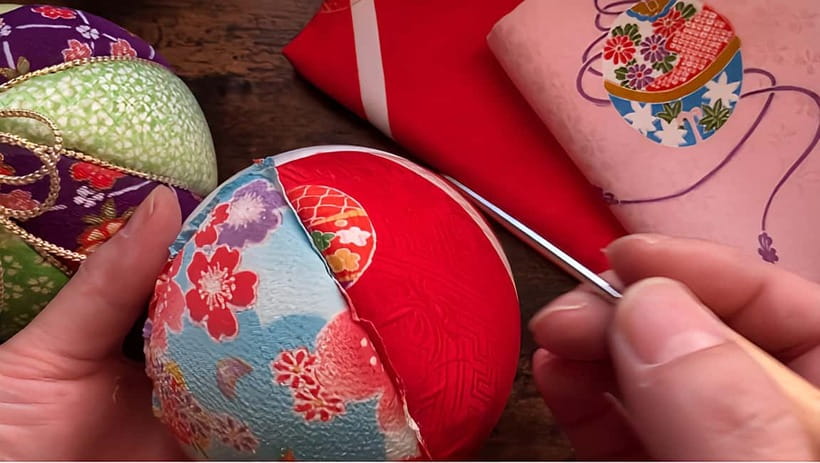
The workshop is located in Kyoto’s sightseeing area, with historically significant temples and shrines nearby. That’s a big practical win: you can fit the class between walks without turning your day into a logistics puzzle.
A common pattern works well:
- Do the workshop in the early part of the day
- Then head out on foot for temples/shrines while the neighborhood is still lively and you feel fresh
Some people also mentioned nearby spots like Philosopher’s Path and plenty of cafes in the surrounding area. Even if you skip specific named stops, you’ll still find that the location is convenient for continuing your day at a relaxed pace.
Timing tip
Because the workshop lasts 2 hours and ends with a take-home item, you’ll probably enjoy your remaining time more if you schedule it before your evening gets crowded. You’ll want time to walk, stop for photos, and maybe grab a meal without rushing back immediately.
Who should book this workshop (and who might skip it)
This Temari workshop is a great match if:
- you want a calm, creative break from nonstop walking
- you enjoy textiles and color choices
- you want a souvenir that you made, not just bought
- you’re traveling with kids or family and want an activity that works across ages
- you like small groups (limited to 4) where questions are easy
You might skip it if:
- you’re hoping for a full multi-hour craft session with multiple projects
- you’re only interested in guided temple touring (this class is focused on making Temari inside the shop)
- you’re looking for a bargain where you only pay for materials (here you’re paying for teaching plus a complete experience)
A note on accessibility and language comfort

The workshop is wheelchair accessible, and the instruction is available in English and Japanese. So if you’re worried about communicating your needs or following along, that reduces stress.
Even if your Japanese is basic, you’re not left to guess. Clear guidance is part of how this workshop is set up.
Booking this class: what to do for the smoothest experience
To get the best results, show up ready to choose. The fabric selection is a key part of the enjoyment, and it influences how happy you’ll be with the final Temari.
Also, bring a little patience for decision-making. When you’re picking from kimono patterns, it’s easy to get stuck between two favorites. That’s normal, and the instructor can help you narrow it down.
Finally, keep your day flexible enough to enjoy the surrounding area after. Temples and shrines are nearby, and it’s nice to have time to stretch your legs afterward.
Should you book this Kyoto kimono-temari workshop?
If you want one meaningful hands-on experience in Kyoto, I’d book it. The combination of beginner-friendly teaching, small-group size, included refreshments, and a take-home item you made yourself is a strong recipe for a satisfying day.
I especially think it’s worth it if you like textures, colors, or gifts with a personal story. The workshop gives you that without requiring prior skill or a huge time commitment. At $25 for a 2-hour class that includes materials and guidance, it feels like good value for a craft you’ll actually keep.
If you’re more “temple all day” than “hands-on day,” then it might feel like a detour. But even then, treat it as a breather. Kyoto’s best days often mix big sights with smaller moments where you slow down.
FAQ
How long is the Kyoto Kimono Fabric Temari workshop?
The workshop lasts 2 hours.
How much does it cost?
It costs $25 per person.
What will I make during the class?
You’ll make one Temari using kimono fabric.
Do I need any prior experience or skill?
No. No prior experience or skill is required, and it’s suitable for beginners.
What is included in the price?
The price includes a complimentary drink, traditional Japanese confectionery of your choice, all necessary materials, the Temari workshop, and the local crafts master/instructor.
Is the workshop suitable for children?
Yes. It’s suitable for all ages, including children.
What languages are the classes taught in?
The instruction is available in English and Japanese.
Where do I meet the host?
Enter the workshop upon your arrival. Your host will be waiting to greet you.
Is it wheelchair accessible?
Yes, the workshop is wheelchair accessible.
More Workshops in Kyoto


More Tour Reviews in Kyoto





More Kimono Days in Kyoto



Just added: more Kyoto tours to browse








Kyoto Kimono Experiences, compared.
 ★ 5.0Kimono Tea Ceremony at Kyoto Maikoya, NISHIKIFrom $65911 reviews
 ★ 4.8Kimono Rental with Hairstyling and AccessoriesFrom $21653 reviews
 ★ 4.9Kimono Tea Ceremony at Orizuruya GionFrom $49618 reviews
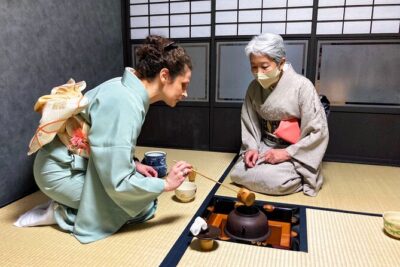 ★ 5.0KYOTO Tea Ceremony with kimono near by Imamiya Jinjya ShrineFrom $99343 reviews
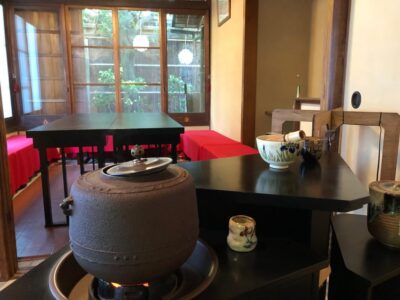 ★ 4.3Kimono and Tea Ceremony Experience at Cultural AssetFrom $222306 reviews
 ★ 4.7Traditional Kimono RentalFrom $25265 reviews
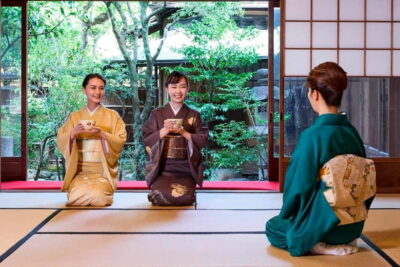 ★ 4.9Kimono Tea Ceremony with Matcha and SweetFrom $66249 reviews
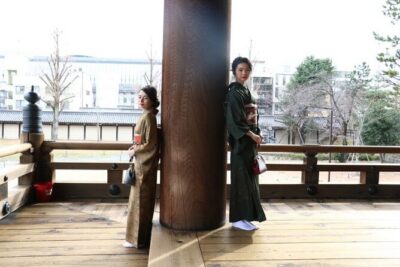 ★ 5.0Family-Friendly Kimono & Yukata Experience at WARGOFrom $31147 reviews
Browse the lists this tour appears in