
Reviewed · KYOTO TEA CEREMONIES
Kyoto Tea ceremony with Japanese Flower Arrangement Ikebana
Silence has a flower scent. This Kyoto experience pairs an Ikebana workshop with a tea ceremony in a traditional Japanese room, and it all starts with picking your own seasonal blooms. I love that you create something personal from real, current-season plants, and I love that your finished work gets displayed in the tokonoma alcove before the tea moment. The one drawback: this is quiet, reflective art—not a fast, sightseeing-heavy class.
You’ll meet in a renovated traditional townhouse (about 100 years old) near Kinkaku-ji and Daitoku-ji, in a small group capped at 6. It runs about 1 hour 30 minutes and uses a mobile ticket, which makes the whole thing easy to fit into a temple day without fuss.
In This Review
- Key highlights you’ll care about
- A 100-Year-Old Townhouse Near Kyoto’s Big Temple Day
- Picking Seasonal Flowers: Your First Real Choice
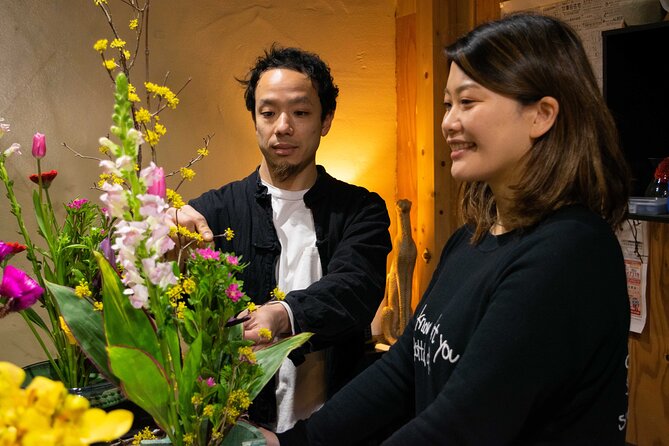
- The Ikebana Workshop: Guided, Patient, and Not Too Serious
- From Workshop to Tokonoma: Where Your Arrangement Gets Shown
- The Tea Ceremony Moment: More Than Watching the Host
- Value and Timing: Why $61 Can Feel Like a Deal
- Who This Kyoto Class Is Best For (and Who Should Skip It)
- Should you book this Kyoto tea ceremony with Ikebana?
- FAQ
- How long is the Kyoto tea ceremony with Ikebana experience?
- Where does the experience start?
- Is this experience suitable for beginners?
- Can I take my Ikebana creation to my hotel?
- How large is the group?
- Is cancellation free?
Key highlights you’ll care about
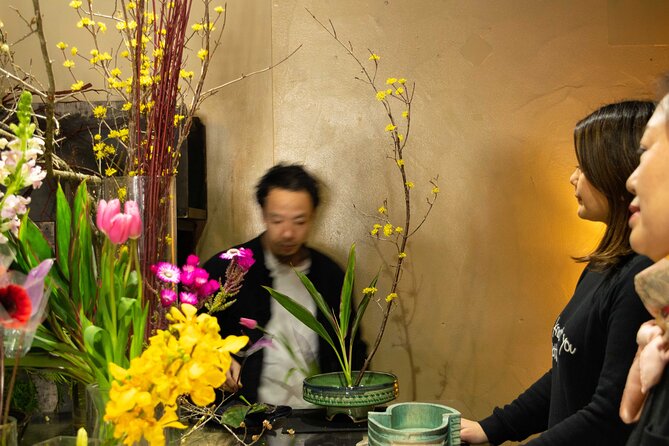
- Seasonal flower choosing: pick favorites from the flower shop before you start arranging
- Small group vibe: max 6 people, so your instructor can slow down when you need it
- Tokonoma display: your arrangement is shown in the room where the tea ceremony happens
- Tea master role: you get to take part, not just watch
- Wabi-sabi lean: the instructor focuses on plant beauty and natural form, not rigid rules
- Take it with you: if you want, you can bring your arrangement back to your hotel
A 100-Year-Old Townhouse Near Kyoto’s Big Temple Day
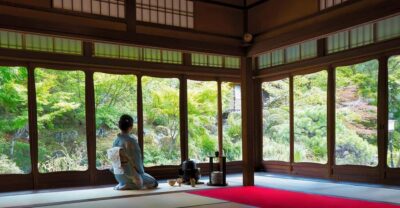
This workshop-and-tea combo takes place in a renovated traditional townhouse, reportedly around a century old. That matters more than it sounds. Kyoto can feel like a lot of stone steps and crowds when you hit the famous sights. Here, you trade that energy for calmer rooms, wood, and a more human scale.
The location is also practical: the meeting point is in Kita Ward, close to the Kinkaku-ji and Daitoku-ji temple area. That makes planning simpler. You can build a day where you see temples in the morning, then shift into something slower and more indoor at the exact moment you start craving a break.
Logistically, it’s also built for real travel rhythms. You’ll start and finish at the same meeting point. It runs about 90 minutes, so you don’t need to rearrange your whole day around it. And with a small group size (maximum 6), this tends to feel like a focused lesson rather than a factory-style activity.
One more detail I appreciate: the experience describes an emphasis on reverence for nature and self-dialogue—basically the art is meant to feel like meditation. If you like hands-on culture that slows your brain down, you’ll probably love the pacing.
Sit for another bowl of matcha in a Kyoto tea house


Picking Seasonal Flowers: Your First Real Choice
Before you even touch the stems, you get a chance to choose your own flowers from the shop. That simple step changes the whole feel of the class. Instead of arranging whatever happens to be set out, you start with your taste and the mood of the season.
This matters for two reasons.
First, it teaches you that Ikebana isn’t just “making something pretty.” It’s about paying attention. The instructor approach emphasizes respecting the natural form of the plants themselves. When you select seasonal flowers, you’re basically saying yes to what Japan is growing now, not what you wish was growing.
Second, it gives you a personal anchor for the rest of the session. Later, when your work is displayed in the tokonoma alcove, it won’t feel generic. It will feel like your hands met your materials.
If you’re a beginner, this is a great way to start because the flowers do some of the work for you. The shape, color, and stems you choose will guide the composition more naturally than trying to force a design from scratch.
Tip for you: look for variety in stem shape (some thicker, some thinner) and consider contrast in color. The shop’s seasonal selection won’t be the same day-to-day, so you can’t fully control the palette—but you can choose how your arrangement feels once you see what’s available.
The Ikebana Workshop: Guided, Patient, and Not Too Serious
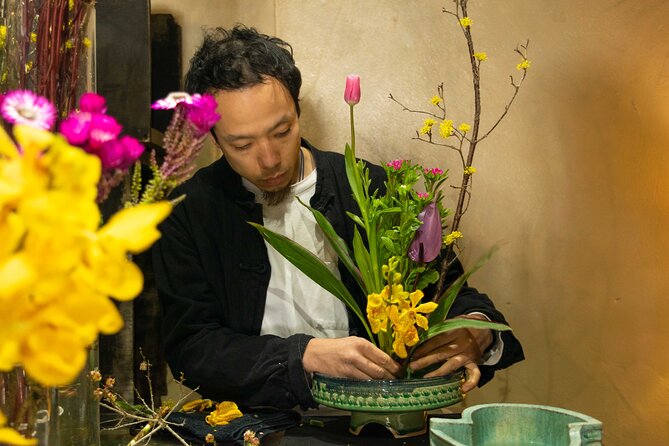
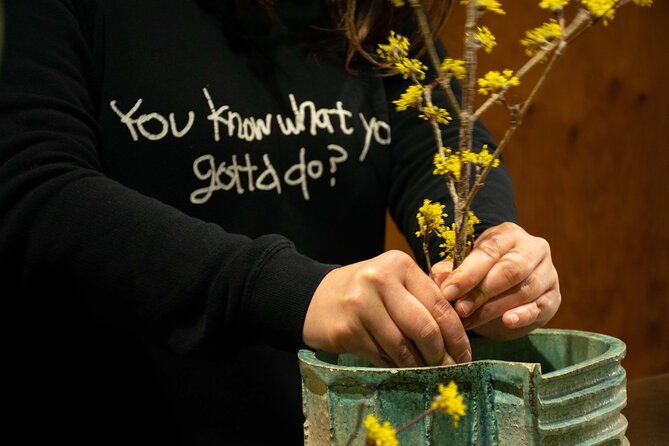
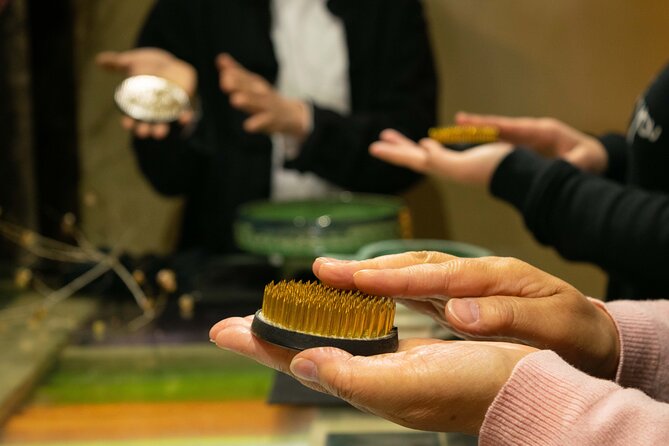
During the Ikebana workshop, instructors guide you in creating your own arrangement. The experience is designed for beginners, which is key. You shouldn’t feel like you need prior training to participate. You’ll learn the basic idea and then build from there with hands-on support.
What I like about the teaching style here is the described approach: the owner’s method diverges slightly from classic forms. Instead of chasing strict rules, the focus is on bringing out the beauty of the plants while still respecting what the plants naturally want to be. The experience even links it to a primitive feel and the spirit of wabi-sabi—the idea that simplicity and natural character matter more than perfection.
That approach tends to lower pressure. When the goal is expression and natural form, you’re less likely to panic if your arrangement doesn’t look like something in a textbook.
Expect the session to function like a calm lesson, not a timed contest. The class size stays small, and the instruction is presented as patient and informative. That combination is one of the big reasons this tends to suit solo travelers too—you can ask questions and still keep a peaceful pace.
Practical reality check: bring your curiosity more than your inner critic. Ikebana results can vary depending on the seasonal flowers you’re given and how your stems behave. That variation is part of the point.
From Workshop to Tokonoma: Where Your Arrangement Gets Shown
After the Ikebana part, you move into the traditional Japanese room for the tea ceremony. This is where the experience adds meaning, not just movement.
Your arrangement is displayed in the tokonoma alcove in that room. The tokonoma is an intentional space, used to frame art and create a visual pause. Seeing your own work placed there changes it from a classroom project into something closer to a real cultural moment.
It also reframes the tea ceremony. Tea and Ikebana are often connected through attention and atmosphere. When your flowers are already part of the visual environment, the tea feels less like a separate performance and more like the next step in the same theme: respect for what’s in front of you.
Another neat bonus in the description: you can see how the master conducts the tea ceremony, and you can play a role as a tea master if you wish. That’s a small difference, but it matters. Watching is one thing. Participating—within what the session allows—turns the whole ritual into lived experience.
If you like culture that’s quiet but not passive, this structure is a strong match. You’re producing, then you’re observing in context, then you’re participating.
The Tea Ceremony Moment: More Than Watching the Host
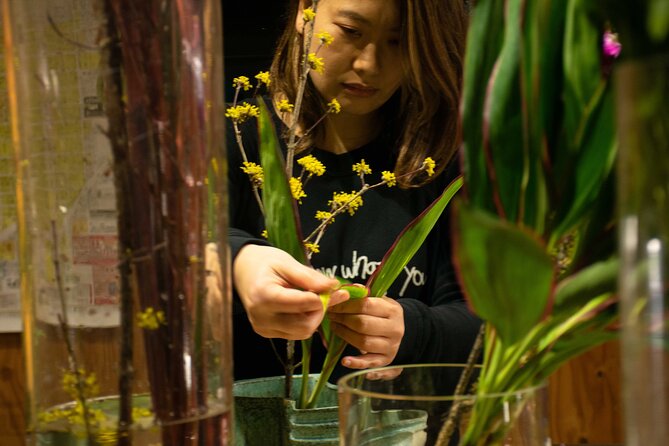
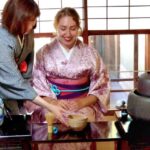
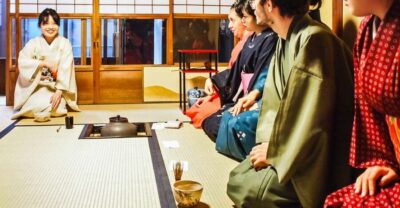
The tea ceremony is the second half of the arc, and it’s presented as a time to slow down and notice details. While you’re in the room, the master demonstrates how the tea ceremony is carried out. At the same time, your arrangement is already part of the setting in the tokonoma, which makes the room feel composed rather than random.
The experience also gives you a chance to play a role as tea master if you want. That means the ceremony isn’t only a show where you sit at the edge of the room and hope you understand the meaning later. You get a practical taste of the ritual actions.
In many tea experiences, visitors just observe. Here, participation is offered, which makes the session more memorable—especially if you’re the type who learns by doing.
If you’re thinking about expectations, here’s a useful way to frame it: the tea ceremony isn’t about coffee-and-cake entertainment. It’s about form, timing, and respect for the moment. If you’re willing to match that pace, you’ll likely enjoy the calm focus the experience is aiming for.
And if you’re someone who likes “Zen experiences” but finds many of them too vague, this pairing helps. Ikebana gives you a concrete activity. Then tea gives you a concrete ritual to practice attention and presence.
Make something by hand in a Kyoto workshop


Value and Timing: Why $61 Can Feel Like a Deal
The price is listed at $61, and the duration is about 1 hour 30 minutes. For Kyoto, that sits in the category of a true cultural workshop rather than a short roadside demo.
Here’s why the value feels reasonable based on what you actually do:
- You select seasonal flowers from the shop.
- You receive guided instruction to create your own Ikebana arrangement.
- Your work gets displayed in the tokonoma during the tea ceremony.
- You also observe the ceremony and can take part as a tea master.
- You may be able to take your creation back to your hotel if you want.
You’re paying for more than entry into a room. You’re paying for guided making time, cultural context, and a guided ritual experience in a small group setting.
Timing is another part of the value. Ninety minutes is long enough to feel like you did something real, but short enough that you can still keep a flexible day. If you’re planning temple visits around Kinkaku-ji and Daitoku-ji, this fits nicely as a mid-afternoon reset or a cool-down after walking.
Group size matters for value too. A max of 6 travelers usually means more individualized attention than you’d get in larger classes. When an activity depends on hand skills and quiet timing, that matters.
Who This Kyoto Class Is Best For (and Who Should Skip It)
This experience fits best if you want hands-on Japanese culture that feels calm and personal.
It’s a great match for:
- Beginners who want structure and patient guidance
- Solo travelers who prefer a warm, smaller-group setting over a big group shuffle
- People who like reflective activities and don’t need nonstop entertainment
- Travelers interested in the connections between Ikebana, nature, wabi-sabi, and tea
It might feel like a mismatch if:
- You want a loud, high-energy performance
- You’re only looking for photos and don’t want to participate
- You dislike quiet routines and slow pacing
One of the strongest themes in the description is meditation-like focus. If that’s your thing, you’ll probably leave feeling lighter, not just “educated.”
Should you book this Kyoto tea ceremony with Ikebana?
If you’re in Kyoto and you want one activity that actually teaches you something while still feeling serene, I think this is a strong booking. The combination is what makes it work: you create first, see your work framed in the tokonoma, then step into the tea ritual with a chance to take a role.
Book it if you like small-group classes, natural-looking art, and calm cultural moments. Skip it if you only want surface-level sightseeing or you’re chasing a big group, high-energy itinerary.
FAQ
How long is the Kyoto tea ceremony with Ikebana experience?
It lasts about 1 hour 30 minutes.
Where does the experience start?
The meeting point is 44-4 Murasakino Kamimonzenchō, Kita Ward, Kyoto, 603-8217, Japan.
Is this experience suitable for beginners?
Yes. The experience notes that beginners are welcome.
Can I take my Ikebana creation to my hotel?
Yes. If you want, you can take your floral creation to your hotel.
How large is the group?
The activity has a maximum of 6 travelers.
Is cancellation free?
Yes, cancellation is free. You can cancel up to 24 hours in advance for a full refund. If you cancel within 24 hours of the start time, the amount paid is not refunded.
If you want, tell me your travel dates and whether you’re doing Kinkaku-ji or Daitoku-ji the same day—I can suggest a smart order that keeps this experience from getting squeezed by crowds.
More Tour Reviews in Kyoto




More Kyoto Workshops to Try

One More Bowl of Matcha

Just added: more Kyoto tours to browse








Kyoto Tea Ceremonies, compared.
 ★ 4.9Tea Ceremony in a Traditional Tea House in KiyomizuFrom $493,519 reviews
 ★ 4.9Tea Ceremony Ju-An at Jotokuji TempleFrom $293,207 reviews
 ★ 4.345-Minute Tea Ceremony Lesson ExperienceFrom $222,378 reviews
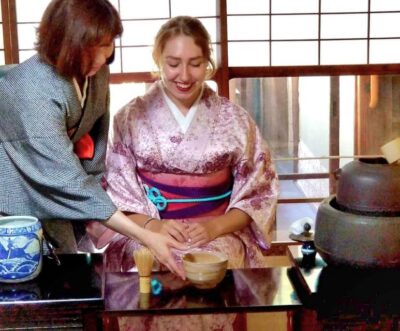 ★ 4.9Table-Style Tea Ceremony at a Kyo-MachiyaFrom $451,211 reviews
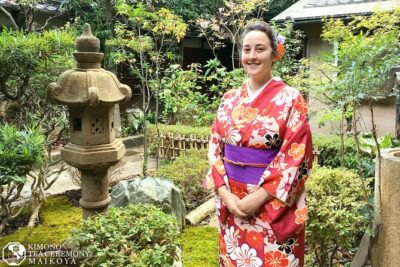 ★ 5.0Kimono Tea Ceremony at Kyoto Maikoya, NISHIKIFrom $65911 reviews
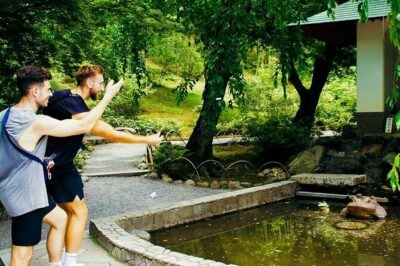 ★ 5.0Arashiyama Bamboo Forest, Monkeys, Matcha & Temple TourFrom $53759 reviews
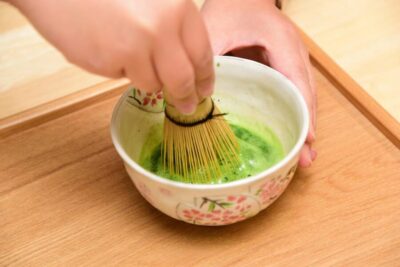 ★ 4.9Tea Museum Tickets and Matcha Grinding ExperienceFrom $23739 reviews
 ★ 4.9Kimono Tea Ceremony at Orizuruya GionFrom $49618 reviews
Browse the lists this tour appears in