
Reviewed · NARA DAY TRIPS FROM KYOTO
Kyoto Private Car Tour with Japanese Navigator (+Nara) T5
Kyoto by car means less suffering. This Kyoto private car tour with a Japanese navigator makes it easy to hit the big sights and still keep your day sane, with thoughtful help like taking you as close as possible so you do less walking. From the start, the guide experience feels personal and well run.
I especially like the way this tour stays flexible. You can shape the day around what you care about, from classic temples to quieter temple moments like copying sutras or meditating in a temple garden, plus breaks for local food along the way. You also get those small seasonal joys Kyoto does well, like seasonal animals and flowers right in the city.
One thing to plan for: the big-ticket “city costs” are not included. Entry fees, parking, toll roads, and food and drinks add up, and the car has rules on luggage. If you’re traveling with bulky bags, read the limits before you go.
In This Review
- Key highlights you’ll actually feel
- The value of Kyoto private car touring (especially if time is tight)
- Pickup, car comfort, and the small rules that matter
- How the guide plans around your interests (and how Nara can fit)
- Kinkakuji Golden Pavilion: the must-see, with fewer headaches
- Bamboo forest time: a Kyoto sensory break
- Toriimoto’s traditional village feel: when Kyoto slows down
- Gion by night: lantern streets, guided pacing
- Fushimi Inari Shrine: the steps and the strategy
- Food along the way: local stops without guessing
- Optional extras: sutra copying and temple garden meditation
- What’s included, what you pay for separately
- What to bring (and what not to bring)
- Languages and communication: no stress if you plan ahead
- Booking fit: who this tour is for (and who should think twice)
- Should you book Kyoto Private Car Tour with Japanese Navigator (+Nara) T5?
- FAQ
- What is included in the Kyoto Private Car Tour with Japanese Navigator (+Nara) T5?
- What is not included in the tour price?
- How many people can ride in the car?
- Is the tour accessible for wheelchairs or disabilities?
- What languages are available?
- What should I bring for the tour?
- Are there any restrictions while in the vehicle?
Key highlights you’ll actually feel
- A Japanese navigator who helps with timing, traffic, and explanations in English or Japanese
- Private-car comfort with hotel pickup and WiFi, charging devices, and bottled water
- Custom stops that can include classics plus calmer options like sutra copying or garden meditation
- Smart route choices aimed at avoiding peak traffic and cutting down long walks
- A mix of Kyoto moods: Golden Pavilion, bamboo, traditional streets, Gion at night, and Fushimi Inari
The value of Kyoto private car touring (especially if time is tight)
Kyoto looks simple on a map. In real life, it’s a maze of crowds, narrow streets, and spotty transit links between the “must-see” neighborhoods. That’s where a private car tour pays off fast. You’re not gambling on bus schedules or bouncing between stations while you’re trying to enjoy the temples.
For the money, the best value here is that you’re buying a driver who understands how to move through the city and a guide who can translate what you’re seeing into something that actually makes sense. In practice, that means fewer wrong turns and more time spent at the places you planned to visit.
The tour is listed at $128 per person, which may sound steep if you compare it to a group bus. But once you factor in the private transportation, hotel pickup, and the guide time (plus convenience items like WiFi and phone charging), it’s a very reasonable way to see a lot in one day without feeling rushed every five minutes.
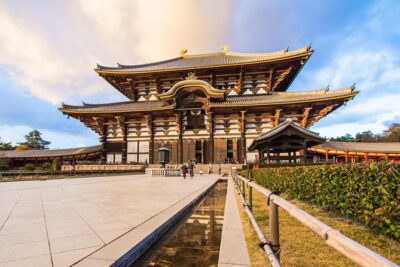
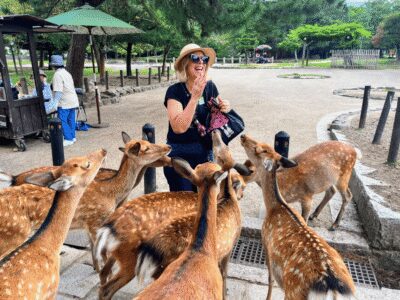
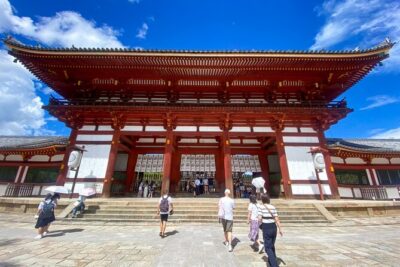
More day trips out to Nara and its bowing deer
Pickup, car comfort, and the small rules that matter
This is a door-to-door style tour: hotel pickup and Kyoto city drop-off are included. You’ll also have a private guide and driver, plus petrol. That matters because it removes the “who pays for what” confusion and lets you focus on the day.
Inside the car, you get the practical stuff that makes Kyoto easier: a bottle of mineral water, charging devices while traveling, and WiFi connection. A couple of visitors also noted umbrellas and extra phone charging support, which is the kind of detail you appreciate in Kyoto’s frequent sudden rain.
The car size is the one logistics point you must take seriously. It can accommodate up to 3 adults, or 2 adults and 2 children. If there are 4 guests, one adult needs to sit in the middle of the rear seat. If your group is already tight and you’re tall or broad, that seating setup can affect comfort.
This tour is also wheelchair and disability friendly, and it’s LGBT friendly. That’s not a marketing line you usually get to test, so it’s good to see it stated clearly.
How the guide plans around your interests (and how Nara can fit)
A private navigator is most valuable when you want options. The tour is designed for exactly that: you can give a target style and the guide builds the day around it.
Some examples of what can show up in a custom plan:
- classic historical sights like Kinkakuji (Golden Pavilion)
- Kyoto neighborhoods that feel traditional, like Toriimoto
- evening atmosphere in Gion
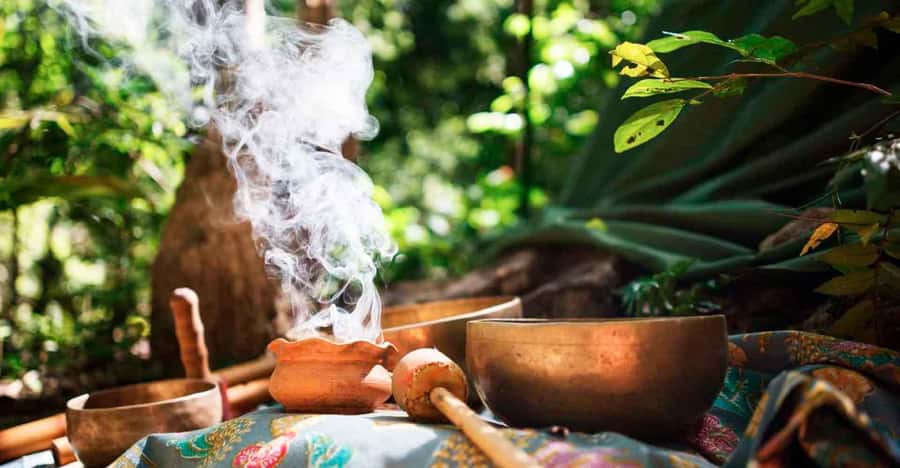
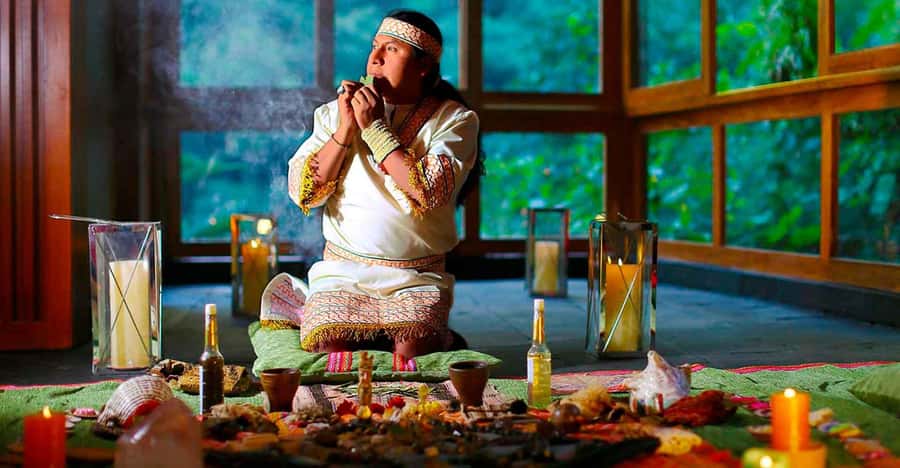
- a temple-style experience like copying sutras or meditation in a temple garden
Because the tour includes (+Nara) in the title, you may be able to extend the day beyond Kyoto. The key is to tell the navigator what you want from Nara and what you’re willing to trade off time-wise. If you’re doing both cities, I’d treat the day as “a highlight sprint,” not a slow wander.
One thing you should count on: the guide will adjust for real-world conditions. More than once, visitors emphasized how the navigator routes to reduce heavy traffic, especially around afternoon peak hours. That translates into less stress and better pacing for people who hate feeling stuck on the road.
Kinkakuji Golden Pavilion: the must-see, with fewer headaches
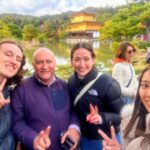
Kinkakuji (Golden Pavilion) is one of those sights where the guide’s job isn’t just explaining. It’s also helping you experience it efficiently. When you’re on foot with crowds, you spend energy standing still and waiting for a gap in the flow. With a car and a navigator, you can spend more time actually looking and less time dealing with getting yourself there.
What to expect at Kinkakuji is the classic Golden Pavilion scene: iconic architecture, reflective views, and that instant “I get why people come” feeling. What makes it better with this tour is the broader context. The guide can connect what you’re seeing to Kyoto’s way of blending ceremony, nature, and visual symbolism.
Potential drawback: Kinkakuji can be crowded at peak times. The tour can’t erase crowds, but it can help with timing and getting you moving without wasting daylight.
Bamboo forest time: a Kyoto sensory break
The day may include the bamboo forest, which many people list as a top Kyoto memory. Even if you’ve seen photos, the scale and the sound feel different in person. The guide can help you reach the area smoothly and keep the visit from turning into a long shuffle.
Bamboo forest visits are also a good “breather” between heavier temple stops. You shift from architecture and shrine energy to a calmer, more atmospheric walk.
One practical note: if you’re visiting when it’s hot, humidity can hit hard. A past tour on a really hot summer day highlighted that the guide helped keep the outing comfortable, including thoughtful pacing and minimizing unnecessary walking. That’s exactly what you want from a private tour.
Other Kyoto tours and experiences to compare

Toriimoto’s traditional village feel: when Kyoto slows down

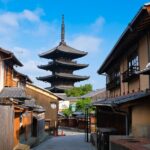
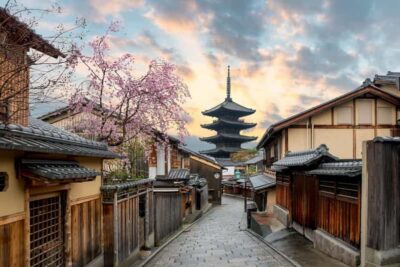
Toriimoto is a different kind of Kyoto. Instead of a single famous monument, it’s about streets and atmosphere—how daily life and old design language show up in one small area.
This kind of stop is valuable because Kyoto isn’t only about the headline temples. It’s also about the in-between details: the texture of old neighborhoods and the feeling of being in a place that still works as a lived-in city. With a navigator, you’re more likely to understand why the area exists and what you’re supposed to notice.
Potential drawback: if your group wants only the biggest-name shrines, a traditional village can feel like “one more stop.” The fix is simple: ask the guide what you’ll enjoy there—craft vibe, photo spots, seasonal scenes—so you don’t waste your time.
Gion by night: lantern streets, guided pacing
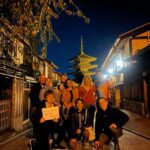
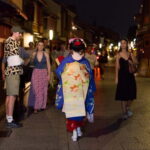
One of the most memorable portions of many Kyoto days is Gion by night. It’s where the city changes tempo. You still get the historic district vibe, but with evening light and a different crowd pattern than daytime.
The best thing about including Gion on a private tour is pacing. You’re less likely to hit the area only when it’s at its most congested. A navigator who can shift timing and take you where it’s easiest to enter and move can make the whole evening feel smoother.
What to expect is mostly ambiance: traditional streets, evening atmosphere, and that sense of Kyoto as a living cultural stage. Since exact route details aren’t guaranteed for every booking, focus your expectations on the neighborhood experience rather than trying to “do everything in one loop.”
Fushimi Inari Shrine: the steps and the strategy

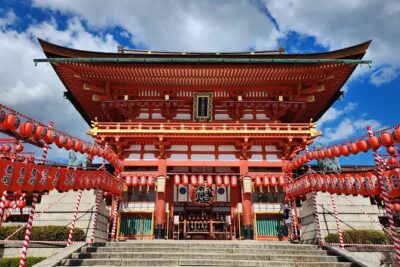
Fushimi Inari Shrine is the other Kyoto icon everyone wants. It’s also the one where the reality can surprise you: the stair steps and the forest of gates can turn into a workout fast.
A private guide helps you handle that strategically. Instead of following a rigid path with everyone else, you can decide how far you want to go and how much time you want to spend at viewpoints. That matters if you have mobility limits or just don’t want to spend the whole day climbing.
Potential drawback: you may still see crowds because it’s one of Kyoto’s top priorities. The tour’s advantage is less about avoiding people entirely and more about keeping you moving well and not losing time to confusion.
Food along the way: local stops without guessing
Food isn’t included, but it’s part of the tour experience. The navigator can recommend local eats and build in stops so you’re not eating only what’s convenient near a station.
Even if you have dietary preferences, this is the part where a navigator can do the most practical good. You’ll get better options than random convenience restaurants near major attractions.
Small tip for your day: bring some cash. It’s specifically listed as something to bring, which is a clue that not every place you might want to eat uses the same payment systems.
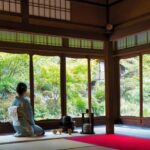
Optional extras: sutra copying and temple garden meditation
Here’s one of the tour’s standout strengths: it doesn’t lock you into only the obvious sights. The guide can customize toward more reflective experiences, including:
- copying sutras
- meditating at a Japanese temple garden
You don’t need to be a scholar or a meditation expert. You’re basically buying a slower, more hands-on angle of Kyoto—one that helps the day feel more than just sightseeing stamps.
Potential drawback: these activities can affect your schedule and timing, especially if you’re also trying to fit in Nara. If you really care about these moments, tell the guide early so they can plan the day around them.
What’s included, what you pay for separately
To judge value, it helps to separate comfort from admission costs.
Included:
- hotel pickup
- Kyoto city drop-off
- private car
- private guide and driver
- petrol
- 1 bottle of mineral water
- charging devices
- WiFi connection
Not included:
- entry fees
- parking fees
- toll road fees
- food and drinks
That split is normal for a Japan sightseeing tour. Still, you should budget extra so the day doesn’t surprise you at the end. If you want a smoother financial picture, decide ahead of time how many paid sights you’re prioritizing and whether you’ll add Nara.
What to bring (and what not to bring)
Kyoto can be unpredictable on a weather front, and this tour plan expects that. Bring:
- rain gear
- cash
- a charged smartphone
- internet access
Not allowed:
- oversize luggage
- luggage or large bags
- smoking in the vehicle
If you’re traveling with big suitcases, you’ll need a lighter daypack strategy. The car can’t be a rolling storage unit, and you’ll enjoy the day more if everyone’s luggage is manageable.
Languages and communication: no stress if you plan ahead
This tour runs in English and Japanese. That helps a lot if you want historical context and not just a list of names. You can ask questions, clarify what you’re seeing, and adjust on the fly.
Also, a few practical extras show up through the day: water, umbrellas, and phone charging support were mentioned as helpful. Those are the kinds of small things that turn a “good tour” into an easy tour.
Booking fit: who this tour is for (and who should think twice)
This private car tour is a strong match if you want:
- to see multiple Kyoto highlights in one day
- a guide who can explain what you’re looking at and help with timing
- less walking, or easier movement between areas
- flexibility for traditional experiences like sutra copying or temple garden meditation
- comfort perks like WiFi and charging during transfers
It may be less ideal if:
- you only want a single sight and you’re happy to travel solo by transit
- you’re expecting entry fees and meals to be included in the price
- your group has four adults who won’t enjoy the rear-middle seat arrangement
Should you book Kyoto Private Car Tour with Japanese Navigator (+Nara) T5?
If your goal is a smooth, high-value Kyoto day with less stress between stops, I’d book it. The combination of private car logistics, a friendly Japanese navigator, and real scheduling help (like routing around traffic) makes a big difference when Kyoto’s crowds and transit friction are at their worst.
The decision comes down to your priorities. If you want variety—Kinkakuji, bamboo, a traditional village, Gion at night, Fushimi Inari—and you also like the idea of customizing with temple practices, this tour fits beautifully. Just go in with a realistic budget for entry fees, parking/tolls, and food, and travel light for the car.
FAQ
What is included in the Kyoto Private Car Tour with Japanese Navigator (+Nara) T5?
It includes hotel pickup and Kyoto city drop-off, a private car, petrol, a private guide and driver, 1 bottle of mineral water, charging devices while traveling, and WiFi connection.
What is not included in the tour price?
Entry fees, parking fees, toll road fees, and food and drinks are not included.
How many people can ride in the car?
The car can accommodate up to 3 adults, or 2 adults and 2 children. For 4 guests, one adult needs to be seated in the middle of the rear seat.
Is the tour accessible for wheelchairs or disabilities?
Yes. The tour is listed as wheelchair and disability friendly.
What languages are available?
The tour is available in English and Japanese.
What should I bring for the tour?
You should bring rain gear, cash, a charged smartphone, and internet access.
Are there any restrictions while in the vehicle?
Oversize luggage and large bags are not allowed, and smoking in the vehicle is not allowed.
More Tours in Kyoto
More Tour Reviews in Kyoto
More Nara Day Trips

Just added: more Kyoto tours to browse





Nara Day Trips from Kyoto, compared.
 ★ 4.7Kyoto/Osaka: Nara, Fushimi Inari Taisha, Arashiyama Bus TourFrom $521,275 reviews
 ★ 4.4Osaka/Kyoto: Arashiyama, Nara & Fushimi Inari Shrine w/LunchFrom $61754 reviews
 ★ 4.5Kyoto and Nara Day Trip from KyotoFrom $194445 reviews
 ★ 5.0Full Day Guided Tour to Kyoto and Nara from Osaka by VanFrom $106420 reviews
 ★ 4.5Nara Afternoon Tour from Kyoto or OsakaFrom $102390 reviews
 ★ 4.6From Kyoto: Nara Guided Morning TourFrom $77335 reviews
 ★ 4.6Kyoto/Osaka: Kyoto and Nara Customized Private Guided TourFrom $477258 reviews
 ★ 5.0Nara Park, Osaka & Kobe from Kyoto Full Day tourFrom $90207 reviews
Browse the lists this tour appears in