
Reviewed · GION & GEISHA DISTRICT TOURS
Kyoto: Ninja Experience Cafe Kyoto Gion
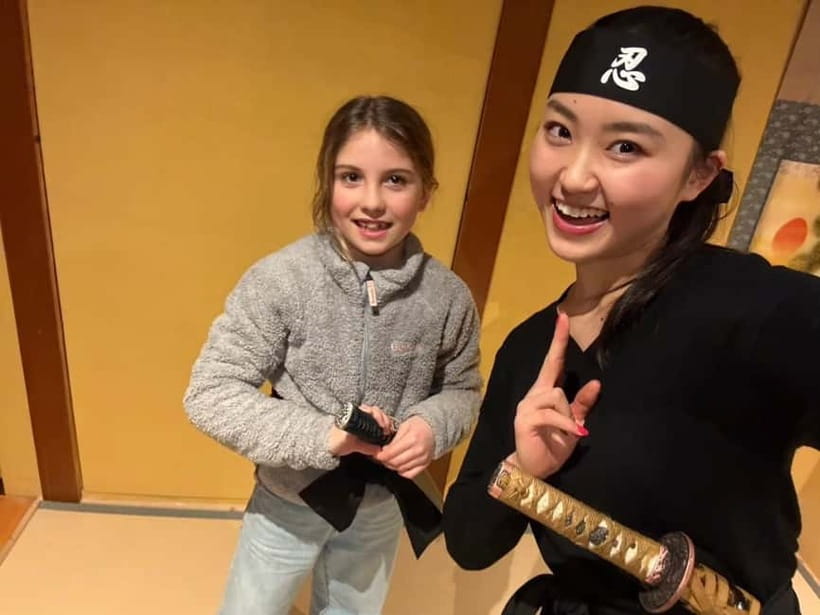
A ninja costume in Kyoto sounds fun for photos. The real hook is that you do hands-on training, not just dress up, with step-by-step coaching and real weapon practice. I love the authentic ninja costume and gear you wear right away, and I also love that you rotate through multiple weapons instead of doing one quick trick. One thing to consider: it is a hands-on activity, so you’ll want to wear something you can comfortably switch into the outfit for.
The atmosphere is playful but organized, and the staff really help you get the shot. In particular, I’ve seen how instructors like Yui and Wei keep families moving and calm, even when only one person is actively training. The main drawback is practical: if you (or your party) is planning to skip training, companions aren’t just free spectators—you’ll need to order a cafe drink to participate as a non-training observer.
In This Review
- Ninja-In-Name, Training-In-Real-Life
- What Happens When You Arrive (And How to Prepare)
- Costume Change: Your First Transformation
- The Weapon Training Sequence (Shuriken, Blowgun, Katana)
- Throwing Shuriken
- Blowgun Practice
- Katana Time
- Photos and Video: The Part You’ll Actually Rewatch
- Indoor Cafe Time: If You’re Watching (Or Taking a Break)
- Price and Value: Is $45 Worth It?
- Who This Experience Fits Best
- Small Group Energy: Why the Coaching Feels Personal
- A Few Practical Tips for a Smoother Session
- Should You Book Ninja Experience Cafe Kyoto Gion?
- FAQ
- Where is the meeting point for Ninja Experience Cafe Kyoto Gion?
- How long does the ninja experience last?
- What weapon training is included?
- Is the experience indoors?
- What’s included in the price?
- What if someone in my group doesn’t want to join the training?
- What languages do instructors speak?
- Is it suitable for young children?
Ninja-In-Name, Training-In-Real-Life
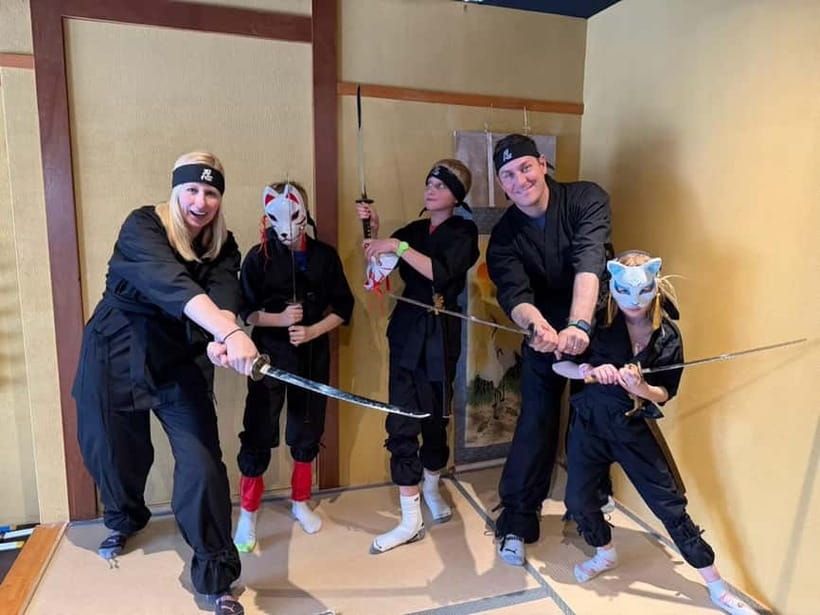
This is Kyoto’s ninja fantasy turned into an actual class. You start by transforming—costume first—then you work through three weapon stations with instructors guiding your grip, stance, and safe handling. It feels like a movie scene because you’re in costume, moving on cue, and practicing the same basic forms you associate with ninjas, but it still has structure and safety built in.
It’s also built for weather. Since it’s an indoor cafe setup, you can plan this activity without worrying about sudden rain in Kyoto. And because the group is limited to 10 participants, you tend to get more attention when you need it rather than being rushed through a one-size-fits-all photo op.
What Happens When You Arrive (And How to Prepare)
You meet at the cafe on the 6th floor of the building. Good news: the building has an elevator, so you’re not stuck dragging yourself up stairs mid-day.
Once you’re there, the flow is straightforward:
- You check in and get oriented.
- You change into the ninja costume and gear.
- You get guided through each weapon station, one step at a time.
- If you’re not training, you can watch, take photos, and enjoy the cafe’s ninja-themed food and drinks.
A small but important prep tip: avoid wearing skirts if possible. You’ll need to change into the outfit, and this is one of those details that matters more than people expect until they’re standing there in the change area.
More evenings along the lantern-lit lanes of Gion


Costume Change: Your First Transformation
The costume rental is part of the experience, and it’s not just a prop. You go from regular traveler to ninja look fast—costume and gear on, then you’re in character for training and photos. This matters because it changes how the whole hour feels. You stop thinking of it as an activity and start thinking of it as a scene you’re acting in.
You’ll get photo opportunities throughout, and staff help you capture good moments. That means you’re not stuck asking a stranger to take a blurry video while you throw something pointy and dramatic.
The Weapon Training Sequence (Shuriken, Blowgun, Katana)
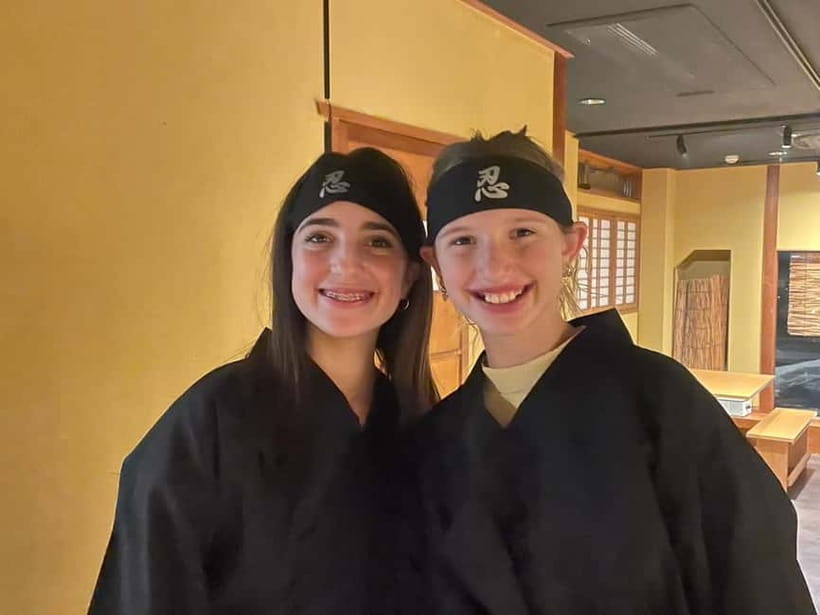
This is the heart of the experience: training with three weapons—shuriken, blowgun, and katana. The instructors guide you step by step, which keeps it fun instead of intimidating. The vibe is action-movie energy, but the pacing is designed to be safe and understandable.
Throwing Shuriken
Shuriken are the classic ninja weapon, and this is where you get that immediate wow-factor. You practice throwing with instruction on how to hold, aim, and follow through. The point isn’t to be a master by the end. It’s to learn the basics enough that your throws look intentional and you can improve quickly during the session.
Blowgun Practice
Next is the blowgun, which feels different from shuriken because the focus shifts from dramatic tossing to precision. You’ll get coached on technique and how to line things up at a distance. It’s a great change of pace, and it often surprises people who thought they’d only be doing costume photos.
Pick up the blade again with these Kyoto sessions

Katana Time
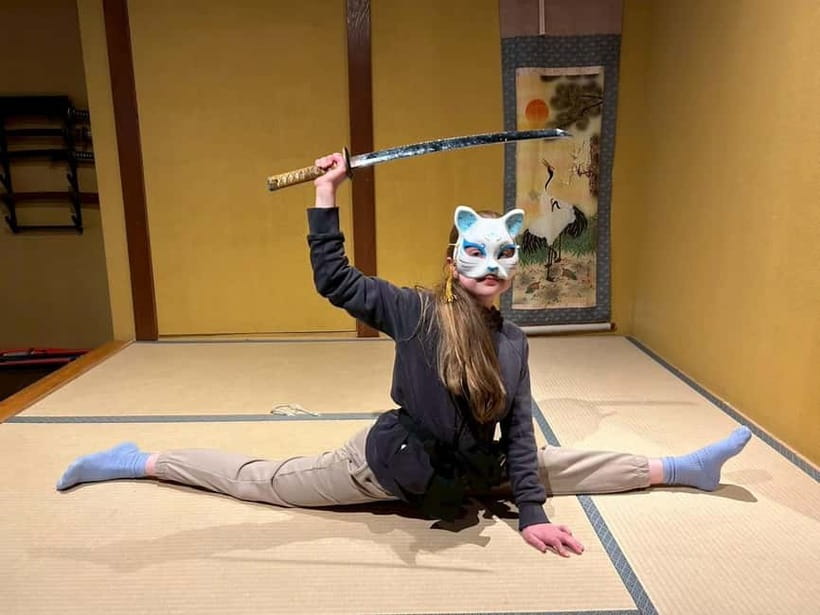
Then you move to the katana (sword). Sword practice usually scares people a little before they start, but the experience is structured so you learn safe handling and basic form. Even if you’re not training like a martial artist, you’ll come away with a better sense of how controlled movement matters with a blade.
Across all three, what makes the training valuable is the teaching style: you’re not guessing. You’re building each skill in a guided sequence, which makes improvement feel realistic inside a 1 to 2 hour window.
Photos and Video: The Part You’ll Actually Rewatch
Even if you’re not planning to post a ton, you’ll likely want to keep these. The staff help with photo opportunities, and the whole setup encourages you to get epic ninja pictures.
Here’s what helps most:
- You’re dressed in full costume, so the photos look like more than a gimmick.
- You’re not posing statically the entire time. You’re doing weapon practice, which gives photos natural action.
- Staff guidance means you’re more likely to end up with shots that show what you actually did.
If you’re traveling with friends, I suggest taking a mix: one set that shows your full costume, and another set where you’re clearly mid-training. The second group is the stuff that looks like an action movie still.
Indoor Cafe Time: If You’re Watching (Or Taking a Break)
Not everyone in your group needs to train. If you’re not participating, you can observe, take photos, and enjoy ninja-themed food and drinks at the cafe. The atmosphere works either way: active training participants get the class, and non-training companions can still feel included.
Do note the one practical rule: if your companion isn’t joining training, the cafe asks them to order one drink. It’s a simple way to keep things fair while still allowing people to spectate.
Price and Value: Is $45 Worth It?
At $45 per person for a 1–2 hour session, this isn’t a cheap souvenir. But it’s also not paying for just a costume rental and a couple quick snaps.
You’re paying for:
- Costume rental (so you don’t need to bring your own gear)
- Instructor-guided training with shuriken, blowgun, and katana
- Photo opportunities and staff help capturing moments
- A small-group format (limited to 10)
In value terms, the biggest win is the instruction. You’re getting coached practice with multiple weapons in one place, and the session is short enough to fit easily into a Kyoto itinerary. If you’ve ever tried to “DIY” this kind of activity elsewhere, you’ll know that the gap is usually guidance—this closes that gap.
Who This Experience Fits Best
I see this working well for:
- Families with kids over age 3 who want an activity that’s energetic but guided
- Solo travelers who like interactive classes and want great photo content without hunting for a location
- Friends traveling together who want something different from temples and markets
It’s also a strong option if you want a break from walking all day. Because it’s indoor and structured, you get a focused activity instead of another “wander and hope” block of time.
Small Group Energy: Why the Coaching Feels Personal
The group size is limited to 10 participants, and you can feel that in how the session runs. Smaller groups help instructors monitor technique and safety more effectively. It also means you tend to get more time at each station and more chances to correct small mistakes before your next attempt.
In the best moments, you’ll feel like you’re moving through a mini program rather than following a crowd. That matters a lot when you’re practicing tools like shuriken and coordinating handling for the katana.
A Few Practical Tips for a Smoother Session
These are the small details that make the experience smoother:
- Wear clothing you can change out of easily. Skirts can be awkward, so try to avoid them if you can.
- Expect to be actively engaged. If you’re the type who worries about trying things, the step-by-step format helps.
- Bring your phone for photos, but don’t rely on it for everything. Staff support is part of the value.
- Wear shoes that make you comfortable moving around during training.
If you’re planning the rest of your day, treat this like a real appointment block. The session is short, so plan other activities with some space around it.
Should You Book Ninja Experience Cafe Kyoto Gion?
If you want a hands-on, photo-friendly Kyoto activity that works even when the weather isn’t cooperating, I’d book it. The biggest reasons are simple: you get real instruction with shuriken, blowgun, and katana, and you don’t just leave with a costume—you leave with practiced skills and stronger action photos.
Skip it only if your party wants a purely passive sightseeing stop. This experience is built around training, and non-training companions are expected to participate through the cafe (one drink order) rather than just hang out indefinitely.
FAQ
Where is the meeting point for Ninja Experience Cafe Kyoto Gion?
The cafe is on the 6th floor of the building. The building has an elevator, and you should come directly to the cafe.
How long does the ninja experience last?
The experience typically lasts 1 to 2 hours. Starting times depend on availability.
What weapon training is included?
You’ll train with three weapons: shuriken, blowgun, and katana (sword).
Is the experience indoors?
Yes. It is described as an indoor experience, which makes it suitable for any weather.
What’s included in the price?
Included are the ninja weapon training, ninja costume rental, guidance from ninja instructors, and photo opportunities.
What if someone in my group doesn’t want to join the training?
If companions won’t join the ninja training, they are asked to order one drink at the cafe.
What languages do instructors speak?
Instructors speak English and Japanese.
Is it suitable for young children?
It is not suitable for children under 3 years.
More Tour Reviews in Kyoto


More Samurai and Ninja Sessions
Still in Gion? Keep Going

Just added: more Kyoto tours to browse








Gion & Geisha District Tours, compared.
 ★ 4.7Kyoto Geisha Walking Tour: Gion District & Hidden GemsFrom $253,273 reviews
 ★ 4.9Gion Magical Night Walking Tour with Geisha TriviaFrom $242,393 reviews
 ★ 4.7Gion Geisha District Walking Tour – Stories of GeishaFrom $202,187 reviews
 ★ 4.9Best of Kyoto: Gion, Geisha, Pagodas & CobblestonesFrom $242,058 reviews
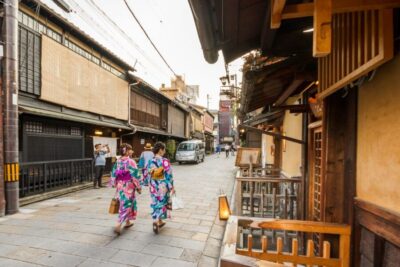 ★ 4.5Night Walk in Gion: Kyoto’s Geisha DistrictFrom $212,003 reviews
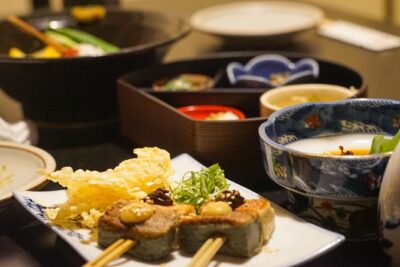 ★ 5.0Kyoto Night Foodie Tour in Gion (9+ dishes + 6 Sake tastings)From $1631,762 reviews
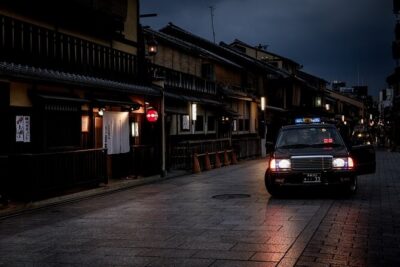 ★ 5.0Kyoto Gion Geisha District Walking Tour – The Stories of GeishaFrom $251,441 reviews
 ★ 5.0Kyoto Gion: 2-Hour Geisha Culture & History Walking TourFrom $231,186 reviews
Browse the lists this tour appears in